标签: Belize

伯利兹

  • Latest on Iran Conflict: Leadership Change, Deadly Strikes, and UN Calls for Halt

    Latest on Iran Conflict: Leadership Change, Deadly Strikes, and UN Calls for Halt

    In the wake of Supreme Leader Ali Khamenei’s death during U.S.-Israeli military operations, Iran has established a transitional governing council to steer the nation through this turbulent period. U.S. President Donald Trump indicated that these new leadership figures appear open to diplomatic engagement, though specific identities remain undisclosed.

    Regional violence continues to intensify with fresh Israeli strikes targeting central Tehran and Iranian retaliatory measures. Tragic incidents include civilian casualties among those seeking refuge near a Jerusalem synagogue and emerging reports of a deadly attack on an Iranian elementary school.

    The conflict has created widespread disruption across Middle Eastern transportation networks, impacted heavily populated urban centers, and constrained oil shipments through critical maritime corridors—fueling concerns about broader regional destabilization.

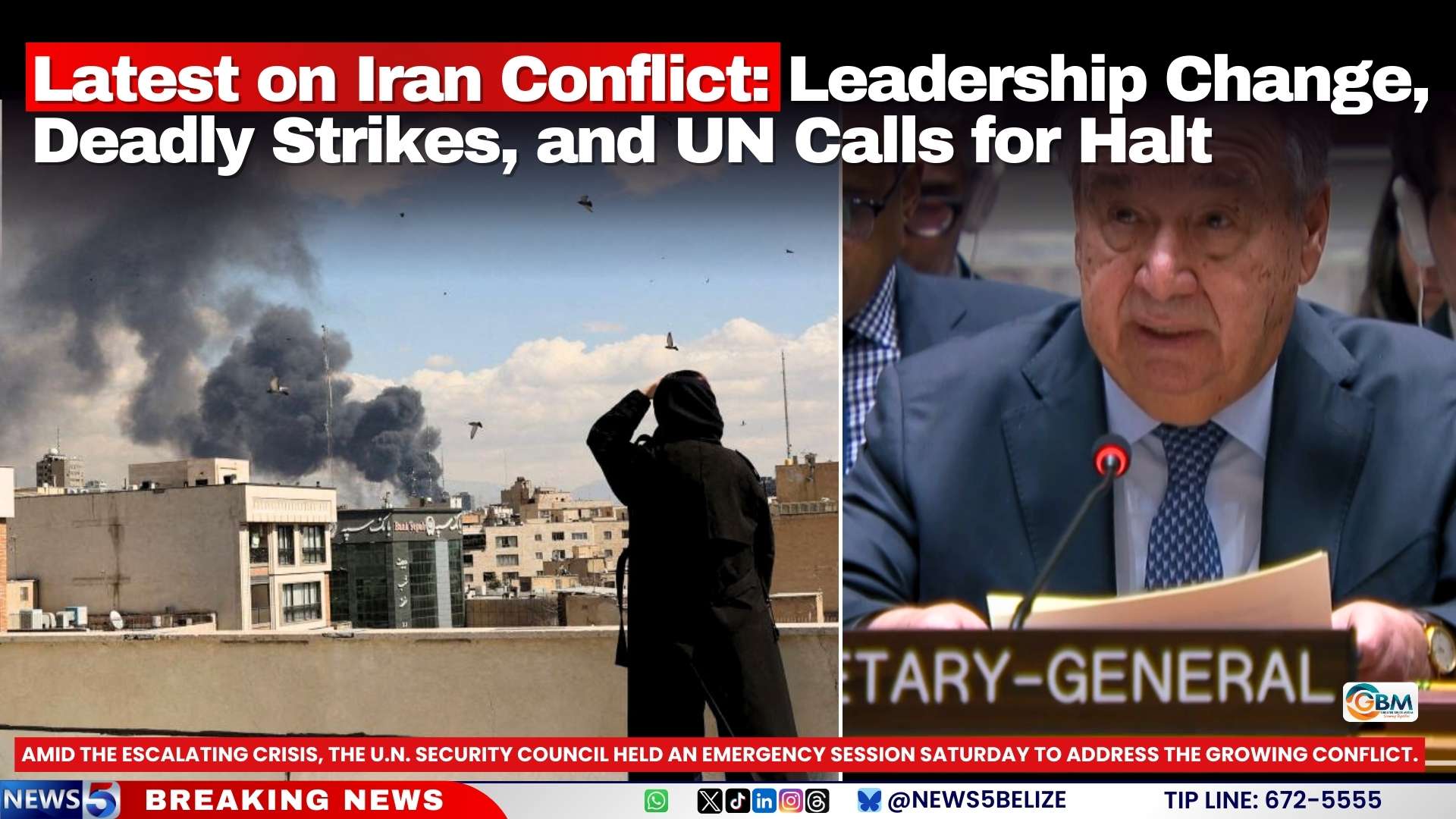
    During an emergency United Nations Security Council session convened Saturday, Secretary-General António Guterres issued urgent appeals for all parties to cease hostilities and resume diplomatic negotiations. He emphasized that failure to de-escalate could precipitate a expanded conflict with severe humanitarian and regional security implications.

    Guterres condemned aerial operations by both sides for violating international legal standards and national sovereignty, specifically mentioning Bahrain, Iraq, Jordan, Kuwait, Qatar, Saudi Arabia, and the United Arab Emirates.

    U.S. Ambassador Mike Waltz defended American actions as legally justified measures to prevent nuclear proliferation, stating: “Iran cannot possess nuclear weapons—this isn’t political but fundamental to global security.” Israeli Ambassador Danny Danon similarly characterized operations as necessary preventive measures against regional threats.

    Iran’s Ambassador Amir Saeid Iravani accused Western powers of committing war crimes resulting in hundreds of civilian deaths and criticized the Security Council for previously ignoring Tehran’s warnings. The session witnessed unusually direct confrontations between American and Iranian diplomats, featuring mutual accusations of historical atrocities.

    Other Security Council members expressed deepening concerns. Russia condemned U.S.-Israeli strikes while advocating diplomatic solutions, China voiced alarm over escalating tensions and supported renewed negotiations, and European representatives from Britain, France, and Germany urged revived talks regarding Iran’s nuclear program while emphasizing the Iranian people’s right to self-determination.


  • National Bus Company says Routes Remain the Same

    National Bus Company says Routes Remain the Same

    The newly established National Bus Company commenced operations on March 1, 2026, marking a significant milestone in the government’s Transport Modernisation Initiative. Transportation authorities have confirmed that existing bus routes, schedules, and service frequencies will remain predominantly unchanged, with minor adjustments only applied to eliminate duplicate routes and closely timed departures.

    The Ministry of Transportation emphasized that the transition aims to enhance operational reliability and efficiency without disrupting current services. Officials pledged transparent communication regarding any future modifications to the bus network, ensuring passengers receive timely updates about service improvements.

    Despite governmental assurances, the launch has generated substantial skepticism among commuters. Social media platforms have become arenas for public criticism, with many questioning the tangible benefits of the rebranding initiative. One commentator noted, ‘Merely changing the names on buses hardly constitutes improved services,’ while another criticized the persistence of ‘old outdated buses’ within the new system.

    Commuters have specifically challenged whether the organizational restructuring will address fundamental concerns regarding vehicle standards, safety protocols, and punctuality—issues that remain under the management of existing operators. While transportation officials promote the initiative as progress, the traveling public maintains cautious expectations, awaiting evidence of substantive improvements rather than superficial changes.

  • Penner Says Boycott Love FM Interviews…Not the Race

    Penner Says Boycott Love FM Interviews…Not the Race

    A significant dispute has emerged between the Belize Canoe Association and broadcaster Love FM just weeks before the annual La Ruta Maya Belize River Challenge. The conflict stems from an eleventh-hour alteration to the race’s finish line location that association leadership claims was implemented without proper consultation with event stakeholders.

    During a recent meeting with paddlers and supporters, Vice President Elvin Penner proposed a strategic media boycott specifically targeting Love FM interviews while emphasizing continued participation in the race itself. Penner articulated that teams should instead collaborate with alternative media outlets to ensure sponsors and athletes maintain their publicity coverage throughout the event.

    “I suggest we do something like this to make a real stand,” Penner stated, advocating for a unified approach to signal discontent with the decision-making process. He noted that other media organizations would likely follow paddlers regardless of their chosen post-finish gathering location.

    Despite the brewing controversy, Penner provided clear guidance to competitors regarding race protocol: “You started the race, but you need to follow the rules of the race.” He explicitly warned that any violations of the established race regulations could result in disqualification, indicating the association’s commitment to maintaining competitive integrity despite their grievances with event organization.

    The proposed interview boycott represents a calculated protest rather than a full withdrawal from the prestigious event, highlighting the association’s desire to address procedural concerns while preserving athlete participation in Central America’s longest annual canoe race.

  • Israeli Sources Say Iran’s Supreme Leader is Dead

    Israeli Sources Say Iran’s Supreme Leader is Dead

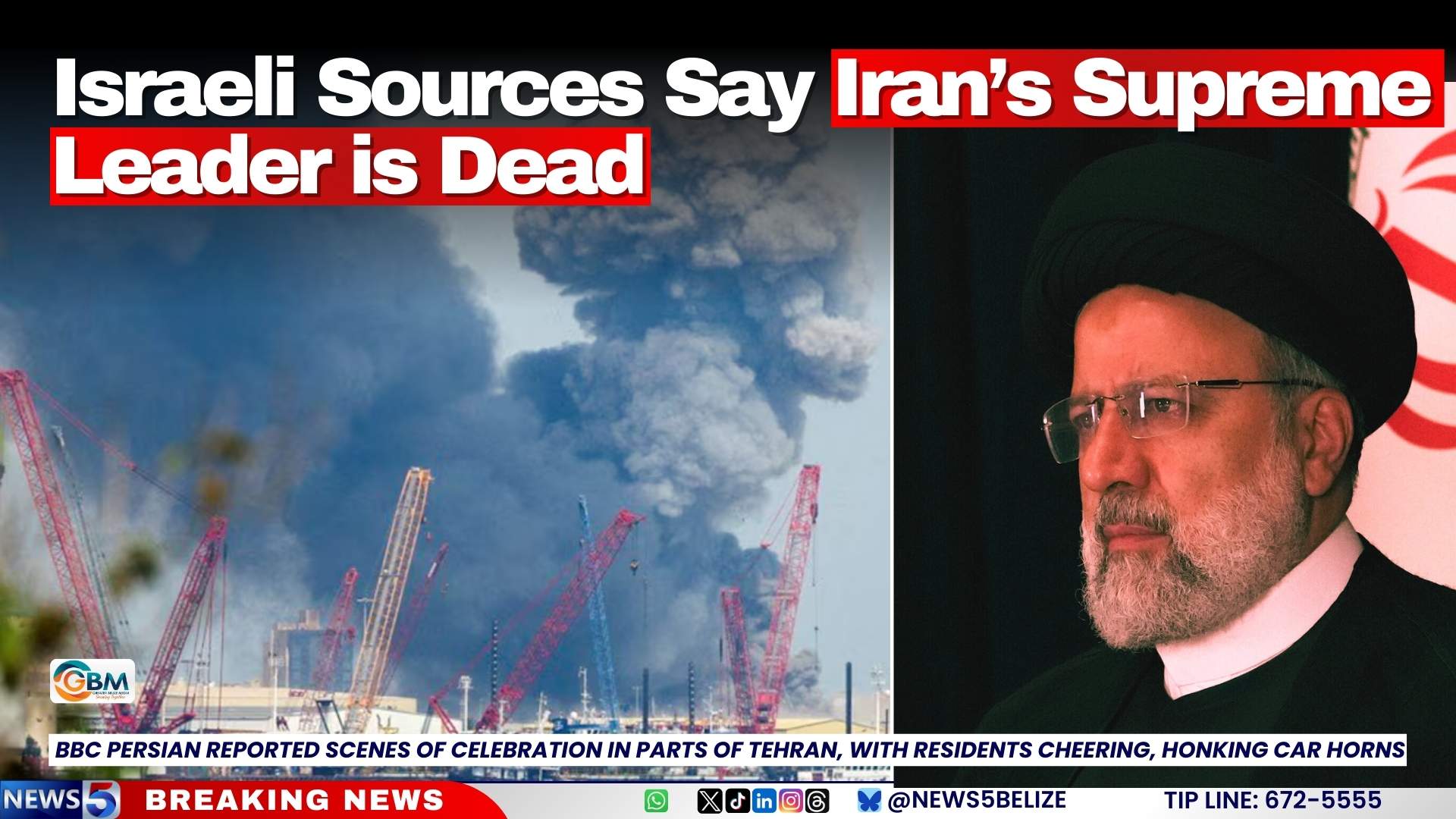
    International tensions escalated dramatically on February 28, 2026, as conflicting reports emerged regarding the status of Iran’s Supreme Leader Ayatollah Ali Khamenei following recent military operations. Israeli officials have circulated unverified claims suggesting Khamenei may have been killed during coordinated U.S.-Israeli strikes on targets in Tehran, while Iranian authorities vehemently deny these assertions, labeling them as psychological warfare.

    Israeli Prime Minister Benjamin Netanyahu stated that there were ‘increasing indicators’ pointing to the Supreme Leader’s demise, though he acknowledged the information remained unconfirmed. A senior Israeli official, speaking anonymously to Reuters, further claimed that Khamenei’s body had been identified among the casualties from the strikes.

    The Iranian government mounted a robust denial campaign, with Foreign Ministry spokesperson Esmail Baghaei assuring international media that both Supreme Leader Khamenei and President Masoud Pezeshkian remained ‘safe and in good health.’ The public relations chief of Khamenei’s office characterized the reports as deliberate misinformation designed to undermine Iranian stability.

    Amid the uncertainty, BBC Persian documented unusual public celebrations in certain Tehran districts, with residents reportedly cheering, sounding vehicle horns, and gathering in streets—behavior suggesting either belief in the reports or opposition sentiment taking advantage of the situation.

    The geopolitical climate remains exceptionally volatile as no independent verification of Khamenei’s condition has emerged. The situation continues to develop with intelligence agencies worldwide attempting to ascertain the truth behind these contradictory accounts while regional stability hangs in the balance.

  • Chiquibul Targeted Again as Illegal Loggers Shift to Sapodilla

    Chiquibul Targeted Again as Illegal Loggers Shift to Sapodilla

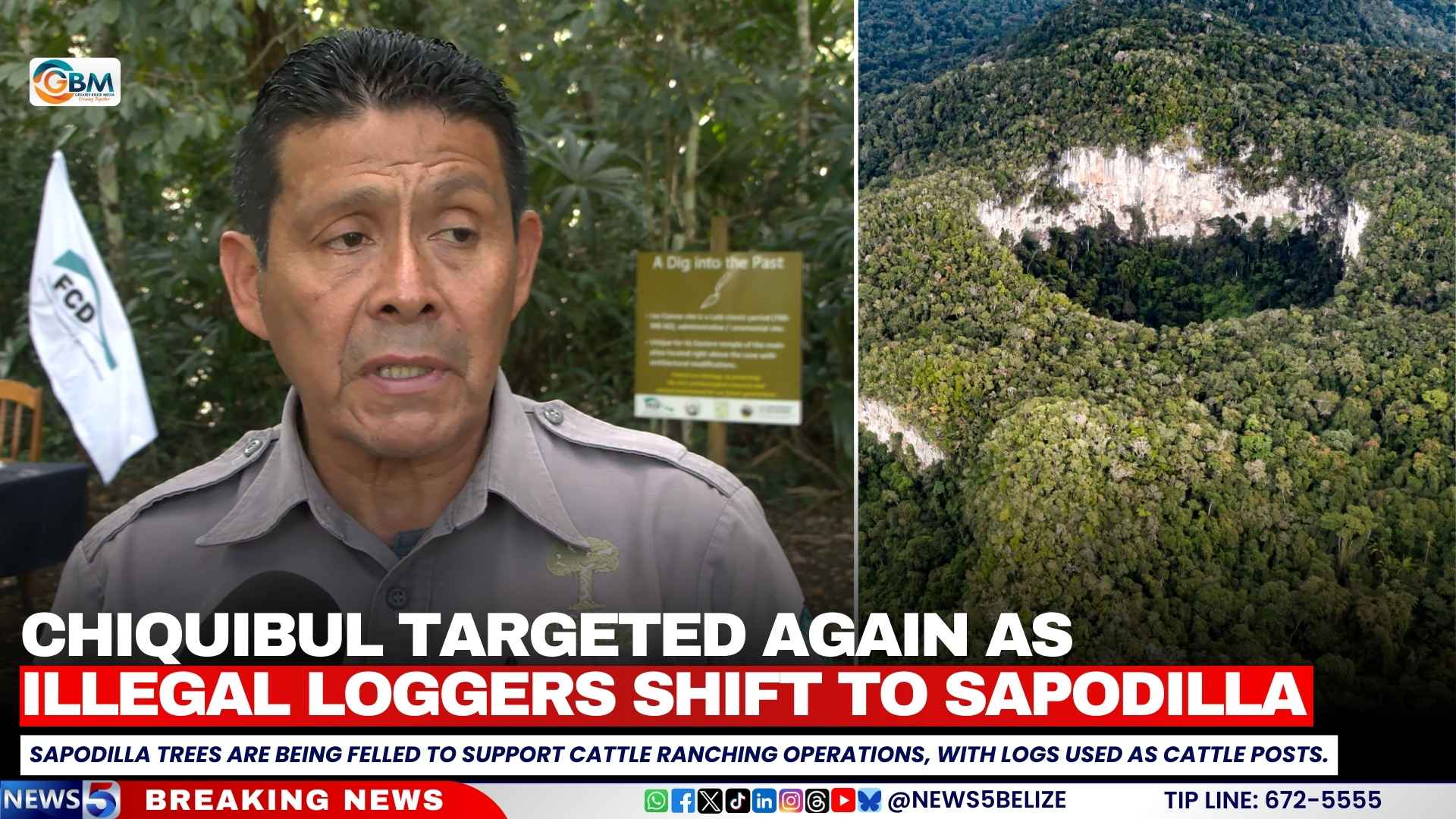
    Environmental authorities in Belize are reporting a concerning resurgence of illegal logging activities along the nation’s western border with Guatemala. Rafael Manzanero, Executive Director of Friends for Conservation and Development (FCD), has issued warnings about renewed incursions into protected forest areas after several years of declining activity.

    According to historical data, the period between 2010 and 2014 represented the peak of illegal logging operations, with estimated timber losses exceeding $50 million from the ecologically significant Chiquibul jungle. During this intense phase, Guatemalan loggers penetrated up to 17 kilometers deep into Belizean territory.

    While enforcement efforts had successfully reduced these incursions over recent years, monitoring agencies have now detected a disturbing reversal of this positive trend. “We are seeing back again a resurgence of illegal activity in terms of illegal logging right now,” Manzanero confirmed during a recent assessment.

    The nature of the logging operations has undergone a significant shift in targeting strategy. Previously focused on high-value timber species including mahogany and cedar, illegal loggers are now predominantly harvesting sapodilla trees. This change reflects adaptation to market demands, with the timber being utilized primarily for construction of cattle posts to support ranching operations across the border.

    The FCD organization is implementing coordinated response measures in partnership with Belize’s Ministry of Border Security to prevent a return to the severe depletion levels witnessed a decade ago. The Chiquibul Forest remains one of Belize’s most critical protected areas, continuously vulnerable to cross-border threats including not only illegal logging but also poaching and unauthorized mineral extraction activities that collectively endanger both biodiversity and national resources.

  • 75 People From Around the World Became Belizean Citizens

    75 People From Around the World Became Belizean Citizens

    In a significant national event on Thursday, Belize formally embraced 75 individuals from diverse global backgrounds as its newest citizens. The ceremony, attended by government dignitaries, relatives, and community members, marked the culmination of these candidates’ journeys to full Belizean nationality through the traditional Oath of Allegiance.

    The newly sworn citizens represent a remarkable geographic diversity, with origins spanning Honduras, El Salvador, Germany, the United States, Jamaica, Bolivia, Ukraine, Bangladesh, Lebanon, Cuba, Mexico, Canada, and Venezuela. This multicultural gathering underscores Belize’s continuing appeal as a destination for those seeking new beginnings.

    Minister of Immigration Kareem Musa delivered the keynote address, framing the occasion within Belize’s historical context as a nation shaped by migration patterns. “Citizenship affirms that belonging to Belize is defined by participation, responsibility, and contribution,” Minister Musa stated, emphasizing that national identity extends beyond mere legal status.

    The Minister highlighted that many of the new citizens have already established themselves as valuable contributors to Belizean society across multiple sectors including agricultural development, tourism infrastructure, construction projects, educational institutions, healthcare services, small business enterprises, and community organizations.

    Musa further articulated Belize’s unique perspective on migration, noting that within the country’s 8,867 square miles, many choose to “remain, to settle, and to build a life grounded in community rather than transit”—a philosophy that distinguishes Belize’s approach to integration.

    Following the ministerial address, the Supreme Court formally administered the Oath of Allegiance, legally conferring citizenship upon all 75 candidates. The ceremony concluded with Minister Musa’s heartfelt declaration: “Welcome home, my fellow Belizeans,” signaling their official incorporation into the national family.

  • U.S. and Israel Attack Iran, Trump Says “Bombs Will be Dropping Everywhere”

    U.S. and Israel Attack Iran, Trump Says “Bombs Will be Dropping Everywhere”

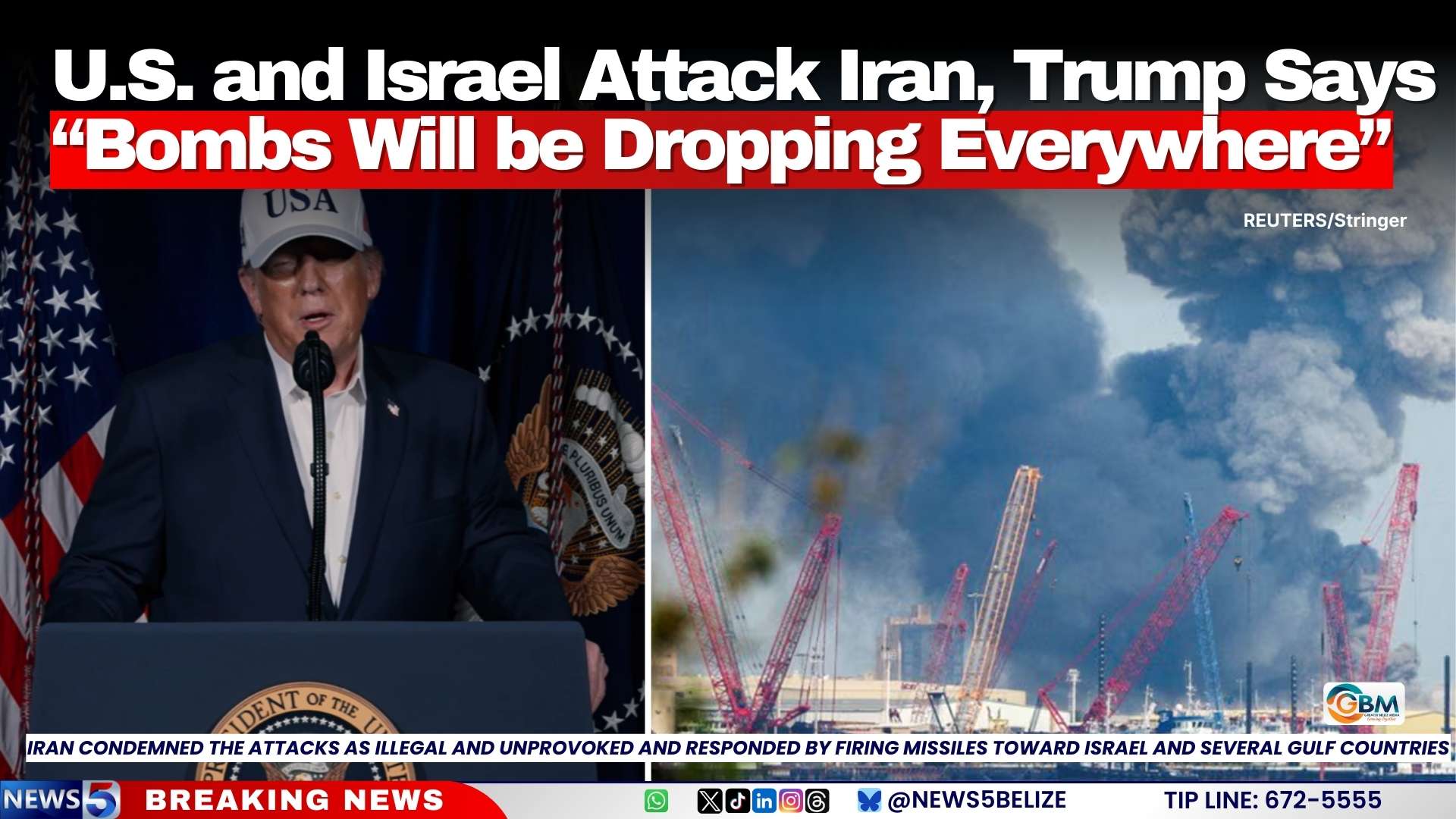
    In a dramatic escalation of Middle East tensions, the United States and Israel launched coordinated military operations against Iranian targets on February 28, 2026. The strikes, targeting senior Iranian military leadership, prompted immediate retaliatory missile attacks across the region, creating one of the most perilous security situations in recent years.

    According to Reuters reports, Iranian defense systems engaged incoming projectiles as explosions were documented in multiple countries. Iranian state media claimed at least 40 casualties from an airstrike on a school facility, though these figures remain unverified through independent channels. Three confidential sources confirmed the deaths of Iran’s defense minister and a high-ranking Revolutionary Guards commander in Israeli operations.

    The operation, codenamed “Operation Epic Fury” by the Pentagon, specifically targeted Iranian leadership following the collapse of nuclear negotiations earlier this week. In a video address via Truth Social, U.S. President Donald Trump characterized the mission as necessary to prevent Iranian nuclear weapon development and eliminate “immediate threats.”

    “Bombs will be dropping everywhere,” President Trump declared, advising Iranian citizens to seek shelter while simultaneously encouraging them to overthrow their governing authorities. Israeli Prime Minister Benjamin Netanyahu similarly suggested the military action might empower Iranian citizens to “take their destiny into their own hands.”

    Iran’s Revolutionary Guards issued a stern warning that all U.S. bases and regional interests remain vulnerable to continued retaliation, condemning the initial strikes as unlawful aggression. Defense systems reportedly intercepted numerous missiles directed toward Israel and several Gulf nations hosting U.S. military installations.

  • Washington Signals Bigger Role in Caribbean Affairs

    Washington Signals Bigger Role in Caribbean Affairs

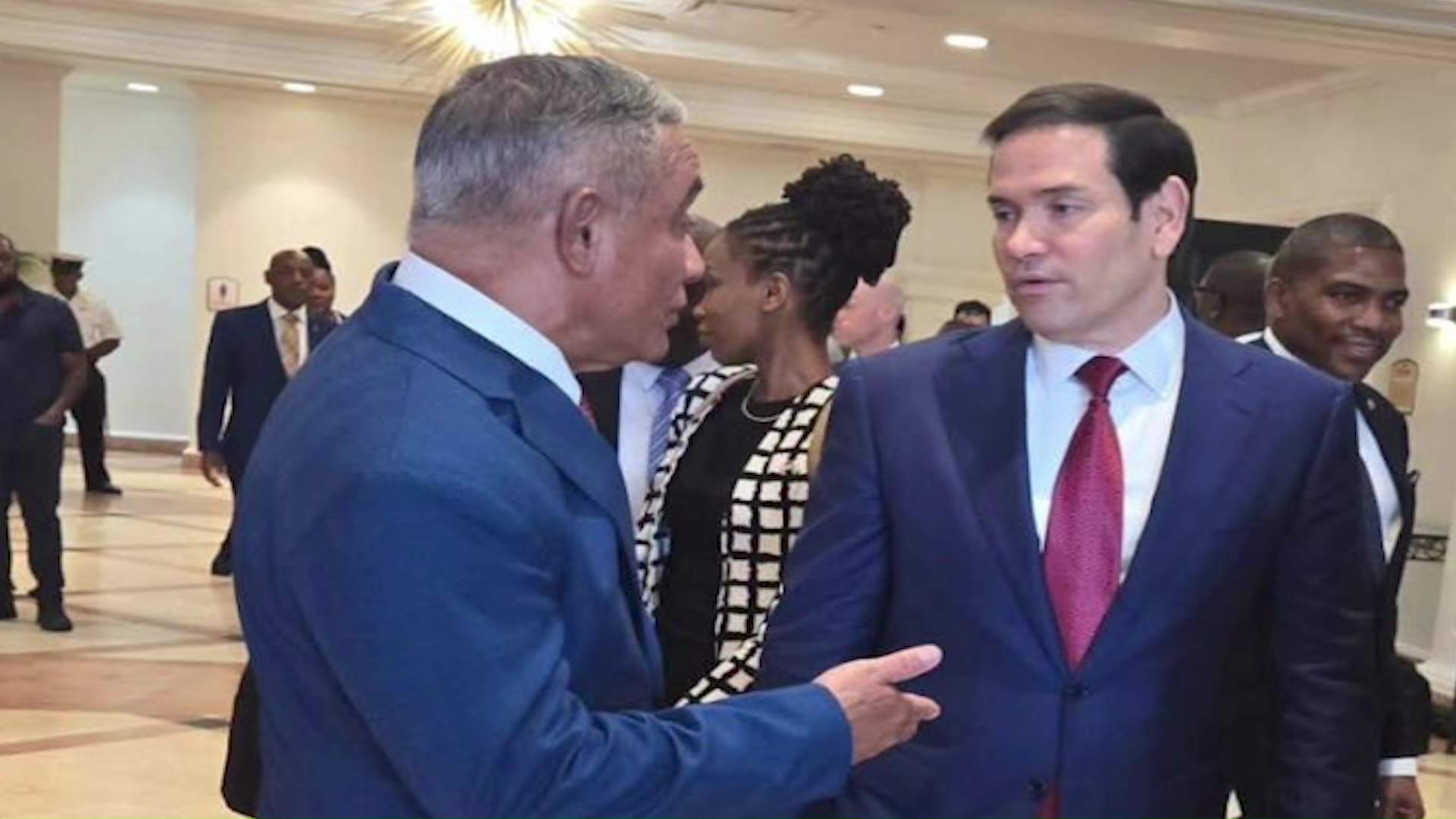
    In a significant diplomatic development, the United States has formally indicated its intention to deepen engagement with Caribbean nations. The announcement followed the conclusion of the fiftieth CARICOM Heads of Government meeting in Saint Kitts and Nevis, where U.S. Secretary of State Marco Rubio’s unexpected presence generated considerable attention among regional leaders.

    Belize’s Prime Minister John Briceño, in exclusive post-meeting revelations, disclosed that closed-door discussions centered on three critical areas: migration patterns, transnational criminal networks, and regional development initiatives. The high-level dialogue marks a notable shift in Washington’s foreign policy priorities toward the Caribbean basin.

    During bilateral talks, Prime Minister Briceño delivered an urgent security appeal to Secretary Rubio, highlighting the escalating threat posed by Mexican cartels expanding southward into Belizean territory. The Prime Minister specifically identified the Caborca Cartel as having established operational presence along Belize’s northern border with Mexico’s Quintana Roo region.

    “Our nation faces unprecedented vulnerability to narco-trafficking operations,” Briceño stated. “We require immediate assistance in equipment provision, intelligence sharing, and specialized training rather than delayed support that might arrive too late to prevent fundamental transformation of our society.”

    While addressing travel concerns following recent security advisories for Mexico, Briceño emphasized that cross-border relations remain strong despite security challenges. He advised cautious travel practices while reaffirming Mexico’s status as a vital regional partner.

    The Secretary of State’s personal attendance at the CARICOM gathering signals the Trump administration’s renewed focus on Latin American and Caribbean affairs, with diplomatic sources suggesting this engagement represents a strategic counterbalance to growing extra-hemispheric influence in the region.

  • Learning From Jamaica’s Anti‑Gang Playbook

    Learning From Jamaica’s Anti‑Gang Playbook

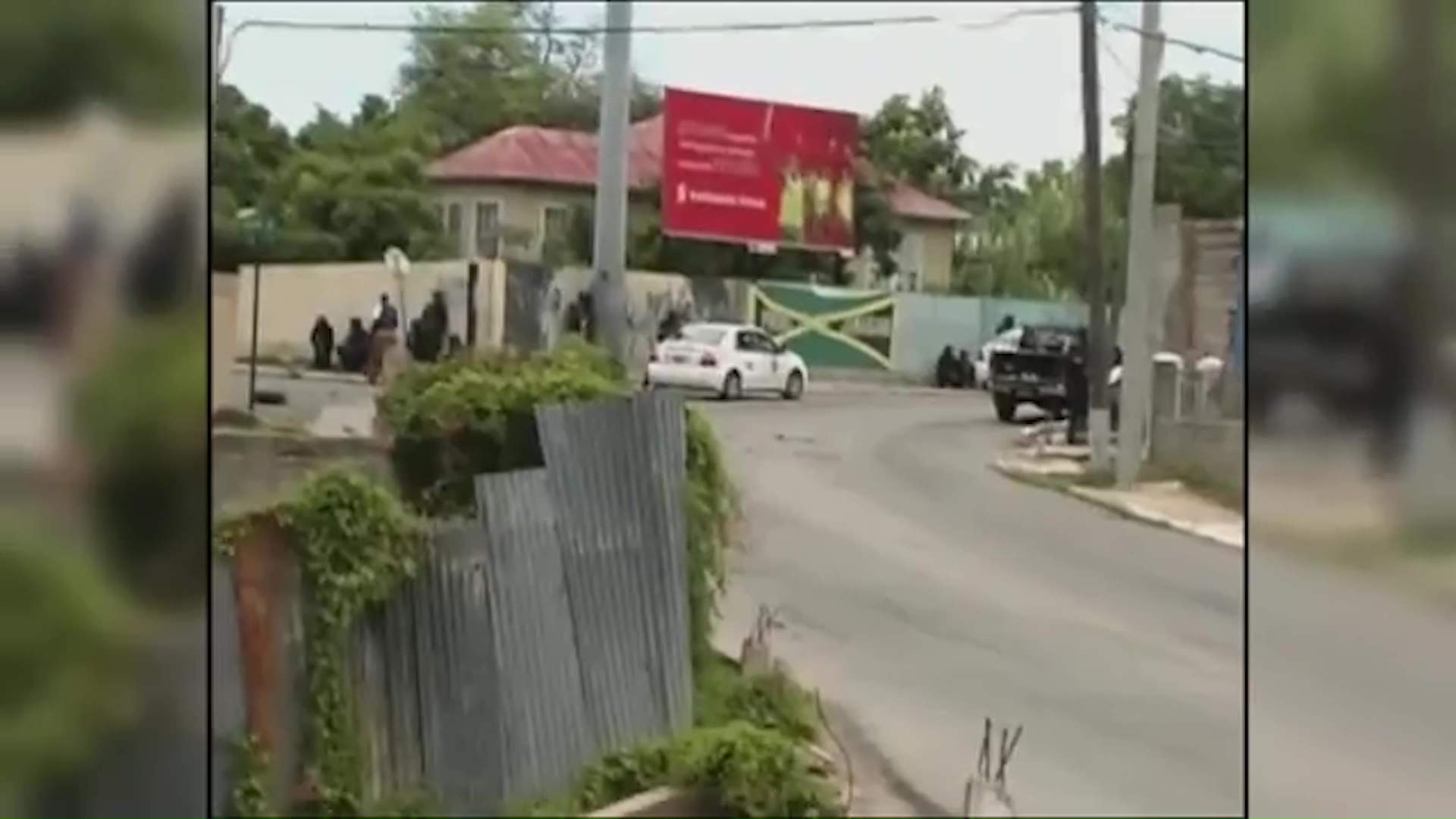
    The recently concluded CARICOM meeting exposed significant fractures within the regional bloc while simultaneously fostering cooperation on critical security matters. Belize’s Prime Minister John Briceño revealed his nation’s intention to seek Jamaica’s expertise in combating escalating gang violence, following candid discussions with Jamaican leader Dr. Andrew Holness.

    Prime Minister Briceño disclosed to News Five that Jamaica’s successful strategies in tackling gang-driven violence present a valuable model for Belize. “Prime Minister Holness was remarkably frank during our caucus,” Briceño stated. “He emphasized the critical importance of addressing gang issues before they become entrenched and powerful enough to resist intervention.”

    The Belizean leader indicated plans for potential knowledge-exchange missions, saying, “We would probably want to send our people to Jamaica or if I can go myself to examine their approach, particularly how they’ve equipped police with appropriate technology and resources for effective crime fighting.”

    Meanwhile, the summit witnessed notable tensions as Trinidad and Tobago’s Prime Minister Kamla Persad-Bissessar delivered sharp criticism of CARICOM’s solidarity mechanisms. She accused the bloc of failing to support member states during crises, specifically referencing her country’s standoff with Venezuela, and announced Trinidad’s withdrawal from support of CARICOM’s free-movement agenda.

    Prime Minister Briceño offered a robust rebuttal to these claims, asserting that Persad-Bissessar’s criticism was “one hundred percent wrong.” He detailed multiple instances of regional support for both Trinidad and Guyana regarding the Venezuela border disputes, emphasizing CARICOM’s consistent backing of established treaties and boundaries.

    The humanitarian crisis in Cuba emerged as another focal point, with leaders addressing the island’s severe food shortages and the impact of U.S. sanctions. Despite divergent viewpoints on approaching Havana’s leadership, CARICOM members unanimously agreed that both the United States and Cuba must engage in dialogue. The bloc has committed to pooling resources to deliver urgent food assistance to Cuban citizens and has offered to serve as an impartial mediator between the longstanding adversaries.

  • Ex-BTL Workers Bring Protest to Chairman Mark Lizarraga’s Doorstep

    Ex-BTL Workers Bring Protest to Chairman Mark Lizarraga’s Doorstep

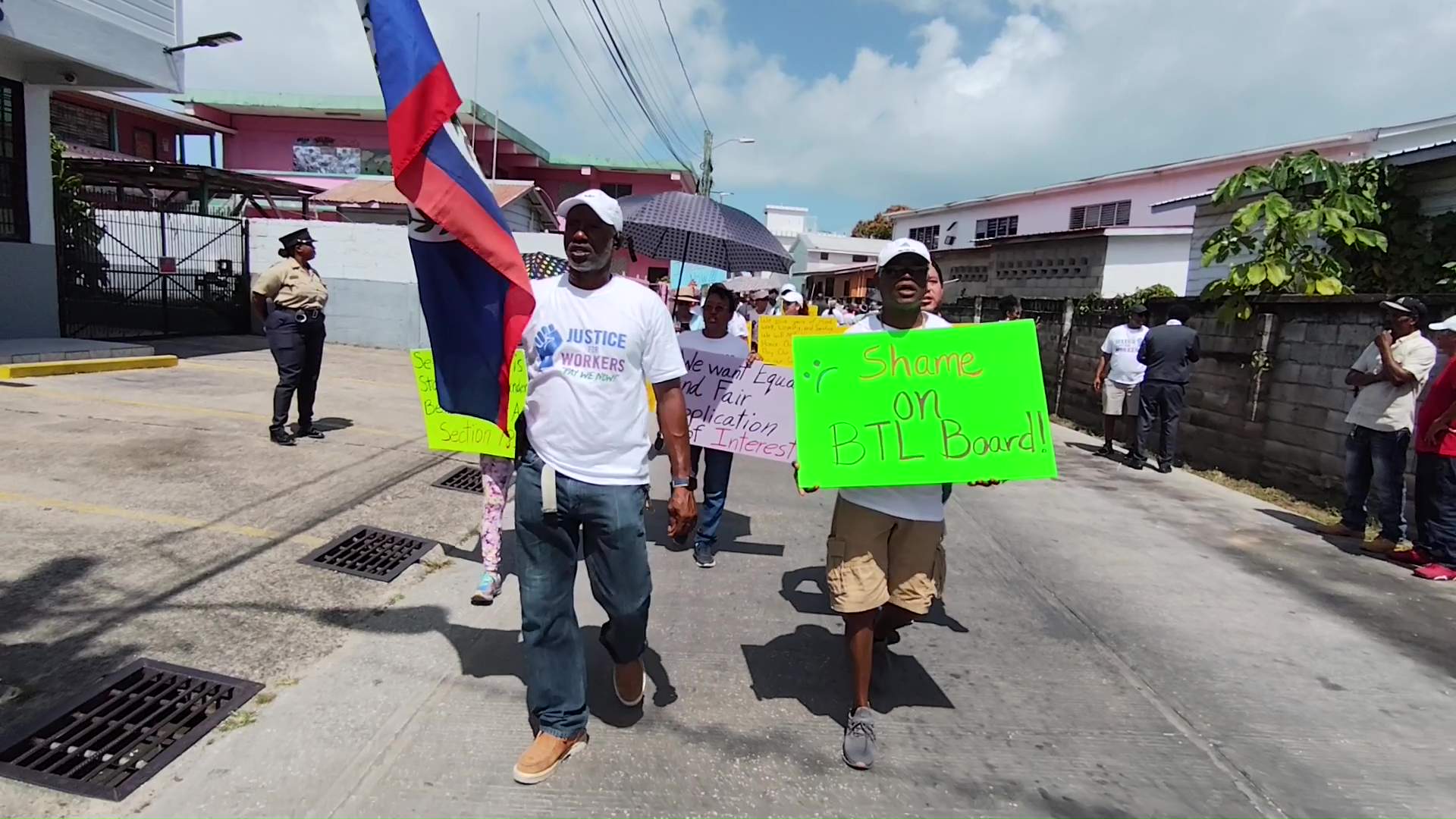
    Former employees of Belize Telemedia Limited (BTL) intensified their demonstrations on February 27, 2026, shifting their protest venue from corporate headquarters to the personal business establishment of Board Chairman Mark Lizarraga. The Belize Communication Workers for Justice (BCWJ) organized the midday gathering at Lizarraga’s Southside Meat Shop on Albert Street West, where retired workers marched with placards under the intense midday sun, significantly disrupting local traffic flow.

    The escalation follows collapsed negotiations and what organizers characterize as manipulative public relations tactics from BTL management. Emily Turner, a primary organizer, accused the company of exploiting former workers’ circumstances during a recent press conference rather than addressing their legitimate financial claims. “They would never have watched these people – and some of these people you can see, they cannot, they should not be out here,” Turner stated, emphasizing the physical strain on elderly protesters.

    Central to the dispute is a contentious six percent payment that BCWJ maintains is owed to former employees. The fundamental disagreement concerns the interest calculation timeline: BTL asserts obligations commenced from the Caribbean Court of Justice’s November 2025 ruling, while retirees demand back-payment from their individual departure dates from the company.

    Protest organizers revealed BTL has initiated individual outreach to former employees, a strategy perceived as attempting to fragment collective bargaining efforts. Former employee Michael Augustus cautioned colleagues against isolated negotiations, stating: “Don’t swallow their pill. They want to pull you in without a group behind you.”

    The movement has announced plans to expand demonstrations to other board members’ residences and businesses, with Union Senator Glenfield Dennison confirming forthcoming protests targeting individual directors. For many participants who dedicated decades to BTL, the protest transcends financial compensation, representing a fundamental struggle for dignity and recognition of their contributions to Belize’s telecommunications infrastructure. Retirees traveled from distant regions including Punta Gorda and Corozal to participate, demonstrating nationwide solidarity among former telecom workers.