标签: Belize

伯利兹

  • Civil Aviation Defends Drone Regulation Consultation Process

    Civil Aviation Defends Drone Regulation Consultation Process

    A public dispute over proposed new drone regulatory rules in Belize has erupted in recent days, with the nation’s leading industry body for unmanned aerial systems (UAS) accusing the Department of Civil Aviation of cutting corners on stakeholder consultation to rush the policy into effect. The accusations, leveled late last week by the Belize National Unmanned Aerial System Industry Association, center on claims that a public stakeholder workshop held last month to review the 55-page draft regulation was ended prematurely. According to the association, the early close left more than half of the proposed policy text unexamined, and repeated requests to schedule a follow-up reconvened session have already been rejected by regulators.

    The association also raised a second, separate grievance related to transparency: a formal Freedom of Information Act request submitted by the group back in April, which was required by law to receive a response within a 30-day window, has still not been answered as the deadline has long passed.

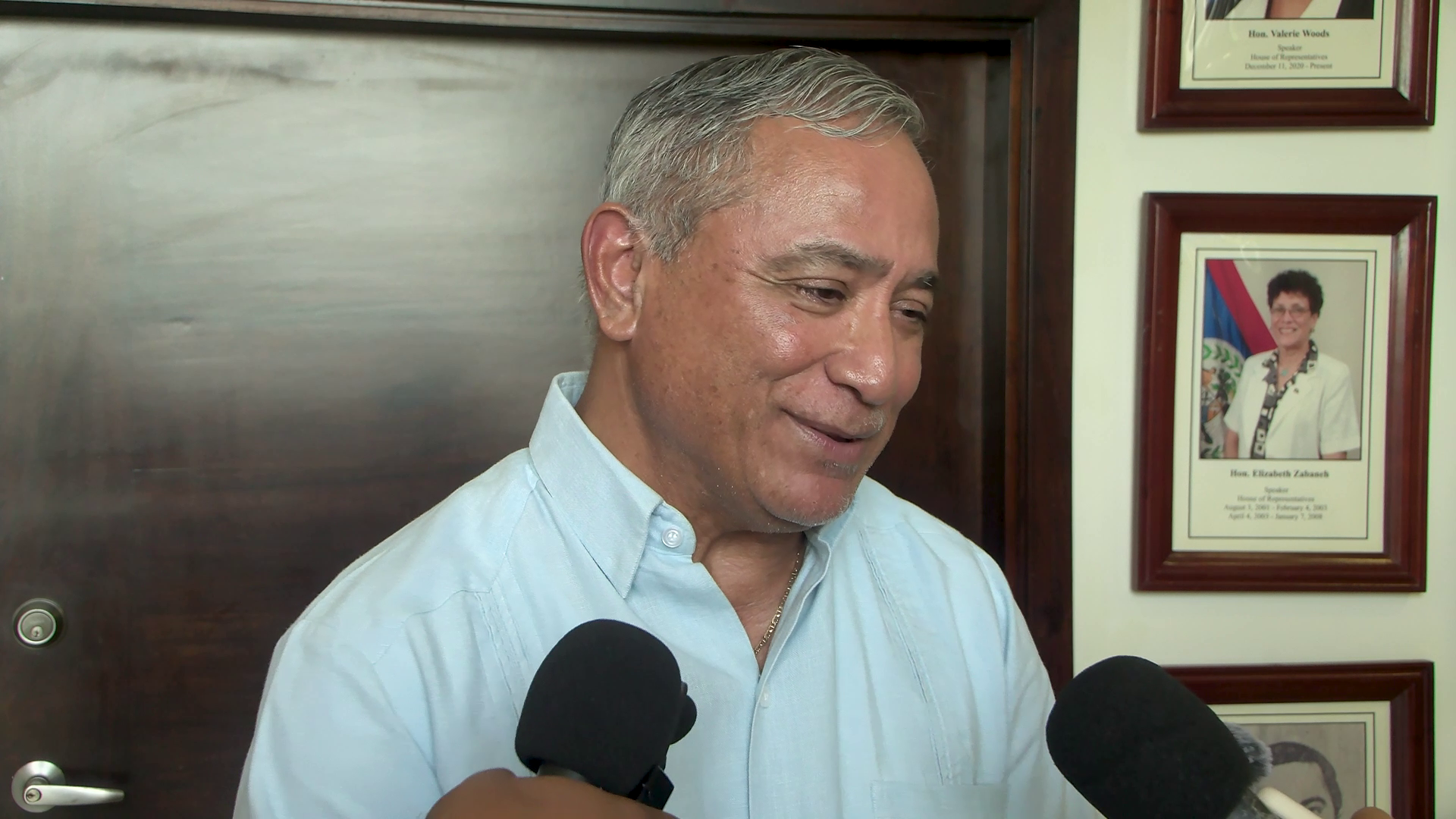
    Local outlet News 5 reached out to Civil Aviation Director Nigel Carter for comment on the accusations this Monday, and Carter pushed back against claims that the consultation process has been improperly rushed. In his response, Carter clarified that the current phase of public input is not the final step of consultation, and that regulators have always planned a second round of review after initial stakeholder feedback is collected.

    Carter explained that regulators needed to move the process forward from the initial workshop to stay on schedule, even if the full draft was not reviewed line-by-line during the joint session. “We trust that you understand enough from what we’ve already shown you to review the remaining sections on your own and submit your feedback to us, which we will take into full consideration,” Carter said, outlining the department’s current process.

    According to Carter’s timeline, the Department of Civil Aviation expects to finalize an updated draft of the regulations incorporating all submitted stakeholder feedback by June 30. For any provisions that the department decides cannot be altered from the original draft, the agency will publish a formal public explanation of its rationale to help industry stakeholders understand the decision. For changes that are feasible, Carter confirmed that the text will be adjusted to reflect reasonable input.

    Carter emphasized that the core priority guiding the new regulations is fulfilling Belize’s international and domestic obligations for shared airspace management. “We must always keep front and centre that it is a shared airspace. It is a situation whereby drones will be introduced into an airspace that’s already populated by manned aviation,” he noted, highlighting the safety imperatives that make timely regulatory action necessary.

    On the outstanding Freedom of Information Act request, Carter acknowledged the delay but told reporters that the relevant documentation is still being compiled, and the full response will be released to the association within approximately seven to 10 days.

  • Sports Director Investigating Chilling Abuse Video

    Sports Director Investigating Chilling Abuse Video

    A six-second viral video filmed in Dangriga has thrown Belize’s National Sports Council into the public spotlight, triggering an official investigation into an alleged altercation between a sports facility caretaker and a teenage basketball player. As of reporting, the explosive clip has already accumulated nearly 150,000 views, growing public pressure on the governing body to deliver a transparent, thorough probe.

    The incident unfolded at the Russell “Chiste” Garcia Auditorium, a venue that the National Sports Council has openly acknowledged has long struggled with management challenges, particularly around consistent access control. According to Brian Swazo, the caretaker at the center of the confrontation, the conflict began when the teenage player crashed an ongoing volleyball practice and refused to vacate the court when asked. Swazo claims the situation escalated when the teen threw a basketball that struck him. He further alleges that after the confrontation with the player, the teen’s father — an active police officer — punched him, and he was subsequently taken into police custody.

    National Sports Council Director Jason Menzies emphasized that the organization is treating the allegations with the utmost seriousness, launching a full investigation to determine whether Swazo violated the council’s binding non-confrontation policy. Menzies noted that his initial reaction to the video was one of genuine concern, and that the council has avoided rushing to premature judgment while gathering facts from all involved parties.

    “We’ve reached out to our administrative officer in charge of that facility and asked her to provide internal reports based on the account she received from Swazo, and we have also required Swazo to file an official police report regarding his claim that he was assaulted by the player’s family,” Menzies explained in an interview. For members of the public who have already formed firm opinions after seeing only the short viral clip, Menzies urged patience and balanced scrutiny: “I would say apply the same level of scrutiny to all concerns, to both sides.”

    Swazo remains in police custody as the investigation progresses, and mounting public pressure has called for his immediate termination from his position. The National Sports Council however has stood by its commitment to complete a full, impartial investigation into all aspects of the incident before announcing any disciplinary or administrative actions. The venue’s long-standing access control issues have also renewed discussion about oversight and management of public sports facilities across the Belize District.

  • Caribbean Targets Belizean Startups with Global Mentorship Program

    Caribbean Targets Belizean Startups with Global Mentorship Program

    Belize’s emerging startup ecosystem is set to receive a major boost this year, as the regional business incubation initiative RevUP Caribbean rolls out its eighth cohort with an enhanced global support framework tailored specifically for local entrepreneurs.

    First launched in 2021 at the height of the global COVID-19 pandemic, RevUP Caribbean was built to address a critical gap identified by regional investors: while many early-stage Belizean founders had strong technical expertise for their core offerings, few possessed the foundational business skills needed to scale operations and attract formal venture funding. The initiative grew out of First Angels Caribbean, a regional angel investment network established 12 years prior, after program leaders observed that portfolio companies consistently struggled to meet growth expectations required to deliver returns to backers.

    “Many of the founders we funded through First Angels Caribbean were extremely technically competent, but they lacked the capacity to grow and scale their businesses,” explained Sandy Glasgow, Managing Director of RevUP Caribbean, in an interview. “If you take on an investor, you have an obligation to grow that business so they can see a return on their investment. We sat down to map the gaps we saw across our funded companies, and we built this program to fill those gaps.”

    The program’s core offering remains a five-month intensive virtual incubation curriculum that covers every key skill set early founders need to scale. Core modules include digital transformation and leveraging artificial intelligence to boost productivity, data-driven marketing strategy, foundational finance and accounting, human resources and process management, corporate governance, long-term strategic growth planning, and comprehensive investment preparation. The investment readiness training specifically demystifies the funding process: it teaches founders what angel investors look for during pitches, how to speak the language of global investment, what to expect during due diligence, what legal documentation is required for investment partnerships, how to value an early-stage business, and how to protect critical intellectual property.

    For its 2026 eighth cohort, RevUP Caribbean is stepping up its support through a new partnership with Bridge for Billions, a global entrepreneurship support network. The new collaboration brings expanded resources to participating Belizean founders, including one-on-one weekly mentorship from experienced global business leaders, flexible self-paced online learning modules that adapt to founders’ existing work schedules, and exclusive in-person retreats that facilitate networking and hands-on collaboration.

    The end goal of the program is simple: to empower local Belizean entrepreneurs with the practical tools and confidence to turn small, early-stage ideas into investment-ready businesses that can compete regionally and globally. Applications for the eighth cohort are currently open to all eligible Belizean founders and will close on June 30, 2026. Interested applicants can find more information and submit their applications through the official RevUP Caribbean website.

    Glasgow emphasized that the program is actively seeking innovative founders with big ambitions for their businesses. “Our program is really designed to support founders who have an aspiration for their businesses to grow into significant companies,” she said, framing the expanded cohort as a potential turning point for Belize’s next generation of entrepreneurs.

  • Don Chief Launches The Hustler’s Chase

    Don Chief Launches The Hustler’s Chase

    From the quiet coastal island of Caye Caulker, Belize, a fresh literary voice has stepped onto the global publishing scene, armed with a memoir-informed guide forged from years of globe-trotting, resilience, and unapologetic ambition. Chrisstoffer Fuller, who writes under the pen name Don Chief, recently launched his debut work *The Hustler’s Chase* — a raw, humorous collection of hard-won life lessons pulled directly from his decades of traversing different countries and cultures. More than just a collection of personal anecdotes, the book acts as a practical handbook for readers navigating uncharted personal and professional territory, outlining actionable advice for building success on one’s own terms.

    For Fuller, the project is far more than a first publication: it is a deliberate act of honoring family legacy. The author drew deep inspiration from his late father, Chris Roggema, a veteran journalist who built his career on bold, unflinching storytelling. In carrying forward that tradition, Fuller says he aims to keep his father’s commitment to authentic narrative alive through his own work.

    The path to publication began with a casual conversation while Fuller was living and working in Valencia, Spain. At the time, he was leading group tours including pub crawls and city walking tours alongside a local friend, who mentioned he was already working on his third book. The offhand comment sparked a realization for Fuller: his own decades of cross-cultural experiences and personal challenges held enough insight to fill a book of his own. What followed was two years of drafting, refining, and shaping those experiences into the structured guide readers hold today.

    Targeted primarily at young men, *The Hustler’s Chase* covers a wide range of practical and personal topics, from processing complex emotions and adapting to new environments to developing healthier relationship habits and embracing the joy of life experience. Fuller intentionally chose to self-publish the work through Amazon, a decision rooted in his desire to make the book widely accessible to his global network of friends and readers. With connections across Europe, Panama, Belize, the United States, and beyond, the platform allows anyone to purchase and access the title quickly and affordably, regardless of their location.

    As of June 2026, *The Hustler’s Chase* is available for purchase worldwide through Amazon’s digital and print storefronts.

  • Legal Fraternity Mourns Loss of Edmund Pennil

    Legal Fraternity Mourns Loss of Edmund Pennil

    The small Central American nation of Belize is in mourning this week following the death of one of its most decorated legal figures, Edmund Oliver Pennil, who dedicated over 60 years of his life to serving the country’s judiciary. Pennil passed away on Saturday, June 6, 2026, leaving behind a decades-long legacy of institutional knowledge and generosity that shaped generations of Belizean judges, attorneys and legal professionals.

    Widely celebrated across the national legal community for his unparalleled grasp of Belize’s court procedures and institutional history, Pennil earned the affectionate nickname “the human Google” among practitioners for his extraordinary ability to answer nearly any question about local legal processes without consulting reference materials. His depth of retained knowledge, built over a lifetime of work in the judiciary, set him apart as a one-of-a-kind resource for the entire sector.

    Veteran Belizean attorney Orson “OJ” Elrington, one of many legal professionals who relied on Pennil’s guidance throughout his career, shared heartfelt reflections on Pennil’s legacy. Elrington emphasized that Pennil was consistently open and willing to share his hard-earned expertise with new and established practitioners alike, creating a foundation of support that strengthened Belize’s entire judicial system.

    “His lifelong commitment to public service is a rarity, especially in today’s culture of immediate gratification,” Elrington noted in his tribute. “I do not believe we will ever see another dedication like his in Belize, particularly within the judiciary. Personally, I am eternally grateful for his help, and every legal practitioner in the country shares that gratitude.”

    The Government of Belize also released an official statement acknowledging Pennil’s passing, calling his death a “significant loss to the nation” and affirming that he will be deeply missed by all who had the opportunity to work with him and know him.

    This report is adapted from a transcript of a televised evening news broadcast from Belize.

  • “Brother Fem” Dies, Leaves Powerful, Faith-based Legacy

    “Brother Fem” Dies, Leaves Powerful, Faith-based Legacy

    Belize is mourning the passing of one of its most beloved public figures, Eufemio “Brother Fem” Cruz, who died June 9, 2026, at the age of 62. The media personality and faith leader was hospitalized after a medical emergency at his home that preceded his death. Family and colleagues report Cruz likely suffered either a stroke or a heart attack, and was found unconscious on the floor of his home Sunday morning before being rushed to a hospital. He remained in a coma until his passing, and was transferred to Belize City for care on Monday, two days before his death.

    Cruz built a decades-long career that connected him to households across the small Central American nation, blending broadcast journalism, musical talent and faith-based outreach to become one of the country’s most trusted public voices. For 16 years starting in 2010, he worked with Plus TV, and also contributed reporting to Belize’s popular Love FM. Most famously, he served as the host of the daily morning program *Rise and Shine*, where his warm demeanor and personal touches — from reading birthday and anniversary greetings from viewers to sharing messages of encouragement — turned him into a household name. Crowds of listeners from every corner of the country embraced his accessible, caring on-air presence.

    What made Cruz stand out beyond his broadcast work was his dual identity as a musician and committed Christian minister. An accomplished guitarist, he performed both secular music and contemporary Christian music after his conversion, and even released his own full album of original work. Throughout his career, he used his platform, his voice and his music to lift up Belizeans and unify communities across the nation through his shared faith.

    Louis Wade, owner of Plus TV, spoke on behalf of the media outlet’s team, remembering Cruz as not just a colleague but a dear friend and brother. Wade highlighted Cruz’s relentless dedication to his work, noting that even as Parkinson’s disease progressed in his body in his final years, he never missed an opportunity to show up for his audience and coworkers. Wade called out Cruz’s natural ability to connect with people, saying love was his greatest tool for building connection across the country.

    Cruz’s death marks the fourth passing of a sitting Belizean media professional in 2026, a milestone that adds an extra layer of loss to the Belizean media community. As the nation pauses to reflect on his life and legacy, those closest to him remember a man defined by unwavering purpose, infectious passion, and a lifelong commitment to serving others. His combination of media work, ministry, and musical talent leaves a gap that will be deeply felt by audiences and colleagues across Belize for years to come.

  • How Sterile Flies Helped Stop a Livestock-Killing Pest

    How Sterile Flies Helped Stop a Livestock-Killing Pest

    U.S. Department of Agriculture officials have added three new confirmed cases of New World screwworm infestation, pushing the total number of documented infections across the region to five, according to a 2026 update on the spread of this deadly livestock pest. The newly detected cases include three calves and a goat in southern Texas, plus an infected domestic dog in neighboring New Mexico — a discovery that carries significant warning signs for agricultural authorities. Critically, the infected New Mexico dog had no documented travel history to either Texas or Mexico, indicating that the pest may have already spread beyond the small, currently identified cluster of cases that officials have tracked so far.

    The New World screwworm, the larval stage of a parasitic fly species, differs dramatically from common scavenger fly species. Instead of feeding on decaying dead organic matter, these larvae burrow into the open wounds of warm-blooded hosts and consume living flesh to grow. Adult female flies lay their eggs in any open cut or sore on hosts ranging from commercial cattle and wild game to family pets, and if an infestation is left untreated, it can kill the host animal in just a matter of days. While the vast majority of cases impact animal populations, rare instances of human infestation have also been recorded, adding a small public health risk to the agricultural threat.

    For more than half a century, U.S. government agricultural programs successfully kept the New World screwworm contained far to the south, restricted to areas below the southern tip of Panama. The core of this long-standing control effort is a time-tested population suppression strategy: mass-breed sterile male screwworm flies, then release them over at-risk regions via aircraft. When wild fertile females mate with these released sterile males, they produce no viable offspring, so over successive generations the wild pest population gradually collapses. This innovative pest management strategy worked so well that it completely eradicated the New World screwworm from North America and most of Central America by the late 20th century.

    But the recent detections of new infestations confirm a worrying new trend: the deadly pest is expanding its range northward once again, after decades of successful containment. In direct response to the five confirmed cases now documented across Texas and New Mexico, U.S. agricultural officials have rolled out a two-pronged action plan to stop the spread. First, authorities will deploy mass releases of sterile male flies into all currently affected and high-risk adjacent regions to suppress the growing wild population. Second, officials are moving forward with plans to construct a new dedicated sterile fly production facility in Edinburg, Texas, to support sustained control efforts closer to the current infestation zone. The pest is not a new threat to Central American nations: Belize has a history of recorded infestations across the country, with commercial cattle producers bearing the brunt of economic losses from past outbreaks.

  • Belize Media Mourns the Loss of “Brother Fem”

    Belize Media Mourns the Loss of “Brother Fem”

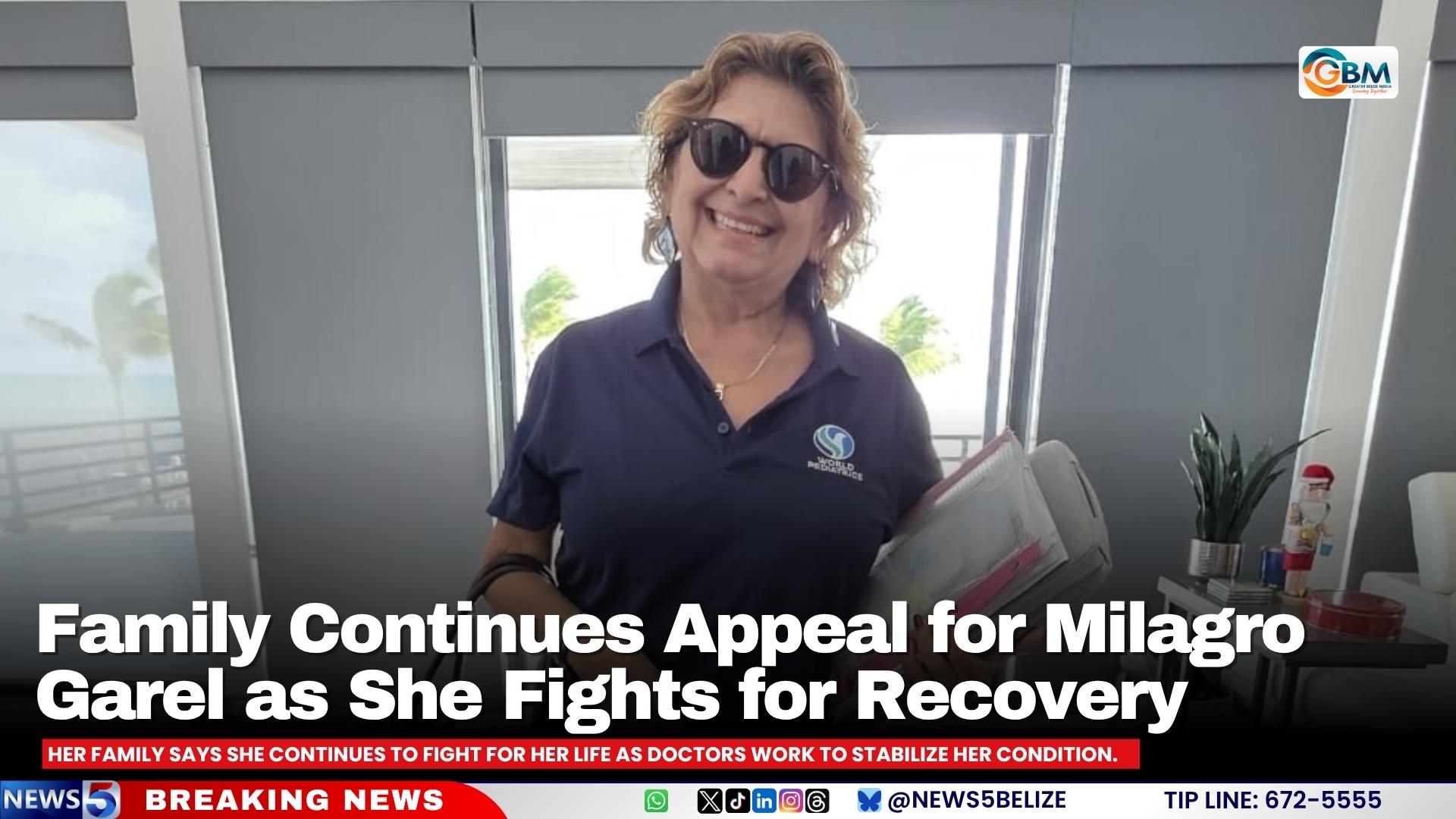
    The small Central American nation of Belize is mourning one of its most recognizable and cherished media figures this week, after veteran journalist, musician and community leader Eufemio “Brother Fem” Cruz passed away on the morning of June 9, 2026 at the country’s Karl Heusner Memorial Hospital. The 80-plus year-old personality had been admitted to the hospital for treatment of traumatic injuries he sustained following an accidental fall at his private residence, according to official local reports.

    For decades, Cruz’s warm, familiar voice and steady presence became a staple in households across Belize, shaping the daily routines of countless citizens. He launched his media career first as a field correspondent for leading Belizean broadcaster Love FM, before expanding his work into television as a reporter for Plus TV. It was his role as co-host of Plus TV’s wildly popular morning talk show *Rise and Shine*, alongside program director Louis Wade, that cemented his status as a household name across the country.

    But those closest to him emphasize that his impact stretched far beyond the screen and the airwaves. A deeply humble man who never sought public acclaim or industry awards, Cruz was rooted in the everyday experiences of ordinary Belizeans, earning him the nickname “Grassroots to the bone Breda Fem” from one of his longtime professional colleagues. In a social media tribute shared after his passing, the colleague called his death a devastating loss for the entire Belizean community.

    His daughter echoed that sentiment in a moving online tribute to her father, highlighting the profound personal impact he had on those closest to him. “My father had blessed hands, and I am truly grateful for the way he helped shape and guide me into the young woman I am today,” she wrote. For many Belizeans who worked alongside him or grew up watching his broadcasts, Cruz was far more than a media personality: he was a trusted mentor, an ordained community minister, a talented local musician, and a loyal friend who preferred to lift others up rather than chase the spotlight.

    Cruz’s passing marks the fourth high-profile loss for Belize’s tight-knit media community in less than four months, a string of deaths that has deepened the national moment of mourning. Less than a month before Cruz’s death, on May 19, 39-year-old Breaking Belize News reporter Aaron Humes died suddenly after suffering a heart attack at his home. Prior to Humes’ passing, two other local journalists died earlier this year: freelance reporter Roy Davis passed away on February 26, and Ruben Morales Iglesias, a reporter with Breaking Belize News, died on March 16.

    Media institutions and journalist associations across Belize have already begun planning collective tributes to honor the four lost professionals, highlighting the outsized impact each had on developing the country’s independent media landscape over the past decades.

  • “Every Scoop of Sargassum Helps”

    “Every Scoop of Sargassum Helps”

    By June 9, 2026, the coastal tourist communities of Belize have been trapped in a growing, costly battle against invasive sargassum blooms that shows no signs of abating. For the island town of San Pedro, the crisis has already grown into a chronic financial and environmental drain, with annual cleanup costs alone running into millions of dollars for the town council, and officials warn that the ongoing algal invasion is set to intensify in the coming days.

    Valentine Rosado, scientific advisor to the San Pedro Town Council, explained that the scale of response required to manage sargassum has increased every single year, turning what was once a seasonal problem into a year-round, worsening emergency. Unlike temporary environmental challenges, this is a battle coastal communities cannot fully win – only manage through constant, labor-intensive effort.

    The latest forecast from Belize’s chief meteorologist Ronald Gordon adds new urgency to local efforts. Multiple large sargassum mats are currently drifting toward the country’s northern cayes, with current climate models projecting potentially severe impacts on the region within three to four days. While southern coastal tourist destinations including Hopkins and Placencia currently face a relatively low risk of major beaching events, San Pedro and neighboring Caye Caulker are bracing for significant, disruptive algal deposits.

    In response to the rapidly deteriorating situation, the San Pedro Town Council has activated its highest level of alert: a Sargassum Red Phase, the top tier of a color-coded warning system developed by local authorities over the past 12 months. Under the system’s framework, a yellow alert triggers a full local response, while a red declaration means local resources have already been completely overwhelmed by the scale of the crisis.

    “The red phase basically signals that we need all hands on deck. We need external support, we need as many people to come in and to assist with the cleanup,” Rosado explained. He noted that the biggest gap in current management comes from non-compliance among local property owners: if every landowner took responsibility for clearing sargassum from their adjacent shoreline, the town could keep the problem under control, but a large number of property owners have failed to take any action to address algal accumulation on their properties.

    For months, local authorities have solicited public input and innovative solutions from the community to resolve the sargassum crisis permanently, but so far these calls have produced no actionable progress. Rosado says that while many residents hold out hope for a revolutionary, quick fix that will eliminate sargassum entirely, no such solution has emerged. For the foreseeable future, consistent, manual cleanup remains the only viable path forward.

    “There’s no alternative to cleanup. Everyone’s waiting for some magical solution that’s gonna appear and get rid of the sargassum. But it has demonstrated that we just have to get it out of the water,” he said.

    To expand long-term management capacity, the town council is currently in negotiations with private landowners to open additional legal sites for sargassum deposition and composting. Officials are also working to forge partnerships with private companies that specialize in removing and neutralizing heavy metals that accumulate in beached sargassum, a critical step to making large-scale storage safe for local ecosystems and communities.

    In closing, Rosado called for public appreciation for the frontline cleanup crews that work tirelessly to keep shorelines clear. It is grueling, physically demanding work, he noted, and every small effort to remove algae makes a tangible difference for the community.

    “Let’s be nice to the people that are working on sargassum because it’s hard work. Every scoop of sargassum helps… These are the people that are actually working, trying to make a difference and trying to control it, and we need to recognise them and we need to thank them. Let’s just be nice,” Rosado said.

  • Another Land Scandal Brewing: “That Place Seems to be Riddled with Fraud”

    Another Land Scandal Brewing: “That Place Seems to be Riddled with Fraud”

    A long-running land arrangement between a Belizean family and national authorities has erupted into a fresh public scandal, with an expatriate family member accusing the country’s Lands Department of systemic fraud and breaching decades of agreed terms.

    Geraldine Hyde, who currently resides outside Belize, says her family’s 30-year connection to a 23.56-acre parcel of land near La Democracia along the Coastal Road began in 1993, when her husband Goldburn Sutherland secured a formal lease for the property. For more than a quarter of a century, the family upheld their end of the agreement, investing significant time and resources into maintaining the land: clearing overgrown sections, cultivating fruit orchards, and holding the parcel for their long-term retirement plans.

    When the original lease reached its end in 2022, the couple followed official protocol to submit a formal application to purchase the land outright. Their vision for the property was modest: build a small boutique resort, launch a small-scale sustainable farming operation, and construct limited commercial shopfronts to support their retirement on Belize’s coast. For years after submitting the application, Hyde says the family received repeated reassurances from Lands Department staff that their request was moving through the approval pipeline, with no red flags or indications of denial raised at any point.

    The deception unraveled earlier this year, when Hyde attended an in-person meeting at the department to follow up on her application’s status. It was during this visit that she began to piece together that the property had already been reallocated, a fact that was later confirmed through her own independent investigation: the land had been granted full title to a third party, with no formal notification sent to her family that their purchase application had ever been denied.

    What makes the situation even more alarming, Hyde says, is that internal department records show a purchase price for the land was calculated for her family at one point — but that information was never shared with the couple, leaving them in the dark while the land was transferred to another owner. Through her own research, Hyde obtained the identity of the new title holder, and a quick search of public records revealed that this same individual has been linked to a separate, earlier public land dispute. That connection, she says, has deepened her conviction that intentional misconduct is at play within the department.

    Hyde’s allegations go beyond her own family’s mistreatment: she claims that dozens of other land applicants have reported identical experiences at the Belizean Lands Department, suggesting the problem is not an isolated administrative error but systemic corruption. “Whatever they’re doing there at the Lands Department is fraudulent,” she stated in an interview. “I can tell you how many people were at the lands, maybe 15, 20, and they all have the same issue. That place seems to be riddled with fraud.”

    The family has now drawn a firm line: unless the land is returned to them in line with their application, they will move forward with formal legal action to challenge the reallocation. Hyde adds that she is also considering organizing a public protest to draw attention to the broader pattern of alleged misconduct if authorities do not address the issue. Local outlet News 5 has confirmed that it has reached out to Paul Thompson, Chief Executive Officer at the Lands Department, to request an official comment on the allegations, with no response reported as of yet.