标签: Belize

伯利兹

  • 172 Caye Caulker Students to Get Free Tuition

    172 Caye Caulker Students to Get Free Tuition

    The island community of Caye Caulker is poised for a significant educational transformation with dual announcements of infrastructure development and financial support for students. Following the closure of Ocean Academy’s campus last year, which left the island without a physical high school, construction of a permanent educational facility is scheduled to commence by July 2026.

    Area Representative André Perez confirmed that officials from the Ministry of Education will conduct a site assessment next week to finalize development plans. To address immediate educational needs, temporary classroom structures meeting proper standards will be installed in the interim. Perez emphasized that these temporary facilities would include essential infrastructure such as electricity, water, and sanitation to ensure they serve both immediate and long-term purposes.

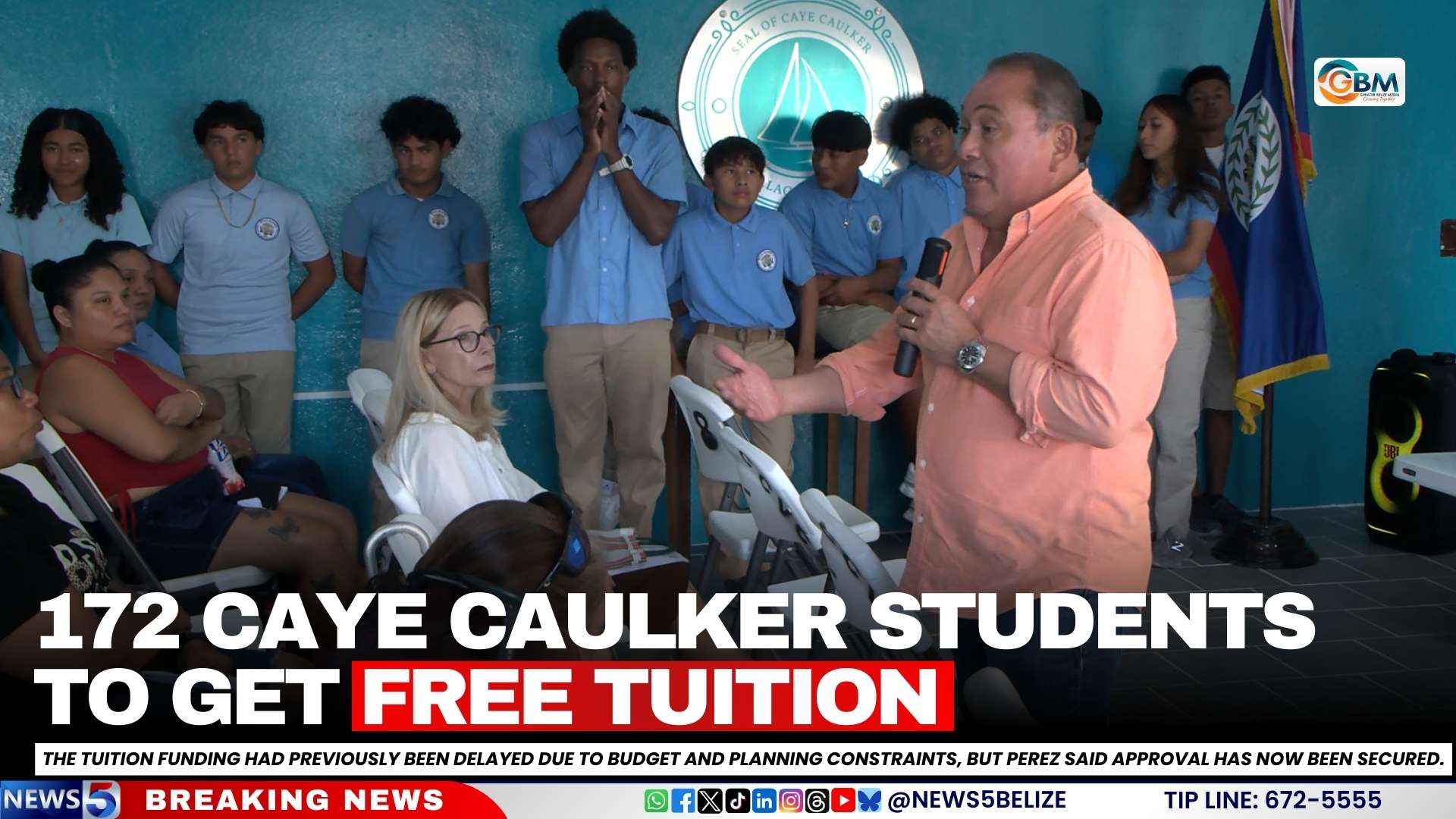
    In a parallel development, the government has confirmed comprehensive tuition coverage for 172 Caye Caulker students beginning next fiscal year. This initiative aligns the island with tuition-free arrangements already established at other public high schools across the nation. Perez highlighted that the funding, previously delayed due to budgetary constraints, has now received formal approval from Education Minister Francis Fonseca.

    The combined infrastructure and financial support measures represent a comprehensive approach to educational accessibility, potentially easing financial burdens for families and encouraging higher secondary school retention rates within the island community.


  • CARICOM Invests $50M into Belize’s Sugar Sector

    CARICOM Invests $50M into Belize’s Sugar Sector

    Belize’s critically important sugar sector, which has faced severe challenges from prolonged droughts, erratic precipitation patterns, and devastating crop diseases, has secured a substantial $50 million investment from the CARICOM Climate Change Centre. This strategic funding, sourced through the international Green Climate Fund, aims to fortify the agricultural resilience of more than 5,000 sugarcane cultivators operating in Belize’s northern regions.

    Dr. Colin Young, Executive Director of the CARICOM Climate Change Centre, provided detailed insight into the comprehensive assistance package. “Our intervention encompasses multiple critical areas,” Young explained. “We will be implementing advanced land management methodologies, supplying high-quality seed cane for field rehabilitation, conducting extensive capacity-building programs, and offering conditional grants to incentivize adoption of sustainable farming practices.”

    The investment represents a strategic approach to constructing durable infrastructure and systems capable of withstanding environmental pressures and climate-induced disruptions. This initiative aligns with broader regional efforts to enhance agricultural sustainability across Caribbean Community member states.

    Osmond Martinez, Belize’s Minister of State for Economic Transformation, emphasized the transformative potential of this funding. Beyond immediate relief, the program will accelerate mechanization processes and expand irrigation capabilities, enabling farmers to transition from labor-intensive traditional harvesting methods to more efficient, climate-resilient approaches. Minister Martinez characterized the successful fund acquisition as “demonstrating Belize’s growing institutional capacity to mobilize international climate finance effectively.”

    The comprehensive program will introduce climate-smart agricultural techniques, distribute improved seed varieties with enhanced drought resistance, and provide direct financial support mechanisms. These coordinated interventions are designed to help agricultural producers adapt to increasingly severe weather conditions while ensuring the long-term viability and production continuity of Belize’s strategically vital sugar industry.

  • ‘Blackouts, No Fuel, Limited Transport’: Cuban Resident Speaks Out

    ‘Blackouts, No Fuel, Limited Transport’: Cuban Resident Speaks Out

    Cuba is confronting a severe national energy crisis characterized by extensive daily blackouts and crippling transportation limitations, according to firsthand accounts from residents. The island nation is currently implementing drastic rationing measures, with most households receiving merely three hours of electricity per day before being plunged into darkness.

    Rosalia Morales Babastro, a Cuban citizen, provided a stark depiction of daily life under these constraints. While confirming that fuel has not been entirely depleted, she detailed the stringent government controls now governing its distribution as reserves diminish critically. This scarcity stems primarily from stringent U.S. sanctions, which have severely curtailed oil shipments from traditional suppliers like Venezuela and Mexico and deterred other nations from engaging in energy trade with Cuba.

    The ramifications extend far beyond domestic inconvenience. Babastro highlighted the severe complications in transportation, with public services being selectively restored. Consequently, fuel prices on the informal market have skyrocketed, making it prohibitively expensive for most citizens to operate motorcycles or cars.

    The crisis has profoundly disrupted education and communication. University operations and schooling for students boarding away from home were temporarily suspended due to the instability. Furthermore, the limited electricity has severely degraded mobile data and internet connectivity, isolating citizens from information. Babastro reported an almost complete lack of internet access, preventing her from watching news or television due to the exceptionally poor connection.

    In a significant development impacting international travel, the Cuban government has issued formal warnings to airlines, notifying them of its inability to supply jet fuel at several key airports from February 11th to March 11th, 2026. This announcement has triggered widespread flight cancellations and significant disruptions to air travel, further isolating the country and stranding travelers.

  • If Telecoms Are Essential, Should They Be More Strictly Regulated?

    If Telecoms Are Essential, Should They Be More Strictly Regulated?

    Belize has initiated a significant regional collaboration by hosting a three-day workshop in Belmopan, bringing together international experts to address competition regulation within the CARICOM Single Market and Economy. The event focuses on establishing robust frameworks to supervise business practices and foster healthy market competition across telecommunications and other essential sectors.

    Senior trade economist Berisford Codd emphasized the consumer protection aspects of the initiative, stating that comprehensive regulations would prevent corporate abuse of market dominance. “This ensures we implement laws and regulations to maintain market fairness for all Belizeans,” Codd explained. He highlighted that effective oversight leads to improved pricing, greater consumer choice, and enhanced innovation among businesses rather than market consolidation.

    Notably, most CARICOM member states already maintain competition laws, though Belize remains in the development phase of creating its national framework designed to integrate seamlessly with regional standards. The workshop is led by David Miller, Executive Director of the Jamaica Fair Trading Commission, who underscored the critical nature of telecommunications in modern society. “Telecoms have become essential services, comparable to electricity, water, and utilities. They are fundamental to daily life, operations, and business activities,” Miller asserted.

    The timing of these regulatory discussions coincides with ongoing debates surrounding Belize Telemedia Limited’s proposed acquisition of Speednet (SMART). Critics contend that this merger would establish a telecommunications monopoly, prompting Prime Minister John Briceño to intervene. The Prime Minister has instructed a temporary pause in acquisition discussions and requested the Public Utilities Commission to conduct a thorough review of the potential market implications.

  • Bad Bunny’s Super Bowl performance had NYC ‘holding it in’

    Bad Bunny’s Super Bowl performance had NYC ‘holding it in’

    New York City experienced an unprecedented hydrological phenomenon during Bad Bunny’s Super Bowl halftime performance, with municipal data revealing a massive coordinated pause in water usage across the five boroughs. According to the New York City Department of Environmental Protection (DEP), water consumption dropped dramatically throughout the 13-minute spectacle before surging immediately after its conclusion.

    The DEP’s monitoring systems detected a water usage spike in the 15 minutes following the performance equivalent to 761,719 simultaneous toilet flushes—a clear indication that hundreds of thousands of residents had deliberately delayed restroom breaks to avoid missing the Puerto Rican superstar’s performance. This unusual pattern demonstrates the cultural impact of major entertainment events on urban infrastructure and daily routines.

    The international dimension of the performance also garnered attention, particularly when Belize’s flag appeared prominently during the show. Nyah Davis, the flag bearer who carried the Belizean standard during the production, characterized the global exposure for her nation as ‘worth it 100%,’ highlighting how such cultural moments resonate beyond domestic audiences and create pride within international communities represented on stage.

    This incident provides a unique case study in how mass media events can temporarily alter metropolitan utility patterns, with entertainment spectacles now visibly impacting urban infrastructure metrics in real-time.

  • Mia Mottley Eyes Historic Third Term

    Mia Mottley Eyes Historic Third Term

    Barbados is witnessing a pivotal moment in its democratic history as citizens cast their votes in a general election that could grant Prime Minister Mia Amor Mottley an unprecedented third consecutive term in office. The nation’s first female leader since gaining independence in 1966, Mottley has achieved international acclaim for her vigorous climate advocacy and steadfast support for small island nations.

    Recent nationwide polling data reveals overwhelming support for Mottley’s Barbados Labour Party (BLP), with approximately 80% of decided voters expressing their backing. The survey indicates Mottley personally commands 61.2% support, significantly outpacing her main opponent, Democratic Labour Party (DLP) leader Ralph Thorne, who trails at 18%. Merely 10% of respondents indicated they might consider voting outside the two dominant political parties.

    The nation’s economic resilience has emerged as a central campaign theme, with World Bank data confirming Barbados achieved 4.0% real GDP growth in 2024. This robust economic performance has been primarily driven by vigorous activity across three key sectors: tourism, construction, and business services, with positive momentum continuing into 2025.

    Ensuring electoral integrity, a three-member CARICOM Election Observation Mission (CEOM) has been deployed to monitor voting procedures and overall election conduct. The mission’s primary objective is to verify transparency, fairness, and strict adherence to democratic standards throughout the electoral process. The CEOM is scheduled to present its comprehensive findings during a closing media briefing on Thursday.

  • Are Airbnbs Posing a Challenge to Hotels in Belize?

    Are Airbnbs Posing a Challenge to Hotels in Belize?

    Belize’s tourism landscape is undergoing a significant transformation as vacation rental platforms like Airbnb emerge as formidable competitors to established hotels, according to Efren Perez, President of the Belize Tourism Industry Association (BTIA).

    During a recent appearance on the Open Your Eyes morning show, Perez highlighted the competitive advantages driving Airbnb’s popularity among visitors. “Airbnbs typically offer more competitive pricing structures and provide guests with entire apartments including kitchen facilities, granting travelers substantially more flexibility during their stays,” Perez explained.

    The BTIA president raised concerns about the operational impact of unregistered short-term rentals on the traditional hospitality sector. “When Airbnbs operate without proper registration through the Belize Tourism Board, this creates an uneven playing field that adversely affects hoteliers who consistently fulfill their tax obligations to the industry,” Perez emphasized.

    Despite recording increased overnight stays nationwide, conventional hotels are experiencing disproportionate financial pressure. Perez revealed insights from industry dialogues indicating strategic shifts toward all-inclusive models as a potential solution. “Hotel properties are increasingly moving toward all-inclusive offerings to deliver enhanced value propositions for travelers,” he noted, suggesting this transition represents the industry’s evolutionary direction.

    The BTIA has embarked on nationwide consultations, visiting key destinations including San Pedro, Punta Gorda, and Hopkins to assess regional challenges spanning infrastructure, road safety, emergency medical access, and recurring Sargassum seaweed impacts.

    Perez expressed confidence in the sector’s adaptability, stating: “By equipping the industry with appropriate tools and addressing critical challenges systematically, we position ourselves to achieve established tourism targets through strengthened public-private collaboration, enhanced marketing initiatives, and targeted training programs in the coming year.”

  • Second Case of Unprovoked Attacks by Mentally Challenged Individuals

    Second Case of Unprovoked Attacks by Mentally Challenged Individuals

    Belizean authorities are confronting growing public safety concerns following a second documented case of random violence perpetrated by individuals with apparent mental health conditions. The latest incident unfolded on February 10th in Belmopan, where surveillance footage captured a disturbing assault near the city’s bus terminal.

    According to eyewitness reports and video evidence, a 10-year-old boy was waiting with his mother for evening transportation when an unidentified man approached them. After being denied a cigarette, the individual returned moments later and delivered a forceful blow to the child’s face, rendering the victim unconscious. The assailant immediately fled the scene and remains at large despite ongoing investigation efforts.

    This troubling event mirrors a previous case documented in Belize City, where authorities detained another mentally disturbed individual connected to two separate attacks against female victims. Those incidents, including one occurring on Christmas Day near the Michael Finnegan Market and Orange Street, were similarly captured on security cameras.

    The recurrence of such unprovoked violence has ignited serious discussions regarding mental health infrastructure and public protection measures. Community members have expressed heightened anxiety about safety in public spaces, particularly transportation hubs and commercial areas. Law enforcement officials face mounting pressure to address both immediate security concerns and underlying systemic issues contributing to these events.

  • Belize Farmers Get U.S. $4.5M Lifeline

    Belize Farmers Get U.S. $4.5M Lifeline

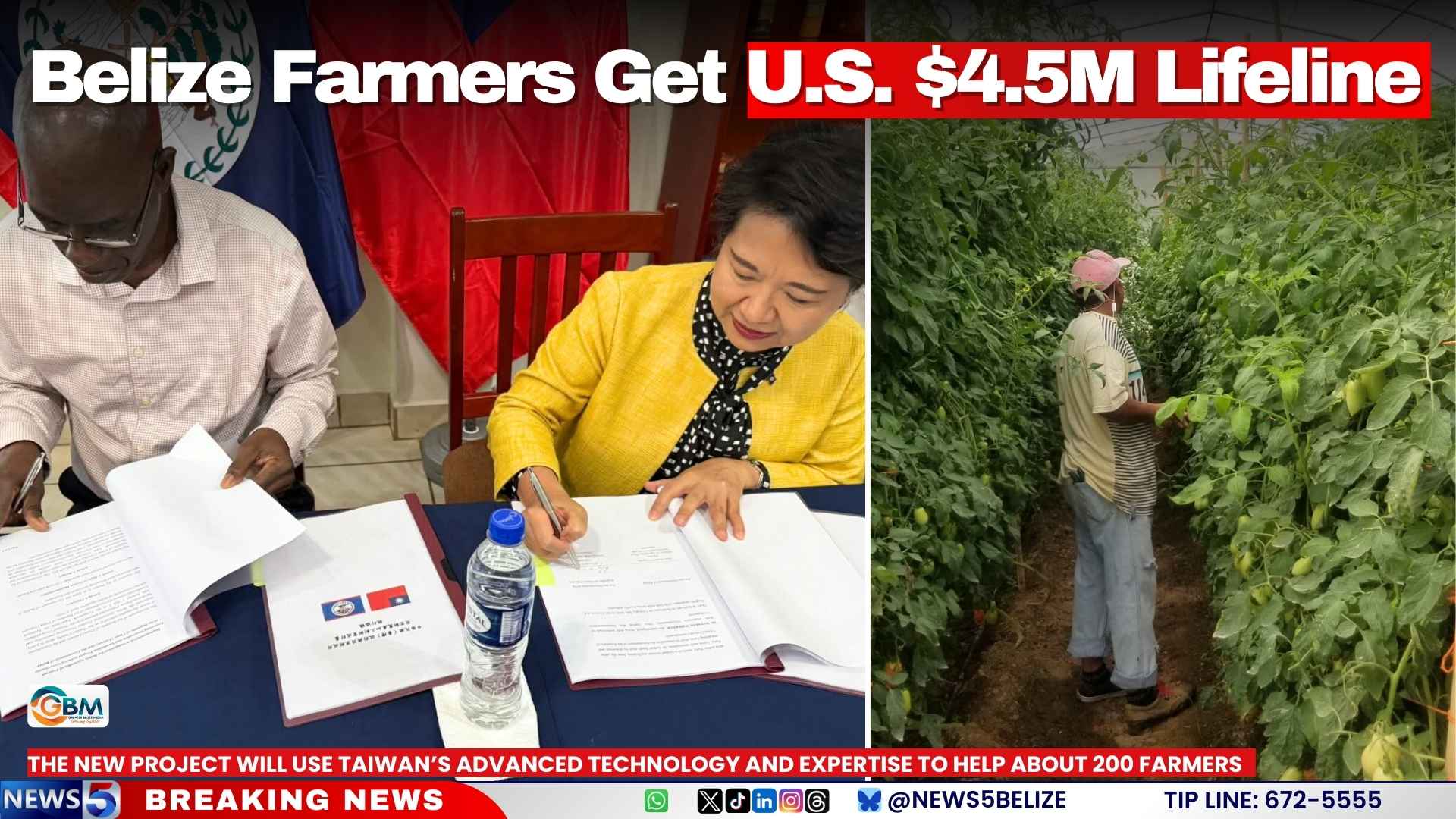
    In a significant move to strengthen agricultural resilience and economic growth, Belize has entered into a substantial development partnership with Taiwan. On February 9, 2026, a formal agreement was signed, allocating US $4.15 million to establish the “Belize Agricultural Product Processing Innovation and Incubation Project.”

    The signing ceremony featured Belize’s Agriculture Minister, Rodwell Ferguson, and Taiwan’s Ambassador, Lily Li-Wen Hsu. This collaborative initiative, spanning four and a half years, will establish a state-of-the-art Agro-Processing Incubation Centre at Central Farm in the Cayo District. The center’s core mission is to revolutionize post-harvest practices by introducing cutting-edge processing technologies, providing comprehensive entrepreneurial training, and forging robust market linkages for local producers.

    This strategic investment addresses a critical vulnerability in Belize’s economy. While agriculture constitutes approximately 40% of the nation’s exports and has demonstrated a robust 17% growth in value over the past four years, a significant portion of harvests is lost to spoilage due to inadequate processing infrastructure. The new project directly tackles this issue by leveraging Taiwan’s advanced technological expertise in food preservation and value-added production.

    The program aims to empower approximately 200 local farmers, equipping them with the tools and knowledge to launch small-scale agro-processing enterprises. By converting perishable fresh produce into durable goods like dried fruits, juices, preserves, and other shelf-stable products, farmers can significantly reduce post-harvest losses, access higher-value markets, and increase their overall profitability. This partnership continues a long-standing tradition of Taiwanese development support, underscoring its role as a key ally in Belize’s agricultural and economic advancement.

  • Firearm Found in Southern Belize Resort Room

    Firearm Found in Southern Belize Resort Room

    Authorities in southern Belize have launched a comprehensive investigation following the alarming discovery of a loaded firearm in a resort accommodation. The incident occurred on the afternoon of Monday, February 11, 2026, prompting immediate police response.

    According to official reports, resort staff members alerted law enforcement at approximately 1:04 p.m. after uncovering a 9mm Taurus pistol during routine room maintenance. The weapon was found fully equipped with a magazine containing ten live rounds of ammunition, raising significant security concerns for both guests and staff.

    Belize Police Department representatives confirmed the active investigation focuses on determining the origin of the firearm and identifying how it came to be left on the property. The discovery has triggered heightened security assessments at tourism facilities throughout the popular vacation destination.

    Tourism industry representatives have emphasized their cooperation with authorities while maintaining that such incidents remain highly unusual in Belize’s resort communities. The investigation continues as forensic experts work to establish potential ownership and the circumstances surrounding the weapon’s presence in the vacation accommodation.