标签: Belize

伯利兹

  • Constitutional Showdown Over Ombudsman Post

    Constitutional Showdown Over Ombudsman Post

    A high-stakes constitutional conflict that has the potential to reshape the autonomy of one of Belize’s most critical government oversight bodies is currently working its way through the national judicial system. The dispute centers on retired Major Gilbert Swaso, a former head of the Ombudsman’s Office, who is asking courts to rule on whether the Belizean government violated foundational constitutional limits when it made the decision not to renew his appointment.

    Swaso has formally filed a legal claim against the Government of Belize, arguing that the administration failed to uphold the legally binding terms and conditions that govern the Ombudsman’s Office. Beyond procedural grievances, the former ombudsman alleges the non-renewal of his post in December 2025 was an act of retaliation. Specifically, he claims the government targeted him in response to a ruling he issued against the state related to a high-sensitivity Freedom of Information request.

    On July 14, 2026, the legal process officially moved forward with a case management hearing, where justices set a clear procedural timeline ahead of the scheduled full trial on November 20, 2026.

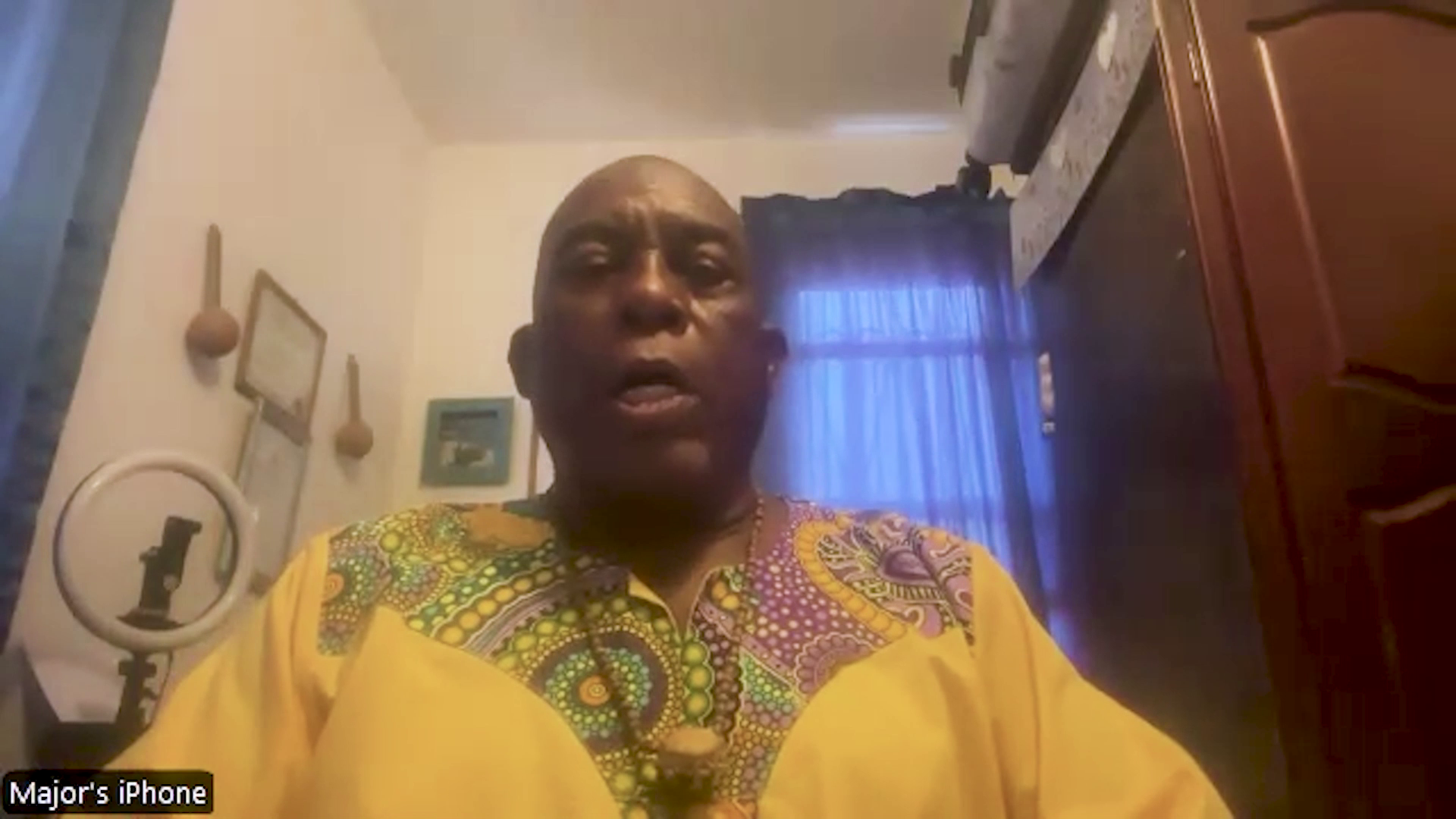
    Speaking after the initial hearing, Swaso outlined the next steps in the legal process: “Today was basically the first date that initiated the constitutional case that I had filed against the Attorney General of Belize. Today was the case management. So during the case management respective days were set, where in the first instance the Office of the Attorney General is required to make a response by this Friday and then subsequently we need to rebut and respond by the seventh of August. The exchange of responses and rebuttals will continue until the trial date, which is set for the twentieth of November 2026.”

    Swaso emphasized that the outcome of the case extends far beyond his personal employment status, framing the conflict as a make-or-break moment for the core principles of transparency, accountability and the rule of law in Belize. “Certainly there are a number of issues within this case, primarily the issue as it relates to the independence of the office of the Ombudsman. That is a case which we believe is very critical for justice, for transparency and accountability within the country of Belize and so the independence of the office of the Ombudsman must remain as stipulated by the constitution and the Ombudsman Act and also other issues that deals with the apparent violation of the constitution.”

    This report is a transcript of a televised evening newscast, with all non-English statements transcribed using a standardized spelling system for Belizean Kriol.

  • Government Taken to Court Over Ombudsman Vacancy

    Government Taken to Court Over Ombudsman Vacancy

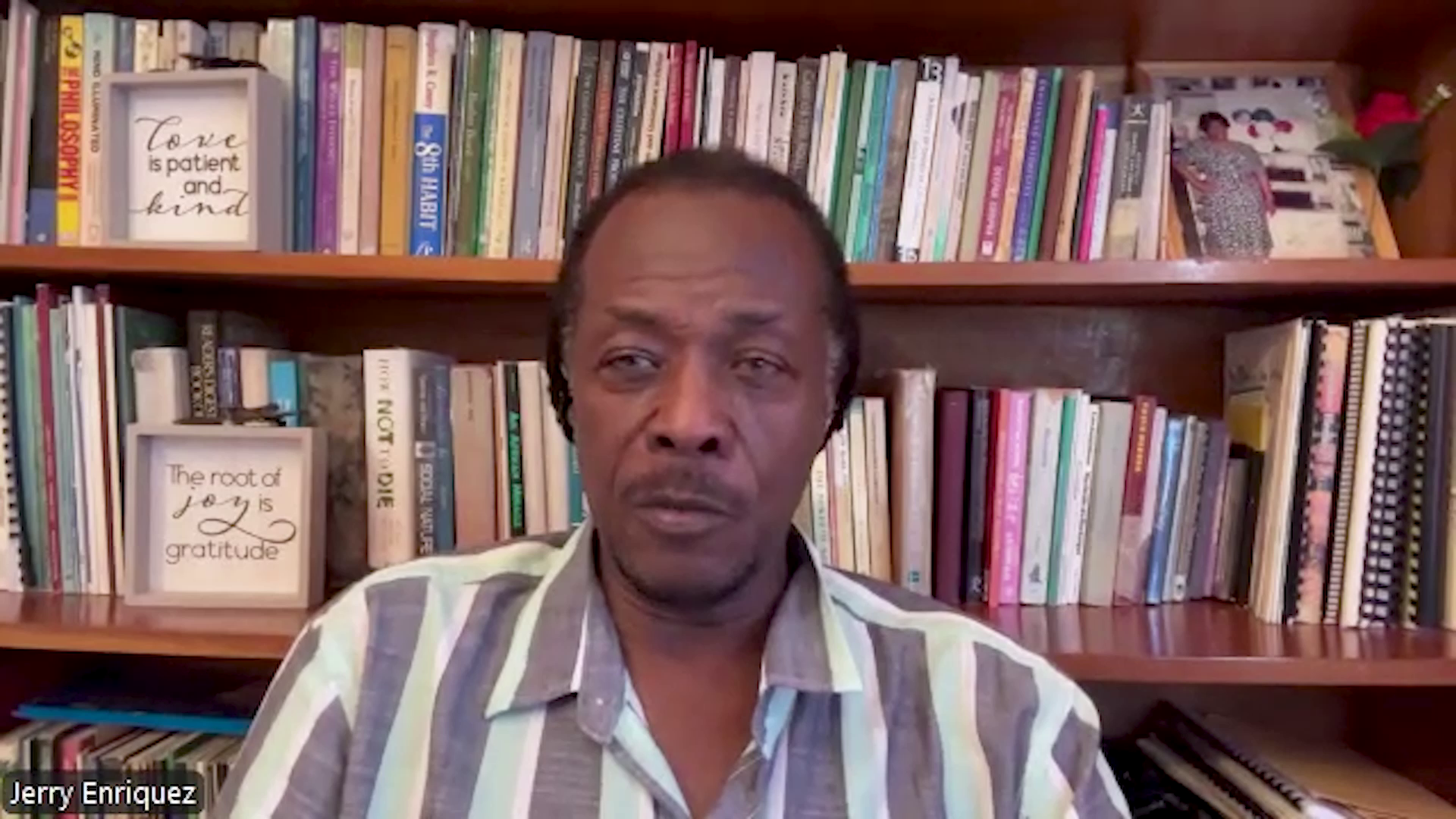
    In a legal challenge that puts a spotlight on unaddressed gaps in Belize’s constitutional governance, social advocate Jeremy Enriquez has launched a lawsuit against the Government of Belize over the prolonged vacancy in the Ombudsman’s Office, a key institution designed to hear public grievances against state systems.

    The office has remained without an appointed leader for months, a gap that Enriquez argues is far more than a minor administrative oversight. In his view, the failure to fill the critical constitutional position is nothing less than a deliberate denial of justice for Belizean citizens who rely on the ombudsman to advocate for them when disputes with government and public bodies arise.

    Retired Major Gilbert Swaso, the former Ombudsman who previously held the role, has publicly thrown his full support behind Enriquez’s legal action, calling on all Belizeans to stand with the challenge. Swaso emphasized that the office serves as a critical lifeline, particularly for the most vulnerable segments of Belizean society, who often lack the financial resources to pursue formal legal action through the traditional court system.

    “Certainly, Mr. Enriquez is exercising a right which I believe every Belizean should be concerned and join, because it is to my view important to have such a constitutional office open and available for vulnerable people in particular to access,” Swaso stated in comments carried by local broadcast media. “We all know how difficult it is economically. So if you are now asking vulnerable people who are challenged, to get any finances to get a case resolved, I believe that is not fair and not just being given to those people. So I personally applaud Mr. Enriquez’s effort and I believe that every Belizean should join hands and come on deck with what Mr. Enriquez is doing at this time.”

    For Enriquez, the lawsuit is not only aimed at forcing the government to fill the vacancy immediately. He has framed the legal action as a long-term safeguards measure, intended to ensure that such a prolonged gap in this critical public institution never occurs again in Belize.

    This report is based on a transcript of an evening television news broadcast from July 14, 2026.

  • Will Old Constituency Boundaries Decide New Elections?

    Will Old Constituency Boundaries Decide New Elections?

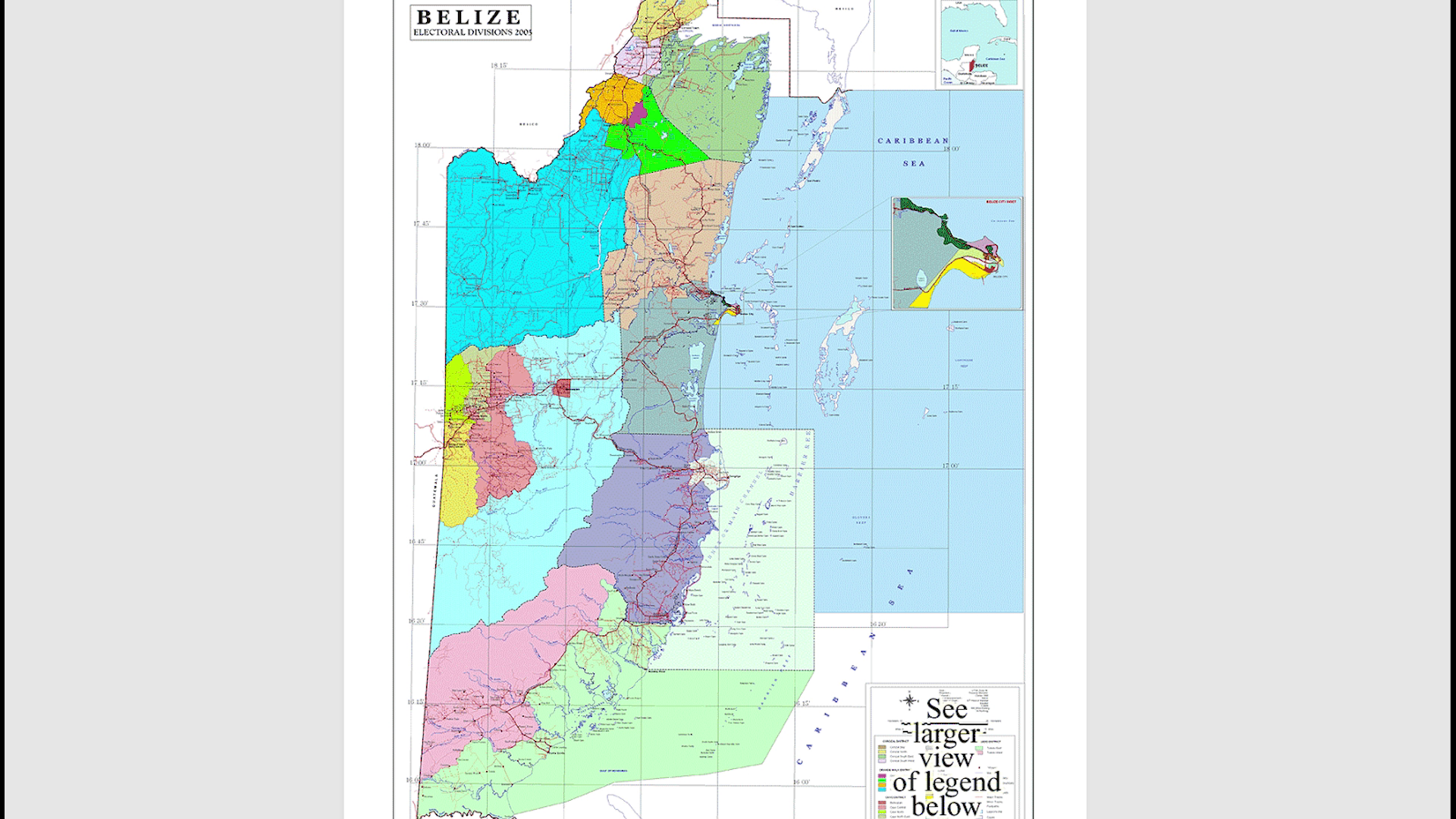
    As hundreds of Belizean residents prepare to register or re-register their voting eligibility ahead of the March 2027 municipal elections, a growing constitutional crisis is brewing over outdated constituency boundaries that have not been updated in more than two decades.

    The controversy dates back to a 2025 legal challenge led by prominent social activist Jeremy Enriquez, whose legal team secured a landmark ruling in favor of court-ordered redistricting from the Caribbean Court of Justice (CCJ). Most recently, the CCJ delivered a supplementary victory for Enriquez and his lead legal counsel, Senior Counsel Anand Ramlogan, striking down a controversial wasted costs order issued against the pair by former Justice Tawanda Hondora. Enriquez described the original costs order as a blatant, politically motivated retaliatory attempt to bar Ramlogan from practicing in Belize and discredit the redistricting campaign, a claim that the CCJ’s ruling effectively validated when it tossed out the order entirely.

    Despite the string of legal wins for reform advocates, the electoral map of Belize remains entirely unchanged, creating severe representation imbalances across constituencies. Data on current voter rolls illustrates the stark disparity: major constituencies including Stann Creek West, Belmopan, and Belize Rural South each house more than 10,000 registered voters, while smaller urban constituencies such as Fort George, Mesopotamia, and Queen Square have fewer than 3,000 registered voters each. This malapportionment means that votes in smaller constituencies carry exponentially more weight than those in larger, growing districts, a violation of the democratic principle of one-person, one-vote that Enriquez and other critics argue contradicts Belize’s constitution.

    From the beginning of the legal challenge, government officials have pushed back against Enriquez’s petition, primarily criticizing the timing of his demand for redistricting. In comments from February 2025, Prime Minister John Briceño argued that if reform advocates were serious about changing constituency boundaries, they could have raised the issue much earlier, framing the lawsuit as a politically motivated stunt timed to coincide with upcoming electoral cycles.

    Following the 2025 general election, Briceño made a public commitment to complete the redistricting process by the end of 2025. When that deadline passed without any progress, the prime minister pushed the deadline to the end of 2026 during a December 2025 statement. Now, halfway through 2026, Enriquez and reform advocates say there is no visible evidence that the redistricting process has even begun, even as the 2027 municipal election rapidly approaches.

    Enriquez says that after multiple broken promises, activists are holding out little hope that the Briceño administration will meet its new 2026 deadline, but still calling on the prime minister to uphold his pledge. “The Prime Minister, we hope this time, after several repeated promises, we hope that this time his promise has some measure of integrity,” Enriquez said. “He took responsibility for the past failures. He had promised that by the end of 2025 redistricting could be done, and if not, by the end of 2026. We are more than halfway of 2026, and we hope that it will be completed as he said it will.”

    If the Briceño government fails to deliver the long-promised redistricting before March 2027, Enriquez says activists will return to the courts to block the election from proceeding under the unconstitutional outdated boundaries. “We will pursue this matter in court to establish that this cannot be repeated,” Enriquez said. “This violation of the supreme law by rogue political parties cannot be repeated, and they must respect and abide by the constitution as they swore to uphold.”

    This report was compiled from original on-the-ground reporting by Shane Williams of News Five.

  • Enriquez Scores Win in Electoral Boundaries Appeal

    Enriquez Scores Win in Electoral Boundaries Appeal

    In a landmark ruling that reshapes key procedural rules for legal appeals in Belize, the Caribbean Court of Justice (CCJ) has awarded social activist Jeremy Enriquez a partial victory in three connected appeals stemming from his challenge to the country’s electoral boundaries. The July 2026 judgment addresses two core procedural issues that have long affected how cases move through Belize’s judicial system, marking a notable win for activists pushing for more merit-based judicial decision-making.

    Of the three appeals Enriquez brought forward, the CCJ ruled in his favor on two critical points. First, the court upheld the validity of Enriquez’s original notice of appeal, rejecting a technical challenge that claimed the filing was invalid because a registrar had not signed the document. Second, the CCJ overturned a controversial wasted costs order that would have required Enriquez’s lead counsel, Senior Counsel Anand Ramlogan, to cover half of the Belizean government’s legal fees out of his personal funds. The higher court found that Ramlogan had never been given adequate advance notice of the potential costs order nor a fair opportunity to defend himself against the claim before the penalty was issued.

    Enriquez had already raised serious allegations of judicial misconduct tied to the original costs order. He claims that before his legal team had finished presenting their full arguments in the lower court, the presiding judge discussed the case during a lunch break, creating a bias against the challenge. After Enriquez’s team called out this inappropriate conduct, the judge issued the personal costs penalty as a response, he alleges. The CCJ’s decision to throw out this order vindicates that critique.

    The third appeal, however, was dismissed by the CCJ. That challenge targeted an ex parte order issued by the Belizean High Court. The CCJ ruled that Enriquez had failed to follow proper procedure: he should have first applied to the High Court to vary or cancel the ex parte order before bringing an appeal to a higher court. This dismissal leaves that specific procedural question unresolved for the moment.

    Notably, the CCJ’s latest ruling does not deliver a final decision on the underlying question of whether Belize’s current electoral boundaries are legally valid. That core challenge remains pending before lower courts. Still, Enriquez frames the ruling as a critical step forward for judicial accountability in the country. He emphasized that the judgment sends a clear message that lower courts should prioritize the substantive merits of legal cases rather than dismissing challenges on narrow procedural technicalities that have little to do with the actual issues at hand.

    “This outcome is encouraging because it pushes the High Court to focus more on the substance of cases, not just procedural technicalities that can be used to shut down valid challenges,” Enriquez said in response to the ruling. He added that the overturning of the personal costs order against his counsel removes a punitive barrier that many activists and ordinary litigants would struggle to overcome when challenging government action.

    Legal observers note that the CCJ’s ruling also sets new, clearer precedents for how appeals must be processed across Belize, and clarifies the conditions under which personal wasted costs orders can be issued against legal representatives. The ruling is expected to have long-term impacts on how future electoral and public interest challenges are handled in the country’s judicial system.

  • Belizeans Stand in Solidarity with Displaced Garinagu in Honduras

    Belizeans Stand in Solidarity with Displaced Garinagu in Honduras

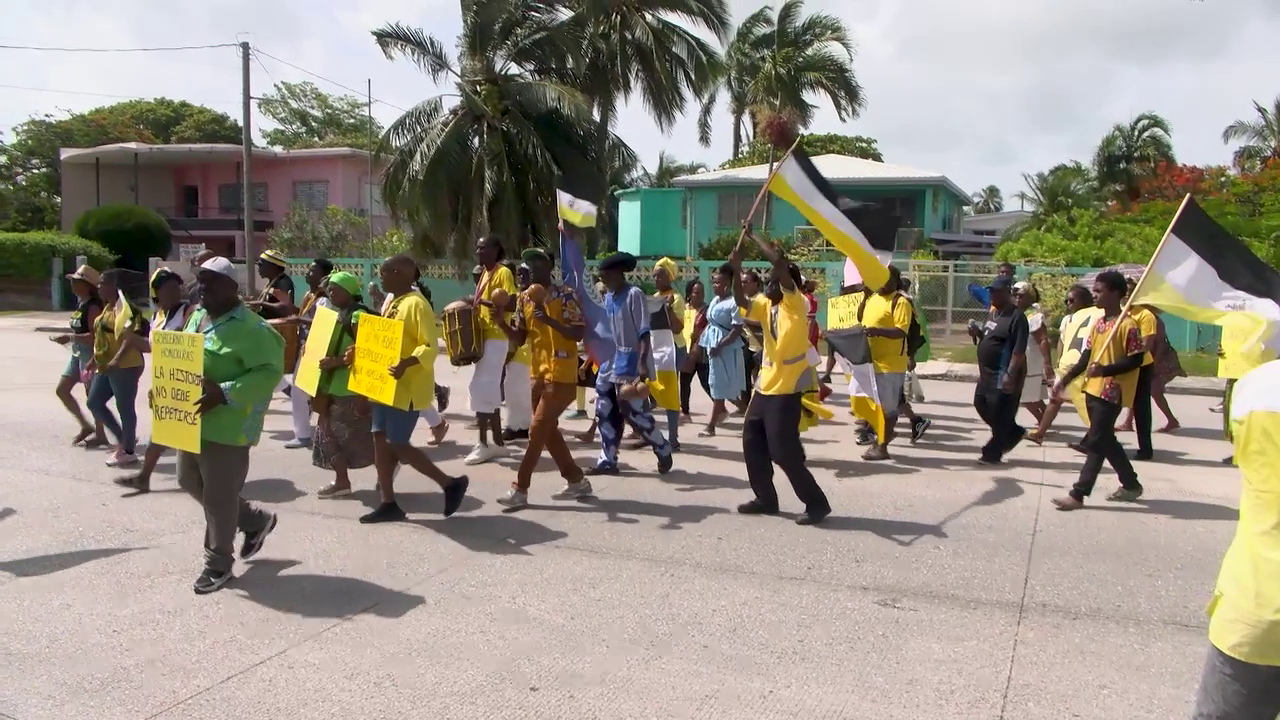
    On July 14, 2026, more than 200 Garifuna community members and their allies filled the streets of Belize City, rallying in peaceful demonstration to stand with dozens of Garinagu families facing forced displacement from their centuries-old ancestral lands in San Juan, Atlántida, Honduras. The protest, organized by the National Garifuna Council (NGC), shines a global spotlight on a long-running land conflict that carries deep historical trauma for the transnational Garifuna people.

    Under a banner of shared identity and kinship, the march echoed with the rhythmic beat of traditional drums and unified chants, as protesters made clear that the struggle in Honduras is not merely a dispute over territory—it is a fight for cultural survival, collective identity, and the fundamental human right to ancestral lands. According to accounts from displaced families in San Juan, Honduran military personnel have deployed armed forces to the area, using intimidation tactics to force 150 multi-generational Garinagu households off land they have stewarded since the late 18th century, to clear space for a government-approved large-scale tourism development project.

    Jose Armando Guzman, a San Juan resident who has joined the resistance to the displacement, described the fear that gripped the community when armed troops first arrived. “At the beginning, we were scared because they were armed with rifles and guns as if they were going to war. But they are just trying to rob 150 families of their land. So we said, ‘No way. We are staying here,’” Guzman said in remarks shared at the Belize protest.

    For Garifuna people in Belize, the crisis hits exceptionally close to home. Beyond shared cultural roots and a collective history, many Belizean Garifuna families have direct blood and community ties to the San Juan area, stretching back to a 1937 massacre that killed more than a dozen Garinagu in the same community and forced hundreds of survivors to flee across the border into Belize. Ifasina Efunyemi, Assistant Treasurer of the NGC, emphasized that collective solidarity is a core value of the Garifuna people.

    “What happens to any one of us happens to all of us essentially. That is our fundamental principle as a people, and so we are joining with them to show that they are not alone. And these are our relatives. These are people that we are connected to by DNA. We had many Garinagu who fled from that very community back in 1937 as a result of a massacre by the government, right? And so this threat, when we saw the videos coming out of San Juan last week, you saw military strong, very strong and aggressive military presence in San Juan. And all our people could do was lift up their phones,” Efunyemi told reporters at the rally.

    Following the peaceful march through Belize City, NGC leadership met directly with Carmen Scarleth Ayon Neda, the Honduran Ambassador to Belize, to deliver an official letter of protest addressed to Honduran President Nasry Asfura. The letter outlines the Garifuna community’s deep discontent with the displacement, urges the Honduran government to honor international conventions protecting Indigenous ancestral land rights, and warns that both the Belizean public and the global Garifuna community are closely monitoring the situation.

    “That’s a letter that we wrote to the ambassador to present to the president of Honduras, expressing our discontent with what is taking place, reminding him that we do not want history to repeat itself, and also imploring on him to respect the rule of law, to respect the conventions that have been passed that protect our rights, our traditional spaces, and to alert him that Belize is paying attention and the international community is paying attention. So, it is in their best interest to do what is proper,” explained NGC President Alex Nolberto.

    In response, Ambassador Ayon Neda confirmed that the letter would be delivered directly to President Asfura, and assured the council that the Honduran government would be made aware of the Garifuna community’s concerns. “Rest assured, I will present this document to the president of Honduras, Nasry Asfura, for him to do his work and for him to also recognize what is happening in Honduras. We, as Hondurans represented here in this country, we receive this document with regards to your Garifuna community, as our friends, as our colleagues, also as Hondurans,” she said during the meeting.

    The protest is part of a growing global outcry from Garifuna communities across North and Central America, who have rallied to condemn the forced displacement and call for a peaceful, legal resolution that protects the San Juan communities’ right to their ancestral homeland. The NGC is continuing to push the Government of Belize to formally raise the issue with Honduran federal authorities, to elevate the crisis to regional diplomatic bodies if needed.

  • Can the Auditor General Deliver the Truth Without Fear or Favor?

    Can the Auditor General Deliver the Truth Without Fear or Favor?

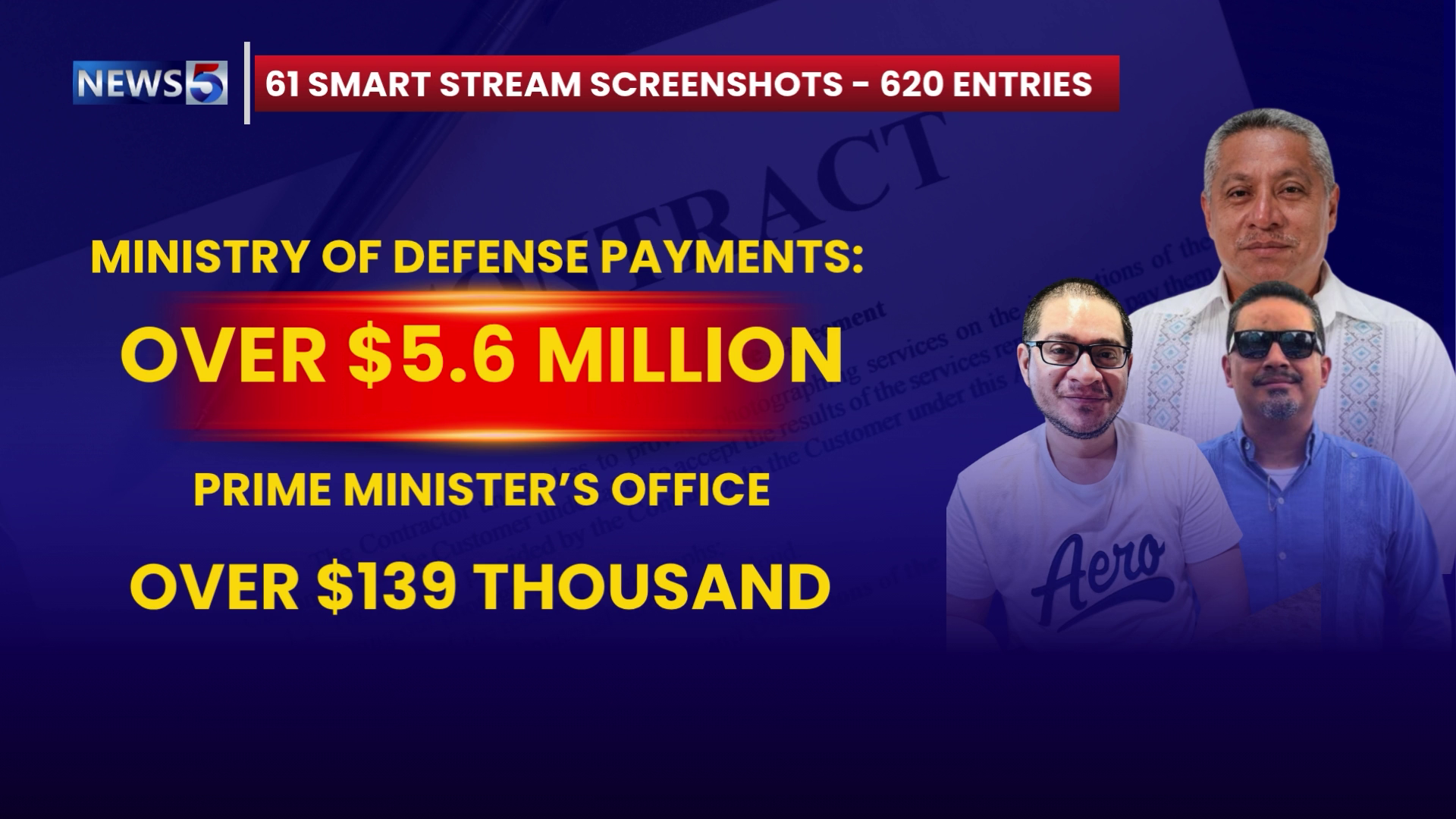
    In Belize, a growing audit of the Ministry of Defense has put the Office of the Auditor General directly in the national spotlight, with the public and political stakeholders increasingly questioning whether the country’s top public spending watchdog can deliver an unbiased, thorough investigation free from political interference. What began as a routine review of suspicious repeated payments — each valued just under $10,000, a threshold that triggered internal government alarms — has expanded into the widest-ranging audit the country has seen in years, stretching back more than a decade across multiple successive political administrations.

    The inquiry was launched after Prime Minister John Briceño ordered an audit following the discovery of the questionable transactions. Briceño confirmed in public remarks earlier this month that the review will not be limited to the current ruling administration’s activities; auditors will also examine defense ministry financial practices dating back to 2015, when the previous United Democratic Party government held power. “When we saw these continuous payments under ten thousand, obviously it raises questions and an alarm. That is why I called the Financial Secretary and that is why we sent the auditor general to take a look at what is going on,” Briceño explained in a statement from mid-June 2026.

    The expanded scope of the investigation has already placed significant new pressure on the Auditor General’s office, with growing uncertainty over whether the probe can be completed within its original three-month deadline. Opposition Leader Tracy Panton, head of the United Democratic Party, has rejected the current audit framework, calling for a fully independent external forensic probe to address what she argues are systemic flaws in public financial management across government. “It has to be addressed in my view by an independent and forensic audit, not only on those ministries and departments we have evidence on, but it is a systemic, in my view, systemic infraction,” Panton said in remarks on July 7th.

    Under Belize’s constitution, the Auditor General’s office is designed to function as an independent oversight body: the position is established by law, appointed by the Governor General, and protected from external political influence via the Finance and Audit Reform Act. But that legal independence is now facing unprecedented scrutiny, following public criticism from Dean Flowers, president of Belize’s Public Service Union. Flowers argued that recent appointments to oversight bodies including the Auditor General’s office have been overwhelmingly political, with appointees prioritizing personal and party interests over the national good. “These appointments are now all political and nobody that is appointed to these offices seem to have the best interest of this country at heart and simply have their personal interest at heart and the party’s interest at heart, to collect a stipend and maintain the status quo,” Flowers said in comments on July 9th.

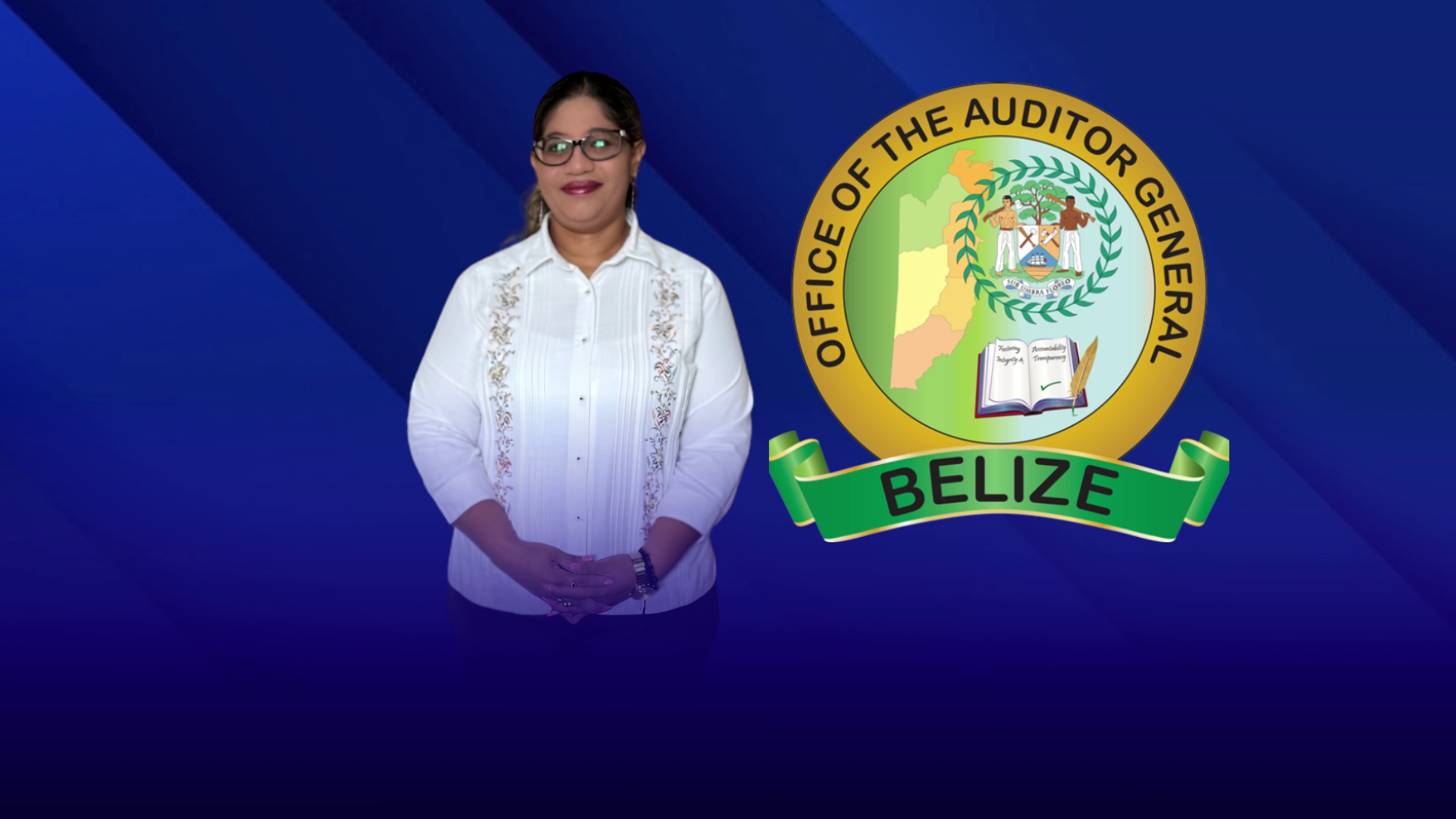
    While the Finance and Audit Reform Act grants the Auditor General broad legal authority to access official records and demand testimony from public officials, sitting Auditor General Maria Rodriquez has publicly confirmed that access to executive branch cooperation remains a persistent barrier to her office’s work. When asked if non-cooperation from the executive is still an active issue for ongoing audits, Rodriquez confirmed plainly: “It is, it is an ongoing issue.” She noted that when executive branch officials refuse to meet with auditors or respond to information requests, her office has no clear formal avenue to force compliance, creating a critical gap in enforcement of its oversight mandate.

    Beyond questions of political interference, the Auditor General’s office also faces a significant structural barrier: chronic underfunding. Tasked with tracking billions in annual public spending across all government entities, the office operates on an annual budget of just over $3 million, making it one of the lowest-funded bodies in Belize’s national budget.

    For now, Prime Minister Briceño has maintained that the current administration is committed to full transparency, saying that top Ministry of Defense officials have pledged full cooperation with the audit. “The auditor general is starting to compile all information. CEO Usher has assured me that they are cooperating to a full extent, and the auditor general will do a full investigation. And if there was any wrongdoing, be it public officers or politicians, they would have to answer,” Briceño said on July 3rd.

    As the procurement inquiry at the Ministry of Defense continues to expand, public focus has shifted away from the original corruption allegations and toward the watchdog itself. The outcome of this audit will not only reveal whether financial wrongdoing occurred in the defense ministry — it will also test whether Belize’s key public oversight institution has the independence, resources, and authority to follow the evidence wherever it leads, regardless of political fallout.

  • Ombudsman’s Office “At the Bottom” of GOB’s Budget Priorities

    Ombudsman’s Office “At the Bottom” of GOB’s Budget Priorities

    As an ongoing review of the effectiveness of Belize’s government accountability mechanisms continues, a former head of one of the country’s key oversight institutions has raised urgent alarms about chronic underfunding. Retired Major Gilbert Swaso, who previously served as Belize’s Ombudsman, revealed in a recent public interview that the Ombudsman’s Office is consistently ranked among the lowest-priority items in the Government of Belize’s annual national budget allocation.

    While the country’s existing Ombudsman Act explicitly grants the office the legal authority to submit requests for extra funding to support active investigations into government misconduct and systemic failures, Swaso says the real challenge emerges long after the request is filed. During his tenure leading the office, Swaso documented multiple instances where formal funding requests for critical investigative work were completely ignored by government financial authorities.

    “Statutorily, we have the right to put forward requests for additional resources when casework demands it. The problem isn’t the ability to ask – it’s what happens after we ask,” Swaso explained. “On more than one occasion, those requests went unanswered. That’s where the core challenge lies.”

    Even though Belize’s constitution and national Ombudsman Act formalize the office’s independence from executive branch interference, Swaso points out that the office still relies on approval from the Ministry of Finance, the Financial Secretary, and the National Assembly for any additional budget beyond its base allocation. When the Ombudsman’s investigative priorities do not align with the ruling government’s policy and political agenda, requests for extra funding are routinely sidelined, he says.

    This systemic mismatch creates a hidden threat to the office’s core mandate: holding government institutions and public officials accountable to the public. Swaso warns that when funding is only approved for investigations that fit the government’s own priorities, the independence that makes the Ombudsman’s oversight work meaningful is severely undermined. The interview marks the latest contribution to a broader public discussion about whether Belize’s oversight bodies have the resources and autonomy they need to fulfill their legal responsibilities.

  • Defense Procurement: Fair Play or Favoritism?

    Defense Procurement: Fair Play or Favoritism?

    A brewing political controversy over government defense procurement has sparked allegations of favoritism and insider dealing in the current administration, with a leading union leader calling for a full, transparent audit to uncover potential wrongdoing.

    The scandal centers on a key observation: a substantial number of private businesses that have recently secured lucrative defense contracts from the Ministry of Defense were only incorporated after the Briceño administration took office. Dean Flowers, president of the Public Service Union (PSU), argues that this coincidental timing is no accident, and instead points to a systemic pattern that advantages well-connected new entrants at the expense of fair competition.

    In comments delivered to local media, Flowers laid out the core of his accusation, urging the public to scrutinize the founding dates of contract-winning firms and examine whether transactions involve politically connected related parties. “Create a company, submit a bid and we will ensure you get a bid or part of a bid,” Flowers said, outlining the alleged scheme that he says relies on advance insider knowledge of upcoming government procurement needs.

    Flowers has raised questions about opaque government contracting practices since he assumed leadership of the PSU in 2021, repeatedly calling attention to what he claims is the emergence of a new class of politically connected wealthy individuals benefiting from public spending, particularly in the pharmaceutical sector. He went on to argue that most of the companies founded after the administration took office would be unable to survive commercially without exclusive access to government contracts, given their explicit founding purpose to capitalize on political connections.

    To date, no concrete, tangible evidence has been made public to confirm Flowers’ claims of insider dealing and favoritism. Despite this lack of proof, Flowers is pushing for procurement investigators to include the timing of company incorporations as a core line of inquiry in the ongoing official audit of the defense ministry’s contracting activities.

    This report is adapted from a transcribed broadcast of a local evening newscast, with localized Kriol language statements preserved using standardized spelling conventions.

  • Suspect Detained After Deadly Cane Field Attack in San Lazaro

    Suspect Detained After Deadly Cane Field Attack in San Lazaro

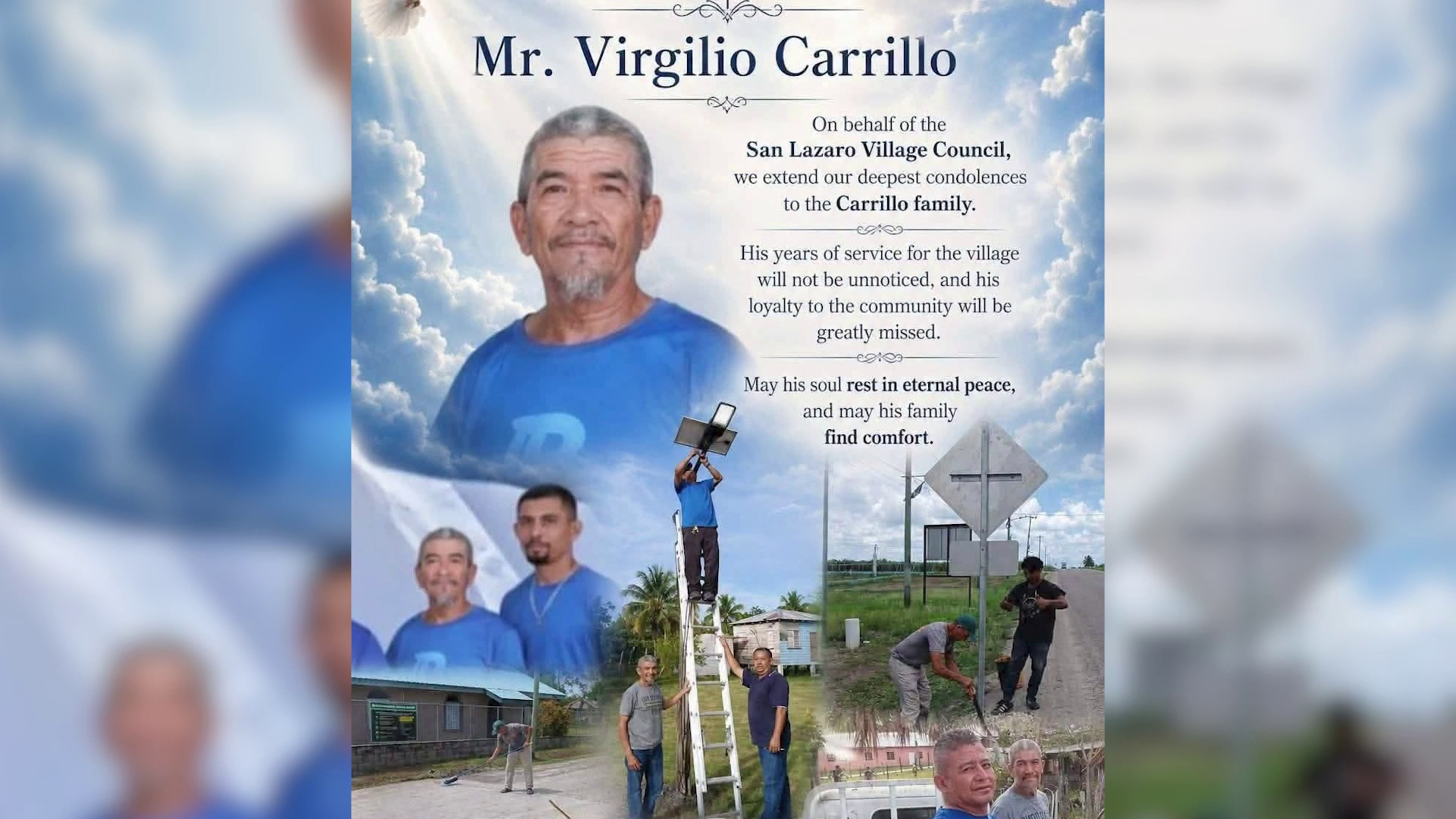
    The tight-knit agricultural community of San Lazaro remains in a state of profound shock and grief following a brutal, unprovoked attack that claimed the life of a long-time local resident earlier this week. Seventy-eight-year-old Virginio Carillo, a widely respected hardworking farmer and active community volunteer, was fatally hacked to death in an ambush that unfolded as he commuted along a rural road bordering a local sugar cane field early Monday morning.

    According to official law enforcement statements, the attacker lay in wait in dense roadside vegetation before emerging to launch the sudden, deadly assault against Carillo as he rode his bicycle along the route. In a swift development that has brought a small measure of closure to the shaken village, authorities announced that a suspect has been taken into police custody just 24 hours after the incident. As of the latest update, however, formal charges have not yet been filed against the detainee, and investigators have not released details on a possible motive for the killing.

    Carillo’s sudden, violent death has rippled across the small community, where residents remember him as a dedicated, dependable neighbor who contributed regularly to local initiatives. Local government leaders and public officials have issued formal statements of condolence to Carillo’s family and friends, matching the outpouring of sympathy shared by village residents in the days since the attack.

    This report is adapted from a televised evening news broadcast, with original Kriol language commentary transcribed using a standardized spelling system for online publication.

  • High Court Acquits Andre Arthurs in Fatal Belize City Shooting

    High Court Acquits Andre Arthurs in Fatal Belize City Shooting

    On July 14, 2026, a pivotal ruling in Belize cleared a local man of murder charges stemming from a high-profile 2025 fatal shooting in the heart of Belize City. Twenty-eight-year-old Andre Arthurs, a construction worker based in the Faber’s Road neighborhood, walked free from the High Court Wednesday after Justice Nigel Pilgrim threw out the prosecution’s case over critical gaps in evidence and unreliable witness identification.

    The case centered on the March 2025 shooting death of 33-year-old Mark Usher Jr., who was killed at the intersection of Jabiru Street and Faber’s Road. Prosecutors from the Crown had alleged Arthurs was the gunman who carried out the daytime attack, arguing their entire case on the testimony of a single witness: Interdiction Police Officer Lawrence Martinez.

    Martinez told investigators he had witnessed a man matching Arthurs’ general description, wearing a blue shirt and riding a bicycle, flee the scene moments after the gunfire rang out. Weeks later, Martinez picked Arthurs out of a police group identification procedure. But Justice Pilgrim’s ruling laid bare fundamental flaws in that identification process. The judge noted there was no documentation or confirmation that the other participants in the identification line-up shared similar physical characteristics with Arthurs — including matching height, skin tone, age range, and general appearance. Without that consistency, the court ruled the identification could not be considered reliable, even though Martinez himself appeared to be a credible witness on the stand.

    Beyond the flawed identification, the prosecution failed to produce any physical evidence linking Arthurs to the shooting. Investigators never tested Arthurs’ hands for gunshot residue, did not recover the murder weapon, never obtained a warrant to search for the alleged blue shirt the suspect was reported to wear, and could not account for the abandoned bicycle the shooter supposedly left behind. No DNA evidence connecting Arthurs to the crime was presented to the court at any point during the trial.

    In his statement to the court, Arthurs forcefully denied any involvement in Usher’s killing. He told the justice he was at his home hosting a barbecue with friends at the exact time the shooting occurred, providing an unchallenged alibi that the prosecution could not disprove.

    Following the not guilty verdict, Arthurs was released from custody immediately, with his waiting relatives greeting him outside the courtroom. Usher’s mother, who had attended the trial to observe the verdict, left the courthouse shortly after Justice Pilgrim announced the ruling. Arthurs was represented throughout the proceeding by defense attorney Simeon Sampson, who successfully argued that the prosecution had failed to meet its burden of proving guilt beyond a reasonable doubt.