标签: Belize

伯利兹

  • Three People Missing, Vanished Without a Trace in Cayo

    Three People Missing, Vanished Without a Trace in Cayo

    Authorities in Belize are engaged in a time-sensitive search operation for three missing individuals who have not been heard from or seen for more than a month in the Cayo District. The missing people have been identified as Kenia Chan, 15-year-old Ezekiel Montejo, and six-year-old Dorian Montejo. Their last confirmed location was Las Flores Village, a small community located close to Belmopan, the nation’s capital, with the last confirmed sighting recorded back in late March.

    Investigators working on the case have outlined the active missing timeline as running from March 31 through at least April 27, and public concern over the three’s fate has grown steadily as each day passes without new leads. Law enforcement officials are issuing a public appeal for assistance from anyone who may have any information related to the disappearance, even details that seem minor or insignificant.

    Investigators emphasize that even an unremarkable sighting or a passing comment someone may have overheard could prove to be the critical breakthrough that helps locate the three missing people. Members of the public who hold information are able to submit it anonymously through multiple channels: they can call Crime Stoppers’ dedicated tip line at 922, submit information through the official P3 Tips mobile application, or reach out directly to the closest local police station to share what they know.

    This report is a transcript of an evening television broadcast, with all Kriol language dialogue transcribed using a standardized spelling system for accessibility.

  • Deceased Dangriga Man Identified in Ongoing Investigation

    Deceased Dangriga Man Identified in Ongoing Investigation

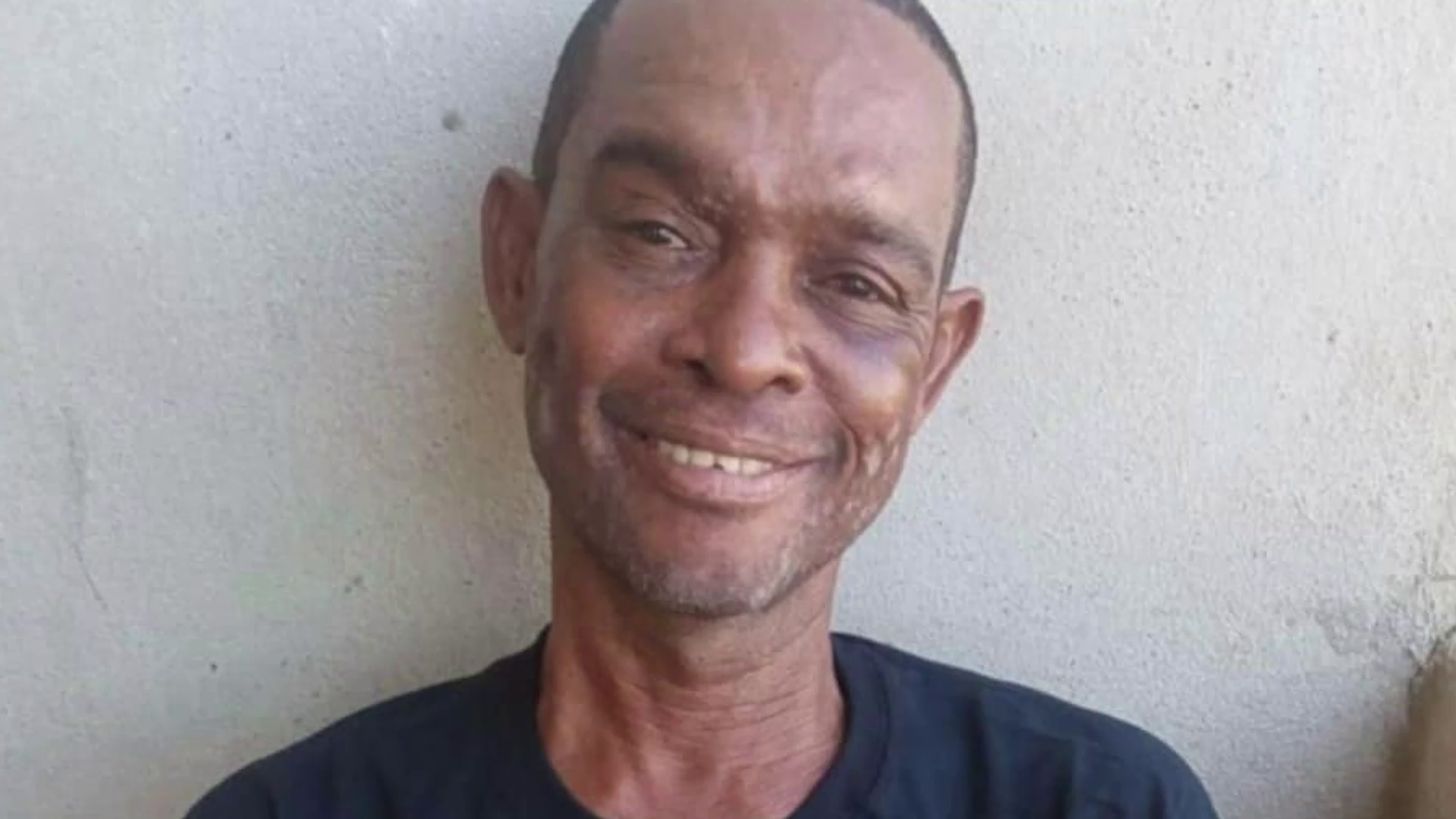
    In the latest update to an ongoing death probe launched late last week, Belizean law enforcement has officially confirmed the identity of a man previously only documented as John Doe. The deceased individual has been named as 53-year-old Eldon Edward Solomon, a local laborer who resided in Dangriga Town, Stann Creek District. The critical breakthrough in the case came after a member of Solomon’s family contacted investigators to formally identify his remains, closing one of the most prominent open questions that has surrounded the probe since it began.

    While the identification marks a major milestone for investigators, the full circumstances surrounding Solomon’s death remain unconfirmed, and the official inquiry is still active and progressing. Local news outlets will continue monitoring developments in the case and publish new updates as additional details are made public by law enforcement authorities.

    This report is adapted from a transcript of an evening television newscast, which notes that all Kriol language dialogue included in the original broadcast was transcribed using a standardized spelling system for accuracy.

  • Witnesses Say Victim Alive, Died Waiting for Help

    Witnesses Say Victim Alive, Died Waiting for Help

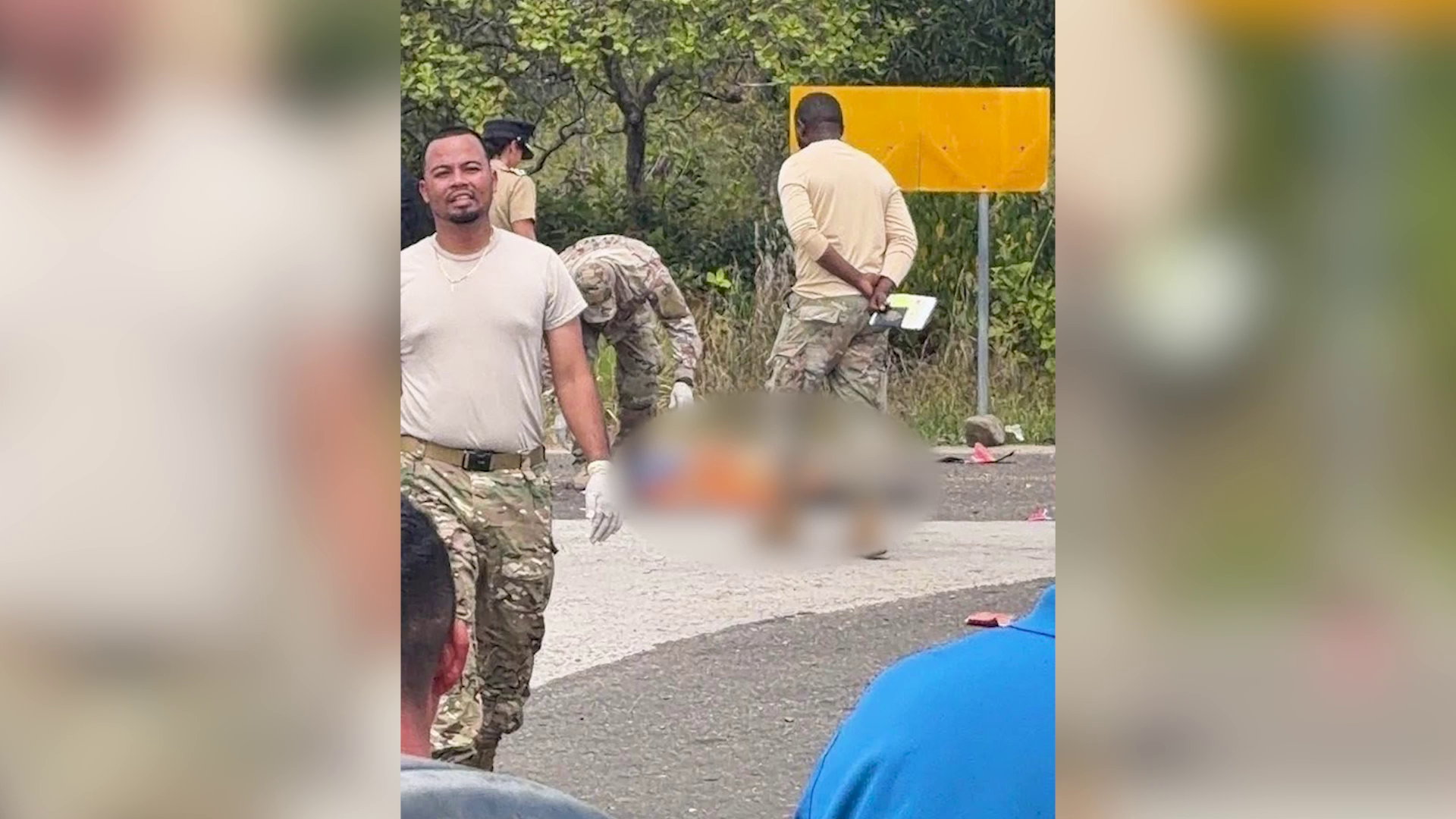
    A fatal road traffic collision between a motorcycle and a passenger vehicle has left one person dead, with witnesses claiming the victim survived the initial impact but lost their life before emergency medical crews could arrive at the crash site. The deadly incident unfolded on the afternoon of May 5, 2026, at the intersection connecting San Juan and Cow Pen Village. Multiple bystanders who were present at the scene immediately after the crash confirmed that the motorcyclist, identified only as the victim, showed clear signs of life in the minutes right after the two vehicles collided. Unfortunately, emergency response teams did not reach the isolated junction in time to intervene, and the victim was pronounced dead before medical care could be administered. As of this evening’s official update, law enforcement authorities have not made any public announcement regarding the identity of the deceased. Investigators are still in the early stages of probing the collision, and no official confirmation has been issued on what factors led to the crash, including whether speeding, impaired driving, poor road conditions, or driver error played a role. This report is adapted from a transcribed evening television newscast, which originally included translated commentary from Kriol-language speakers formatted with a standardized spelling system for public distribution. As the investigation continues, local authorities are expected to release further updates once they have completed their preliminary on-site analysis and witness interviews.

  • Edward Broaster Launches Unique Fuel Protest

    Edward Broaster Launches Unique Fuel Protest

    Against a backdrop of skyrocketing fuel costs squeezing household budgets across Belize, a local opposition political figure has launched an unusual, high-profile protest that mixes direct public relief with pointed political pressure. Edward Broaster, caretaker for the United Democratic Party (UDP) in Belize Rural Central and a former Deputy Commissioner of Police, is set to roll out a one-day fuel subsidy this Friday, stepping in to cover a portion of motorists’ fuel costs at the Northern Gas Station — and publicly challenging Prime Minister John Briceño to match his effort to ease the strain on working Belizeans.

    Broaster is no stranger to public acts of goodwill: he previously earned local attention for serving as a secret Santa for low-income families in Ladyville. Now he’s repurposed that community-focused approach to draw attention to the country’s worsening cost of living crisis, with fuel prices emerging as a top pain point for commuters, delivery workers, and ordinary families alike. Under his initiative, eligible drivers from Belize Rural Central will receive $2 off every gallon of fuel they purchase, capped at 10 gallons per vehicle. The discount will be applied directly at the pump, with Broaster’s team covering the difference to the gas station.

    For Broaster, the initiative is far more than a one-off charitable act — it is a deliberate, peaceful protest aimed at highlighting what he calls the government’s inaction on soaring fuel prices. In comments to reporters, he emphasized that if an individual opposition figure can cut fuel prices for local drivers by $2 per gallon, the national government has the capacity to implement broader relief for the entire public. “Hearing from my constituents that the fuel price is killing them, the cost of goods is killing them, this initiative is a form of protest to show the government that yes you can reduce the price of fuel,” Broaster explained. “If I can cut it by two dollars, you can do the same.”

    He framed the effort as a rebuke of what he calls the government’s hypocrisy around cost of living relief, noting that an administration elected to serve the Belizean people should not refuse to take meaningful action to ease widespread financial strain. When asked how a local opposition caretaker can fund a full day of fuel subsidies for hundreds of expected drivers, Broaster confirmed that the initiative is backed by financial support from unspecified supporters of the UDP, though he declined to name individual donors — leaving open questions about the backers behind the high-profile protest.

    Beyond the one-day pump discount for motorists, Broaster revealed that additional relief efforts are already in planning for bus commuters, a group that has been hit particularly hard as rising fuel costs push up public transit fares across the country. He confirmed that his team is preparing a seven-day relief program specifically for commuters, though he did not release further details about the scope or timing of the upcoming initiative.

    As Friday’s subsidy event approaches, political observers and local residents are divided on the nature of the effort: some see it as genuine, immediate relief for a community reeling from persistent price hikes, while others question whether it is merely a political stunt to gain attention for the opposition ahead of future political contests. Regardless of the motivation, the event is expected to draw long lines of drivers eager to lock in the discount, and will almost certainly amplify national conversations about the government’s handling of Belize’s ongoing cost of living crisis.

  • When the Rain Won’t Come, Who Helps Farmers?

    When the Rain Won’t Come, Who Helps Farmers?

    As Belize prepares for an unusually severe dry season forecast to bring well below average rainfall between June and August 2026, the Caribbean nation has rolled out its first proactive drought relief program – though gaps in coverage have left many small-scale producers grappling with uncertainty over their livelihoods and family stability.

    The new “Anticipatory Action” initiative, a collaborative effort between Belize’s Ministry of Agriculture, the National Meteorological Service, and the World Food Program, aims to pre-emptively support vulnerable farmers before drought destroys their crops. Just weeks after the program was triggered by the grim rainfall forecast, 419 preselected farmers across the northern and western districts of Cayo, Orange Walk, and Corozal are set to receive one-time, no-strings-attached grants of 400 Belize dollars each, disbursed via Western Union. Unlike many government relief schemes, no repayment is required, and no spending receipts need to be submitted.

    Andrew Mejia, Director of Extension at the Ministry of Agriculture, explained that the flexible funding is designed to let farmers address their most urgent drought preparedness needs. “They can buy whatever they need – drought-resistant seeds, fertilizers, small irrigation equipment,” Mejia said in an interview. “It’s not a large sum of money, but it will make a meaningful difference for Belize’s small farming operations. While we don’t require receipts for spending, our ministry will conduct follow-up check-ins to understand how the funds were used and whether the support helped farmers weather the coming drought.”

    To qualify for the aid, farmers must be registered in the national Belize Agriculture Information Management System, operate plots between half an acre and three acres, and reside in one of the three targeted districts. Even with these clear eligibility rules, many small producers across the country have been excluded from the first round of support, leaving them to cope with soaring input costs and dry conditions on their own.

    Abner Cienfuegos, a small farmer who has received support from a separate government program in the past, told reporters that the current dry conditions have already taken a heavy toll on his crops. Increased watering to keep plants alive has pushed up his gas costs dramatically, at a time when global fuel prices are already at record highs. Even as production costs surge, Cienfuegos said he cannot raise produce prices at local markets, where shoppers demand the lowest possible rates.

    What has kept Cienfuegos going through the dry spell without access to the new anticipatory aid is the mentorship of Alberto Villanueva, a 40-year veteran of farming in Belize. Villanueva, however, says he has not received any government cash assistance recently, even though he qualifies for support in principle. The veteran farmer emphasized that the need for aid is acute: during drought years, production drops sharply, so extra cash is critical to covering household bills and keeping operations afloat. “It would always be helpful for our family to maintain our bills and everything,” Villanueva said. “Yes, we do need the cash.”

    For other farmers, the barrier to aid is simply lack of awareness of the program. Alex Spice, a small producer in Lower Barton Creek, pays official monthly farm taxes and is registered with the government, but had never heard of the Anticipatory Action plan. Spice, who says he prefers to earn his living through his own work rather than seeking government support, supplements his farm income by importing produce from Mexico during lean dry seasons – a safety net that many of his neighbors do not have.

    “I’m really not familiar with all these programs,” Spice explained. “I try to make my life with my hands, and I don’t go around asking for support. I don’t even know if I’m eligible for any of these programs.”

    Other farmers report repeatedly being locked out of government support, even when they meet eligibility requirements. A Stann Creek district farmer told News Five that he has missed out on multiple relief programs over the years, while many others struggle to complete the registration and outreach steps required to access available funds. The Ministry of Agriculture advises unregistered farmers to sign up for the national information system and contact a local extension officer to access future support, but for farmers already juggling drought stress and rising costs, completing those steps is far from straightforward.

    As the dry season approaches, the gap between limited government aid and widespread need has left many of Belize’s small farming communities wondering whether they will be able to keep their operations running and support their families through the coming months. While the new anticipatory program marks a milestone in proactive disaster response in the Caribbean, many producers are still waiting for the support they say they desperately need.

  • Tourism Industry Moves Fast as Sargassum Washes In

    Tourism Industry Moves Fast as Sargassum Washes In

    As seasonal sargassum blooms once again wash onto Belize’s Caribbean coastlines, the nation’s tourism industry has rejected reactive panic in favor of urgent, collaborative action to protect its core economic driver. The Belize Tourism Industry Association (BTIA) announced this week that industry leaders and national government agencies have already begun coordinated talks to scale up cleanup operations and build a more robust long-term response to the recurring environmental challenge.

    Efren Perez, president of BTIA, emphasized that stakeholders are prioritizing speed and collaboration to mitigate damage to Belize’s global reputation as a top beach and eco-tourism destination. Unlike past years where disjointed responses allowed public perception of widespread beach fouling to hurt bookings, this year industry operators are collecting on-the-ground feedback from coastal hotels and tour companies to share directly with government partners, ensuring response efforts target the hardest-hit areas first.

    Perez clarified that sargassum influxes are not an isolated problem for Belize, but a growing regional environmental crisis impacting multiple Caribbean nations. Many neighboring countries continue to struggle with ongoing maintenance and long-term impact mitigation, leaving their tourism sectors vulnerable to booking drops and customer dissatisfaction.

    For Belize, the most immediate risk is not just the environmental impact of accumulated seaweed on beaches and marine ecosystems, but the reputational damage that comes from widespread public assumption that coastlines are completely overtaken by sargassum. Perez noted that local hoteliers have already reported canceled reservations and a slowdown in new bookings driven by this misperception, making a fast, visible response critical to reversing the trend.

    BTIA has already initiated formal discussions with three key government bodies: the Ministry of Tourism, the Ministry of Blue Economy, and the Ministry of Environment. The working group’s immediate priorities are expanding daily cleanup operations along high-traffic tourist beaches, developing clear public communication to update visitors on current conditions, and exploring long-term strategies to reduce the impact of future annual sargassum blooms. The collective goal remains unchanged: preserve Belize’s appeal as a world-class tourist destination and protect the thousands of livelihoods that depend on the sector through the peak travel season.

  • Spirit’s Exit Leaves Belizeans Paying More to Fly to the US

    Spirit’s Exit Leaves Belizeans Paying More to Fly to the US

    When low-cost carrier Spirit Airlines exits the global aviation market, small tourism-dependent economies like Belize are already feeling the ripple effects. Industry leaders and tourism stakeholders warn that the departure of the budget airline will leave a significant gap in affordable air access between Belize and the United States, driving up ticket prices and threatening the country’s position in the competitive international tourism landscape.

    Spirit only launched its first service to Belize from South Florida in November 2025, but in its short time operating the route, it quickly became a game-changer for price-conscious travelers. Before Spirit entered the market, many budget-conscious visitors from the U.S. saw Belize as an out-of-reach tropical destination, priced out by higher airfares on larger legacy carriers. Spirit’s low-cost model opened the door for a whole new segment of travelers, making a Belize vacation a realistic goal for people traveling on tight budgets.

    Efren Perez, president of the Belize Tourism Industry Association (BTIA), explained that Spirit’s presence did more than just add another route to the country’s air network. It democratized travel to Belize, expanding access to the destination for a far broader range of visitors, primarily from key U.S. origin markets connected through Spirit’s Florida hubs. “It is quite unfortunate that Spirit Airline has exited the market. It places a huge strain on travelers globally from all the markets they have been servicing,” Perez said in a statement. “From Belize specifically, air connectivity has been one of our critical drivers. The entry of a low-cost carrier like Spirit Airlines has played a very important role in the democratizing of travel in Belize, making the destination more affordable to a wider segment of travelers, particularly to the U.S. market and particularly from their hubs in Florida.”

    Now, with Spirit gone, the immediate concern is upward pressure on airfare. With fewer low-cost carriers competing for passengers on routes between the U.S. and Belize, remaining airlines have little incentive to keep prices low for budget travelers. Stakeholders warn that price-sensitive travelers, the same demographic Spirit attracted, will now feel the financial squeeze – and many will likely choose cheaper alternative tropical destinations over Belize.

    The longer-term worry is even more pressing: the loss of affordable air access could erode Belize’s overall competitiveness in the global tourism market. Air connectivity and affordable travel have been core pillars of Belize’s tourism growth strategy in recent years, and the sudden loss of a major low-cost option throws that progress into question. Industry leaders are now watching closely to see if other low-cost carriers will step in to fill the gap Spirit left behind, but for now, Belizean travelers and the country’s tourism industry are bracing for higher costs and slower visitor growth in the months ahead.

  • Restorative Justice: Not Just Time Served, But Lives Changed

    Restorative Justice: Not Just Time Served, But Lives Changed

    On May 5, 2026, a groundbreaking shift in Belize’s approach to criminal justice moved into the public spotlight at a joint symposium hosted by the University of Belize and the Leadership Intervention Unit. Unlike traditional correctional frameworks that prioritize punishment over reform, the event centered restorative justice—a model that reframes the justice system around accountability, victim healing, and second chances for justice-involved individuals. While policy experts and criminal justice leaders debated the future of the approach, the most resonant moment of the day came from a deeply personal firsthand account of life transformation after incarceration.

    That story belongs to Lane Grinage, a reform advocate who once served time in a Belizean prison for a criminal conviction that altered the course of his life. When Grinage first entered the correctional system, he confronted the reality of the wrong turn he had taken—and found a new path through the Ashcroft Rehabilitation Center (ARC) program, a restorative justice initiative that teaches participants critical social and life skills to prepare them for reentry into society. For Grinage, the loss of freedom that came with his sentence also brought an unflinching moment of reckoning that pushed him to engage with restorative justice practices. Instead of only completing a court-ordered term, he was guided to confront the real human harm his actions had caused to victims and communities, laying the groundwork for long-term personal change.

    Today, Grinage is out of prison and working to support other formerly incarcerated people as they rebuild their lives, but he openly acknowledges that the road to full societal reintegration has been far from easy. The persistent stigma of being labeled an ex-convict continues to create barriers, from employment discrimination to social exclusion that tests his commitment to reform. When asked whether bias against former inmates persists among employers and the broader business community, Grinage confirmed that discrimination remains widespread. Still, he maintains a pragmatic, determined outlook: consistent productivity and personal discipline will eventually open doors for those committed to turning their lives around.

    During a discussion at the symposium, Grinage raised concerns about a persistent imbalance in Belize’s correctional system, noting that many facilities still prioritize harsh industrial discipline over meaningful rehabilitation. Nasir Acosta, director of Wagners Youth Facility, responded by affirming that this gap is exactly what restorative justice is designed to fill. Acosta explained that the core work of restorative programs lies in rebuilding the individual sense of self-worth that is often stripped away by the correctional system. Through these initiatives, participants learn to see themselves beyond the label of “offender” or “perpetrator,” developing the internal tools they need to sustain long-term change after reentry.

    For criminal justice and criminology students at the University of Belize who attended the event, Grinage’s story offered a tangible, human perspective that cannot be learned from textbooks. Shaheed Mai, one of the participating students, noted that the account brought the theory of justice reform to life, highlighting that real change is possible when people have the drive to improve and access to supportive programming. The symposium closed with a reminder that justice is not only about holding people accountable for harm—it is also about creating space for transformation, one honest conversation and one second chance at a time. This report was prepared by Shane Williams for News Five.

  • UB Reviews Wagner Facility’s Restorative Justice Program

    UB Reviews Wagner Facility’s Restorative Justice Program

    In a landmark development for Belize’s juvenile justice reform efforts, criminal justice students from the University of Belize (UB) presented new, on-the-ground research at a national restorative justice symposium on May 5, 2026, offering a data-backed assessment of the Wagner Youth Facility’s flagship restorative justice programming for young male offenders.

    The student-led case study, focused exclusively on one of the country’s primary youth detention centers, delivers a nuanced picture of progress alongside unaddressed gaps, turning academic inquiry into a actionable plan for systemic improvement. Lead researcher Shaheed Mai explained that the project, conducted alongside two fellow UB classmates, centered on evaluating whether the facility’s rehabilitative model is successfully breaking the cycle of recidivism for young male detainees.

    “Our analysis confirms that the core restorative justice framework at Wagner’s is working,” Mai told attendees, noting that the facility has made tangible strides moving away from traditional punitive models toward a rehabilitation-centered approach. Still, the team uncovered critical unmet needs that are limiting long-term outcomes for detainees. Major gaps identified include insufficient access to vocational training, limited pathways to higher education, and ongoing stigma that leaves young people framed primarily as inmates rather than individuals working toward reinvention.

    Mai shared that many detainees currently housed at the facility expressed a strong personal desire to build skills, repair harm done to their communities, and contribute productively after their release — outcomes that are out of reach for many without expanded support systems.

    Wagner Youth Facility Director Nasir Acosta welcomed the independent student assessment, echoing the team’s focus on centering holistic rehabilitation to cut down on repeat offenses. Acosta emphasized that therapeutic work to help young offenders process their emotions and understand their actions is a foundational first step to lasting change. “Before a young person can find the internal motivation to make amends to society, they first need to understand themselves,” Acosta explained. “Many arrive here without a clear grasp of their own emotions, how they ended up in detention, or how they can navigate the world after release. That is why therapeutic work comes first — it helps them acknowledge where they went wrong, build self-awareness, and prepare to find their place and do better moving forward.”

    The collaborative effort marks a rare example of student research directly shaping public sector reform, with the study’s recommendations set to serve as a roadmap for updating programming at one of Belize’s leading youth detention facilities. This report is adapted from a televised evening news transcript, with Kriol-language remarks standardized for clarity in written transcription.

  • Heart Over Hardware: Raheem Nu’Man Proves Greatness Has Many Arenas

    Heart Over Hardware: Raheem Nu’Man Proves Greatness Has Many Arenas

    Ten-year-old Raheem Nu’Man has built his young life around two very different, equally demanding passions, proving that ambition does not have to fit into a single box. For years, he has nurtured two big dreams: one on the soccer pitch, where he trains to become a professional player inspired by global icon Cristiano Ronaldo, and another in the classroom, where he has long chased a spot at the top of the regional Anglican Schools Spelling Bee Competition. That long-held dream became reality in 2025, when Raheem walked away from the competition with the first-place title, capping off months of disciplined daily study.

    In May 2026, Raheem returned to the same competition venue at the invitation of organizers, but this time, he took on a new role: supporter and mentor for the new cohort of young spellers. Accompanied by his father Saleem Nu’Man, the 2025 champion spent the day encouraging competitors, sharing his own experience of the challenge and reward of the competition. For Raheem, the greatest value of the spelling bee extends far beyond the trophy. “The benefit of it is that you get to learn new and challenging words and helps you to know better words,” he explained of what the competition has given him.

    What has stood out most to those around Raheem is not just his work ethic or his competitive success, but his uncommon empathy and character. Following his 2025 victory, Saleem Nu’Man recalled being genuinely surprised by his son’s immediate reaction. “Honestly he told me that he felt bad for the ones that did not win, that really caught me off guard. He felt bad winning, being the champion, the level of empathy,” the elder Nu’Man shared.

    That empathy comes from Raheem’s own intimate understanding of how much work goes into competing. He recalled the rigor of his preparation for the 2025 event: “For me I personally studied every few days, for an hour or two, studying one hundred words every day. The most challenging part about studying is that everyday after school it was stressful and you have to do it everyday and it was just very nerve wrecking.” His years of preparation were no accident; spelling bee glory was a goal he nurtured from his earliest years in primary school. “It has been a dream of him from infant one, infant two, he always wanted to go into spelling bee. So, going through the years when he told me he was entering I was not surprised,” his father added.

    For Jeremy Cayetano, General Manager of Anglican Primary Schools, events like this spelling bee fill a critical gap in modern childhood education. “We know it is important for children to know how to spell especially in this time in 2026 where text language is very prevalent,” Cayetano explained, noting that the competition aims to foster a love of language and mastery of core skills that will serve students for life.

    With his spelling bee title secured, Raheem now turns his attention to the next set of goals he has set for his future. He plans to continue pursuing his two passions long into adulthood: “Well, me personally I would like to be a football player and a police officer. I like the law and sports,” he shared.

    In the 2026 competition, Jair Gordon of Saint Andrews Anglican in the Cayo District took home the first place title, carrying on the legacy of excellence that Raheem helped establish a year prior. For Raheem, though, his experience has already taught him a lesson far more valuable than any trophy: success is not only about winning, but about the heart you bring to every challenge, and the kindness you show to others along the way.