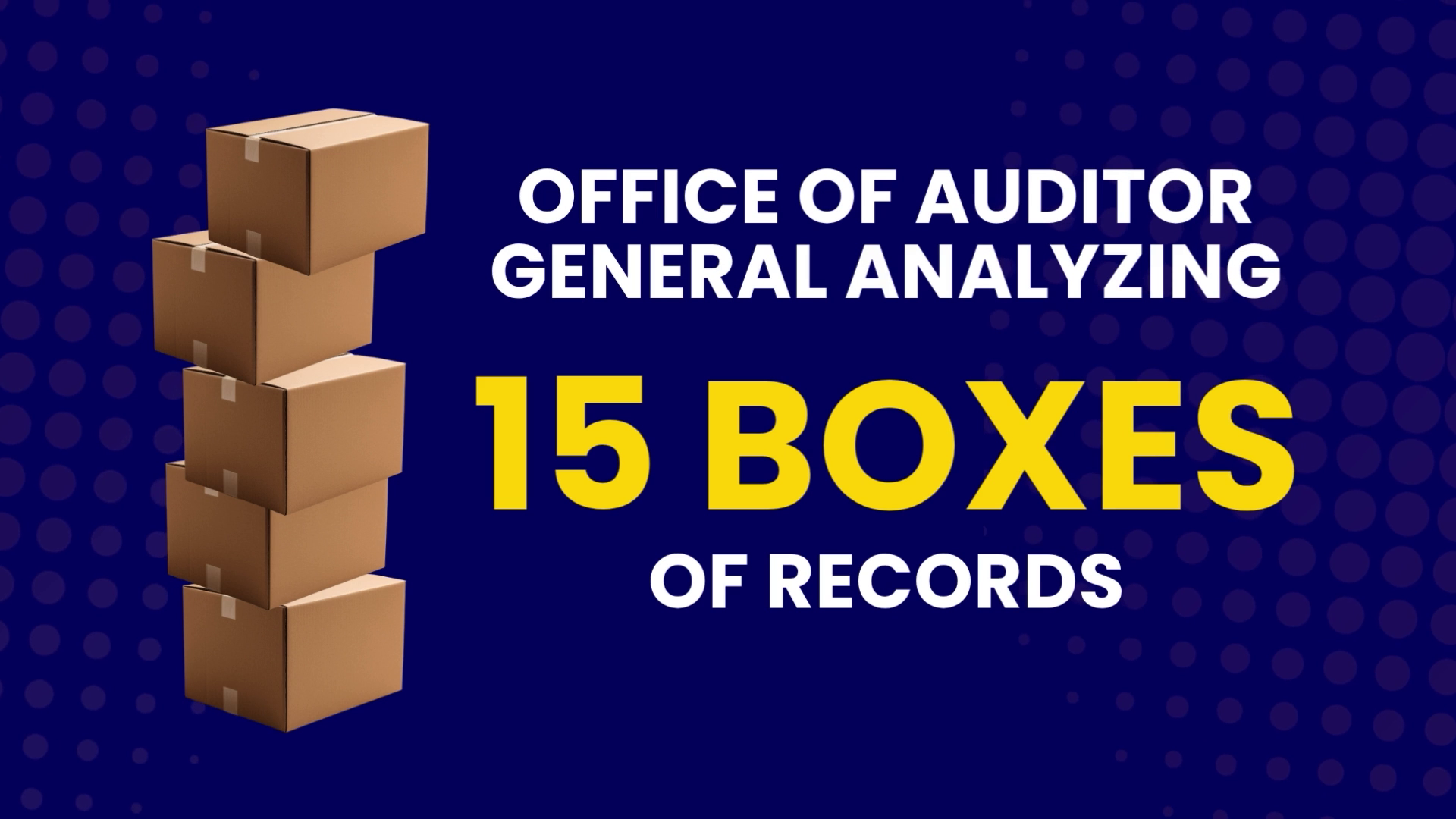
A heated political dispute over the independence of a key public oversight probe has erupted in Belize, as the country’s opposition leader questions the integrity of an ongoing audit into the Ministry of National Defense, while the sitting Auditor General firmly rejects accusations of political interference. Dated July 31, 2026, the controversy centers on Opposition Leader Tracy Panton’s claim that the Auditor General’s office has been compromised by political influence, putting any findings from the defense ministry probe at risk of being tainted.
Panton has publicly demanded a full independent forensic audit, arguing that the constitutional role of the Auditor General demands autonomy from the ruling executive branch. In her remarks, she emphasized that as an officer of the state accountable to the National Assembly, not the Prime Minister’s office, the Auditor General should not require direction from the executive to launch or advance a probe. The delay and perceived reliance on guidance from the Prime Minister’s office, Panton argued, has already undermined the credibility of any potential outcome from the current review.
The opposition leader added that Belizean citizens deserve full transparency and accountability for activities at the Ministry of Defense and across all government agencies, and she has explicitly stated she holds no confidence that the Auditor General’s office can produce an uncompromised, unbiased report under current conditions.
Auditor General Maria Rodriguez has pushed back forcefully against these allegations, flatly denying any claims that politicians direct her office’s work or dictate which audits proceed. Rodriguez stressed that no external actor has the authority to order her office to launch or cancel an investigation, noting that the office operates within a binding legal framework that protects its operational independence.
She clarified the common process that triggers many government audits: line ministries often request her office’s support after uncovering potential fraud, regulatory non-compliance or administrative irregularities, and these requests do not amount to political interference. Rather, she explained, such requests are simply part of her office fulfilling its core mandate to oversee public spending and governance.
Rodriguez did acknowledge one structural constraint: the Auditor General’s office relies on line ministries for allocation of budgetary resources and human resources support. However, she was quick to note that since taking office, she has received consistent collaborative support from both the Ministry of Finance and Public Service, which has approved additional budget allocations when required and assisted with recruitment processes for the office’s technical staff. This backing, she implied, has not infringed on her ability to conduct independent work.
This report is a transcribed version of an evening television newscast, with all Kriol language remarks transcribed using a standardized spelling system for accuracy.