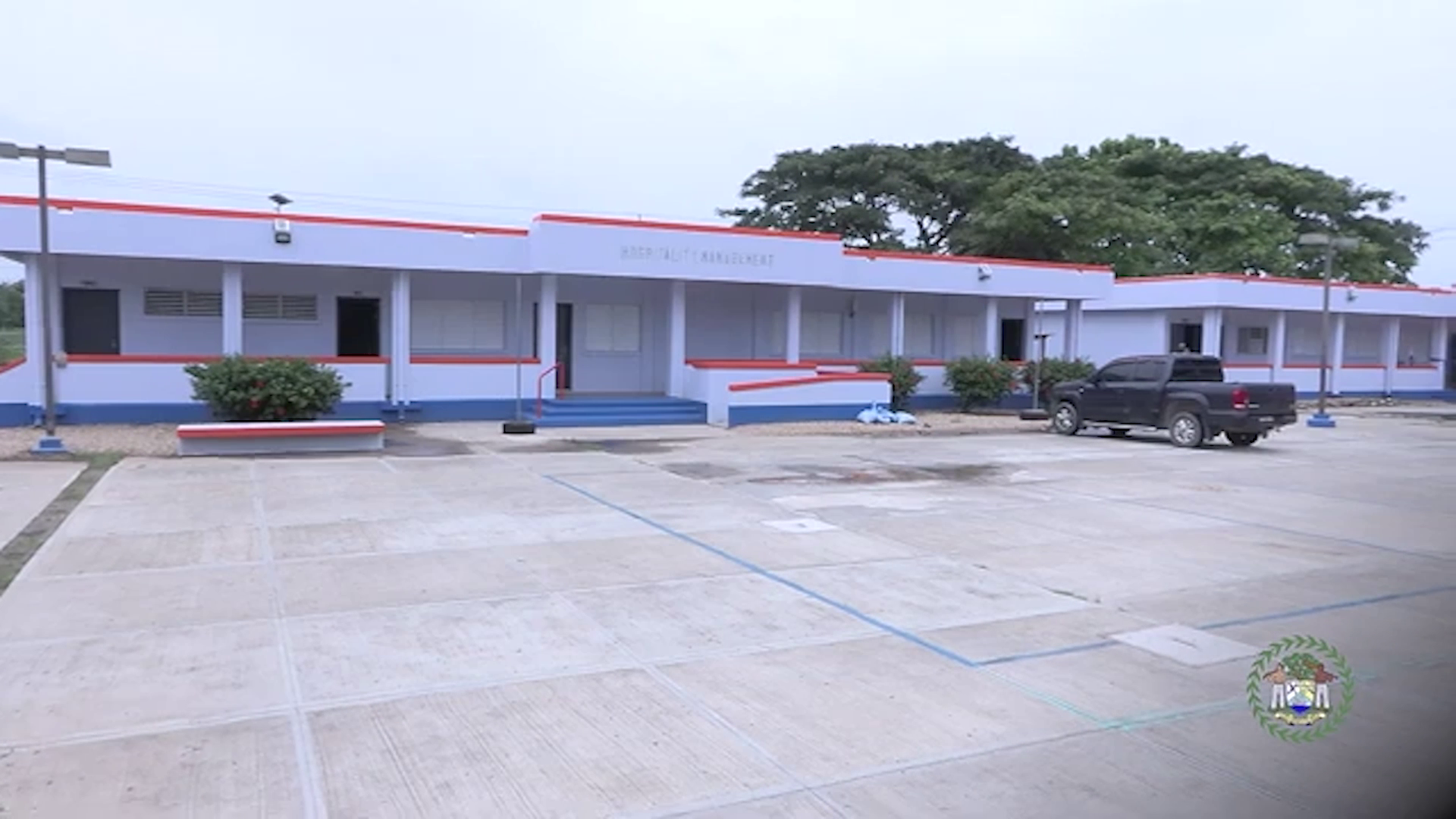
In a landmark move to align its workforce with evolving labor market demands, the government of Belize has positioned technical and vocational education and training (TVET) as the cornerstone of its national workforce development strategy for 2026. As part of the country’s landmark Belize Compact agreement, $80 million out of the total $125 million compact funding is earmarked for broad education sector upgrades, with a core focus on modernizing the country’s existing Institute of Technical and Vocational Education and Training (ITVET) system.
On July 31, Education Minister Francis Fonseca presented the groundbreaking, first-ever ITVET Bill to Belize’s House of Representatives. If passed, the legislation will establish an independent, industry-led National Training Authority, a structural shift designed to close the persistent gap between graduate skills and open job opportunities across the country.
Minister Fonseca emphasized that the bill marks a historic shift for Belize’s education ecosystem, creating the first standalone, modern legal framework specifically for technical and vocational training in the nation’s history. The new legislation is structured to complement the upcoming 2026 Education Bill, which the minister plans to introduce in a subsequent legislative session.
Under the proposed structure, the National Training Authority will be governed by a 13-member board that draws representation from across key stakeholder groups: government bodies, the private sector, training service providers, the national accreditation council, the National Trade Union Congress of Belize (NTUCB), organized labor, and the Ministry of Education. This composition intentionally places industry leaders at the center of decision-making, ensuring workforce development strategies are guided by actual on-the-ground labor needs rather than outdated institutional supply models.
A core innovation of the bill is its demand-driven approach to skills training. The legislation establishes dedicated sector skills councils for each of Belize’s major economic sectors. These councils will be tasked with identifying current and emerging skills gaps, developing industry-endorsed occupational training standards, and conducting comprehensive reviews of these standards every five years to adapt to shifting market conditions. The legislation also formalizes recognition for vocational skills that workers have acquired through on-the-job experience, a change that expands professional mobility for thousands of working Belizeans who learned trades outside formal academic institutions.
This policy shift comes as many small developing economies grapple with high youth unemployment and skill mismatches that hold back private sector growth. By centering industry input and demand-driven training, Belize’s government aims to equip graduates with market-relevant skills that translate directly to sustainable, well-paying employment, while also providing local businesses with a skilled workforce capable of supporting long-term economic expansion.