标签: Belize

伯利兹

  • Tour Guides and Fisherfolk Fear Fallout from Marine Protection Plan

    Tour Guides and Fisherfolk Fear Fallout from Marine Protection Plan

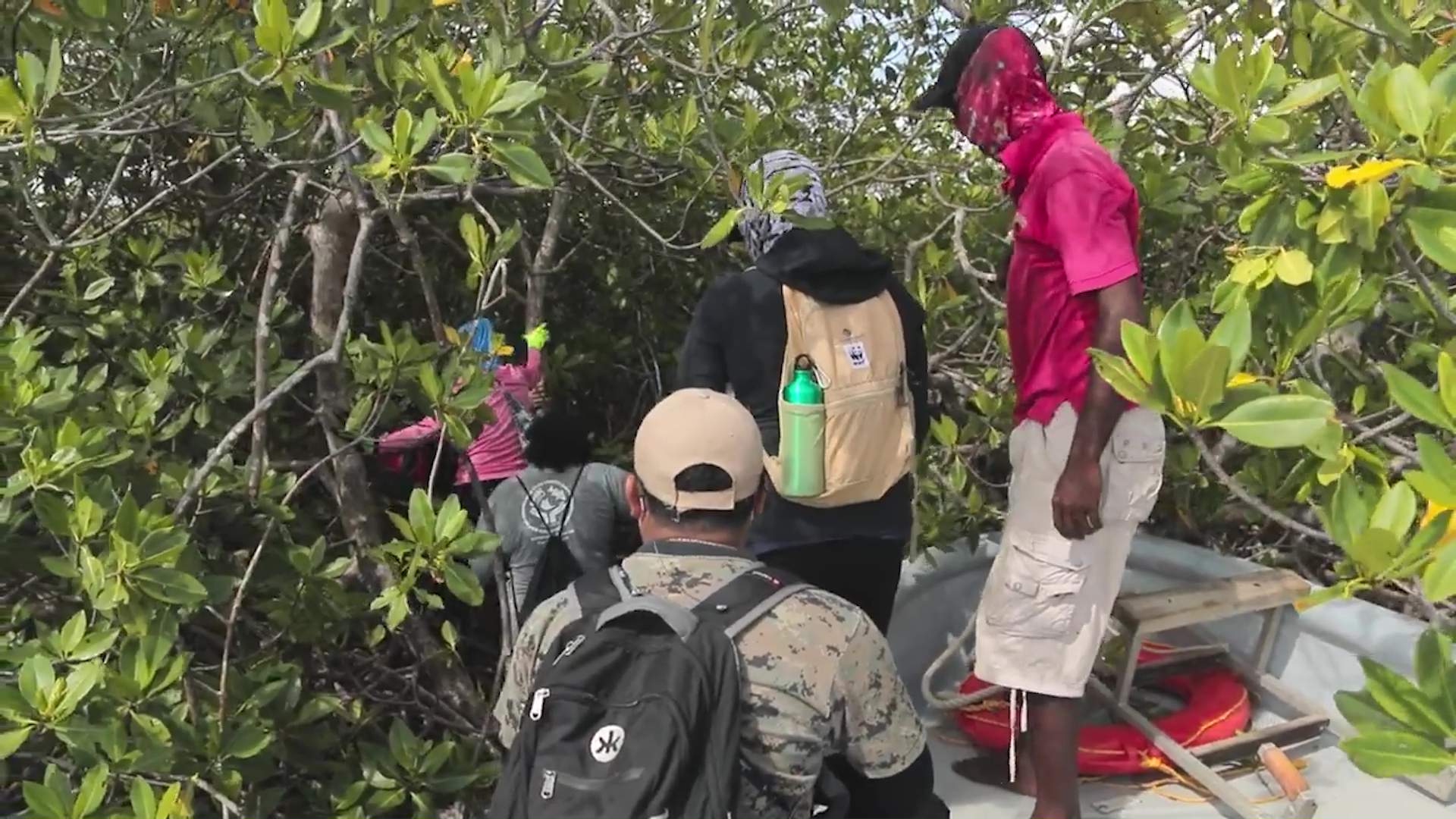
    A contentious marine conservation initiative in Belize is generating significant concern among fishing communities and tourism operators as the government prepares to finalize its protection plan. The Resilient Bold Belize project, designed to safeguard marine ecosystems and enhance climate change resilience, faces strong opposition from local stakeholders who fear economic devastation.

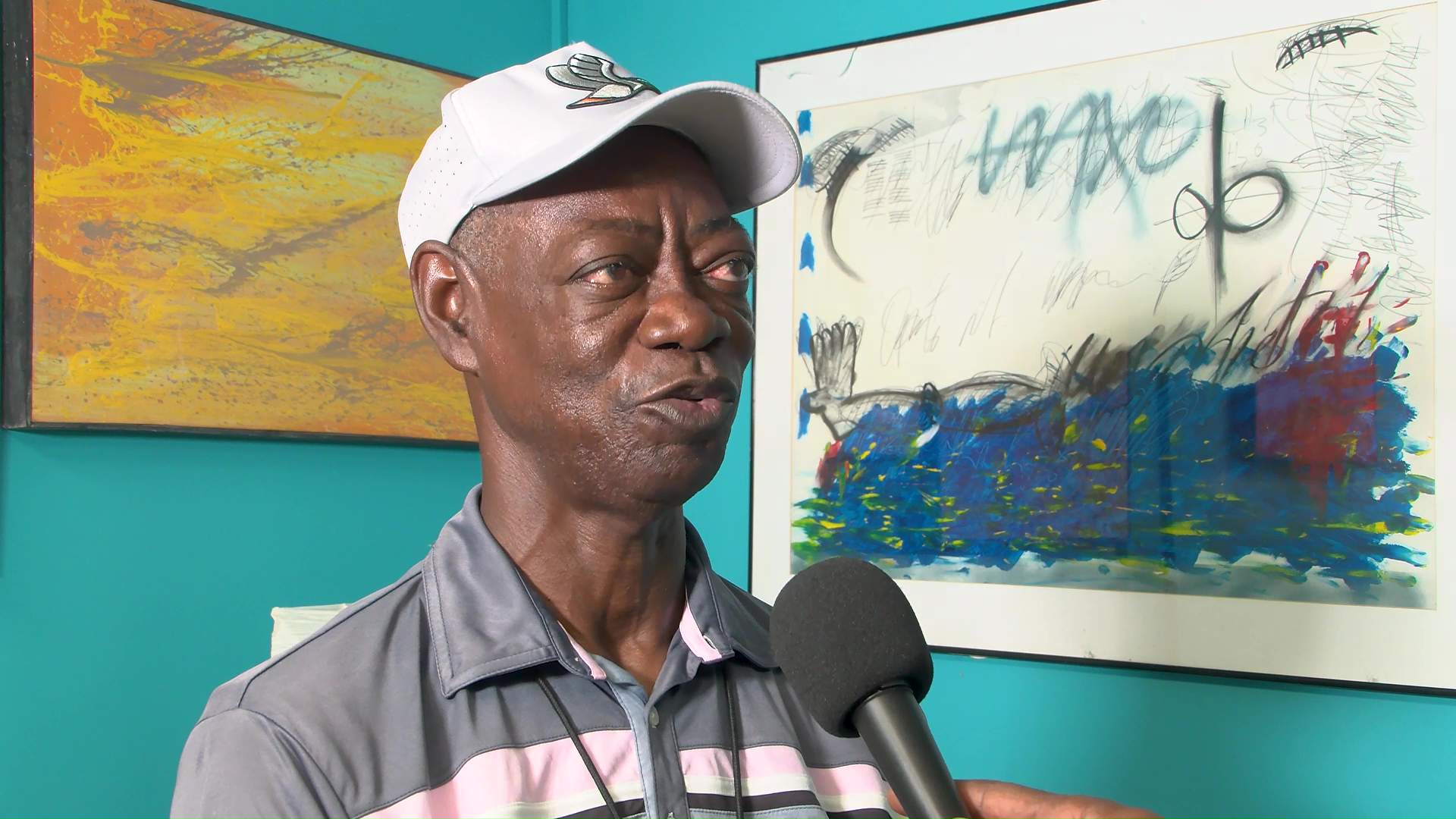
    Eworth Garbutt, President of the Belize Flat Fishery Association, has emerged as the leading voice against the proposed expansion of fully protected marine zones. According to Garbutt, the conservation blueprint would establish no-take zones across critical fishing grounds and popular tour destinations, including coral reef systems that currently support numerous families.

    The controversy centers on the government’s approach to marine protection, which Garbutt characterizes as disproportionately targeting traditional fishing activities while ignoring more significant environmental threats. He specifically cites sewage pollution, mangrove degradation, and damage to seagrass beds as primary concerns that the plan fails to adequately address.

    With the draft map scheduled for validation on December 4th, 2025, the debate has intensified between conservation objectives and economic realities. Garbutt emphasizes that the proposed protected areas would eliminate permanent fishing places that generations of Belizeans have depended on for their livelihoods. The association president argues for a more balanced approach that addresses multiple environmental threats while preserving traditional access to marine resources.

    The outcome of this confrontation could establish significant precedents for marine conservation policy throughout the Caribbean region, potentially influencing how developing nations balance ecological protection with economic sustainability in climate-vulnerable coastal communities.

  • Blue Economy CEO Postpones Marine Map Validation Amid Fisherfolk Concerns

    Blue Economy CEO Postpones Marine Map Validation Amid Fisherfolk Concerns

    In a significant development for Belize’s environmental policy, Chief Executive Officer Beverly Wade of the Ministry of Blue Economy has announced the postponement of a crucial validation workshop for the Resilient Bold Belize initiative. The decision comes in direct response to mounting concerns from fishing communities and other stakeholders regarding the implementation of marine protected areas.

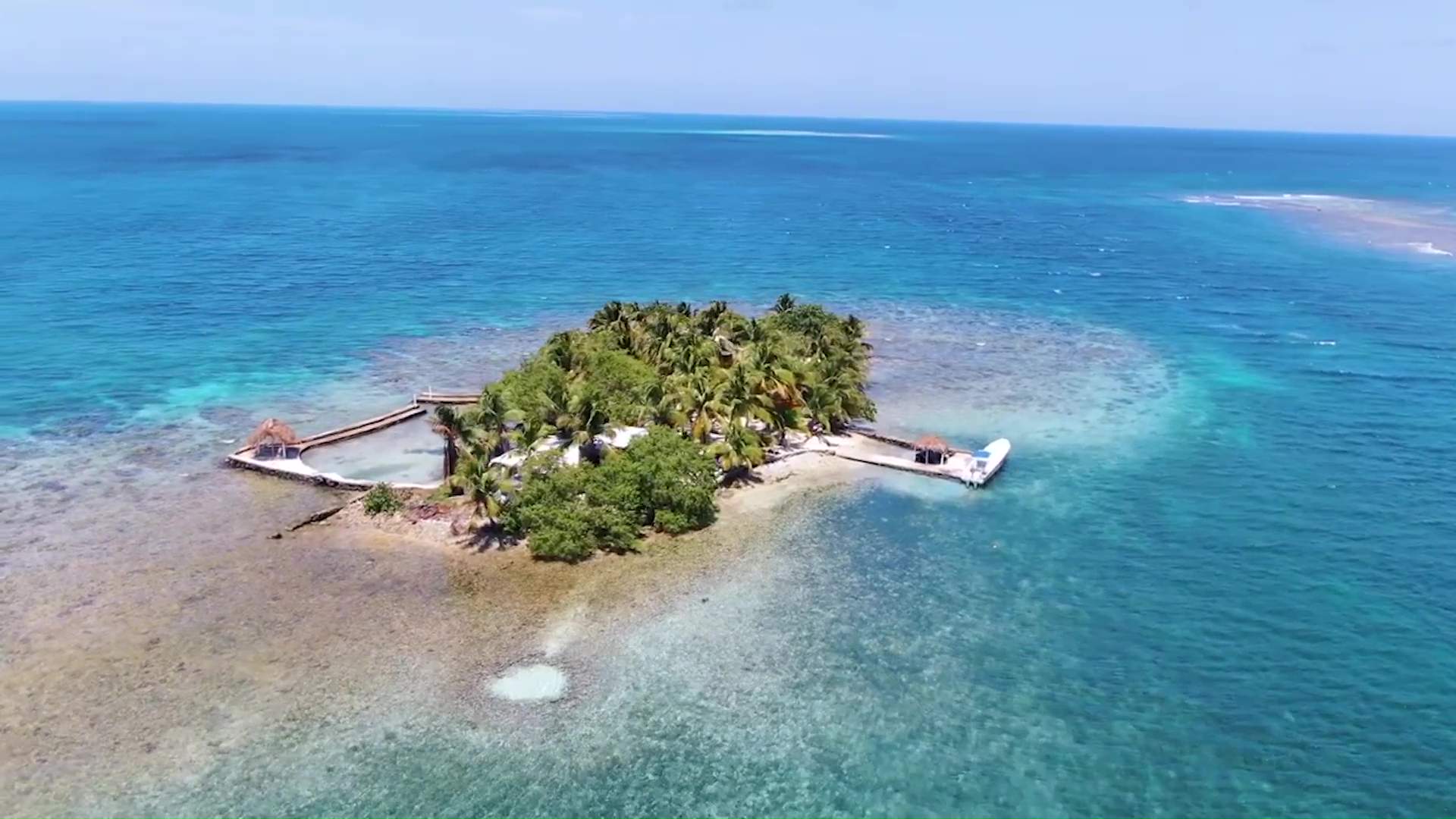
    The initiative represents a cornerstone of Belize’s Blue Bond conservation commitment, specifically targeting the protection of 20% of the nation’s coral reef ecosystems. Wade clarified that this protection area constitutes less than 2% of Belize’s total ocean space, addressing what she termed a ‘significant misconception’ among concerned parties.

    During an exclusive interview, Wade emphasized the people-centered nature of the project, stating: ‘The government remains committed to balancing ecological resilience with livelihood preservation. While certain areas demonstrate critical importance for coral conservation, they may simultaneously hold substantial value for local fisheries.’

    The validation workshop, originally scheduled for this week, has been delayed to allow for additional consultations with stakeholder groups. Wade stressed that this postponement does not indicate a halt to the project but rather demonstrates the government’s respect for community engagement processes. ‘Now that we have identified bona fide concerns,’ Wade explained, ‘we want to create adequate opportunity for meaningful dialogue with these various groups before proceeding.’

    The decision reflects the ongoing challenge faced by conservation initiatives in balancing environmental protection with socioeconomic considerations, particularly in developing nations where marine resources directly support local communities.

  • A Sapodilla Victory Isn’t Enough Without Enforcement

    A Sapodilla Victory Isn’t Enough Without Enforcement

    While the International Court of Justice deliberates on the Sapodilla Cayes territorial dispute, local voices from Belize’s coastal communities highlight critical implementation challenges that could undermine a potential legal victory. Eworth Garbutt, President of the Belize Flat Fishery Association and lifelong resident of the cayes, expresses measured optimism about Belize’s legal position while sounding alarms about enforcement deficiencies.

    Garbutt, whose father served as lighthouse keeper in the disputed waters, possesses intimate knowledge of the region’s operational realities. His central concern revolves around Guatemala’s continued exploitation of the area despite existing regulations. “Sovereignty is a substantial matter,” Garbutt stated. “For generations before my birth, Guatemala has operated there at their leisure.”

    The fishery leader detailed systematic violations occurring in the protected zone, noting that Guatemalan operators from Livingston routinely conduct unauthorized tours in the Sapodilla Cayes without requiring licensed guides—a direct breach of Belizean tourism regulations. “In this context, they’ve already prevailed regardless of the ICJ’s eventual ruling,” Garbutt observed.

    Illegal fishing constitutes another pressing issue, with Garbutt emphasizing the area’s fully protected status. While acknowledging some recent reduction in unauthorized fishing, he expressed skepticism about enforcement capabilities post-ruling. “They are content when we establish regulations without enforcement mechanisms,” he commented.

    Despite these practical concerns, Garbutt maintains confidence in Belize’s legal position, attributing this optimism to both evidential strength and national solidarity. However, he cautioned that a favorable ruling without subsequent protection would represent a hollow victory: “Even if awarded a paper declaration without understanding how to protect our sovereignty, we would possess a document we cannot utilize—consuming tilapia while Guatemalans and Hondurans harvest snapper from our waters.”

  • Belize’s Drinking Culture Hits Dangerous Highs; Experts Sound the Alarm

    Belize’s Drinking Culture Hits Dangerous Highs; Experts Sound the Alarm

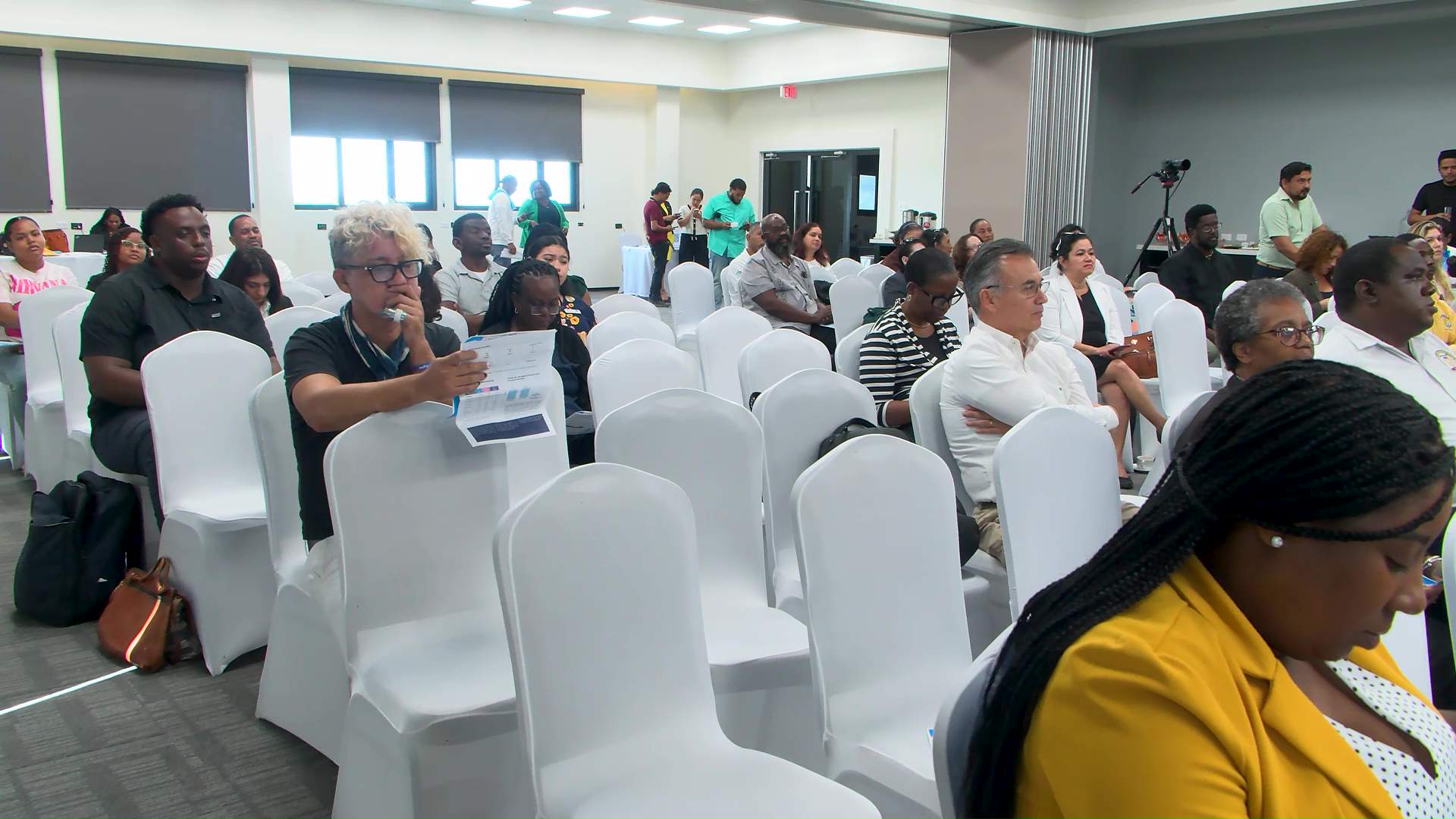
    Belize faces a mounting public health emergency as new data reveals the nation ranks among the highest consumers of alcohol throughout the Americas. Health authorities are sounding alarms over deeply entrenched drinking patterns that have evolved into a severe societal challenge.

    According to Dr. Mellisa Diaz-Musa, Director of Public Health and Wellness, comprehensive data indicates Belizean drinking habits significantly exceed regional averages. The phenomenon of binge drinking—consuming five to six alcoholic units within a brief timeframe—has become increasingly prevalent, with many individuals reportedly consuming up to eight drinks in a single session.

    Dr. Lila Estephan, Non-Communicable Disease Coordinator, highlights the cultural dimensions of this crisis. Alcohol consumption is intrinsically woven into national celebrations, festivals, and social gatherings, with social media frequently glorifying alcohol-centric lifestyles. This normalization has dire consequences: hospitals are witnessing rising admissions for alcohol-related non-communicable diseases.

    The epidemic displays distinct demographic patterns. Adult males demonstrate the highest consumption rates, but concerningly, approximately 18% of adolescents aged 13-15 report having been intoxicated at least once. Many children experience their first alcohol exposure before age ten.

    Health officials identify cheap, high-potency rum—colloquially termed “bad man”—as particularly problematic due to its accessibility and affordability. This product disproportionately affects marginalized communities, where households allocate substantial portions of their income toward alcohol purchases.

    Beyond physical health implications, alcohol intertwines with social pathologies. Approximately 55% of intimate partner violence cases correlate with alcohol use. Cynthia Williams, Human Development Coordinator at the Gender Affairs Department, clarifies that while alcohol doesn’t directly cause domestic violence, it removes inhibitions and enables violent behaviors.

    Esner Vellos, Director of the National Drug Abuse Control Council, notes that alcohol dependency frequently stems from traumatic environments, including exposure to domestic violence during childhood.

    The Ministry of Health and Wellness contemplates regulatory measures similar to tobacco restrictions, potentially limiting sales of individual alcohol units. However, experts acknowledge significant challenges, including opposition from well-funded beverage industry stakeholders with extensive marketing resources.

  • Are We Failing Children With Disabilities? New Data Says Yes

    Are We Failing Children With Disabilities? New Data Says Yes

    A groundbreaking situational analysis conducted by UNICEF in collaboration with Belize’s Ministry of Human Development has revealed alarming systemic failures in supporting children with disabilities. The comprehensive study, released on International Day of Persons with Disabilities (December 3, 2025), identifies multiple critical barriers including widespread discrimination, insufficient specialized personnel, and chronic underfunding of essential support initiatives.

    Paulette Wade, UNICEF Monitoring and Evaluation Specialist, emphasized the study’s concerning findings: “Our analysis examined the challenges facing children with disabilities, barriers to service access, and the support systems parents identify as lacking for their children’s development.”

    The research highlights several fundamental deficiencies in Belize’s current framework. Most notably, the country lacks a national disability registry, creating significant data gaps that hinder effective policy planning and resource allocation. Wade confirmed, “The country does not have a national register for persons with disabilities,” though she noted Belize’s management system should theoretically capture such information.

    Despite the recent passage of the Disabilities Act exactly one year prior to the report’s release, implementation remains inadequate. The healthcare sector shows particular concerns regarding accessibility and availability of specialized services for children with disabilities.

    The findings underscore an urgent need for strategic intervention and increased investment to address these systemic shortcomings and ensure equitable support for Belize’s most vulnerable young citizens.

  • One Year Later, Disability Law Still Lacks Enforcement

    One Year Later, Disability Law Still Lacks Enforcement

    A full year after the Belize Disabilities Act became law, disability advocates are raising urgent concerns about the complete absence of implementation and enforcement mechanisms. Francisco Cuellar, President of the Belize Association for Persons with Diverse Abilities (BAPDA), has characterized the situation as a national embarrassment that leaves vulnerable populations without critical protections.

    The legislation, designed to guarantee fundamental rights and access to services for people with disabilities, remains effectively dormant according to disability rights leaders. Cuellar’s assessment comes alongside UNICEF’s recent situational analysis that reveals significant systemic gaps in Belize’s support infrastructure for children with disabilities.

    Educational access emerges as a particularly alarming issue, with many children with disabilities completely excluded from formal schooling systems. This violates both the new domestic legislation and international conventions including the Convention on the Rights of the Child, which guarantees education and healthcare access for all children.

    Cuellar emphasized that the challenges extend beyond childhood, with adults facing even greater barriers to inclusion and support. The BAPDA president called for immediate collaborative action between civil society organizations, the broader community, and government agencies to activate the dormant legislation.

    The implementation failure represents a significant setback for disability rights in Belize, where advocates had celebrated the passage of the comprehensive legislation as a major step forward. Current realities suggest that without urgent intervention, the legal framework risks becoming merely symbolic rather than transformative for Belize’s disability community.

  • Phillip “Fada” Henry’s Christmas Cheer Swansong

    Phillip “Fada” Henry’s Christmas Cheer Swansong

    BELIZE CITY – After nearly two decades of dedicated service to child road safety education, community activist Philip “Fada” Henry has announced his retirement from public service, citing insufficient governmental support. The beloved figure will conclude his remarkable tenure with one final grand holiday celebration on December 20th in the Kelly Street district.

    Henry revealed plans for his largest-ever Christmas gathering, designed to bring together diverse communities from across north Belize City. The event promises to distribute approximately 500-1,000 toys to children aged 11-15, recognizing that older children often receive less attention during holiday gift-giving seasons. Additionally, Henry hopes to provide technological devices such as tablets to academically exceptional youth.

    “I want to bring families and children together during this Christmas season,” Henry explained during a recent studio interview. The celebration will feature Santa Claus appearances, musical entertainment, cupcakes, meals, and beverages for all attendees. Notably, the event will include special recognition for grandparents raising their grandchildren.

    The activist continues to seek public donations and is actively lobbying for a special appearance by popular children’s entertainer Bussa B., responding to repeated requests from local schoolchildren. Henry emphasized the dual purpose of the event: spreading holiday cheer while keeping youth constructively engaged during the festive period.

    This farewell celebration marks the end of an era for northside communities where Henry became synonymous with road safety education and community activism through his distinctive whistle and safety vest that will now be retired.

  • Haiti Moves Towards First General Election Since 2016

    Haiti Moves Towards First General Election Since 2016

    In a landmark decision signaling potential democratic renewal, Haiti’s transitional presidential council has formally ratified a long-awaited electoral law, initiating the process for the nation’s first general elections since 2016. This crucial development, reported by NBC News, represents the most substantial progress toward reestablishing constitutional governance after years of political paralysis and instability.

    Council President Laurent Saint-Cyr emphasized the historic significance of this move, declaring on social media platform X that this action finally provides the Haitian populace with “the opportunity to freely and responsibly choose those who will lead them.” He further affirmed the council’s unwavering dedication to reestablishing national security and guiding Haiti toward “democratic legitimacy and stability.”

    The approval process revealed underlying political tensions within the governing body. According to local newspaper Le Nouvelliste, the late Monday vote witnessed notable absences, with three of the seven voting council members failing to attend the session. This occurred amid internal pressures from several members advocating for the removal of Prime Minister Alix Didier Fils-Aimé.

    Electoral authorities have outlined a tentative calendar projecting initial voting in August 2026, with a subsequent final round scheduled for December of that year. However, officials have concurrently issued cautions that pervasive gang violence throughout the country presents substantial security challenges that could potentially disrupt this timeline.

    Haiti’s political vacuum has persisted since the shocking assassination of President Jovenel Moïse at his private residence in July 2021, compounding the governance crisis that began when the country last failed to hold scheduled elections nearly a decade ago.

  • Water Returns to Unitedville, But For How Long?

    Water Returns to Unitedville, But For How Long?

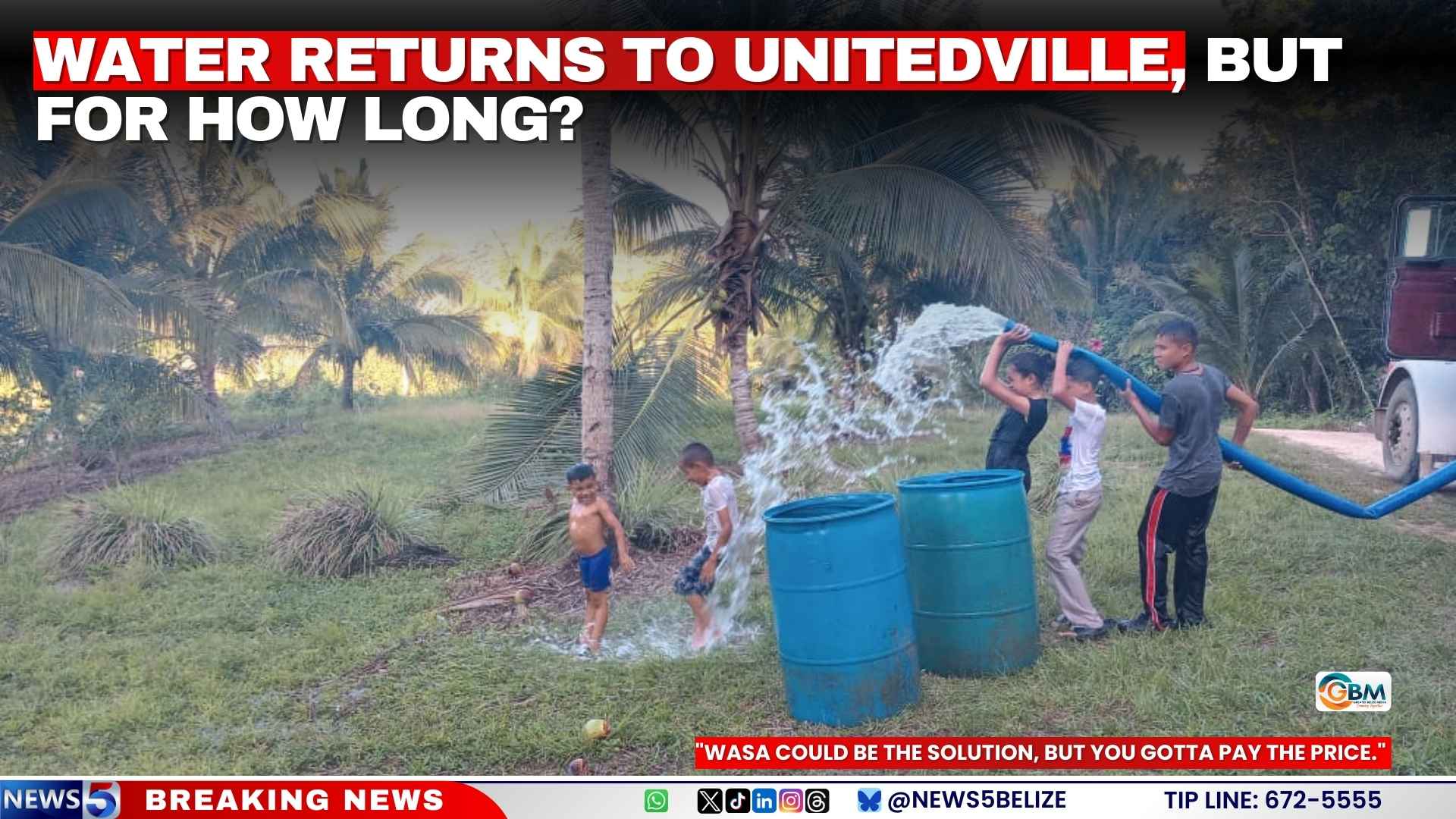
    Unitedville residents have finally seen water service restoration following days of disruptive outages, though underlying systemic problems threaten long-term water security. The immediate crisis originated from a critically failed pump, now replaced, which had deprived households of reliable access to clean drinking water.

    The prolonged service interruption ignited substantial community frustration, with social media platforms becoming arenas for vocal complaints directed at the local Water Board. Residents detailed severe daily disruptions caused by persistently dry taps that compromised basic living necessities.

    Terree Westby, Unitedville Water Board billing clerk, countered these accounts by characterizing reports of week-long outages as significantly exaggerated. Westby revealed her small team contends with extensive operational challenges beyond equipment failure, including suspected acts of infrastructure sabotage near critical pump sites and pipeline networks. “We face deliberate interference—individuals severing lines, tampering with electrical wiring, and even shutting reservoir valves,” Westby stated.

    Despite online criticism characterizing the board’s efforts as inadequate, Westby emphasized her team’s dedication to maintaining service under trying conditions. Former board chairman Mike Juan, who led operations for fifteen years, contextualized the current situation within historical patterns of water management difficulties. While acknowledging persistent issues like well depletion and pump failures across multiple administrations, Juan affirmed that current leadership demonstrates committed effort within existing constraints.

    The perennial discussion around a permanent solution continues to focus on integrating Unitedville into Belize Water Services’ national pipeline network. This proposed transition carries significant implications—while offering modernized infrastructure, it would also subject residents to stringent payment enforcement policies without the leniency historically extended by the local board. As Juan summarized: “BWS could provide the solution, but compliance comes with financial rigor.” This fundamental trade-off between reliable service and payment flexibility now confronts Unitedville villagers with a critical community decision.

  • Belize Is Failing Children With Disabilities

    Belize Is Failing Children With Disabilities

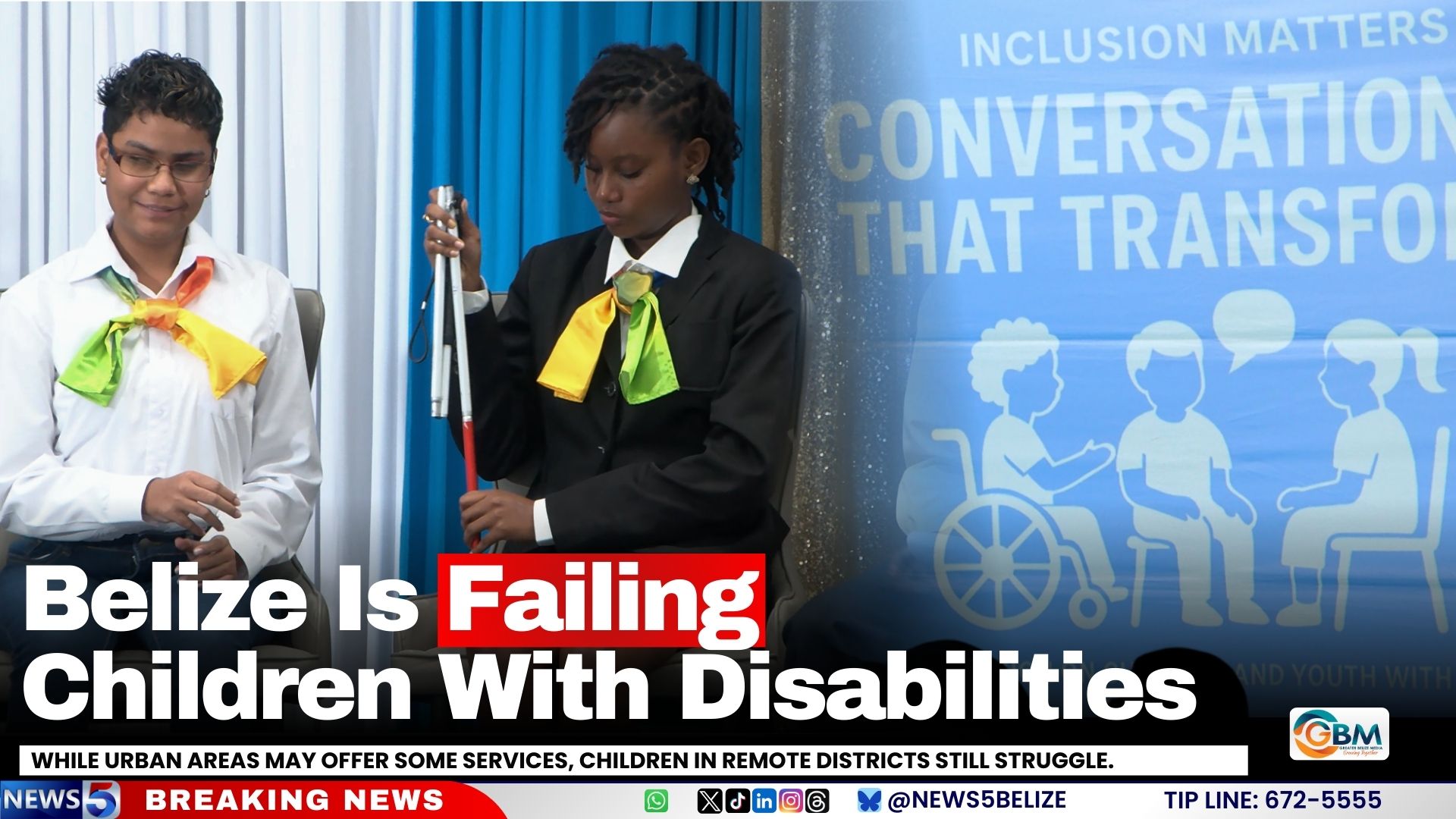
    A groundbreaking situational analysis by UNICEF, conducted in collaboration with Belize’s Ministry of Human Development, reveals a troubling reality: the nation is systematically failing its children with disabilities. Published on the first anniversary of the Disabilities Act implementation, the report identifies multiple critical barriers including pervasive discrimination, severely limited service accessibility, inadequate funding mechanisms, and substantial information deficiencies.

    The investigation highlights the absence of a national disability registry and a severe shortage of specialized professionals as fundamental structural problems. Legal and data framework gaps further compound these issues, creating insurmountable obstacles to education and healthcare access. UNICEF Monitoring and Evaluation Specialist Paulette Wade emphasized that these findings validate what families have experienced daily, particularly noting the extreme challenges facing children in remote districts like Punta Gorda where transportation infrastructure remains completely inaccessible.

    Educational shortcomings form another major concern, with the report documenting insufficient teacher training and a lack of inclusive pedagogical approaches. Despite policy commitments to inclusive education, children with disabilities remain consistently marginalized from development agendas according to Wade.

    Francisco Cuellar, President of the Belize Association for Persons with Diverse Abilities, characterized the report as a long-overdue wake-up call, noting that no substantive progress has occurred since the Disabilities Act became law. The advocacy leader called for immediate action on physical accessibility, transportation modifications, and fundamental attitude shifts toward respect and support for the disabled community.

    UNICEF intends to utilize these findings to advocate for evidence-based policy reforms, prioritizing programs specifically designed to address the unique needs of children with disabilities rather than blanket approaches that continue to leave the most vulnerable behind.