标签: Belize

伯利兹

  • KHMH Finally Appoints New CEO After Post Sat Empty for Months

    KHMH Finally Appoints New CEO After Post Sat Empty for Months

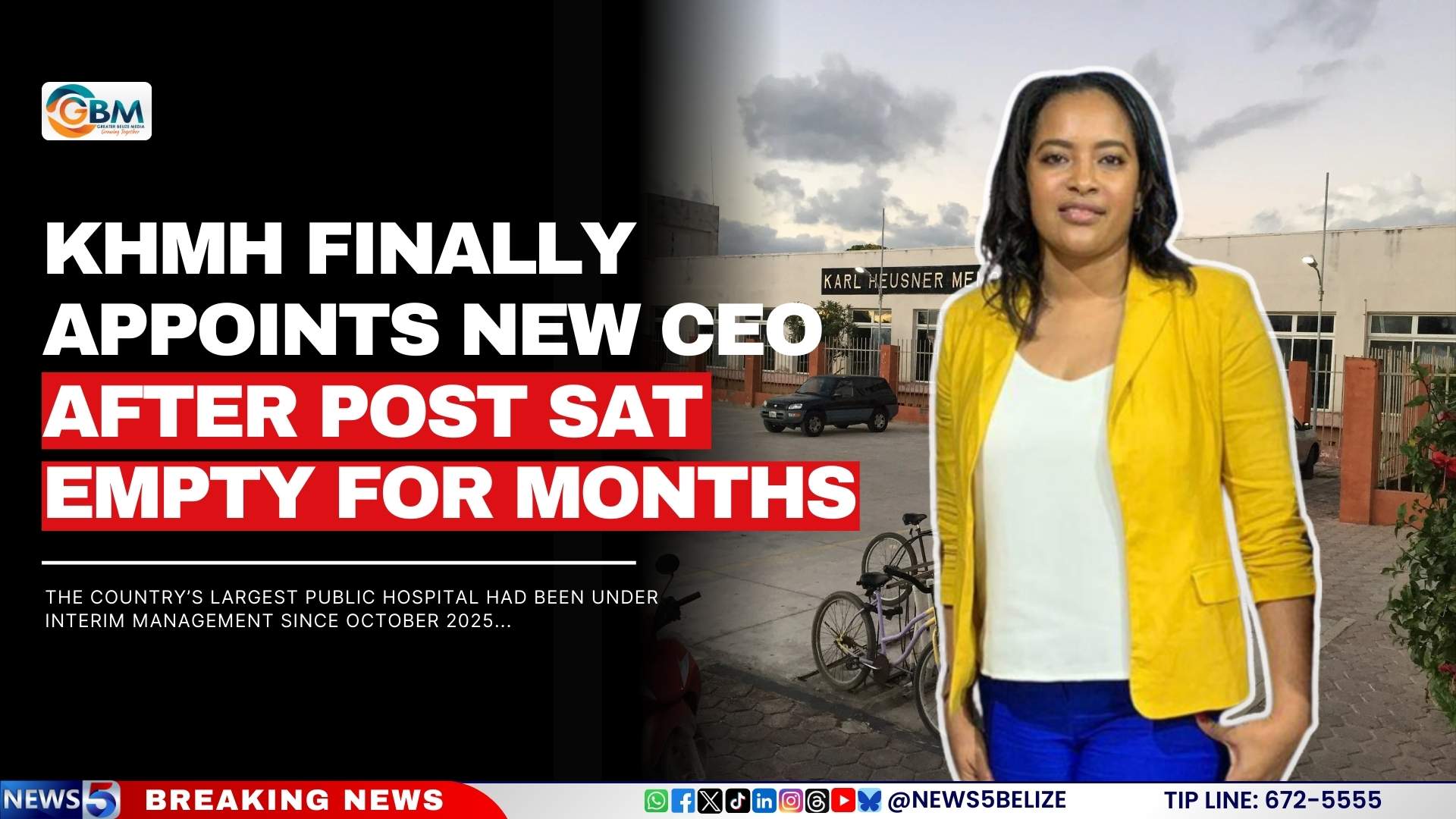
    Belize’s premier medical institution, the Karl Heusner Memorial Hospital (KHMH), has ended its prolonged leadership vacuum with the official installation of Sharine Reyes as Chief Executive Officer. The appointment concludes five months of interim management that began in October 2025 following the departure of former CEO Chandra Nisbet-Cansino.

    The selection process culminated in February 2026 after the hospital board conducted rigorous interviews with a shortlisted pool of distinguished candidates. The competitive field included Ann-Marie Thompson (former Acting Labour Commissioner), Timothy Seguro (Hospital Assistant Administrator and former interim CEO), Dr. Gilroy Middleton (ex-CEO from the Ministry of Immigration), and Gilda Diaz Hall.

    Reyes, who previously held the position of Financial Director at KHMH, demonstrated the qualifications and vision necessary to lead Belize’s sole tertiary-level referral hospital. Her institutional knowledge and financial acumen positioned her as the optimal candidate to steer the organization toward operational stability and enhanced healthcare delivery.

    This leadership appointment represents a critical milestone for the nation’s healthcare infrastructure, ensuring consistent management for Belize’s largest public hospital which serves as the primary referral center for complex medical cases nationwide.


  • Police Say Targeted Shooting Claimed the Life of Clinton Pou

    Police Say Targeted Shooting Claimed the Life of Clinton Pou

    BELIZE CITY – A violent incident initially perceived as an attempted robbery has been reclassified by authorities as a deliberate assassination following a fatal shooting at a local fish market on March 12, 2026. Clinton Pou was killed in the attack, which also left his sister, 27-year-old Kiandra Pou, hospitalized with gunshot wounds.

    The assault occurred while the victims were near their mother’s food trailer. According to police reports, assailants on a motorcycle opened fire on the siblings. A senior law enforcement official confirmed that responding officers, already present in the vicinity, immediately pursued the suspects. During the chase, police engaged the perpetrators, wounding one suspect who was subsequently apprehended and transported to a medical facility for treatment.

    Eyewitness accounts described scenes of pandemonium as the violence unfolded. One bystander recounted the confusion to local media: “The police were shooting and the civilians were shooting at the same time. It was like a shootout. At least twenty shots were fired… All I did was run into a yard because I saw my friend running.”

    Investigators revealed that the firearm used in the attack was potentially discarded in adjacent waters. Dive teams are scheduled to conduct searches to recover the weapon. This episode represents the second known attempt on Clinton Pou’s life, following a previous shooting at his North Front Street residence in 2019 where he sustained injuries but survived.

  • UN Declares October 1 as International Coffee Day

    UN Declares October 1 as International Coffee Day

    In a landmark decision on March 12, 2026, the United Nations General Assembly formally designated October 1 as International Coffee Day, creating an annual global observance celebrating coffee’s profound socioeconomic significance. This resolution recognizes coffee’s multifaceted role in sustaining communities, driving economic development, and enhancing food security worldwide.

    The declaration underscores coffee’s critical function in supporting approximately 25 million agricultural producers globally while generating over $200 billion in annual revenue. The resolution specifically highlights coffee’s contribution to achieving key UN development objectives, including poverty reduction, hunger eradication, gender equality through women’s empowerment, and the promotion of sustainable employment opportunities.

    FAO Director-General QU Dongyu emphasized the commodity’s connective power, stating: “Coffee serves as a vital bridge linking rural farming communities with international markets. This formal recognition will elevate global awareness of its socioeconomic value and accelerate poverty alleviation efforts.”

    The economic impact is particularly significant for producing nations. Brazil and Viet Nam lead global production, while the European Union and United States represent the primary import markets. For several developing economies including Ethiopia, Uganda, and Burundi, coffee exports constitute a substantial portion of national income and foreign exchange reserves, making the crop fundamental to their economic stability.

    Beyond economics, the resolution acknowledges coffee’s enduring cultural significance as a tradition spanning generations and continents. The establishment of International Coffee Day aims to foster greater appreciation for the entire coffee value chain, from cultivation to consumption, while promoting sustainable practices throughout the industry.

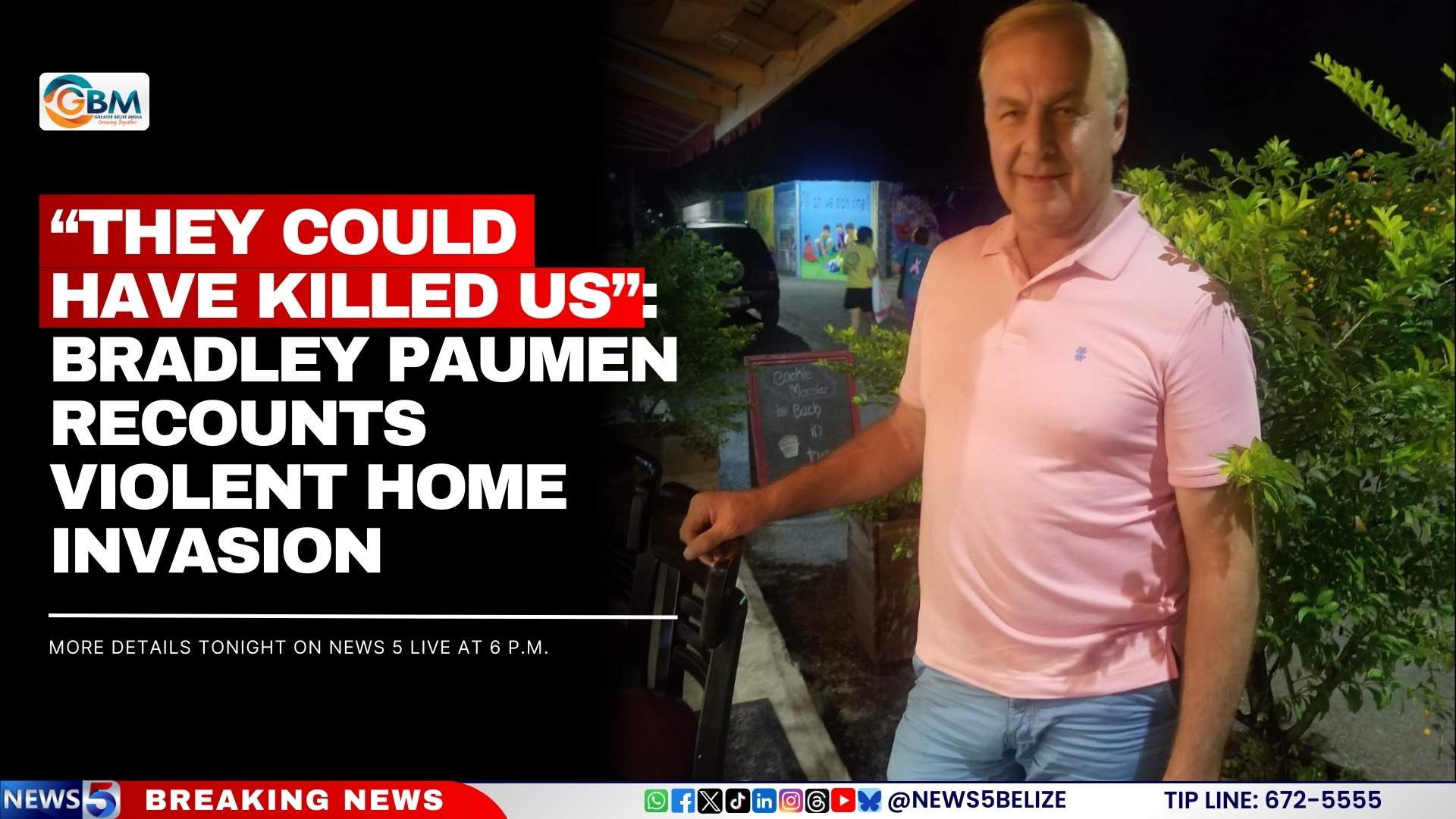
  • “They Could Have Killed Us”: Bradley Paumen Recounts Violent Home Invasion

    “They Could Have Killed Us”: Bradley Paumen Recounts Violent Home Invasion

    A brutal home invasion has left a Cayo District family traumatized after three armed assailants stormed their residence in Frank’s Eddy Village. The incident, which police are investigating as attempted murder, occurred Wednesday evening in the Dark Knight area.

    Bradley Paumen, 68, provided a chilling firsthand account of the violent encounter to News 5 Live. The ordeal began when Paumen returned home after transporting his children, only to discover masked gunmen had already infiltrated the property and were holding his wife and children at gunpoint.

    “When I rushed to protect the children, one assailant pressed a firearm directly against my 9-year-old son’s head while demanding my wife surrender the safe and cash,” Paumen recounted. The situation escalated dramatically when Paumen confronted the intruders, resulting in a physical altercation.

    In a remarkable twist of fate, one attacker’s weapon malfunctioned when aimed at Paumen’s head. “The pistol jammed during the attempted execution,” he stated. Despite being shot in both his back and chest during the confrontation, Paumen managed to survive the brutal attack by attempting to disarm one assailant.

    The perpetrators specifically targeted cash reserves, payroll funds, and valuable family jewelry during the meticulously planned invasion. “They systematically emptied our coin collection where we keep children’s savings,” Paumen noted, emphasizing the comprehensive nature of the theft. The family confirmed they had no prior recognition of the assailants, though the attackers demonstrated precise knowledge of household routines.

    Expressing both gratitude and determination, Paumen concluded: “Surviving this ordeal feels miraculous. My primary hope remains that authorities apprehend these individuals before they can inflict similar trauma upon other families.” Additional details will be revealed during News 5 Live’s evening broadcast at 6 p.m.

  • Six Years Later: How COVID-19 Shook Belize and Changed the World

    Six Years Later: How COVID-19 Shook Belize and Changed the World

    March 12, 2026 marks six years since the World Health Organization’s historic declaration of COVID-19 as a global pandemic—an announcement that triggered unprecedented challenges worldwide. For Belize, a Caribbean nation of approximately 400,000 people with heavy dependence on tourism and cross-border trade, this moment initiated a profound socioeconomic transformation.

    The initial containment measures appeared successful initially, with Belize recording only 48 confirmed infections and two deaths by July 2020 according to United Nations Development Programme data. However, the situation deteriorated dramatically by summer 2020 when a major domestic outbreak surged through northern districts, eventually giving Belize one of the Caribbean’s highest per capita case and death rates according to IMF metrics.

    Tourism—contributing 40% of GDP and 60% of foreign exchange earnings—suffered catastrophic collapse. Tourist arrivals plummeted 72% in 2020, triggering a 14.1% GDP contraction. The government implemented emergency social programs including the Belize COVID-19 Cash Transfer program, unemployment relief funds, and expanded food assistance initiatives.

    Healthcare infrastructure faced immense strain despite international support. The Pan American Health Organization facilitated procurement of over 50,000 test kits and 250,000 laboratory supplies. Critical assistance came from multiple nations: India provided $1 million for medical equipment, Mexico donated 400,000 AstraZeneca vaccine doses, and the UAE contributed 10,000 Sinopharm doses.

    Belize achieved the fourth-fastest vaccination rollout in Central America, administering over 73,000 doses by June 2021 primarily through COVAX mechanisms. The phased tourism reopening beginning August 15, 2020 with mandatory testing represented among the region’s earliest restart attempts.

    Six years later, recovery shows promising indicators with overnight visitor arrivals surging approximately 70% in 2022. However, structural vulnerabilities persist in healthcare capacity and economic diversification. The social legacy includes business closures, employment losses, mental health challenges, and educational disruptions with generational impacts.

    Globally, the pandemic accelerated scientific innovation—notably mRNA vaccine development within 11 months of viral sequencing—while exposing health inequalities. The WHO reports mixed progress on pandemic preparedness, noting meaningful advances including the 2025 Pandemic Agreement and $1.2 billion Pandemic Fund distribution to 98 countries, but warning these gains remain fragile amid shifting political priorities.

  • Does Robotics Have a Future in Belize?

    Does Robotics Have a Future in Belize?

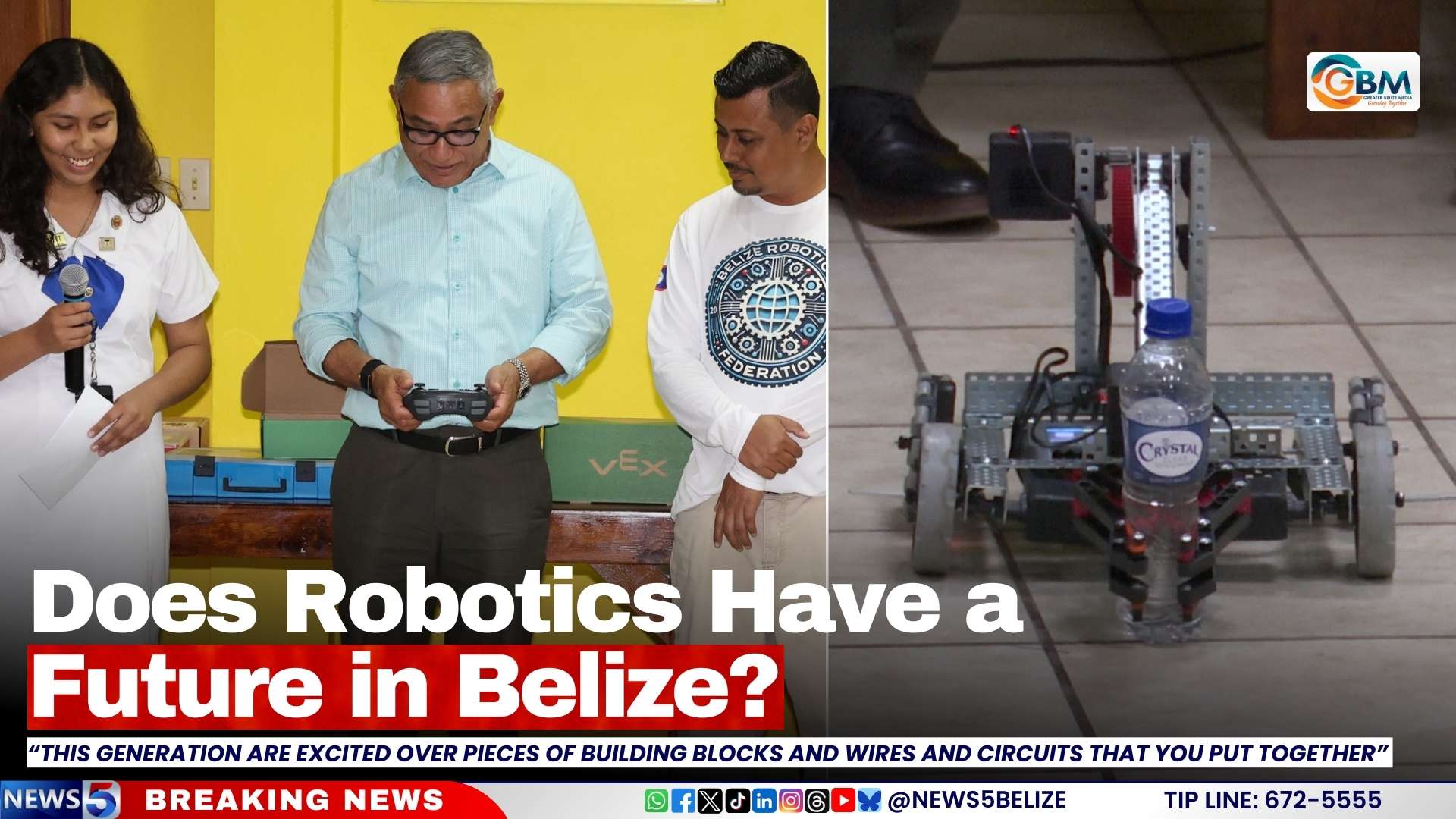
    Belize has embarked on an ambitious national initiative to integrate robotics education into its academic curriculum through a groundbreaking tripartite agreement. The collaborative effort unites the Ministry of E-Governance, the Belize Robotics Federation, and U.S.-based VEX Robotics in a comprehensive strategy to transform digital learning nationwide.

    The formal partnership was cemented on Wednesday through a memorandum of understanding signed by Prime Minister John Briceño, E-Governance CEO Jose Urbina, and Belize Robotics Federation President Jamie Lee Usher. The ceremony highlighted the government’s commitment to preparing Belizean youth for future technological careers through hands-on robotics programming and construction experiences.

    Prime Minister Briceño addressed students during the signing event, contrasting contemporary educational opportunities with those of his generation. “When I was your age, I was excited when you could have given a leather football,” he remarked. “This generation are excited over pieces of building blocks and wires and circuits that you put together and can build something amazing and how the world has changed.” He characterized the agreement as “a contract with the future of Belize,” emphasizing that robotics education transcends mere play to become a viable pathway toward employment and innovation.

    The initiative will leverage Belize’s existing network of 14 Digital Connect Centres operated by the Ministry of E-Governance. CEO Urbina revealed that the program originated from a successful pilot robotics training session conducted last year in San Esteban. The Prime Minister’s enthusiastic response to this demonstration sparked the ambition to develop a nationwide implementation strategy.

    Urbina recounted the leadership’s vision: “The Prime Minister was very interested and was asking, but how can we grow this countrywide? How can we make this a national initiative?” The ministry now collaborates with the Ministry of Education to establish recognized accreditation standards for the robotics curriculum, ensuring formal educational validation.

    International expertise and resources from VEX Robotics will provide the technological foundation, supplying both equipment and structured learning programs with global recognition. This strategic partnership aims to position Belize at the forefront of Central American technological education, creating sustainable opportunities for youth development in emerging digital fields.

  • Iran’s New Supreme Leader Vows to Keep Strait of Hormuz Closed

    Iran’s New Supreme Leader Vows to Keep Strait of Hormuz Closed

    In a definitive declaration that has intensified global energy concerns, Iran’s newly installed Supreme Leader Mojtaba Khamenei has affirmed the continued closure of the strategically vital Strait of Hormuz. The announcement, delivered through state television on Thursday, marks Khamenei’s first official communication since assuming the nation’s highest authority.

    Characterizing the waterway as a ‘tool of pressure,’ Khamenei’s statement reinforces Iran’s position amid escalating regional hostilities that have created unprecedented disruptions in worldwide energy supplies. The Strait typically facilitates the transit of approximately 20% of global oil and liquefied natural gas shipments, representing nearly 20 million barrels daily.

    The geopolitical ramifications extend beyond energy markets. Khamenei issued explicit warnings to neighboring nations hosting United States military installations, accusing Washington of utilizing regional bases for operations against Iranian interests.

    Market analysts confirm the closure has triggered the most significant oil supply disruption in recorded history, with over 15 million barrels per day effectively removed from global circulation. Although alternative pipelines exist—including Saudi Arabia’s East-West pipeline and the UAE’s Habshan-Fujairah route—their combined capacity falls substantially short of compensating for the blocked maritime channel. Both infrastructure projects face operational challenges, with the Emirati pipeline reportedly sustaining damage from recent attacks.

    In Washington, the administration presented conflicting responses. While President Trump emphasized potential benefits for domestic energy producers from elevated prices, his Energy Secretary conceded the U.S. Navy currently lacks capability to ensure safe commercial passage through the contested strait. Simultaneously, senior military officials indicated robust responses targeting nations assisting Iranian operations against American forces, with specific allegations of Russian intelligence sharing and drone tactic development.

  • If Kids Plant It, They’re More Likely to Eat It

    If Kids Plant It, They’re More Likely to Eat It

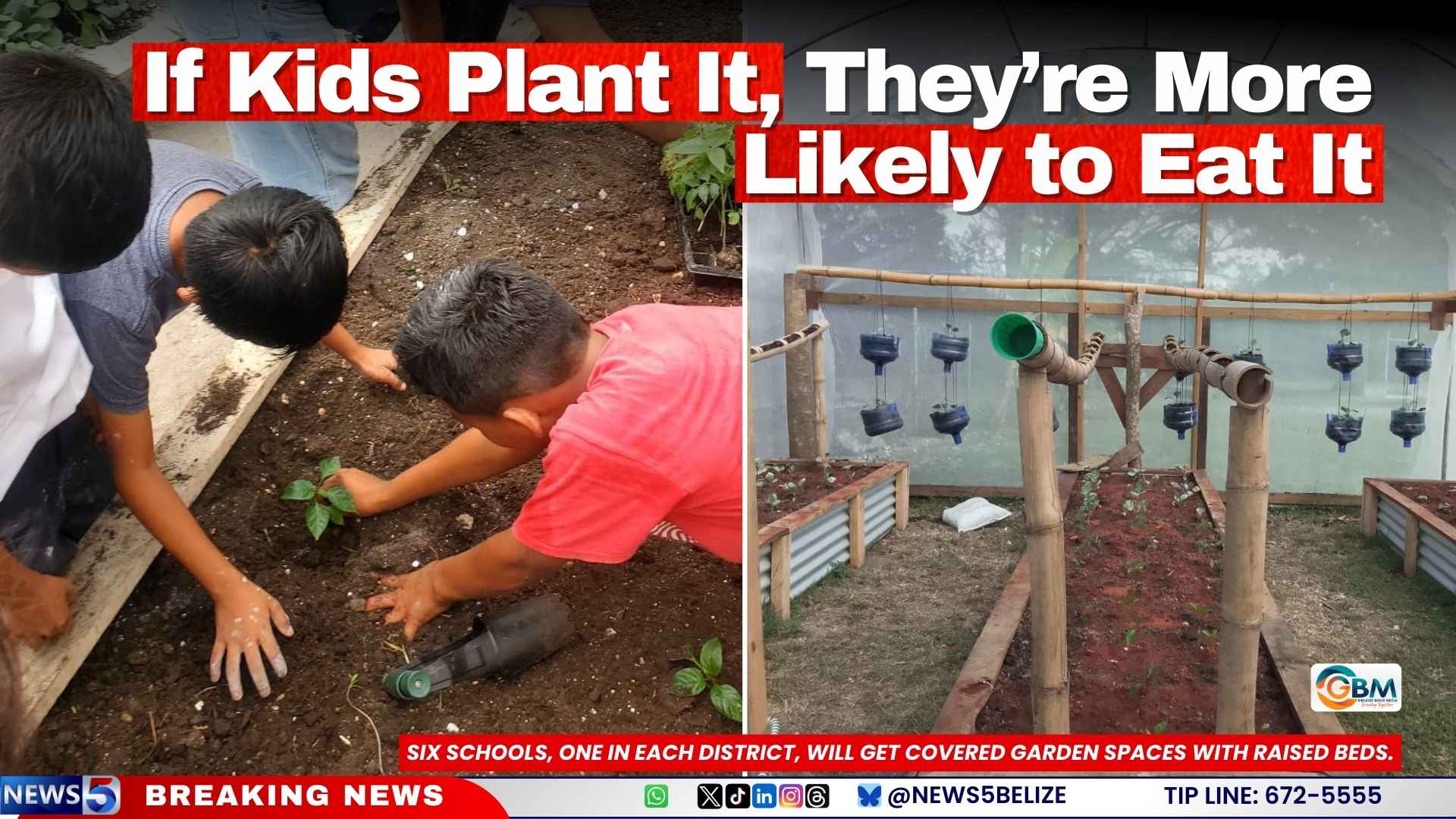
    In an innovative approach to combat childhood nutrition challenges, Belize is transforming school landscapes into educational farms through a collaborative initiative between the Food and Agriculture Organization (FAO) and the Ministry of Education. The program, operating under the National Healthy Start School Feeding Program, is establishing covered garden spaces with raised beds in six strategic schools across the country’s districts.

    The foundational philosophy driving this initiative is straightforward yet profound: children who participate in growing vegetables demonstrate significantly greater willingness to consume them. This addresses a critical nutritional gap where students frequently reject unfamiliar vegetables in their free school meals. Through hands-on agricultural experience, students encounter both traditional crops like tomatoes and lettuce alongside indigenous varieties such as chaya, cassava, okra, sweet potato, and pumpkin.

    Complementing the infrastructure development, FAO has implemented comprehensive school garden training programs across twenty Belizean schools. Fourteen training sessions have already been successfully conducted, with the remaining sessions scheduled for completion by month’s end. Participating educators report remarkable success in bridging theoretical knowledge with practical application.

    Audra Manzanero, a teacher at Eden SDA Primary, observed that ‘the training effectively connected classroom learning about plant cultivation with real-world field implementation.’ Student engagement measures similarly indicate enthusiastic reception, with Holy Angels Primary student Aden expressing particular excitement about ‘learning different soil types and understanding animal contributions to plant growth.’

    The program provides substantial material support including fruit trees, vegetable seedlings, diverse seeds, and professional gardening tools to ensure immediate implementation capability. Participating institutions include Eden Seventh-day Adventist Primary School, Belize Rural Primary School, San Antonio Government School, Trinidad Government School, San Felipe Government School, and Holy Angels Roman Catholic Primary School.

    This agricultural initiative enhances the existing National Healthy Start School Feeding Program that currently serves over 15,000 daily meals, potentially transforming nutritional quality and acceptance of school-provided foods throughout Belize.

  • Infrastructure, Education Lead PM Briceno’s New Spending Plan

    Infrastructure, Education Lead PM Briceno’s New Spending Plan

    The Government of Belize, under Prime Minister Briceño’s leadership, has presented a comprehensive fiscal blueprint for the 2026/2027 period, outlining a strategic allocation of public funds totaling $1.9 billion. This financial plan signals continued economic expansion with targeted investments in national development priorities.

    The budgetary framework allocates $1.3 billion for recurrent expenditures, covering operational costs including public sector salaries and debt servicing, while $606 million is designated for capital investments. The Ministry of Finance emerges as the primary beneficiary with a $575 million allocation, of which $153 million will fund capital projects, notably supporting the expansion of the National Health Insurance program.

    Education and foreign affairs secure the second-largest allocation at $365 million, combining operational funding with a $51 million investment component. The Ministry of Health and Wellness follows with $199 million, featuring a substantial $97 million capital budget for healthcare infrastructure improvements.

    Conversely, oversight institutions receive comparatively modest funding. The Auditor General’s Office is allocated $3 million, while the Integrity Commission ($325,000), Ombudsman’s Office ($461,000), and Contractor General’s Office ($404,000) operate with limited resources despite their critical governance roles.

    Revenue generation will predominantly rely on taxation, with projections estimating $1.58 billion from various tax streams. This includes $843 million from goods and services taxes, $466 million from income and business taxes, and $260 million from international trade tariffs.

    The budgetary proposal now undergoes legislative scrutiny, with citizens anticipating tangible improvements in public services, economic opportunities, and infrastructure development as the administration implements its spending priorities.

  • Opposition Leader: Budget Speech Doesn’t Match Belizean Reality

    Opposition Leader: Budget Speech Doesn’t Match Belizean Reality

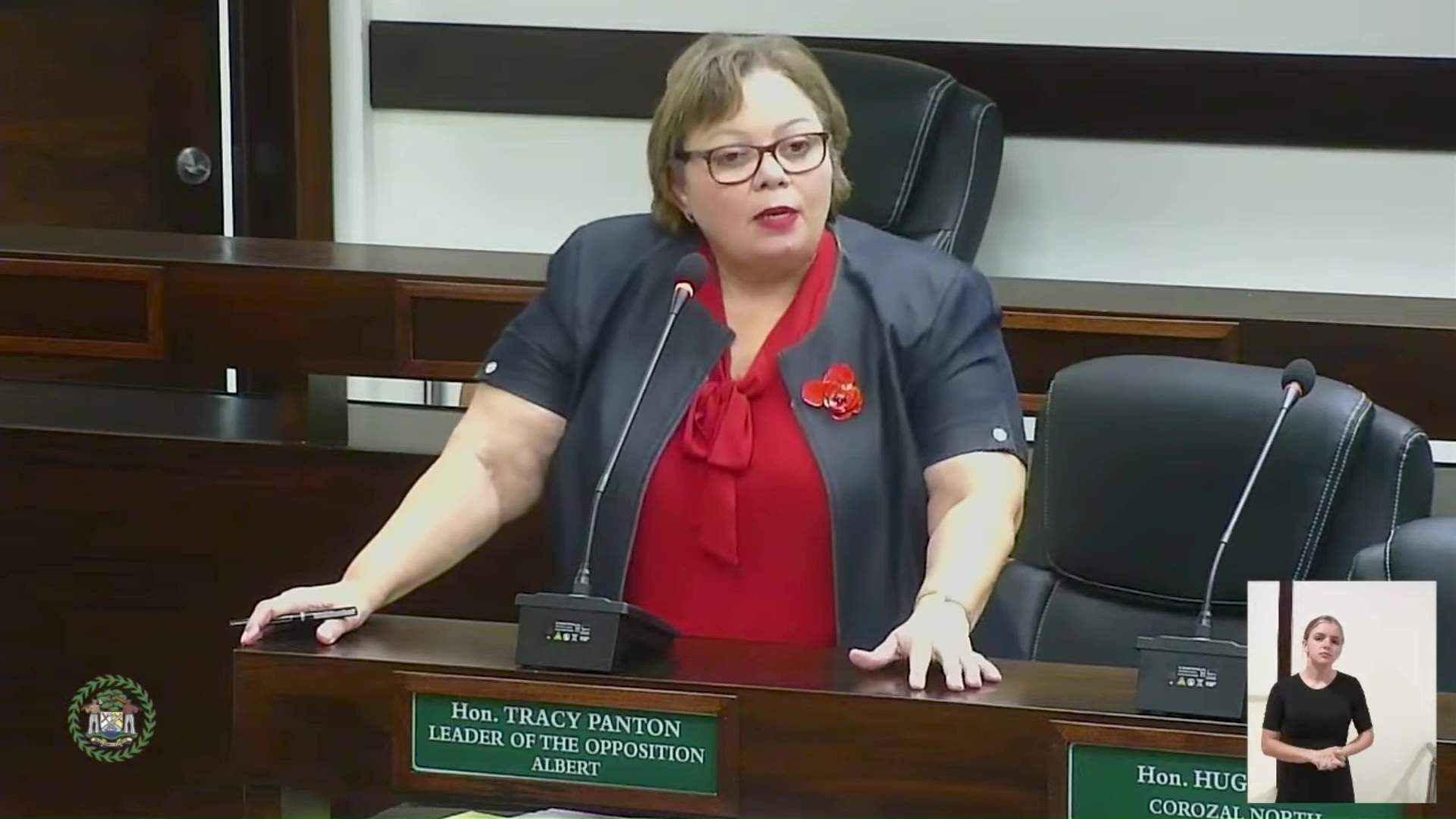
    Belize’s political landscape witnessed sharp criticism as Opposition Leader Tracy Panton delivered a scathing assessment of the Briceño administration’s recently presented national budget. Characterizing the government’s “Prosperity for Belizeans” theme as fundamentally disconnected from economic realities, Panton challenged the fiscal approach during a virtual address delivered via Zoom on March 11, 2026.

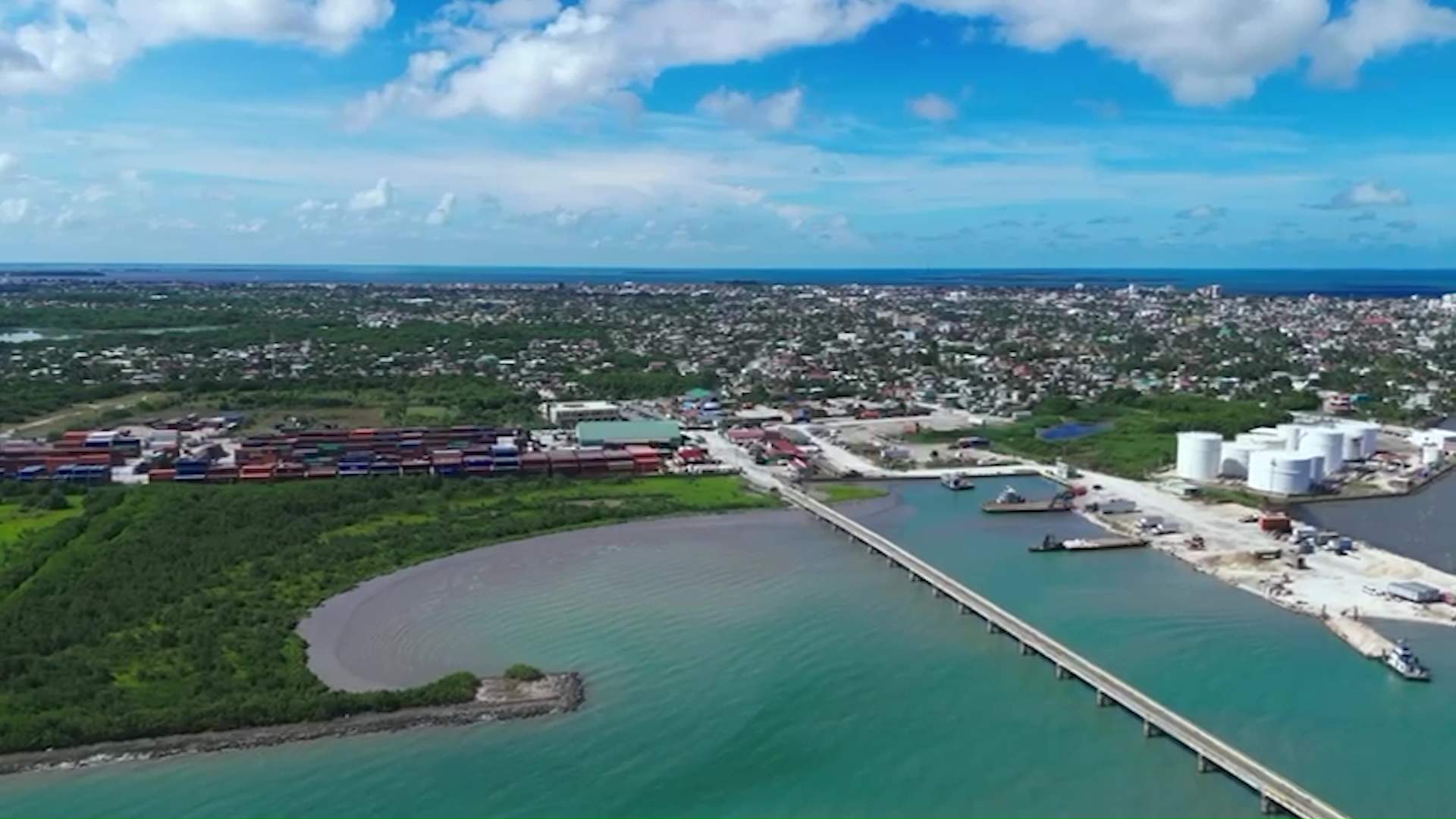
    The opposition leader highlighted the staggering $4.63 billion public debt burden that continues to loom over the nation’s economy. Panton expressed particular concern over proposed massive infrastructure investments, including a $450 million port facility project representing approximately half of the annual national budget. She questioned the feasibility of such expenditures given the country’s precarious debt situation.

    Revenue generation strategies drew significant criticism from the opposition, with Panton noting the government’s continued reliance on consumption-based taxation. She emphasized that taxes on fuel, food, excise duties, and import tariffs disproportionately affect working-class citizens who already struggle with rising living costs. The absence of a clear strategy to address the unbearable cost of living for average Belizeans formed the core of her critique, suggesting the budget favored grandiose projects over tangible household economic relief.

    The opposition leader’s remarks underscore growing tensions regarding fiscal policy direction in Belize, setting the stage for continued parliamentary debate over economic priorities and resource allocation.