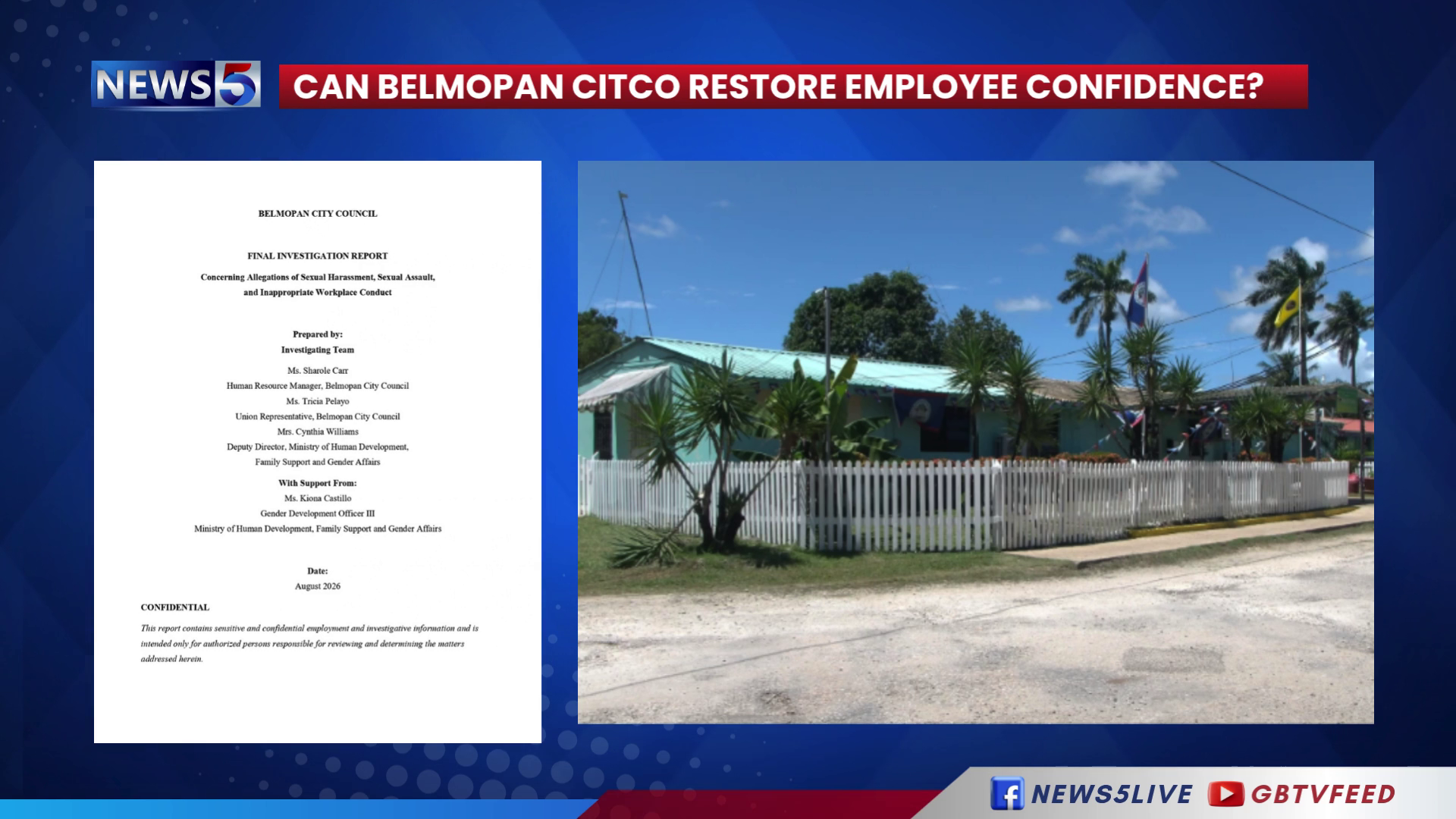
What began as a single internal workplace complaint against a senior staff member at Belmopan City Council has ballooned into a sweeping probe that uncovers deep-rooted problems with institutional culture, reporting protocols and accountability that stretch back years. The investigation, finalized in September 2026, was triggered after a formal sexual harassment allegation was lodged against the high-ranking employee. Though the core claim remains unconfirmed by third-party eyewitnesses, investigators concluded that the accumulation of surrounding context and corroborating statements from interviews provided material support for the allegation. As probing expanded beyond the initial complaint, the inquiry revealed that this case was far from an isolated event. Multiple current and former council employees came forward to describe a pattern of unwanted personal advances, unsolicited off-work invitations and intimidating conduct from the same senior staffer. While investigators could not independently verify every individual allegation, consistent overlapping details across dozens of accounts confirmed systemic flaws in the city body’s workplace culture that demand urgent intervention. Beyond harassment, the probe also cast a critical eye on the council’s internal surveillance practices. Multiple employees told investigators they were subjected to excessive, intrusive monitoring via workplace security cameras, and the inquiry uncovered clear evidence backing these claims. In response, investigators have formally called for a full top-to-bottom review of camera access protocols, oversight mechanisms and accountability frameworks to prevent misuse of surveillance tools. The investigation also uncovered that concerns about the senior employee’s behavior had been raised to management on multiple prior occasions through different internal channels. Many staffers told investigators they avoided speaking up publicly because they had little confidence that leadership would take meaningful action to address the misconduct. While the final report does not go so far as to find that management deliberately ignored reported misconduct, it highlights significant gaps in documentation of past complaints and raises serious questions about whether earlier concerns were ever properly investigated or resolved. As a result, the inquiry is calling for a full audit of how past complaints were processed, to determine whether the council fulfilled its legal obligations under existing workplace harassment regulations. The final report issues a stark warning: failure to address the identified flaws could expose the Belmopan City Council to serious legal repercussions, governance breakdowns and lasting reputational damage. Investigators also flagged additional ongoing risks, including potential retaliation against employees who came forward, violations of staff privacy, and irreversible erosion of public trust in the council’s leadership. Now that the investigative phase is complete, all focus has shifted to implementing sweeping institutional reform. Investigators have put forward a slate of recommendations to rebuild a safe, transparent workplace: stronger, more accessible reporting channels for harassment claims, enhanced protections for whistleblowers, stricter access controls for surveillance systems, improved standardized record-keeping protocols, and a full update of all workplace harassment policies. They also advise distributing an anonymous staff survey to identify unreported incidents that have not yet been addressed. For the Belmopan City Council, the investigation is far more than a response to one employee’s complaint. It has opened the door to urgent, long-overdue conversations about institutional accountability, safe working conditions, and whether employees feel secure enough to raise concerns without fear of retaliation. The next steps the council takes will ultimately decide whether it can rebuild broken trust with its staff and the public it serves.
标签: Belize
伯利兹
-
Belize Battles Drugs And Human Trafficking
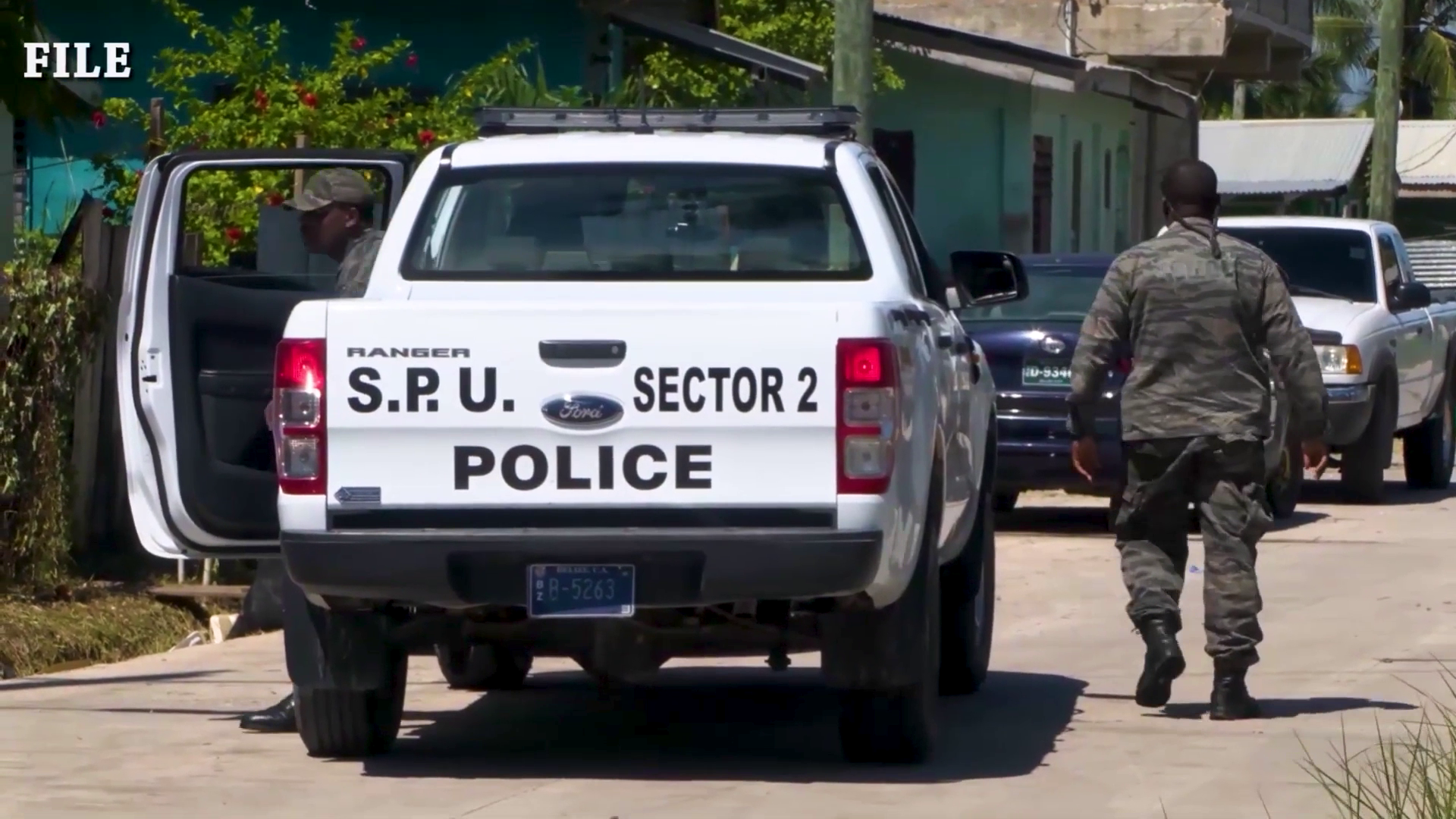
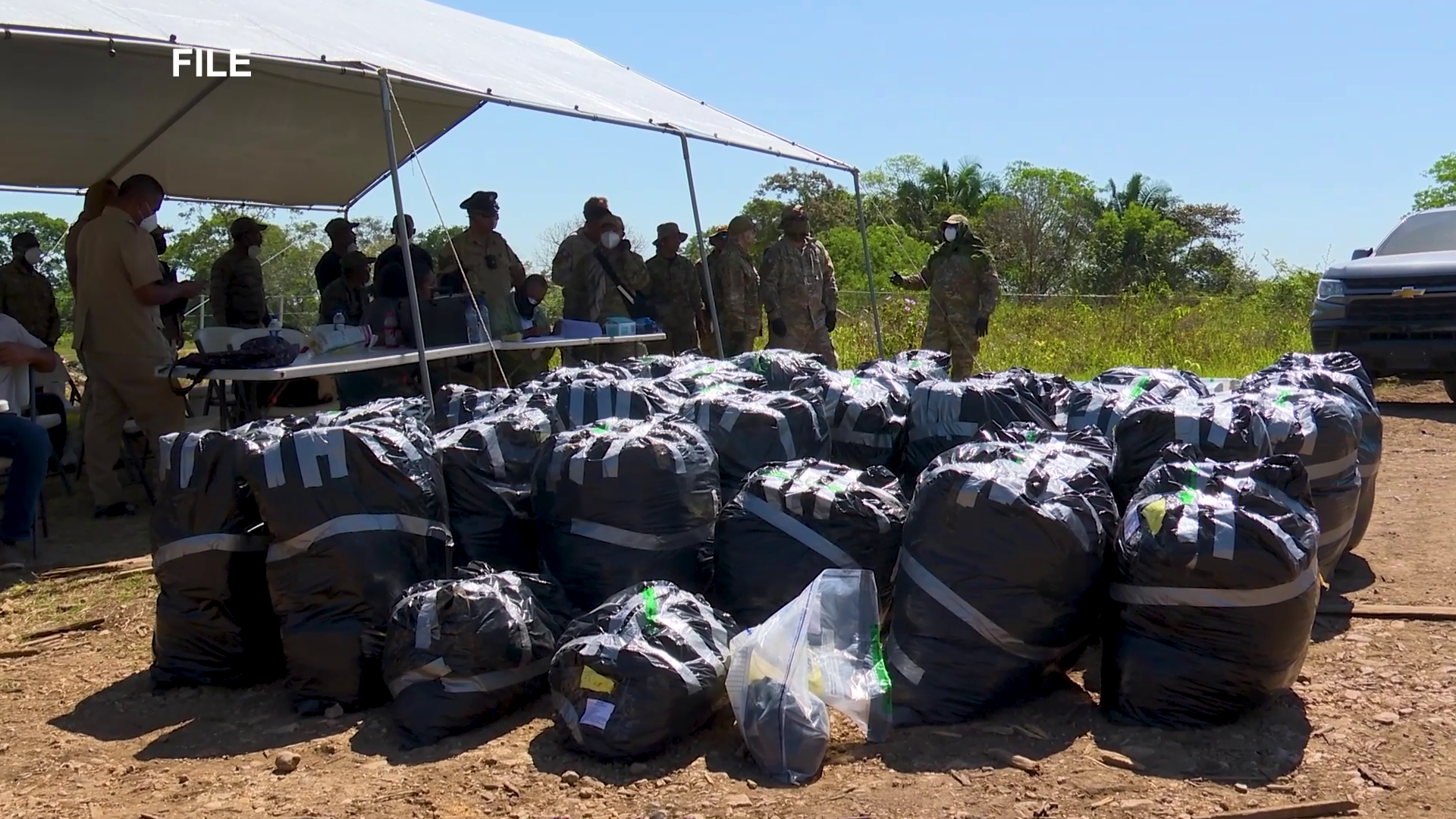
Positioned along a key transit route for illicit global trade, Belize has emerged as a critical frontline in the regional battle against two pressing transnational crimes: human trafficking and the illegal drug trade. With the United States ramping up collaborative security efforts with the Belizean government, newly appointed U.S. Ambassador Andre Bauer has confirmed that disrupting these criminal networks will top his policy agenda during his tenure.
In a recent public statement ahead of his term, Bauer outlined the strategic logic of the bilateral partnership: intercepting illegal narcotics in Belize before they can move north through established smuggling routes prevents the deadly substances from reaching communities across the United States, including fueling the ongoing devastating fentanyl crisis that has claimed tens of thousands of American lives annually.
“Absolutely we are committed to this work, and we will spare no effort to partner with the Belizean government to eliminate human trafficking entirely,” Bauer said. “Even one person being trafficked is one too many. That is an injustice we cannot accept.”
On the drug trade front, Bauer drew on personal experience to underscore the urgency of the mission, noting that he has personal friends who have lost children to accidental overdoses from fentanyl-laced substances, where victims had no idea they were consuming the deadly synthetic opioid. “Anytime drugs originating from other countries pass through Belize, and Belizean authorities seize those shipments, that is drugs that almost certainly would have ended up on American streets,” he explained.
Bauer emphasized that even so-called entry-level narcotics seized in Belize carry long-term risks for American communities, as they often lead to addiction that progresses to harder, more dangerous substances like fentanyl. “As an American taxpayer, I fully support devoting all necessary resources to block drug flows through this region,” he said. “These drugs harm people in the countries they pass through first, before they go on to kill people in the United States. Cutting this supply chain at its source is one of the most effective steps we can take to save lives.”
Alongside his focus on disrupting transnational criminal networks, Bauer highlighted three core priorities that will shape his work over the next several years in Belize: boosting public safety, strengthening national security, and expanding inclusive economic opportunity for Belizean communities. These three goals, he noted, are deeply interconnected: improving economic prospects for marginalized populations reduces vulnerability to recruitment by criminal organizations, while enhanced security creates the stable conditions needed for long-term economic growth.
This report is adapted from a transcript of a televised evening news broadcast, with all translated content from Kriol rendered using a standardized spelling system for accuracy.
-
Bauer Urges Tougher Drug Trafficking Penalties
Renewed focus has fallen on rising crime rates in Belize after the United States issued repeated public travel advisories highlighting safety risks in the Central American nation, pushing a high-profile diplomatic call for policy reform to address the crisis.
Andre Bauer, the sitting U.S. Ambassador to Belize, has publicly urged Belize’s elected legislative leaders to implement tougher criminal penalties for large-scale drug trafficking, arguing that stricter punishment will act as a critical deterrent to criminal activity and shield Belize’s younger generations from the harms of the illegal drug trade.
In comments delivered during a recent public address that form the basis of this newscast transcript, Bauer framed the push for reform as a shared priority for both nations, not just a demand aligned with U.S. security standards. “I don’t think it should just be U.S. standards. I think Belizeans should have an expectation level of safety and security,” Bauer stated.
He emphasized that cross-border security cooperation creates mutual benefits for the entire Western Hemisphere, noting that improved safety in Belize directly translates to greater security for the United States. The ambassador explained that the significant U.S. investment in security initiatives across the hemisphere stems from a longstanding commitment to regional partnership: “There is a reason why we care about safety in this whole region in the world, this whole hemisphere. That is why we invest so much American dollars in the Western Hemisphere, because you are our friends, the western hemisphere is our friend and we like the fact that we have been a very safe region of the world, versus other regions of the world, because we work together in partnership for immigration.”
Bauer specifically called out drug trafficking as one of the most pressing ongoing security concerns for the region, and urged bipartisan collaboration among Belizean elected officials to advance penalty reforms. “I would love to see Belizean elected officials on both sides of the aisle raise the penalties for getting caught with large amounts of drugs. We have got to do things to try and deter this type of activity if we really want to protect our youth,” he added.
This report is a published transcript of an evening television newscast, with any Kriol-language commentary transcribed using a standardized spelling system for accessibility.
-
Land Manager Critical After Maya Ranch Shooting
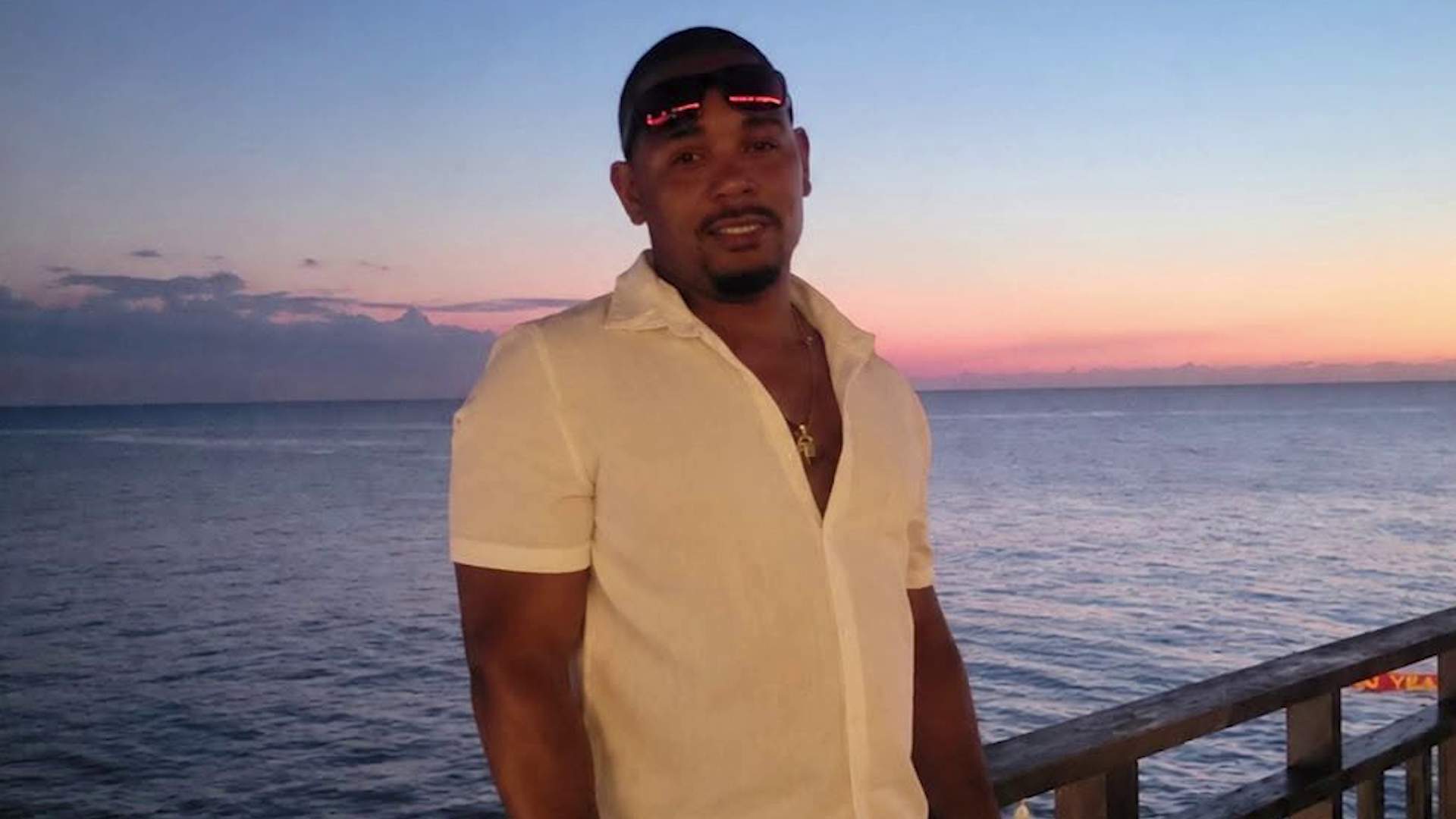
A 2026 shooting incident at Maya Ranch has left a local land manager in critical condition, spurring an urgent community plea for blood donations as law enforcement progresses with its investigation.
Alfred Mahler, the victim, was hospitalized following the shooting, which occurred when he traveled to the ranch to inspect reports of unauthorized squatters on the property he oversees, according to statements from his family. While police have not yet released a full timeline of events or confirmed all details of the attack, family members say Mahler was ambushed by the intruders during his check of the land.
Mahler underwent hours of emergency surgery following the shooting, where surgeons were forced to remove damaged organs after a bullet caused extensive internal damage to his abdominal region. The land manager lost a substantial volume of blood during the attack and the subsequent emergency procedure, leaving his medical team and family scrambling to secure enough blood units to support his ongoing care. As of the latest update, Mahler remains in a medically induced stable but critical state, with doctors working continuously to bring his condition under control.
In response to the urgent need for blood, Mahler’s family has organized a public blood drive, calling on donors from across the surrounding regions of San Pedro and Dangriga to step forward. While Mahler has O-positive blood type, the family reports that any blood type is being accepted due to the extreme urgency of the situation. The family estimates that they will need roughly 22 donors over the first three days of the appeal to meet the required supply of blood for Mahler’s treatment. Medical staff have confirmed that once Mahler receives sufficient blood and his condition stabilizes, his prognosis for recovery improves significantly.
Local law enforcement has confirmed that one suspect has been taken into custody in connection with the shooting. Authorities report the individual was detained while attempting to flee the area following the attack. The investigation remains ongoing, with police still working to piece together a full account of the sequence of events and confirm whether any additional suspects were involved in the ambush.
Any community member willing to donate blood to support Mahler’s treatment can reach out to his family directly via phone at 672-6886 to coordinate their contribution. This report is adapted from a verbatim transcript of an evening television newscast, with original Kriol language statements transcribed per standard regional spelling conventions.
-
Arthur Hill Sentenced to Life for Aldana’s Murder
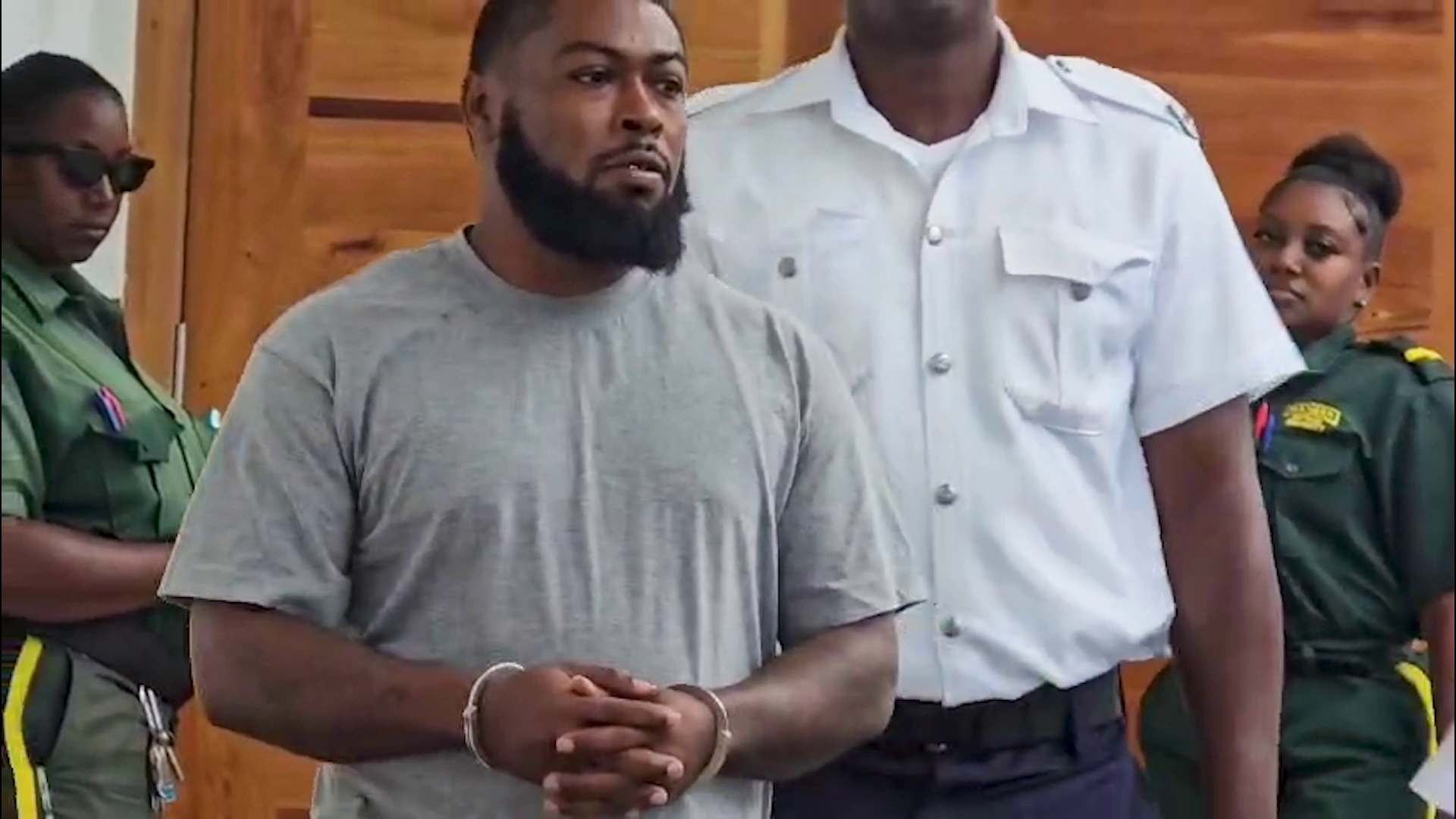
In a high-profile criminal ruling handed down on September 24, 2026, 30-year-old Arthur “Turo” Hill has been formally sentenced to life imprisonment for the fatal stabbing of his 19-year-old brother-in-law, Levan Christopher Aldana. Belize Supreme Court Justice Candace Nanton issued the ruling, mandating that Hill must serve a minimum of 29 years behind bars before he becomes eligible to apply for parole. The sentence has been backdated to February 1, 2024, the date when Hill was first remanded into custody at Belize Central Prison following his arrest.
Hill was found guilty of the murder charge on July 16 of this year, after a judge-only trial that concluded without a jury seated. Prosecution legal team Robert Lord and Joseph Perez built their case almost entirely on circumstantial evidence, the most critical piece of which was Aldana’s dying declaration naming Hill as the person who attacked him.
Court testimony from multiple witnesses confirmed that Hill and Aldana had been socializing together just minutes before the fatal stabbing, which took place on January 31, 2024. Shortly after the incident, witnesses reported seeing Hill shirtless, barefoot and heavily perspiring as he approached a neighbor to borrow a red shirt and a pair of slippers. When Hill turned himself in to responding law enforcement officers, one officer documented observing what was visually consistent with bloodstains on Hill’s elbow.
An autopsy confirmed Aldana sustained three stab wounds: two deep cuts to the neck and one penetrating wound to the abdomen. In crafting the sentencing decision, Justice Nanton explicitly cited multiple aggravating factors that guided her ruling: the intentional use of a deadly weapon, the significant pain and suffering Aldana endured before his death, and the severe impact of the violent crime on the victim’s family and community.
During the sentencing hearing, Aldana’s mother, Tracey Meighan, broke down in tears as she delivered her victim impact statement to the court. Meighan described the ongoing agony of losing her firstborn son, recalling the traumatic moment she saw her son gravely wounded during a video call, before receiving the devastating news that he had succumbed to his injuries while en route to the hospital. “A part of me died when he died,” Meighan told the court, voicing the profound grief that has defined her life since the killing.
Throughout the entire trial process, Hill has maintained his absolute innocence. He was represented by defense attorney Norman Rodriguez, who argued his client’s case during the judge-only proceedings.
This news report is adapted from a televised evening newscast originally published by a Belizean media outlet, with any Kriol language remarks translated and transcribed using a standardized spelling system for clarity.
-
Bauer Pushes Medical Training Opportunities for Belizeans
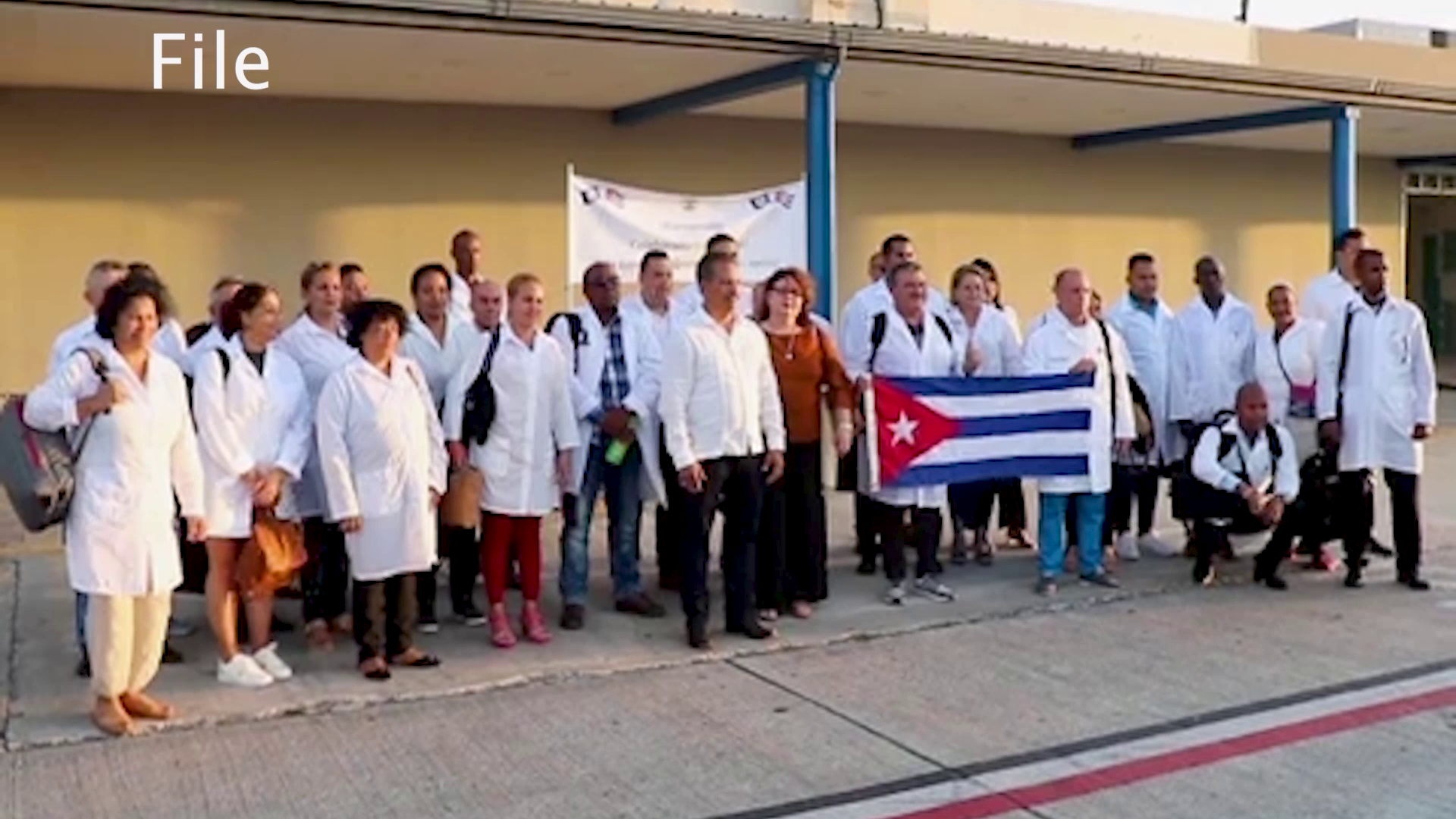
As Belize weighs the future of its long-running Cuban Medical Brigade program, a new diplomatic proposal from the United States has emerged to reshape the Central American nation’s healthcare workforce development. In comments to local media September 24, 2026, newly installed U.S. Ambassador to Belize Andre Bauer confirmed that expanding medical training opportunities for Belizean citizens is his top policy priority in the country.
Bauer declined to share any updated position from Washington on Belize’s existing partnership with the Cuban Medical Brigade, which has provided foreign medical personnel to serve Belizean communities for years. Instead, he outlined a bipartisan, people-centered proposal to create reciprocal training pathways that would grow Belize’s pool of homegrown doctors and nurses.
“At the end of the day, I wanna make sure Belizeans have good healthcare,” Bauer said. “If I can do things to help facilitate sending Belizeans to American hospitals and educating them, I actually have a suggestion that I wanna talk to the State Department about, about trying to create more opportunities for people here that wanna be nurses and doctors, and people that are in the United States that wanna come here and be a part of Belize and do some of their medicine here is what I want to try to facilitate.”
Bauer added that his core goal is to build a strong enough local healthcare workforce that Belize does not need to rely on foreign medical staff to care for its population. The proposal comes as Belizean officials prepare to present a full set of policy options to the national Cabinet this month, Foreign Affairs Minister Francis Fonseca confirmed. Those options include a full phased withdrawal of the Cuban Medical Brigade from the country’s public healthcare system.
This report is based on a transcript of a local evening television news broadcast from Belize.
-

Newani Martinez Carries Garifuna Music Forward
At just 20 years old, rising Belizean artist Newani Martinez is standing at the intersection of legacy and innovation, breathing new life into traditional Garifuna musical styles paranda and punta while building a distinct artistic identity of his own. Born into a family deeply rooted in Garifuna culture, Newani is the son of the late legendary Honduran Garifuna musician Aurelio Martínez, who passed away in a tragic plane crash one year ago.
Aurelio Martínez was far more than a celebrated singer-songwriter. As a global ambassador for the Garifuna people, he dedicated his career to elevating and preserving endangered Garifuna cultural traditions, most notably paranda, a genre that record producer Ivan Duran says Aurelio helped pull back from the brink of extinction. Duran, who collaborated closely with Aurelio for nearly three decades after their first meeting in 1998, recalls that the musician spotted Newani’s innate talent from infancy. “He would send me videos when [Newani] was, like, two years old, knocking around on a drum,” Duran remembered. “He was such a proud dad, and he told me one day you’re gonna have to record him. Newani is a natural talent; even Aurelio was impressed by how naturally the gift came to him.”
For Newani, a career-changing milestone came earlier this year when he got the opportunity to share the stage with iconic soca superstar Machel Montano – a collaboration he had dreamed of for years. “That moment to me was the greatest moment of my life,” Newani shared. “I’ve always told my manager, ‘If anyone in the world, I want to do a collab with Machel Montano.’ She thought it was a big leap, but it happened anyway. That moment basically kick-started a new path in my career.” The performance doubled as a moving tribute to his late father, who gave Newani his first drum as a child that he still keeps to this day. “He gave me that little drum, but we never got to make music together or share a stage, so sharing the stage with Machel, that next best thing, was my way of honoring him,” Newani explained.
While he carries deep pride in his father’s legacy, Newani is determined to carve out his own space in the global music industry. “I create my own music, build my own identity alongside what people know from my dad,” he explained. “Of course that legacy will always be there – people will always first connect me to him – but I want the younger generation to know me for my own work. It’s all about finding that right balance.”
Newani’s love of performance began early, starting with school dances, skits and childhood drumming lessons before he expanded into singing and playing guitar during high school. He founded his own group, The B with the Boys, and has already built an international fanbase, performing across North and Central America to growing crowds. Up next, he is preparing to drop his first collection of original music, a project that will showcase his unique blend of traditional Garifuna rhythms and modern creative sensibilities.
Leaders of Garifuna cultural organizations say Newani’s work carries profound importance for the future of the community. Alex Nolberto, president of the National Garifuna Council, applauded the young artist for stepping into the role of cultural steward. “This underscores the truth that young people are our future,” Nolberto said. “We remain hopeful that we have young people who can take up the mantle and carry on with the work of preserving our culture.”
Beyond his performance schedule, Newani is also balancing his music career with higher education at the University of Belize, where he is studying business. He acknowledges that stepping into the public spotlight so early in his career comes with challenges, but he is grateful for the widespread support he has received from fans at home and abroad. “It’s not that easy just being put into the limelight when you’re this new,” he said. “I’m just learning and growing as I go, and I appreciate that people understand there’s a lot more to this journey than what they see on the surface.”
While he does not claim to know exactly what the future holds, one thing remains certain: music will be a constant through every chapter of his life. As he prepares to introduce his original work to global audiences, Newani Martinez stands as both a guardian of endangered cultural tradition and an exciting new voice reshaping Garifuna music for the 21st century.
-
How Much Does Belize Value Garifuna People?
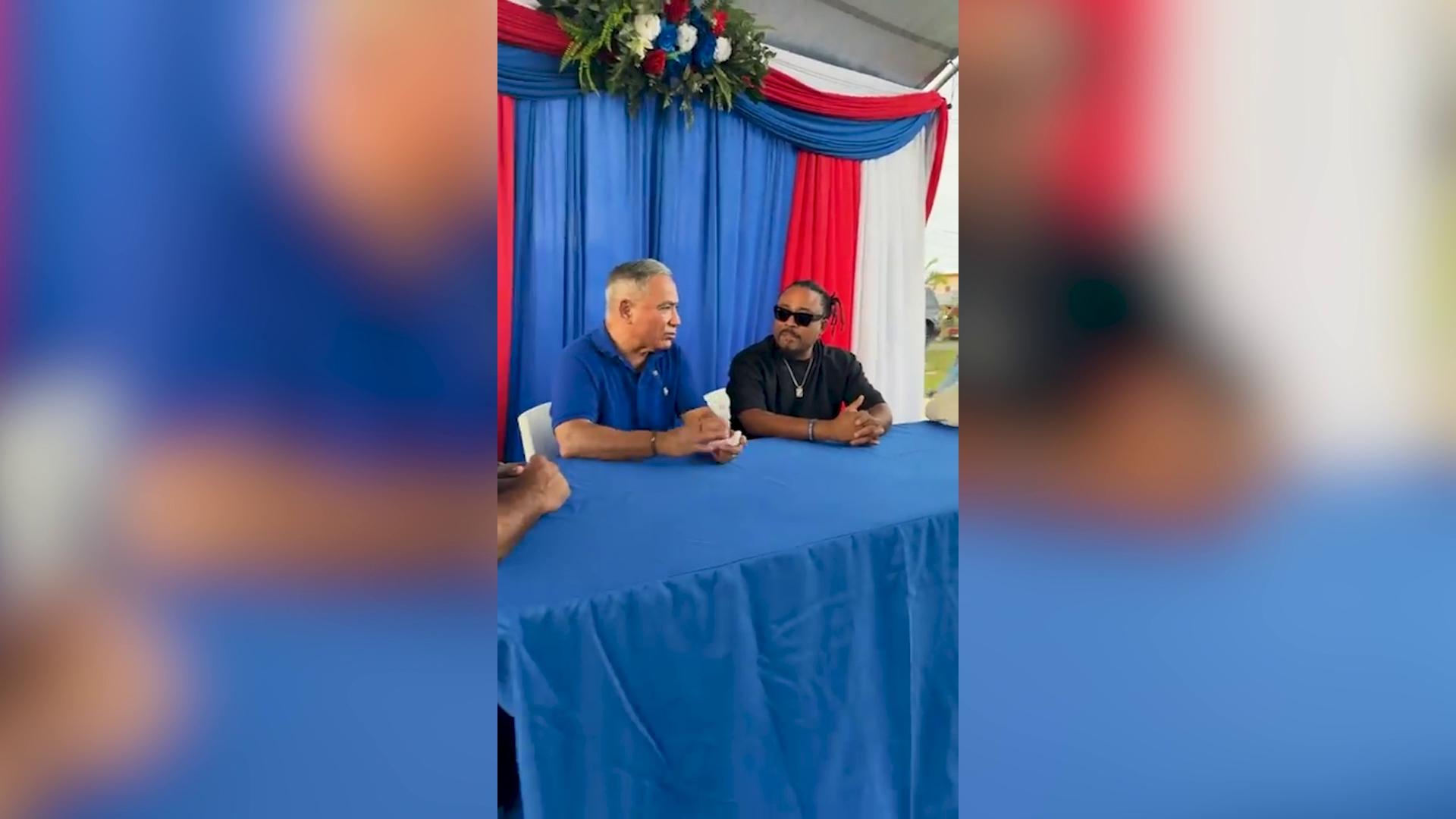
A private off-air exchange between Belizean Prime Minister John Briceño and celebrated soca artist Machel Montano, captured accidentally by an open microphone, has thrown the national conversation over the cultural and political value Belize assigns to its Garifuna population back into the spotlight. The controversy centers on Briceño’s comment referencing the size of the Garinagu community, a comment that drew sharp criticism from many members of the ethnic group who saw it as a dismissal of their community’s significance.
In response to the public backlash, Indigenous Affairs Minister Dr. Louis Zabaneh has moved to frame the incident as an unintentional misstep, while acknowledging the legitimacy of the community’s frustration. “I think it was an innocent mistake by the Prime Minister of the numbers but then again, from the Garifuna community, I fully understand their reaction because no community wants to feel that they have been belittled in any way, shape, or form, and I’m sure that was not the intention of our Prime Minister,” Zabaneh shared in a press interview.
Zabaneh emphasized that as a marginalized ethnic minority in Belize, the Garifuna community is particularly sensitive to any rhetoric that could be interpreted as minimizing their social or political standing. “Recognize that if a community that’s already a minority gets the feeling that their numbers are being diminished then they will have a certain view and response but I do believe, again, I reiterate that I think it’s clear that the Prime Minister did not mean to demean the Garinagu people in what he said,” he added.
Moving past the immediate controversy, Zabaneh called for a shift in focus to the longstanding systemic challenges that the Garifuna community has faced, advocating for collaborative dialogue across all ethnic groups to advance collective national well-being. “Having understood that [the mistake was unintentional], I think we must now focus on those things that are more important. How do we work together to ensure that our various communities, ethnicities, that we are all working together for the well-being of all of our people, respecting the rights of all of our communities? I think that’s a more positive approach so that together we can find solutions. As challenges arise in the future, we can do that better by working together,” he said.
In a step toward de-escalation, Prime Minister Briceño has issued a formal public apology for the off-hand remark and has scheduled a formal meeting with Alex Nolberto, President of the National Garifuna Council, to address the full range of concerns raised by the Garifuna community in the wake of the incident. This article is a reworked version of a transcript from an evening television news broadcast, with original speech preserved where it was shared publicly.
-
Zabaneh: “We Need to Show Our Children Right Examples”
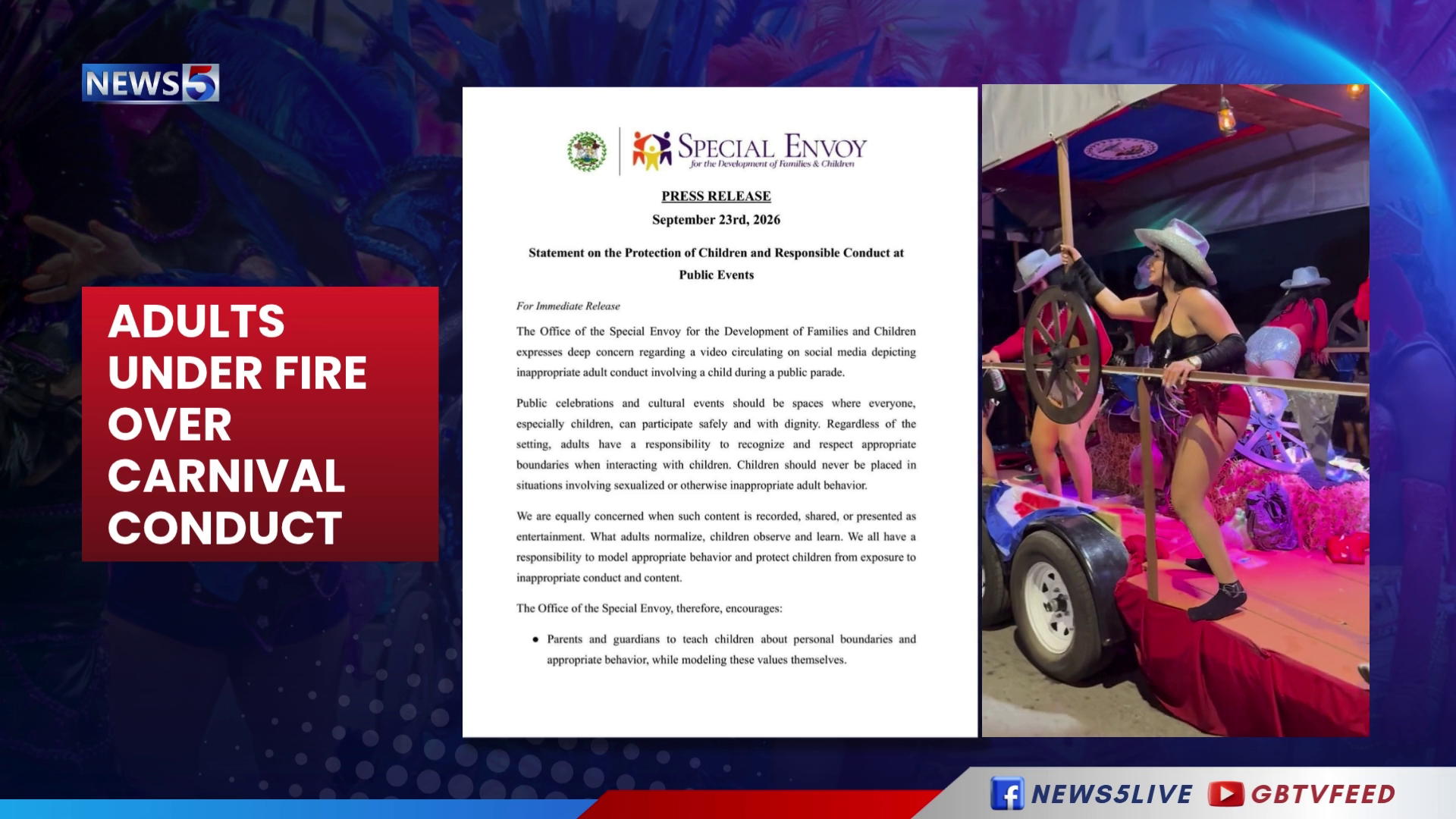
A deeply inappropriate incident caught on camera at Belize’s Orange Walk Carnival continues to roil public opinion across the small Central American nation, drawing widespread condemnation from community leaders, child welfare advocates, and top government officials. The disturbing footage, which captures women dancing suggestively around a young minor, has ignited urgent conversations about the moral examples adults set for children and the systemic failures that allow young people to be exposed to inappropriate sexualized content in public community events.
The most recent high-profile voice to condemn the incident is Dr. Louis Zabaneh, Belize’s Minister of Religious Affairs, who has called for national collective action to root out such harmful behavior and rebuild strong moral foundations for the country’s younger generation. In an interview following the incident, Dr. Zabaneh shared his shock at the content of the video, echoing the disgust shared by most Belizean citizens. What makes the incident even more troubling, he noted, are emerging reports that the child’s own parent may have been responsible for recording the inappropriate interaction.
“This situation lays bare the extent of moral decay that has taken hold in segments of our society,” Dr. Zabaneh stated in the phone interview. “This stands in direct opposition to the core values that our nation was founded on. For Belize to maintain strong social cohesion, we must hold tight to mutual respect, particularly when it comes to protecting our children. We have a fundamental responsibility to model ethical, appropriate behavior for young people. When children grow up seeing these kinds of actions normalized from their earliest years, those harmful patterns become ingrained in them. If we allow this to continue, we cannot be surprised when older young people adopt similarly harmful worldviews that treat all behavior as acceptable, regardless of its impact on others.”
Dr. Zabaneh is far from alone in his condemnation. The Special Envoy for Women and Children of Belize and the National Evangelical Association of Belize have both released public statements denouncing the conduct captured in the video, joining the growing call for stricter, higher ethical standards for all activities held during future carnival celebrations across the country.
This report is a transcript of an evening television broadcast, with all Kriol-language statements transcribed using a standardized spelling system for publication.
-
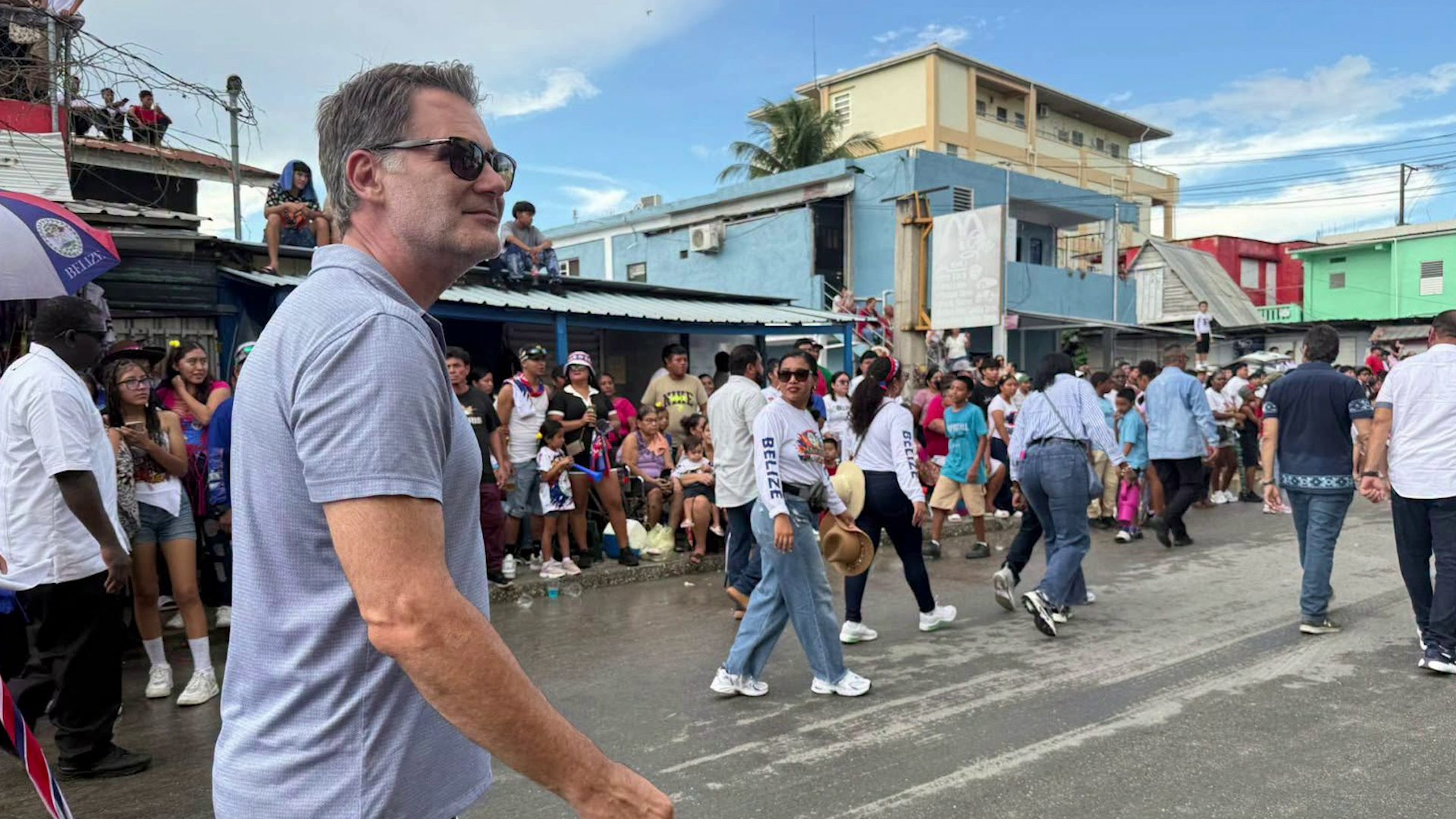
Belize’s Carnival Spirit Captivates Ambassador Bauer
In a vivid early encounter with Belizean national culture ahead of the country’s 45th independence anniversary, U.S. Ambassador to Belize Andre Bauer found himself unexpectedly swept up in the festive energy of Orange Walk’s annual Independence Day Carnival on September 24, 2026.
What was initially scheduled as a brief, half-day stop on Bauer’s official itinerary turned into a full afternoon of celebration, as the infectious joy, rhythmic music, and warm community welcome of the event convinced the ambassador to extend his stay well into the evening. By the time he wrapped up his time at the carnival, darkness had already fallen over the district.
During the celebration, Bauer had the opportunity to connect with hundreds of attendees from a wide array of cultural and social backgrounds across Belize, shaking hands and exchanging greetings with scores of locals. Drawing on his experience traveling across nearly 50 countries during his decades of public and diplomatic service, the ambassador shared striking reflections on what made the Belizean celebration stand out.
“Golly, if you hadn’t been, you need to get there,” Bauer told reporters following the event. “I got invited to come down and my staff had planned for me to do half of it. But that was not happening. We stayed until the end. I got to shake so many hands, meet so many incredible people from such diverse backgrounds. But I will tell you this: I don’t know any other place in the world, and I have been close to fifty countries, where people hold so much pride in their country. Forty-five strong is impressive, but how much people love this country, how much they take real pride in their independence, that is what really impressed me. I am glad I get to be a part of it, and Orange Walk was a great way to experience authentic Belizean culture.”
This carnival marked one of Bauer’s first in-person deep dives into Belize’s grassroots cultural traditions since taking up his diplomatic post in the country. This report is adapted from a transcript of a televised evening newscast, with all local Kriol language segments standardized to conventional spelling for publication.