标签: Belize

伯利兹

  • Gunman Shot Dead Outside the White House

    Gunman Shot Dead Outside the White House

    On the evening of Saturday, May 24, 2026, a violent shooting incident unfolded at a security checkpoint near the White House, triggering an immediate temporary lockdown of the U.S. presidential residence and leaving the local community shaken. The incident began shortly after 6 p.m., when 21-year-old suspect Nasire Best approached the checkpoint, pulled a firearm from his bag and opened fire directly on Secret Service officers stationed at the site.

    In response to the immediate threat, Secret Service agents returned fire, striking the suspect. He was quickly transported to a nearby medical facility for emergency treatment, but was pronounced dead a short time later. One bystander caught in the crossfire also sustained injuries during the exchange of gunfire; as of the latest official updates, no further details on the bystander’s condition have been released.

    Law enforcement records reveal that Best was already well-known to Secret Service personnel, with a documented pattern of encounters near the presidential compound and a reported history of mental health concerns. Court documents show Best faced arrest as recently as July 2025, after he entered a restricted zone near the White House and publicly claimed to be Jesus Christ, stating he intended to be taken into custody. Just one month before that, in June 2025, he was involuntarily committed for mental health evaluation after blocking vehicle access to the White House complex. Authorities also confirmed that Best had repeatedly approached White House entry points in the past, asking repeated questions about gaining access to the secured grounds.

    At the time of the shooting, former President Donald Trump was inside the White House compound and was never placed in any danger, emerging from the incident completely unharmed. Shortly after the situation was resolved, Trump posted a statement to his Truth Social platform, praising Secret Service and law enforcement for their “swift and professional action” that prevented a more catastrophic outcome. He also used the incident to reignite his longstanding push for the construction of a new, more secure presidential facility in Washington D.C.

    Located in the center of the nation’s capital, the White House already ranks among the most heavily protected government facilities in the world, functioning both as the sitting president’s official residence and primary workplace. Saturday’s shooting marks the second violent firearms incident near the White House in just one month, coming 30 days after a separate shooting took place during the annual White House Correspondents’ Dinner.


  • New Programme Promises Real Jobs for Young Belizeans in Trades

    New Programme Promises Real Jobs for Young Belizeans in Trades

    A groundbreaking eight-month apprenticeship initiative designed to place young Belizeans directly into skilled trades careers has officially launched at the Orange Walk Institute of Technical and Vocational Education and Training (ITVET), bringing tangible employment opportunities to the country’s youth workforce.

    Twenty aspiring tradespeople are already enrolled in the program, dubbed “Breaking Barriers”, which focuses on three high-demand skilled areas: air conditioning maintenance, refrigeration systems work, and electrical installation. By the end of the training cycle, participants will earn a Caribbean Vocational Qualification (CVQ) Level 2 credential in their selected field, a widely recognized certification that opens doors to regional employment.

    The project is a collaborative venture between Orange Walk ITVET and Belize’s Ministry of Education, with full funding provided through a grant from Canada’s Local Engagement Action Fund. According to the program’s project manager, planning for this workforce development effort has been years in the making. “Back in September last year we got the good news that we can apply for this grant, and we put all efforts to apply. And we were blessed to receive the grant from the Local Engagement Action Fund in Canada,” she shared in an interview following the official launch.

    Notably, two of the twenty current apprentices are young women, breaking traditional gender barriers in the skilled trades — both have already secured early internship placements with private sector companies ahead of their program completion.

    The program’s curriculum is structured to combine traditional theoretical instruction on the ITVET campus with immersive, on-the-job practical training hosted directly by local industry partners. This hybrid model was intentionally designed to address a common gap in vocational training: unlike many programs that only offer paper certification, Breaking Barriers is built to ensure graduates are fully job-ready from their first day of employment.

    For the initiative’s national coordinator, the impact of the program extends far beyond individual credentials. “What makes this programme especially meaningful is that it connects education directly with opportunities,” she explained, highlighting the program’s broader goal of strengthening Belize’s skilled workforce and reducing youth unemployment across the country.

  • Belizean Crime Scene Investigators Get a Look at How Europe Solves Crimes

    Belizean Crime Scene Investigators Get a Look at How Europe Solves Crimes

    From May 17 to 23, 2026, 22 police and forensic specialists from 12 Caribbean nations, including two representatives from Belize, wrapped up a week-long immersive study tour across Spain and France designed to upgrade regional crime investigation capacity. The exchange program, funded by the European Union and executed by UNDP Belize as part of the PACE Justice Project, builds on a foundational advanced forensic training course held in Barbados in 2025, extending the hands-on learning opportunity for regional law enforcement.

    Belize’s delegation included one seasoned crime scene investigator from the country’s National Forensic Science Service (NFSS) and one senior officer from the Belize Police Department. Over the course of the tour, the entire Caribbean cohort met with leading law enforcement and forensic experts from European agencies, gaining firsthand insight into how major transnational and complex criminal investigations are structured and executed across the continent. A core focus of the exchanges was exploring how cutting-edge digital technology is reshaping modern police work, closing gaps between regional practices and global innovation.

    Participants got to test and examine a suite of modern investigation tools that are increasingly standard across European law enforcement, including artificial intelligence-powered evidence analysis systems, virtual reality for crime scene reconstruction, and Geographic Information Systems (GIS) mapping technology. These tools are already streamlining workflows for European investigators, enabling more accurate crime scene mapping, faster evidence analysis, and more robust case building that holds up in judicial proceedings.

    For Belize specifically, this capacity building comes at a critical moment: the country has faced growing public pressure to improve the quality of criminal investigations and boost conviction rates for high-profile major crime cases. In an official statement released after the study tour concluded, the NFSS emphasized that international exchange and training programs like this are foundational to strengthening Belize’s broader criminal justice system. By integrating modern tools and evidence-based European practices, the service noted, Belize can increasingly rely on rigorous, sound scientific evidence to support both criminal investigations and prosecutions, ultimately increasing public trust in the country’s justice system. The PACE Justice Project organizers added that they plan to roll out follow-up training and knowledge sharing initiatives across Caribbean nations in the coming year to help participating agencies implement the new practices they learned during the tour.

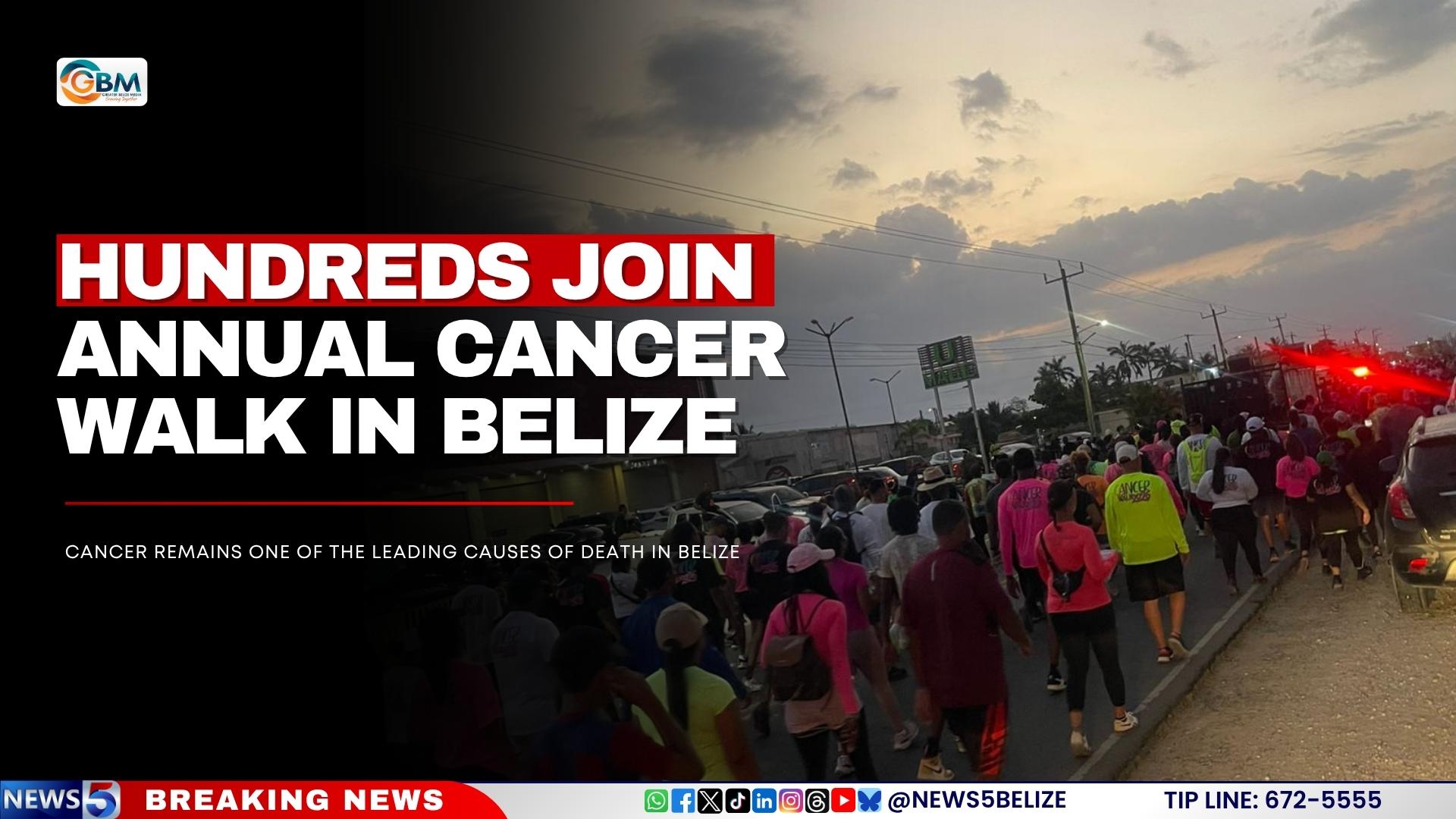
  • Hundreds Join Annual Cancer Walk in Belize

    Hundreds Join Annual Cancer Walk in Belize

    On a pre-dawn Saturday, hundreds of residents from across Belize gathered to take part in the nation’s yearly Cancer Walk, a community event dedicated to standing in solidarity with individuals and families impacted by cancer. This year’s route stretched from the northern town of Ladyville all the way to the capital of Belize District, Belize City, drawing participants of all ages who came together to advance a critical public health message.

    Kicking off promptly at 5:00 a.m. from its starting point in Ladyville, the procession concluded at the Belize Cancer Society’s central headquarters in Belize City. Attendees joined in the event’s spirit by wearing bright neon attire, turning the multi-mile route into a lively, colorful display of collective support aligned with 2026’s official theme: “Early Detection. Equal Access. End Cancer.”

    For years, cancer has ranked among the top causes of mortality in Belize, and public health and cancer advocacy leaders have repeatedly identified late diagnosis as one of the most critical barriers to improving patient survival rates. Medical research and clinical outcomes consistently confirm that early detection of cancer dramatically boosts a patient’s chance of successful treatment and long-term survival, a core message the Belize Cancer Society works to embed in public consciousness through community events like this annual walk.

    As a non-profit organization operating across the country, the Belize Cancer Society fulfills three core missions: delivering public education on cancer prevention and screening, advocating for improved cancer care policies and access, and providing direct practical and emotional support to patients navigating diagnosis and treatment. The annual walk is one of the organization’s flagship annual activities, serving dual purposes as a major fundraiser to sustain its programming and a high-visibility public outreach campaign to spread awareness of early detection. While the flagship walk took place between Ladyville and Belize City this year, satellite events are hosted in multiple other regions across Belize to expand community participation nationwide.

  • Trump’s Green Card Policy Forces Immigrants Back Home

    Trump’s Green Card Policy Forces Immigrants Back Home

    In a major overhaul of the U.S. legal immigration system scheduled to take effect ahead of 2026, the Trump administration has announced a sweeping revision to the permanent residency application process that will upend decades of established policy. Under the new rule unveiled by U.S. Citizenship and Immigration Services on Friday, most applicants seeking green cards will no longer be permitted to complete their entire application process while residing in the United States. Instead, they will be required to return to their countries of origin to submit and finalize their applications from abroad.

    This policy shift marks the end of a longstanding practice that has allowed would-be permanent residents to remain in the U.S. throughout the often lengthy application timeline. For thousands of affected immigrants, the new requirement means uprooting their lives: leaving stable U.S.-based employment, separating from family members who may remain in the country, and stepping away from established communities, all for a process that can stretch on for months or even years.

    The change is projected to impact a substantial share of the U.S. legal immigration population. Data from fiscal year 2024 shows that roughly 1.4 million people obtained lawful permanent resident status in the U.S. that year alone, giving a clear indication of the scope of people who could be affected by the new rule going forward.

    Administration officials have defended the policy, framing it as a targeted measure to cut down on the number of people who overstay their legal status in the U.S. Officials argue that requiring applicants to complete the process from their home countries “reduces the need to find and remove those who decide to slip into the shadows and remain in the U.S. illegally after being denied residency”. The administration notes that exemptions will be available for extraordinary circumstances, but has so far released no detailed guidance on what will qualify for an exemption.

    Critics across the political and policy spectrum have pushed back sharply against the new rule. Democratic lawmakers have labeled the policy “cruel”, warning that it will cause irreversible harm to America’s global reputation as a destination for top global talent. One sitting congressman argued that the policy will directly benefit U.S. geopolitical competitors including China and Russia, by pushing skilled immigrant professionals to relocate their careers and expertise to other countries. Immigration policy analysts have additionally criticized the rule as logically flawed, arguing that it will erode the United States’ competitive position in the global business landscape by restricting access to skilled immigrant labor.

    While cracking down on unauthorized immigration has remained a top policy priority for the Trump administration since it took office, legal experts widely expect the new green card requirement to face immediate and extensive legal challenges in federal courts over the coming weeks, as immigrant advocacy groups prepare to file lawsuits to block the policy from taking effect.

  • Up to 200% Higher; What’s Driving Belize’s Light Bill Surge?

    Up to 200% Higher; What’s Driving Belize’s Light Bill Surge?

    As summer heat settles over Belize, households across the nation are facing a crippling financial shock that has sent waves of frustration through local communities: skyrocketing electricity bills that have jumped as much as 200% in just one month, piling extra pressure on families already stretched thin by rising fuel costs and a soaring cost of living.

    In late May 2026, hundreds of Belizeans took to social media to voice their outrage over the sudden, unexpected surge in monthly energy charges, with many reporting increases of $30 to $50 above their typical bills, and others facing spikes that doubled or even tripled their previous monthly costs. Local outlet News Five sent reporter Britney Gordon to the streets of Belize City to speak directly to affected consumers and unpack the root causes of the unprecedented hike.

    The first official rate adjustment came in January 2026, when Belize Electricity Limited (BEL), the country’s main power provider, raised baseline rates to $0.4427 per kilowatt-hour. That adjustment was approved to cover $108 million in accumulated past and projected energy supply costs for the firm. Four months after that increase, BEL has submitted a new regulatory request to lock current average rates in place through July 2028, while also seeking approval to add a surcharge of up to $0.0152 per kilowatt-hour to offset unexpected short-term cost fluctuations. That proposed surcharge has not yet been approved and has not gone into effect.

    Many consumers we spoke to linked their higher bills to the recent rollout of BEL’s new smart metering system, saying costs began climbing immediately after their old meters were replaced. One Belize City resident told Gordon she has seen a $30 jump in her monthly bill directly after her traditional meter was swapped for a smart model. Another customer, who is out of her home from 5:30 a.m. to 6:30 p.m. Monday through Saturday and has not changed her energy usage habits at all, reported seeing her monthly bill surge from $62 to $237 in a single billing cycle – a jump of nearly 280% that left her stunned.

    For households that rely on air conditioning to cope with Belize’s hot season, the impact has been even more severe. One customer shared that his bill hit more than $300 when he ran his AC regularly, forcing him to stop using the unit entirely and switch to fans to cut costs, bringing his bill down to just $85. Another resident noted that while his own bill has not spiked dramatically, air conditioning is not a luxury for most Belizeans during the hot season – it is a necessity, making the price hikes all the more unfair.

    When reached for comment on consumer complaints, BEL issued a brief statement denying any changes to billing calculation outside of the January 2026 base rate increase. “We would like to clarify that no new system has been implemented for the calculation of bills, outside of the rate increase that came into effect in January…. We understand the concerns being raised and will address them further in our formal response,” the company said. The utility has yet to release a full explanation for the extreme bill spikes reported by hundreds of customers. A previously proposed time-of-use pricing system, which would have charged higher rates during peak energy consumption hours, was never approved by regulators and was never rolled out to customers.

    The sudden surge in energy costs comes at a time when Belizean households are already grappling with broad-based inflation, driven in large part by climbing global and domestic fuel prices. Many residents say they are at a loss to see how working- and middle-class families can absorb the new cost burden. “How can the Belizean people live survive in an economy such as this? We won’t make it,” one Belize City customer told Gordon.

  • Days of Fire, Growing Damage; Baldy Beacon Under Threat

    Days of Fire, Growing Damage; Baldy Beacon Under Threat

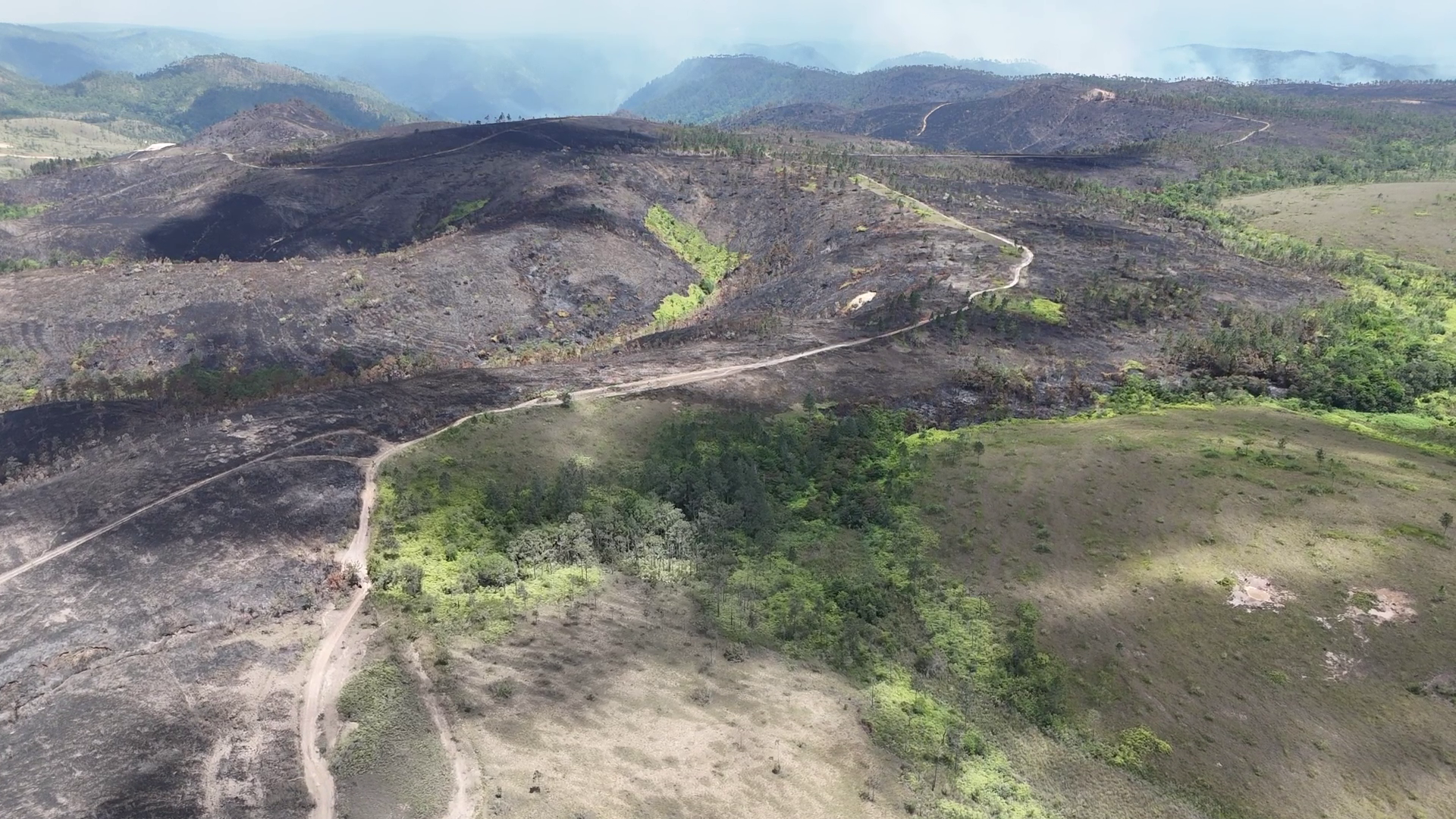
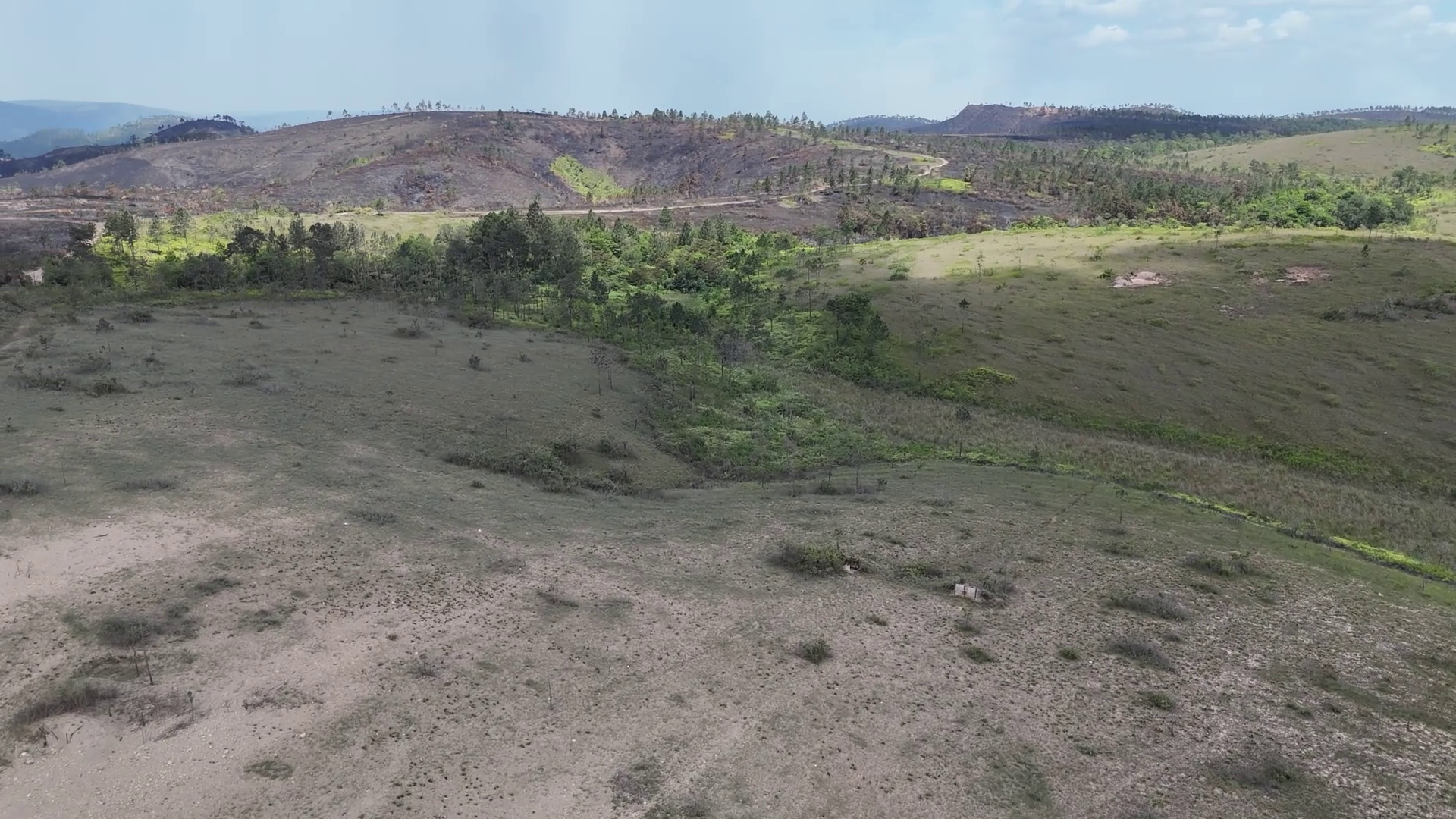
    Nearly a week after an out-of-control wildfire ignited in one of Belize’s most treasured protected ecosystems, public outrage is growing over lapses in security protocols and the rapidly expanding damage to ecologically critical land. As of May 22, 2026, the blaze, which has already scorched hundreds of acres of forest at Baldy Beacon in the Mountain Pine Ridge Reserve, remains active, though officials report it has not yet crossed Roaring Creek, with cooler overnight temperatures expected to help contain the flames this evening.

    The fire, which has already left irreversible scars on the iconic Bald Hills landscape, was started accidentally by military training exercises involving explosives, a fact Belize’s Ministry of Defense has now officially acknowledged – a shift from its previous refusal to accept blame for similar blazes in the region. The conflict over responsibility has pitted former government minister and local landowner Elvin Penner against defense officials, after Penner stepped forward to sound the alarm over what he calls reckless mismanagement that allowed the fire to spread unchecked.

    Penner, a controversial figure who has returned to the public spotlight to push for accountability, told reporters that the Ministry of Defense failed to implement basic safety measures ahead of the explosive training that sparked the fire. Ministry CEO Francis Usher defended the department’s actions, stating that the training area is a designated military zone with strict security protocols to restrict civilian access and prevent unnecessary risk. Usher added that the military has deployed substantial resources to contain the blaze and avoid further destruction of private and public property, noting that while the department accepts accountability, some factors surrounding the fire’s spread were outside of its control.

    But a firsthand on-site inspection by News Five reporter Shane Williams directly contradicted the Ministry’s claims of proper safety barriers. Williams was able to drive within a few hundred yards of the detonation site without encountering any secured blockades; the only obstruction to entry was a fallen tree trunk along the road, and the only warning marker was a small, unnoticeable red rag tied to a tree. The only public notice posted at the entrance to the access road restricts entry solely to logging operations and unauthorized military vehicles, with no mention of active training or fire risk.

    Penner, who owns 10 acres of scorched land in the affected area, said that he has spent a decade cultivating pine trees on his property and intends to file a damage claim against the government. He added that during past joint military training exercises with British forces, the area was always properly barricaded, marked with clear warning signs, and patrolled by personnel to keep civilians out. When the military withdrew from the area years ago, much of the land was transferred to private owners, but the Ministry of Defense returned to resume training without updating its safety protocols to account for the new private land holdings.

    Conservation groups, including Friends for Development, which maintains a former British military base in the area for conservation work, are now leading efforts to protect the remaining intact forest. Ecologists and local residents warn that the fire carries far-reaching risks beyond the immediate reserve damage: Baldy Beacon Valley feeds directly into the Macal River, which connects to the Belize River – the main source of drinking and irrigation water for more than half of Belize’s population. Ash, sediment, and toxins from the burned vegetation could contaminate the watershed for months to come if the fire is not fully contained quickly.

    As cooler weather is forecast to aid containment efforts, the core debate over accountability for the damage and future regulation of military training in protected ecological zones remains unresolved.

  • ‘Misleading and Political’: Elvin Penner Rejects Land Grab Narrative

    ‘Misleading and Political’: Elvin Penner Rejects Land Grab Narrative

    A political firestorm has erupted in Belize around long-simmering accusations against former government minister Elvin Penner, who is now pushing back forcefully against claims that he improperly fast-tracked land titles for multiple parcels located inside a Belize Defence Force (BDF) training zone in the lead-up to the 2020 general election. The allegations, first leveled by Defense Chief Executive Officer Francis Usher, frame the land acquisition as a hasty, last-minute power grab carried out during the COVID-19-disrupted election cycle. But Penner has rejected every element of the narrative, calling the claims misleading, factually inaccurate, and motivated entirely by partisan political opportunism.

    In a detailed on-camera rebuttal of the accusations, Penner laid out a timeline that directly contradicts claims of rushed approval. He emphasized that the full process from initial application to final title transfer stretched across half a decade, rather than the accelerated months-long timeline alleged by his critics. A core point of contention in Penner’s defense is the location of the disputed parcels: he clarifies that the military training zone was formally established around existing privately held land, not that he acquired land already designated for military use. In his view, the narrative that he encroached on defense property has been intentionally inverted for political gain.

    Penner also pushed back against claims that he seized hundreds of acres of prime government land, dramatically downplaying the total size of the disputed holdings. The parcels at the center of the controversy add up to just 35 acres total, he explained, a plot that was originally registered entirely in his name before he subdivided it into seven smaller parcels for family members. He confirmed that he does own a much larger adjacent holding of roughly 1,000 acres, but stressed that this property was privately purchased through fully legal channels and has been held as private land for decades, with no connection to the government allocation at the heart of the allegations.

    The former minister also addressed insinuations that he received special preferential treatment from the then-ruling United Democratic Party (UDP) government to secure the land. Penner, who is a member of the UDP, countered that the 12-year timeline to complete the subdivision and approval process is itself proof that no favors were extended. “Am I not entitled to a little piece of Belize where nobody else wanted it – with some other family members through the proper process?” he asked in his remarks, arguing that he followed every regulatory requirement. He noted that the land went through official survey, inspection, and review steps, with approval from the sitting minister at the time, resulting in a five-year wait just to secure an initial lease for the property.

    This report is adapted from a verbatim transcript of a televised evening news broadcast from Belize, originally published online on May 22, 2026.

  • Double Murder, Double Guilty: Court Rejects Miguelito’s Story

    Double Murder, Double Guilty: Court Rejects Miguelito’s Story

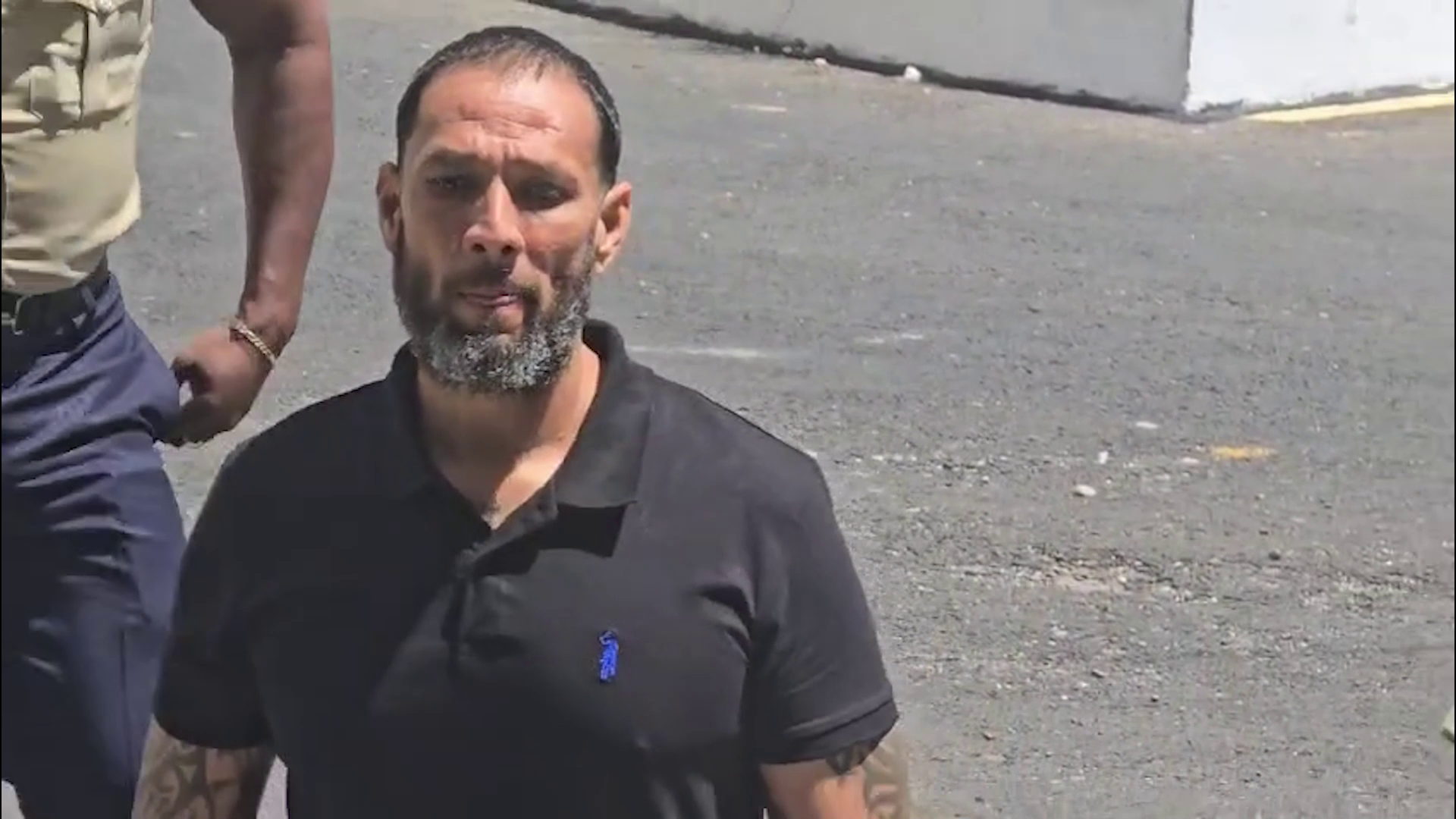
    More than three years after two fatal shootings shook the quiet community of Ladyville, a high court has delivered a guilty verdict in a case that gripped local attention, closing a key chapter in one of the area’s most high-profile homicide investigations. On Friday, May 22, 2026, Justice Candace Nanton found 49-year-old Miguelito Encalada guilty on two counts of murder for the deaths of his wife Desiree Gonzalez and his brother George Rochester, who were gunned down in public during daylight hours back in April 2023.

    From the earliest stages of the investigation, Encalada maintained a consistent claim of innocence: he told responding officers that armed intruders had stormed his local business, opened fire on his family members, and unexpectedly left him alive to tell the story. For years, that narrative formed the backbone of his defense, but prosecutors spent months building a case that dismantled that account entirely.

    The turning point in the trial came from forensic evidence that directly linked the fatal bullets to Encalada’s own legally licensed firearm. After weeks of witness testimony and expert analysis of ballistic records, Justice Nanton ruled that the state had proven its case beyond a reasonable doubt, throwing out Encalada’s version of events entirely. Just minutes after wrapping up her review of the evidence, she delivered the two guilty verdicts to a packed courtroom.

    Relatives of both Gonzalez and Rochester filled the public gallery for the highly anticipated verdict. Multiple onlookers reported that family members reacted with quiet emotion as the ruling was read out, with some wiping away tears after months of waiting for a resolution. The case is now set to move to the sentencing phase, scheduled for July 2026. Justice Nanton has ordered multiple pre-sentencing reports to be compiled, as the court weighs whether to pursue capital punishment for the convictions, which carries the highest possible penalty under Belizean law.

    Local legal observers note that the case has drawn widespread community attention because of the familial connections between the defendant and the victims, as well as the shocking nature of the public shootings that happened in broad daylight. The conviction brings a measure of closure for the families, though the final sentence will not be decided for another two months.

  • Escape in Black SUV Ends in Arrests, Murder Case Cracked

    Escape in Black SUV Ends in Arrests, Murder Case Cracked

    In the peaceful small community of Unitedville, located in Belize’s Cayo District, a brazen fatal shooting that left local resident Allen Gongora dead last month has been cracked by law enforcement just days after the attack, with two people — including a 15-year-old minor — already facing formal murder charges.

    The incident unfolded on the evening of May 19, 2026, when 43-year-old Gongora was gunned down inside his own home. The violent attack sent shockwaves through the normally quiet neighborhood, with local residents immediately reporting hearing multiple gunshots ring out before witnesses observed a male suspect fleeing the property. According to initial investigative accounts, the suspect escaped the scene in a black SUV, fleeing at high speed toward the nearby city of Belmopan.

    In a formal statement confirming the major breakthrough in the case, Assistant Superintendent of Police Stacy Smith, a staff officer with the department, announced that both the 15-year-old male minor and 27-year-old Jevon Ramclam — both residents of Belize City — have been taken into custody and officially charged with murder. Early in the investigation, Smith confirmed that law enforcement believes the killing is tied to illegal drug activity.

    The investigation remains ongoing, with authorities expecting more arrests to come as they continue to untangle the full scope of the conspiracy behind the shooting. Investigators are still processing evidence connected to the firearms recovered in the case, which have been sent to the National Forensic and Science Services Laboratory for ballistic and forensic testing. Smith noted that standard evidence processing protocols are being followed to build a solid case against all parties involved, and law enforcement continues to collect new witness testimony and supporting information to advance the inquiry.

    This case marks another high-profile homicide investigation in the Cayo District, with the quick arrests offering a early resolution for a community that has been on edge since the deadly attack.