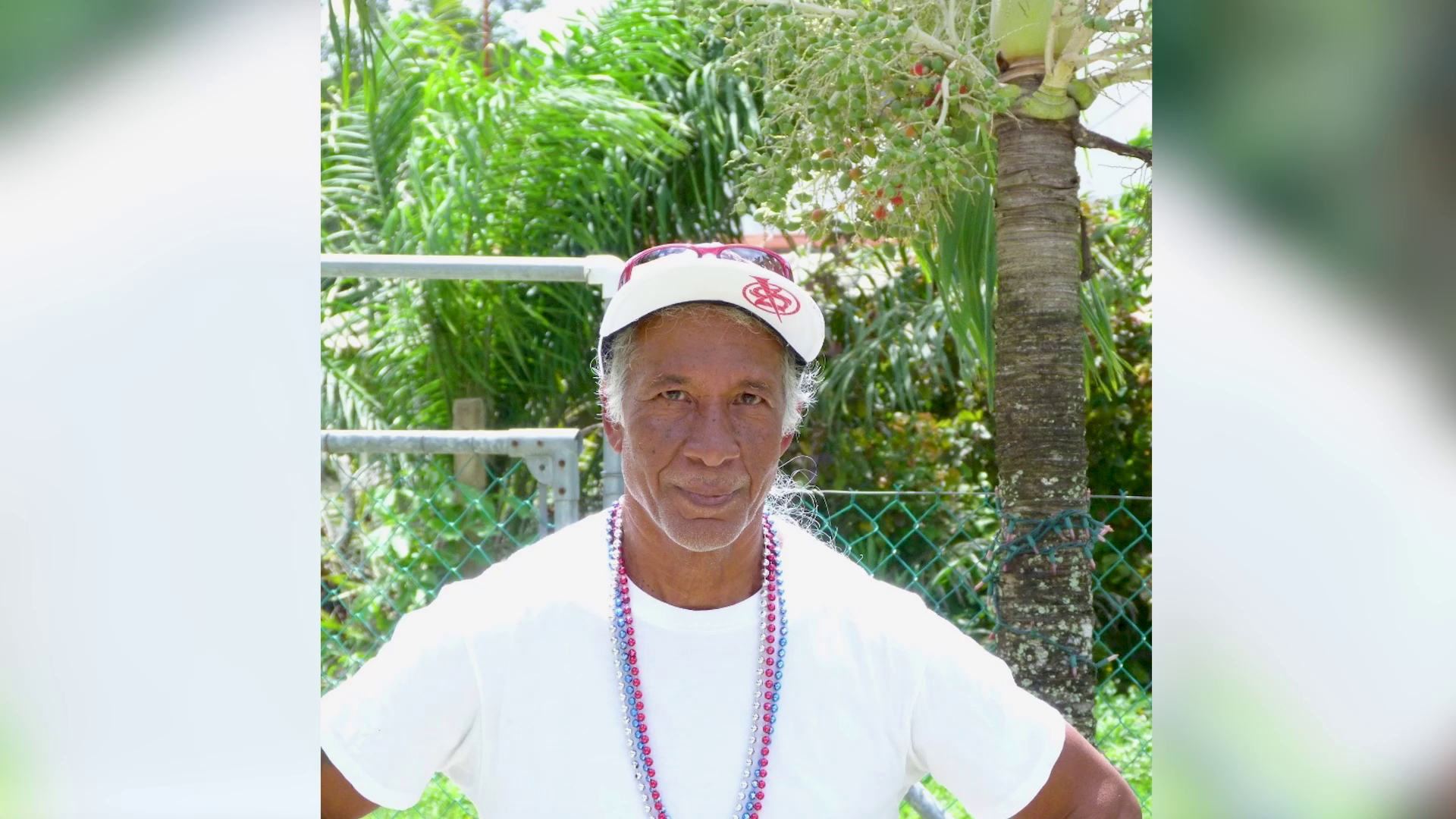
A devastating traffic incident on Staten Island, New York, has left a close-knit family reeling in grief and pushing for answers after a 72-year-old immigrant from Belize lost his life in a collision with a public transit bus on May 15. Leton Meyers, a long-time Staten Island resident originally from Burrell Boom, Belize, died after he fell into the roadway as an MTA bus pulled away from a scheduled stop, and was run over by the vehicle’s rear tires. Official preliminary investigators have outlined this basic sequence of events, but Meyers’ relatives say critical context and undisclosed details about the fatal incident remain out of public view. They are now calling on the Metropolitan Transportation Authority, the state agency that oversees New York’s public bus and rail network, to deliver full transparency and answer pressing questions about how the tragedy was allowed to happen. Those who knew Meyers describe him as a warm, generous and skilled technician who built a meaningful life in New York after relocating from his Central American hometown. A well-respected figure in his local community, he made a habit of opening his home to anyone in need of shelter or support. His death has completely upended his family, relatives said in a statement shared following the incident. “His death has shattered our family,” they shared, asking for support as they grieve and push for accountability. Meyers is survived by his wife, two adult children, and one granddaughter. His granddaughter has spoken publicly about her desire to see her grandfather remembered for the full, kind life he lived, rather than the tragic circumstances of his passing. To cover mounting funeral expenses and allow the family to lay Meyers to rest with the dignity he deserves, relatives have launched a public crowdfunding campaign on the GoFundMe platform. As the family navigates the overwhelming pain of their unexpected loss, their call for transparency remains the core of their effort to honor Meyers’ legacy.
标签: Belize
伯利兹
-
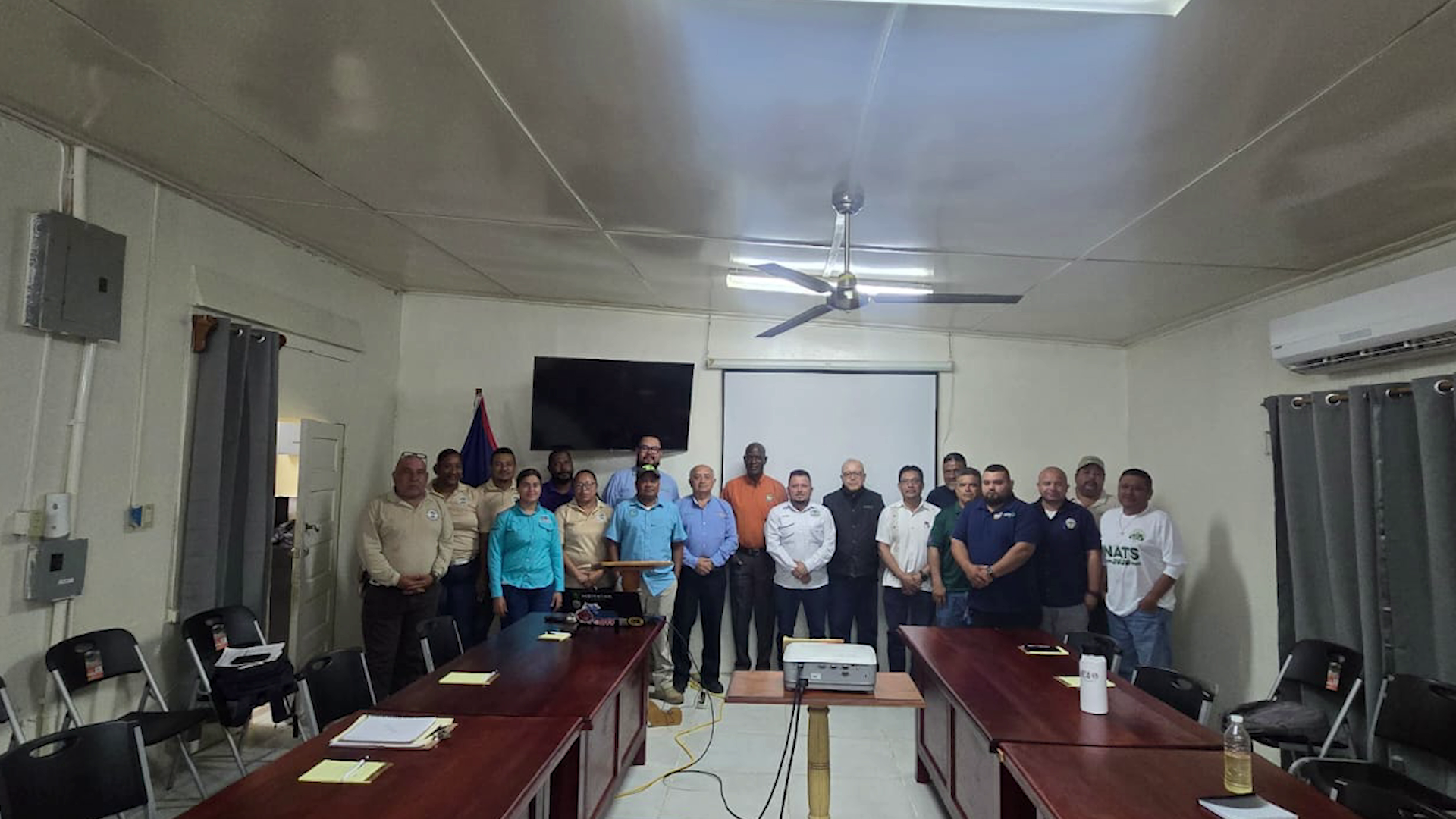
Modern Technology Training Set to Lift Belize’s Livestock Sector
Belize’s livestock industry is poised for transformative growth, as the government advances two interconnected efforts to boost productivity and expand market access: a hands-on modern technology training program launched in partnership with Mexico, and ongoing diplomatic negotiations to renew an expired duty-free trade agreement for beef exports.
Scheduled through the Belize Ministry of Agriculture and funded via the Mexican Agency for International Development Cooperation (AMEXCID), the seven-day practical training initiative is hosted at the Cayo Central Farm. The program centers on upgrading technical proficiency in reproductive technologies for cattle and small ruminants—an intervention expected to drive widespread productivity gains across the country’s entire livestock sector.
Trainees include government agricultural extension officers, university field technicians and practicing livestock specialists. Rather than relying solely on classroom-based theoretical instruction, the curriculum prioritizes real-world, on-site skill-building that participants can directly pass along to smallholder and commercial livestock producers across Belize. Modules cover a range of high-impact practices, from optimized forage management and customized feeding systems that support animal health and growth, to targeted nutritional conditioning designed to improve both the quality and volume of meat and milk output.
Agriculture Minister Rodwell Ferguson, who formally opened the training, emphasized that investing in frontline agricultural professionals is a core priority for the government, as these experts are the primary resource for supporting on-farm innovation among producers. Minister of State Alex Balona also participated in the opening ceremony, underscoring the full weight of government backing for the capacity-building initiative. At its core, the program aims to reduce production inefficiencies, increase per-animal yields, and improve overall profitability for Belizean livestock farmers.
Beyond domestic productivity improvements, Belize is also working to secure critical trade advantages that will allow the growing sector to capitalize on rising international demand. Belizean beef and cattle already enjoy growing popularity in the United States, Canada, and Mexico, with demand from foreign buyers consistently climbing. But the preferential 15% duty-free access agreement that Belize held for the Mexican market expired at the end of 2025, putting the country’s producers at a competitive disadvantage.
Former Agriculture Minister Jose Abelardo Mai explained that renewing this tariff-free status is the most urgent near-term priority for the sector. He noted that while Belizean beef already reaches North American markets beyond Mexico, retaining access to the neighboring Mexican market on favorable terms remains critical for producers. “Mexico imports cattle and beef from Central America to supply its own domestic market, and Belizean product is already integrated into that supply chain,” Mai said. “What we need now is to lock in an extension of the duty-free status we previously held.”
Mai added that diplomatic efforts led by Belize’s Prime Minister and Ministry of Foreign Affairs have already yielded encouraging early results. During former Mexican President Andrés Manuel López Obrador’s visit to Belize, the original duty-free agreement was signed, and now current Mexican President Claudia Sheinbaum has issued a positive response to Belize’s request for an extension, Mai confirmed.
If the extension is finalized, it will grant Belizean livestock producers a much-needed competitive edge in the Mexican market and clear the way for expanded export volumes that align with the productivity gains driven by the new training program. Together, the two initiatives form a coordinated strategy to strengthen Belize’s livestock sector, boost agricultural incomes, and reinforce the country’s long-term national food security, while deepening agricultural cooperation between Belize and Mexico.
-

New Funding Expands Therapy Services for Belizean Children
Dated May 26, 2026 – A transformative new investment in pediatric care across Belize is taking shape, after the Rotary Club of Belize Sunrise announced a $30,000 donation to the Inspiration Center, a leading local provider of therapeutic services for children with diverse abilities. This contribution is far more than a one-time gift: it is the product of months of intentional collaboration between the two organizations, designed to create long-term, tangible improvements for the thousands of Belizean families that depend on the center’s critical programming.
The donation was officially celebrated at a joint gathering this week, where Rotary leadership and Inspiration Center representatives outlined how the funds will be deployed to expand service reach, upgrade critical clinical and operational equipment, and strengthen the center’s core therapy support systems. Adelaide Sabido, president of the Rotary Club of Belize Sunrise, explained that the full $30,000 was raised during the club’s February “Passports and Pours” community fundraiser, selected after the Inspiration Center was prioritized as a high-impact community project by club leadership.
“This isn’t just a one-time check we’re dropping off,” Sabido emphasized. “For two months, we’ve worked closely with the center’s team to map exactly where these funds will deliver the most good. We wanted to make sure they have the resources they need to keep serving children for decades to come – that 5, even 10 years from now, communities across Belize will still feel the impact of this investment.”
The Inspiration Center currently serves children across the entire country, offering specialized physical therapy, speech therapy, and outpatient care to young people with a wide range of disabilities and developmental needs. Carla Hart, chairperson of the Inspiration Center’s board, shared that the center first provided Rotary with a comprehensive list of priority needs, ranging from clinical equipment including hearing screening machinery, to office and program technology, and even a new transport van to expand outreach to underserved rural communities.
While the donation will not cover every item on the wish list, Hart noted that it moves the center dramatically closer to its goal of expanding care to more children across Belize. “Through this collaborative process, we worked together to identify the priorities that will create the biggest immediate and long-term impact,” Hart explained. “This funding goes a very long way to helping us upgrade our services and open access to care for more children with diverse needs from every corner of the country.”
Leaders from both organizations have signaled that the partnership is likely to continue beyond this donation, with future collaborations planned to support the center’s work to build a sustainable, accessible pediatric therapy ecosystem for all Belizean families.
-
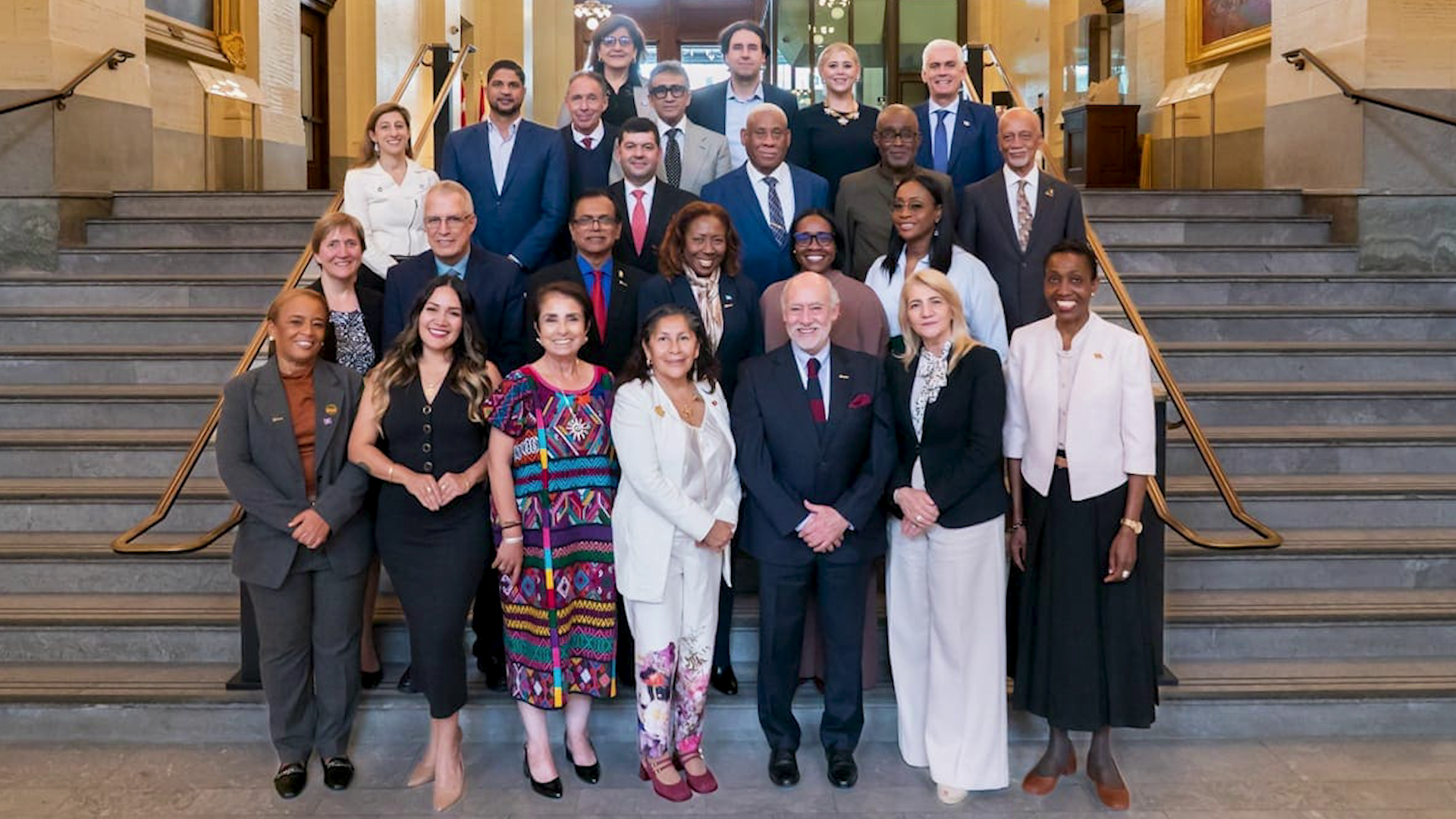
Senate President Returns with Vision for More Inclusive Leadership
Fresh off a high-profile regional diplomatic gathering in Ottawa, Canada, Belize Senate President Carolyn Trench-Sandiford has returned home with new policy insights and a renewed commitment to advancing inclusive, transparent leadership across the country. Trench-Sandiford represented Belize at the 22nd ParlAmericas Plenary Assembly, a leading forum that brings together parliamentary stakeholders from across the Western Hemisphere to address shared challenges and advance regional cooperation.
During the assembly, Trench-Sandiford took on a key leadership role, moderating a pivotal high-level discussion focused on two pressing priorities for democratic governance: how national legislatures can increase public accessibility to institutional processes to build broader citizen trust, and how inclusive legislative practices can drive more equitable, robust economic decision-making. The plenary gathered a diverse cohort of heads of parliament, senior policymakers, and governance experts from across the Americas, who gathered to tackle interconnected, high-stake issues spanning technological innovation, cross-border security, and equitable sustainable development.
Beyond formal agenda items and policy speeches, attendees identified cross-national collaboration and relationship-building as the most valuable outcome of the gathering. The forum created structured space for participating nations to align on policy priorities, refine shared approaches to regional challenges, and lay the groundwork for coordinated action to strengthen broad-based economic growth across the hemisphere. For Belize specifically, the conference marked a critical opportunity to cement the nation’s place in key regional governance conversations, while exporting domestic priorities and importing actionable policy ideas that can strengthen institutional practices at home.
Supported by ParlAmericas for her participation in the assembly, Trench-Sandiford brings back more than just new policy perspectives. She returns with renewed momentum to advance her stated vision of more open, collaborative leadership within Belize’s own legislative framework, with a focus on making governance more accessible and responsive to all segments of the Belizean public.
-

Three Southern Communities Lead Belize’s New Economic Shift
In a groundbreaking shift toward community-led development in Belize, three southern villages — Hopkins, Seine Bight, and Maya Center — have made history as the first pilot participants in the European Union-supported PROSPER project, a four-year initiative designed to turn local innovation into inclusive, long-term economic expansion. Unlike traditional development models that rely on top-down policy planning, this groundbreaking program places direct decision-making power in the hands of local residents, putting community needs and local knowledge at the center of growth strategy.
The project’s priorities span a range of locally rooted economic sectors, from expanding sustainable, eco-friendly tourism infrastructure to scaling up climate-resilient cacao farming and supporting micro and small local enterprises. A core focus of the initiative is expanding equitable economic opportunity, with targeted investment in removing barriers for women and young people — two groups that have historically faced disproportionate barriers to economic participation in rural Belize.
The selection of the three pilot communities was not arbitrary. Each village earned its spot through a rigorous, multi-criteria screening process that evaluated local natural and human resource assets, existing business potential, and demonstrated community commitment to collective development. Their selection now positions these three villages as trailblazers for the program’s next phase, with 12 additional rural communities in the Toledo district slated to join the initiative in the coming months.
Ultimately, the PROSPER project aims to transform a small pilot into a nationwide grassroots movement, building broader economic resilience across rural Belize by empowering local communities to drive their own growth from the bottom up, rather than relying on external planning that does not reflect local needs.
-
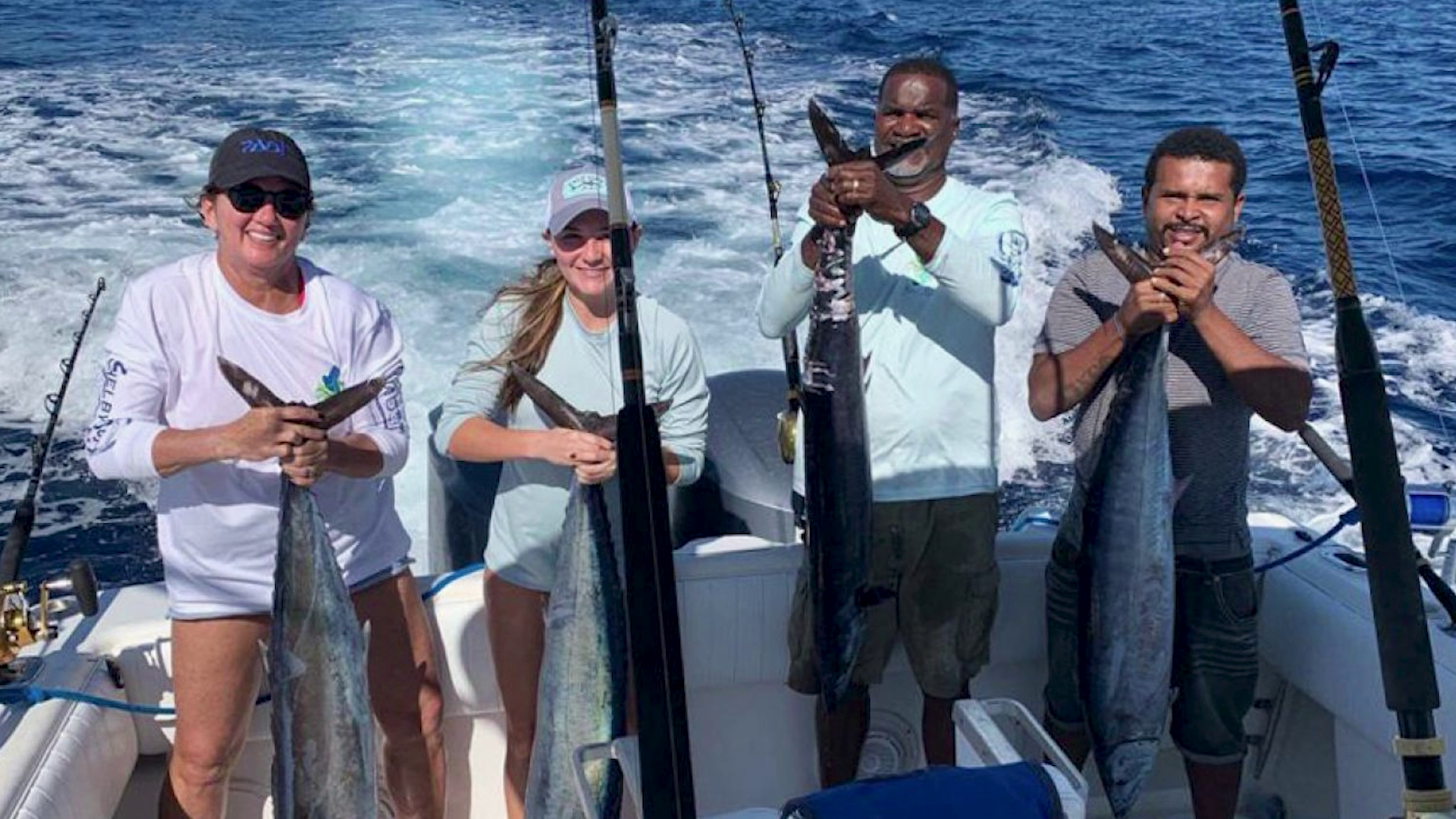
Belize Shines with Two World-Class Fishing Captains
In a landmark win for Belize’s recreational fishing and tourism sector, two local fishing captains have secured one of the industry’s most prestigious international awards, cementing the Central American nation’s status as a world-class angling destination. As of May 26, 2026, Joel Moratoya from San Pedro and Stefan Musa from Belize City have been named recipients of FishingBooker’s 2026 Angler’s Choice Award, an honor that spotlights the most exceptional fishing guides across the globe. The selection process was fiercely competitive: out of nearly 9,500 nominated captains from around the world, fewer than 800 earned a spot on the final award list, making Moratoya and Musa’s inclusion all the more notable.
Unlike many industry awards that only celebrate record catches, the Angler’s Choice Award evaluates guides across multiple critical metrics: consistent service quality, outstanding customer satisfaction, and uncompromising adherence to safety protocols. Both Belizean captains posted an extraordinary 98% reliability score, positioning them among the most trusted and dependable fishing tour operators in the entire Caribbean region.
In an interview following the announcement, Musa shared his thoughts on the global recognition, emphasizing that the award reflects the daily dedication of Belize’s entire community of fishing guides. “There’s a lot of multi-talented guides across the country. We put in a lot of work day to day ensuring our equipment, our boats, our crew, everybody is up to standard, everything is top tier,” he said. Musa added that his team prioritizes vessel safety and works to create a welcoming, positive experience for every visitor, going beyond fishing excursions to help guests explore inland attractions and promote all that Belize has to offer.
When asked what advice he would share with other local guides hoping to earn similar recognition, Muso highlighted core principles for long-term success: unwavering dedication to the craft, discipline, attentive customer service, and a commitment to sustainable fishing practices. “Promote sustainable fishing. Take care of the natural resources for future generations to come. It’s very important,” he noted.
FishingBooker CEO Vukan Simic also praised the two Belizean captains, noting that they have consistently delivered the highest quality fishing experiences across the Western Caribbean’s most iconic angling waters. For Belize, the dual award serves as a major public vote of confidence in the country’s fast-growing reputation as a premier global fishing destination, a key driver of tourism revenue and local economic growth. The achievement also underscores the critical role that experienced, customer-focused local operators play in building Belize’s international brand in the competitive ecotourism and adventure travel space.
-

Heatwave Break: The Rains Are Coming!
For days, communities across Belize have sweltered under relentless high temperatures, but a long-awaited shift in atmospheric conditions is set to bring much-needed relief to the small Central American nation this week, official meteorological data confirms. According to updates from the Belize Meteorological Service, a mass of moist, unstable easterly airflow has entered the region, kicking off a period of storm activity that will break the extended heatwave.
Forecasters have outlined uneven precipitation patterns across the country’s different regions for the coming days. Residents living in central and northern districts can expect scattered showers and thunderstorms to develop starting this evening. For most other areas of Belize, only isolated rain showers are predicted over the period. Southern districts, however, will see a more sustained period of wet weather: frequent showers and thunderstorms are forecast to continue from Tuesday through Thursday.
The incoming rain comes as local authorities have already completed preliminary flood mitigation work ahead of the annual Atlantic hurricane season. The Belize City Council announced last week it had launched a large-scale drain-clearing initiative across communities that face high flood risk, aiming to reduce the threat of standing water and flash flooding once heavy rains arrive. The proactive work is part of the council’s annual pre-hurricane season preparedness push, designed to protect vulnerable neighborhoods and cut down on storm-related disruptions.
The end of the prolonged heatwave comes as welcome news for Belizean residents, who have endured days of elevated temperatures that strained energy systems and raised public health concerns in recent weeks.
-

Police Officer Granted Bail After Gas Station Assault Case
A routine traffic interaction between two serving Belize City police officers erupted into physical violence at a local gas station last week, leaving one officer facing criminal assault charges and already granted court-ordered bail ahead of his upcoming trial.
The incident unfolded on the city’s streets when 31-year-old Police Constable Louis Pascascio allegedly ran a red light at the intersection of Saint Thomas Street, before driving his vehicle into the Puma gas station located on Freetown Road. Fellow officer Police Constable Jose Mejia witnessed the traffic violation, followed Pascascio to the refueling stop, and moved forward to initiate a standard traffic stop for the infraction.
In official statements given to investigators, Mejia told authorities that Pascascio refused to comply with multiple verbal orders to halt his vehicle and remain at the scene. Instead, Pascascio exited his car, advanced directly toward Mejia, and struck him with an open-handed slap that left Mejia with a laceration to his lower lip. Mejia was able to take control of the situation quickly, restraining Pascascio and taking him into custody at the gas station before he could cause further harm.
Pascascio was formally charged with aggravated assault in connection with the altercation, and made his first appearance before a Belize District court this week. Following the hearing, Magistrates granted the officer bail, but imposed a strict restraining condition as part of his release terms: Pascascio is required to stay a minimum of 100 feet away from complainant Jose Mejia at all times until his case concludes. He is next scheduled to appear in court on July 30, when the prosecution will complete the required disclosure of evidence in the case.
Court and police records also uncovered a prior legal incident linked to Pascascio: in 2024, he faced another separate assault charge tied to firearms, which involved well-known Belizean national athlete Shaun Gill. That earlier case was ultimately withdrawn by prosecutors before it could go to trial, leaving no conviction on Pascascio’s record from that incident.
The in-house altercation between two sworn officers has drawn local attention to internal discipline within Belize’s law enforcement community, as the judicial process moves forward to resolve the latest assault allegation.
-

3 Southern Villages Join New EU Job and Farming Project
In a major milestone for rural economic development in southern Belize, three local communities—Hopkins Village, Seine Bight, and Maya Center Village—have formally signed on to become the inaugural participants in the four-year PROSPER project, an international initiative backed by the European Union and implemented in partnership with the Government of Belize and the International Labour Organization. Scheduled to run from 2026 to 2030, the program targets expanded job creation and sustainable farming growth for Indigenous Maya and Garifuna communities across the country, with 12 additional communities in Toledo District set to join later this year after final community consultations conclude.
Unlike many top-down development projects, PROSPER centers on community-led decision-making to ensure that economic gains from local industries—from cultural tourism to agricultural exports—remain in the hands of local residents rather than outside entities. Each participating community will establish a dedicated local action group, giving everyday residents direct voting power to set funding priorities and select which development projects move forward first. This collaborative approach was built into the project from its early planning stages: more than 100 residents from Hopkins and Seine Bight were consulted back in December 2025 to shape project priorities during the pre-launch groundwork phase.
The selection of the first three communities followed a rigorous assessment process that evaluated each village’s existing small business ecosystem, cooperative infrastructure, and overall readiness to launch new development initiatives. Two core pillars anchor the project’s work: the first is expanded investment in sustainable cacao agroforestry, a traditional farming practice that aligns with Belize’s goals for climate-resilient agriculture and economic growth. Local vocational schools will integrate cacao cultivation training into their official curricula, and will receive targeted equipment upgrades and expert training support to deliver high-quality education to new and emerging farmers.
Rodwell Ferguson, Belize’s Minister of Agriculture, emphasized the long-term value of the project’s focus on cacao agroforestry during the signing ceremony. “By investing in and supporting our rural farming communities, we can do more than just boost short-term incomes,” Ferguson noted. “We can strengthen rural livelihoods across the country and build more resilient agricultural systems that will serve generations of Belizeans to come.”
PROSPER’s overarching mission addresses a longstanding challenge in many rural tourism and agricultural economies across the Global South: how to ensure that revenue generated from local land and labor translates into sustained, community-wide prosperity rather than leaking out to external third parties. By centering Indigenous and Afro-Indigenous community leadership, the project aims to create a replicable model for inclusive rural development that can be expanded across Belize and potentially adapted to other regional contexts in the Caribbean and Central America.
-

Mexico Helps Train Belize Farmers in Cattle Farming
A transformative new collaborative livestock training initiative, led by Belize’s Ministry of Agriculture and Mexico’s international development agency AMEXCID, kicked off this week in Cayo District, marking a key step forward in Belize’s push to strengthen and diversify its national agricultural sector.
Over five days, participating agriculture extension officers, technical specialists from the University of Belize, and representatives from the Belize Livestock Producers Association will gather at the Central Farm Extension Office to learn evidence-based modern approaches to cattle rearing. The comprehensive training curriculum covers three core, high-priority areas: sustainable pasture management, targeted nutritional conditioning to boost cattle productivity, and efficiency-focused strategies to cut production waste in both the local beef and dairy segments.
For Belizean smallholder and commercial farmers alike, the program promises tangible long-term benefits: participants are expected to leave with the skills to raise healthier cattle and deliver higher-quality beef and dairy products to both domestic and regional markets. This initiative aligns directly with a recent call for agricultural diversification from Belizean Prime Minister John Briceño, who urged the nation’s large community of sugar cane producers to expand into cattle farming just weeks before the training launched.
Speaking to reporters earlier this month, Briceño emphasized the economic logic behind diversification, noting that stakeholders have spent decades encouraging sugar cane farmers to avoid over-reliance on a single commodity. “We’ve been talking with cane farmers for decades about diversifying, that don’t put all your eggs in one industry, in sugar,” the prime minister said. The new training program turns that policy priority into actionable support, creating clear pathways for sugar producers to build new income streams through cattle rearing while shoring up Belize’s overall agricultural resilience.