标签: Belize

伯利兹

  • Man Charged in Independence Village Mass Shooting

    Man Charged in Independence Village Mass Shooting

    A 21-year-old Belizean construction worker has been formally charged in connection with a deadly mass shooting that disrupted New Year’s Eve celebrations in Independence Village, Stann Creek District. Santos Absolom Chirinos, a resident of Bella Vista Village, faces charges of murder and escape from lawful custody for the killing of 39-year-old Keith Neal during the December 31, 2025 incident.

    The violence erupted at the Feel Good Restaurant and Bar where community members had gathered for holiday festivities. According to police reports, an assailant arrived on motorcycle and opened fire on a specific individual before fleeing the scene. The chaotic shooting left six additional victims wounded from stray gunfire, making it one of the most severe mass shooting incidents in Belize’s recent history.

    Eyewitness accounts describe moments of confusion as attendees initially mistook the gunshots for firecrackers. One surviving victim recounted realizing he had been shot only upon noticing blood, highlighting the sudden and unexpected nature of the attack.

    The deceased victim, Keith Neal, was transported from Southern Regional Hospital to Karl Heusner Memorial Hospital where he subsequently succumbed to his injuries. His sister Shannon Neal remembered him as a humble man deeply devoted to his family, who now seek justice for his tragic death.

    Law enforcement officials indicate significant progress in the investigation, having secured surveillance footage from the establishment and identified a potential motive. Authorities continue to seek two additional persons of interest connected to the case as forensic technicians work to transform the chaotic crime scene into concrete evidence.

  • Inside the Collapse of American Northwest University

    Inside the Collapse of American Northwest University

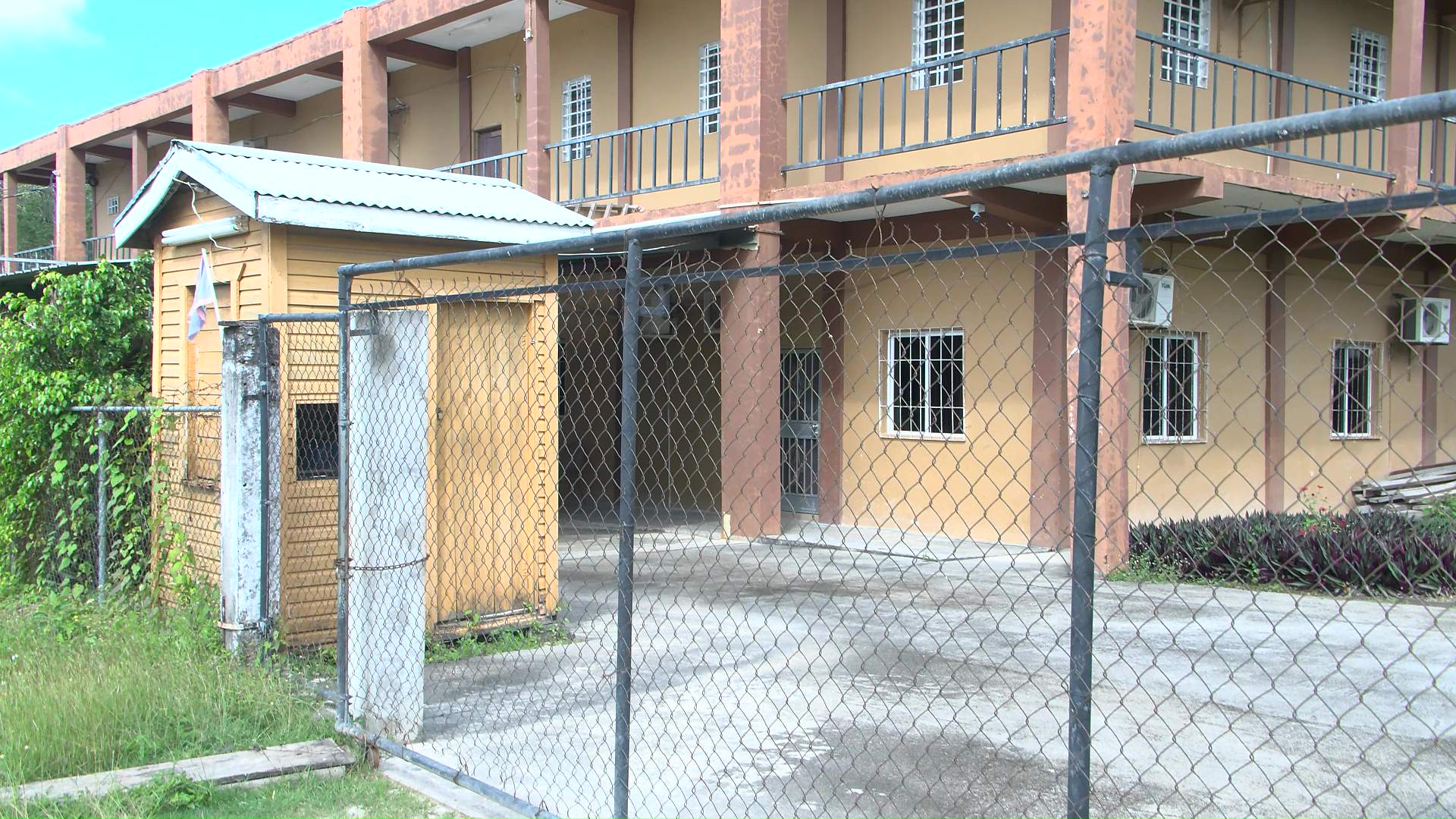
    A promising medical education pathway has disintegrated into chaos as American Northwest University (ANU) in Belmopan, Belize, has abruptly ceased operations, leaving dozens of aspiring physicians in academic and financial limbo. The institution, which aggressively marketed itself as an accredited international medical school offering U.S. clinical rotations, now stands abandoned with its campus chained shut and devoid of staff or academic activities.

    The crisis deepened when Belize’s Ministry of Education confirmed that ANU’s operating charter expired in June 2024 and was never renewed. This revelation came amid emerging legal complications involving a senior figure associated with the institution. According to Becker’s ASC Review, an Illinois physician faces charges exceeding $1 million in alleged Medicaid and Medicare fraud, including permitting an unlicensed individual described as a medical student from a non-certified institution to treat patients during his absence from the country.

    Education Minister Francis Fonseca acknowledged the severity of the situation, stating: “We believe this matter will be resolved very quickly. The reality is that the university’s charter expired and was not renewed because they failed to meet the terms and conditions.” The ministry is now collaborating with the University of Belize, which recently established its own medical school, to facilitate potential student transfers.

    Despite these efforts, affected students report losing thousands of dollars in tuition and years of academic investment without refunds or formal notification. Compounding their distress, many fear speaking publicly after receiving legal threats from university representatives warning of defamation action. The institution’s director allegedly claimed to possess evidence of legitimacy despite operating without valid authorization for over eighteen months.

    The complete absence of transparency, coupled with the ministry’s delayed response, has created an environment of uncertainty and apprehension among international medical students whose career aspirations now hang in precarious balance as investigations continue.

  • Eight-Year-Old ‘Lucky to Walk Again’ After Being Struck by Motorcycle

    Eight-Year-Old ‘Lucky to Walk Again’ After Being Struck by Motorcycle

    A severe traffic incident involving an eight-year-old student has ignited urgent conversations about road safety measures near educational institutions. Karter Benedit, a second-grade pupil at Holy Family RC Primary School, sustained significant injuries when a motorcycle struck him in Hopkins Village this past Tuesday. The accident occurred shortly after school dismissal as Benedit was crossing the street alongside classmates.

    Emergency services transported the critically injured child to Southern Regional Hospital where medical personnel performed immediate surgical interventions. Benedit’s mother, Dydy Martinez, provided disturbing details regarding her son’s condition, noting visible muscle tissue exposure in his leg and multiple deep lacerations requiring approximately fifteen stitches across his back and head. Additionally, the young victim suffered substantial facial swelling and extensive abrasions.

    Medical professionals indicated the family should consider themselves extraordinarily fortunate, as the boy’s white tissue—likely referring to bone or deep connective tissue—remained intact despite the traumatic impact. Specialists emphasized that damage to this critical anatomical structure could have resulted in permanent mobility impairment.

    Law enforcement authorities have detained the motorcycle operator pending formal investigation into the circumstances surrounding the collision. The victim’s family has publicly criticized the absence of adequate safety protocols near the school premises, specifically highlighting the lack of crossing guards and necessary traffic calming infrastructure like speed bumps. This incident has amplified existing concerns about vehicular compliance with school zone regulations and enforcement effectiveness.

  • Motorcycle Accidents Renew Safety Concerns

    Motorcycle Accidents Renew Safety Concerns

    A disturbing pattern of motorcycle accidents in Belize has sparked urgent national concern and prompted government action in the opening days of 2026. The recent tragedies include the fatal collision involving Brian Miguel, who was thrown from his motorbike during an incident with a Ford F-150 on the George Price Highway on January 3rd. In a separate incident, eight-year-old Karter Benedit of Hopkins Village remains hospitalized after being struck by a motorcycle while crossing the street after school.

    These incidents have intensified calls for comprehensive road safety reforms, particularly emphasizing protection for pedestrians in school zones and addressing concerns about reckless riding practices. The alarming frequency of these events has highlighted the severe consequences for both riders and vulnerable road users.

    In response to the growing crisis, Transport CEO Chester Williams revealed that Cabinet is actively reviewing enhanced motorcycle safety measures. The proposed initiatives include overhauling training requirements with government subsidies for riders. Under the contemplated system, experienced riders with 2-5 years of infraction-free operation would undergo partial training, while new applicants and those with less than two years of experience would complete comprehensive government-subsidized training programs.

    Williams confirmed that the Ministry of Transport has prepared an information paper for Cabinet consideration at next week’s meeting, which is expected to provide definitive direction on motorcycle training protocols. The Transport CEO emphasized that Prime Minister himself recognizes the essential nature of proper training, indicating strong governmental support for these initiatives.

    Enforcement measures will also be significantly strengthened with Cabinet approval for additional traffic officers, aiming to expand the department to approximately 200 personnel capable of conducting 24-hour highway enforcement. The enhanced enforcement capabilities will include advanced equipment such as body cameras for officers, dashboard cameras for vehicles, speed detection devices, and breathalyzers to comprehensively address traffic safety concerns.

  • Civil Aviation Pushes Forward on Drone Regulations

    Civil Aviation Pushes Forward on Drone Regulations

    The Belize Department of Civil Aviation (BDCA) has initiated a comprehensive review of national drone regulations following substantial feedback from industry operators and stakeholders. Director Nigel Carter confirmed the agency is actively revising existing frameworks through an ongoing consultation process that will include open public meetings.

    This regulatory overhaul represents a significant development for Belize’s expanding drone community, balancing operational flexibility with national security requirements. The BDCA emphasizes that while recognizing drones as legitimate commercial tools, the primary objective remains ensuring safe integration with manned aviation within Belize’s airspace.

    Carter outlined specific criteria for effective stakeholder participation, stating concerns must be accompanied by alternative proposals rather than general objections. The department employs a rigorous risk assessment methodology for each substantiated concern, implementing changes only when safety standards remain uncompromised.

    The forthcoming regulations aim to establish structured operational parameters for commercial and recreational drone usage while addressing national security priorities. Industry participants anticipate these developments will provide clearer operational guidelines while maintaining safety protocols essential for Belize’s aviation ecosystem.

  • Public Pressure Forces Thirteenth Amendment Withdrawal

    Public Pressure Forces Thirteenth Amendment Withdrawal

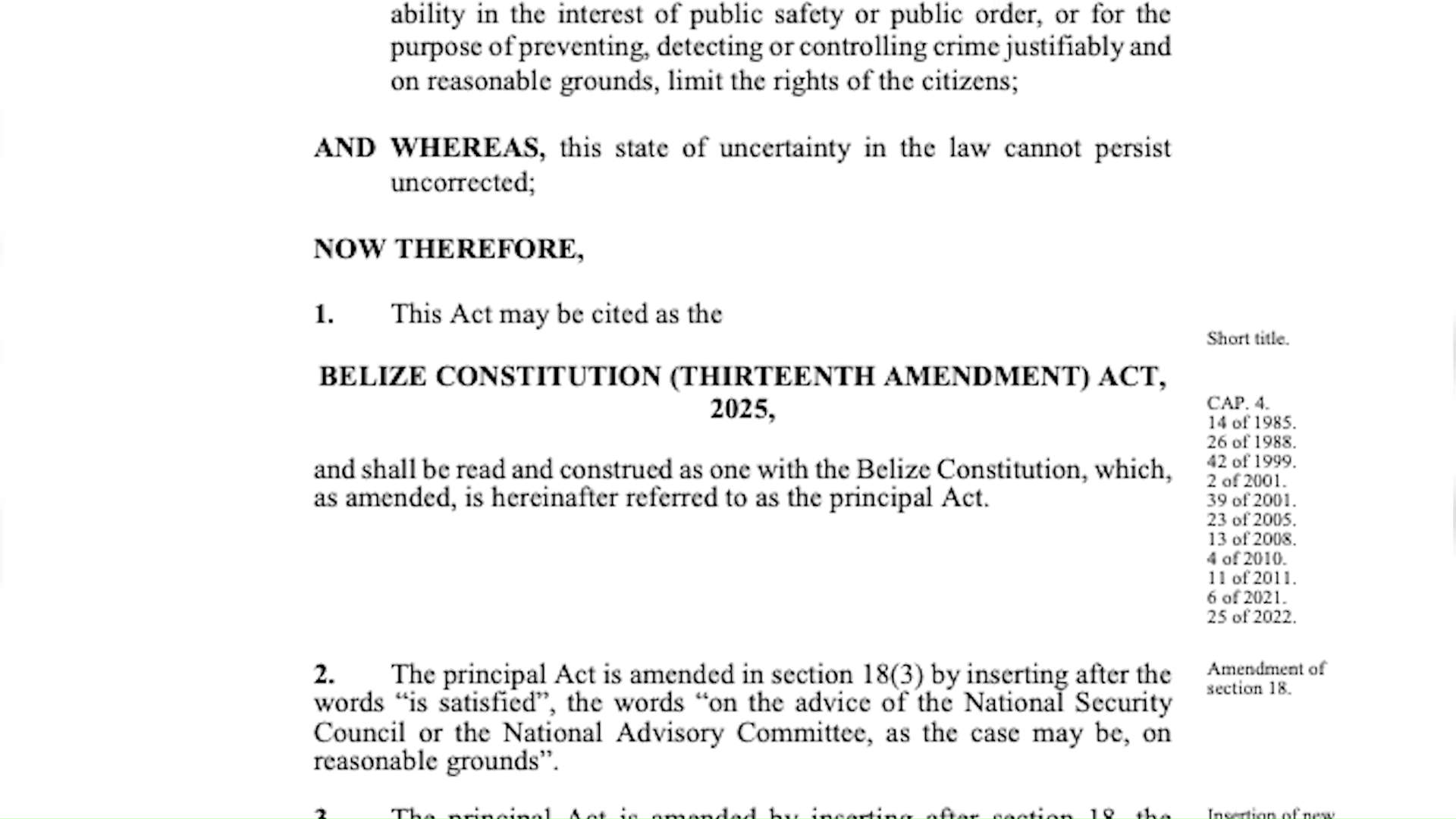
    In a significant policy reversal, the Belizean government has officially withdrawn its proposed Thirteenth Amendment to the constitution following substantial public opposition. The controversial legislation, which had sparked nationwide debate, faced mounting criticism from civil society organizations and citizens who argued the measures would undermine civil liberties while failing to address fundamental crime prevention strategies.

    The National Trade Union Congress of Belize (NTUCB) emerged as a leading voice against the amendment, consistently warning that the proposed changes would disproportionately impact ordinary citizens rather than enhance community safety. NTUCB President Ella Waight confirmed the government’s decision, revealing that Prime Minister John Briceño has committed to pursuing alternative legislative approaches through modifications to the criminal code instead of constitutional amendments.

    According to Waight, the revised approach will require any state of emergency (SOE) declarations to receive approval through the National Security Council, creating a more inclusive and progressive framework for addressing security concerns. This procedural change aims to prevent ordinary citizens from becoming inadvertently entangled in security operations while conducting their daily activities.

    The government’s retreat represents a notable victory for civic engagement in Belize, demonstrating how sustained public pressure can influence policymaking at the highest levels. The development underscores the continuing tension between security measures and civil liberties in addressing crime-related challenges across the nation.

  • No Ombudsman, Fewer Safeguards for Belizeans

    No Ombudsman, Fewer Safeguards for Belizeans

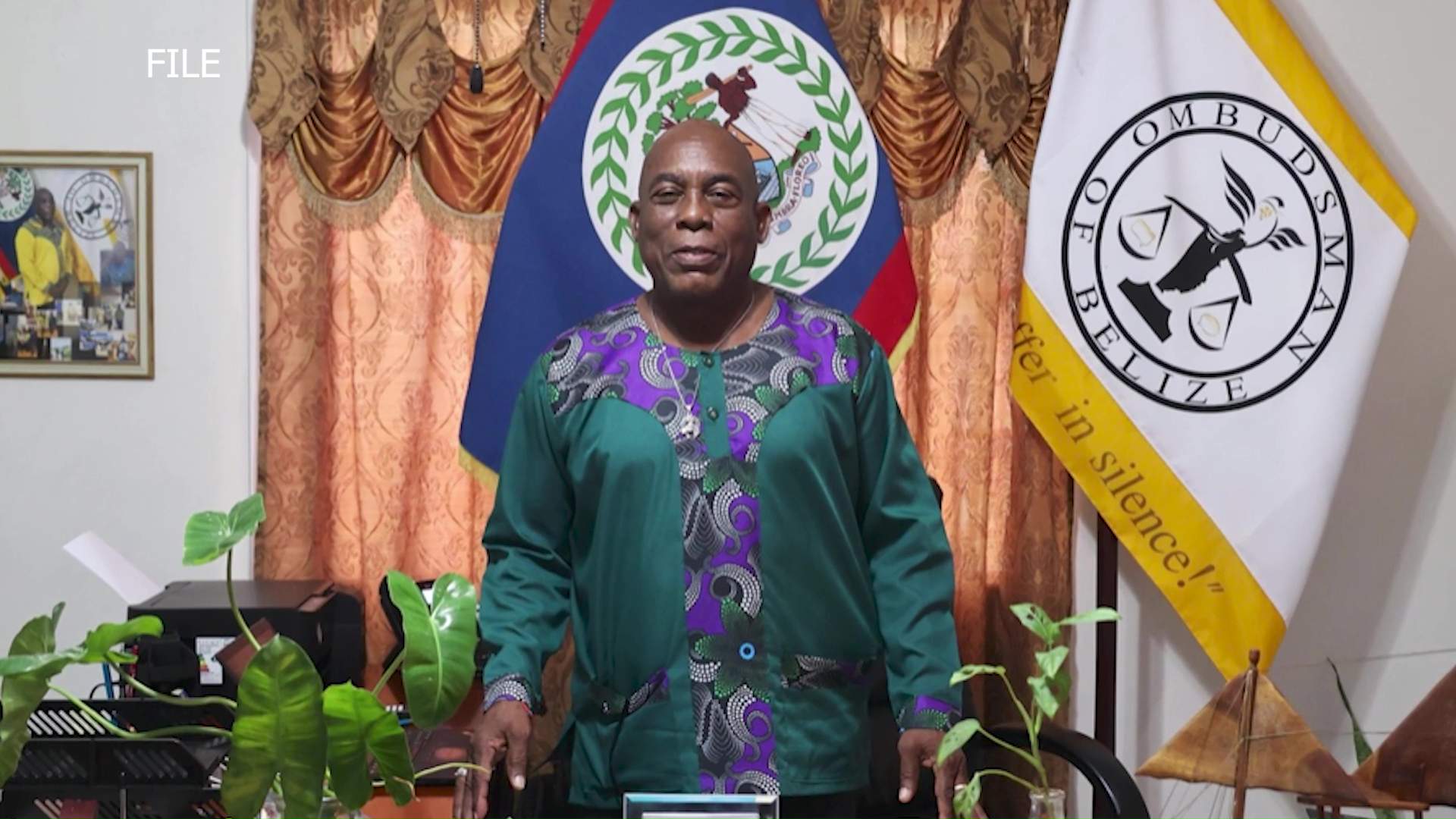
    Belize faces a significant governance crisis as the crucial Office of the Ombudsman remains unoccupied, creating what watchdogs describe as a dangerous protection gap for ordinary citizens. The vacancy emerged following the non-renewal of the previous Ombudsman’s contract, leaving the nation without its primary mechanism for addressing grievances against public authorities.

    The National Trade Union Congress of Belize (NTUCB) has issued a stark warning about the implications of this vacancy. According to NTUCB President Ella Waight, the absence undermines governmental accountability and disproportionately affects economically vulnerable citizens who rely on the office for free legal assistance when facing unfair treatment by police, government departments, or other public entities.

    Waight expressed particular concern about public perceptions surrounding the contract non-renewal, suggesting it creates the appearance of governmental retaliation against an official merely exercising constitutional duties. “If that is the perception the public is getting out there, that is a bad perception,” Waight stated, emphasizing that the Ombudsman’s operational independence should remain inviolable.

    The situation represents a recurrence of a previously problematic pattern for Belize, which has experienced similar vacancies in past years. The Office of the Ombudsman serves as a critical check on administrative power, providing citizens with an accessible alternative to costly legal proceedings when challenging official misconduct or malpractice.

    This development raises fundamental questions about Belize’s commitment to institutional safeguards and democratic accountability mechanisms at a time when citizens’ trust in public institutions remains paramount for national stability.

  • Fonseca Defends Vacancy, Promises New Ombudsman

    Fonseca Defends Vacancy, Promises New Ombudsman

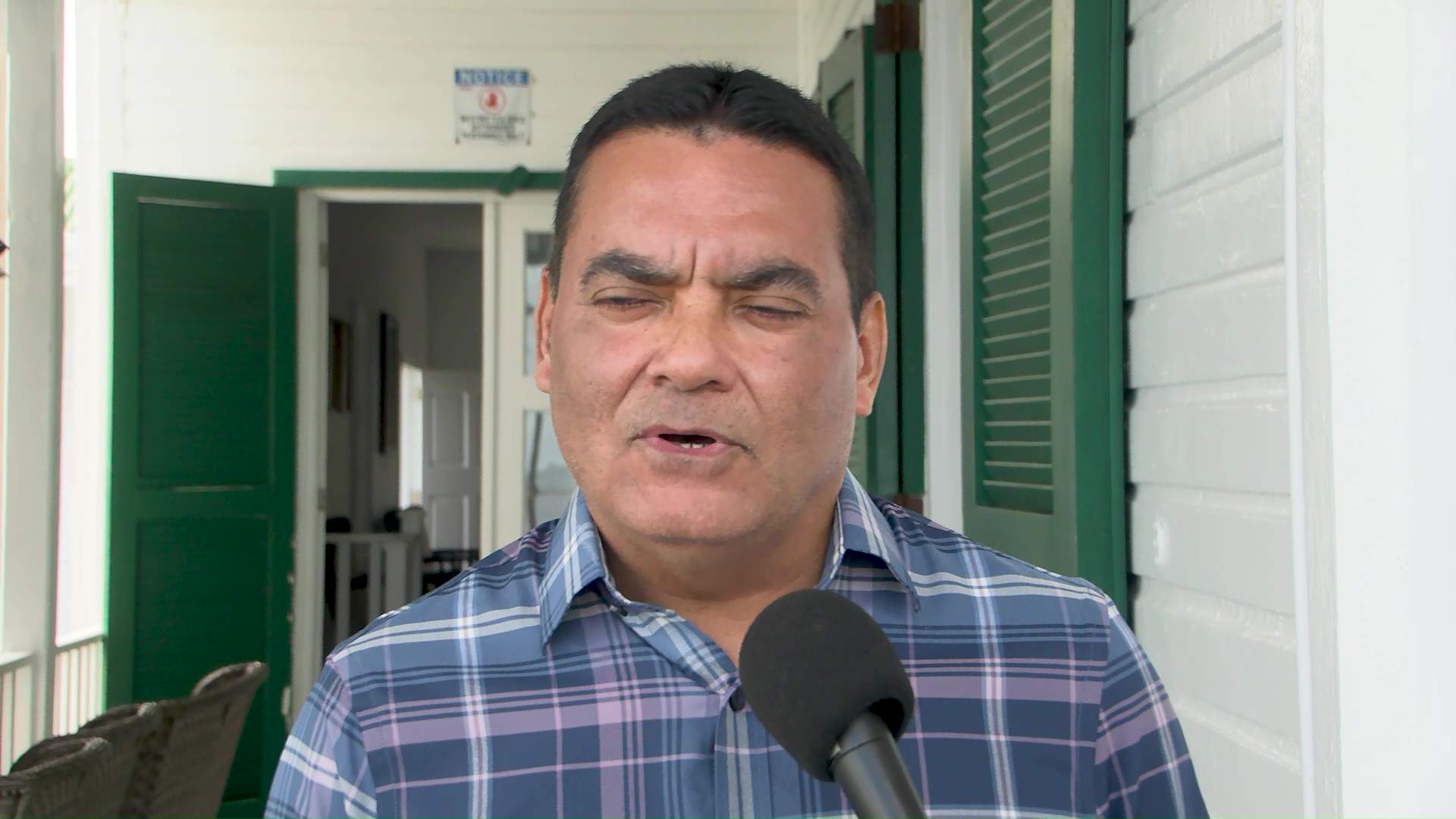
    Foreign Minister Francis Fonseca has publicly addressed the ongoing discourse surrounding Belize’s vacant Ombudsman position, asserting the government’s constitutional prerogative in making appointments. During a recent press engagement, the senior Cabinet member clarified that the administration had no legal obligation to renew the contract of former Ombudsman Major Swaso, despite acknowledging his satisfactory service and personal respect for the official.

    Fonseca emphasized the relative brevity of the current vacancy, noting that merely one week has passed since the position became unoccupied. Drawing comparative analysis with previous administrations, he highlighted that the United Democratic Party government had left similar oversight roles unfilled for extended periods exceeding two years—a scenario he maintains has not occurred under the current leadership.

    The Foreign Minister provided assurances regarding the imminent appointment process, indicating that a replacement candidate would be identified within the coming weeks. According to Fonseca, the selection criteria will prioritize professional qualifications, demonstrated competence, and the confidence of the Belizean public. This appointment will restore the critical oversight mechanism designed to address citizen grievances against governmental entities.

    The Ombudsman’s office serves as an essential institution in Belize’s governance framework, operating as an independent authority responsible for investigating complaints of maladministration within public services. The vacancy has sparked public discourse regarding governmental transparency and accountability mechanisms.

  • Will PM Briceño Agree to Regular Union Meetings?

    Will PM Briceño Agree to Regular Union Meetings?

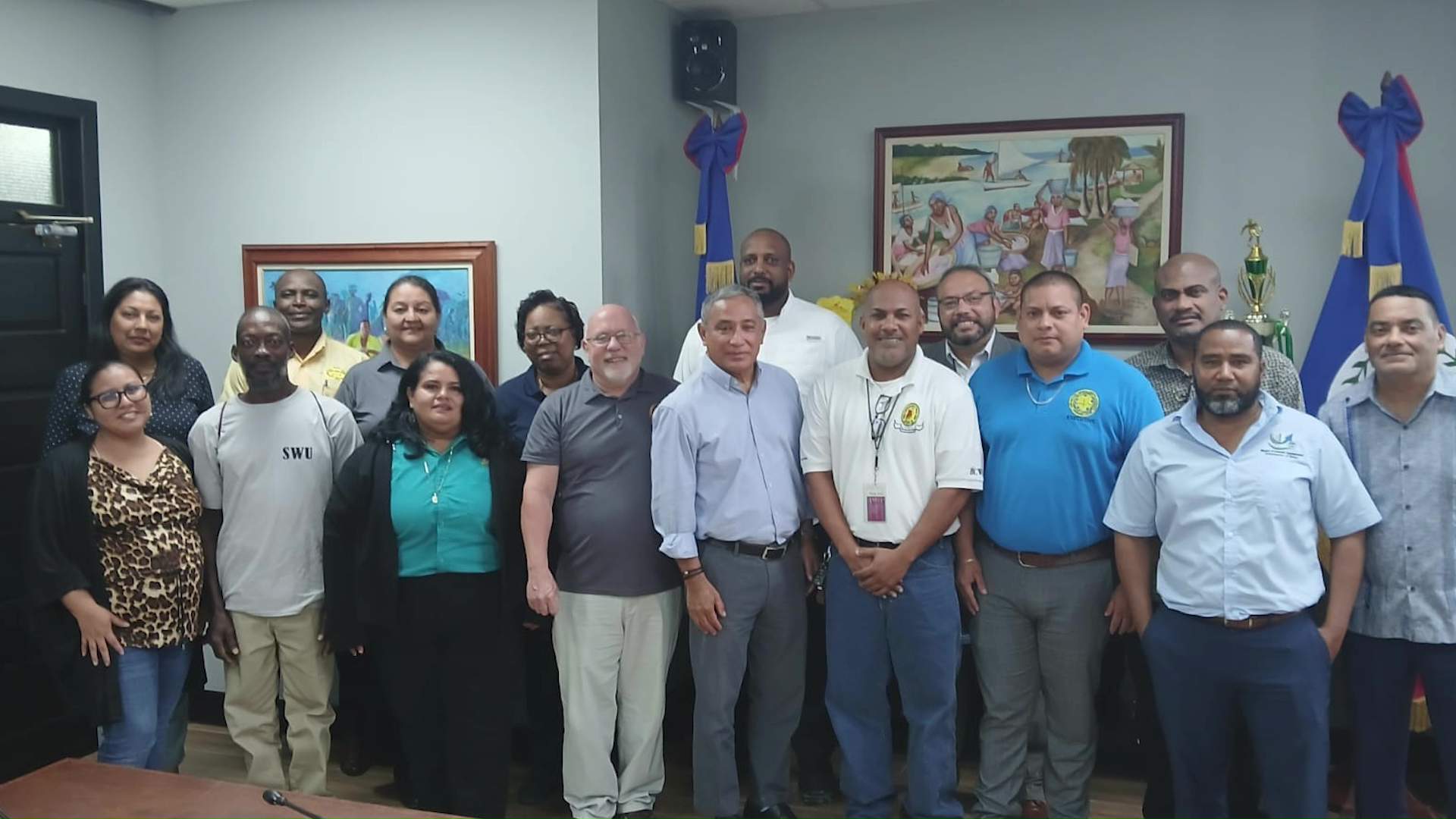
    Belize’s labor movement is advocating for institutionalized dialogue with the national government. Ella Waight, President of the National Trade Union Congress of Belize (NTUCB), has formally proposed establishing quarterly meetings with Prime Minister John Briceño and his administration to ensure transparent governance and responsible fiscal management.

    The proposal, initially presented during their first engagement in November 2024, seeks to create a structured framework for addressing national issues affecting workers. Waight emphasizes that consistent communication would prevent disruptions in government services and foster collaborative problem-solving between employers, employees, and policymakers.

    “We envision a partnership dynamic with the government,” Waight stated. “This nation’s productivity depends on our collective ability to optimize limited resources through wise expenditure decisions.”

    The union leader connected these proposed dialogues directly to worker benefits, noting that requests for salary adjustments and expanded parental leave provisions must be considered within the context of finite public funds. Regular engagement, she argues, would create a mechanism for evaluating these demands against broader national priorities.

    This initiative represents a strategic approach to labor relations that prioritizes prevention over reaction, aiming to address concerns before they escalate into conflicts that could impact public service delivery and economic stability.

  • Transferred Police Officers Still Owed Allowances Months Later

    Transferred Police Officers Still Owed Allowances Months Later

    Dozens of Belizean police officers are experiencing significant financial hardship due to unresolved payment delays spanning several months to years. Investigations reveal approximately two dozen officers who underwent transfers or promotions continue awaiting essential financial entitlements, including transfer grants, housing allowances, and corresponding salary adjustments.

    One particularly concerning case involves an officer promoted and relocated to Belize City over twelve months ago who has yet to receive any form of increased compensation. This situation persists despite accumulating costs associated with working substantial distances from their original residence. Another officer transferred from Belmopan to Belize City has endured nearly two years of financial uncertainty, undertaking daily commutes without receiving the officially promised allocations.

    When confronted regarding these delays, Ministry of Home Affairs Chief Executive Officer Rear Admiral Elton Bennett stated he lacked awareness of the payment issues but emphasized that no policy changes had occurred regarding entitlement distributions. Bennett reaffirmed that all officers would ultimately receive their legally mandated compensations.

    National Trade Union Congress of Belize (NTUCB) President Ella Waight has publicly offered institutional support, urging affected officers to seek union assistance. Waight clarified that NTUCB representation extends beyond unionized workers to all Belizean laborers, while simultaneously encouraging direct engagement with the Public Service Union. The union leader characterized the prolonged delays as unacceptable in modern administrative contexts and pledged organizational intervention should the situation reflect retaliatory motives.