标签: Belize

伯利兹

  • Former BEL Workers Protest Outside National Assembly

    Former BEL Workers Protest Outside National Assembly

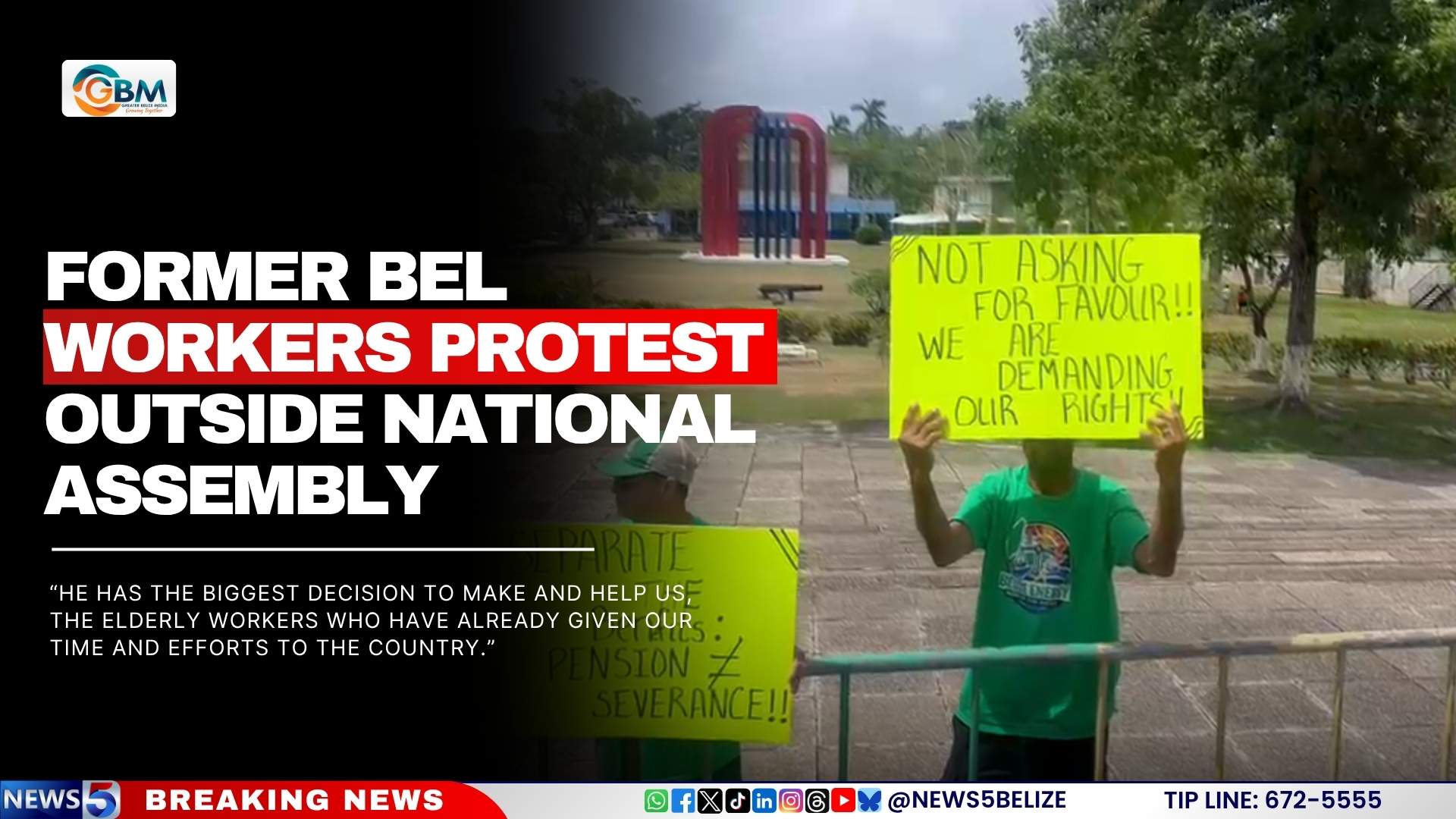
    On June 4, 2026, as Belize’s legislative body gathered for its scheduled sitting at the National Assembly, a small but determined cohort of ex-employees of Belize Electricity Limited (BEL) assembled outside its gates to amplify their months-long fight for unpaid severance compensation.

    Organized under the banner of Belize Energy Workers for Justice, the group centered its demands on urgent government intervention to break the months-long stalemate that has left their severance claims unaddressed. Though their numbers were limited, the protesters made their voices unequivocally clear: they are calling for Prime Minister John Briceño to personally intervene in the dispute, framing him as the only decision-maker with the authority to deliver a just resolution.

    In an interview with local outlet News Five, Dorla Staine, a group representative and former BEL worker, outlined the exhaustive steps the group has already taken to resolve the issue outside of legal channels. “We have tried other means. We have protested before. We had press conferences; we have spoken to the minister,” Staine explained, noting that every prior attempt at negotiation has failed to produce a meaningful outcome.

    Staine added that officials previously committed to elevate the dispute for a full Cabinet review and examination by the Office of the Attorney General, with pledges of support for the workers’ cause. To date, however, no satisfactory resolution has been reached. Compounding the group’s frustration, BEL has signaled it intends to return to court to re-litigate a matter that has already received a formal ruling, a move Staine says the former workers find baffling.

    The choice to protest during a sitting of the House of Representatives was deliberate, Staine emphasized. For the elderly former workers who dedicated decades of their labor to the national utility, the prime minister’s direct attention is the last best hope for ending the impasse before it moves to a drawn-out legal battle. “He has the biggest decision to make and help us, the elderly workers who have already given our time and efforts to the country,” she said.

  • Thousands of Students Put Skills to the Test in Nationwide Assessment

    Thousands of Students Put Skills to the Test in Nationwide Assessment

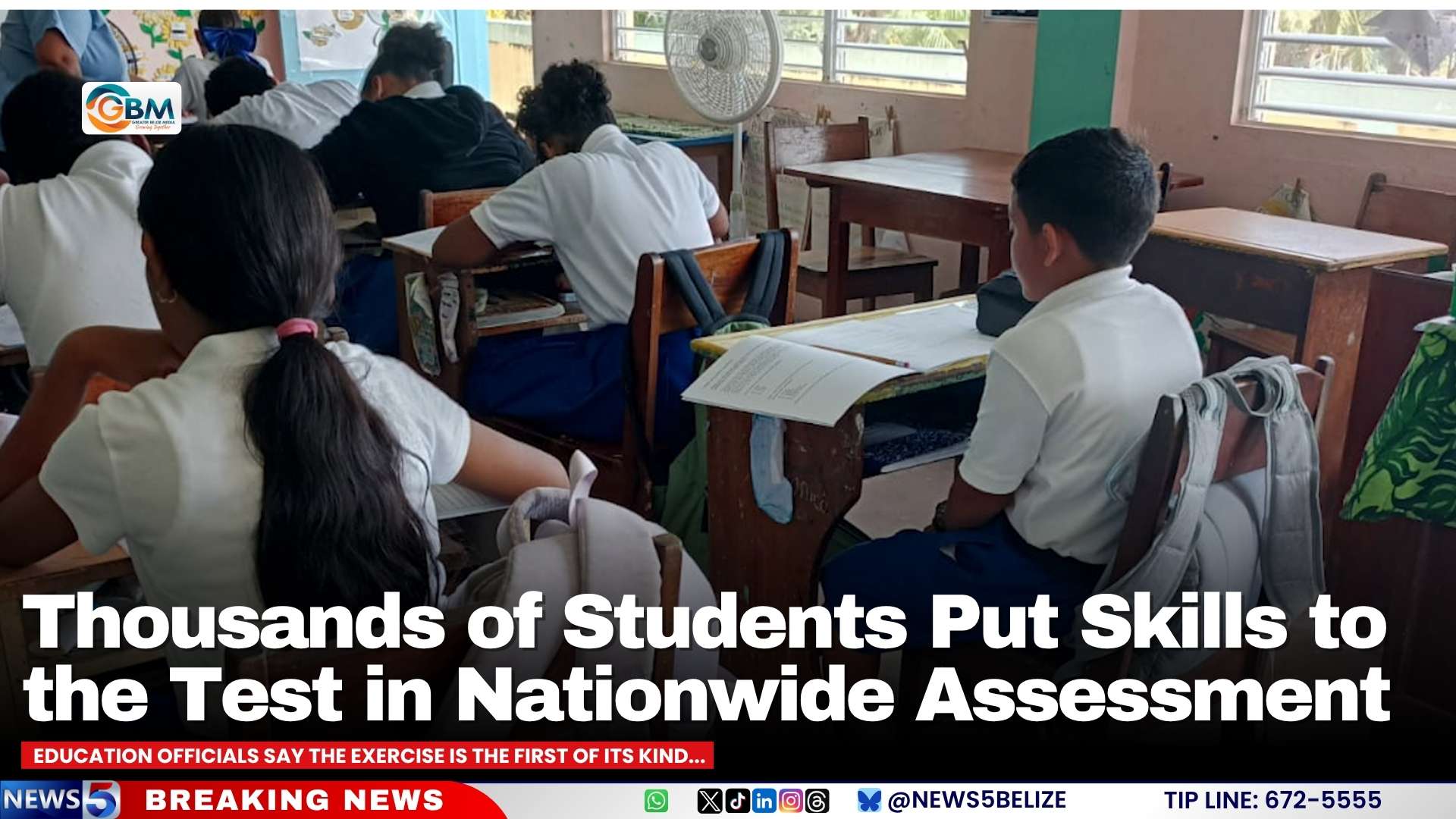
    In a groundbreaking step for Belize’s education system, more than 20,000 primary school students across the nation are currently participating in the country’s first simultaneous multi-grade nationwide academic assessment, a comprehensive initiative designed to map current learning outcomes and target targeted support for students and institutions.

    The assessment is being rolled out across 287 primary schools, including students from three distinct grade levels: Standard One, Standard Four, and Standard Six. The two-day testing schedule kicked off on Wednesday with the Language Arts examination, after which students returned to their regular classrooms on Thursday to complete the Mathematics portion of the assessment.

    Dian Maheia, Chief Executive Officer of Belize’s Ministry of Education, highlighted that this large-scale, simultaneous assessment across multiple grade levels has never been attempted in the country before. She explained that the core goal of the exercise is to give education stakeholders at every level a clear, data-driven snapshot of where students currently stand in their core academic skills.

    “This initiative gives us the chance to get a really solid understanding of student performance across the entire country, across three key grade levels all at once,” Maheia noted in an interview. “From the Ministry of Education down to individual classroom teachers, every stakeholder will get actionable insights from the results.”

    According to Maheia, the data collected from this assessment will serve as a critical foundation for improving education outcomes across Belize. By identifying which learning areas are already strong and which gaps exist, education officials can better allocate limited resources, adjust instructional strategies to meet student needs, and ensure that extra support reaches the schools and students that require it most.

    “If we know exactly where our students are in their learning journey, we know exactly how to support them,” Maheia explained. “We can see what we’re already doing well, and what we need to improve to help every student succeed.” The assessment is sponsored by RF&G Insurance, whose slogan “It Pays to Get it Right” aligns with the government’s commitment to building a more data-informed education system.

  • US Sanctions Bite Hard: Cuba Loses Visa and Mastercard Access

    US Sanctions Bite Hard: Cuba Loses Visa and Mastercard Access

    On Wednesday, Cuba’s Central Bank made a formal announcement confirming that the island nation will lose all access to Visa and Mastercard payment processing starting June 6, 2026. This disruption comes as a direct consequence of expanded United States sanctions that pressured a key foreign financial partner to cut all operational ties with Cuban financial institutions.

    The policy trigger for this latest economic restriction traces back to an executive order signed by former US President Donald Trump on May 1 that dramatically widened the scope of US economic sanctions on commercial activity with Cuba. The executive order specifically targeted Fincimex, the financial division of GAESA – a Cuban military-administered conglomerate that dominates the country’s most lucrative economic sectors, including international tourism, cross-border remittance processing, and domestic logistics.

    The Trump administration has long claimed that GAESA redirects its corporate profits to fund the Cuban military and the country’s ruling political elite, an allegation that Cuban authorities have repeatedly and categorically denied.

    In its official statement, the Central Bank confirmed that the suspension will cut off all revenue streams for Cuban businesses that come from sales of goods and services processed through the widely recognized global card networks Visa and Mastercard. This development marks the most recent in a steady series of economic setbacks for the island nation. Over the past several weeks, a growing number of major foreign stakeholders – including multinational hotel chains, international airlines, and global shipping companies – have wound down their operations in Cuba to avoid penalties for violating US sanctions regimes.

    For everyday Cuban citizens and international tourists currently on the island, the elimination of Visa and Mastercard access leaves only a limited set of payment alternatives: physical cash, locally issued prepaid domestic cards, and cards tied to two non-Western international networks – Russia’s Mir and China’s UnionPay.

  • Who Knew Bottles Could Become Seats?

    Who Knew Bottles Could Become Seats?

    In an inspiring display of youth-led environmental action, students at Orange Walk Technical High School in Belize have turned a creative sustainability idea into tangible change, transforming hundreds of discarded plastic bottles into sturdy, usable benches for their school campus.

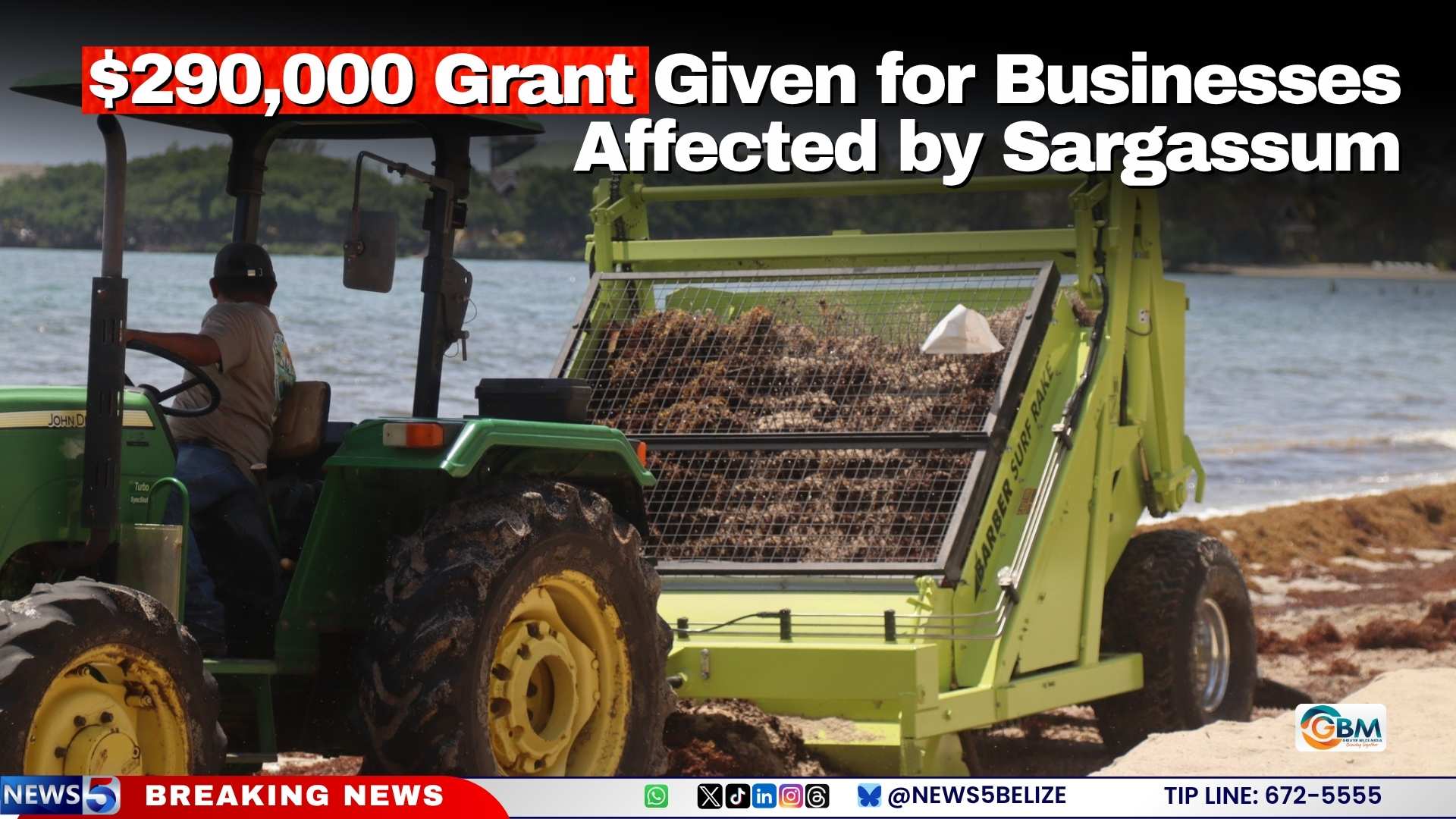
  • $290,000 Grant Given for Businesses Affected by Sargassum

    $290,000 Grant Given for Businesses Affected by Sargassum

    Coastal communities across Belize are grappling with a worsening crisis of proliferating sargassum seaweed washing up on their popular shorelines, prompting the national government to roll out new targeted interventions: a six-figure grant for affected private businesses and specialized new machinery to ramp up cleanup operations.

    Announced in an official statement from the country’s National Sargassum Task Force, the multi-pronged response comes as invasive sargassum accumulates at persistent high levels across several of Belize’s most tourism-reliant coastal zones. Co-chaired by the Ministry of Blue Economy and Marine Conservation and the Ministry of Tourism, the task force has prioritized response efforts for the hardest-hit regions, which include key tourist destinations: Ambergris Caye, Caye Caulker, Hopkins, Seine Bight, and Placencia.

    To boost the efficiency of on-ground cleanup, the task force has acquired purpose-built new equipment, specifically a Barber Beach Rake and a New Holland tractor. These heavy-duty tools are scheduled to be deployed first in Placencia, a popular coastal community that has struggled with ongoing, large-scale sargassum buildup on its beaches.

    Placencia Village Chairman Warren Garbutt recognized the coordinated response while acknowledging the long-term complexity of the sargassum issue. “We do realise there is no one fixed solution to this problem and stand ready to work together to find effective and efficient ways to improve the quality of our beaches and visitors’ experience,” Garbutt said.

    Beyond expanded cleanup infrastructure, the government is delivering direct economic support to businesses that have suffered financial losses from the seaweed invasion. The Belize Fund for a Sustainable Future has approved a BZ$290,000 grant that will be distributed to impacted private sector businesses throughout June. The Belize Tourism Board is also contributing to local response efforts, providing municipalities with dedicated funding for cleanup operations and running field trials of new sargassum removal technology across affected coastal areas.

    The ongoing intervention reflects the Belizean government’s continued commitment to addressing the sargassum crisis, which threatens both the country’s critical tourism sector and the ecological health of its coastal marine ecosystems, which are core to the nation’s blue economy strategy.

  • PM Slams Chamber Over Fuel Tax Demands

    PM Slams Chamber Over Fuel Tax Demands

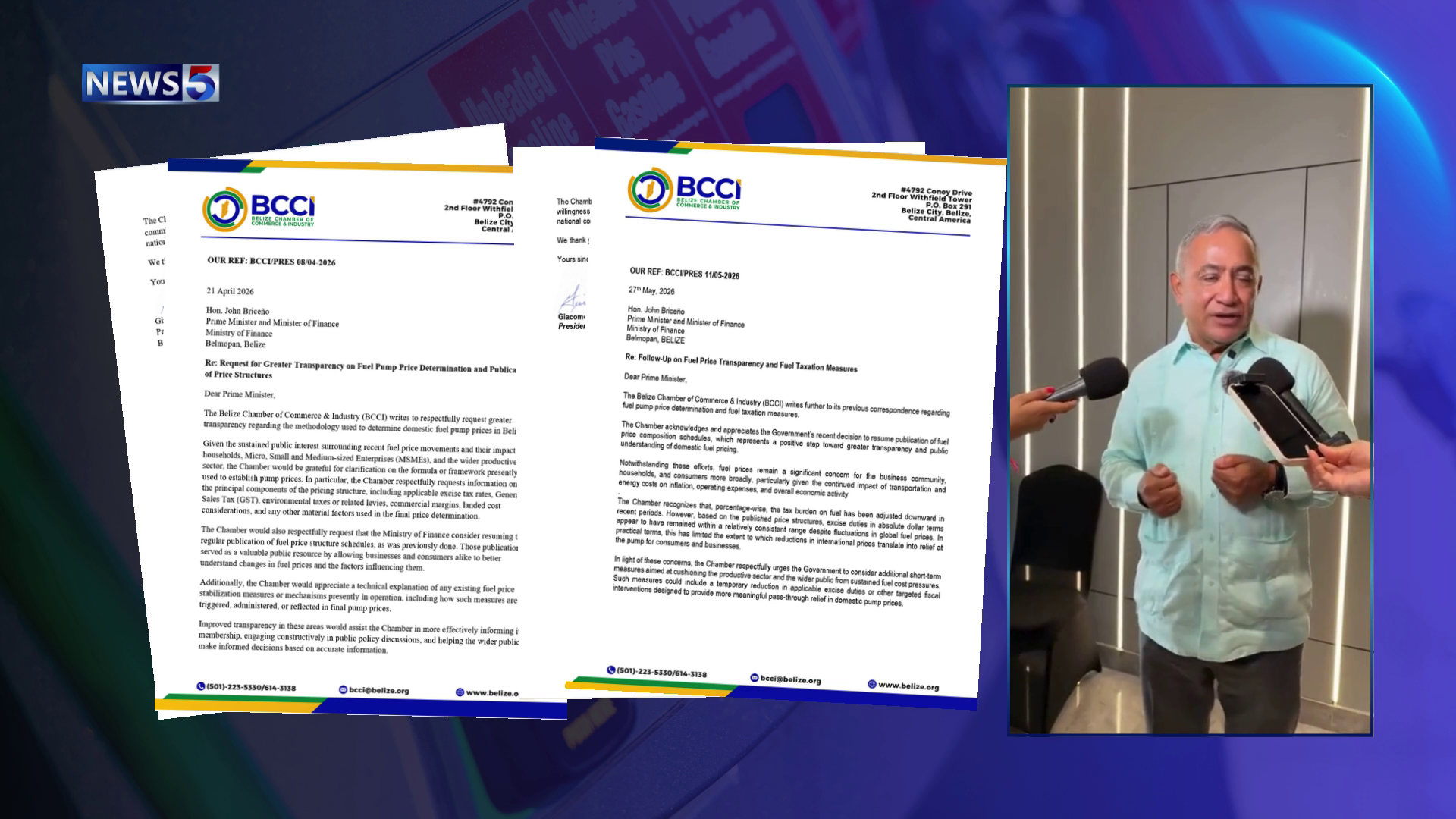
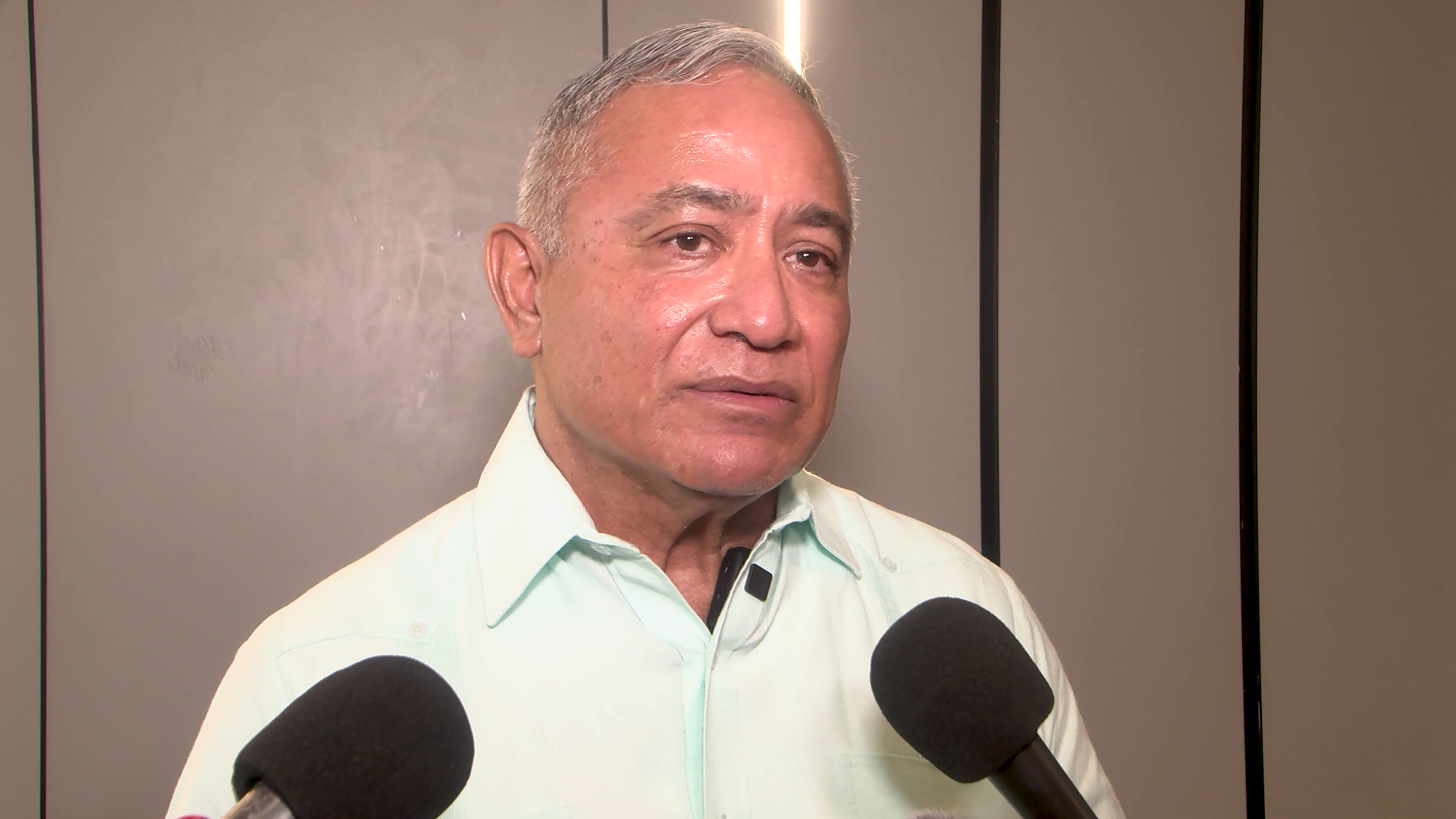
    A public clash between Belize’s top government leader and the nation’s leading business association has put the country’s ongoing fuel price crisis front and center, exposing deep divides over economic policy and shared burden amid global market volatility. As of June 3, 2026, the Belize Chamber of Commerce and Industry has ramped up calls for temporary reductions to national fuel taxes, claiming that recent dips in global crude prices have not translated to savings for ordinary consumers at local gas pumps. The business group argues that cutting fuel levies would deliver much-needed relief to households and small businesses already grappling with broad-based cost-of-living increases. But Prime Minister John Briceño has pushed back hard against the proposal, dismissing the Chamber’s demand as a misinformed argument that misunderstands the role of fuel taxes in government revenue, and even calling the group’s public stance “embarrassing.”

    Briceño explained that regardless of how fuel taxes are split across different levies—including environmental taxes, goods and services tax (GST), excise tax and import duties—any overall cut would remove the same total amount of critical revenue from government coffers, which funds essential public services and social programs across the country. The prime minister’s rejection sets the stage for a broader standoff over how to address soaring fuel costs, which have been amplified by ongoing geopolitical tensions in the Middle East that have pushed global energy prices upward in recent months.

    Beyond rejecting the tax cut push, Briceño has called for collective action across all parts of the fuel supply chain, noting that the government has already sacrificed millions of dollars in foregone fuel tax revenue to cushion the blow of global price increases for consumers. He pointed out that the current national fuel pricing framework was established back in 2004, when global crude prices were far lower than today’s levels, and argued that the outdated formula no longer aligns with 2026’s volatile economic realities.

    Notably, Briceño declared a conflict of interest related to the debate, noting that his family owns a service station in Orange Walk Town, which is why he has delegated discussions on the issue to the financial secretary and avoided direct negotiations. Drawing a parallel to the collective sacrifices made during the COVID-19 pandemic, when the government appealed to public sector unions to accept temporary salary cuts to address a national fiscal crisis, the prime minister is now calling on fuel importers and dealers to reduce their profit margins to help ease pressure on consumers.

    “It’s not something that we do out of malice or anything, but this – we’re all in this boat together so everybody has to do their part,” Briceño stated in his remarks. “I’m appealing to them, and I’m hoping that common sense is going to prevail.”

    The disagreement underscores a growing tug-of-war across Belize between business groups pushing for consumer tax relief and government leaders working to protect already strained public revenues amid ongoing economic uncertainty. For ordinary Belizean drivers, who have already seen their household budgets stretched thin by rising fuel costs, the standoff means immediate relief at the pump remains unlikely for the near term.

  • New Bus Deal Aims to Modernize Fleet Nationwide

    New Bus Deal Aims to Modernize Fleet Nationwide

    Belize is set to undergo a major transformation of its national public bus transportation network, after the country’s Cabinet gave formal approval to a new concession agreement between the National Bus Company and the national Transport Board. The landmark policy shift, announced in June 2026, targets long-standing structural flaws in the current transit system that have blocked fleet modernization and left both operators and commuters underserved. For years, Belize’s bus operators have operated under a system of annual licensing, a short-term framework that has created significant financial uncertainty. Prime Minister John Briceño explained that this annual model has made it nearly impossible for operators to secure bank financing to purchase new, upgraded vehicles. “You can’t take that [yearly] license and go to the bank and say, ‘I want to borrow to buy a new bus or a very good bus,’ because you don’t know [if it will be renewed]. The bank will say, ‘What if next year they don’t renew?’” Briceño said in an official address following the Cabinet’s decision. The new framework addresses this barrier by introducing long-term licensing terms, designed to give operators the operational and financial stability needed to invest in fleet upgrades. To qualify for these extended licenses, operators will be required to meet strict new standards set by the transport department, including upgrading existing vehicles or adding new, modern buses to their fleets, with enhanced requirements for passenger safety and service quality. Independent bus operators, who have long advocated for policy changes to extend licensing terms, have so far refrained from official public comment on the approved deal. Bus Association President Philip Jones told reporters he would not release a statement until the association holds a scheduled meeting with the Ministry of Transport to review the full terms of the concession agreement. Government officials anticipate the reforms will deliver widespread benefits, from a more reliable, safer travel experience for daily commuters to a cleaner, more modern national bus fleet that supports long-term economic activity across the country. This report is adapted from a transcript of an original evening television news broadcast.

  • Briceño Defends Mira: Says Alberto August Crossed the Line

    Briceño Defends Mira: Says Alberto August Crossed the Line

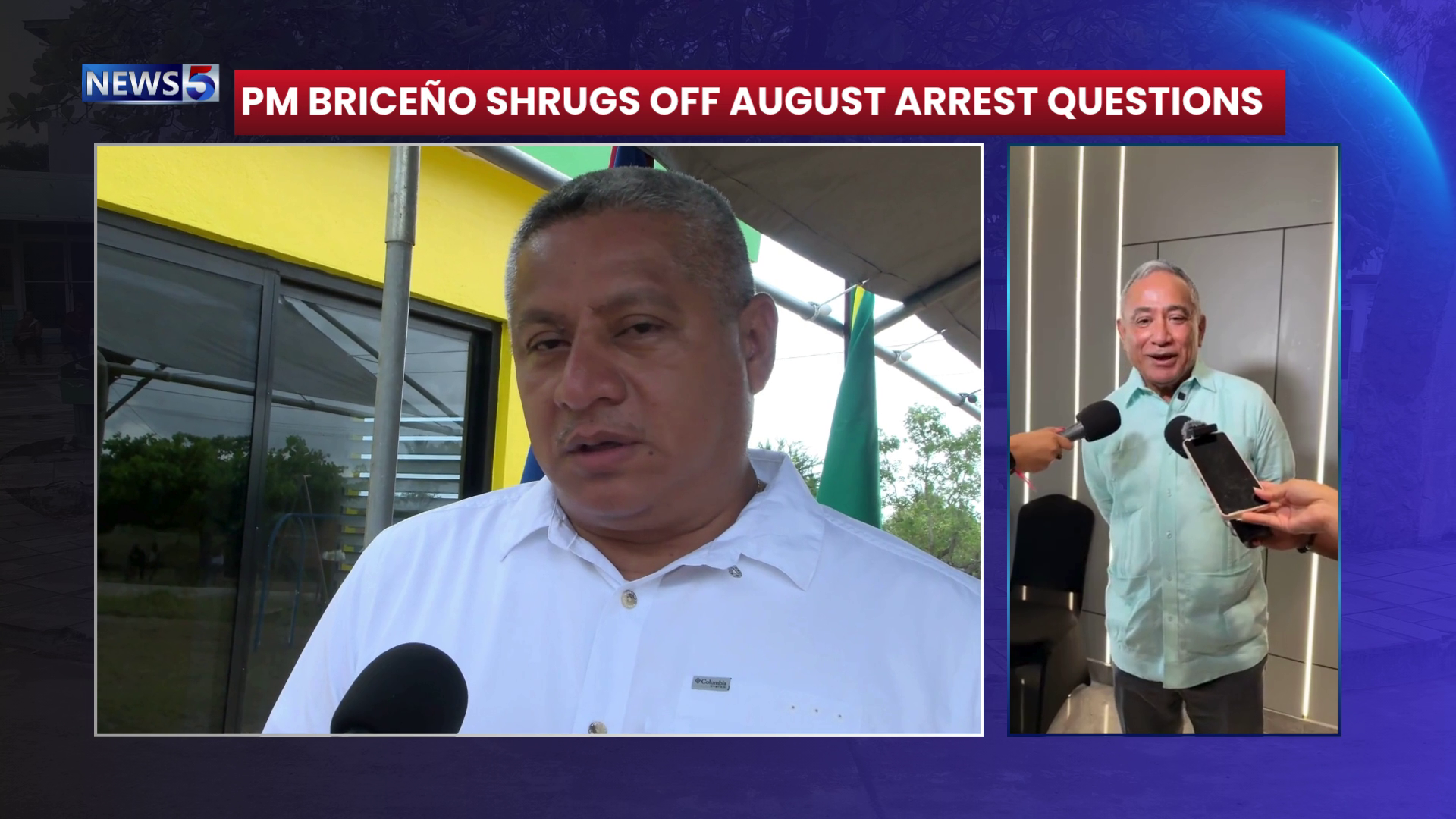
    A heated political controversy has erupted in Belize following the recent arrest of former United Democratic Party (UDP) Chairman Alberto August, with Prime Minister John Briceño publicly defending the actions of Home Affairs Minister Oscar Mira that sparked the unfolding conflict. Briceño has pushed back hard against claims that the arrest was an effort to suppress political opposition, framing the incident as a legitimate stand against harmful online harassment that crossed ethical and legal lines.

    Speaking to reporters, the prime minister emphasized that Mira, like any other citizen of Belize, holds a constitutional right to pursue legal protection when he believes he has been defamed. According to Briceño, August’s online comments targeting the home affairs minister went far beyond acceptable political criticism. He detailed that August leveraged the recent death of a local doctor connected to Mira — a man who was a close childhood friend of Mira’s brother — to push a misleading political narrative, exploiting a family’s period of profound grief for partisan gain.

    “Alberto August wouldn’t take up time of my efforts in dealing with him. He can say whatever the hell he wants, and it doesn’t bother me one bit,” Briceño told reporters, pushing back on suggestions that the government was broadly targeting opposition speech. When asked if Mira was overly sensitive to criticism for a public official, the prime minister rejected the claim outright, noting that all public figures have different boundaries when it comes to defamatory attacks.

    Briceño went on to condemn August’s conduct in sharp terms, calling his actions “disgusting” and “despicable.” He reaffirmed that Mira was fully within his rights to file an official cyberbullying complaint with police, which led to August’s detention last week. August was granted bail on Sunday, and the case is now working its way through the legal system. Briceño added that he has even considered whether ruling People’s United Party (PUP) officials should collectively file legal action against August to curb his frequent online criticisms, though he has not personally felt the need to respond to August’s daily posts about him.

    Critics of the arrest have raised concerns that it could set a dangerous precedent for silencing political opposition using the country’s cyberbullying legislation, but the prime minister’s public comments make clear that the ruling administration stands fully behind Mira’s decision to pursue the case. This article is adapted from a transcript of an original television news broadcast.

  • PM Briceño on Rising Violence: Parents Need To Step Up

    PM Briceño on Rising Violence: Parents Need To Step Up

    Belize is grappling with renewed public anxiety over citizen safety after a wave of violent events, including multiple shootings that were reported across the country overnight. The spike in incidents has reignited long-running debates over the underlying drivers of crime and the effectiveness of state-led security interventions, even as authorities credit emergency measures with reining in large-scale gang-related violence.

  • Surveillance Footage Key in Pomona Shooting Investigation

    Surveillance Footage Key in Pomona Shooting Investigation

    Gun violence, a persistent crisis that has often been framed as an urban-only issue, is reigniting public discussion about its spread to smaller, rural communities following a daylight attack in Pomona Village that left two people wounded on June 2, 2026.

    According to local law enforcement updates, the brazen attack unfolded just after 6:30 p.m. on Tuesday, when two groups of suspects on motorcycles pulled up to a local business where a small group of people had gathered. One passenger on a motorcycle pulled out a firearm and fired multiple shots toward the crowd before the suspects fled the scene at high speed.

    The gunfire struck two people: 25-year-old Orlando Acosta and a 16-year-old male minor, who have not been identified further by authorities. Police confirmed that neither of the two injured victims has any prior criminal record or documented interactions with law enforcement.

    As the investigation moves into its early active phase, law enforcement teams are prioritizing the review of collected surveillance camera footage from nearby businesses and residential properties. Assistant Superintendent of Police Stacy Smith, who is leading the investigative team, confirmed that multiple video recordings have already been seized from the area, and investigators are working around the clock to analyze the footage to identify suspects and map out the sequence of events.

    A key unanswered question in the case remains the motive for the attack. Smith told reporters that while no clear motive has been established at this stage, investigators are working from a key working theory: the victims who were hit were not the intended targets. Instead, law enforcement suspects the gunmen planned to target another person who was part of the group gathered outside the business at the time of the shooting.

    This shooting has drawn new attention to the growing challenge of gun-related violence in rural communities that are often less equipped to respond to and prevent such incidents than larger urban centers, with local residents calling for increased police patrols and expanded community safety measures in the area.