标签: Belize

伯利兹

  • Belize City to Debate Future of Bars and Nightclubs

    Belize City to Debate Future of Bars and Nightclubs

    For decades, residents living in proximity to bars, nightclubs and open-air drinking establishments in Belize have raised persistent concerns over unregulated late-night noise, congested traffic, and opaque licensing processes that have allowed disruptive businesses to operate in residential neighborhoods. Now, more than a century after the current liquor licensing framework was first enacted, the Belizean government is launching a historic public consultation process to update these outdated rules, and it is calling on ordinary residents, business owners and community stakeholders to make their voices heard directly.

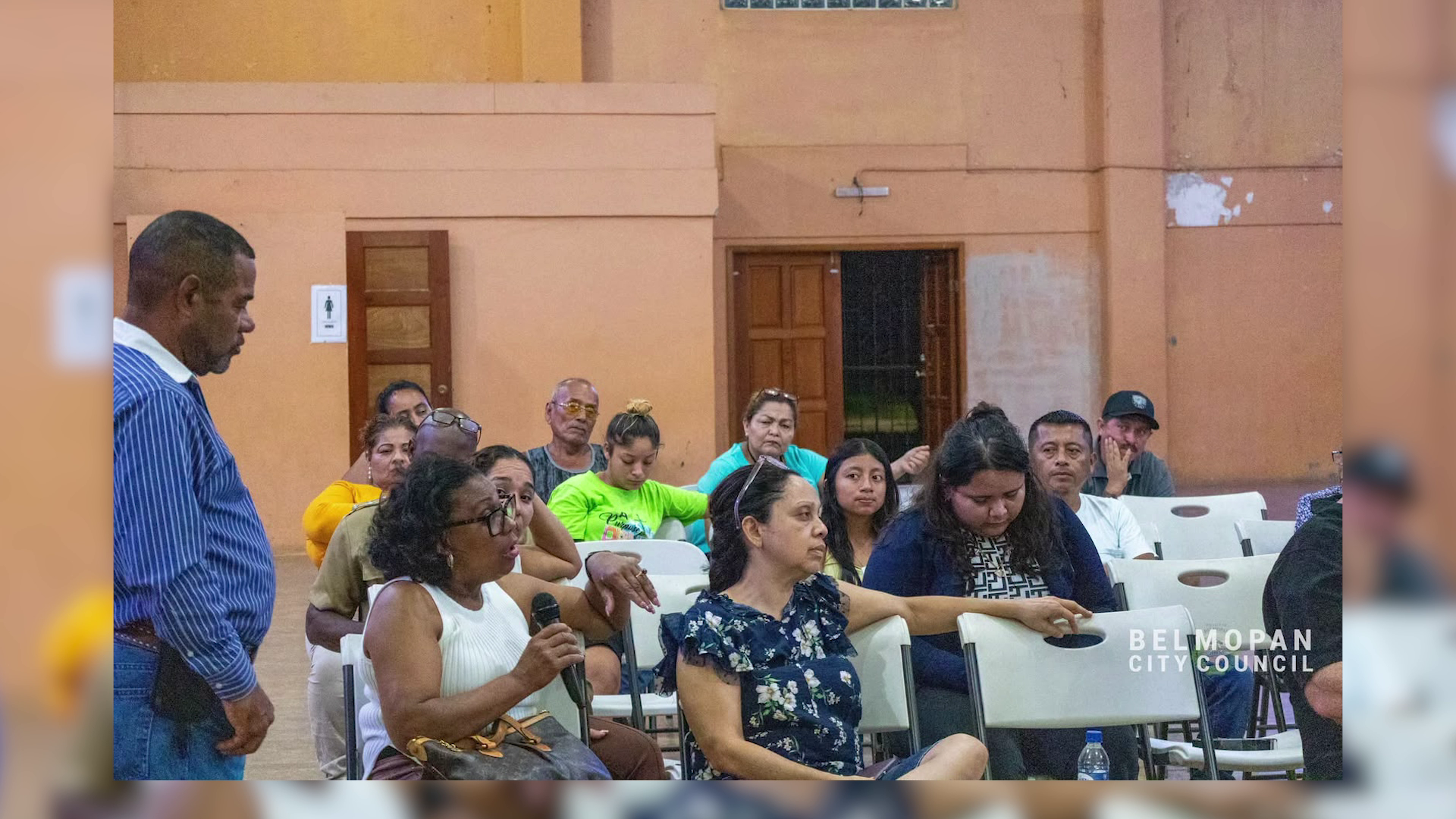
    Next week, on Tuesday, July 28, the Ministry of Local Government will bring its national liquor licensing reform consultation tour to Belize City. The public forum is scheduled to kick off at 6 p.m. at the city’s House of Culture, where attendees will be able to share feedback on a broad slate of proposed changes to the century-old legislation. The discussions will cover key pain points that have plagued communities for years, including noise pollution control, revised operating hour restrictions, updated licensing categories, stronger enforcement mechanisms, and specific regulatory frameworks for open-air entertainment establishments.

    Local government officials emphasize that the core goal of the reform effort is to modernize Belize’s outdated liquor regulation system and strike a more equitable balance between supporting legitimate business activity and protecting the quality of life and peace of residential communities. Clifford King, Director of Local Government, outlined the pressing need for reform in comments ahead of the consultation, noting that unregulated alcohol sale and consumption is linked to many of the country’s most persistent social challenges.

    “We know that the sale and consumption of liquor is a contributing factor to a lot of the societal problems we’re having, whether it is road traffic accidents, domestic violence, property offenses, sexual offenses, and labor violations,” King explained. “So we know what the problems are, and we now have to bring those realities into a discussion framework.”

    King also pointed out that the current system itself is riddled with structural flaws that create ongoing challenges for regulators and communities alike. These issues include unclear license classification, outdated fee structures for different license categories, problems with the governance and administration of licensing boards, including inconsistencies in board member appointments, insufficient penalties for violations, poor enforcement of existing rules, and the ongoing correlation between unregulated liquor establishments and excessive noise pollution from loud music.

    Despite the widespread public frustration with these issues, King noted that public participation in earlier consultation stops around the country has been lower than hoped, with only a small group of attendees turning out to share feedback. Still, he said, the input that has been collected so far touches on critical issues and reflects broader public attitudes across Belize. He is urging all residents with a stake in the outcome of the reform process to attend the Belize City consultation, regardless of whether they have experience with policy discussions.

    “Please come out, give your inputs, seek your clarification,” King said. “Even in the current framework, if you’re not clear about certain things, ask questions. And I want to say very clearly that we don’t just want complaints. We want to hear them, but we want solutions. We want to hear what your recommendations are.”

    This public consultation marks a rare opportunity for Belize City residents to help shape major policy changes that will impact community life for decades to come, as the government moves to update a regulatory framework that has remained largely unchanged since the late 19th century.

  • Village Businesses Face New Trade License Rules, But Who Really Pays?

    Village Businesses Face New Trade License Rules, But Who Really Pays?

    As the end of July 2026 approaches, Belize is preparing to roll out a landmark update to its rural trade licensing system, a policy shift that has already stirred debate over its impact on small-scale rural enterprises. For the first time in the country’s history, formally registered trade licenses will be required for a wide range of village-based businesses, sparking widespread public concern that low-income street peddlers, small informal vendors and other micro-enterprises would be saddled with unexpected, unaffordable new costs.

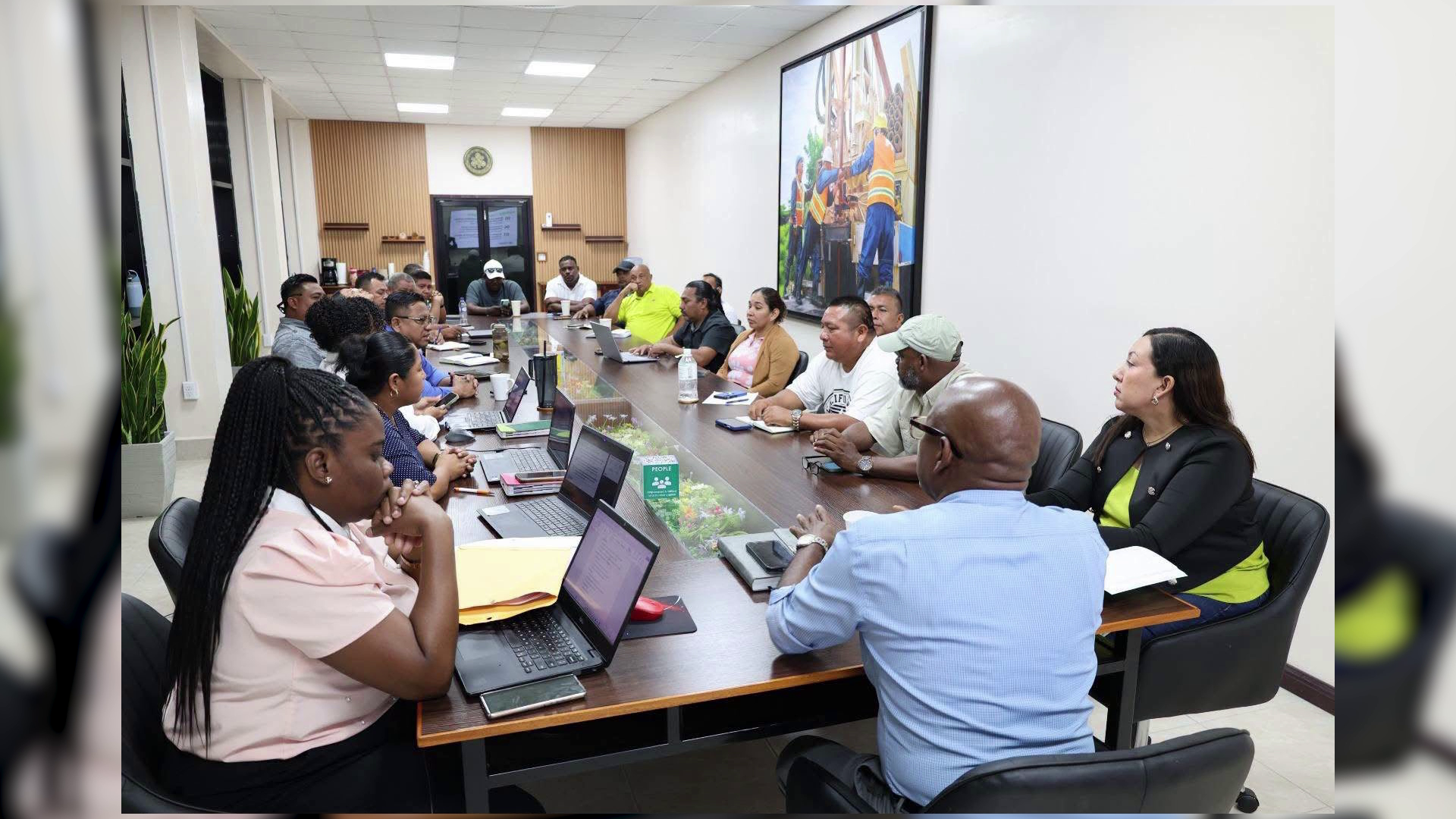
    Clifford King, Director of Belize’s Local Government Department, has moved quickly to dispel these circulating rumors, clarifying the tiered structure of the new regulatory framework designed to balance administrative transparency, business accessibility, and local revenue generation. Under the finalized rules, only businesses operating from fixed commercial premises exceeding 600 square feet will be required to pay an annual trade license tax. Small mobile peddlers, itinerant vendors and other businesses without permanent fixed locations face only a one-time, low-cost $10 application fee for their license, and no recurring tax burden.

    King emphasized that the core goal of this reform is not to raise revenue at the expense of small rural entrepreneurs, but to replace the vague, inconsistent previous licensing framework with a clear, accountable, and business-friendly system. “This new regime really brings a lot of stability and business-friendly provisions that will stabilize and have a more accountable, transparent mechanism for the granting of trade licensing,” King explained in an interview with local media. “While it’s very business-friendly, it also holds all stakeholders more accountable.”

    Beyond regulatory clarity, the reform addresses a longstanding funding gap for Belize’s village-level governance. Village councils are the least well-funded public local authorities in the country, leaving many critical community public spaces under-maintained. All revenue generated from the new rural trade licensing system will be redirected back to local village councils to fund upgrades and ongoing maintenance of public infrastructure and community assets: from neighborhood parks, children’s playgrounds and football fields, to drainage systems, culverts, community centers and public libraries, all of which currently face significant maintenance backlogs.

    “We do hope that, and anticipate that, the new rollout of the rural trade licensing will certainly support the management of public spaces,” King added.

    The new regulations are officially scheduled to go into effect on August 31, 2026, with all eligible rural businesses required to complete their trade license registration by January 1, 2027. This report is adapted from a transcript of a televised evening news broadcast from Belize.

  • Jason Flowers Wanted in Alleged Immigration Receipt Scam

    Jason Flowers Wanted in Alleged Immigration Receipt Scam

    Date: July 23, 2026

    A former cashier with Belize’s Ministry of Immigration remains a fugitive Thursday, as law enforcement and independent auditors expand an investigation into a suspected public fund embezzlement scheme tied to the Belize City Immigration Office that has left more than $160,000 in government funds unaccounted for.

    Investigators have named 46-year-old Jason Flowers, who was terminated from his government post amid the probe, as the central suspect in the scam. Authorities allege Flowers systematically processed reversed payment receipts for immigration services, siphoning off cash payments from applicants into his personal bank accounts over an undetermined period of time.

    Immigration Minister Kareem Musa confirmed to reporters on Wednesday that the Ministry of Immigration has completed its initial internal investigation into the missing funds. The ministry’s own finance department compiled evidence of suspicious activity, which was passed to local law enforcement and prompted the official issuance of a wanted notice for Flowers.

    According to intelligence gathered by Belizean authorities, Flowers is believed to have fled the country and is currently residing in the United States. “Mr. Flowers has been dismissed from his work as an immigration cashier. So, he is no longer in the employment of the government of Belize,” Musa told reporters during a press briefing. “We have enough information to charge him for some of the cancelled, reversed invoices. But in terms of the entire scope of the scheme he was operating, we have requested the Auditor General to come in and do a proper audit.”

    Musa emphasized that the decision to bring in the independent Auditor General’s Office was intentional to ensure full transparency and a complete accounting of all potential misconduct. “We want to get it right out of the gate. So that will give us a full scope of it. I can confirm that the auditor general’s office is already at the ministry carrying out the investigation,” he added. Once the independent audit wraps up, investigators will compile a full list of all reversed invoices linked to Flowers and any potential co-conspirators, and all applicable criminal charges will be filed at that time.

    In addition to the fraud investigation, the Ministry of Immigration has filed a notice with Interpol over two missing blank nationality certificates, which are critical identity documents. Authorities have not yet confirmed whether the missing documents are directly connected to the Flowers fraud scheme, but the dual developments have prompted renewed scrutiny of internal controls at Belize’s main immigration office.

    This report is based on a transcript of a Belizean evening television news broadcast.

  • Swaso Demands Answers in Unfinished Case of Nine Haitian Girls

    Swaso Demands Answers in Unfinished Case of Nine Haitian Girls

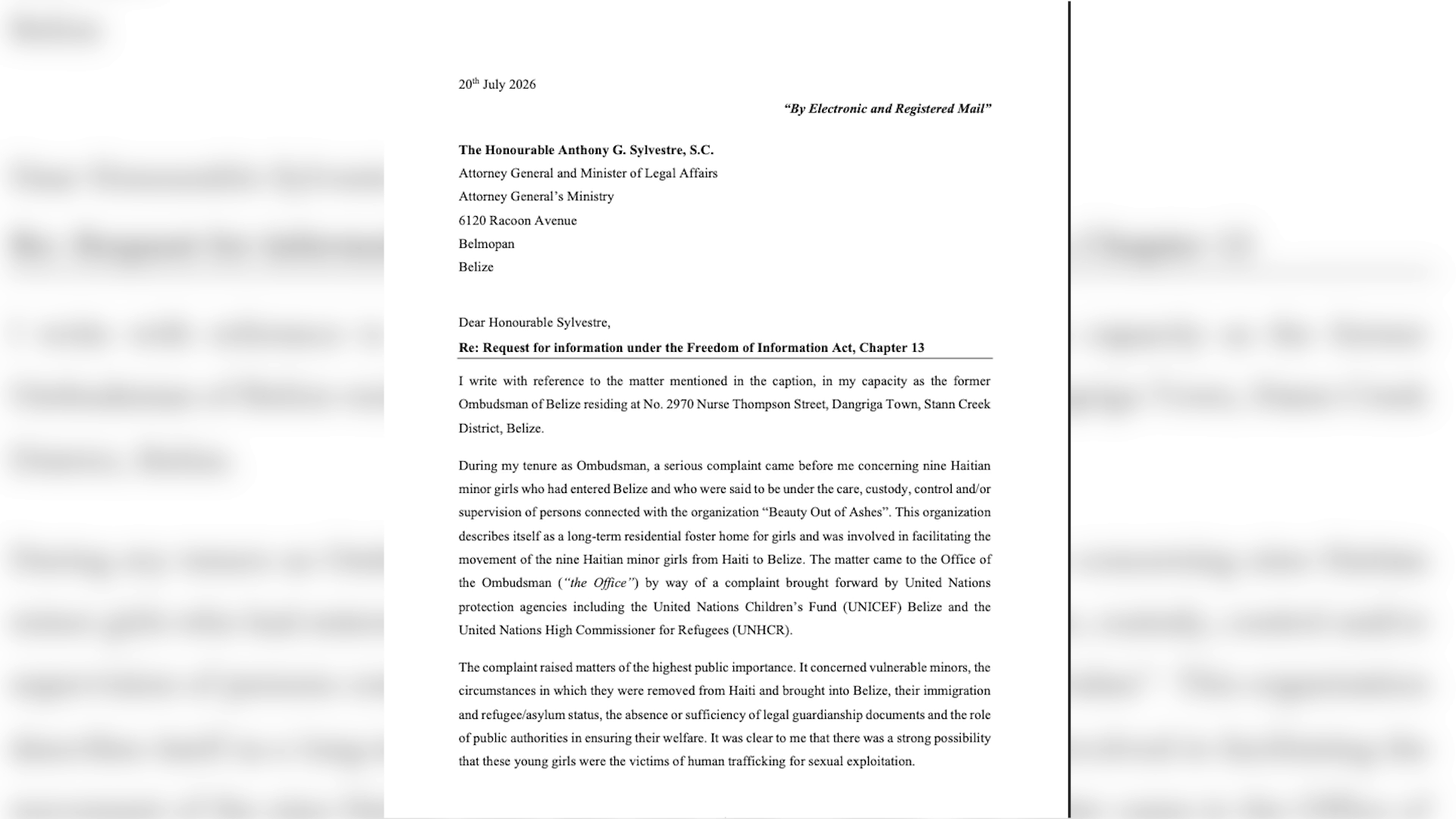
    Nearly three years after nine Haitian minor girls entered Belize under a temporary humanitarian admission amid widespread chaos in their home country, a former top government oversight official is pushing for transparency into why the official investigation into their case remains unfinished.

    Retired Major Herman Gilbert Swaso, who stepped down as Belize’s Ombudsman more than six months ago, launched a Freedom of Information (FOI) request this week to force government agencies to disclose the current status of the probe he opened in 2025. During his time leading the investigation, Swaso’s office uncovered multiple credible red flags spanning irregular guardianship arrangements, unclear immigration standing for the girls, gaps in mandated child protection protocols, and early indicators that may point to human trafficking.

    While the immigration department turned over some records during the initial inquiry, Swaso confirmed that several key government agencies withheld critical documentation and failed to respond to formal queries before his term ended. Today, the girls remain in the care of private individuals affiliated with Beauty Out of Ashes, a local organization, but no clear resolution has been reached on their long-term status or the findings of the initial probe. Swaso is now demanding answers on whether the investigation has been continued, transferred to another body, suspended, or quietly dropped without public disclosure.

    In response to questions about the case, current Immigration Minister Kareem Musa confirmed that his department is reviewing the matter. Musa clarified key details of the 2023 entry, correcting earlier misreporting that had incorrectly put the number of minors at four: nine girls, accompanied by two unrelated adult caregivers who had overseen their foster care in Haiti, were granted temporary entry to Belize on humanitarian grounds amid the escalating political and gang violence that has convulsed Haiti since 2023. The travel authorization granted was never intended to be permanent, Musa noted.

    To date, the Ministry of Human Development has completed one social inquiry into the girls’ care and well-being, and a second assessment is planned to determine what arrangement would serve the children’s best interests long-term, including whether they should remain in Belize or repatriate. Musa stated that no formal confirmation has been received on whether the girls’s biological parents are requesting their return, but added that if parental repatriation requests are submitted, the children should be sent back to their families in line with standard child protection protocols. Musa also confirmed that the Belizean immigration ministry is working alongside United Nations agencies based in the country to coordinate on the case.

    This report is adapted from a transcript of an evening television news broadcast, with original Kriol language statements transcribed using standard international spelling conventions for accuracy.

  • Birth Certificate Error Complicates Belizean Citizenship Claim by Descent

    Birth Certificate Error Complicates Belizean Citizenship Claim by Descent

    A paperwork error on a U.S.-issued birth certificate is standing in the way of an American citizen’s bid to claim Belizean citizenship through ancestral descent, highlighting a surprisingly common issue that Belize’s immigration authorities face on a regular basis. The case centers on a mismatch between official records: the applicant’s birth certificate incorrectly lists their parent — who is actually a native-born Belizean — as having been born in the United States, a discrepancy that throws a wrench into the citizenship application process. According to Belize’s Minister of Immigration Kareem Musa, far from being an isolated incident, such documentation conflicts are much more prevalent than the general public assumes. Musa outlined the clear path forward for applicants facing this issue, clarifying that Belize’s immigration service has no intention of probing whether the incorrect birth location was the result of intentional fraud on the U.S. side of the process. Instead, the only requirement to move forward with the application is a signed formal declaration from the parent confirming their true place of birth. In comments carried by Belizean evening television (transcribed in full for this online publication), Musa emphasized that this requirement is designed to protect the integrity of Belize’s immigration system and the public servants who process nationality claims. “That particular instance is a very delicate one and it is actually more common that just one case,” Musa said. “What I have been advised is because it involves a birth paper in the U.S. that says the parent is born in the U.S. and that parent was actually born in Belize. What we are asking for is that the parent fills out a declaration, because they will be producing the child’s birth paper from the U.S. which is the source document. So if you are going based on the source document to get a nationality by descent that says you are born in America, you have to clarify for the Belizean authorities to protect our public officer and immigration officers that you are one and the same person. You can’t be born in two places. So, filling out a declaration when you are applying for nationality by descent saying I am that person and I was born in Belize. We are not going to get involved in whether it was fraud. Maybe you made a mistake or an error in saying I was born in the U.S. it could be something as innocent in that because you are just filling out paperwork.” Musa’s comments make clear that the requirement is a procedural safeguard, not a roadblock intended to block eligible applicants from claiming the citizenship they are entitled to by descent. Many cases of mismatched birth records stem from simple administrative errors or unintentional mistakes when filling out initial birth registration forms in the United States, rather than deliberate attempts to mislead authorities, he noted. This report is a full transcription of a segment from Belize’s evening television newscast, with any Kriol-language remarks edited to follow standardized spelling conventions for publication. The full broadcast is available to view via the outlet’s digital platforms.

  • Belize’s Passport Ranks Average Strength Globally

    Belize’s Passport Ranks Average Strength Globally

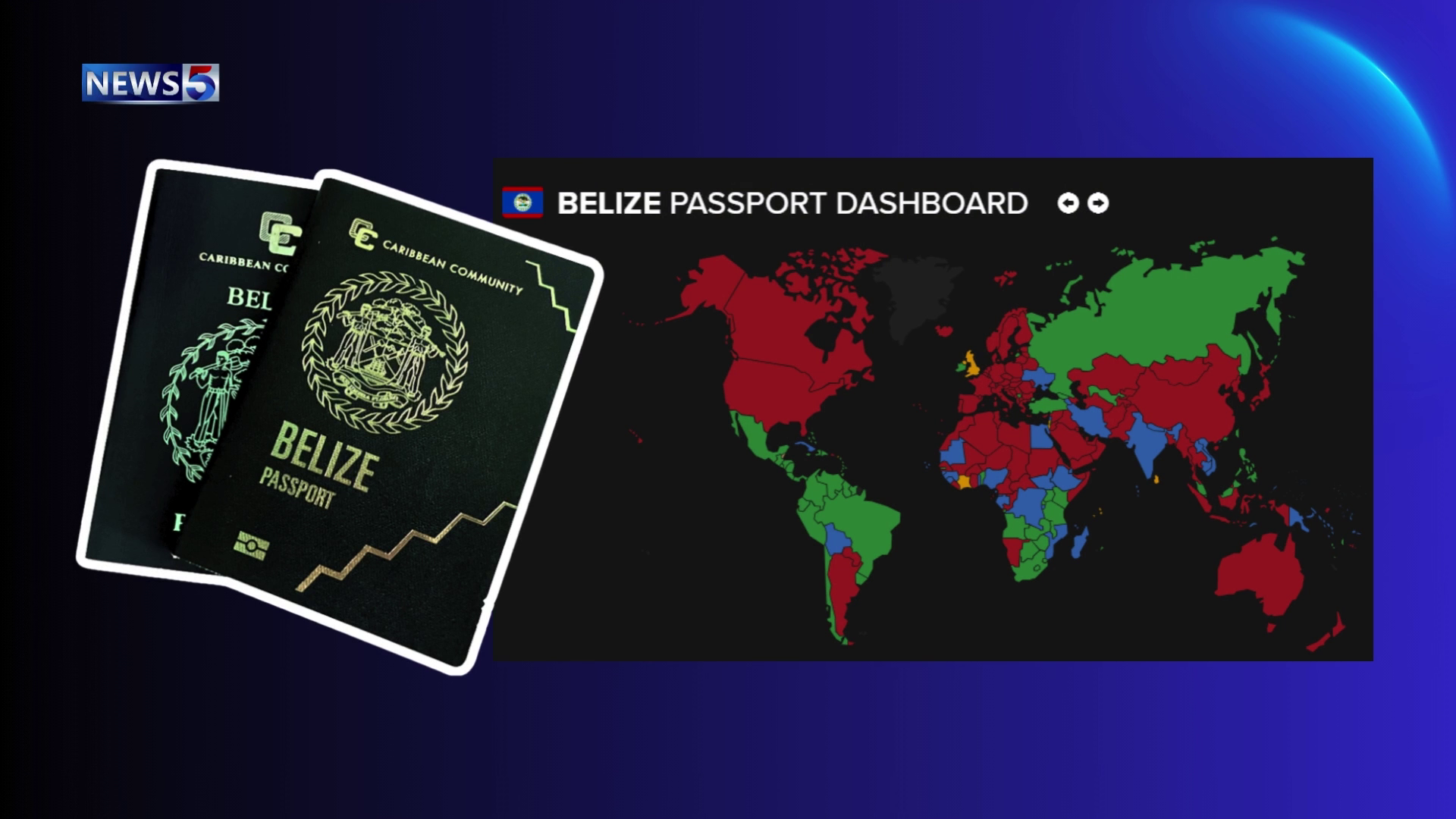
    Dated July 23, 2026, recent public discussion around Belize’s travel access to European nations has pulled long-standing conversations about the global ranking and travel power of the Belizean passport back into the spotlight, rather than marking an unexpected reversal in policy progress. After official Spanish authorities confirmed that Belize has not been added to the Schengen Area’s visa-waiver program, Belizean government representatives moved quickly to clarify that this status quo is not a new development, adding that diplomatic efforts to secure visa-free entry for Belizean citizens remain active and ongoing. The renewed conversation has once again drawn public attention to the widespread travel limitations that ordinary Belizean citizens confront when planning trips to major high-demand destinations, including the European Union, the United States, and Canada. To gain clarity on the current state of the government’s advocacy for expanded visa-free access, local reporters recently questioned Belize’s Minister of Immigration, Kareem Musa, on the file. Speaking on the government’s ongoing work, Minister Musa referenced prior updates from the Ministry of Foreign Affairs, noting that negotiations around Schengen access have been underway for years, and the current public discourse simply comes as deliberations on the issue reach a new stage. Beyond the diplomatic push for visa waivers, Musa highlighted that the Belizean government has already made significant upgrades to the security infrastructure of the national passport, integrating new anti-counterfeiting features including infrared coding and machine-readable barcodes. These upgrades, he emphasized, have tangibly improved the overall security standing of the document, strengthening its credibility globally and laying the groundwork for further advances in the passport’s overall travel power. For his part, Foreign Minister Francis Fonseca offered additional context on the persistent challenges of securing a full Schengen visa waiver, explaining that the final decision on inclusion is disproportionately shaped by broader European Union political dynamics, rather than purely technical or security considerations. This political barrier has made expanded visa-free access a long-standing, unresolved priority for every consecutive Belizean administration, requiring sustained diplomatic engagement over multiple terms of government. This report is adapted from a transcribed evening television newscast, with all Kriol-language remarks translated and transliterated per standard linguistic conventions.

  • A Senate Seat for the Diaspora? Belizeans Abroad Make Their Case

    A Senate Seat for the Diaspora? Belizeans Abroad Make Their Case

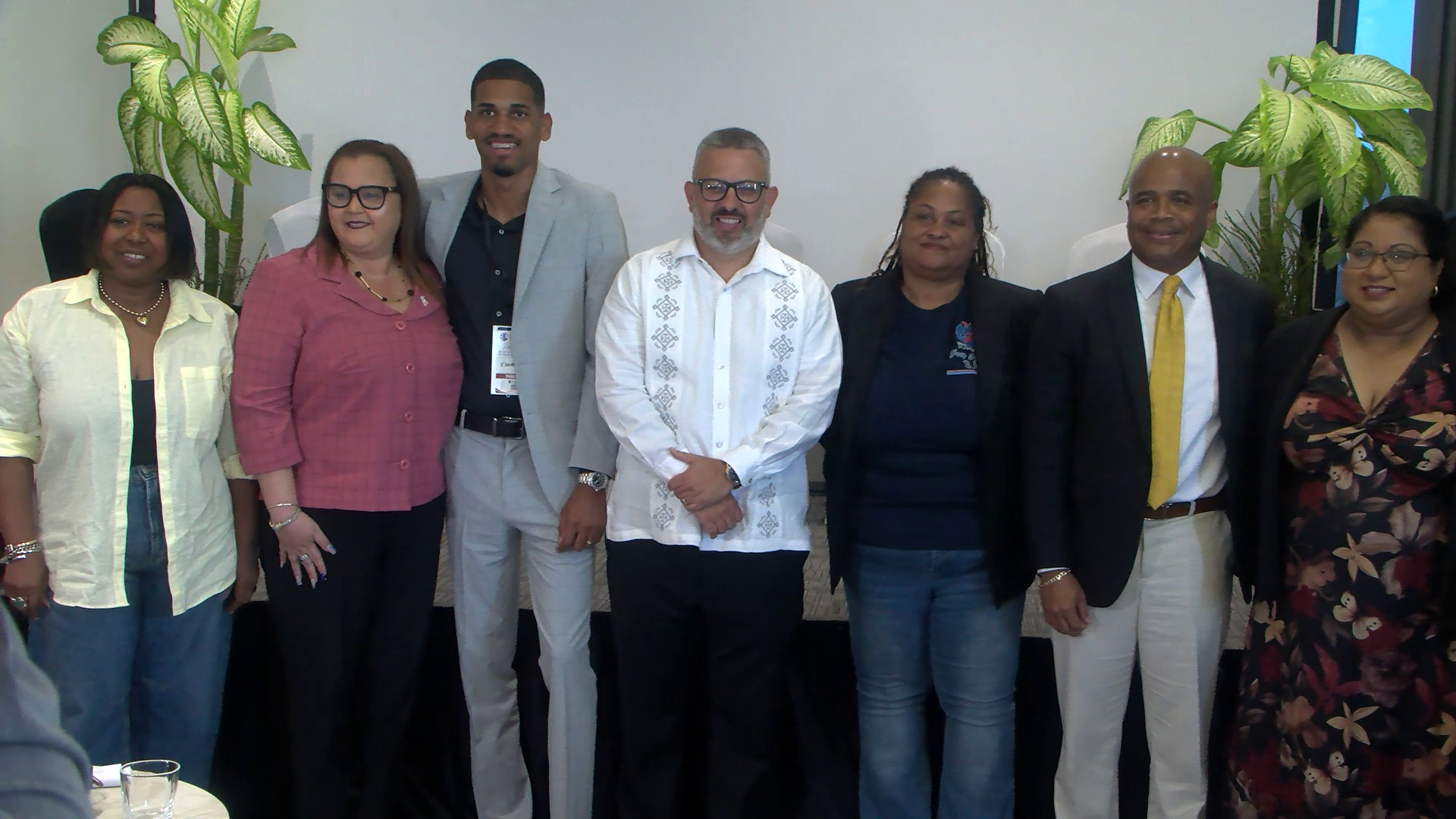
    Belize’s global diaspora community is stepping up its demand for formal political inclusion, bringing its call for a dedicated Senate seat to the opening day of the 2026 Belize Diaspora Summit in Belize City. With more than 1 in 3 Belize-born citizens currently residing outside the country’s borders, the community has long contributed billions in annual remittances that anchor the national economy, but leaders say financial support alone is no longer enough to satisfy their desire to shape the future of their home nation.

    At the three-day gathering, summit organizer Aria Lightfoot tabled a comprehensive policy paper that lays out a blueprint for a national diaspora strategy, anchored by the core demand for an official Senate seat allocated to representatives of Belizeans living abroad. Lightfoot argued that the request aligns with existing representation structures in Belize’s upper legislative chamber, which already reserves seats for non-elected groups including non-governmental organizations and religious institutions.

    “Many of the groups currently seated in the Senate are not resident-based entities, so why should the diaspora – which contributes so substantially to our national wellbeing – be shut out of formal decision-making?” Lightfoot said in comments at the summit. While voting rights for diaspora members in national elections is also a key priority for the community, Lightfoot emphasized that formal representation at the legislative level addresses a far broader gap in inclusion, going beyond access to ballots to give Belizeans abroad a direct voice in shaping national policy.

    Local outlet reporters questioned Lightfoot and government officials on the common critique that diaspora members, who do not reside in Belize full-time, should not have outsized influence over day-to-day national governance. But in an surprising show of openness to the proposal, Belize’s Minister of Immigration Kareem Musa rejected that criticism, signaling that the government is willing to engage in substantive discussions on the demand.

    Musa, who has already publicly backed electoral reform to scrap the three-month residency requirement that currently bars most diaspora Belizeans from registering to vote in general and city council elections, reaffirmed his stance that Belizeans abroad deserve a formal say in national affairs. “I do not agree that non-resident Belizeans should be excluded from governance conversations,” Musa said. “They maintain deep ties to our country, contribute to our economic stability, and many plan to return to build their lives here long-term. They deserve a seat at the table.”

    The summit, which convenes hundreds of diaspora leaders, community organizers and government stakeholders from across the globe, will continue through three days of working sessions to refine the policy framework and build consensus around the diaspora’s priorities ahead of formal negotiations with the Belizean government. This report is adapted from a transcript of an original televised evening newscast.

  • Baron Bliss Lighthouse Gets Long-Awaited Structural Upgrade

    Baron Bliss Lighthouse Gets Long-Awaited Structural Upgrade

    For decades, the Baron Bliss Lighthouse has anchored Belize City’s waterfront, serving not just as a navigational marker but as one of the most beloved cultural symbols of the entire nation of Belize. But years of coastal exposure and erosion left the historic landmark visibly crumbling, sparking widespread worry among locals and tourism stakeholders that the site could be lost forever to structural failure.

    As of July 23, 2026, however, those fears are giving way to optimism: long-planned restoration and upgrade work on the lighthouse is officially underway. The multi-faceted project is far more than a simple repair of the aging structure. Led jointly by the Belize Tourism Board (BTB) and the national Ministry of Tourism, the initiative includes full structural retrofitting of the lighthouse itself, extensive shoreline stabilization to counteract the coastal erosion that threatened the site, widespread landscape beautification, and the construction of a new circular boardwalk surrounding the monument.

    Deputy Mayor of Belize City Eluide Miller expressed enthusiasm for the project in a recent statement, noting that local leadership has pushed for intervention at the site for years. “There was significant erosion taking place in that area and so it was absolutely necessary,” Miller explained, adding that city officials are deeply grateful that the BTB and national tourism ministry took on the leadership and investment for the work. When complete, the overhaul is expected to transform the entire waterfront area around the lighthouse into a more dynamic, welcoming tourism hub that benefits both local residents and out-of-town visitors.

    The urgency of the project dates back to 2025, when Chief Engineer Evondale Moody issued a formal public warning advising people to avoid gathering near the lighthouse. At that time, Moody noted that ongoing structural settling and a gradual lean of the monument could not be fully evaluated for stability, creating an unacceptable public safety risk that closed the popular site to large crowds for more than a year.

    City and tourism officials say the project will strike a critical balance: it will preserve a core piece of Belize’s national history and cultural identity, while also upgrading the area to meet modern safety standards and support the country’s key tourism economy. The revitalized site is expected to draw more visitors to Belize City’s waterfront, support local small businesses, and create a shared public space that the community can enjoy safely for generations to come. This report is adapted from a televised evening news broadcast transcript originally published online.

  • UB Seeks International Stamp of Approval for Its Degree Programs

    UB Seeks International Stamp of Approval for Its Degree Programs

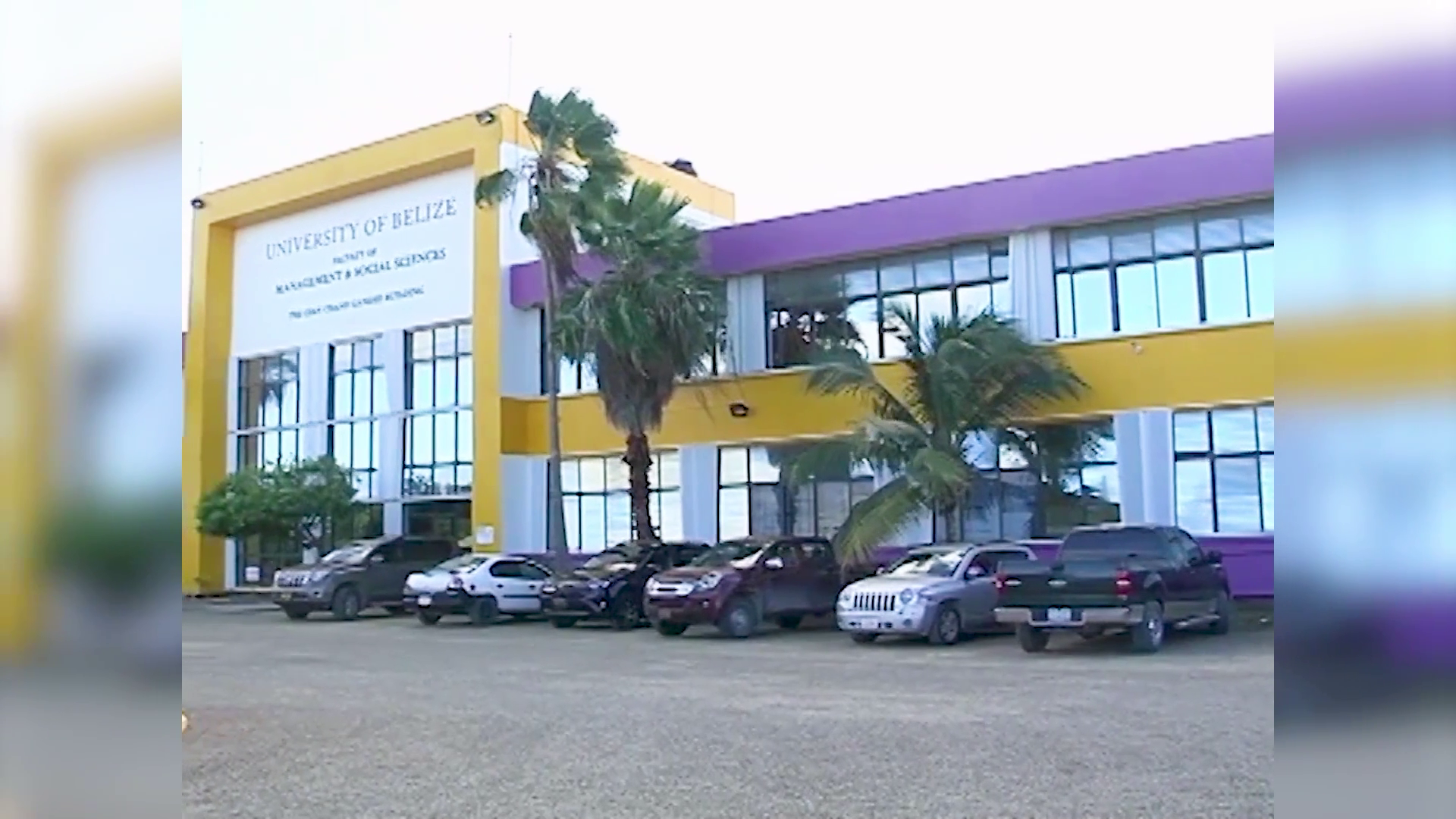
    Years of systematic institutional upgrades have culminated in a landmark step for the University of Belize (UB), which formally submitted its Application for Accreditation Candidacy to the Southern Association of Colleges and Schools Commission on Colleges (SACSCOC) on July 23, 2026. This move paves the way for international validation of UB’s degree programs, unlocking expanded academic and professional opportunities for its current students and graduates across the globe.

    According to UB President Dr. Vincent Palacio, the university dedicated four years to rigorous internal improvements ahead of the submission, overhauling key areas including faculty qualification standards, institutional governance frameworks, policy development, and institutional-wide quality assurance mechanisms. After years of incremental upgrades, institutional leadership confirmed that the university has met the preliminary requirements to launch the formal accreditation process.

    “After four years of targeted work to align our operations with international standards, we are ready to put our application forward,” Dr. Palacio explained in an interview following the submission. “We have systematically reviewed every requirement, from faculty credentials to program evaluation protocols and quality assurance frameworks, and we are confident in the progress we have made.”

    Following the application submission, the next phase of the process will bring a team of SACSCOC assessors to UB’s campus for an on-site verification review, where evaluators will confirm that the university’s stated practices match its actual operations before a final decision on accreditation candidacy is rendered. Dr. Palacio emphasized that the milestone represents a transformative shift for the institution, addressing a longstanding barrier that has impacted UB students for years.

    For students and graduates, the international accreditation will deliver immediate, tangible benefits by dramatically boosting the global credibility of UB degrees. Currently, many transfer applicants from UB face extra hurdles when seeking to move credits to international universities, with admissions departments regularly requiring additional course documentation or rejecting transferred credits entirely due to the lack of formal international accreditation. Once accredited, this barrier will be largely eliminated.

    “Right now, when our students try to transfer to other international institutions to complete a bachelor’s degree after an associate program at UB, or pursue graduate study after earning their undergraduate degree here, the first question they get is whether their home institution is accredited,” Dr. Palacio noted. “With this accreditation, there will be no question. Students will no longer need to submit detailed course outlines for individual credit reviews; institutions will immediately recognize UB’s credits because of the international stamp of approval from SACSCOC.”

    In a separate, parallel development, UB’s medical school is also advancing its own international accreditation push, pursuing validation from the Caribbean Accreditation Authority for Medicine and Other Health Professions. That process could only launch after the school completed its first full cycle of student enrollment and graduation, putting it on track for evaluation in the coming years.

    This report is a transcribed excerpt from an evening television newscast covering the announcement.

  • CitCo Provides Range of Summer Opportunities for City Kids

    CitCo Provides Range of Summer Opportunities for City Kids

    As summer break puts formal academic classes on hold across Belize City, the Belize City Council (CitCo) has launched a full suite of no-cost summer enrichment opportunities designed to keep local children engaged, safe, and growing — while easing financial strain on working families. Running through the vacation period, the initiative blends athletic training, academic refreshers, and wellness activities tailored to match the diverse interests of the city’s young population, addressing gaps in accessible out-of-school programming for kids from all backgrounds.

    At the popular Bird’s Isle recreational courts, more than 40 young aspiring basketball players gather every weekday afternoon to build foundational skills in the sport. The peewee basketball camp, led by experienced coach Roscoe Rhys with support from CitCo interoffice champions Auburn Rivero and Kevin Hamilton, focuses not just on athletic technique but also on teamwork, discipline, and positive social connection outside of the classroom. For years, the camp’s most anticipated event has been its final game day, where young participants get the chance to showcase their newly honed skills in an official match. Following the game, city leadership distributes critical back-to-school supplies, including branded backpacks, core academic materials, and this year, new footwear for attendees. Belize City Mayor Bernard Wagner noted that the program fills a key need for structured positive activity during the summer break, urging local residents to continue supporting the youth-focused initiative. “It is an opportunity for the city to engage with our youths, with our children — have them be in a positive environment during the course of the summer,” Wagner explained, adding that he hopes to attend this year’s game day as he recovers from a recent recreational sports competition victory.

    For young learners looking to shore up their academic skills ahead of the upcoming school year, CitCo’s City Hub offers free targeted tutoring in English and mathematics. The program builds on the council’s ongoing student support initiative, launched in 2023, which has provided free homework help, one-on-one mentoring, and after-school tutoring to local students through a network of community hubs. Program manager Michael Fritz explained that the summer academic classes were developed to address a documented gap in foundational literacy and numeracy skills among local youth, turning unstructured vacation time into an opportunity for targeted growth. “We are taking it a bit further, and we did realize that there is a gap in terms of literacy, so why not utilize the summer amidst all of the fun, amidst all of the learning, to go back to the basics of math and English?” Fritz said. On a recent program day, more than 20 students actively participated in a reading comprehension lesson led by veteran instructor Dennis Thompson, focusing on the parable of the Prodigal Son.

    Beyond athletics and academics, the council has added wellness programming to suit children seeking a lower-intensity outlet: free weekly yoga sessions held in local parks on Tuesday and Thursday afternoons, led by certified instructor Eda Arzu. All programming offerings were curated with input from CitCo’s Child Advisory Body, a youth-led group that recommends activities aligned with the actual interests of local children, rather than top-down assumptions about what young people want. This user-centered approach ensures that every child, regardless of their hobby or skill level, can find a structured, positive activity to fill their summer break.

    For many Belize City families, the free programming fills a significant financial gap. Similar private summer programs typically cost parents upwards of $200 USD per child per week, putting structured enrichment out of reach for many low and middle-income households. By offering all activities and supplies completely free of charge, CitCo’s initiative not only gives kids a productive alternative to unstructured time at home but also provides critical financial relief to households that would otherwise struggle to cover summer childcare and activity costs.