标签: Belize

伯利兹

  • Persons Who Murdered Pregnant Woman Are Belize City Residents

    Persons Who Murdered Pregnant Woman Are Belize City Residents

    On a Saturday afternoon in June 2026, a brazen public shooting claimed the life of pregnant Jane Urbina at a bus terminal in Hattieville, Belize, leaving law enforcement authorities racing to track down two at-large attackers who officials confirm are residents of Belize City. Senior police officials have formally classified the mid-day killing as a pre-planned targeted attack, and are currently exploring a potential connection between the murder and the high-profile murder case against Urbina’s jailed brother, former Police Constable Lionel Urbina.

    Per official accounts of the incident, the tragedy unfolded shortly after Jane Urbina and her mother completed a prison visit to see Lionel, who is currently being held on remand at Belize Central Prison as he awaits trial for the 2025 killing of 19-year-old Belizean-American Kevin DePaz in Caye Caulker. After leaving the correctional facility, the pair traveled back to Hattieville to wait for connecting transportation to their home in Santa Elena, when the attack unfolded in broad daylight in front of other passengers at the bus stop.

    Assistant Commissioner of Police Hilberto Romero, head of Belize’s National Crimes Investigation Branch, confirmed the premeditated nature of the assault in a press briefing held the morning after the killing. “It was a targeted attack,” Romero stated. “They had specific information on where she was at the time.” Romero detailed the attackers’ approach: two individuals traveled to the bus stop on a single motorcycle, with one gunman dismounting the vehicle, approaching Urbina directly, and firing multiple shots that inflicted fatal wounds on the victim before the pair fled the scene.

    Investigators also revealed that prior threats were made against Lionel Urbina before he was formally charged with DePaz’s murder, though Romero could not confirm whether any direct threats had been received by Jane Urbina or other members of the Urbina family ahead of the attack. Following the shooting, responding authorities initiated an immediate pursuit of the suspects, forcing the motorcycle off the public road roughly a quarter of a mile from the Hattieville bus stop. The two assailants managed to escape on foot, disappearing into dense vegetation near the roadway before law enforcement could apprehend them.

    As of the latest official update, no arrests have been made in connection with Urbina’s killing, and the two suspects remain at large. Police have issued a public appeal for any witnesses with information on the identity or whereabouts of the attackers to come forward to assist with the ongoing investigation.
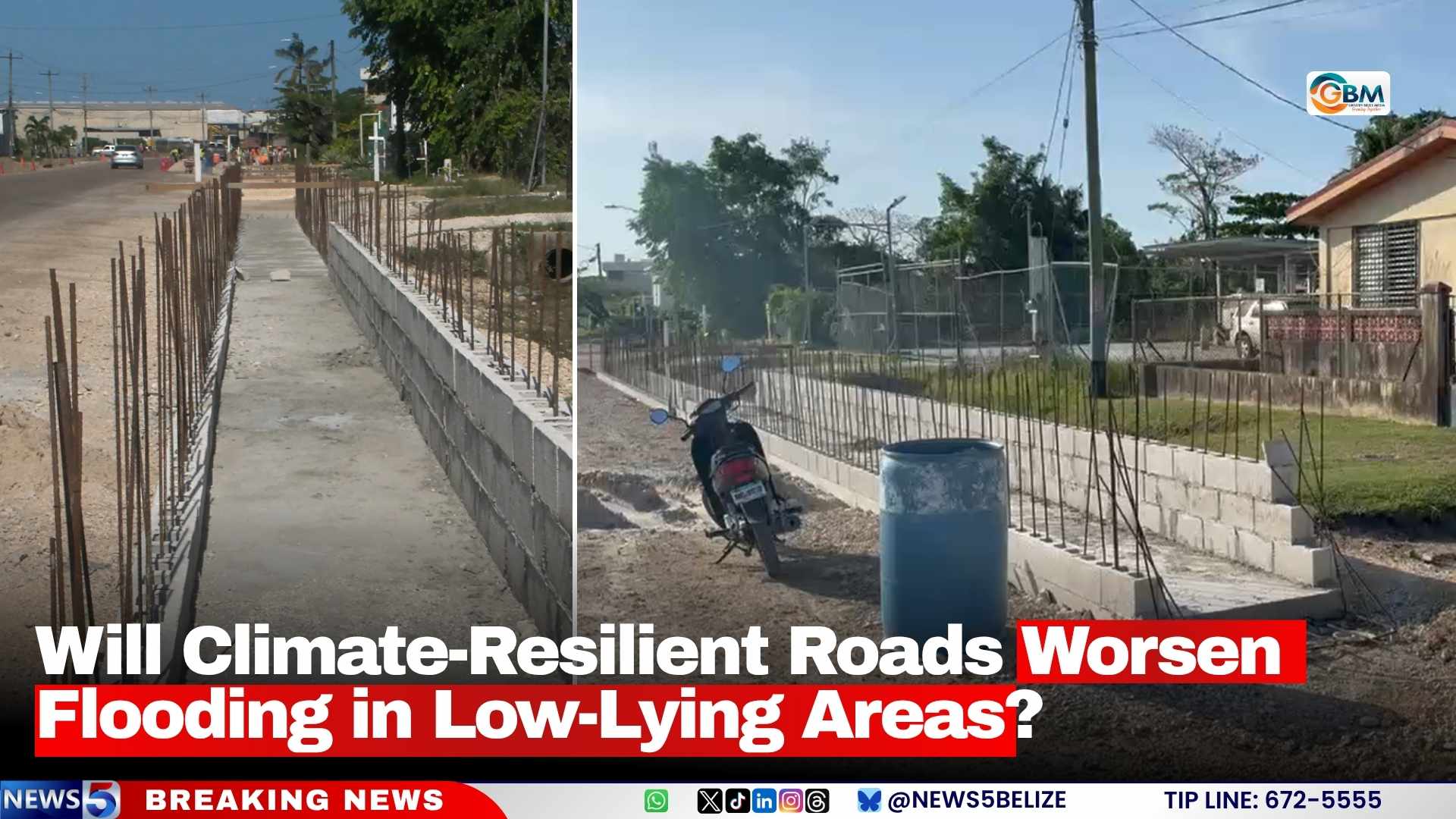
  • Will Climate-Resilient Roads Worsen Flooding in Low-Lying Areas?

    Will Climate-Resilient Roads Worsen Flooding in Low-Lying Areas?

    Along the George Price Highway in Belize, a major infrastructure upgrade aimed at building climate-resilient transportation has ignited sharp concern from nearby residents who warn the new design could bring more frequent and severe flooding to their low-lying properties.

    The controversy centers on the new drainage systems being installed as part of the highway improvement works, which residents say sit far higher than the ground level of adjacent homes and residential lots in communities including Ladyville. Locals point out that when heavy rains arrive, elevated surrounding infrastructure will block water runoff from their yards, trapping floodwater in residential areas rather than diverting it away.

    One resident who shared her perspective with local reporters questioned whether the project actually lives up to its “climate-resilient” labeling, asking, “My concern is that, is this really climate resilient, or is it going to flood my yard every single time it rains?” A second resident added that the retaining wall constructed for the upgraded highway is three blocks higher than her property elevation, leaving her unable to park a car in her yard and all but guaranteeing flooding in an area already known for its flood risk.

    Julius Espat, Belize’s Minister of Infrastructure Development and Housing, has acknowledged the public pushback, explaining that the current elevation and drainage design is mandated by international financial institutions that provide funding for the upgrade project, which requires all works to meet strict climate-resilient building standards. Under these standards, the entire highway network is being elevated, with drainage channels deepened to improve long-term flood resistance for the road itself.

    When asked how residential properties are expected to drain excess water if surrounding infrastructure sits at a higher elevation, Espat noted that the overall system is engineered to improve regional water flow, and ministry engineers will conduct individual assessments for each resident’s specific complaint. He did, however, admit that it may not be possible to resolve all concerns completely. “In all honesty, if you’re living in an area that’s lowland, it’s hard to 100% satisfy all of the queries,” he told local outlet News 5.

    Espat also pointed out that many affected residential areas were developed in natural lagoon watersheds—zones that naturally function to hold excess floodwater during heavy rain events, and that increasing residential construction in these inherently flood-prone areas has compounded the challenge. Despite the difficulties, he emphasized that the government is not avoiding the issue: “We are doing our best. We will address every single situation. When the complaints come in, we don’t hide from it, we address it.”

    Currently, ministry engineers alongside dedicated social outreach staff for the project are conducting one-on-one meetings with residents in Belize City and Ladyville to review and respond to their individual concerns. Espat added that most complaints emerge in the early stages of construction, when new road elevations are first put in place, framing the disruption as a growing pain of necessary progress. “Progress brings problems,” he said. “You’re making sure residents of the country can travel from one area to the next, and yes, you will have problems in other areas that we have to address. We can’t run away from it.”

  • What’s Coming Weather-Wise?

    What’s Coming Weather-Wise?

    As the 2026 Atlantic hurricane and dry season progresses, climate and disaster management stakeholders across Belize gathered last week for the 14th iteration of the country’s annual National Climate Outlook Forum, kicking off coordinated preparations for confirmed El Niño conditions that are projected to bring extreme, unpredictable weather to the nation over the coming months.

    Held across two days and centered on the core theme of strengthening national disaster risk reduction through accessible, data-driven climate services, the forum brought together a cross-sector coalition of representatives from national government agencies, private sector enterprises, regional climate bodies, and local civil society groups. The convening’s core goal is to align stakeholders on the projected climate conditions for the coming season and outline targeted preparedness actions for the nation’s most weather-reliant industries.

    In his keynote address to attendees, Ronald Gordon, Belize’s Chief Meteorologist, emphasized that El Niño has already transitioned from a projected risk to an active, on-the-ground reality, requiring urgent adaptive planning from all sectors. Gordon explained that while El Niño’s most commonly cited impact for Belize is extended, severe dry spells, the phenomenon does not rule out extreme short-term rainfall events that can trigger flash flooding—a warning already borne out by extreme wet weather that struck the nation just one week before the forum.

    Beyond hazard projections, the forum fulfills two critical functions for Belize’s National Meteorological Service, Gordon noted. First, it delivers tailored seasonal forecasts for key climate-sensitive sectors, including agriculture, tourism, energy, water resource management, and disaster response, covering all major hazards from drought and extreme heat to erratic rainfall and tropical cyclone activity. Second, it creates a structured space for stakeholders to give feedback on the relevance and utility of the meteorological service’s current outputs, ensuring future forecasts meet the actual operational needs of end users.

    “Continuous consultation with our stakeholders is non-negotiable, because it is the only way we can ensure we are delivering information that is actually useful and relevant to their planning and response work,” Gordon told attendees.

    In addition to the confirmed El Niño outlook, the forum also addressed an ongoing and rapidly escalating climate hazard for Belize’s coastal communities: an unusually active 2026 sargassum season. Gordon reported that the National Meteorological Service is already issuing weekly sargassum forecasts and targeted alerts for at-risk coastal communities to prepare for mass seaweed beaching events. With sargassum blooms typically reaching their seasonal peak in August, Gordon warned that the most disruptive period of the 2026 season is still ahead for coastal areas across Belize.

  • Six Prime Ministers in 10 Years: UK’s Latest PM Resignation

    Six Prime Ministers in 10 Years: UK’s Latest PM Resignation

    LONDON – In a move that cements a decade of unprecedented leadership turbulence in British politics, Prime Minister Keir Starmer has announced his resignation from both the office of prime minister and his position as leader of the Labour Party, just two years after securing the largest parliamentary majority for his party in modern history.

    Starmer’s landslide 2024 election victory catapulted him into Downing Street, making him the sixth person to hold the UK’s highest office in less than 10 years. Under the terms of his announcement, he will remain as a caretaker prime minister until a successor is selected, a process he confirmed will conclude before Parliament reconvenes for its autumn session in September.

    The 64-year-old’s departure came after months of growing internal friction within the Labour Party, which gradually eroded his authority. By the end of his tenure, polling data put Starmer as the least popular sitting prime minister in recorded British public opinion history, CNN reports. According to the BBC, three connected events delivered the final push for his resignation: catastrophic losses for Labour in May 2026 local elections, the departure of multiple senior cabinet ministers in protest of Starmer’s leadership, and a resurgent public scandal over his appointment of Peter Mandelson – a politician with documented past links to convicted sex offender Jeffrey Epstein – as British ambassador to the United States.

    The path to the leadership now appears cleared for Andy Burnham, the former mayor of Greater Manchester, who political analysts and party insiders widely name as the clear frontrunner to replace Starmer. Burnham, who has long been seen as a popular unifying figure within Labour, was officially sworn in as a Member of Parliament for the Makerfield constituency on Monday, just one week after winning a critical by-election that secured him a seat in the Commons – a long-held requirement for any would-be Labour leader.

    Starmer’s exit extends a stunning streak of leadership turnover that has shaken the foundations of UK governance since 2016. Over the past 10 years, six prime ministers – David Cameron, Theresa May, Boris Johnson, Liz Truss, Rishi Sunak, and now Starmer – have all left Downing Street before completing their full terms, each felled by a unique political crisis ranging from Brexit fallout to internal party revolts and personal scandal. Political analysts warn that the constant rotation at the top has left the UK with weakened policy continuity, eroded public trust in political institutions, and growing uncertainty ahead of key domestic and international policy deadlines.

  • Are Trump’s Threats Undermining Iran’s Peace Negotiations?

    Are Trump’s Threats Undermining Iran’s Peace Negotiations?

    In a high-stakes round of bilateral negotiations held in Switzerland that wrapped up on June 22, 2026, the United States and Iran have reached a tentative breakthrough: a shared roadmap to finalize a comprehensive peace agreement within the next 60 days. But the 18-hour marathon talks were far from smooth, as aggressive public comments from former president Donald Trump injected sharp tension into the process, with Tehran threatening to abandon negotiations entirely if such threats continue.

    The drama unfolded after Trump took to his social media platform Truth Social to issue a stark warning to Iran, claiming the U.S. would strike the country “very hard” unless it halted its support for armed proxies operating in Lebanon. In a subsequent interview with Fox News, Trump doubled down on his bellicose language, saying he would “blow the hell out of Iran” if the country moved to shut down the Strait of Hormuz, the critical global oil chokepoint that carries nearly a fifth of the world’s daily oil consumption.

    Iran’s Foreign Ministry responded quickly to the remarks, issuing a clear caution that ongoing direct negotiations would be terminated immediately if Washington continued to issue such threats. The standoff put the U.S. negotiating delegation, led by Vice President JD Vance, in the position of having to defend Trump’s comments. Vance pushed back against criticism, framing Trump’s words as a proportional response to what he described as inflammatory “trash talk” coming from Iranian officials.

    Despite the public flare-up, Vance emphasized that the talks delivered tangible, meaningful progress toward a final agreement. “We laid a very good foundation for a successful final deal… We haven’t built the house, but we’ve laid a successful foundation,” Vance told reporters following the conclusion of negotiations.

    The talks centered on four core priority issues that have defined U.S.-Iran tensions for decades: Iran’s controversial nuclear program, the rolling back of crippling U.S. economic sanctions, regional security cooperation, and a path to end the ongoing armed conflict in Lebanon. Beyond the broad 60-day roadmap, negotiators announced multiple concrete outcomes from the round of talks. Most notably, both sides agreed to establish a new High-Level Committee tasked with overseeing the ongoing negotiation process and guiding lower-level technical discussions over the next two months. They also agreed to set up dedicated direct communication channels designed to prevent miscommunication and ensure the continuous, unobstructed operation of the Strait of Hormuz. Additionally, Iranian negotiators reportedly committed to allowing International Atomic Energy Agency (IAEA) inspectors to return to the country to resume monitoring of Iran’s nuclear activities, a key long-standing demand from the international community.

    The fragile progress comes amid continued uncertainty over the impact of Trump’s repeated public threats on the negotiation timeline. Analysts have cautioned that external inflammatory rhetoric could erode the limited trust built between the two delegations, potentially derailing the most ambitious diplomatic effort between Washington and Tehran in years.

  • Belize Chairs CECC/SICA Again. What’s the Plan This Time?

    Belize Chairs CECC/SICA Again. What’s the Plan This Time?

    In a formal handover ceremony held during the 51st Ordinary Meeting of the Council of Ministers of Education and Culture in Santo Domingo, Dominican Republic on June 17, 2026, Belize officially assumed the six-month Pro Tempore Presidency of the Central American Educational and Cultural Coordination (CECC/SICA), marking the second time the small Central American-Caribbean nation has held this regional leadership position since January 2023.

    Ramon Cervantes, Minister of State in Belize’s Ministry of Education, Culture, Science and Technology, accepted the presidential mandate on behalf of the Belizean government, stepping into the role after the Dominican Republic completed its outgoing term. The rotational presidency of CECC/SICA follows a fixed six-month sequence, moving sequentially from north to south across member states with Belize opening the rotation cycle, placing the country in a foundational role for each full round of regional planning.

    Cervantes used the handover occasion to outline three core strategic priorities that will guide Belize’s leadership over its term. First, the country will push to advance inclusive access to education across the region, working to ensure that no learner is excluded from quality educational opportunities regardless of geographic location or socioeconomic background. Second, Belize will prioritize strengthening cultural preservation and promotion, positioning shared and diverse cultural heritage as a core pillar of both national identity and sustainable regional development. Third, the administration will prioritize accelerating digital transformation across education and cultural sectors across member states. To illustrate this commitment, Cervantes highlighted Belize’s own domestic 501 Academy initiative as a replicable model for scalable educational digitalization that other regional nations can adapt to their own contexts.

    Looking back to Belize’s first turn in the CECC/SICA presidency in 2023, led at that time by former Minister of State Louis Zabaneh, the administration focused its efforts on regional curriculum reform, expanded integration of science and technology into education systems, and increased institutional recognition of Afro-descendant and Indigenous communities across Central America. During that term, Education Minister Francis Fonseca emphasized that Belize’s unique geographic positioning, bridging the Central American isthmus and the Caribbean basin, gives the country a distinct comparative advantage in advancing cross-regional collaboration and connecting different cultural and economic blocs.

    As the new term gets underway, regional observers will track how Belize delivers on its three stated priorities, building on the progress of its 2023 leadership to advance the shared educational and cultural goals of CECC/SICA member states.

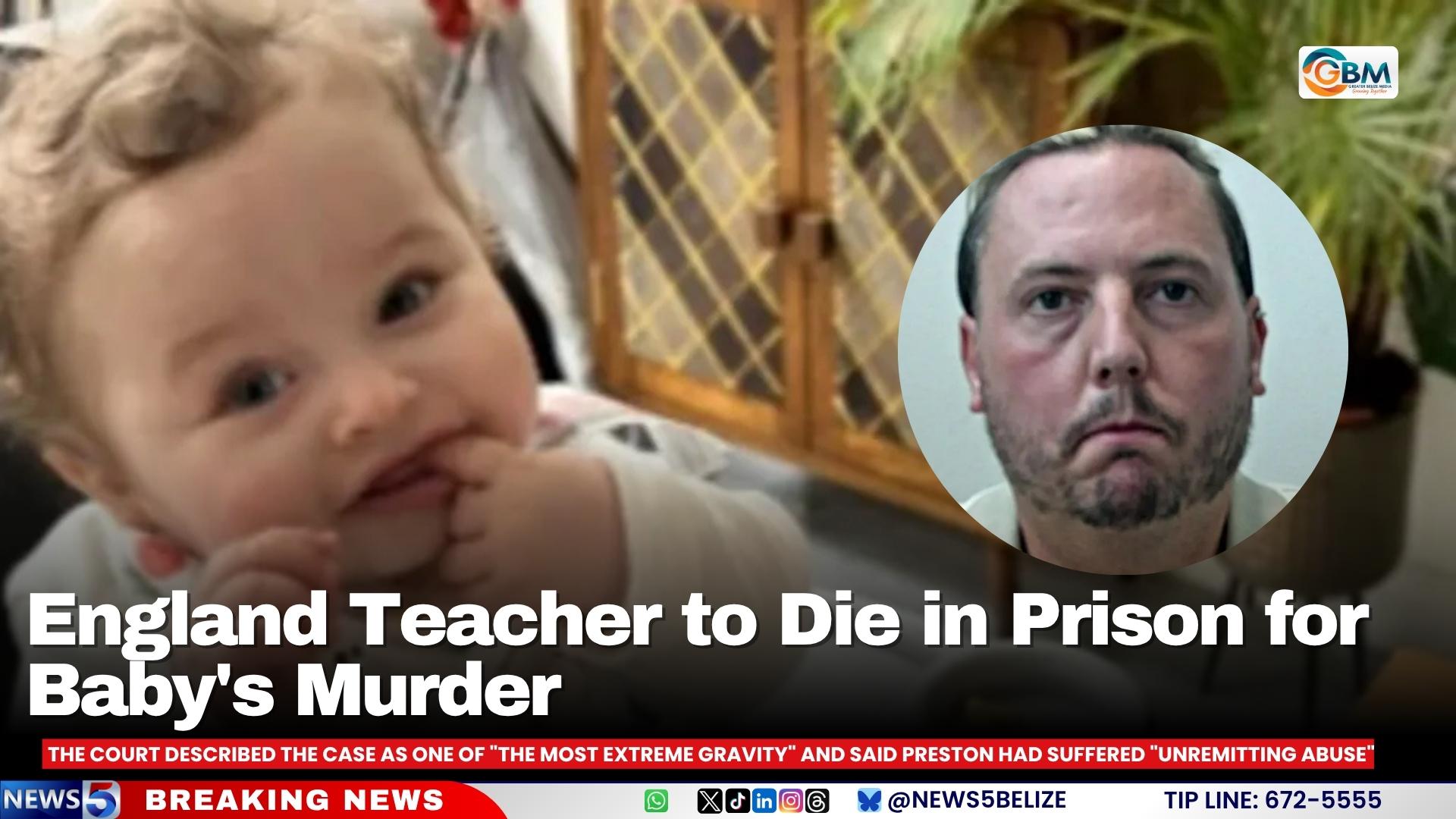
  • England Teacher to Die in Prison for Baby’s Murder

    England Teacher to Die in Prison for Baby’s Murder

    In a high-profile sentencing that has shocked communities across the United Kingdom, a 37-year-old former teacher from England has been ordered to spend the rest of his life behind bars following his conviction on charges of sexual abuse and murder of his 13-month-old adopted son, Preston Davey.

    Jamie Varley was handed a whole-life life imprisonment order — the most severe sentence available under UK law — after a jury found him guilty of Preston’s killing, which took place in July 2023. His long-term partner, 32-year-old John McGowan-Fazakerley, was convicted of three additional serious offenses: sexual assault, child cruelty, and allowing a child’s death, and has been sentenced to 25 years in custody.

    Delivering the sentence at trial, presiding judges emphasized that the case ranked among “the most extreme gravity” encountered in the court system, detailing the unrelenting pattern of abuse and neglect that Preston endured while under Varley’s care. Court documents lay bare months of systemic harm inflicted on the toddler: a post-mortem examination uncovered 40 separate external and internal injuries across the child’s body, many of which were confirmed to be consistent with documented sexual abuse.

    In the immediate aftermath of Preston’s death, Varley attempted to mislead investigators by claiming the toddler had drowned accidentally during a bath. However, comprehensive forensic and medical analysis quickly debunked this false narrative, ruling out drowning entirely as the cause of death.

    Preston was born in June 2022, and entered the foster care system just weeks after his birth. After Varley and McGowan-Fazakerley completed adoption approval processes, the toddler moved into their home in April 2023. Over the four months he lived with the couple, trial evidence presented over the eight-week court proceeding confirmed Preston suffered repeated non-accidental injuries. Records show he was admitted to hospital three times before his death, for treatment of seizures, unexplained bruising, and a fractured elbow — none of which prompted intervention that would ultimately save his life.

    The fatal incident unfolded on July 27, 2023, when Varley rushed an unresponsive Preston to emergency care, where medical teams were unable to resuscitate the child.

    During the sentencing phase, victim impact statements from Preston’s biological parents were read aloud in court, describing the irreversible devastation his death has caused their family, and the endless pain of learning the prolonged abuse their son endured before his passing.

  • Who Wanted This Pregnant Woman Dead?

    Who Wanted This Pregnant Woman Dead?

    On a Saturday afternoon in the quiet community of Hattieville, Belize, a brutal fatal shooting has left two people dead and local law enforcement racing to uncover who targeted a pregnant mother and why. The victim has been formally identified as Jane Urbina, a resident of Santa Elena in the Cayo District, who was waiting for public transportation outside the village when the attack unfolded. Neither Urbina nor her unborn child survived the gunfire, marking a devastating double tragedy that has rocked the small Central American nation.

    Court and law enforcement records show that shortly before the gunman struck, Urbina had completed a visit to her brother at Belize Central Prison. Her brother, Lionel Rodolfo Urbina, is an active duty police constable currently being held on remand. He was charged in June 2025 with the murder of 19-year-old Kevin Matthew Depaz, who was fatally stabbed in a violent incident on the popular tourist island of Caye Caulker.

    Witness accounts outline that Urbina had just left the prison facility and was gathered at the local bus stop, making arrangements to travel back to her Santa Elena home, when an unidentified armed suspect approached her, fired multiple shots, and immediately escaped the scene on a waiting motorcycle. Emergency responders rushed to the area after receiving panicked calls from bystanders, but were unable to save Urbina or her unborn child.

    In the days following the shooting, speculation about potential motives has spread rapidly across social media platforms, with countless theories emerging connecting the attack to the pending murder case against Urbina’s brother. However, officials from the Belize Police Department have confirmed that they have not yet publicly verified or confirmed any established motive for the brazen daytime attack. Investigators are currently working through evidence collected from the crime scene, interviewing witnesses, and following up on leads to identify and apprehend the gunman responsible for the double killing.

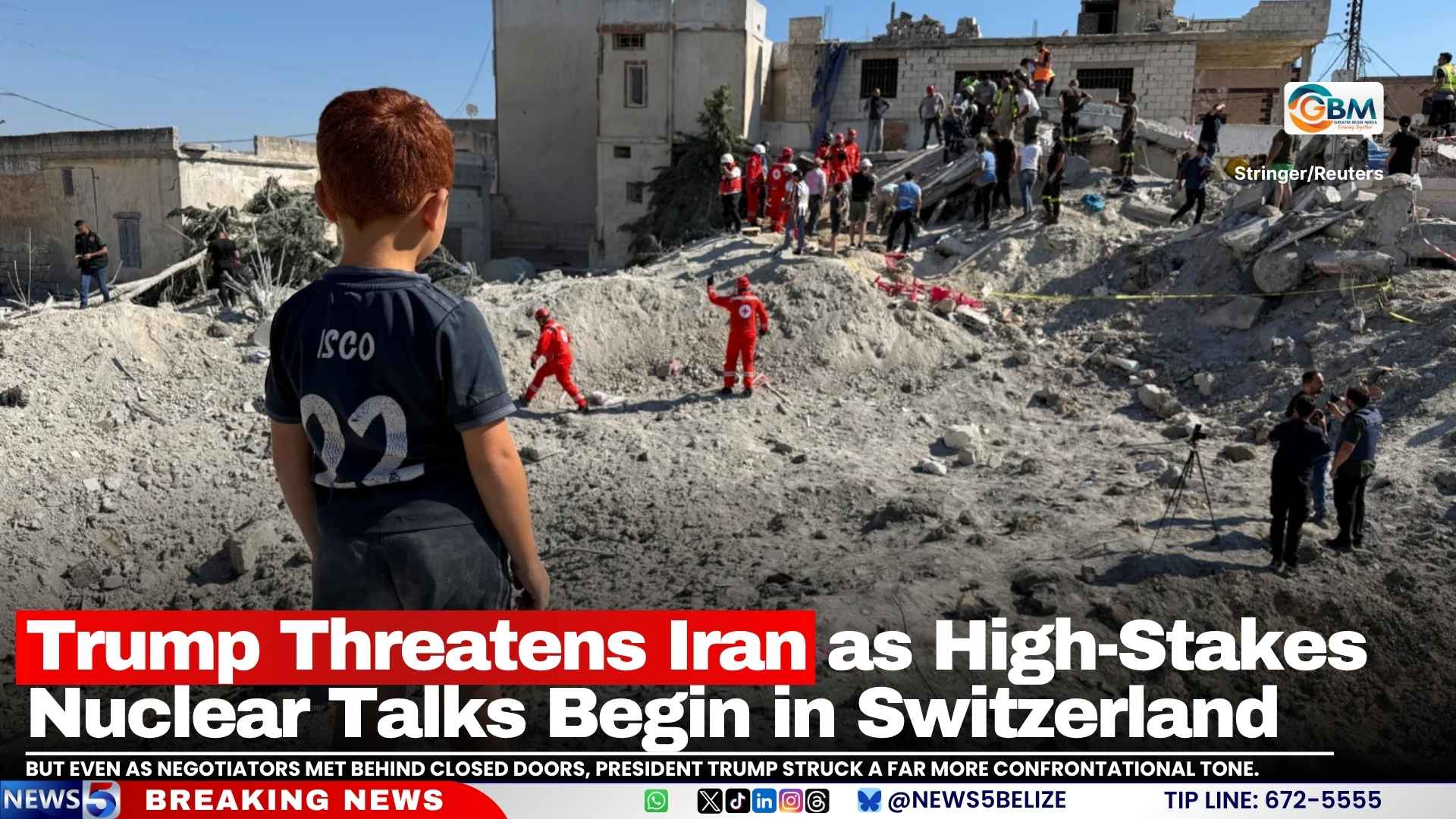
  • Trump Threatens Iran as High-Stakes Nuclear Talks Begin in Switzerland

    Trump Threatens Iran as High-Stakes Nuclear Talks Begin in Switzerland

    On June 21, 2026, long-awaited high-stakes negotiations between the United States and Iran kicked off in Switzerland, bringing fresh hope and deep uncertainty to the Middle East’s most intractable diplomatic standoff. But just as negotiators sat down behind closed doors, a stark public split between U.S. diplomatic messaging and presidential rhetoric threw the process into question, as former President Donald Trump issued a series of aggressive threats against Tehran that cast a shadow over the opening talks.

    The discussions, which follow a preliminary memorandum of understanding signed by both sides last week, are being led on the American side by Vice President JD Vance, with senior Iranian national security officials representing Tehran. Unlike the informal exploratory talks held in recent months, this round has been framed by negotiators as the first phase of substantive final agreement negotiations, with three core priorities dominating the agenda. The first and most high-profile is Iran’s contested nuclear program, which has been a flashpoint for international tension for more than two decades. The two remaining flashpoints are the ongoing violent conflict in Lebanon involving Iran-backed militant group Hezbollah, and the future security and governance of the Strait of Hormuz — the narrow strategic waterway that carries roughly 20% of the world’s daily oil trade, making it one of the most critical global energy chokepoints.

    Diplomats with direct knowledge of the initial proceedings told reporters that both sides have entered what they characterized as an “open dialogue,” working to map out the structural framework for a binding final agreement that could resolve decades of bilateral hostility. Ahead of the official start of negotiations, Vance struck a measured, pragmatic tone, outlining the Trump administration’s core conditions for a normalized relationship. “The United States stands ready to improve bilateral relations with Iran if Tehran abandons its role as a driver of regional instability and gives up all ambitions to develop a nuclear weapon,” Vance said in his opening public remarks.

    But any momentum from the opening of talks was quickly undermined by Trump’s comments during a Friday interview with Fox News, where the president adopted a far more belligerent stance toward Iran. The president threatened that the U.S. would resume direct military action against the country if negotiators failed to reach a satisfactory final agreement, and went a step further by suggesting the U.S. could seize direct control of the Strait of Hormuz in the event of a collapsed deal. “We may take over the Strait if we have to,” Trump told the network. “If they don’t make a deal, we’ll collect tolls” from commercial vessels passing through the waterway.

    Trump doubled down on the threat in comments directed specifically at the Iranian negotiating team, warning that if Iran followed through on its recent pledge to close the strategic waterway, “you won’t have a country.”

    The president’s aggressive rhetoric came in direct response to an announcement from Iranian officials made one day before the talks opened. On Saturday, Iranian leaders said they would move to close the Strait of Hormuz in retaliation for what they call repeated Israeli violations of a fragile ceasefire agreement in Lebanon, and for what they say are ongoing failures by the United States to uphold the commitments it made in last week’s preliminary memorandum.

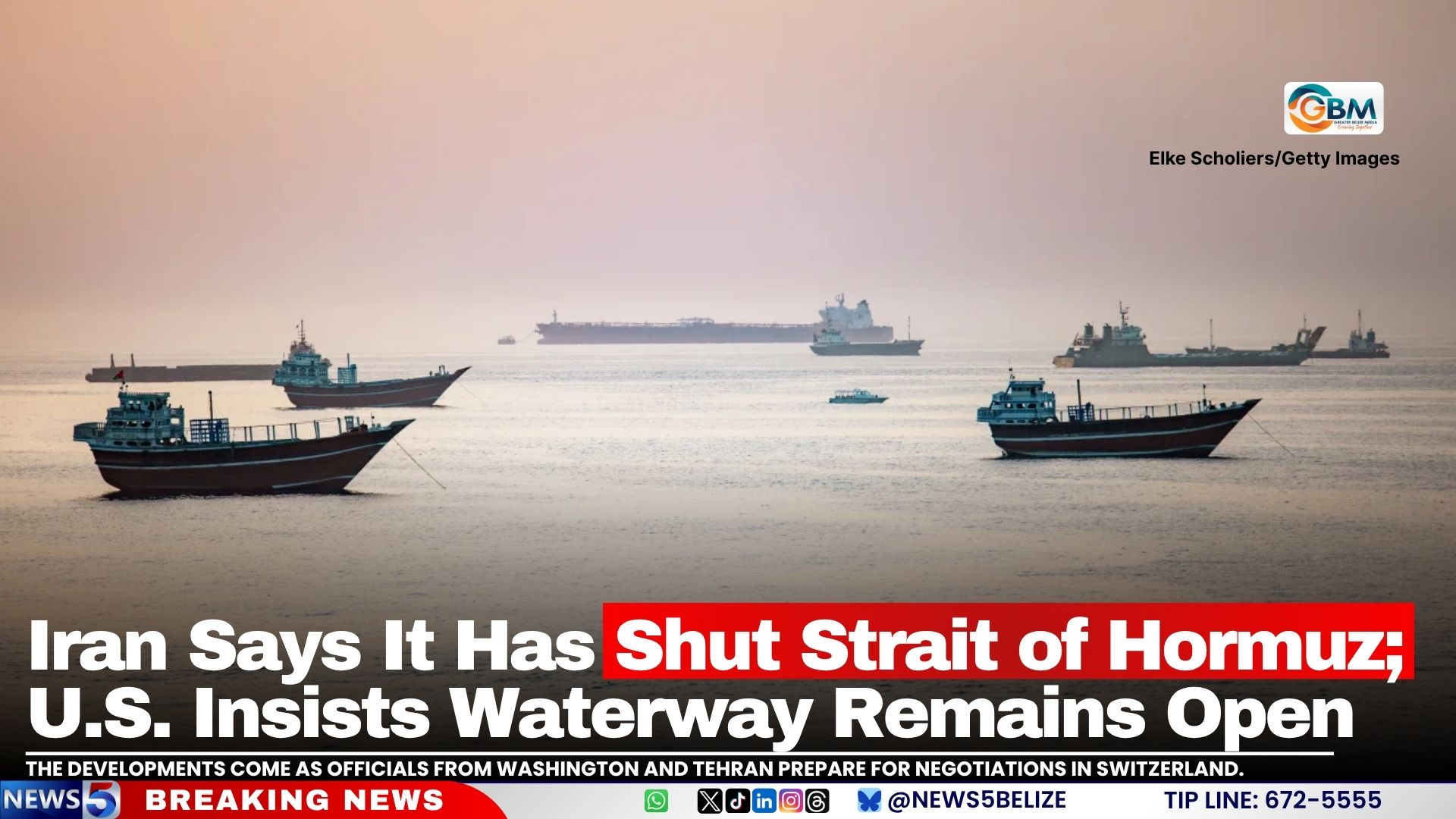
  • Iran Says It Has Shut Strait of Hormuz; U.S. Insists Waterway Remains Open

    Iran Says It Has Shut Strait of Hormuz; U.S. Insists Waterway Remains Open

    In a tense escalation of Middle Eastern tensions that has sent ripples through global energy and diplomatic circles, Iran announced on June 20, 2026 that it has shut down the Strait of Hormuz — the world’s most vital chokepoint for global oil transit. The move came as Tehran issued formal accusations against Israel for breaking a recently agreed ceasefire in Lebanon, and against the United States for failing to honor the terms of a preliminary, tentative deal designed to de-escalate the broader regional conflict, multiple international news outlets have confirmed.

    Contradicting Iran’s announcement outright, U.S. Central Command (CENTCOM) has flatly rejected Tehran’s claim, pushing back that the Islamic Republic does not hold operational control over the strategic waterway, and that commercial shipping traffic continues to flow through the passage without interruption. “Iran does not control the Strait of Hormuz,” confirmed Captain Tim Hawkins, a spokesperson for CENTCOM. He added that U.S. military forces have maintained active surveillance of the entire region, with a core mission of protecting unimpeded passage for all commercial vessels.

    Data released by CENTCOM via CNN shows that 55 merchant vessels successfully transited the strait on the day prior to Iran’s announcement, carrying more than 17 million barrels of crude oil to global energy markets. U.S. Vice President JD Vance, who is set to lead the American delegation to upcoming negotiations with Iran in Switzerland, told Fox News that current oil transit volumes through the strait have already returned to pre-conflict levels. Vance also emphasized there is no verifiable evidence that Iran has carried out any effective closure of the key waterway.

    These competing claims emerge just days before high-stakes diplomatic talks are scheduled to open in Switzerland. The negotiations will bring together U.S. and Iranian delegations, with third-party mediation from Pakistan and Qatar, as global powers work to prevent a full-scale regional conflict that could upend global energy supplies. Even as diplomatic teams prepare for talks, however, renewed fighting between Israel and Hezbollah continues to undermine chances of a breakthrough. CNN reported that at least 16 people were killed in Israeli airstrikes targeting southern Lebanon on Saturday, with Israeli officials confirming the strikes were launched in direct response to prior offensive actions by Hezbollah.

    Iran has issued a stark final warning to the U.S. in the lead-up to the talks, stating that it will implement what it calls “necessary measures” if Washington fails to meet its obligations under the preliminary de-escalation agreement. The standoff over the Strait of Hormuz has already drawn heightened international attention, as the waterway carries roughly 20% of all global oil consumption, and any prolonged disruption would send shockwaves through energy markets worldwide.