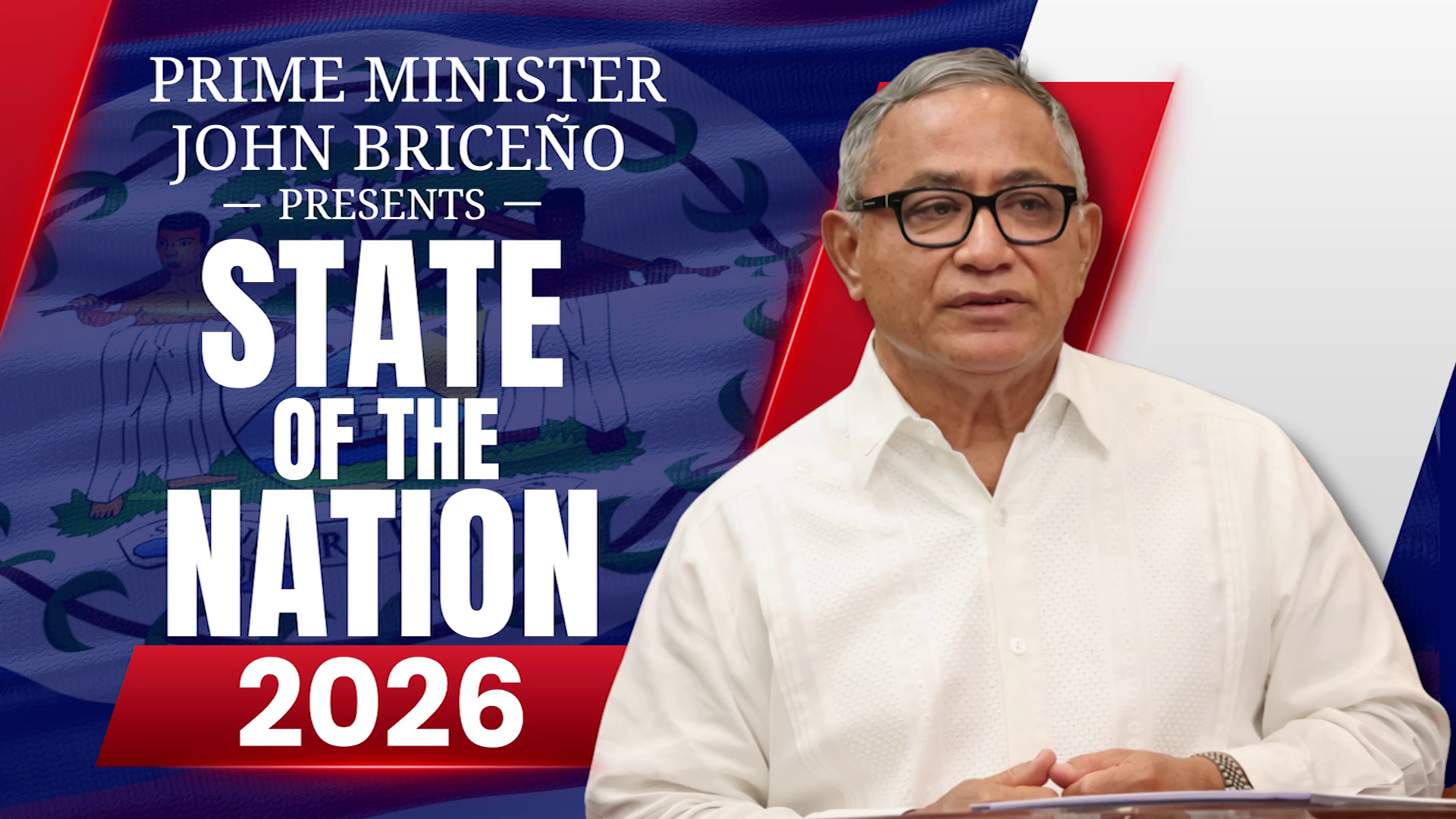
In September 2026, as Prime Minister John Briceño touts robust macroeconomic gains for Belize in his annual State of the Nation Address, a stark contradiction plays out across the country: official indicators show record growth and employment, yet working families continue to grapple with rising daily costs and persistent financial insecurity. This divide has sparked urgent questions about whether the government’s headline economic gains are translating into tangible prosperity for ordinary Belizeans, and how sustainable the current growth trajectory really is.
Briceño’s address painted a largely optimistic picture of the national economy, pointing to official data from the Statistical Institute of Belize that puts year-on-year growth at 5.1% — a rate consistently exceeding the country’s historical averages. The government also highlights a near-full employment rate of 98%, framed as a landmark policy achievement, alongside a robust pipeline of foreign and domestic investment. In the 2025-2026 fiscal year alone, the BelizeINVEST unit under the Belize Trade and Investment Development Corporation (BELTRAIDE) has shepherded 13 approved investment projects valued at over $255 million, which are projected to create more than 900 new jobs. Looking ahead, another seven major investments worth $900 million are pending approval, with an 11-project additional pipeline valued at $67 million that could add hundreds more roles.
To further drive development, the government is rolling out a $324 million capital expenditure program for the current fiscal year, allocating funds to high-priority sectors including major highway infrastructure upgrades, the final expansion of Belize’s National Health Insurance (NHI) system, education improvements across all levels, and public safety and citizen protection initiatives. Briceño emphasized that this targeted stimulus spending is designed to lay long-term foundations for inclusive growth, addressing longstanding gaps in public services that hold back household financial stability.
But despite these positive macroeconomic metrics, critical vulnerabilities threaten to undermine progress, starting with one of Belize’s most historic and economically vital industries: sugar. Briceño confirmed that sugar production has plummeted by nearly 50% compared to three years ago, a decline driven by a damaging dual crisis of fusarium disease and mealybug infestations that have ravaged crop yields across the country’s growing regions. In response, the government has fast-tracked $8 million in emergency aid — $5 million for mealybug extermination efforts and $3 million for fusarium disease eradication programs. Still, industry analysts and local producers remain uncertain whether this support will be enough to reverse the decline and save thousands of rural jobs tied to sugar production.
Another core pillar of Belize’s economy, tourism, is also facing growing headwinds. In recent months, visitor arrivals have softened noticeably, a downturn directly linked to widespread sargassum algal blooms that have blanketed many of the country’s most popular coastal tourist destinations. The prime minister noted that the Belize Tourism Board (BTB) has developed a comprehensive rescue plan to address the ongoing crisis, with funding coming from BTB reserves as well as grants and low-interest loans from international financial institutions (IFIs) to purchase specialized sargassum removal equipment. However, as sargassum blooms become a more frequent, permanent fixture of Caribbean coastal ecosystems, long-term solutions remain elusive.
The most striking disconnect, though, remains between national economic indicators and household financial reality. While the 98% employment rate is framed as a major win, critics and ordinary families point out that the headline figure does not account for low wages, job instability, or the lack of upward mobility in many of the new roles being created. Even for Belizeans with steady work, the rising cost of basic necessities including food, transportation, and utilities has eaten into incomes, leaving many unable to build long-term savings or achieve financial security.
As the government defends its development agenda amid growing public frustration, the key question hanging over Belize’s 2026 economy is whether the strong growth highlighted in official reports can be made inclusive enough to lift working families, and whether current levels of public spending can be sustained without creating unsustainable fiscal pressure or rising national debt that will burden future generations. This investigation, from News Five’s Paul Lopez, unpacks the gap between official economic promises and the day-to-day reality experienced by millions of Belizeans.