标签: Barbados

巴巴多斯

  • West Terrace and Eden Lodge advance to semis

    West Terrace and Eden Lodge advance to semis

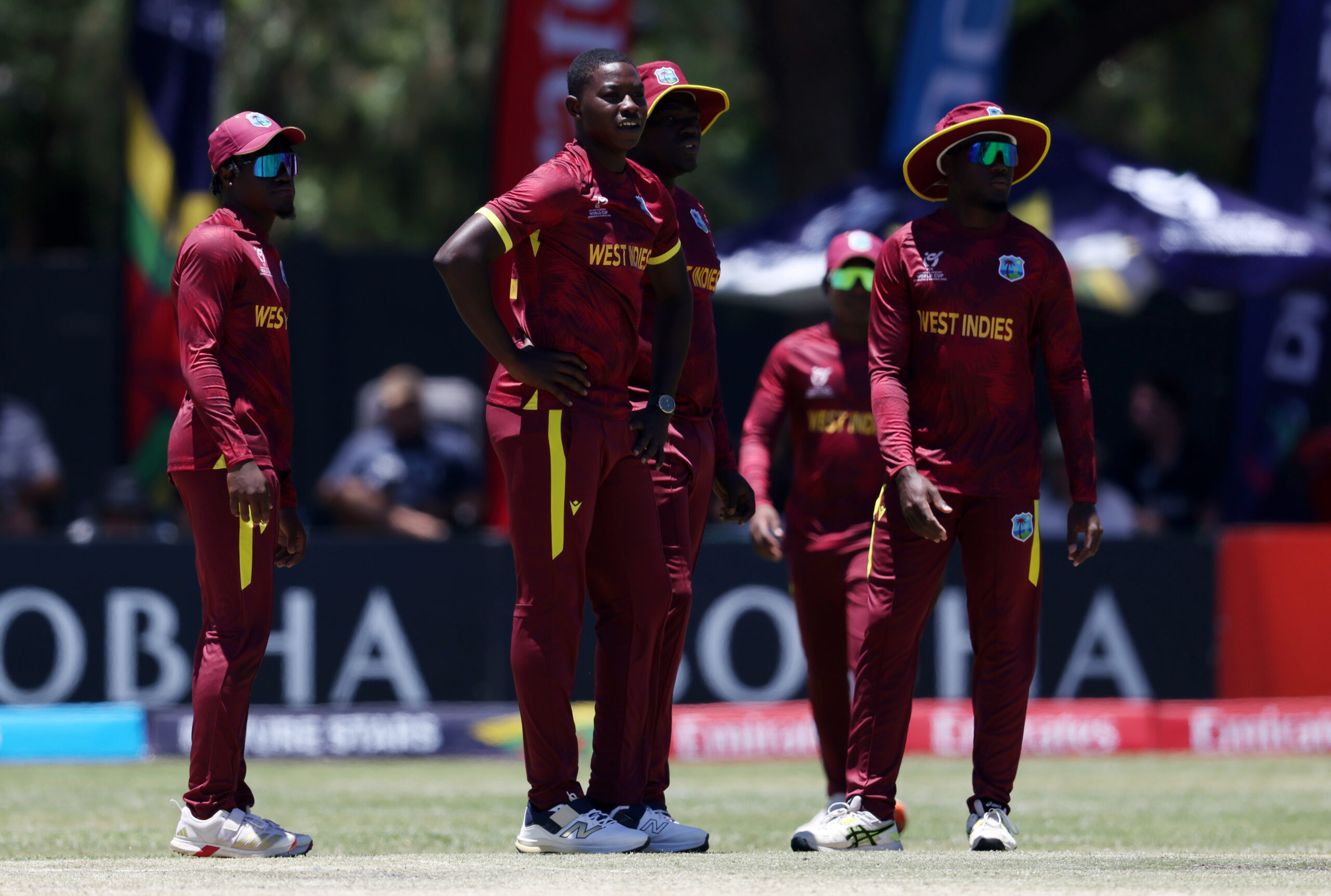
    The National Sports Council City of Bridgetown Co-operative Credit Union Limited Herman Griffith Cricket Competition witnessed dramatic quarterfinal clashes on Thursday, with defending champions Williams Industries West Terrace Tigers and Gordon Greenidge Primary securing their places in the semifinal round.

    At Dash Valley playing field, West Terrace Tigers posted a formidable total of 163-9 in their 25-over allocation against Jordans Supermarket Good Shepherd. The Tigers’ innings was anchored by talented all-rounder Kailen Corbin’s impressive 45 runs, complemented by Neymar Forde’s contribution of 28. Damani Haynes emerged as the standout bowler for Good Shepherd, claiming 4 wickets for 23 runs.

    In response, Good Shepherd’s batting lineup collapsed under pressure, being dismissed for 98 runs and conceding victory by a margin of 68 runs. Corbin delivered a remarkable bowling performance, securing 4 wickets for just 18 runs with his pace attack to complete his man-of-the-match display.

    Meanwhile, at Lears playing field, Gordon Greenidge Primary staged a spectacular comeback to defeat Eden Lodge in a nail-biting encounter. After suffering an early collapse at 18-6, Gordon Greenidge remarkably recovered to post 68 all out, largely due to Jaheem King’s devastating bowling figures of 6-7 for Eden Lodge.

    The Gordon Greenidge bowlers responded with equal ferocity, with Shomir Worrel leading the charge by taking 5-27 to skittle Eden Lodge for 62 runs, securing a dramatic 7-run victory and advancement to the semifinals.

    The semifinal matchups are now set for Wednesday, December 3 at Blenheim playing fields, where St Cyprians Boys will face Williams Industries West Terrace Tigers, and St Gabriels will take on Gordon Greenidge Primary, with both contests commencing at 10 a.m.

  • Bridgemohan makes T&T sailing history

    Bridgemohan makes T&T sailing history

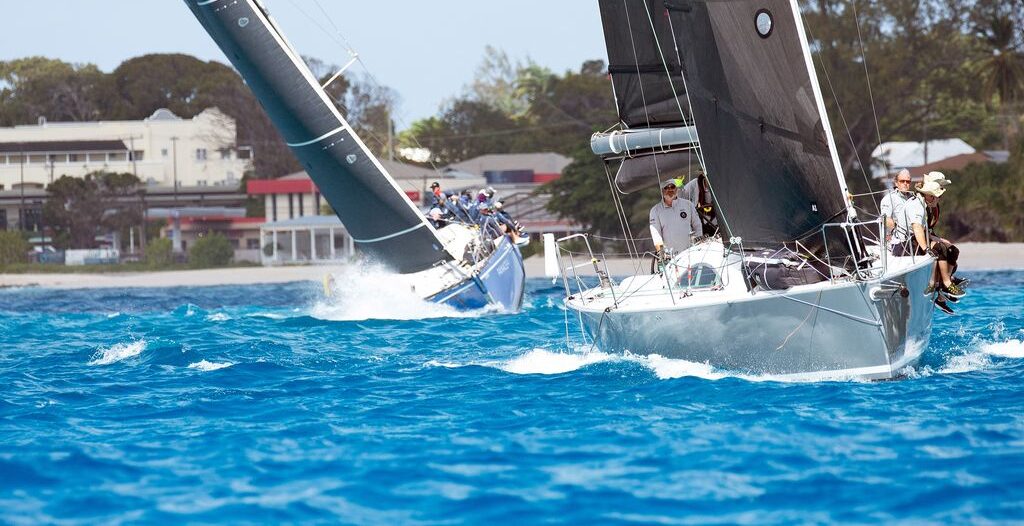
    In an unprecedented development for Caribbean athletics, Trinidad and Tobago will mark its inaugural participation in the World Sailing Inclusion Championships following an official invitation from the global governing body. Twenty-three-year-old sailor Justin Bridgemohan and coach Kristof Stüven will represent the nation at the December 2025 event in Oman’s Barceló Mussanah Resort, signaling a transformative moment for inclusive sports in the region.

    Bridgemohan’s ascent to international competition embodies extraordinary determination. His parasport journey commenced merely last year at a badminton workshop in Mexico, where he encountered Stüven, then training as a classifier. Their shared vision of competitive sailing materialized through the Andrew Lewis Sailing Foundation’s Academy, which launched its inaugural summer program this year. Despite joining during the final phase, Bridgemohan demonstrated immediate aptitude among 200 trainees and now trains intensively multiple times weekly, progressing from novice to competing alongside able-bodied sailors.

    Stüven, serving as Head Coach at the Foundation and national classifier with the Trinidad and Tobago Paralympic Committee (TTPC), emphasized the broader significance: “This transcends competition—it represents a movement demonstrating sailing’s accessibility regardless of race, gender, or ability. Trinidad and Tobago possesses the talent and determination for global impact.”

    The championship carries dual importance: Bridgemohan will compete in the Hansa 303 class—a premier adaptive sailing vessel—to receive formal international classification, while Stüven will shadow world sailing classifiers, potentially becoming the Caribbean’s first para sailing classification expert. This milestone reflects growing institutional support from TTPC and the Andrew Lewis Foundation, highlighting regional advancements in parasport infrastructure.

    TTPC President Sudhir Ramessar celebrated the achievement: “Young leaders like Stüven and athletes like Bridgemohan exemplify excellence that will inspire Caribbean youth to recognize their potential.” The participation not only breaks competitive barriers but establishes a framework for future inclusive athletic development throughout the Caribbean basin.

  • The independence of trade unions

    The independence of trade unions

    Independent trade unions represent worker-led organizations operating free from external control by employers, government entities, or political parties. These autonomous bodies primarily function to protect and advance members’ rights through collective bargaining processes, negotiating improved compensation packages and workplace conditions while providing essential support on employment-related matters.

    Despite potential financial support through government subventions or employer grants, genuine independence requires operational autonomy without external influence. Members benefit from negotiated agreements, professional representation during meetings, and access to legal and financial advisory services that would otherwise be unavailable to individual workers.

    Registration provides trade unions with legal corporate status, formalizing their operational structure. The registration certificate serves as definitive evidence of independence in legal contexts and grants specific statutory rights. This legal standing enables unions to initiate protective legal actions against member exploitation and unfair treatment.

    However, independence from employer and government interference does not equate to immunity from national legislation. Legal registration alone cannot guarantee substantive autonomy, as unions must still operate within established legal frameworks while maintaining internal self-governance.

    International Labor Organization (ILO) standards reinforce trade union independence, emphasizing workers’ rights to autonomous operation free from state or employer intervention as fundamental to freedom of association. Historical precedents, such as Margaret Thatcher’s Conservative government in 1979, demonstrate how repressive labor legislation can threaten union effectiveness, highlighting the perpetual importance of safeguarding autonomy.

    Maintaining genuine independence requires strategic relationship management with government and employers, avoiding rubber-stamp approval of predetermined decisions. Financial self-sufficiency remains preferable to dependence on external funding sources. Strong internal structures demonstrating good governance, democratic principles, ethical standards, and transparent decision-making processes ultimately define an organization’s authentic independent character.

  • What Barbados’ republican journey teaches parents about raising principled children

    What Barbados’ republican journey teaches parents about raising principled children

    The transformation of Barbados from colonial territory to independent republic offers profound insights into the universal process of raising autonomous individuals. When the island nation lowered the Union Jack on November 30, 1966, it embodied the tentative first steps of a child venturing into sovereignty. The subsequent declaration of republican status in 2021 represented the mature assertion of self-governance—akin to an adult claiming full agency over their destiny.

    This parallel between national development and child-rearing reveals fundamental truths about independence. Both processes involve gradual release of control, establishment of identity, and the delicate balance between freedom and responsibility. Barbados’ journey demonstrates that true sovereignty isn’t about rejecting history but about claiming one’s narrative while building resilient institutions.

    The nation’s progression—from political sovereignty to republican status to maintaining global competitiveness as a small island developing state—mirrors the developmental stages of childhood. Each phase required appropriate guardrails: legal frameworks for the nation, protective boundaries for children. The late Prime Minister Errol Walton Barrow’s stewardship emphasized that independence without responsibility leads to chaos, a principle equally applicable to parenting.

    Central to both journeys is identity formation. Barbados’ republican transition symbolized confidence in national selfhood, just as children require a strong sense of identity to navigate autonomy. This involves instilling pride in heritage while allowing space for individual expression, even when choices diverge from traditional expectations.

    Effective independence management requires autonomy support combined with open communication. Barbados maintained international relationships while asserting self-determination, similar to how parents can respect children’s agency while maintaining familial connections. The nation’s resilience through economic shocks, climate threats, and global uncertainty demonstrates the importance of preparing both nations and children for inevitable challenges.

    Ultimately, Barbados’ story provides a blueprint for nurturing independence through gradual release of control, celebration of milestones, and anchoring freedom in core values. Both national sovereignty and successful parenting represent acts of faith—not in the absence of difficulties, but in the capacity to overcome them through strengthened identity and embraced responsibility.

  • Renewables body wants ‘fair access’ to grid after new utility licence approved

    Renewables body wants ‘fair access’ to grid after new utility licence approved

    The Barbados Renewable Energy Association (BREA) has issued a compelling call for strengthened regulatory safeguards and equitable grid access policies following the government’s decision to award Barbados Light and Power Company with a substantial 30-year national grid management license. This development, formalized through an agreement with the Ministry of Energy, has prompted BREA President Meshia Clarke to emphasize the critical need for transparency and accountability within the island’s power sector.

    While recognizing the license agreement as a pivotal milestone that provides essential regulatory clarity and establishes the legal framework for utility operations, BREA maintains that the true measure of success will lie in its implementation. The association contends that mere contractual formalization falls short without concrete mechanisms ensuring fair grid accessibility and accelerated renewable integration.

    BREA’s leadership articulated both the opportunities and responsibilities inherent in this long-term arrangement. The license presents potential for sustained investment and technological innovation within Barbados’ electricity infrastructure. Conversely, it carries the responsibility to guarantee nondiscriminatory grid access, particularly for small and medium enterprises, independent power producers, and residential consumers seeking renewable interconnection.

    The association emphasized that delayed interconnection processes and restrictive practices would directly undermine national energy objectives and effectively limit grid accessibility. With regulatory stability now established, BREA expects the utility to prioritize resolving grid stability challenges to facilitate seamless renewable integration.

    Acknowledging Light and Power’s previous cooperation in energy transition efforts and consistent service delivery despite prior licensing ambiguities, BREA nevertheless stressed the necessity of robust oversight. The Ministry of Energy and Fair Trading Commission must ensure utility operations align with national policy directives without compromising consumer or investor interests.

    The recent devastation caused by Hurricane Melissa in Jamaica served as a sobering reminder of why community resilience through energy participation is fundamentally essential rather than optional. BREA advocates for meaningful involvement pathways for schools, churches, and community organizations in the energy transition process.

    Transparent performance reporting and public disclosure mechanisms were highlighted as critical components for building institutional trust and maintaining accountability. As Barbados pursues ambitious 2035 renewable energy and carbon-neutrality targets, BREA insists the new license must catalyze accelerated adoption rather than perpetuate outdated practices. The association pledged continued stakeholder engagement through technical collaboration and public education initiatives to transform the license into an instrument for inclusive growth and sustainable energy transformation.

  • President of the Barbados Co-operative & Credit Union League underscores unity, resilience, stability in his Independence Message.

    President of the Barbados Co-operative & Credit Union League underscores unity, resilience, stability in his Independence Message.

    As Barbados commemorates another year of independence, the nation’s credit union movement reflects on its pivotal role in fostering economic resilience and community empowerment. Under the leadership of the Barbados Co-operative & Credit Union League, the movement has embraced a philosophy centered on growth, collaboration, and harmony to navigate contemporary challenges.

    This year’s celebrations coincide with strategic advancements within the financial sector, where credit unions have prioritized systemic modernization while maintaining compassionate member services. The movement has demonstrated remarkable adaptability in addressing pressing issues such as rising living costs and small business revitalization through tailored financial solutions.

    Collaboration emerges as a cornerstone achievement, with strengthened partnerships between credit unions, government entities, and community organizations. This cooperative approach has facilitated knowledge sharing, resource optimization, and meaningful contributions to national dialogues on financial wellbeing.

    The movement’s resilience shines through its ability to withstand global economic pressures and rapidly evolving financial landscapes while preserving its core identity. This endurance enables continuous service improvement without compromising the fundamental principles of fairness and transparency.

    Harmony remains the guiding principle ensuring balanced decision-making that benefits broader communities rather than select interests. As Barbados progresses, the credit union movement reaffirms its commitment to values that have historically strengthened both the organization and the nation.

    The independence anniversary serves as both milestone and reminder of the movement’s ongoing mission: to create equitable opportunities for all Barbadians through financial inclusion and community support.

  • Scotland District road rehab ‘makes progress’

    Scotland District road rehab ‘makes progress’

    In the geologically volatile Scotland District of Barbados, two of the most technically complex routes in the national road rehabilitation program—Ermy Bourne Highway and Highway F (Phase 2)—are progressing toward their completion deadlines of July 2026 and August 2024 respectively. Chinese state contractor COMPLANT, leading the infrastructure initiative, confirmed the timeline despite confronting substantial environmental and technical obstacles.

    Project Manager Wang Wei detailed the multifaceted challenges facing engineering teams, including unstable terrain patterns, seasonal rainfall disruptions, and the logistical complexities of utility relocations. The project, launched in 2020 and funded through a concessional loan from China’s Export-Import Bank, focuses on one of Barbados’ most fragile geological zones, spanning the erosion-prone region of St Andrew characterized by unstable clay, chalk soils, and high landslide susceptibility.

    Additional high-priority sites accelerated by the Ministry of Transport & Works due to structural deterioration and public inconvenience include White Hill, Laynes Bridge, Airy Hill Bridge, and Melvins Hill Bridge. Wang emphasized that many bridges and culverts, such as Bruce Vale Bridge, required complete reconstruction after decades of service in corrosive conditions left them structurally compromised and unsuitable for modern transportation demands.

    Road degradation has been largely attributed to aged asphalt surpassing its service life and inadequate drainage infrastructure, permitting water infiltration that damaged subgrades and triggered localized collapses—notably at Bloomsbury and Laynes Bridge gully.

    To date, 11 roads including Jemmotts Road and Chance Hill Road have been fully paved, with active construction ongoing across 16 additional roads, bridges, and culverts. Eight bridges are scheduled for reconstruction, with Bruce Vale Bridge already completing pile foundation works and nearing abutment construction.

    COMPLANT has implemented rigorous environmental and geotechnical safeguards, including Dynamic Cone Penetration testing and detailed subsurface investigations. Collaboration with government forester Nigel Jones ensured protection of rare species during excavation phases. Despite persistent challenges, Wang reaffirmed the team’s commitment to high construction standards and scientific management practices to ensure both quality and timeliness of the project.

  • Major survey finds most women suffered intimate partner violence

    Major survey finds most women suffered intimate partner violence

    A groundbreaking national survey in Barbados has uncovered alarming rates of gender-based violence, revealing that nearly two-thirds of women have suffered intimate partner abuse. The comprehensive study, conducted by DB Research Services and commissioned by advocacy group Jabez House with European Union funding, exposes what officials are calling a “national emergency” requiring immediate coordinated action.

    The National Intimate Partner Violence Survey, which interviewed 515 individuals across diverse demographics, found emotional abuse to be the most prevalent form at 37%. Social isolation followed at 25%, with physical violence affecting 22% of respondents. Most disturbingly, 46% of survivors reported experiencing multiple categories of abuse simultaneously, indicating that violence typically manifests as interconnected behavioral patterns rather than isolated incidents.

    The data release coincided with Barbados’ launch of the Red Shoes Project and local observances of the 16 Days of Activism Against Gender-Based Violence. EU Ambassador Fiona Ramsay emphasized that the findings “demand not just empathy but action,” noting the particular concern of rising digital violence in online spaces. She called for enhanced protections, improved reporting systems, and greater accountability from technology companies to ensure digital platforms become tools for safety rather than endangerment.

    Permanent Secretary Wayne Marshall of the Ministry of People Empowerment and Elder Affairs declared the situation “no longer a private tragedy but rather, a national emergency.” He stressed the urgent need for collaborative efforts between government agencies, NGOs, and international partners to provide survivors with comprehensive support systems including justice mechanisms, psychological services, and safe spaces. Marshall emphasized that addressing this crisis requires both legislative reform and profound cultural transformation.

  • Govt, Light & Power sign licences to unlock $500m in renewable projects

    Govt, Light & Power sign licences to unlock $500m in renewable projects

    In a transformative move for its energy future, Barbados has successfully averted potential grid collapse and secured long-term electricity stability through newly ratified licensing agreements with the Barbados Light and Power Company (BLPC). The landmark signing ceremony at Warrens Office Complex, presided over by Energy Minister Senator Lisa Cummins, clears the path for over $500 million in renewable energy investments while extending operational frameworks beyond the previous 2028 expiration deadline.

    Minister Cummins characterized the previous energy infrastructure as being in ‘gridlock’ due to insufficient storage capacity, emphasizing that these newly negotiated licenses fundamentally restructure the nation’s power procurement ecosystem. The comprehensive agreement establishes a modernized framework for power purchase agreements between independent renewable energy producers and BLPC as the primary off-taker, effectively democratizing energy generation while ensuring grid reliability.

    The licensing breakthrough enables financial institutions, notably Scotiabank as represented at the signing, to release previously frozen capital for massive renewable infrastructure development. This financial unlocking addresses what energy officials described as a critical investment bottleneck that had hampered Barbados’ transition to sustainable energy sources.

    BLPC Managing Director Roger Blackman hailed the 30-year licensing arrangement as ‘an important milestone’ that creates unprecedented operational certainty. The new structure separates generation/storage operations from transmission/distribution activities, establishing distinct regulatory frameworks for each sector while ensuring coordinated grid management. This bifurcated approach allows for streamlined integration of independent power producers while maintaining BLPC’s oversight of grid stability.

    The minister highlighted the legislative evolution from the outdated Electric Light and Power Act to the contemporary Electricity Supply Act, requiring meticulous alignment between existing operations and new regulatory standards. The transition eliminates a potential regulatory vacuum that could have emerged after 2028, ensuring continuous investment in grid modernization and preventing infrastructure deterioration that might have led to blackouts.

    This strategic energy sector overhaul coincides with Barbados’ Energy Month celebrations, marking the culmination of what Minister Cummins described as ‘a genuinely aggressive period’ of behind-the-scenes restructuring. The new licenses take immediate effect upon revocation of previous orders, creating seamless regulatory continuity that promises to transform Barbados’ energy landscape for generations to come.

  • Celebrating Barbados’ Independence in a changing world

    Celebrating Barbados’ Independence in a changing world

    As Barbados commemorates another year of sovereignty, the nation reflects on its journey as a small island demonstrating extraordinary fortitude amid global challenges. This annual celebration reinforces the enduring truth of Barbados’ significant spirit despite its geographical size.

    The historical narrative of Barbados is marked by numerous instances where citizens united to advance and prosper against formidable odds. In the current climate of worldwide uncertainty—characterized by economic pressures, environmental threats, and international instability—the significance of Barbadian independence resonates with profound meaning.

    This commemoration serves not merely as a reminder of historical origins but as a testament to the persistent strength exhibited by the nation. Recent years have presented Barbados with substantial challenges: escalating living costs impacting households island-wide, global economic disruptions affecting nations of all sizes, and altered weather patterns manifesting through intensified rainfall and more powerful storms that threaten environmental stability.

    Like all nations, Barbados navigates complex global trade dynamics as major powers vie for dominance, while technological advancements like artificial intelligence present both opportunities and risks. Despite these multifaceted challenges, the country has achieved notable successes that underscore its capabilities and character.

    Economic recovery and expansion represent particularly significant accomplishments. Despite inflationary pressures and high global prices, Barbados has gained international recognition for responsible fiscal management and concerted efforts to stabilize and reconstruct its economy. Through collaboration with international partners, strengthened industries, and focus on long-term resilience, the nation demonstrates refusal to let adversity dictate its future.

    In climate leadership, Barbados maintains a prominent global presence. Prime Minister Mia Mottley has emerged as an influential advocate for small island states, compelling international communities to address climate action seriously and support nations facing environmental dangers disproportionately.

    The tourism sector, vital to the economy, has shown remarkable recovery. Visitors continue choosing Barbados for its people, culture, and reputation as a secure, hospitable destination amidst evolving global travel patterns and increased competition—a credit to workers and all who sustain the tourism industry.

    Digital transformation represents another area of progress, with Barbados making consistent advances in modernizing services, enhancing technological infrastructure, and promoting digital literacy among youth through National Transformation Initiative programs. This shift positions the country for new opportunities in banking, government services, education, and entrepreneurship, helping to create equitable playing fields.

    Perhaps most profound is the less visible yet powerful quality of resilience. Barbadians consistently demonstrate strength and patience through challenges, finding ways to mutually support those in need.

    Amid these achievements, honest assessment reveals pressing threats affecting daily life and long-term prospects. The rising cost of living remains particularly urgent, with global price increases, elevated fuel costs, and supply chain issues making essential goods more expensive for many households, especially those already financially vulnerable.

    As the nation celebrates another independence anniversary, it recognizes that sovereignty represents not merely a day of rest but an ongoing commitment to protect national achievements, uplift citizens, and persistently pursue a better future. Though geographically compact, Barbados possesses mighty character, with accomplishments demonstrating capacity to thrive amid global uncertainty, while challenges reinforce that collective unity yields greatest strength.