标签: Barbados

巴巴多斯

  • Career showcase opens students’ eyes to expanding job opportunities

    Career showcase opens students’ eyes to expanding job opportunities

    On a bustling Friday at the University of the West Indies’ Cave Hill campus in St. Michael, hundreds of third-form secondary students from across Barbados stepped into a world of professional possibility at the 19th Annual National Career Showcase, hosted by the Barbados Association of Guidance Counsellors (BAGC). Held under the forward-thinking theme “A Bright Future Loading… Planning Your Vision,” the three-day event brought together 70 local and regional businesses, professional organizations, and educational institutions to demystify career pathways and break down the academic requirements students need to pursue their professional goals.

    Unlike traditional career fairs that rely on static brochures and brief handshakes, this year’s showcase prioritized interactive engagement to spark long-term interest. Exhibitors set up hands-on demonstrations, immersive challenges, and guided conversations to help young students, many of whom are just beginning to map out their post-secondary plans, connect classroom learning to real-world work.

    One of the biggest crowd-pleasers of the event was the booth hosted by Robot Adventures, where students lined up to crowd around live robotics displays, test their skills at maneuvering robotic arms, and complete hands-on technical challenges. Chief Instructor Jelani Payne, who leads the organization’s youth outreach programs, told attendees that robotics and related automation fields represent one of the fastest-growing professional sectors across the globe and the Caribbean, with a vast range of untapped opportunities for local graduates.

    Payne highlighted several fast-growing subfields that are already creating high-demand jobs in the region, from drone technology and autonomous systems to 3D printing and underwater robotics. “The career paths here are incredibly broad,” Payne explained. “For example, drone technology is already being used for farm security to prevent petty larceny, and to secure private property. We also see growing demand for professionals who can program autonomous drones and robotic systems that can complete tasks without any human input.”

    He noted that underwater robotics has emerged as a particularly promising field for Barbados, given the island’s deep maritime ties. Underwater robotic systems are used for deep-sea exploration, environmental monitoring, and hull cleaning for commercial ships – work that is often too dangerous, dirty, or repetitive for human workers to complete safely and efficiently. For students interested in joining the field, Payne advised focusing on multidisciplinary STEM coursework during secondary school, noting that robotics draws from mechanical engineering, electrical engineering, and computer science. Key foundational subjects include physics, chemistry, information technology, mathematics, and technical drawing, he added.

    At the BAGC’s own booth, Parkinson Memorial Secondary School guidance counsellor Kara Clarke led an effort to educate students on two fronts: the range of services guidance counsellors provide to students in schools, and the rewarding career path that counselling offers. Many students who visited the booth told Clarke they only had a limited understanding of what guidance counsellors do day-to-day, and some were surprised to learn that counsellors support students with academic planning, mental health, social conflict, and college applications, beyond just discipline referrals.

    Visitors interacted with the same worksheets, educational games, and counselling resources used in schools, and many who stopped by expressed genuine interest in pursuing counselling as a career. Clarke walked prospective students through the standard educational pathway: most entering professionals earn undergraduate degrees in psychology or social work before completing a master’s degree in school counselling or clinical psychology.

    Beyond inspiring the next generation of guidance counsellors, Clarke said the booth served another important purpose: reducing the stigma around seeking counselling support in schools. “We wanted to let students know that reaching out to your school guidance counsellor is nothing to be ashamed of,” she explained, adding that the day’s conversations with students had been “very enriching” for all participating counsellors.

    Other exhibitors highlighted opportunities in sectors that are foundational to Barbados’ economy, from tourism and logistics to cricket administration. Neil Hoyte, a representative from local firm Foster and Ince, focused on educating students about the wide range of jobs linked to the cruise industry, a core driver of the island’s tourism sector. Hoyte explained that many students have no idea how many different roles are needed to keep cruise operations running smoothly, from tour guides and vessel turnover coordinators to freight managers, transportation staff, and administrative teams. “We have roles for people with a wide range of skills and interests,” he noted.

    Natasha Yearwood, a representative from Platinum Port Agency, added that the firm’s detailed ship models on display were a huge hit with students, helping spark natural conversations about maritime and hospitality careers both on-board cruise vessels and in local on-shore roles.

    Even the island’s iconic sport of cricket was featured as a source of diverse professional opportunities beyond playing professionally. Alicia Gittens, administrative assistant at Cricket Legends of Barbados, explained that the cricket industry needs skilled workers across every professional function, from administration and finance to community outreach and management. “There are so many roles beyond stepping onto the pitch,” Gittens said. “Even working with retired cricketers to preserve the sport’s legacy and keep it active in local communities is a rewarding career, and cricket as a whole gives young people the chance to make a real impact on the next generation.”

    For organizers, the 2024 showcase once again delivered on its core mission: helping young Barbadians make informed choices about their futures, connecting local industries to emerging talent, and opening doors to opportunities many students never knew existed.

  • Former cycling champion passes away

    Former cycling champion passes away

    Barbados’ cycling and heritage preservation communities are united in grief this week after the passing of legendary former national cycling champion Colin “Top Cat” Alleyne, who died peacefully last Saturday morning following a brief struggle with cancer. He was 72 years old.

    A longtime resident of Fairfield, Black Rock, Alleyne leaves behind a dual legacy that spans both competitive sport and cultural heritage preservation. During his decorated cycling career in the 1970s and 1980s, Alleyne earned widespread acclaim for putting Barbadian cycling on the global map, representing the small island nation at regional competitions across the Caribbean and as far as continental Europe. In honor of his extraordinary contributions to sports in Barbados, he was awarded the Barbados Service Medal (BSM), a distinction recognizing outstanding service to the country.

    Beyond the race track, Alleyne built a second respected career as one of Barbados’ most renowned master coral stone masons and heritage craftsmen. A man of deep faith, he continued to serve his country long after he retired from competitive cycling, sharing his craft with new generations through work with the Commonwealth Heritage Forum and the Samuel Jackman Prescod Institute of Technology, where he taught traditional heritage stone masonry techniques to aspiring tradespeople.

    Among his most notable restoration projects was the 2023 rehabilitation of the historic old railway bridge connecting Bulkeley and Carmichael in the parish of St. George. Funded by the Peter Moore Barbados Trust, the restored structure now bears Alleyne’s name in permanent recognition of his work. Most recently, in 2025, he completed the full restoration of the far larger Blackman’s Egg and Molasses Bridge in St. Joseph, a landmark originally constructed in the 1680s that holds significant historical value for the island. He also completed hundreds of custom commissioned pieces for commercial clients, hotels and private villas across Barbados, including hand-polished coral stone furniture that can still be seen across the island today.

    Speaking on behalf of Alleyne’s family, his niece Sonia A. Alleyne remembered her uncle as a constant source of inspiration and encouragement for young cyclists just starting their competitive careers, many of whom he mentored over decades. “Alleyne was a loving father, grandfather, brother, uncle, friend, and a role model to many. He will be deeply missed. At 72, the master craftsman has downed his tools, the champion will cycle no more, but Top Cat’s legacy of excellence will live on,” she said.

  • Inaugural youth football competition to kick off in June

    Inaugural youth football competition to kick off in June

    Barbados is set to host its first-ever NextGeN Cup this June, a landmark one-day youth football tournament organized by Mavericks Sports Club that will bring together the island nation’s most promising young football talent and top youth academies. Scheduled for June 13 at the iconic Usain Bolt Complex, the tournament has secured major financial backing from two leading regional institutions, CIBC Caribbean and Visa, which have jointly committed $50,000 to bring the event to life.

    Speaking at the official launch of the tournament held Friday at the Usain Bolt Complex, Carlos Jackman, Technical Director of Mavericks Sports Club, outlined the core mission behind the new competition. Unlike many elite youth tournaments that charge entry fees for spectators, Jackman confirmed that the NextGeN Cup will be completely free and open to the general public, designed to make high-level youth football accessible to all community members while delivering an action-packed day of competitive play and family-friendly entertainment.

    Eight of Barbados’ most renowned youth football programs will take the pitch for the inaugural event, including top sides Paradise, St Philip Academy, Potential Ballers, Kickstart, Pro Shottas, FM Four Pillars, First Touch, and Technique. Jackman emphasized that the tournament was crafted with intentionality to create a safe, supportive space for young athletes to display their raw talent without unnecessary pressure. Beyond just showcasing skill, he noted that competing in front of an expected large crowd will be a transformative character-building experience for the young participants, helping them build confidence and poise that will serve them both on and off the pitch.

    Notably, the youth-focused tournament will not award cash prizes to competing teams. Instead, participating clubs will compete for custom trophies and new football equipment to support their ongoing youth development work. Even without the incentive of prize money, Jackman projected that the quality of play will far exceed expectations, potentially even outperforming the benchmark set by the established Prime Minister’s Cup. While he acknowledged that players are still in the early stages of their athletic development and will not display the fully refined skills of older elite competitors, Jackman pointed to the relentless work of club coaches to prepare their squads, saying he is confident the tournament will deliver a high standard of competitive play.

    Victor Boyce, Country Head of CIBC Caribbean, echoed Jackman’s enthusiasm for the event, noting that the partnership stems from the institution’s core belief that sports act as a powerful catalyst for social change and youth empowerment. “CIBC Caribbean and Visa are delighted to partner with our friends at Mavericks Sports Club to host this special youth football tournament,” Boyce said. “We believe sports are more than just mere games, but vehicles for opportunity, growth and empowerment. Especially for young people who may not otherwise have access to structured activities or mentorship.”

    This investment in the NextGeN Cup builds on CIBC Caribbean’s long-term commitment to youth sports development across Barbados. Boyce recalled that last year, the bank’s charitable trust foundation signed a four-year memorandum of understanding with the Athletics Association of Barbados, pledging $400,000 to support the country’s junior national athletics development program. That investment has already begun to deliver results, Boyce noted, pointing to the strong performance of Barbadian athletes at the recently concluded CARIFTA Games as early proof of the impact of sustained investment in youth sports.

    “Some of the success we saw at the recently concluded CARIFTA Games is that investment starting to bear fruit. We believe that the additional $50,000 CIBC Caribbean and Visa have committed to youth, sport and development, this time to the Mavericks youth football tournament, will make a meaningful difference for the young participants,” Boyce added.

    Janice Boyce, Project Coordinator for Mavericks Sports Club Inc, further explained that the NextGeN Cup is not an isolated event, but rather the centerpiece of a broader ongoing collaboration between Mavericks Sports Club, CIBC Caribbean, and Visa to grow youth sports access across Barbados.

  • Something’s ‘fowl’ in Haynesville

    Something’s ‘fowl’ in Haynesville

    For years, neighbours of a small-scale backyard chicken operation in Haynesville, St James, Barbados, have lived with a suffocating stench that has infiltrated their homes, ruined outdoor relaxation, and attracted unwanted pests – and according to affected residents, repeated complaints to government regulators have yielded little to no relief.

    When Barbados TODAY visited the residential neighbourhood to investigate the growing dispute, local businessman Anthony Ifill, whose home sits just feet from the chicken pen, detailed the three years of daily discomfort he has endured. Ifill explained that the sharp, pungent odour of accumulated chicken manure hangs over his property constantly, turning his post-work return home into anything but the peaceful retreat he craves.

    Ifill said his repeated attempts to secure intervention from government environmental health officials have been met with unfulfilled promises and bureaucratic stonewalling. According to Ifill, after a senior ministry official pledged to personally oversee an inspection and follow up on his complaint, she never contacted him again despite multiple reminders. That inaction, he said, has mirrored the behaviour of the area’s assigned inspector, whom he and his family have attempted to meet with for three years without success. “They wouldn’t even let you put the complaint in writing that you were actually there to make a complaint; all we got was that it would be logged in the book,” he said. Ifill added that the chicken farmer briefly cleaned up the site after complaints, and the odour disappeared temporarily, but the problem quickly returned once attention faded. The farmer has shown little consideration for the quality of life of nearby residents, he argued.

    Randy Mason, another resident whose backyard abuts the chicken pen’s back fence, said he has dealt with the nuisance since moving to the neighbourhood two years ago. Beyond the persistent stench, Mason said the accumulated manure has drawn a surge of unwanted pests to his property, including flies, rats, centipedes, and massive numbers of cockroaches that swarm the yard after sunset. “You see when six o’clock and the sun goes down? cockroaches are in that yard like bush,” he told reporters.

    Mason explained that the odour soaks into laundry left hanging to dry, leaving clothing permanently scented with manure. While he said he does not oppose the farmer earning extra income from the small operation, he and other neighbours demand basic consideration for surrounding residents. “Other neighbours told me that when the rain falls, the smell gets really strong. But I live directly behind the pen, so it’s affecting me a lot,” he said. “I don’t want to stop them from doing what they doing because everybody has to make an extra dollar. But they have to do something about the stench by cleaning more often.” Mason added that the farmer has refused to engage with neighbours to discuss a mutually acceptable solution.

    When Barbados TODAY reached out directly to the Haynesville woman at the centre of the complaints for comment, she did not immediately issue a response. However, environmental health officials confirmed Wednesday that they have received the complaints and have officially served notice to the small chicken farmer.

    Acting Chief Environmental Officer Euroline Welch-Drakes confirmed that officers from the Brandford Taitt Polyclinic launched an official investigation into the nuisance claims. Citing confidentiality rules, she declined to share specific details of inspectors’ initial findings, but confirmed that formal notices have been issued to the property owner.

    Welch-Drakes explained that the department follows a structured procedural process to resolve nuisance complaints, and that investigators avoid contacting complainants while engaging with the accused property owner to prevent unnecessary conflict between community members. Once the process is complete, the department will follow up directly with the residents who filed complaints, she said.

    If the inspection finds violations of Barbados’ Health Services legislation, the property owner will receive formal instructions to abate the public health nuisance and a set timeline to complete required changes. Failure to comply with the order can result in administrative penalties, starting at a $300 fine for the first offense, with an additional $10 fine added each day the violation remains unaddressed after the deadline. Welch-Drakes noted that unpaid fines can be added to the property owner’s land tax bill or recovered through formal court proceedings.

  • OPINION: A response to CXC’s AI Policy clarification

    OPINION: A response to CXC’s AI Policy clarification

    A recent clarification from the Caribbean Examinations Council (CXC) on the role of artificial intelligence in school-based assessments (SBAs) has brought a measure of relief to regional students, teachers, and parents who have grown increasingly anxious about the impact of AI detection tools on academic outcomes. CXC representative Dr Nicole Manning’s timely statement, which emphasized that AI-generated originality reports are not meant to serve as the sole proof of academic misconduct, addresses growing concerns over inconsistent similarity scores, unfair penalties, and overreliance on flawed detection technology.

    It is a widely accepted conclusion in educational technology research that AI detection tools cannot definitively confirm authorship. These systems operate solely on the basis of probability, statistical pattern matching, and predictive language modeling, meaning even fully original student work can be incorrectly flagged as AI-generated. This fundamental limitation is why education policy experts consistently argue that human oversight must remain the core of any credible assessment framework — a principle CXC has now formally acknowledged.

    Despite this clarification, critical questions remain unanswered about the exact operational role of AI originality reports within the CXC SBA structure, especially as anecdotal reports from students and educators across the region mount of unfair penalties stemming from false AI flags. Any tool that shapes assessment outcomes, even indirectly, demands a clear, consistently applied, and transparently communicated role within the system.

    Long before generative AI entered mainstream education, the CXC SBA model was built on a foundation of robust human supervision. Teachers guide students through project development, monitor progress step-by-step, evaluate submissions, and participate in cross-institutional moderation processes designed to protect assessment fairness. The integration of AI detection tools has only added an extra layer of procedural responsibility to this existing framework.

    If AI originality reports are intended to act primarily as a deterrent to misuse, a documentation tool, a transparency measure, or an early warning system for potential academic misconduct, their inclusion in the framework is reasonable. No regional examining body can afford to ignore the rise of generative AI or assume it will never be used improperly, as protecting academic integrity is non-negotiable for upholding the value of CXC qualifications. The challenge emerges when widely acknowledged imperfect tools are embedded into high-stakes assessment processes that shape student outcomes.

    The core contradiction remains: if AI detection results are not definitive, why are numerical similarity scores still being used in high-stakes assessment contexts at all? When human interpretation becomes the final safeguard against false flags, the bulk of new responsibility shifts directly onto overstretched regional teaching workforces. Teachers are now expected to analyze AI originality reports, cross-reference submissions with students’ past work, compare drafts, evaluate contextual evidence of original work, and distinguish between statistical false flags and intentional misconduct — all on top of their already heavy existing workloads that include classroom instruction, administrative duties, and core SBA supervision.

    In practice, CXC’s new AI policy has significantly expanded the interpretive labor required from teachers, fitting into a broader pattern in regional education where new procedural expectations are rolled out without corresponding increases in resourcing, adjusted workload allocations, or additional compensation. Teachers are not direct employees of CXC; they support the regional assessment system while fulfilling their core roles in individual schools. If the entire integrity of the assessment framework now depends on this extra layer of interpretive work, issues of workload sustainability and fair remuneration can no longer be treated as afterthoughts — they are core to successful implementation.

    Beyond teacher workload, a pressing question remains: can consistent fairness be maintained across regional schools and territories that operate with wildly different levels of infrastructure and resourcing? Some well-resourced institutions boast strong technological infrastructure and dedicated time for teachers to conduct detailed reviews of flagged submissions, while many under-resourced schools operate under severe capacity constraints that leave little time for extra procedural work. Variations in available time and institutional support for teachers directly impact how thoroughly they can investigate AI flags, creating uneven application of the policy across the region. Fairness cannot be achieved when the rigor of review depends entirely on a school’s resource level, and any policy that relies heavily on human judgment must account for the uneven distribution of time, resources, and support across Caribbean education systems.

    Another unaddressed gap is the lack of standardization for AI detection tools across the CXC system. Currently, different schools are permitted to use different AI originality checkers, and it is well-documented that these tools produce wildly different similarity scores for the exact same student submission. If one tool flags a submission with a 12% similarity score and another flags the same work at 28%, there is no clear rule for which result takes precedence. Without system-wide standardization, consistent assessment outcomes are impossible to guarantee. If AI detection is to remain part of the SBA framework, systemic coordination rather than fragmented, school-by-school tool selection is essential. Standardization would also require coordinated support from regional ministries of education and CXC to ensure access to approved tools does not depend on a school’s independent budget, preventing uneven implementation across institutions.

    This lack of standardized resourcing also raises concerns that AI integration could widen existing educational inequalities across the region. Access to reliable technology, stable high-speed internet, digital literacy training, and institutional resources is far from uniform across Caribbean schools. Better-resourced institutions are naturally positioned to navigate new AI-related requirements far more easily than under-resourced schools, and technology never operates neutrally within unequal systems. Without targeted safeguards, AI integration risks reinforcing pre-existing achievement gaps between more and less advantaged institutions.

    There is also the risk of unintended harm to student writing development. If students internalize the message that polished, sophisticated academic work increases the risk of being flagged as AI-generated, they may begin to alter their writing unnecessarily: simplifying their language, avoiding complex syntactical structures, and abandoning formal academic tone to avoid suspicion. This would turn a policy designed to protect academic integrity into one that pushes students to prioritize avoiding false flags over demonstrating their actual understanding of course material.

    At its core, this debate over AI detection in SBAs raises a much deeper question: are regional assessment systems structured appropriately for the age of generative AI? For decades, written assignments have served as the primary evidence of independent student thinking, but generative AI has blurred the once-clear lines between individual authorship, external assistance, and collaborative work.

    Educational researchers have long advocated for alternative assessment models that prioritize authentic demonstration of understanding, including oral defenses, supervised in-person drafting, practical skill demonstrations, and real-time evaluation of mastery. These approaches existed long before the rise of generative AI, but they have gained new urgency as AI complicates traditional written assessment. The open question now is whether Caribbean assessment systems can adapt quickly enough to meet this new context.

    If CXC continues to center AI detection despite its well-documented limitations, the assessment system will rely on fundamentally unreliable tools. If it shifts fully to human interpretation as the primary safeguard, fairness becomes dependent on inconsistent institutional capacity and teacher workload. Neither path is simple, and balancing competing priorities remains the central challenge for the council. Academic integrity must be protected, and misuse of AI must be addressed — but honest, original student work should not be penalized by systems that policymakers themselves admit are fallible. Ultimately, the question that remains unanswered is whether Caribbean education systems are prepared to meet the new demands of authentic assessment, authentic learning, and authentic authorship at a moment when the very nature of student writing is being redefined.

    This commentary is contributed by Dr Zhane Bridgeman-Maxwell, a Barbados-based science educator, researcher, and education reform advocate focused on redesigning outdated learning systems through policy change and pedagogical innovation. Her work centers amplifying the voices of students, teachers, and parents as she reimagines the purpose and structure of regional schooling.

  • Sagicor expands island-wide tree planting initiative to mark 185th anniversary

    Sagicor expands island-wide tree planting initiative to mark 185th anniversary

    To celebrate its 185 years of operation, Barbados-based financial group Sagicor has launched a large-scale national environmental initiative centered on planting 185 evergreen trees across every one of the island nation’s 11 parishes. The campaign represents the centerpiece of the company’s broader legacy program, which is targeted at developing greener residential communities, boosting the country’s climate change resilience, and leaving a positive, long-lasting environmental footprint across Barbados.

    The initiative kicked off in February with a ceremonial planting event led by Sagicor Financial Company Ltd President and Chief Executive Officer Andre Mousseau at the organization’s Wildey headquarters. The ceremony served as a symbolic launch for the company-wide effort, which will see trees planted at multiple Sagicor operational sites and highlights the firm’s ongoing investments in Barbados’ national growth.

    Over the next several months, coordinated planting activities will be carried out at schools and prominent public locations across the island, with participation from Sagicor executive teams, local students, and teaching staff. Senior company leaders will take on the role of parish ambassadors, working directly with school communities and empowering young people to act as long-term stewards for the trees planted in their local regions.

    A concentrated cluster of new trees will be planted in Bridgetown, the island’s capital and a designated United Nations Educational, Scientific and Cultural Organization (UNESCO) World Heritage Site. This targeted planting will honor Sagicor’s deep historical connections to the capital, while also helping to create cooler, more leafy urban public spaces for residents and visitors.

    The evergreen species selected for the project are engineered to deliver sustained environmental benefits for decades, including natural shade, urban temperature reduction, and support for greater local biodiversity. Each parish will also install sustainably produced markers to commemorate the initiative, standing as permanent reminders of the campaign as Sagicor continues to grow into the future.

    The most recent round of planting was held to coincide with Arbor Day at The Estates at St George, where five new trees were added to the development. Ezra Prescod, Sagicor’s Vice President of Project Development, explained that the tree-planting drive aligns with the company’s long-standing commitments to community development and sustainable practice.

    Prescod noted, “The Estates at St George grew directly out of Sagicor’s mission to lead the way in impactful community development. It was conceptualized by Sagicor team members to be an environmentally friendly, wellness-centered community that supports healthy living for residents of all ages. As we mark 185 years of Sagicor, planting trees here perfectly embodies the permanent legacy the company has built for local communities, and there is no more fitting location for this work.”

    The anniversary campaign reinforces Sagicor’s broader institutional commitments to environmental stewardship, collaborative community engagement, and laying the groundwork for a more sustainable future for coming generations of Barbadians.

  • CARICOM Impacs, CBLA Crime Stoppers Foundation formalise alliance

    CARICOM Impacs, CBLA Crime Stoppers Foundation formalise alliance

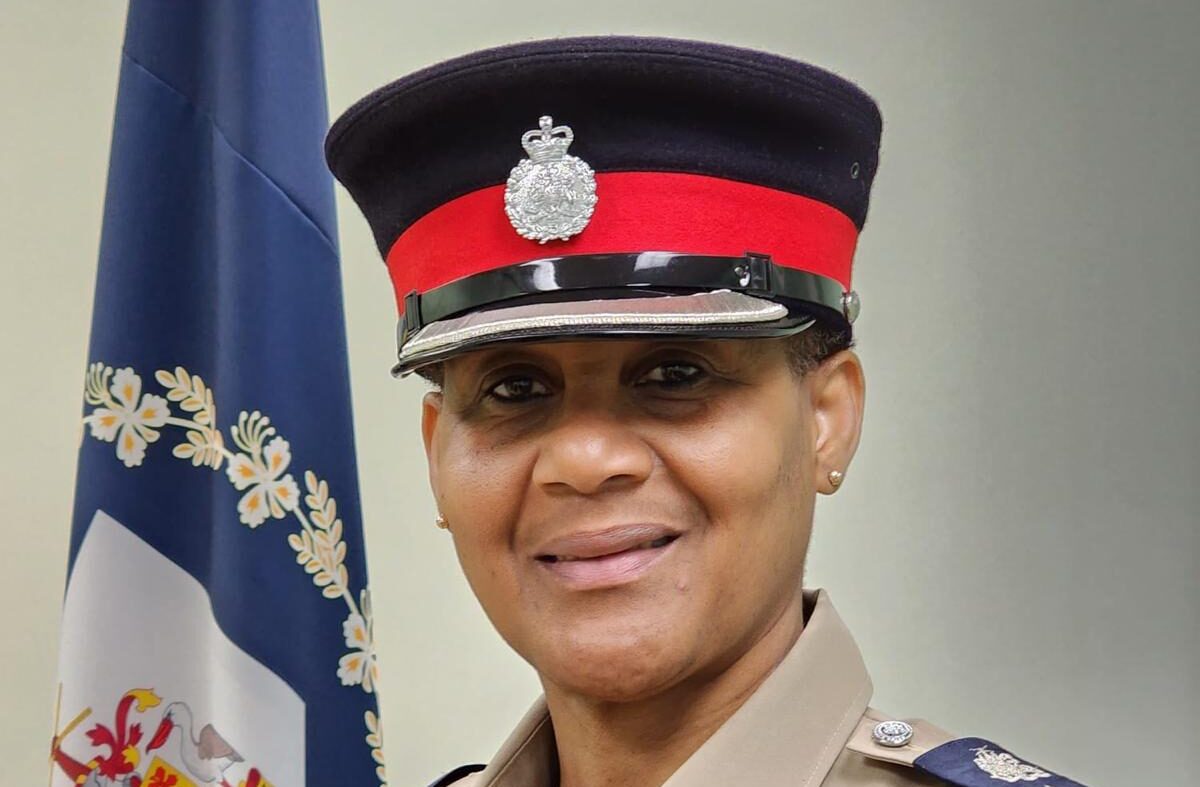
    On May 12, in Paramaribo, Suriname, two key regional security organizations have formalized a groundbreaking partnership aimed at tackling growing transnational criminal threats across the Caribbean. The Caribbean Community (CARICOM) Implementation Agency for Crime and Security (IMPACS) and the Crime Stoppers for the Caribbean, Bermuda and Latin America (CBLA Crime Stoppers Foundation) signed a formal Memorandum of Understanding (MoU) during the Annual Conference of Caribbean Commissioners of Police (ACCP), laying out a structured path for deeper collaboration on crime prevention, intelligence sharing and citizen engagement.

    The agreement establishes a clear, sovereignty-respecting framework for secure information exchange between the two entities. It leverages Crime Stoppers’ proven anonymous, confidential citizen reporting systems, which allow members of the public to share details about criminal activity without fear of retaliation. Under the terms of the partnership, CARICOM IMPACS will take the lead on assessing, coordinating and conducting strategic analysis of the collected intelligence, aligned with existing regional security protocols and the national legal frameworks of all participating countries.

    This collaboration prioritizes addressing the full spectrum of transnational organised crime that undermines stability, prosperity and public safety across the region. Key priority areas include drug trafficking, illegal arms trade, illicit commercial activity, money laundering, gang violence, human trafficking, cybercrime, and other evolving organised criminal threats that have cross-border impacts.

    Speaking at the signing, CBLA Crime Stoppers Regional Director and CEO Alejo Campos described the agreement as a critical milestone in building stronger connections between regional governance institutions and civil society-led public safety mechanisms. He noted that transnational organised crime is changing and expanding at a rapid pace across the Caribbean, making coordinated regional action, public participation, and protected intelligence sharing more important than ever to protect nations, local economies and communities.

    Lt. Col. Michael Jones, Executive Director of CARICOM IMPACS, echoed this sentiment, framing the partnership as a major advancement for the region’s collective security architecture. By combining Crime Stoppers’ extensive grassroots outreach and citizen engagement infrastructure with CARICOM IMPACS’ strategic cross-border coordination capacity, the partnership creates a far more robust and effective front against organised criminal networks. Jones emphasized that this shared commitment to collective intelligence will directly improve safety and security for residents across the Caribbean, Bermuda, and Latin America.

    Beyond intelligence sharing, the partnership opens the door to future collaborative work across a range of complementary areas, including public education and awareness campaigns, training and capacity-building for law enforcement and community stakeholders, technical knowledge exchanges, and the development of unified regional crime prevention strategies.

    As the operational arm of CARICOM’s regional crime and security agenda, CARICOM IMPACS plays a central role in coordinating intelligence and supporting operational cooperation between CARICOM Member States and Associate Members. For its part, CBLA Crime Stoppers already runs anonymous crime reporting programs and public safety partnerships across the Caribbean, Bermuda and Latin America, working alongside governments, law enforcement, international bodies and local communities to encourage greater citizen participation in crime prevention efforts.

    This new agreement reflects a growing consensus across the region that effective action against modern organised crime cannot rely on law enforcement action alone. Successfully countering increasingly complex criminal threats requires trusted public engagement, coordinated cross-border cooperation, and modern, secure information-sharing ecosystems that can adapt to changing criminal tactics.

  • Memorial held for missing fishermen at Oistins

    Memorial held for missing fishermen at Oistins

    On a windswept Thursday at Barbados’ Oistins jetty, where the Atlantic Ocean’s salt spray hung heavy in the air and waves crashed against the rocky shore, a tight-knit fishing community came together to honor two lives torn away by the sea they called work. For more than 60 days, the families of Othniel Harewood and Zhi Cai Su have clung to fragile uncertainty, even after an exhaustive, multi-agency search across regional waters turned up no trace of the two missing men. Thursday’s memorial service, steeped in maritime tradition and quiet spiritual reflection, marked a long-awaited step toward closure for a community that has always lived with the ocean’s dual nature: provider and taker.

    The somber gathering opened with a congregation of fishermen, family members, and local leaders joining in unison to sing the hymn “Lead us, Heavenly Father, lead us,” followed by scripture readings that acknowledged both the awe-inspiring wonder and unforgiving danger of the deep. In a centuries-old gesture of respect for fallen mariners, loved ones and fellow fishermen carried floral wreaths and loose flower petals to the edge of the jetty, casting them into the rolling current. The drifting blooms carried a dual meaning: a final tribute to the men’s last voyage, and a symbolic act of letting go after months of suspended grief.

    Officiating the service, Reverend Ricardo Alleyne paid tribute to the unique grit that defines men who make their living on open water. He described Harewood and Su as people of extraordinary courage and relentless perseverance, noting that fishermen set out to sea with little more than starlight for navigation and faith for comfort, all to support their families and feed their nation. “We gather to honor these two sons of the sea who have completed their last voyage,” Alleyne told the crowd. He added that while the loss has carved deep sorrow into the entire community, Barbados must celebrate the indomitable spirit of the people who put food on the country’s tables.

    Karusha Savoury, Harewood’s second daughter, spoke publicly about the pain of the past two months, and expressed heartfelt gratitude for the widespread support her family has received from the national government, the Barbados Coast Guard, and the Oistins Fisherfolk Association. Unlike many families who grieve privately, Savoury said the coordinated search effort — which included drone surveillance and regional safety alerts — gave her family a measure of peace they would not have had otherwise. “I never thought that I would have a memorial service for my father in this way,” Savoury shared. “But the service was very well planned, and I really appreciate what the fisherfolk have done and what the ministry has done to put this together to honor my father.” Speaking of the long search and the decision to hold a memorial, she added: “I’m satisfied he’s at peace, and as I say, God is in charge, not me. Whatever is God’s will is God’s will. I can’t say that I like fighting towards it, but after this period of time, whatever God does is what God does.”

    Even amid the day’s sorrow, a thread of quiet resilience and cautious hope runs through the region’s tight fishing community. Neil “Cougar” Bourne, president of the Oistins Fisherfolk Association, reminded the gathering that for seafarers, the greatest victory has never been the size of the catch — it is the safe return home to family. The interconnected nature of the Caribbean archipelago, he noted, means survival is still possible even after weeks of silence from a missing vessel. “In fishing, we don’t celebrate the catch of a fisherman, we celebrate a safe return home to his family, and that is the main thing,” Bourne explained. Acknowledging the ocean’s inherent unpredictability, he pointed to past cases of missing Barbadian fishermen who turned up alive far from home, washing up in Puerto Rico, Honduras and other distant ports. “Every fisherman, once he hasn’t sunk, I think he has a chance of surviving,” Bourne said.

    As the floral tributes drifted out with the tide, the collective feeling among the crowd was clear: whether the two men eventually find their way back to shore, or have already reached their eternal resting place, they will remain part of the fabric of Barbadian identity — tough, brave, and woven into the story of the ocean that shapes the nation. For the grieving families, the service offered a much-needed sense of release, allowing them to begin moving through their grief even as their last faint hopes of a safe return drift out with the flowers.

  • Students gain investing experience through stock market AI programme

    Students gain investing experience through stock market AI programme

    Against a growing regional push to integrate digital learning and financial capability building for young people, RF Merchant Bank & Trust (Barbados) Limited has expanded its sponsorship of a groundbreaking AI-driven stock market simulation initiative, bringing hands-on investing education to more than 300 new students at Barbados’ Harrison College. This expansion pushes the total number of program beneficiaries under RF’s sponsorship to nearly 800 across three leading Barbadian secondary schools: Harrison College, The Lodge School, and Combermere School.

    The initiative, branded the Sustainable Stock Market Artificial Intelligence Game, is a collaborative effort between RF Merchant Bank, regional Caribbean tech firm WizdomCRM, and Barbados’ Ministry of Education Transformation, designed to close gaps in youth financial literacy across the island. To mark the launch of this latest expansion phase, the partner organizations held an interactive financial literacy school tour last Friday. Lamar Goring, senior brokerage manager at RF, joined representatives from WizdomCRM and the education ministry to lead engagement sessions with participating students, answering questions and connecting classroom learning to real-world financial contexts.

    Goring emphasized that for the bank, this program is far more than a corporate social responsibility activity—it is a long-term investment in Barbados’ next generation. “We are pleased to be supporting young Barbadians on their educational and financial journeys,” he noted. Echoing this alignment with WizdomCRM’s core mission, Goring added that RF remains committed to backing community-focused, transformative programs that empower local young people: “We share WizdomCRM’s commitment to empowering Caribbean students through tools that celebrate their unique standpoints, and we will continue to stand behind transformative initiatives like the stock market game, which uplift the communities we serve.”

    Unlike traditional textbook financial education, the AI-powered game gives students the chance to build and manage fully virtual investment portfolios tied to real local, regional, and international stock market performance. This hands-on simulation introduces core finance concepts including sustainable investing, market trend analysis, and long-term financial planning through adaptive AI learning tools that meet students at their skill level.

    Across the entire Caribbean region, the program has already reached more than 16,500 students, as education leaders and private sector partners increasingly prioritize innovative, tech-integrated approaches to closing financial literacy gaps. For WizdomCRM, the expanded partnership with RF highlights the impact of cross-sector collaboration on preparing young people for an evolving global economy. “This partnership demonstrates what becomes possible when financial institutions, education systems, and technology platforms work together with intentionality,” the company stated. “Through artificial intelligence, financial literacy, and real-world market concepts, we are not only strengthening student engagement but helping to shape a generation that is more confident, analytical, and prepared for the future of work, economic participation, and long-term national development.”

    RF’s partnership with WizdomCRM first launched in October 2023, during global World Investor Month, with an initial sponsorship covering participating students at The Lodge School and Combermere across consecutive program cycles. The addition of Harrison College extends the initiative’s reach to one of Barbados’ most prominent secondary institutions, at a time when both financial literacy and digital education are rising on regional policy and development agendas. The launch tour also aligned with the conclusion of global Financial Literacy Month, observed each April, and forms a core component of RF’s broader organizational strategy focused on youth empowerment and measurable community impact.

  • Rising depression an ‘invisible disability deepening here’

    Rising depression an ‘invisible disability deepening here’

    Barbados is facing a growing, long-overlooked public health crisis as rates of depression and anxiety skyrocket, placing unmanageable strain on every sector of society – from workplaces and schools to family units and entire communities. Leading disability advocates and business leaders are now sounding the alarm, arguing that the island nation can no longer afford to relegate mental health challenges to the shadows.

    The World Health Organization already recognizes depression as the single leading cause of disability globally, and the Barbados Council for the Disabled (BCD) frames common mental health conditions such as depression and anxiety as “invisible disabilities” that carry severe, growing social and economic costs for the country. Rosanna Tudor, BCD’s operations manager, drew on decades of disability advocacy work to emphasize that these unseen conditions are far from minor issues; they are core contributors to many of the biggest challenges Barbados faces today.

    “These are the disabilities we do not see: anxiety, depression, trauma, cognitive, and neurological conditions. Yet they are shaping how people function, how they cope, and in some cases, how they break,” Tudor explained. She stressed that this growing crisis carries tangible economic consequences, noting that Barbados’ most valuable asset is its people – and when that population suffers under unaddressed mental health strain, the entire economy feels the impact. Lower workforce productivity, higher rates of absenteeism, widespread employee burnout, and widespread disengagement are just some of the measurable outcomes, she said, adding that workplaces across the country are already absorbing major costs from challenges they lack the training and resources to manage.

    “We cannot build a sustainable economy on a workforce that is silently struggling. We already had to wait years to achieve some success with ‘visible’ disabilities,” Tudor said.

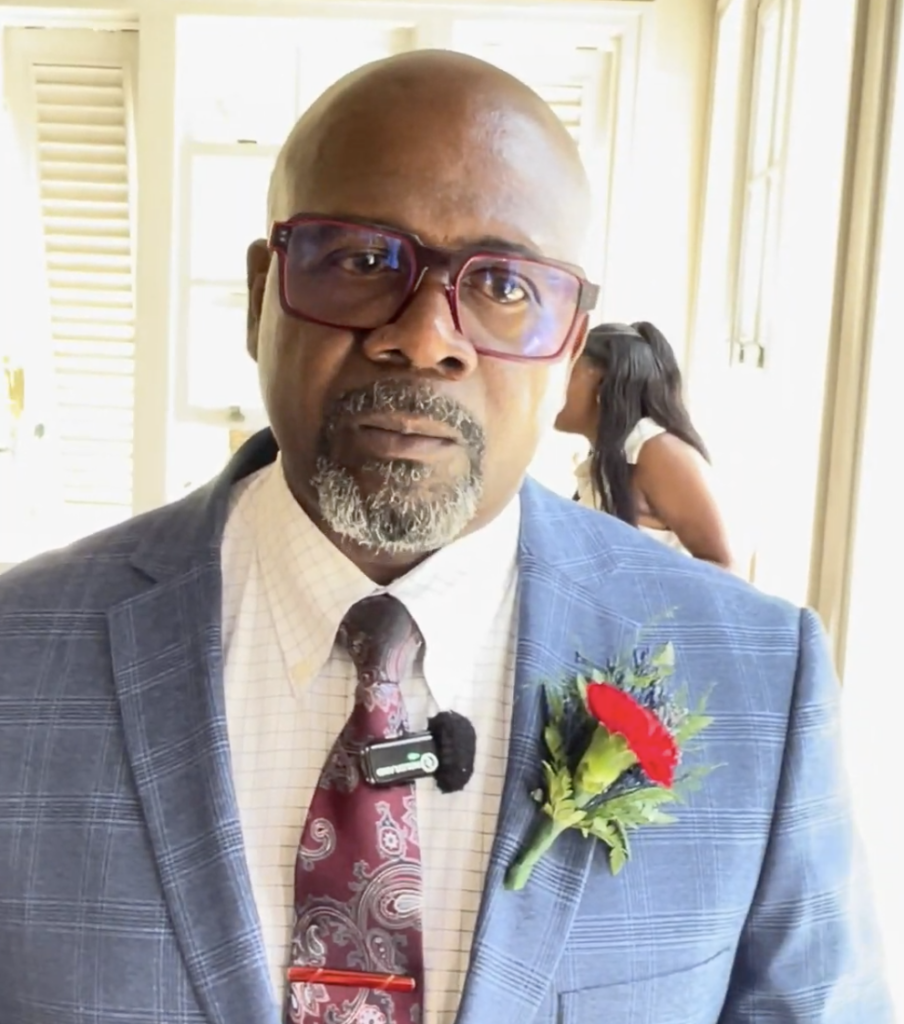
    Tudor’s assessment has received full backing from Sheena Mayers-Granville, executive director of the Barbados Employers Confederation (BEC), who confirmed that local workplaces have already seen a marked jump in reported cases of depression and other mental health conditions among staff. She noted that Barbadian employers have increasingly adopted compassionate, proactive approaches to supporting employees facing these challenges, a shift that reflects broader societal maturation around mental health.

    “I think as a society we’ve matured to the point where we do recognise that mental health is very important and when persons present at work with mental health issues, then it’s treated just as serious as a physical ailment,” Mayers-Granville said. Many employers now leverage employee assistance programmes to connect staff with counselling, adjust work schedules to allow employees to process their challenges, and support gradual reintegration for workers returning after mental health-related leave. Even so, employers often lack the expertise to provide full clinical support, and must balance the needs of struggling employees with the operational demands of running a business that supports all its staff.

    Mayers-Granville acknowledged that unaddressed mental health challenges inevitably drag down workplace productivity: an employee dealing with untreated depression or anxiety cannot perform at their peak, she explained. When a team member is out or working at reduced capacity, remaining staff must pick up the extra workload, creating a secondary strain that employers must carefully navigate to avoid overburdening the rest of the team.

    “It’s navigating that balance, and I think that’s where employers sometimes find themselves in a difficult space because one, you put some guardrails around that one employee, but while still making sure that the remaining team is able to have some balance and manage through,” she said.

    Beyond workplace pressures, Tudor warned that families are carrying the heaviest, most underreported emotional burden of the crisis. “Families are carrying burdens they were never prepared for. Parents are navigating children with emotional and psychological challenges without guidance. Spouses are managing strain. Caregivers are overwhelmed. This is disability advocacy all over again,” she said. Too often, these struggles remain hidden until they escalate into tragedy, she added, and the cumulative effect is eroding family stability across the country.

    Tudor also drew a clear link between unaddressed community trauma and rising violent crime, noting that repeated gun violence incidents leave behind widespread unresolved trauma that rarely receives targeted support. “We cannot ignore the increasing fatalities arising from gun violence and the growing exposure to trauma within our communities. Each incident leaves more than a headline. It leaves fear, grief, and unresolved emotional wounds,” she said. “But when trauma is not addressed, it does not disappear. It is internalised and too often repeated. What we are witnessing is not just violence. It is the consequence of trauma left untreated.”

    Disability advocates argue that delayed action will only deepen the crisis, and the time for systemic change is now. “If we continue to wait for the next crisis before acting, we risk undermining even the strongest legislative intentions,” Tudor said, adding that low-cost, accessible programmes that create safe spaces for open discussion and remove barriers of cost, stigma, and fear can deliver meaningful immediate impact.

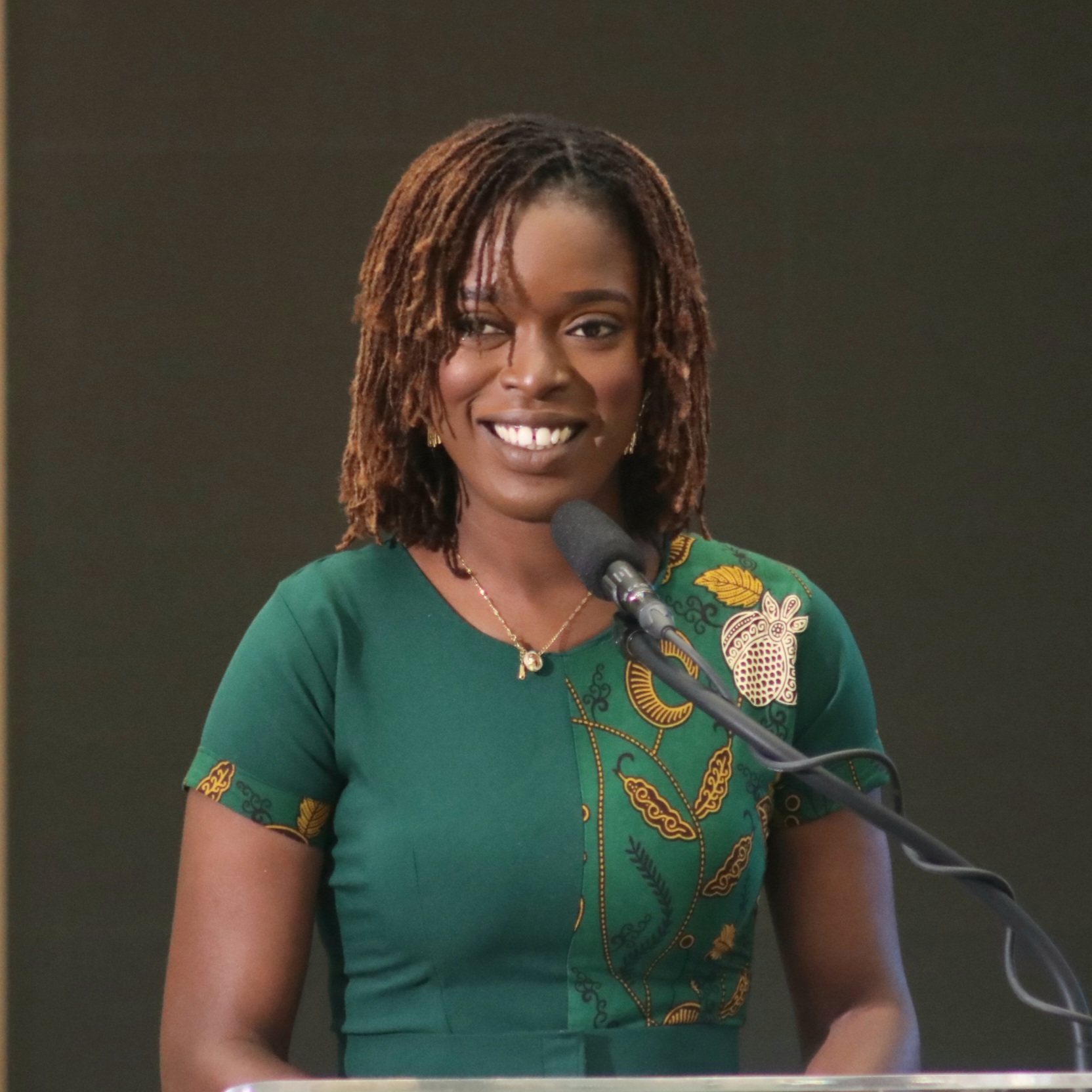
    In response to rising mental health needs among young people, Barbados’ Ministry of Education is already taking steps to strengthen its support systems. Senior Ministry Psychologist Dr Juanita Brathwaite-Wharton revealed that the ministry is currently drafting a new national psychosocial support policy in partnership with UNICEF and The University of the West Indies, designed to improve early identification and intervention for students struggling with mental health challenges.

    Dr Brathwaite-Wharton confirmed that the ministry has recorded a sharp increase in anxiety and depression symptoms among students, concentrated at the secondary school level. She attributed this rise in part to the widespread digital engagement of modern young people, who are exposed to a far wider range of stressful global issues – from geopolitical conflict to climate change – than previous generations, and regularly engage in harmful social comparison with curated, unrealistic content on social media.

    “This impacts your self-esteem when what is being put out there looks as though it is perfect,” she explained, noting that children internalize these unrealistic standards, with lasting negative impacts on their self-esteem and overall mental well-being.

    Over the past five to six years, the Ministry of Education has invested heavily in expanding school-based mental health support, increasing the number of on-site psychologists, social workers, safety officers, and guidance counsellors available to students. Students at the secondary level can self-refer for support, while parents, teachers, and administrators can refer students at both primary and secondary levels for evaluation and targeted intervention. The ministry also partners with private mental health agencies to expand access to care beyond what government services can provide.

    One major ongoing concern for the ministry is the rising trend of student self-medication, as young people turn to harmful substances instead of seeking professional mental health treatment. Statistics from the National Council on Substance Abuse show increasing substance use among young people starting as early as primary school, Dr Brathwaite-Wharton said, a trend that exacerbates existing mental health challenges and causes cognitive impairment that interferes with learning and emotional regulation.

    Beyond clinical support, the ministry has identified gaps in young people’s core social and emotional skills, including conflict resolution, anger management, and problem-solving. To address this, the ministry has revamped its positive behaviour management programme as part of broader national education transformation, working in partnership with the Ministry of People’s Empowerment, the Ministry of Youth, the Ministry of Health, and other cross-sector agencies. The updated programme prioritizes social and emotional learning while strengthening systemic processes to identify at-risk students and connect them with support early.