标签: Barbados

巴巴多斯

  • Govt mulls results-based farm funding

    Govt mulls results-based farm funding

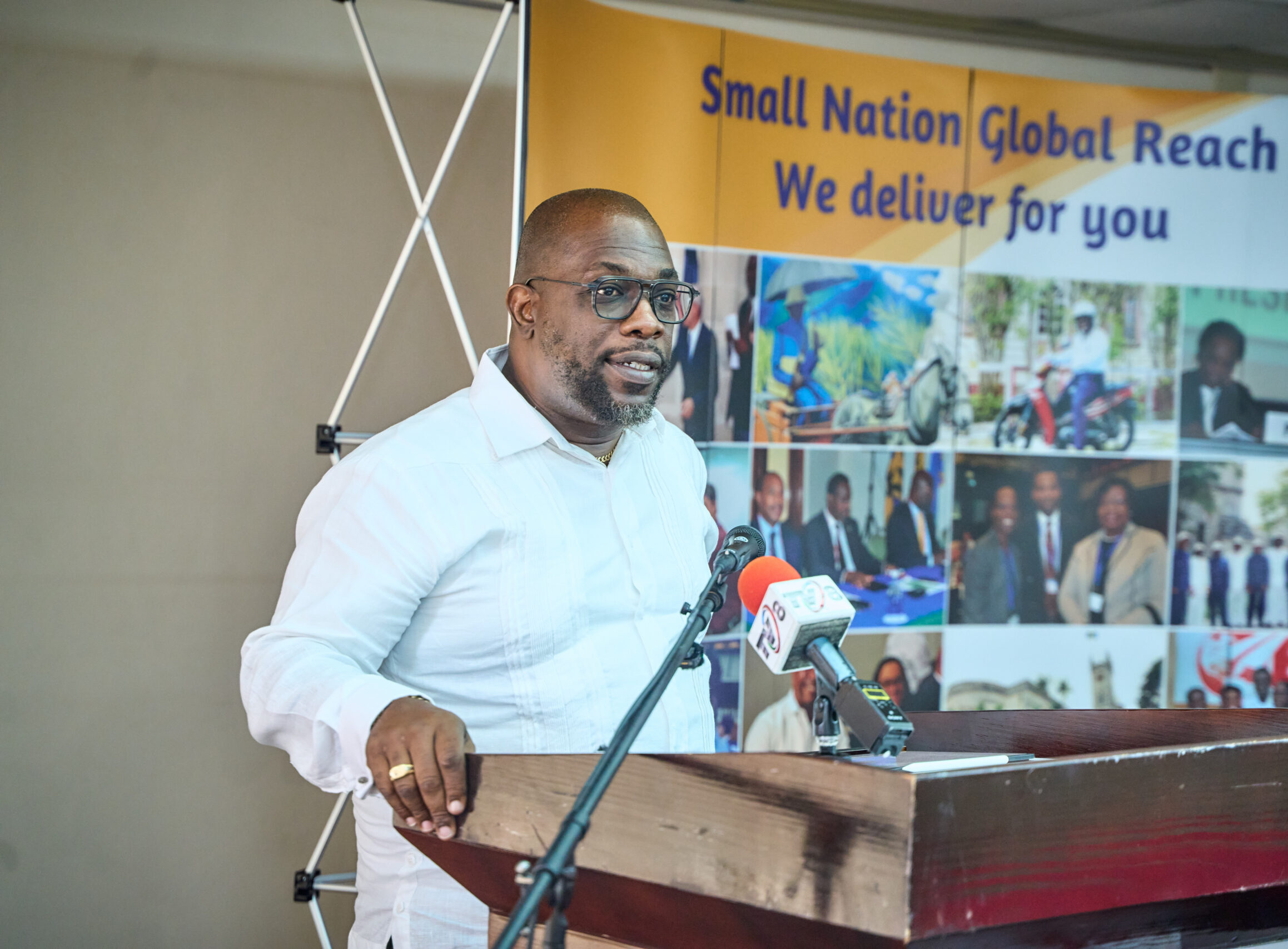
    Barbados’ agriculture sector is set for a major policy shift, as Agriculture Minister Dr. Shantal Munro-Knight pushes to overhaul the government’s relationship with local farmers by linking public investment directly to verifiable production outcomes. The proposal, which introduces stricter accountability requirements for producers seeking state support, has already earned early endorsement from the head of the island nation’s oldest agricultural advocacy group.

    Delivering a core plank of her policy vision at a Monday breakfast colloquium hosted by the Ministry of Agriculture and Food and Nutritional Security, Dr. Munro-Knight emphasized that while the government remains committed to investing in the agricultural sector, the current model of unconditioned public resourcing is no longer fiscally sustainable. For years, she noted, publicly funded assets including allocated land, specialized equipment, and climate-resilient farming inputs have repeatedly failed to deliver tangible production gains.

    To address this gap, the minister confirmed that new policy and regulatory frameworks are currently being drafted to embed stronger accountability measures, improve long-term sector planning, and ensure Barbadian taxpayers see greater return on public investments in agriculture. “We are also looking at how we establish frameworks for what I am going to call ensuring that when farmers and others access resources from the ministry, that we can also, in turn, get what we need,” she explained.

    Dr. Munro-Knight highlighted widespread examples of wasted public resources across the sector, including cases of government-allocated farmland left completely idle for six to nine months after assignment, even as other producers wait for access to available growing space. “Other people want land, but I can’t give up the land just because your name is on a piece of paper that’s there,” she said.

    She also shared details of a recent ministry initiative that provided climate-smart farming inputs designed to boost production efficiency, only for the entire project to conclude before any of the equipment was ever put to use on local farms. “The project ended… no implementation on the ground. None of those inputs have been put on farms,” she added.

    Beyond stricter performance requirements, the minister argued that better stewardship of public resources depends on improved data sharing from the farming community. She noted that persistent gaps in basic agricultural data have severely limited the ministry’s ability to carry out strategic production planning, as many producers refuse to share details of crop yields, planted varieties, and harvest timelines. “We are trying to establish an information portal, but I have heard from my technical staff that we don’t get the information from the farmers when we come to them. Farmers don’t want to tell us what are their yields, what they’re growing, and when they’re going to be harvested. How are we to plan strategically if we don’t have the information?” she said.

    While Dr. Munro-Knight said she prefers voluntary cooperation from the farming community, she did not rule out mandatory legislative or policy changes if resistance to data sharing and accountability continues. “If you want something from me, I need something from you,” she stated.

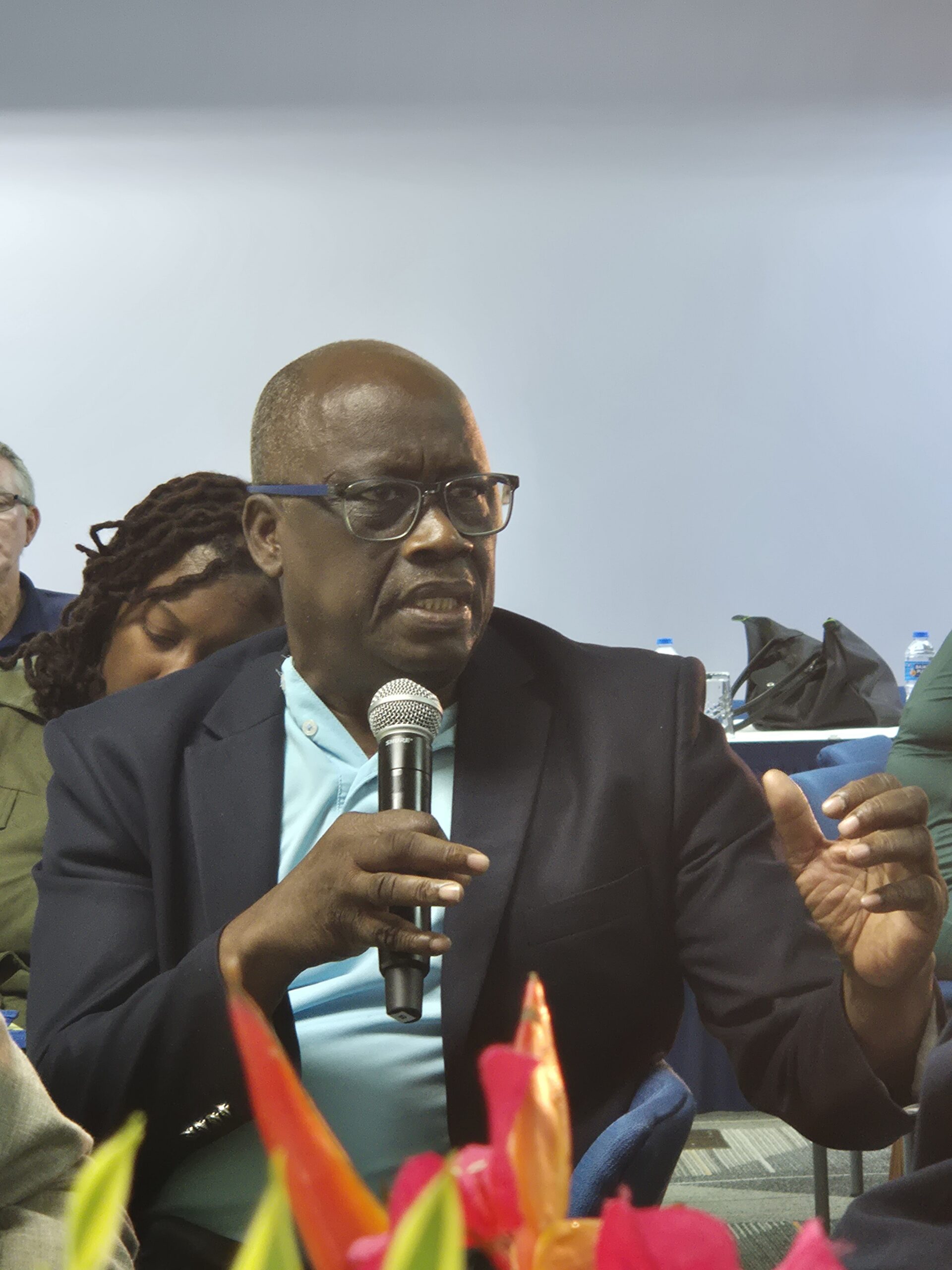
    The minister’s policy direction received immediate public support during the subsequent question-and-answer session from James Paul, chief executive of the Barbados Agricultural Society (BAS) – the country’s oldest farming organization. Paul agreed that Barbados has reached a turning point where all government incentive programs must come with clear performance expectations.

    “The Government of Barbados provides a tremendous amount of incentives to the agricultural sector. The question that needs to be asked is, is the Government insisting enough on performance, because that is an issue,” Paul said. A former Democratic Labour Party backbencher, Paul pointed to the local poultry industry as a key example, where production has declined despite ongoing government incentives. He argued that all state support must be paired with measurable, enforceable outcomes. “I think sometimes we need to tie the granting of incentives to also the provision of certain things at the same time because you can’t have it both ways,” he added.

    Before Paul could conclude his remarks, Dr. Munro-Knight interjected to confirm the ministry is already moving forward with this policy approach, and to highlight that the alignment between the government and the BAS signals broad buy-in for the reform. “I just want the record to note very, very clearly what you said. So that when the ministry does it, then I can say that there’s agreement from BAS for it to be done because it’s one of the critical pillars for me. I’m very glad to hear that we are in perfect alignment, that incentives then should be very much tied to performance,” she told Paul.

    Paul maintained that government incentives remain a critical policy tool to support the agricultural sector, but added that stronger oversight and accountability will deliver far better economic returns. He pointed to recent growth in Barbados’ cattle production, which followed targeted state support for livestock imports, as proof that paired incentives and performance requirements work. “You have seen, as a result, this year an increase in overall production happening. So you can see that some incentives being given, something’s happening, but I think it needs to be tighter,” he concluded.
  • New opportunities ‘coming’ for St Michael South youth

    New opportunities ‘coming’ for St Michael South youth

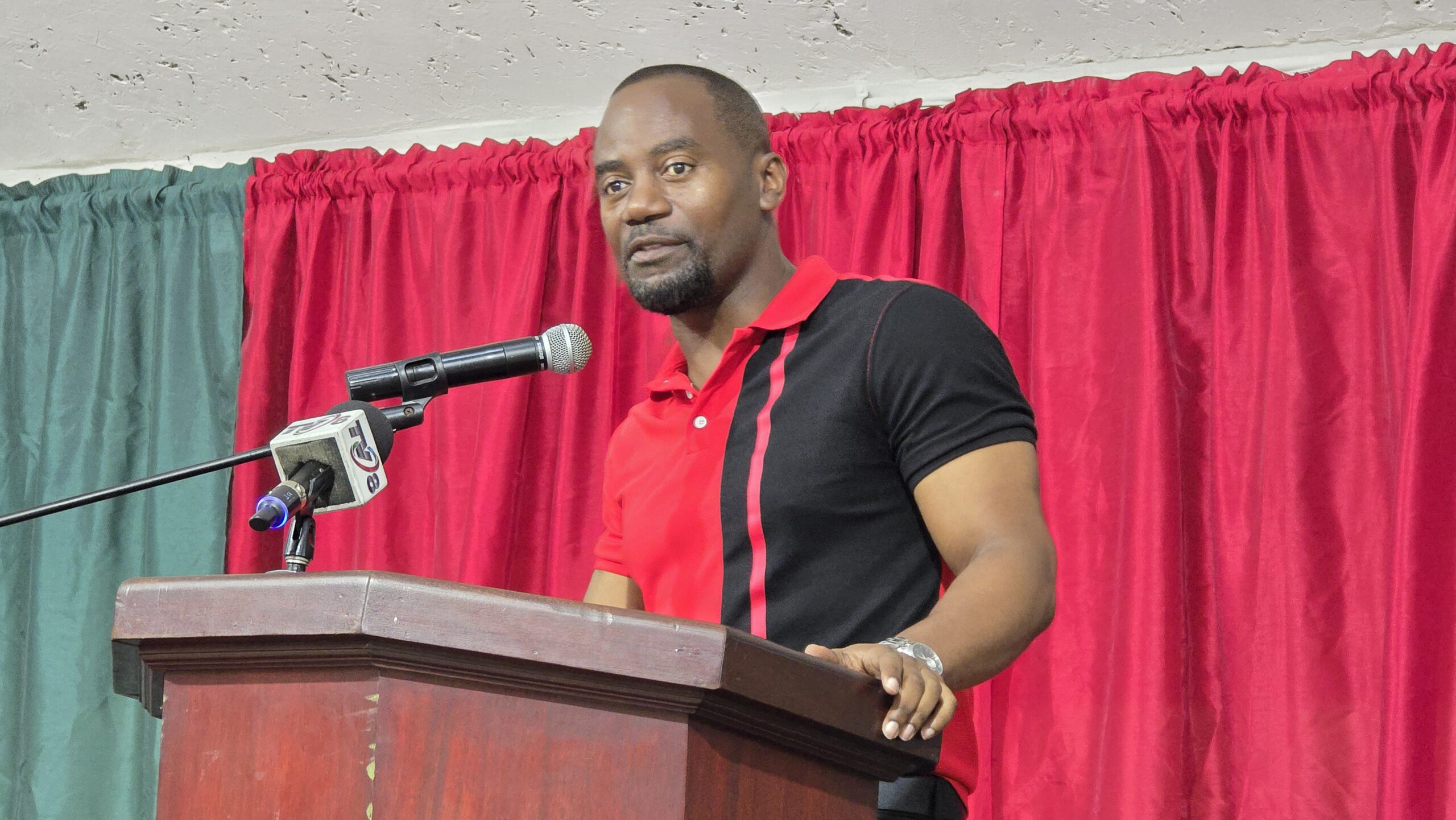
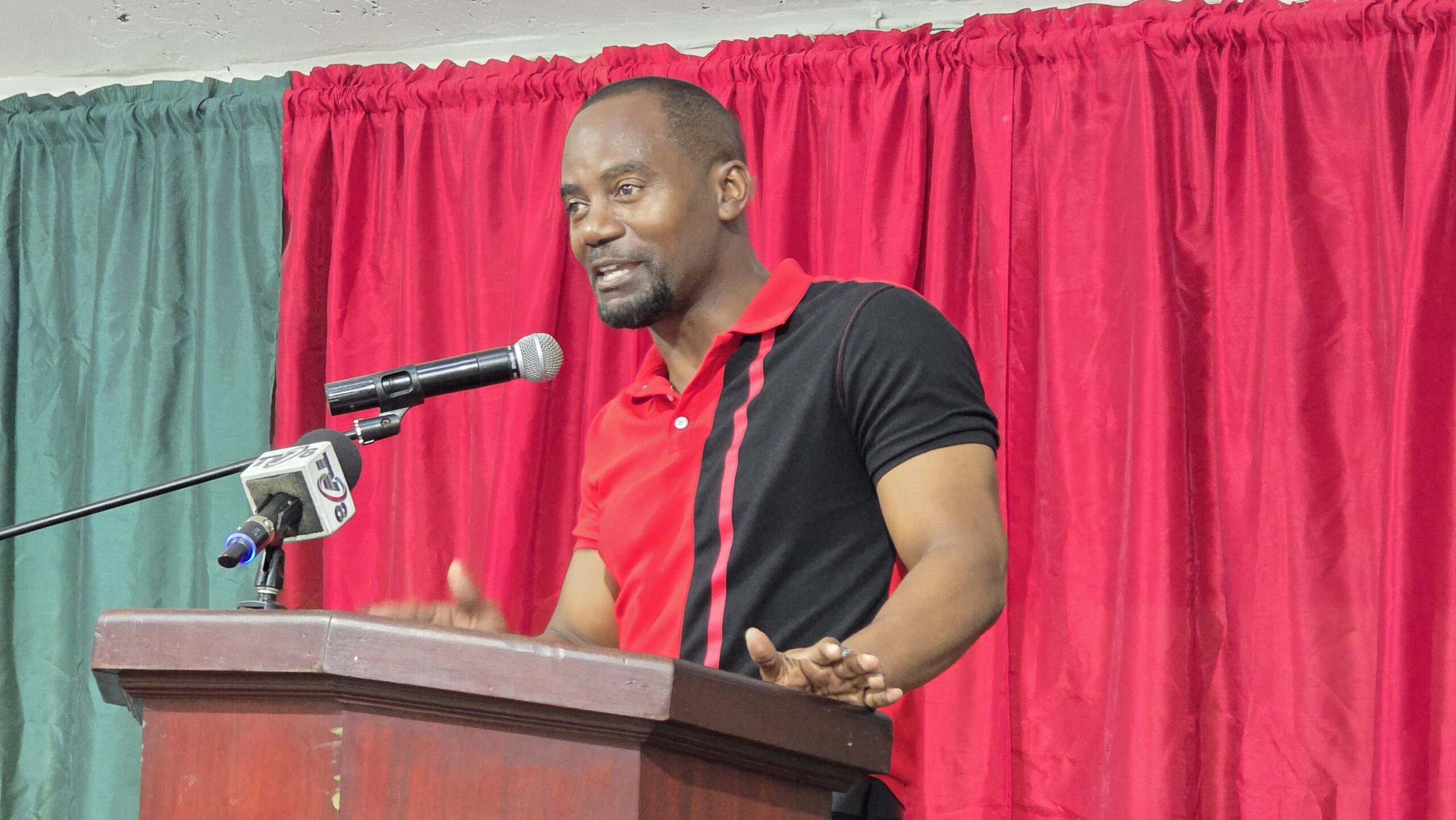
    Barbados Member of Parliament Kirk Humphrey has announced a slate of targeted constituency development projects for St Michael South, all centered on expanding economic and community opportunities for the region’s young entrepreneurs and residents. The lawmaker laid out the full scope of the upcoming initiatives during his constituency branch’s annual general meeting held Sunday, emphasizing that unlocking youth potential remains his top policy priority for the area.

    One of the most advanced projects on the agenda is a new business empowerment hub, developed in partnership with the country’s Ministry of Youth, Sports and Community Development. Slated for construction on Jessamine Avenue in Bayville, the facility is designed to support early-stage small business owners in skilled trades including hairdressing, barbering, and automotive repair. With a site already secured, full funding approved, and architectural blueprints finalized, Humphrey confirmed that construction will kick off in the coming months, with capacity to host up five emerging entrepreneurs at the facility as they grow their operations.

    In addition to the trade-focused hub, the constituency will gain a standalone community empowerment center, a long-awaited public space that St Michael South has never had. The planned facility will sit at the intersection of Villa Road and Brittons New Road, where the government is currently in the process of acquiring the required land. Currently, St Michael South shares public community space with neighboring St Michael Central and Christ Church West, a barrier that Humphrey says discourages local young people from accessing programming offered in the shared space. He also noted that once the area’s existing primary school relocates to its new campus, the vacated school hall will be repurposed for additional education and training programming, in collaboration with the Ministry of Educational Transformation’s training division, expanding public resources for constituents even further.

    In a nod to local sporting history, Humphrey confirmed that Cabinet has approved a plan to rename the Bayland netball and basketball courts located outside Bay Primary School to honor the Banfield sisters, iconic figures in Caribbean netball. A public renaming ceremony is scheduled for mid-July to mark the change.

    Finally, the representative announced a long-overdue major reconstruction project for the notoriously damaged sloping roadway in Reece Land, an issue that has plagued the community for more than two decades. Engineering assessments are already complete, but the project will require relocating four residential properties to accommodate the realigned, improved road. Working alongside the Ministry of Housing and the National Housing Corporation, the government is currently coordinating relocation support for the affected homeowners, and Humphrey says his team is working diligently to advance the project with the goal of breaking ground and completing reconstruction before the end of the calendar year.

  • Plan to pilot year-round revamp of Cheapside Market

    Plan to pilot year-round revamp of Cheapside Market

    Barbados’ Ministry of Agriculture has unveiled an ambitious pilot initiative to reimagine Cheapside Market, transforming the popular local trading hub into a streamlined, year-round destination that blends fresh local produce, cultural entertainment, and agricultural engagement for both younger locals and international visitors. The plan was publicly introduced by Markets Manager Sherlock King during the ministry’s “Looking Forward: Agriculture 2030” colloquium held this Monday, where it was framed as a core practical component of the government’s broader agricultural sector modernization agenda.

    Earlier in the policy forum, Minister of Agriculture Dr. Shantal Munro-Knight laid out the government’s overarching vision to modernize the ministry and upgrade public service delivery, with market transformation highlighted as a top strategic priority. The initiative aims to deliver three key outcomes: improved market access for small-scale local farmers, stronger retail partnerships between producers and vendors, and integrated linkages between agriculture and the country’s booming tourism sector. King’s presentation was featured as part of the event’s “Transformation in Action” panel, a segment dedicated to showcasing on-the-ground projects being rolled out across the ministry’s departments and agencies to advance the sector’s long-term modernization goals.

    King emphasized that public markets across the country cannot remain static; they must adapt to shifting consumer shopping habits while retaining their core mission of supporting local farmers and small-scale vendors. Beyond improving vendor outcomes, he noted that the overhaul also has an urban renewal goal: leveraging the cultural draw of public markets to draw more visitors and activity back to Bridgetown, the capital city where Cheapside Market is located.

    Under the pilot plan, the market’s current disorganized layout will be restructured to create a more intuitive navigation experience for shoppers, with clear zoning separating produce vendors, seasoning suppliers, and other retail businesses. King explained that the current mixed layout creates unnecessary friction for customers, who often spend extended periods searching for specific vendors amid the scattered arrangement of stalls. “As it currently stands, markets can be difficult to navigate, because the shops are spread through the market, especially [since] vendors are mixed with produce vendors and seasonings and so on, and customers are spending unnecessary time searching,” King said. “What we want to do is create a more organised system in the public markets where persons who come to the market can have a better experience.”

    The plan also addresses a longstanding vendor preference for outdoor stall placement, which many operators prioritize because they believe it leads to higher foot traffic and sales. King’s initiative seeks to clarify the unique value of both indoor and outdoor vending spaces, helping vendors understand that indoor areas can deliver equally strong benefits by offering sheltered, immersive visitor experiences.

    One of the plan’s most notable goals is to replicate the vibrant, high-traffic atmosphere that Cheapside Market currently only sees on Fridays and Saturdays across the entire week. King pointed out that for most of the week, the market sees very low visitor volumes, leaving vendors with limited sales opportunities. The overhaul will position the market as a consistent tourist attraction, welcoming guests and local shoppers any day of the week to access fresh local produce and cultural experiences.

    To build this year-round appeal, the proposal calls for adding regular public programming including live local music, interactive cooking demonstrations led by local chefs, and food tastings that highlight the fresh local ingredients sold by market vendors. “We want to have some chefs come into the market system, use the products that are there in the market, produce samples… so that people can have that experience with fresh produce and they can see how to prepare these things in new and different ways,” King explained.

    A key targeted outcome of the initiative is also rebuilding connection between younger generations of Barbadians and the iconic public market culture. By adapting the market experience to align with changing consumer preferences, project leaders hope to encourage young people to return to public markets, recognize their cultural and historical value, interact directly with local vendors, and embrace the market’s role as a dynamic melting pot of Barbados’ diverse cultural heritage.

    Finally, King noted that boosting consistent foot traffic through the overhaul will directly strengthen the livelihoods of the hundreds of vendors who currently operate out of Cheapside Market. Shopping at the market supports local workers and families, he emphasized, and public markets play a critical role in supporting national employment by buffering economic uncertainty and creating flexible income opportunities for Barbadians.

  • $272m pipeline targets infrastructure, technology, growth

    $272m pipeline targets infrastructure, technology, growth

    Barbados’ newly appointed Minister of Agriculture Dr. Shantal Munro-Knight has laid out an ambitious, long-term strategic roadmap to reposition the agriculture sector from a overlooked production activity to a foundational pillar of national stability, backed by sweeping systemic reforms, expanded technical capabilities and an estimated $272 million in prioritized public investment. The plan, officially branded Agriculture 2030, was presented to industry stakeholders during a breakfast colloquium hosted by the Ministry of Agriculture and Food and Nutritional Security at the Lloyd Erskine Sandiford Centre this Monday.

    Dr. Munro-Knight, who assumed the agriculture portfolio after the February 11 general election, told attendees that national dialogue around agriculture has long been unnecessarily narrow, limited to just open-field crop production, which has shrunk the sector’s perceived and actual role in national life. Instead, she emphasized that agriculture is inextricably tied to three critical national priorities: long-term resilience, public health, and national security. “It’s not just about growing food,” she explained to gathered stakeholders. “It’s a national resilience conversation. It’s a health conversation. It’s a national security conversation.”

    After taking office, the minister opted to delay quick, reactive policy changes to instead spend months consulting directly with farmers, ministry staff, and other interest groups to identify root causes of persistent sector challenges. She noted that while she faced pressure to roll out immediate changes, rushed action would only address surface-level issues without fixing deep-seated systemic problems. “When I came into the ministry, I was inundated with calls about what people wanted to see, what we needed to immediately… but I wanted to make sure that I resisted that notion of responding immediately because what happens at a systems level is you end up putting out fires, but you don’t deal with the root,” she said. Persistent problems including crop and livestock theft, destructive foraging by wild monkeys, declining soil fertility, and widespread pest damage are all examples of long-standing issues that demand coordinated, sustained action rather than short-term fixes, she added.

    The Agriculture 2030 transformation strategy is built on four core pillars, starting with internal restructuring of the Ministry of Agriculture itself. “My first pillar… my starting point is I need to get my house right,” Dr. Munro-Knight stated. Internal reviews of existing projects and programs are already underway, with efforts focused on upgrading outdated internal processes via digital transformation, realigning human resource allocations, and making the ministry more responsive to the needs of farmers and industry participants. Several ongoing digital initiatives were highlighted during the colloquium, including a new centralized agricultural portal, expanded online services, and data-driven decision support tools that boost service delivery and open new market access for small producers. The newly launched Agridata platform was a key showcase: the tool centralizes market price data, production contract opportunities, harvest forecasts, and national agricultural statistics in a single accessible hub for all farmers.

    While Dr. Munro-Knight praised the existing ministry staff for their commitment and subject-matter expertise, she emphasized that the current technical capacity is insufficient to support scaled growth. Currently, only 18 extension officers serve the entire island’s farming community. “We’re just not enough,” she said. “If I’m asking again for delivery at scale, I need to make sure that the ministry has the technical resources.”

    The strategy’s second pillar centers on reconnecting ordinary Barbadians to agriculture, shifting public perception to recognize the sector’s full value. “I don’t believe that the average Barbadian has really connected with the value of agriculture,” the minister explained. “So part of that hearts and minds concept is about how do we reconnect Barbadians with the notion of agriculture and what we grow and the value of it.” To build this public connection, the ministry is developing youth outreach initiatives including tertiary-level agricultural internships, summer immersive programs that introduce young people to farming and agribusiness, and partnerships with primary and secondary schools to expand agricultural education and youth entrepreneurship training.

    A third core pillar focuses on building industry-wide capacity through expanded technical support, broader adoption of agricultural technology, upgraded staff training, and strengthened quality assurance and regulatory frameworks to boost farmer support and overall sector competitiveness. Dr. Munro-Knight revealed that updated draft legislation regulating pesticide use, alongside new animal health and welfare laws, are already being prepared to modernize the country’s outdated regulatory system. The ministry will also prioritize risk management, with new targeted initiatives to crack down on persistent praedial larceny set to be announced in the near future. New governance and accountability measures will also be integrated into all programs to improve strategic planning and ensure public investment delivers transparent, measurable outcomes.

    The final pillar of the roadmap is a major infrastructure investment and innovation agenda designed to modernize aging agricultural infrastructure and lay the groundwork for long-term, sustainable growth. The Barbadian government has already earmarked approximately $272 million (US$136 million) for high-priority infrastructure projects, including cold-chain storage networks, an export-certified produce packhouse, expanded agricultural laboratory services, revival of domestic cotton production, expansion of the Black Belly sheep industry, and other initiatives targeted at boosting sector productivity and global competitiveness. “All of these things are actively being worked on. All of these things are part of the flight path and on the way to be delivered,” the minister confirmed.

    Despite the government’s aggressive investment and reform plan, Dr. Munro-Knight stressed that successful transformation of the sector will require collective action beyond the ministry. “Agriculture, food security, resilience, health – those are not just a ministry’s effort to deliver,” she said. “It has to be a holistic frame for delivery.”

  • Hurricane shelter readiness ‘strengthened’ ahead of 2026 season

    Hurricane shelter readiness ‘strengthened’ ahead of 2026 season

    As the Atlantic hurricane season approaches, Barbados has wrapped up extensive upgrades to its nationwide network of emergency hurricane shelters, putting contingency plans in place to preserve response capacity even with limited temporary facility closures, according to Home Affairs and Information Minister Gregory Nicholls. In an exclusive interview with Barbados TODAY, Nicholls outlined the full scope of pre-season preparedness work, confirming that the island’s shelter system has seen substantial improvements over recent months.

    Much of the renovation and readiness work was led by the Ministry of Education Transformation, Nicholls said, crediting the department for delivering on key infrastructure targets ahead of the season. The upgrades have allowed the government to reopen the majority of former Category 1 shelters that were previously offline, bringing much needed additional capacity to the island’s emergency response network. Only one to two shelters remain out of service this season, as they undergo structural retrofitting and long-term renovations that cannot be completed before the first storm threats emerge. To offset this small reduction in available space, government agencies have already secured vetted alternative locations that maintain the island’s total emergency shelter capacity at required levels.

    Beyond just opening available spaces, authorities have completed full inspections and preparations of all critical life-support infrastructure at active shelters. Every designated facility has topped up potable water storage tanks, and all backup diesel generators have been tested, fueled, and confirmed to be fully operational, Nicholls added. Officials have also ticked every item off an extensive preparedness checklist developed for the season, a milestone the minister attributed to coordinated work across multiple government departments.

    While infrastructure preparations are largely complete, Nicholls highlighted one ongoing priority that requires broader community buy-in: expanding the pool of volunteer emergency responders across all of Barbados’ local districts. Community volunteers form the backbone of local disaster coordination and response, but the current workforce faces gaps that put response efforts at risk. “If those existing volunteers are incapacitated in an emergency, then who fills the gap?” Nicholls asked, emphasizing the urgent need to recruit and train new volunteers at the community level to strengthen disaster planning operations.

    The government is also working on long-term improvements to its core disaster response frameworks, alongside deepening cooperation with regional emergency management bodies. “Logistical planning can also always be improved, and that is what we’re working on to refine those plans, modernise our systems, and make sure that we are able and ready to respond,” Nicholls explained. Fresh from attending the Caribbean Disaster Emergency Management Agency (CDEMA) Council of Ministers meeting in Trinidad, he noted that Barbados continues to receive critical technical and operational support from the regional agency, strengthening the country’s own preparedness efforts.

    In closing, Nicholls stressed that government preparedness alone is not enough to keep Barbadians safe during hurricane season, calling for individual action from all residents to reduce collective risk. “We’re working hard to make sure that all these things are done to keep Barbadians safe… but at the end of the day it’s going to require individual participation, individual vigilance,” he said. The minister urged local communities and households to complete basic pre-season risk reduction measures, including clearing drainage pathways, trimming overgrown tree branches, and removing accumulated debris from gullies. These simple steps cut the risk of dangerous flying projectiles during high winds and reduce widespread flooding during severe storm events, he added.

  • Official funeral for Dr Shelly-Ann Latoya Cox

    Official funeral for Dr Shelly-Ann Latoya Cox

    A respected leader in Barbados’ fisheries sector, 38-year-old Chief Fisheries Officer Dr Shelly-Ann Latoya Cox, will be honored with an official state-sanctioned funeral on Monday, July 13, following her unexpected passing last month. The official funeral service is scheduled to kick off at 1 p.m. at the Wildey Gymnasium, and a private cremation ceremony will be held for close family and loved ones after the public service. For community members wishing to pay their respects ahead of the funeral, a public viewing will be held on Sunday, July 12, from 1 p.m. to 6 p.m. at the Lyndhurst Funeral Home Chapel located on Passage Road in St Michael. Condolence books will also be available at the chapel during the viewing hours for members of the public to sign and leave messages of sympathy for Cox’s family, friends and colleagues. Cox stepped into the senior role of Chief Fisheries Officer earlier this year, assuming her official duties in January 2023, and served the nation’s fishing industry for just five months before her death on June 13. The announcement of Cox’s funeral arrangements was made jointly by the Cabinet Office and the Barbados Government Information Service (BGIS).

  • Electric postal cart signals shift towards greener postal fleet

    Electric postal cart signals shift towards greener postal fleet

    Barbados is taking a concrete first step toward aligning its public sector operations with national climate goals, as the Barbados Postal Service officially received its first new electric utility cart on Monday. The handover ceremony, held at Bridgetown’s General Post Office, kicks off a comprehensive long-term initiative to modernize the postal agency’s entire vehicle fleet and reposition it as a core player in the country’s evolving logistics and digital services landscape.

    Once put into operation, the electric cart will serve the airmail facility at Grantley Adams International Airport, supporting streamlined processing of air cargo and e-commerce shipments passing through the island’s main international gateway. Speaking at the launch, Home Affairs Minister Gregory Nicholls emphasized that the seemingly small acquisition carries far broader significance for Barbados’ sustainable development and public service modernization agendas.

    “On the surface, this may look like a modest addition to our fleet,” Nicholls noted. “But in reality, it is a tangible, visible demonstration of our unwavering commitment to modernizing operations, embedding sustainability across all public agencies, and boosting overall service efficiency.”

    The investment directly advances the Barbadian government’s flagship target of transitioning the entire national economy to 100% green, carbon-neutral operations by 2030, Nicholls explained, while also helping the postal service meet mandatory operational standards set by the Universal Postal Union, the global governing body for international postal services.

    This single electric cart is just the opening move in a much larger transformation of the Barbados Postal Service, an adaptation driven by shifting global consumer trends: traditional letter volume has declined steadily for years, while cross-border and domestic e-commerce has grown exponentially, creating new demand for fast, reliable logistics services. Nicholls outlined the government’s vision to reimagine the postal service from a traditional mail handler to a modern, integrated national platform that connects logistics, digital public services, and community access.

    “We want Barbadians to stop seeing post offices as just places to drop off or pick up letters,” the minister said. “They will become national digital services hubs, strategically located at the intersection of commerce, government outreach, and community life.”

    Logistics will sit at the core of this reimagining. Government plans include strengthening last-mile delivery networks across the island, providing affordable delivery services to support the growth of small and medium-sized enterprises, and integrating customs processing and air cargo operations more closely through upgraded facilities like the Grantley Adams airmail unit.

    Looking ahead, the fleet modernization strategy will extend far beyond this initial utility cart. Nicholls confirmed that the government has laid out a roadmap to expand the postal service’s electric fleet to include delivery vans, motorcycles and additional utility vehicles in coming years. Complementary investments will also bring route optimization technology to cut down on fuel use and delivery times, plus build out electric vehicle charging infrastructure at all key postal facilities across the island. The end goal is a fully electrified, highly energy-efficient logistics fleet that advances national climate targets while delivering world-class service to all Barbadians.

    Joann Busby, Postmaster General of Barbados, echoed the minister’s remarks, noting that the new electric vehicle builds on the postal service’s earlier shift to electric vehicles for its Post Express courier division. “This launch centers on one vehicle today, but it represents much more than a new addition to our fleet,” Busby said. “It reflects our ongoing commitment to building a modern, efficient, environmentally responsible Barbados Postal Service that delivers on the government’s vision for a greener future for all Barbadians.”

    She added that sustainable practices are no longer an afterthought for the agency: they are becoming a core, integrated part of daily operations, as the postal service continues evolving to meet the changing needs of customers across the island.

  • Younger men boost turnout at prostate cancer walk

    Younger men boost turnout at prostate cancer walk

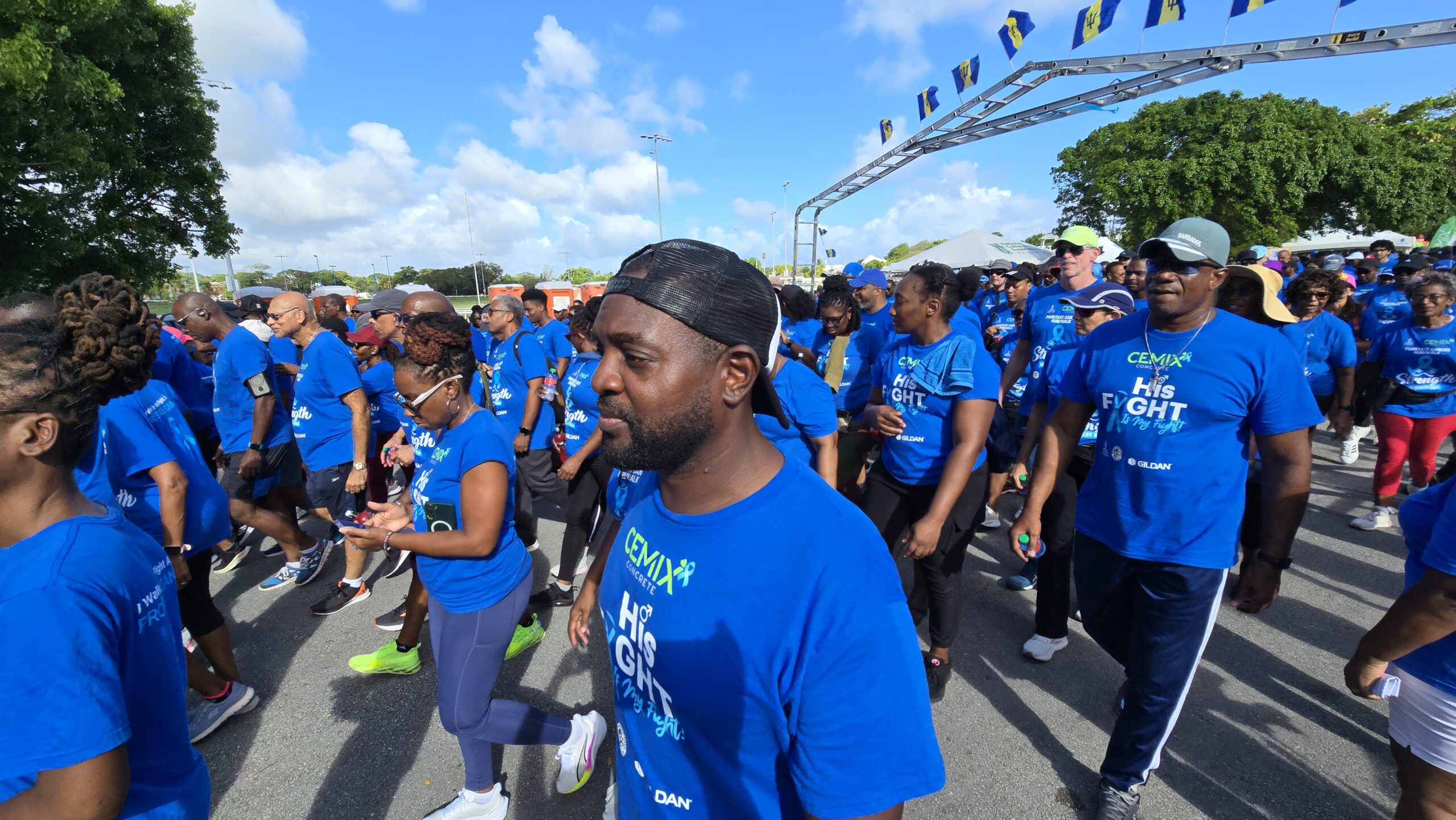
    On a recent Sunday in Barbados, the fourth annual CEMIX Prostate Cancer Walk and Run concluded with a remarkable showing of community support, bringing together hundreds of residents to shine a spotlight on one of the island nation’s deadliest public health threats for men. Organizers behind the grassroots awareness initiative say this year’s turnout continued a steady upward trend, most notably drawing a growing share of younger participants — a shift they call an encouraging win for public health outreach.

  • ‘4-way 2A’: Four-lane Highway 2A ‘in works’

    ‘4-way 2A’: Four-lane Highway 2A ‘in works’

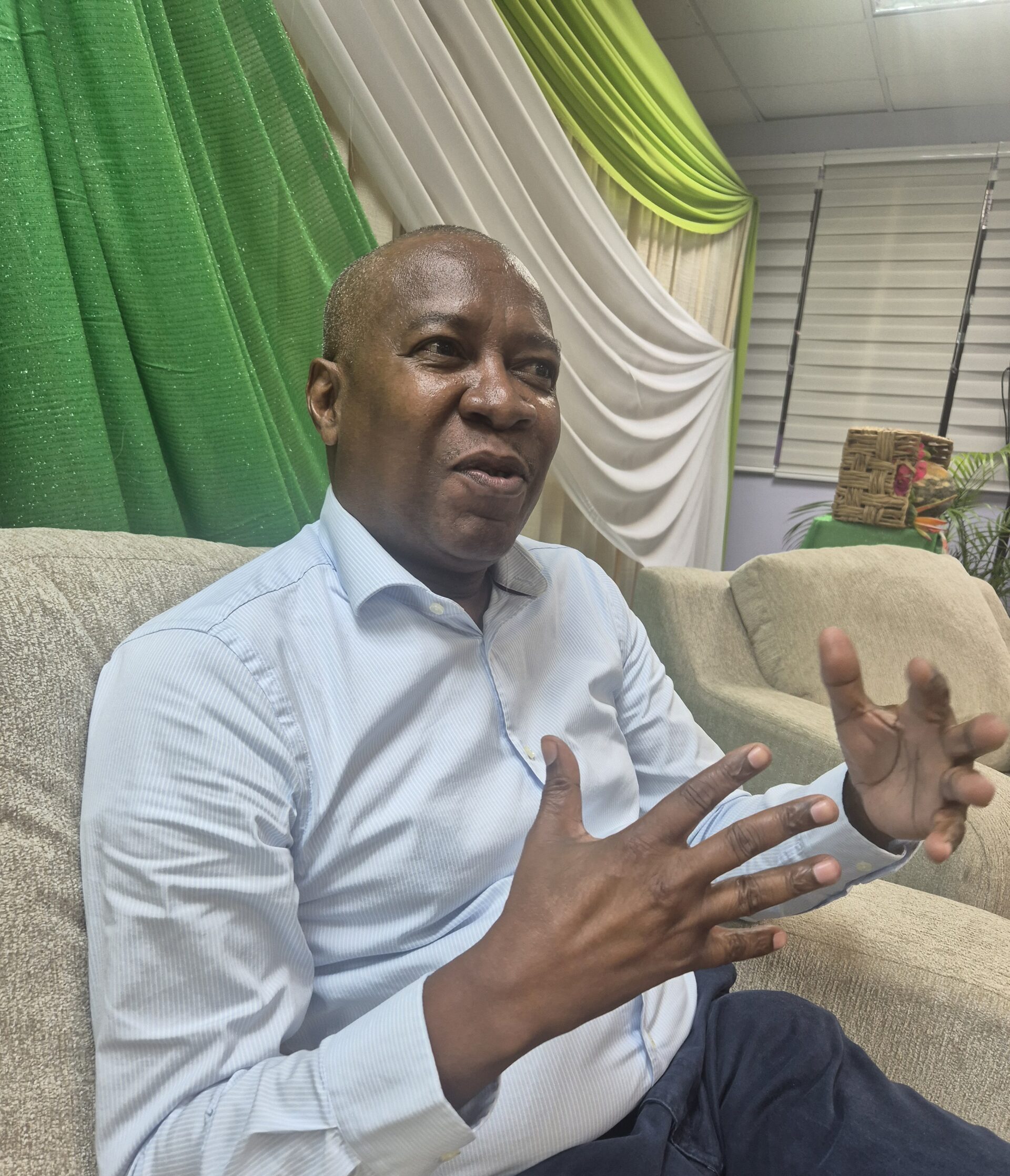
    Barbados’ Ministry of Transport and Works is moving forward with a long-awaited infrastructure project to widen the heavily traveled Ronald Mapp Highway (Highway 2A) into a four-lane dual carriageway, part of a national initiative to cut chronic traffic congestion across the island, Transport and Works Minister Kirk Humphrey has confirmed. The 12-kilometer arterial route, which has become the island’s second-busiest northern corridor over the past 40 years, runs parallel to the coastal Highway One, stretching from the D’Arcy Scott Roundabout in Warrens, St. Michael in the south to Mile-and-a-Quarter in St. Peter, with segments also cutting through St. Thomas and St. James. Currently, only the section from Warrens to the Redman’s Village/Bagatelle junction already operates as a four-lane road, leaving the vast majority of the highway as a congested two-lane thoroughfare. Making the announcement on the sidelines of his St. Michael South constituency branch’s annual general meeting on Sunday, Humphrey explained that the expansion project required a full redesign of the highway’s seven existing underpass bridges, as original engineering plans for earlier bridge upgrades did not account for the planned road widening. “Highway 2A has seven bridges running underneath it. To be able to widen that road, you obviously have to do the bridge work,” Humphrey said. “The ministry had already engaged on four of the bridges to be able to do some work, but they hadn’t accommodated for the expansion. We’re now in the process of reviewing and redesigning the bridge drawings for all seven bridges.” While the government awaits revised engineering schematics for all seven structures, paving work continues on the existing highway alignment toward Lancaster in St. James, and Minister Humphrey noted that the full expansion is on track to break ground imminently once design work wraps up. “It’s our intention to go for four lanes on that highway and to start our work as soon as possible,” he said. “Between the designing of the bridges and the design for the road, because people must understand that you have to design the road, you don’t just build a road, so that work should start very soon as well.” Beyond the Highway 2A expansion, Humphrey outlined the progress of dozens of road improvement projects launched across the island since he assumed office in February, highlighting that upgrades in Thorpes Cottage and Newbury, St. George have already been fully completed. In St. Lucy, the island’s largest-ever water infrastructure upgrade, which has laid 20 kilometers of new water pipes at a multi-million-dollar cost, required a follow-up road rehabilitation program after construction disturbed existing road surfaces. “St. Lucy has seen the most development in terms of water infrastructure in the history of our Barbados,” Humphrey said. “We’ve done about 20 kilometres of new pipe at millions of dollars in St. Lucy, but the unfortunate thing is that once you lay pipe, you’re disturbing the road, so we have to go back and do a number of those roads as well. But we’ve already started that.” The ministry has also launched a new phase of its island-wide pothole repair program, contracting two private local firms – INFRA and C O Williams – to handle pothole patching and road reinstatement work across the country. INFRA is currently focusing on pothole repairs in the southern parishes, while C O Williams is leading work in the north, with most repair sites already active. Addressing another long-standing public complaint, Humphrey said the ministry has also launched a dedicated project to bring raised and sunken manholes across the island level with road surfaces, eliminating a persistent source of vehicle damage and driver inconvenience. To help the ministry prioritize repairs, Humphrey encouraged Barbadian residents to report potholes and other road hazards through the newly launched Pearly mobile app, as well as through social media and direct communication channels. “Use the Pearly app or any other source to be able to just let us know where the areas of concern are, and I’ve been trying to respond to people when they message me,” he said. “I try to send somebody to do the work, when they call me, when I see on Instagram, I try to respond, but we also have to be strategic, you know, you can’t just be ad hoc, so we have a strategic pothole plan in place.” Humphrey also acknowledged a gap in public communication around infrastructure projects, committing the ministry to improve transparency around project timelines and delays moving forward. “What I have to do is just communicate to the public a little bit better about where we’re going, when there are delays, why there are delays, and so on, so that the public is not caught off guard,” he said.

  • West Indies back fearless approach ahead of Australia semi-final

    West Indies back fearless approach ahead of Australia semi-final

    The stage is set for a high-stakes ICC Women’s T20 World Cup semi-final showdown on Tuesday, as winless-in-tournament-to-date Australia take on a resurgent West Indies at London’s iconic Oval, with a spot in the tournament final on the line. The two sides enter the knockout clash with vastly different form leading into the match: Australia has stormed through the group stage without dropping a single match, while West Indies have endured a late slump, dropping their final two group games after kicking off their campaign with three straight wins. Speaking ahead of the do-or-die encounter, West Indies captain Hayley Matthews stressed that a collective top performance from the entire squad will be required to topple the tournament favourites.

    “You can’t beat a side as strong as Australia with just one player stepping up,” Matthews noted. “We need all our top contributors to rise to the occasion and deliver their best cricket tomorrow.”

    Head-to-head history heavily favours Australia, with the Caribbean side claiming victory just twice in T20I matches between the two nations. Remarkably, Matthews was named Player of the Match in both of those historic wins. The West Indies skipper boasts a staggering personal record against the Aussies, holding an average of 101.75 across her last six innings against Australia. Her most iconic performance against Australia came in the 2016 T20 World Cup final, where a match-winning 66-run innings from Matthews secured West Indies’ first and only world title to date, earning her another Player of the Match award. This semi-final marks the sixth time West Indies have advanced to the final four of the ICC Women’s T20 World Cup, proving their consistent pedigree in the global tournament.

    Matthews argued that the team’s underdog status going into the semi-final is actually an advantage, freeing her side from pressure to play the kind of fearless cricket that has become their trademark. “We’re proud of how we’ve competed throughout this tournament so far, even if we haven’t hit our full peak yet,” she added. “That fact actually gives us a lot of confidence—we know we still have room to lift our level, and that’s what we’ll need to do tomorrow.”

    Australia’s camp, meanwhile, remains confident of progressing to yet another world cup final but has refused to underestimate the challenge posed by West Indies, with veteran all-rounder Ellyse Perry warning against complacency. “West Indies have some incredibly talented, dangerous players with a huge amount of big-tournament experience,” Perry told reporters ahead of the match. “This is going to be a really tough test for us. We’ve had a quick turnaround between matches and we’re playing at a new venue, so we’re really looking forward to getting out there and competing.”

    Australian captain Ash Gardner echoed Perry’s caution, highlighting the multiple match-winning threats in the West Indies line-up beyond Matthews. “They have so much experience, led brilliantly by Hayley, who can turn a game on its head in just a few overs,” Gardner said. “But you also look at someone like Deandra Dottin—she’s a threat in every single phase of the game, batting, bowling and fielding. She’s an incredible player. I’ve had the privilege of playing alongside her in franchise leagues, and seeing her approach up close, she’s just so fearless. That makes her really dangerous, because she can turn the momentum of a match in an instant.”