The global bodybuilding community is mourning the loss of one of its most iconic and enduring figures, Albert “The Ageless One” Beckles, the Barbadian pro who passed away at the age of 95. Leading tributes to the trailblazing athlete is Dr. Alfred Sparman, president of the Barbados Bodybuilding and Fitness Federation, who lauded Beckles as a transformative pioneer who put his home nation on the international bodybuilding map.\n\nBeckles’ decades-long professional career remains unmatched in its longevity and consistency, a feat that earned him his famous nickname “The Ageless One”. Over the course of his career, he earned 13 coveted invitations to compete at the Mr. Olympia, the sport’s most prestigious annual competition, and remained a ranked elite competitor well into his 60s, a level of sustained achievement rarely seen in bodybuilding.\n\nHis collection of professional titles is extensive: among his major wins are the 1981 IFBB Grand Prix New England, the 1982 Night of Champions, the 1982 IFBB World Pro Championships, the 1984 Canada Pro Cup, the 1984 World Grand Prix, and a second World Pro Championship title later that same year. One of his most high-profile career highlights came in 1985, when he claimed the second-place spot at the Mr. Olympia, cementing his status as one of the world’s top bodybuilders.\n\nIn an official statement shared following the news of Beckles’ passing, Sparman honored the legend’s lasting impact on the sport. “The bodybuilding fraternity in Barbados and across the world mourns the passing of legendary Barbadian bodybuilder Albert Beckles,” he said. “On behalf of the Barbados Bodybuilding and Fitness Federation, I extend sincere condolences to his family, friends, and the entire international bodybuilding community.”\n\nSparman emphasized that Beckles’ legacy extends far beyond his competition results. “Albert Beckles was a true pioneer whose discipline, excellence, and achievements helped place Barbados on the global bodybuilding stage. His remarkable career inspired a generation of athletes throughout the Caribbean and beyond, and his contribution to the sport will never be forgotten,” Sparman added.\n\nThroughout his decades in the spotlight, Beckles represented Barbados with unwavering pride, dignity, and distinction, growing into a global symbol of perseverance and exceptional longevity in professional sport. “So we have lost not only a great athlete, but also a man whose legacy will continue to motivate future champions for years to come,” Sparman said. “May he rest in peace and may God bless his soul.”
标签: Barbados
巴巴多斯
-

Mottley urges export pivot as nation at ‘critical crossroads’
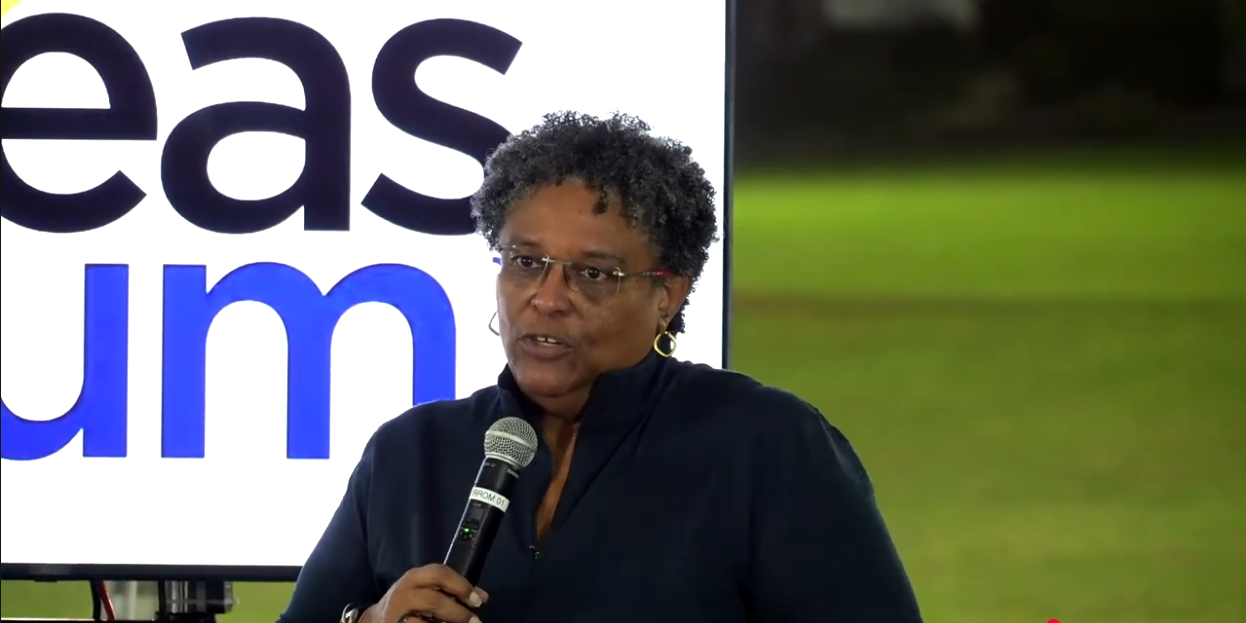
Standing before a packed room of industry leaders at the Barbados Manufacturers’ Association (BMA) State of Industry Conference, Prime Minister Mia Mottley delivered an unscripted, blunt wake-up call this week, urging the island nation’s manufacturing sector to immediately pivot toward an export-driven growth model or risk being left behind permanently in the global economy.
Ditching her prepared remarks to frame Barbados as standing at a defining “critical historical crossroads,” Mottley opened by acknowledging the country’s recent economic progress: 20 consecutive quarters of expansion that have put the nation on a positive trajectory. But that progress, she stressed, is not enough to secure long-term prosperity, and future growth will not come from government mandate alone. “It is going to do better only when we actually come to work to produce to do better,” she told attendees.
The prime minister directly rejected the policy path the country has followed for the past four decades, a approach she argued has gradually sidelined the manufacturing sector and created a dangerous structural trade imbalance. While reaffirming her administration’s unwavering commitment to revitalizing domestic industry, she made clear that government can only lay the enabling infrastructure—real, sustainable growth will require a fundamental shift in private sector mindset, one that prioritizes global market expansion over limited local focus.
To illustrate the growing gap between imports and exports that threatens the nation’s economic stability, Mottley pointed to decades of trade data. In 1960, Barbados exported roughly $24 million in merchandise while importing $49 million in goods. Today, that gap has exploded exponentially: exports stand at $461 million, while imports have surged to $2.2 billion—making imports nearly five times larger than exports over the course of Barbados’ post-independence history. While she acknowledged that rising consumer demand has fueled much of the import growth, she placed blame squarely on domestic businesses for failing to expand into international markets at a sufficient pace. “What hasn’t happened with sufficient pace and sufficient progress has been the extent to which we are prepared to claim the export market,” she said. “And unless that changes, we’re going to continue to be playing catch up all the time.”
Mottley challenged local manufacturers to move past the self-imposed limitation of Barbados’ small 287,000-person population, urging them to embrace the CARICOM Single Market and Economy (CSME)—a regional bloc of 6 million consumers—as their effective domestic market. She framed the nation’s small size as a choice: it can either be a mental “noose” that limits ambition, or a strength that enables the nimbleness and agility needed to compete in niche global markets. Competing in high-volume, low-value global sectors, she warned, is simply not viable for Barbados, given the nation’s inherent structural disadvantages including high production costs.
Instead, she emphasized that adherence to rigorous international product standards is the key to unlocking global market access, and called on local manufacturers to not only meet existing standards but to claim a seat at the table when global rules are being set—drawing a direct parallel to her government’s high-profile Bridgetown Initiative, which advocates for reform of the global financial architecture to give developing nations greater representation. “That we have determined that nobody is going to set standards for us without us being present at the table because the standards which they set, the rules which they set, hobble us,” she explained.
On the topic of business financing, Mottley criticized the local private sector’s overreliance on debt financing and deep-seated cultural reluctance to pursue equity financing or share ownership, which she traced back to lingering colonial and post-enslavement attitudes toward trust. “We are still suffering from a colonial-stroke-slave mentality as it relates to trust and therefore rather than open up and build the biggest company that we can with all of us putting in, we want all to keep a small one here, a small one there,” she said. “We don’t realise that the high wind can take out each of the small ones, but if we come together and aggregate, we now have a different ball game.” Aggregation, innovation and a willingness to collaborate, she argued, are the only ways to build businesses resilient enough to withstand global economic volatility.
The prime minister pointed to her own administration’s successful fiscal reforms as proof that structural adjustment can deliver results. Under her watch, Barbados’ debt-to-GDP ratio has plummeted from 177.5% to just 93%, while overall economic output is projected to reach an estimated $17 billion by the end of the current fiscal year. Mottley also identified affordable energy as the “oxygen” of competitive manufacturing, noting that neighboring Trinidad and Tobago’s $40 billion trade surplus with CARICOM is largely driven by its energy cost advantage.
Against a backdrop of escalating Middle East geopolitical tensions that have driven global oil prices sharply higher, Mottley revealed that the government spent nearly two months negotiating to shield Barbados consumers and businesses from price shocks. The administration has implemented a policy capping fuel and excise taxes at a price equivalent to an $80 per barrel of crude, limiting price increases far below the 40-cent-per-liter hikes seen in the U.S. and U.K. “What we cannot withstand is a deluge. And a deluge is what is on us if we were to allow a 40 cents per litre price to come,” she said. “And this is where the hand of government policy makes the difference. You have to help carry some of the weight. The country is being asked to carry one-third of the weight, and the government, because it has a little more girth, is carrying two-thirds of the weight.” Still, she warned that prolonged global instability could force future adjustments, and urged manufacturers to prioritize energy efficiency and more sustainable production practices.
Looking ahead, Mottley laid out an ambitious long-term vision for regional economic integration: Caribbean nations can pool their abundant renewable energy resources to position the region as a leading global exporter of green hydrogen to markets in the European Union and beyond.
Closing her address, Mottley commended the local manufacturers who have kept their operations running through decades of sectoral decline, but urged the industry to raise its ambitions dramatically. “Our ambitions must never, never be so low as to limit us from what is possible globally,” she said. “We don’t need to produce more than five goods—five, out of the millions of goods that are produced globally. Pick five, but make them the best that you can make them.”
-

CDEMA, mapping charity renew partnership to strengthen disaster response
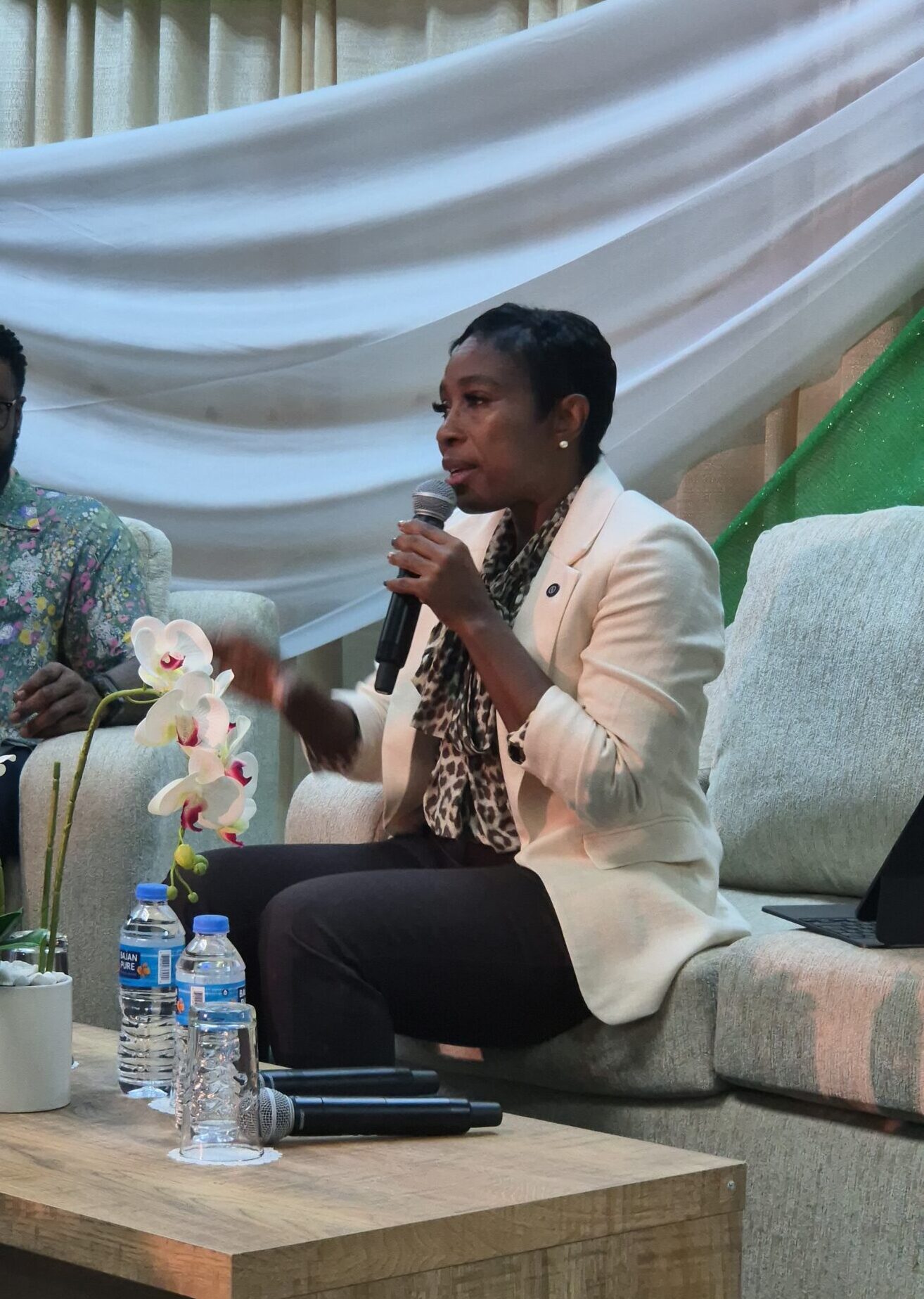
Caribbean countries are stepping up their ability to respond to natural crises after the Caribbean Disaster Emergency Management Agency (CDEMA) signed an updated agreement with UK-based humanitarian non-profit MapAction to continue their coordinated work on disaster management. The new Memorandum of Understanding (MoU), focused on expanding the use of real-time geospatial mapping and data during emergency events, was formalized Friday at a Comprehensive Disaster Management Strategy 2030 stakeholder workshop hosted in Bridgetown, Barbados. CDEMA Executive Director Elizabeth Riley and MapAction GIS Director Greg Fricz put their signatures to the renewed pact.
This long-running partnership between the two organizations will now continue its core mission: strengthening geospatial information management, boosting pre-disaster preparedness, and expanding on-the-ground operational support across CDEMA’s 20 member states across the Caribbean region. Beyond core mapping work, the updated agreement formalizes new areas of collaboration including technical assistance, cross-organizational geospatial data sharing, targeted training for local emergency management teams, capacity building for regional stakeholders, and coordinated deployment support when disaster strikes.
In remarks following the signing, Riley emphasized that cross-sector collaboration and technological innovation are foundational to building stronger regional disaster resilience. “This renewed partnership with MapAction demonstrates our shared commitment to harnessing cutting-edge innovation, robust data infrastructure, and coordinated collaboration to reinforce disaster preparedness and response capacity for every one of our 20 participating states,” Riley said. She went on to note that consistent, reliable geospatial data is non-negotiable for informed decision-making at every stage of an emergency—from pre-storm evacuation planning to post-disaster damage assessment and recovery. The partnership, she added, has consistently delivered tremendous value to CDEMA’s integrated regional disaster management system.
For his part, Fricz shared that MapAction, an organization that specializes in delivering life-saving mapping and geospatial data to humanitarian responders worldwide, is proud to extend its support to CDEMA and its member nations through enhanced mapping and analytical capabilities. “This updated MoU solidifies our shared goal: making sure that frontline emergency responders and senior decision-makers have immediate access to accurate, time-sensitive information when lives and livelihoods are on the line,” Fricz said. The renewed partnership comes as small island developing states across the Caribbean face growing frequency and intensity of climate-fueled disasters including hurricanes, flooding, and coastal erosion, making coordinated, data-driven disaster response more critical than ever.
-

Headley scores crucial goal on historic night in Premier League
Sunday’s Barbados Football Association Premier League matchday went down in the history books not just for a mind-blowing collective total of 32 goals across three fixtures, but for a dramatic late winner that has put defending champions Weymouth Wales firmly in the driver’s seat for another league crown.
On a night where two early games delivered a staggering 31 goals, it was Kemar Headley’s 91st-minute strike that emerged as the most consequential of the day. Facing off against a stubborn UWI Blackbirds side in the evening’s main fixture at the Wildey AstroTurf, the table-topping Weymouth Wales struggled to break through a compact defense for 90 minutes, continuing a season-long trend of dropped points against lower-ranked opposition that has kept their title race far tighter than many expected. The UWI Blackbirds even had a golden opportunity to snatch all three points themselves in the second half, but Rojae Collins sent his shot wide of the post, letting the defending champions off the hook.
For the fourth match in a row, Weymouth Wales needed a late goal to secure victory, and Headley stepped up when it mattered most. The versatile senior star reacted fastest to a loose ball from a late free kick, slotting home the winner to spark wild celebrations among the Weymouth Wales camp. The 1-0 result pushed the defending champions to 37 points, opening up a four-point lead over second-place Paradise, who hold one game in hand on the leaders. Third-place Kickstart Rush sit on 33 points having played one more match than Paradise, while Brittons Hill United round out the top four on 32 points, setting up a tense four-way fight for the title that will go down to the final two rounds of fixtures.
A delighted Weymouth Wales head coach Asquith Howell praised his side’s ability to grind out a result against a tough opponent, and warned that his squad will need to keep fighting to the final whistle to retain their crown. “It will go down to the wire and we just keep telling the players that we have to push if we want to win another championship and we want to play in the CFU Club Championship again,” Howell told reporters. He reserved special praise for match-winner Headley, who has stepped up all season to play multiple positions for the club, from center back to right back, before being pushed into an attacking role for the decisive fixture. “Kemar is a senior player in this team. This season we asked him to play several positions, but he went forward today in an attacking role and he came through for Wales. He’s phenomenal especially when representing Wales, and he loves to win,” Howell added.
The drama of the late winner almost overshadowed one of the most incredible goal-scoring displays ever seen in any top-flight football league. In the day’s opening fixture, Kickstart Rush recorded the biggest winning margin in Barbados Premier League history with a 23-0 demolition of already relegated St Andrew Lions, who played the entire match three players short after a series of late absences. The already outmatched Lions conceded 10 goals before halftime, with another 13 added in the second half as the Kickstart Rush attack ran riot.
National under-17 prospect Jamarco Johnson led the rout with an eight-goal haul, announcing himself as one of the country’s most promising young talents with a clinical performance against the struggling Lions. Romario Drakes added four goals of his own, while Jadon Cave, Trekyle Alleyne-Callender and Ethan Squires each scored twice. Nathan Skeete, Carl Hinkson, Caleb Went and Je-Dane Griffith also found the back of the net, with one additional goal coming from a St Andrew Lions own goal. Kickstart Rush head coach Renaldo Gilkes said his side stayed focused despite the lopsided matchup, as they target a second top-three finish in three seasons and remain in the hunt for a shock title win.
“Yeah, it was a record breaking evening for the fellas, I mean, who doesn’t like to score goals, right? We’re going to try to take this title challenge all the way down to the final day and we have two more games left against formidable opponents in Wales and Paradise,” Gilkes said. “We intend to go back to the training ground, focus on some details and will definitely give it our best going into the final days.”
In the day’s second fixture, last year’s runners-up Brittons Hill kept their title hopes alive with an 8-0 thrashing of another already relegated side Wotton, led by a seven-goal masterclass from St Vincent and the Grenadines international Kirtney Franklin. T’shane Lorde added the only other goal for Brittons Hill, and the result pushed Franklin to the top of the league’s goal-scoring charts with 18 goals for the season. Brittons Hill manager Fabian Wharton said his side will focus only on winning their remaining two fixtures against Paradise and Ellerton, and let the results fall as they may in the tight title race.
“It’s very tight among the four of us at the top, so we just have to do what we have to do and then see how it goes,” Wharton said. Premier League action continues on Tuesday, with second-place Paradise facing off against Ellerton, followed by a matchup between Bagatelle and Eyre’s Meat Shop Pride of Gall Hill as the title race enters its final stretch.
-

Focus on promoting healthier lifestyles
Barbados is entering a pivotal era of healthcare transformation, as government leaders push for a nationwide reset that reframes the country’s approach to public health from reactive illness treatment to proactive disease prevention and holistic wellness promotion. The announcement came from Davidson Ishmael, Minister of State in Barbados’ Ministry of Health and Wellness, who delivered the keynote address at the opening of the two-day “Live Stronger, Longer” Blue Wellness Conference hosted by the Diabetes and Hypertension Association of Barbados at the University of the West Indies Cave Hill Campus.
At the core of Ishmael’s remarks was a stark assessment of the growing public health challenge posed by non-communicable diseases (NCDs) across the island nation. Conditions including hypertension, diabetes, and cardiovascular disease continue to disproportionately impact Barbadian communities, placing persistent strain on both families and the national healthcare system. Against this backdrop, Ishmael framed the current moment as a critical window to rethink, redesign, and renew national wellness strategy.
“While Barbadians are now living longer than ever before, far too many of those added years are marked by poor health and reduced quality of life,” Ishmael told conference attendees. “If we have already made gains in longevity, our next defining goal must be ensuring those extra years are spent in good health, with independence, dignity, and a high standard of well-being.”
To meet that goal, the Barbadian government is pursuing a deliberate strategic evolution of the national healthcare system. Moving away from a model centered almost exclusively on treating existing illness, the new framework will prioritize active promotion of holistic health across all its dimensions. This shift means transitioning from late, reactive intervention to early proactive action, and expanding the system’s focus beyond disease management to supporting the full physical, mental, and social well-being of all Barbadians.
Central to this transformation is the development of a comprehensive national wellness policy and accompanying action plan, a project being led by the Ministry of Health and Wellness in partnership with the Pan American Health Organization (PAHO) and the World Health Organization (WHO). Ishmael explained that the new policy will integrate the physical, mental, social, and environmental components of health into a single, cohesive, multi-sectoral national framework, breaking down silos that have historically fragmented wellness efforts.
Ishmael also emphasized that Barbados already holds unique inherent advantages that can support the development of a distinct “Barbadian model of wellness” tailored to the island’s context. Key strengths include the country’s tight-knit sense of community, longstanding spiritual traditions, abundant natural environment, and widespread access to fresh, locally produced food. “We are blessed with sun, sea, rolling green hills, and open public spaces that encourage physical activity and connection to the natural world,” Ishmael noted.
In addition to these natural and cultural assets, the existing Barbadian healthcare system is already evolving to support the new prevention-focused approach. Ishmael highlighted ongoing efforts to expand access to routine health screenings and scale up early intervention services, as well as investments in strengthening nurse-led care and community outreach programs. These changes are designed to ensure that high-quality care is not only accessible to all Barbadians, but also continuous, supporting long-term wellness management rather than only acute treatment.
-

Caribbean urged to improve emergency responses after disasters
As climate change amplifies the intensity and frequency of destructive natural disasters across the Caribbean, a top World Food Programme (WFP) leader is urging regional emergency response bodies to place robust food security frameworks and accessible, real-time data at the core of their crisis preparedness strategies. Brian Bogart, WFP’s Representative and Country Director for the organization’s Caribbean Multi-Country Office, outlined the urgent call to action during a recent regional consultation workshop hosted by the Caribbean Disaster Emergency Management Agency (CDEMA) at Barbados’ Accra Beach Hotel & Spa. The three-day gathering brought together representatives from CDEMA’s 20 member states to revise and update the bloc’s flagship Comprehensive Disaster Management Strategy, a guiding document for regional crisis planning and response. In an interview with Barbados TODAY conducted on the sidelines of the workshop, Bogart highlighted that fragmented information coordination remains one of the most persistent and costly gaps in the region’s disaster response infrastructure, leaving vulnerable communities overlooked in the immediate aftermath of catastrophic events. While Bogart emphasized that national governments, UN agencies, local non-governmental organizations and international charitable groups all bring critical capacities to emergency responses, he noted that disjointed data systems often prevent consistent, equitable aid delivery to every impacted population. “One of the principal challenges we have with regards to food security is coordination and data,” Bogart explained, adding that response teams require immediate, accurate insights to map the location of affected communities, measure the scale of infrastructure and food system damage, and align available resources with on-the-ground needs. “What we really need to do is make sure that we have those systems in place for mapping needs [and] ensuring that we have regular coverage of affected populations so that no one is affected by hunger in the event of natural disasters in the Caribbean.” To illustrate the severity of coordination gaps and the scale of response required for major Caribbean disasters, Bogart pointed to the 2023 response to Hurricane Melissa, the most powerful storm on record to strike Jamaica. After the Category 5 hurricane made landfall in late October 2023, devastating large swathes of the island and leaving multiple rural communities completely cut off from access to food and basic supplies, the WFP moved nearly 1,000 metric tonnes of emergency relief goods from the Caribbean Regional Logistics Hub based in Barbados to Jamaica in February 2024. Beyond the immediate threat of increasingly severe natural disasters, Bogart also warned that overlapping global shocks continue to erode the Caribbean’s long-term food security, a vulnerability amplified by the region’s heavy dependence on imported food to meet local demand. Currently, most Caribbean nations import between 60 and 90 percent of their food supply, leaving the region exposed to global supply chain disruptions and international commodity price volatility. Bogart referenced the CARICOM “25 by 2025 plus 5” initiative, which sets a target of cutting the region’s food import bill by 25 percent by 2030, to argue that regional governments and stakeholders must ramp up investment in local agricultural production and expand intra-Caribbean food trade to reduce this systemic vulnerability. “The Caribbean is very vulnerable to shocks generated by supply chain disruptions and global food price inflation,” Bogart said, noting that ongoing geopolitical instability in the Middle East and persistently high global fuel costs have already driven up retail food prices across the region. “What we really need to do is look at how we can offset those short-term impacts by ensuring that the most vulnerable people have access to the food they need for a healthy diet, while also doubling down on the investments required to reduce reliance on imports and promote agriculture and food trade between Caribbean countries.”
-

Emergency housing to be increased, says Gibbs
Barbados’ top housing official has laid out a sweeping multi-part agenda that prioritizes disaster preparedness, repairs to aging public housing developments, and long-overdue justice for uncompensated landowners, signaling a major push to upgrade the country’s housing infrastructure ahead of potential extreme weather events. Housing Minister Chris Gibbs, who represents the St Michael West constituency, outlined his policy priorities during a Sunday branch meeting held at St Leonard’s Boys’ School, framing new emergency housing construction as a non-negotiable responsibility for his administration.
Against the backdrop of recent extreme weather events across the Caribbean, including the devastating impact of Hurricane Melissa on nearby Jamaica, Gibbs emphasized that Barbados cannot afford to delay preparations for future disasters. Though the island nation has escaped catastrophic damage from recent weather events including Hurricane Elsa, an unexpected severe storm, and multiple wildfires, Gibbs warned that this streak of good fortune cannot be counted on indefinitely. His ministry is currently finalizing innovative design plans to expand the country’s emergency housing stock, a project that is backed by the full Cabinet and spearheaded by the Prime Minister, with Gibbs leading implementation on the ground as the ministerial lead for housing in Parliament.
In addition to building new emergency accommodation, Gibbs’ ministry is also turning its attention to longstanding structural issues in existing public housing estates that have gone unaddressed for years. The government has allocated funding in this financial year’s budget to carry out critical upgrades across existing public housing developments, ensuring residents can live in safe, dignified conditions. The first wave of upgrades will target three high-need estates: the 10-year-old Grotto housing complex, Country Park Towers, and Kensington Lodge, with additional developments added to the schedule in future phases.
At Grotto, the ministry will resolve well-documented flaws in the original development design, including inadequate parking infrastructure, insufficient exterior lighting that has created public safety risks, and widespread roof leaks that have plagued residents for years. After extensive testing and consultation, officials have selected high-quality sealants to repair and reinforce the roofs, making them more resilient to heavy rain and extreme weather events. Similar upgrades will be carried out at the other two initial sites to improve quality of life and disaster preparedness across the portfolio.
Beyond new construction and infrastructure repairs, Gibbs highlighted a commitment to addressing historical injustices related to government land acquisition, noting that hundreds of small landowners have waited decades for compensation after the state compulsorily acquired their property for public projects. Gibbs stressed that correcting these decades-old wrongs is a core part of the ministry’s social justice mandate, not just building new housing stock. As an example of progress already made, he shared that the government recently compensated an elderly woman who had lost a portion of her land for a bus lay-by 40 years prior, with the issue resolved through Cabinet approval after being brought forward by his ministry.
Gibbs concluded by reaffirming that equitable, accessible, and resilient housing remains the top priority for his tenure, with work on all initiatives already underway to deliver tangible results for Barbadian residents.
-

Call for change in approach to fighting NCDs
Barbados President Jeffrey Bostic, a former health minister who led the country’s public health response through the peak of the COVID-19 pandemic, has issued an urgent appeal to shift current approaches to the island’s worsening non-communicable disease (NCD) crisis, warning that existing interventions are failing to curb rising rates of conditions including diabetes and hypertension.
Bostic made the remarks during the opening ceremony of the two-day “Live Stronger, Longer” Blue Wellness Conference, hosted by the Diabetes and Hypertension Association of Barbados at The University of the West Indies. He emphasized that health leaders and policymakers have long focused their messaging on populations already aware of NCD risks, and must redirect their outreach to the communities and individuals who need lifestyle changes most.
“Right now, our fight against NCDs is like being stuck in a battle where we cannot break through the enemy’s lines,” Bostic said. “That fact alone should signal that our current approach is not working. After years of intervention, case numbers are still climbing – we cannot avoid asking the hard questions about why we have not made more progress.”
The President argued that Barbados does not need to build a new public health framework from scratch; instead, the country should revitalize the proven community-centered model that forms the foundation of its public health system. He noted that the island’s public health infrastructure was built by frontline workers who engaged directly with communities across every parish and village, and that returning to these grassroots outreach methods is critical to making meaningful gains.
“We cannot keep preaching to people who already understand the risks of NCDs,” Bostic explained. “We will never move the needle unless we reach into every corner of this country, into every community that has been left behind by current outreach efforts. We do not need to reinvent the wheel here – we just need to go back to the successful community-focused model that has always served Barbados well.”
Bostic praised the longstanding work of the island’s polyclinics, local medical officers and community nurses, whose on-the-ground work built the country’s modern public health system. While he acknowledged that policy tools such as sugar taxes and mandatory food labeling play an important role in combating NCDs, he argued these measures are incomplete without corresponding action to make healthy lifestyles more accessible and affordable for all Barbadians.
Pointing to the country’s existing tax on sweetened beverages as an example, Bostic noted that many residents currently see the policy as nothing more than an unfair financial burden, rather than a public health intervention, because there is little tangible support for affordable healthy alternatives. “If the revenue we collect from this tax does not go toward lowering the cost of nutritious foods that we want people to eat, we never connect the policy to its actual public health goal,” he said.
Bostic framed the rising prevalence of NCDs as a full-blown national crisis, with impacts that stretch far beyond individual patient health. “Even with all our current efforts, case rates keep growing,” he said. “The costs are not just personal – this crisis strains our national health system, erodes family financial stability, and drags down national economic productivity. This is not someone else’s problem to solve; it is a collective challenge that all of us must own and address together.”
The President also outlined key priority areas where government and health leaders need to ramp up action: stronger school nutrition standards, updated urban planning to create safe public spaces for physical activity, expanded access to free or low-cost NCD screening, and greater availability of affordable medication for at-risk populations. He added that frontline health workers must shift their practice beyond just writing prescriptions, instead taking on more active coaching roles to help patients make incremental sustainable lifestyle changes.
“Every 10-minute consultation with a patient needs to include more than just a prescription,” Bostic said. “It needs to include a conversation: what small change can you make this week that will leave you healthier next week?”
-

Humphrey: Don’t disadvantage Transport Board workers
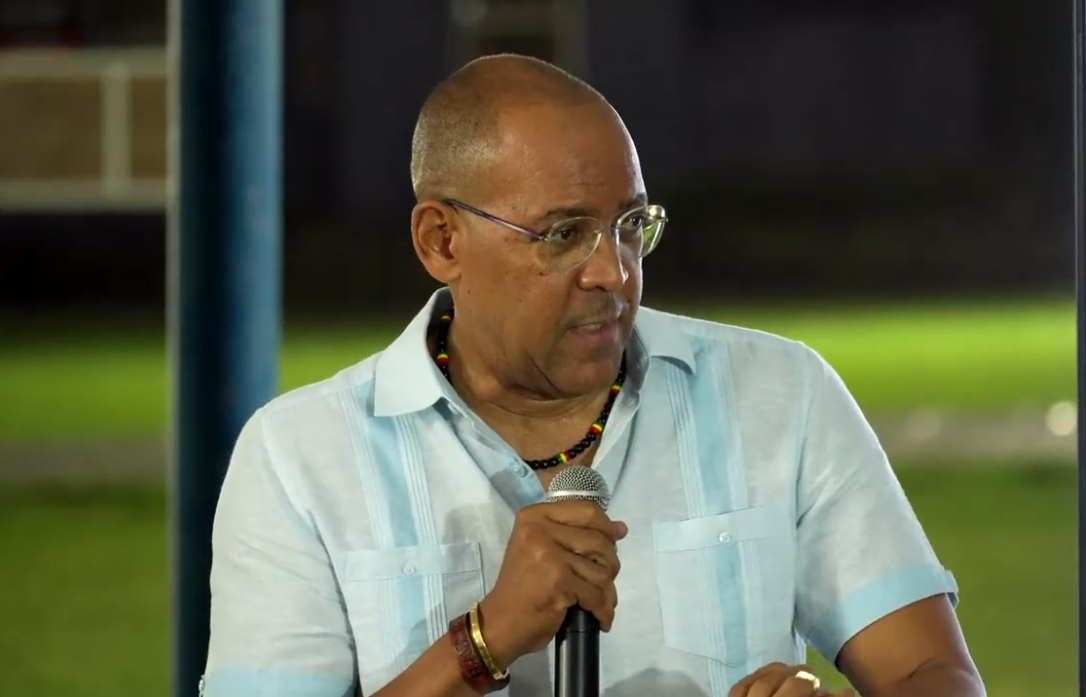
Amid upcoming restructuring plans for Barbados’ state-owned Transport Board, a senior government official has publicly called on domestic financial institutions to halt discriminatory lending practices against the agency’s workers, after multiple employees reported being locked out of credit over unfounded rumors of imminent mass layoffs. Senior Minister and Minister of Transport and Works Kirk Humphrey raised the alarm over the trend during a Sunday evening branch meeting of the ruling Barbados Labour Party in St Michael West, describing the unfair credit blocks as a deeply troubling development that harms working Barbadians.
Humphrey stressed that widespread claims of impending job losses among Transport Board staff are entirely unsubstantiated, and that the government has no plans to disenfranchise current employees during the restructuring process. “Many team members who choose to stay with the organization under the new arrangement will actually end up in a better position than they are in today,” he explained, noting he would share full details of the restructuring once negotiations with labor unions are finalized. “No employee of the Transport Authority will face unfair disadvantage from these changes. To the banks, I say this: when Transport Board workers come to you for credit, do not reject their applications just because you assume they will soon be unemployed. That assumption is not true, and it is unfair to stop people from accessing the money they need to feed their families, purchase a vehicle, or repair their homes.”
In addition to addressing the lending issue, Humphrey used the meeting to clear up widespread public confusion over the government’s recently signed Stand-By Arrangement with the International Monetary Fund (IMF), pushing back against misinformation spread by the political opposition that frames the deal as a costly new national loan. He emphasized that the agreement is not a loan, and carries no financial burden for the Barbados government or public. Instead, it functions as a pre-approved financial safety net that gives the country rapid access to emergency resources if a future crisis hits – eliminating the lengthy formal approval processes that normally delay access to IMF support.
To illustrate the arrangement for the public, Humphrey drew a parallel to an unused credit line. “It’s exactly like having a credit card with a $10,000 limit that you never actually use. You only pay a small annual fee to keep the line open, but you don’t owe anything if you don’t spend the money. That’s what this IMF arrangement is,” he said. He dismissed the Opposition’s claims that the agreement poses risks to Barbados as unfounded and misleading, noting that the pre-arranged access to funding will let the government respond rapidly to any emergency, from natural disasters to economic shocks, to rebuild infrastructure, clear roadways, and put critical support directly into the pockets of working Barbadians when it is needed most.
-

Major work on minor roads coming
Barbados is launching a massive infrastructure improvement initiative centered on long-overdue repairs to local residential roads, with a total investment of $32.5 million earmarked for the project, Senior Minister Kirk Humphrey has confirmed. Speaking at a branch meeting of the Barbados Labour Party held at St Leonard’s Boys School in St Michael West on Sunday, Humphrey laid out the full scope of upcoming work being rolled out by the Ministry of Transport and Works (MTW).
To date, authorities have pinpointed nearly 50 residential roads in need of repairs, with an additional 30 historic cart roads currently under evaluation for inclusion in the project. Humphrey emphasized that while major highway expansion projects remain on the government’s agenda, upgrading the small, community-focused roads that residents use every day has been a top personal priority.
“When you step out your front door, you shouldn’t land in a puddle – those corner roads, neighborhood access routes and cart roads are the ones I am most committed to fixing,” Humphrey said. The government has kept its promise to advance major infrastructure as well, he confirmed: planning is already underway to expand Highway 2A to four lanes, with construction set to break ground before the end of this year. Humphrey also invited residents to report poorly maintained small roads directly to the ministry, guaranteeing that reported routes will be added to the official work schedule.
The residential road repair program is just one of several citizen-focused initiatives MTW is advancing in the coming months. Among the other urgent projects is a full overhaul of the neglected Constitution River Terminal, which Humphrey described as having fallen into unacceptable disrepair. Stagnant water pooling, unregulated encroachment, and overall dilapidation have left the terminal looking like a shantytown, he said, a situation unfit for Barbadian workers and commuters.
“If we expect people to respect public spaces, we have to first provide them with safe, well-maintained spaces to live and work,” Humphrey noted. Along with physical upgrades, the ministry will deploy additional staff to the terminal to monitor public service vehicle operators and ensure compliance with traffic and route regulations. Humphrey stressed that effective management of van staging areas is critical to maintaining order across the entire road network, making on-site supervision a non-negotiable part of the terminal overhaul.
With the Atlantic hurricane season set to begin in less than two weeks, MTW has already started clearing major drainage infrastructure across the island, and will ramp up clearing operations imminently. Humphrey called on local residents to share responsibility for flood risk reduction, urging homeowners and community groups to clear drains near their properties wherever possible to reduce the risk of flooding during storm events.
The ministry also moved to address a longstanding public request: the installation of speed bumps in residential areas, particularly near schools, churches and crowded neighborhoods to protect child pedestrians and other community members from speeding traffic. Humphrey shared that he has long shared residents’ frustration over the previous MTW policy that blocked speed bump installation in most residential areas. While speed bumps are not appropriate for high-speed major highways, he explained, they are a critical safety measure in residential and community zones. He confirmed that internal discussions have already concluded, and residents can expect widespread speed bump installation to begin across the island’s communities in the near term.