标签: Barbados

巴巴多斯

  • Police probe Pinelands shooting incident

    Police probe Pinelands shooting incident

    A major manhunt is ongoing in the parish of St. Michael after a Thursday morning shooting involving law enforcement officers assigned to the regional anti-crime initiative Operation Broken Trident. The incident unfolded along Field Road in the Pinelands neighborhood just after 10:30 a.m., when a combined patrol of police officers and military personnel was conducting routine neighborhood security checks, according to official police statements.

    As the patrol approached a small group of men gathered in an informal gathering near a local commercial venue, one individual in the group immediately fled across the street while pulling a handgun from his clothing. Police officials confirmed that the fleeing suspect then pointed the loaded firearm directly toward the line of responding officers. Fearing an imminent threat to his life and the safety of other personnel on the scene, one officer discharged his service weapon at the suspect.

    Despite the officer’s action, the suspect managed to evade capture and remains at large as of the latest update from law enforcement. No injuries to officers, military personnel, or bystanders have been reported in connection with the incident, and the condition of the suspect remains unknown.

    Authorities have confirmed that the investigation into the encounter is still active and ongoing, with detectives working to identify and locate the suspect. Police are calling on members of the public who may have witnessed the shooting, have information about the suspect’s identity, or know of his current whereabouts to come forward to assist with the case.

    Members of the community with relevant tips can submit information anonymously through Crime Stoppers at 1-800-8477, contact the national police emergency line at 211, or reach out directly to investigators at District ‘A’ Police Station at 430-7242.

  • Pride head coach believes new players deserve inclusion

    Pride head coach believes new players deserve inclusion

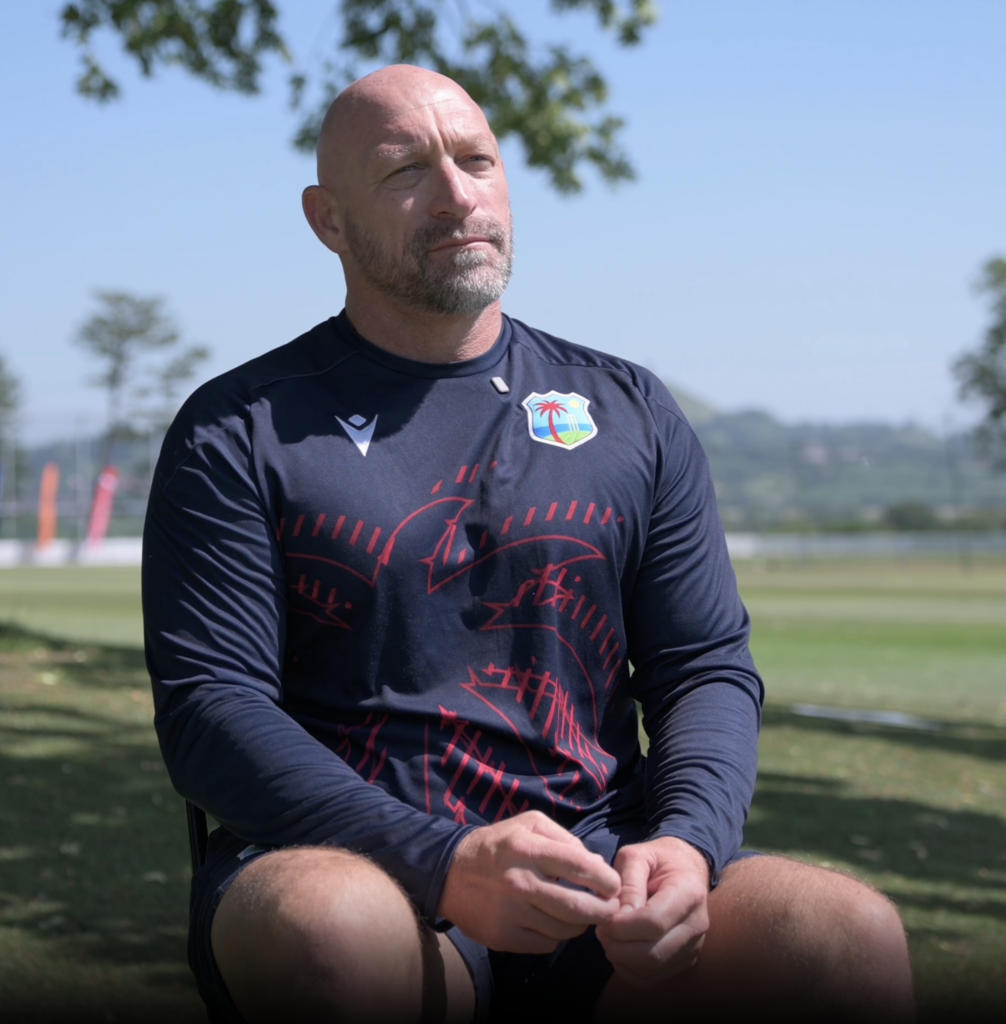
    Following a demoralizing 140-run defeat to Trinidad and Tobago Red Force in the West Indies Championship playoff at Antigua’s Coolidge Cricket Ground this Wednesday, Barbados Pride head coach Vasbert Drakes has made a clear push for generational change in the regional cricket side, arguing that talented young prospects deserve their chance to compete at the highest domestic level.

    While Drakes acknowledged that the team’s overall 4-day tournament campaign delivered several positive highlights that deserve praise — including standout individual performances from batter Kevin Wickham, who racked up 393 runs to finish as the competition’s second-highest run-scorer, and bowler Joshua Bishop, whose 16 wickets put him in a tie for third place in the tournament wicket-taking charts — he says he is now actively evaluating fringe domestic players for potential call-ups.

    The push for youth inclusion comes at a timely moment: two promising young Barbadian batters, Rivaldo Clarke and Amari Goodridge, notched their maiden first-class centuries on the very same Wednesday the playoff concluded, during a warm-up fixture against Guyana Harpy Eagles while representing the Barbados High Performance Center.

    Speaking to reporters Thursday at Grantley Adams International Airport shortly after the team returned home from Antigua, Drakes hinted at significant roster adjustments ahead of the next competition, even as he praised the core squad’s efforts through the main tournament. “I was happy with what the team exhibited across the competition, but we have these young Barbadian players who scored hundreds for the High Performance Center, and that is absolutely something we have to take seriously,” Drakes explained. “Once our top senior players are available for the next cycle, we still have to make sure these prospects are part of the setup moving forward.”

    Drakes added that senior players in the current squad have already accepted the need for a deliberate transition plan, noting that candid conversations about the team’s current state and the long-term best interests of Barbados cricket are already underway. “Even the senior lads understand we have to find a path forward for the next generation, so we’re going to have those hard talks about where we stand and what we need to do,” he said.

    Breaking down the team’s poor showing in the playoff against Trinidad and Tobago, Drakes pointed to the opposition’s first innings total as a decisive turning point in the match. Despite acknowledging that the team entered the fixture well-prepared for both the conditions and Trinidad’s batting lineup, he admitted the side failed to execute its game plan when it mattered most. “We were playing catch-up from early on, but even with that, the pitch was pretty flat, I think Trinidad ended up with around 30 more runs than they should have in that first dig,” Drakes said.

    He reflected on a near-miss that could have flipped the game’s momentum: Bishop’s outstanding unbeaten knock of 99. If just one more batter had matched that level of contribution, Drakes argued, the side would have gained the control it needed to compete for the win. He added that while Trinidad benefited from familiarity with the Antigua conditions after playing their full tournament on the island, that was no excuse for Barbados’ collective underperformance with the bat. “We had scored heavily in Jamaica earlier, so we knew we could perform here. There’s no question we should have put up a bigger total as a group,” he said.

    When asked about persistent concerns over a lack of intimidating pace in the Barbados bowling attack, Drakes agreed that the gap is a critical issue that requires urgent attention. He pointed to a telling moment in the match: Trinidad’s number 11 batter, fast bowler Jayden Seales, batted for 15 full overs to shore up the innings with no significant pressure from the Barbados attack. “You want your fast bowlers to be able to put a little fear into the tail-end batters, and that makes all the difference in a tight game. Unfortunately, we just didn’t have that cutting edge this match,” Drakes said. “It’s an area we definitely need to invest time and resources into filling moving forward.”

  • Prostate cancer walk aims to double turnout in ‘sea of blue’

    Prostate cancer walk aims to double turnout in ‘sea of blue’

    As Caribbean men continue to face disproportionately high rates of prostate cancer, community and corporate stakeholders across Barbados are gearing up for the fourth iteration of the CEMIX Barbados Cancer Society Prostate Cancer Walk and Run, an event designed to turn public attention into life-saving action. With an ambitious target of welcoming up to 1,800 participants this year — double the 800 to 900 attendees that turned out in 2023 — organisers are framing the gathering as a national movement to prioritize early screening and reduce preventable deaths from the disease among Barbadian men.\n\nOrganisers are calling on participants and supporters to turn out in blue to create a massive “sea of blue” along the route when the event kicks off at 4 p.m. on Sunday, June 28 at the Garrison Savannah, directly in front of the Main Guard clock tower. Speaking at the official launch of the event, Walk Manager Michelle Straughn, who has led planning for the initiative since its first edition, stressed that the gathering is far more than a recreational fitness activity. It is a targeted public health intervention that can save lives by encouraging more men to get tested.\n\n“We are here another year, and we are excited,” Straughn told reporters. “Last year we had about 800 to 900 persons. This year, we want to double that. This has to grow because the cause is too important. Men make up 50 per cent of the population in Barbados; we cannot do without them.”\n\nDue to overwhelming positive feedback from past participants, the popular route will remain unchanged this year. Walkers and runners alike will travel along Paddock Road, Culloden Road, and Bay Street before looping back to the starting point at the Garrison Savannah. Describing the course as accessible for people of all fitness levels, Straughn joked that organisers will only consider a change when overcrowding forces a shift – a outcome she says she would welcome. “It’s a nice easy run and walk. People love the route; they think it’s adequate. We’ll stick with it until it doesn’t work — and when it doesn’t work, it will be because we have 25 000 people on the road,” she said.\n\nThe annual event is the result of a long-running collaborative partnership between the Barbados Cancer Society, title sponsor CEMIX, the District Grand Lodge of Barbados (Scottish Constitution), and apparel manufacturer Gildan. The initiative was originally proposed by the District Grand Lodge, which approached the cancer society with the idea of creating a male-focused health awareness event. As a membership organisation made up of hundreds of men ranging in age from their 20s to over 100 years old, the lodge’s leadership says the cause is deeply personal.\n\n“All our members will either be personally impacted or have close friends with prostate cancer,” explained Kevin Seale, a commissioned officer of the District Grand Lodge. “I am in that category as well. I am very determined to continue to support this effort on a very personal level.”\n\nSteven Blackett, human resources advisor at Gildan, echoed that commitment, noting that the decades of progress made in breast cancer awareness and fundraising can serve as a blueprint for expanding prostate cancer outreach. He highlighted the important role women can play in encouraging the men in their lives to participate and get screened, noting that female participants are fully welcome to join the event. “Behind every successful man is a strong woman,” Blackett said. “I want to thank the ladies for leading the way with breast cancer; they are leading the path for men right now to make this walk. Ladies are welcome too, and let’s make this year more impactful.”\n\nAcross all partnering organisations, the core message is unanimous: early detection remains the most effective tool to improve survival outcomes for prostate cancer patients and reverse current mortality statistics. Philip Tempro, Group CEO of title sponsor CEMIX, issued a public call for other Barbadian businesses to join the movement, urging corporate leaders to support their employees to participate and expand access to screening in workplaces. “I urge corporate Barbados to jump on board. Stick your logo on a shirt, pay the extra $5 for your people, and come run and walk with us,” Tempro said. He also committed CEMIX to backing additional workplace screening initiatives, adding: “If anyone wants to do a screening process, we are happy to jump on board with them. We will put capital behind it.”\n\nAhead of the June 28 event, Straughn announced that the official branded blue event shirts will be available for participants starting next week.

  • IMF: Economy remains robust amid global risks but…

    IMF: Economy remains robust amid global risks but…

    After a 10-day review of Barbados’ updated homegrown economic strategy, the International Monetary Fund has delivered a mixed assessment of the Caribbean nation’s economic trajectory: acknowledging robust near-term performance anchored by consistent policy discipline, while flagging growing external threats that could test stability in the year ahead.

    IMF mission lead Michael Perks confirmed that the Barbadian economy delivered strong results in 2025, building on years of progress under prior iteration of the island’s Economic Recovery and Transformation Plan. Driven by buoyant activity across tourism, construction, and business services, full-year 2025 economic growth came in at an estimated 2.7%, while the labor market held at strong levels. Inflation cooled notably to an average of just 0.9% year-over-year, outperforming many peer small island economies. While the current account deficit widened to 5.7% of gross domestic product, the gap was more than offset by a sharp uplift in foreign direct investment, which provided solid support to the country’s balance of payments.

    By the end of 2025, Barbados’ gross international reserves held steady at roughly $1.5 billion, equal to around six months of import coverage – a buffer more than sufficient to defend the country’s fixed exchange rate peg, a key pillar of macroeconomic stability. On the fiscal side, performance remained equally strong: the primary fiscal surplus hit 4.2% of GDP in the 2025/26 fiscal year. Strong corporate tax collections allowed the government to ramp up public investment in both infrastructure and climate resilience projects, Perks noted.

    Looking ahead to 2026, the IMF projects that Barbados will continue to record positive growth, though the pace will moderate compared to 2025 as cooling global demand creates headwinds. Those headwinds will be partially offset by ongoing tourism-linked construction projects and expanded public investment, however. Higher global commodity prices are expected to push up domestic living costs and widen the current account deficit, but the country’s strong reserve position is projected to keep the economy insulated through the near term. While the IMF expects external conditions to stabilize after 2026, the organization emphasized that the medium-term outlook remains clouded by unusually high uncertainty, with risks overwhelmingly tilted to the downside. Key risks flagged include escalating global policy volatility, sustained commodity price pressures, and Barbados’ inherent vulnerability to climate-fueled natural disasters.

    Barbados has already logged significant progress under its first two economic recovery plans, which were backed by prior IMF financing arrangements. Gradual, consistent fiscal consolidation has put public debt on a clear downward trajectory, while landmark structural reforms – including overhauls of state-owned enterprises and the national pension system – have strengthened long-term fiscal foundations. The country rebuilt its international reserve buffer over the past several years, and successfully returned to international capital markets in 2025. It has also made major strides boosting climate and economic resilience through the IMF’s Resilience and Sustainability Facility.

    To build on these gains, the IMF and Barbados’ Mottley administration have agreed to a new precautionary standby arrangement that will back the government’s updated BERT 2026 agenda, supporting the country’s commitment to prudent macroeconomic management. Perks explained that the government’s fiscal framework will continue to balance long-term debt sustainability with pressing development and social needs. To hit the target of reducing public debt to 60% of GDP by the 2035/36 fiscal year, the country will need to maintain strong primary fiscal balances, while preserving fiscal space for critical investments in resilience, infrastructure, and social support for vulnerable households. Any emergency fiscal measures introduced to counter external shocks should be temporary, targeted directly to the most impacted communities, and aligned with the country’s medium-term fiscal anchor, Perks advised. He added that consistent, disciplined fiscal policy will also help preserve the country’s ample reserve buffer and support the exchange rate peg, which remains critical to overall macroeconomic stability.

    Steady implementation of planned structural reforms will further strengthen policy credibility, improve institutional frameworks, and solidify long-term growth prospects, Perks said. The reform agenda will be supported by ongoing technical assistance from the IMF and other international development partners.

  • St Michael School to benefit from new cricket facility

    St Michael School to benefit from new cricket facility

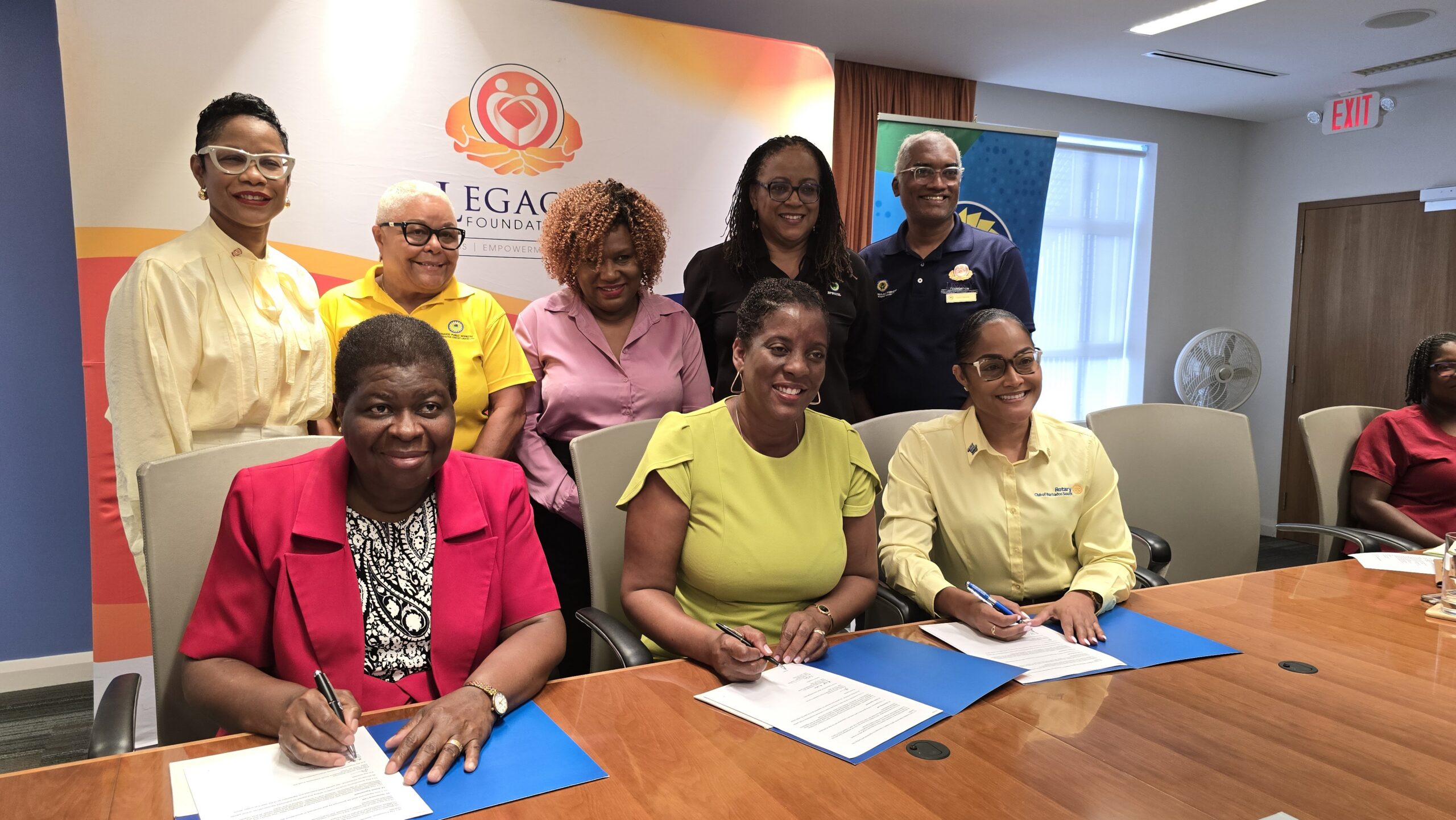
    Barbados now boasts a brand-new cricket development hub, after the Noel Gittens and Ezra Moseley Cricket Development Facility was formally opened at St Michael School on Martindale’s Road this week. The new center, which features dedicated professional-grade cricket nets, was delivered through a collaborative partnership between the school and the Barbados Public Workers Cooperative Credit Union’s Legacy Foundation, which provided key funding and support for the project.

    The facility carries the names of two icons who left indelible marks on both the school and Barbadian cricket at large: Noel Gittens, a former deputy principal and long-time cricket coach at St Michael School, who joined Principal Tanya Harding to cut the ribbon on the new space, and the late Ezra Moseley, a former fast bowler for Barbados and the West Indies who also served as a coach at the institution.

    Speaking at the opening ceremony, Principal Harding framed the new facility as a timely, transformative addition to the school, noting that physical education holds a core place in the national education curriculum for its far-reaching benefits. Beyond building physical fitness and supporting mental well-being, regular physical activity in youth helps reduce the risk of chronic non-communicable diseases that impact quality of life in adulthood, she explained.

    Harding added that St Michael School has prioritized student participation in extracurricular programs for decades, with 27 distinct after-school activities currently on offer, nine of which focus on sports. But for years, the school has struggled to accommodate its growing student body and diverse athletic programs due to severe space constraints. The campus currently only has one hard court, one tennis court, and a small playing field that was further reduced in size when prefabricated buildings were added to expand capacity for sixth-form students. At their lowest point, the school’s cricket team was forced to travel off-campus once a week to practice at the Ursuline Convent’s nets, Harding revealed.

    Winslow Straker, representing the St Michael School Alumni Association, which spearheaded the initiative alongside the credit union, emphasized that the new facility is far more than a set of practice nets—it is a strategic investment in Barbados’ young people, local communities, and the future of national cricket. The facility’s dual practice wickets, he said, stand as a tangible symbol of opportunity, a dedicated space where emerging young cricketers can hone their technical skills, build personal discipline, grow their self-confidence, and nurture a lifelong passion for the sport.

    Straker noted that naming the center for Gittens and Moseley is a fitting tribute to the pair’s decades of dedicated service to the school and regional cricket. Their legacies of commitment will now inspire every generation of young players that trains at the facility, motivating them to pursue their dreams of representing their school, club, and country with national pride, he added.

    Reflecting on the cross-sector collaboration that made the project possible, Straker emphasized that a true legacy is not just about honoring the contributions of past leaders, but about building accessible pathways for the next generation to thrive. Partnerships between educational institutions, alumni groups, and local corporate foundations, he argued, demonstrate what can be accomplished when organizations align around a shared vision of youth and community development. He closed by extending the alumni association’s sincere gratitude to the Legacy Foundation for its generous financial donation and collaborative partnership, noting that the organization’s commitment to youth cricket and community uplift has made a lasting difference for St Michael School, with hopes for continued partnership in future impact projects.

  • Prostate cancer deaths top 300 annually as screening declines

    Prostate cancer deaths top 300 annually as screening declines

    Barbados is facing a growing public health crisis over prostate cancer, with health officials sounding the alarm after a dramatic drop in routine screening rates for the CDE. The Barbados Cancer Society (BCS) highlighted the urgent situation while launching its 4th Annual Prostate Cancer Awareness Walk at the Jada Group of Companies complex in St Peter, where leaders outlined the devastating gap between early detection outcomes and current screening participation.

    According to BCS President Professor David Rosin, even as medical science continues to advance, fewer Barbadian men are stepping forward for routine testing. This downward trend carries uniquely severe risks for the local population: Caribbean men of African descent already face the highest prostate cancer mortality rate in the world. In Barbados alone, the disease claims more than 300 lives each year, a statistic Professor Rosin says is entirely preventable. “This is one of the five cancers that people should not die from if it is diagnosed early,” he explained. “Regular screening can fundamentally change this outcome.”

    Professor Rosin drew a stark global comparison to illustrate the impact of widespread screening: while Australia has the world’s highest incidence of prostate cancer, it maintains a very low mortality rate thanks to routine population testing. In contrast, Caribbean nations rank sixth globally for incidence but hold the unenviable top spot for mortality. Local data underscores this gap: men of African descent in Barbados are twice as likely to develop prostate cancer as American men, and six times more likely to die from the disease.

    To address the limitations of current screening practices, the BCS is pushing for adoption of an updated screening protocol designed to boost accuracy and cut down on unnecessary invasive procedures. The long-standing standard initial test, the Prostate-Specific Antigen (PSA) exam, frequently produces false positive results triggered by non-cancerous conditions such as enlarged prostate or urinary tract infections.

    To remedy this issue, the organization has introduced a specialized genetic blood test that analyzes patient DNA and RNA to identify cancer-related markers. Data from a clinical trial of 565 male participants showed the genetic test achieved a 92% specificity rate, compared to just 83% for the conventional PSA test. “The gene test was significantly more accurate for detecting prostate cancer, and it correctly identifies men carrying cancer-related markers when they have no outward symptoms or signs,” Professor Rosin noted. This improvement eliminates the stress, cost, and potential complications of unnecessary follow-up procedures for false positive PSA results.

    Beyond screening protocol reform, Professor Rosin also pointed to critical gaps in Barbados’ local healthcare infrastructure. Currently, the nation lacks access to parametric MRI technology and robot-assisted laparoscopic surgery, two tools that improve early detection and simplify treatment. He added that even when less invasive curative treatments such as High-Intensity Focused Ultrasound (HIFU) are available, late detection caused by low screening rates makes these options unusable for most patients.

    Cultural stigma around male health seeking also poses a major barrier, Professor Rosin argued, pointing to the far higher participation rates in breast cancer screening as a comparison. “I have been known to say that men are wimps because they don’t like to show any weakness, whereas women come forward much more commonly,” he said. To shift this norm, he called on women in Barbados to encourage the male partners, family members, and friends in their lives to get screened.

    The launch event included a virtual address from Dr. Jonathan Noel, a Barbadian consultant urological and robotic prostate surgeon based at London’s Guy’s Hospital, who reinforced the gravity of the regional crisis. “Prostate cancer death rates in the Caribbean are double those of other developed countries,” Dr. Noel warned. “It’s a staggering figure we should all be alarmed by. We shouldn’t be reactive when we have symptoms; we should be screened before symptoms develop.”

    Dr. Noel noted that modern surgical technologies such as robotic-assisted procedures have drastically shortened recovery times, with many patients able to return home just one day after surgery. But he stressed that even the most advanced medical technology cannot offset the impact of low screening participation: treatment can only save lives if men seek care early.

    The BCS is now urging the public to support its upcoming “Strength in Every Step” community walk and run, scheduled to take place on Sunday, June 28, as part of its ongoing push to raise awareness and encourage widespread screening participation. The core message from all speakers remained consistent: early screening saves lives, and the only way to reverse the current high mortality trend is for Barbadian men to get tested before symptoms appear.

  • Unsung Heroes programme opens for 2026 nominations

    Unsung Heroes programme opens for 2026 nominations

    A regional search is now open across 10 Caribbean markets to shine a long-overdue spotlight on ordinary people whose quiet, consistent contributions make extraordinary differences to their communities, as CIBC Caribbean brings back its popular Unsung Heroes programme for 2026. The initiative, which was first relaunched last year, offers thousands of dollars in cash prizes to standout winners, and organizers are now calling on members of the public across Barbados to submit their nominations.

    Speaking at the official launch event held Thursday at Bridgetown’s Michael Mansoor Building, Victor Boyce, CIBC Caribbean’s Barbados Country Head, highlighted the overwhelming success of the 2025 relaunch and reiterated the programme’s core mission: to celebrate unrecognized acts of service, bravery, and compassion that often fly under the public radar.

    Operating across all 10 Caribbean territories where the bank maintains a presence, the Unsung Heroes programme follows a two-stage judging process. First, each participating territory selects its own local winners. Those local champions then advance to a regional judging panel, which picks one overall regional unsung hero and two second-place runners-up.

    When the programme was relaunched in 2025, organizers expanded eligibility to include any individual aged 10 and older, a change that uncovered a wealth of inspiring stories from young community changemakers that would have otherwise gone uncelebrated, Boyce explained. Beyond youth involvement, the programme accepts nominations across three core categories: outstanding community service, acts of bravery or heroism, and extraordinary acts of kindness, all carried out within the past 12 months.

    Boyce noted that a common thread across all past nominees and winners is their humility: most had no idea how much their actions had impacted the people around them. “Almost all of our heroes whom we have identified via this programme have been surprised when they were chosen, and they tell us that they were humbled even to have been nominated,” he said.

    As a standout example of the kind of work the programme celebrates, Boyce pointed to 2025’s Barbados national winner, Carla Daniel, whose grassroots work protecting local sea turtle populations and boosting community environmental awareness captured widespread public admiration. Daniel once even dove into a muddy drainage ditch to rescue a trapped sea turtle, and her efforts have not only helped stabilize local turtle populations but also inspired hundreds of Barbadians to care more about coastal conservation, Boyce added.

    Organizers are encouraging nominations from a broad group of people, including native Barbadians, visitors, and temporary residents who have encountered an unsung champion making a tangible difference in the country. “Do you know of someone who has performed an act of heroism or bravery which has not been recognised?” Boyce asked the public. “Log on to our corporate website, CIBCCaribbean.com, and follow the easy steps to nominating your CIBC Caribbean Unsung Heroes.”

    The prize structure for 2026 offers substantial rewards for honorees. Barbados’ national winner will take home BBD $10,000, with the national runner-up receiving BBD $5,000. At the regional level, the top winner earns US $10,000 (equal to BBD $20,000), while the two regional runners-up receive US $7,000 (BBD $14,000) and US $5,000 (BBD $10,000) respectively. New for 2026, the person who nominates the eventual regional winner will receive a US $1,000 (BBD $2,000) incentive prize for their participation.

  • GAIA bosses reject NUPW wage talks inaction claim

    GAIA bosses reject NUPW wage talks inaction claim

    Two days after airport workers held a public protest over stalled wage negotiations, leadership at Grantley Adams International Airport Inc. (GAIA) has pushed back against allegations from the National Union of Public Workers (NUPW) that company management has refused to engage in collective bargaining.

    In an official statement provided to local outlet Barbados TODAY on Thursday, GAIA spokesperson Sharleen Browne-Jones refuted the union’s claim that airport leadership has ignored multiple outreach attempts to schedule formal negotiations. “That assertion is incorrect,” Browne-Jones stated, pointing to a documented trail of communications between GAIA Inc. and the NUPW spanning several months, with confirmed exchanges on February 10, April 2, April 7, April 14, and May 8.
    Browne-Jones explained that scheduling conflicts rooted in conflicting availability on both sides have been the primary barrier to holding formal talks, rather than deliberate delay from management. “At different points, availability constraints arose on both sides, including instances when NUPW representatives were unavailable and other instances when GAIA Inc. was unavailable,” she said. “It is therefore not accurate to suggest that GAIA Inc. has been unresponsive or that it is delaying the process.”

    Browne-Jones’ comments came in direct response to industrial action held at the Barbados airport on Tuesday, when dozens of workers walked off the job to demonstrate against what union leadership described as months of silence from management in response to a formal wage adjustment proposal. The NUPW, which represents the airport’s frontline and administrative staff, submitted its formal bargaining package nearly five months ago, calling for a 20 percent wage increase for the 2025–2027 period. According to the union, GAIA management has still not tabled a formal counter-proposal to the workers’ request.

    Speaking at Tuesday’s protest, NUPW president Kimberly Agard accused GAIA Inc. of refusing to enter meaningful negotiations despite the union’s repeated requests for a meeting. “The NUPW would have put a position to the management of GAIA Inc. since last year December, and to this date, no response has been given,” Agard told reporters. She emphasized that the union had “continuously reached out to management” in an effort to return to the bargaining table, noting that staff frustration had grown steadily over the months of delay. “The members are frustrated. They work hard, they deserve better,” she added.

    In Thursday’s statement, Browne-Jones pushed back against that narrative, confirming that discussions remain active and that management is fully committed to reaching a resolution through open, constructive dialogue. “The management of GAIA Inc. remains in communication with NUPW. A meeting in June has already been proposed, and GAIA Inc. continues to work toward that date,” she said. Browne-Jones added that if an earlier time slot that works for both parties becomes available, airport management stands ready to convene negotiations ahead of the planned June date.

    “GAIA Inc. values its employees tremendously, respects the role of the union, and remains ready and willing to engage constructively,” Browne-Jones said.

  • Gonsalves wants CARICOM to help West Indies cricket

    Gonsalves wants CARICOM to help West Indies cricket

    West Indies cricket, once a powerhouse of the global game that dominated international competition for decades, finds itself mired in a deepening crisis that threatens its long-term survival, according to former St. Vincent and the Grenadines Prime Minister Dr. Ralph Gonsalves. In a candid interview with the Jamaica Observer, the 24-year incumbent leader, who stepped down after last November’s general election, has issued a urgent call for Caribbean regional governments to claim a formal, integrated seat at the decision-making table to reverse the sport’s steady decline.

    Worsening on-field performance and crippling financial instability have combined to paint a grim picture for West Indies cricket in recent years. While fan and stakeholder anxiety over the sport’s trajectory has simmered for decades, public and institutional scrutiny spiked dramatically over the last 12 months following a humiliating Test series defeat to Australia last summer. The low point of that series came at Kingston’s Sabina Park, where the entire West Indies batting line-up was bowled out for just 27 runs — a result that sent shockwaves through the global cricket community. Current International Cricket Council (ICC) rankings reflect the depth of the on-field slump: the regional men’s side sits 8th in Test cricket, 10th in One-Day Internationals, and 7th in Twenty20 Internationals, placing it firmly in the bottom half of all ranked ICC member nations.

    Off the field, the financial outlook is equally troubling. Cricket West Indies (CWI), the sport’s regional governing body, projects it will post a $26 million USD loss in the current year, though it has outlined a long-term forecast that predicts a return to profitability by 2027. Gonsalves argues that CWI’s current governing structure — which excludes formal government input — is ill-equipped to tackle these overlapping crises. He insists that closer collaboration between CWI and regional governments is the only path to meaningful reform, noting that governments are unwilling to commit public funding to the sport without receiving proportional decision-making power in return.

    “The governments have to get involved but the governments are not going to get involved seriously if Cricket West Indies continues to think that governments will pour money into Cricket West Indies without them having a say,” Gonsalves told the Jamaica Observer. Though the Caribbean Community (CARICOM) maintains a cricket subcommittee, once chaired by Gonsalves himself, the regional body holds no formal governing authority within CWI. ICC rules currently prohibit direct government interference in the administration of member organizations, but Gonsalves argues that the historic and cultural importance of cricket to the Caribbean demands an exception to this regulation.

    He pointed to precedents in other major cricket nations to back his argument, noting that the Indian Supreme Court has already ruled that cricket is a public good that cannot be managed exclusively by private entities. “I’m sure if it comes to our courts that they will rule similarly because it makes perfect sense,” Gonsalves said. “The law is right reason and right reason indicates that you can’t have a public good of this type being run by a private entity and certainly you can’t expect the parliaments to vote money to put it inside the organisation. I’ve thought long and hard about this thing and I dare anybody to tell me that my conclusions are not correct.”

    Gonsalves’ proposed path forward calls for regional leaders to collectively approach the ICC with a formal diplomatic demarche, laying out the severity of the crisis and requesting approval for expanded government involvement in restructuring and managing West Indies cricket. “If this matter is discussed within the context of the region and governments decide this is the way we’re going to do it and we want to play a part in the management of it and to restructure it, we have to make a demarche to the ICC and say this thing cannot continue like this, because if it continues like this, it would fold,” he explained. “So I don’t think it’s a question of trust, it’s whether we as governments in the region decide whether we’re going to be involved in this matter, and in order to comply with the perspectives of the ICC, where are the tolerable limits for the state’s involvement because we are in a crisis.”

    The West Indies men’s team is set to return to international competition next month, hosting Sri Lanka for three ODIs and three T20Is at Sabina Park, the same ground that hosted the devastating 27 all-out collapse against Australia last year. The upcoming series will put the team’s current form under the microscope once again, as calls for structural reform continue to grow across the region.

  • Barbados to lean on IMF if necessary

    Barbados to lean on IMF if necessary

    On Thursday, the Caribbean nation of Barbados wrapped up a three-year precautionary standby arrangement with the International Monetary Fund, securing access to up to $260 million in emergency funding designed as a financial buffer against unforeseen external economic disruptions.

    Crucially, Prime Minister Mia Mottley emphasized in a press briefing held at Illaro Court immediately after the staff-level agreement was signed with the visiting IMF delegation that Barbados has no immediate need to draw down any portion of the allocated funds. The agreement, she explained, was structured as a proactive safety net rather than a response to an existing economic crisis within the country.

    Mottley noted that ongoing volatility and widespread uncertainty across the global economy create real risks of sudden adverse shocks that could upend Barbados’ economic stability and quality of life for its residents. By locking in this precautionary arrangement now, the country has positioned itself to respond quickly if challenging conditions emerge. She added that accessing the funds would be a straightforward process: a single formal phone call to the IMF would be enough to activate a withdrawal of any portion of, or the full, $260 million allocation.

    The agreement signing event was attended by key economic and financial leaders from Barbados: the picture from the briefing captures Mottley in conversation with Michael Perks, head of the IMF’s visiting mission to the country, while Marsha Caddle, Barbados’ Minister of Economic Affairs, and Dr. Kevin Greenidge, Governor of the Central Bank of Barbados, observe the discussion.