标签: Barbados

巴巴多斯

  • ‘Expose students to creative industry career choices’ – teacher

    ‘Expose students to creative industry career choices’ – teacher

    A pressing call for enhanced educational focus on creative career pathways has emerged in Barbados as secondary schools confront dwindling enrollment in arts programs. The urgency was highlighted during a groundbreaking student-organized art exhibition at Springer Memorial School, serving as both a public showcase and a formal academic assessment.

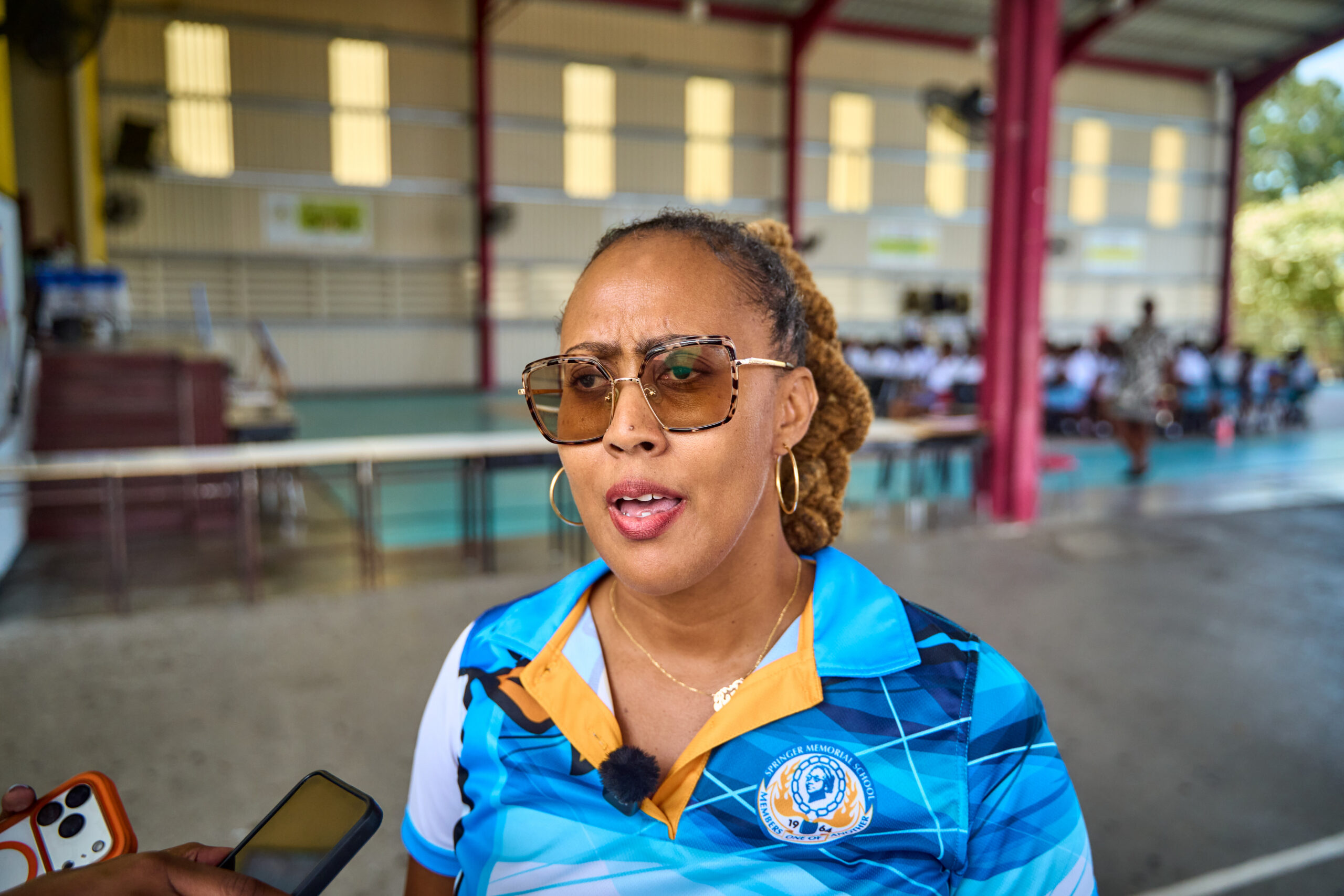
    Renee Taylor, a graduate teacher at the institution, articulated the crisis while observing her sixth-form students’ innovative response to the challenge. Their project, mandated by the Caribbean Advanced Proficiency Examination (CAPE) curriculum, required conceptualizing and implementing a practical, income-generating initiative within the performing arts discipline.

    “This exhibition represents the culmination of their Unit One SBA requirements,” Taylor explained. “These students identified a pressing issue within creative education, developed an event-based solution, and implemented it with professional standards, including revenue generation components as specified in the syllabus.”

    The student team selected a particularly relevant challenge: reversing the post-pandemic decline in creative arts enrollment. Their research revealed concerning trends across visual arts, music, fashion, and culinary programs. Through peer surveys, they uncovered pervasive misconceptions about creative careers, including perceptions of financial instability, lack of prestige, and limited professional viability.

    Taylor noted additional systemic barriers: “Limited exposure to arts programming at earlier educational levels created a foundational gap. Many students had minimal experience with drama or dance programs, which affected their perception of local career opportunities.”

    The exposition strategically countered these perceptions by assembling accomplished creative professionals and institutional representatives. Notable participants included acclaimed artist and alumna Sheena Rose, whose career demonstrates local artistic viability. The event also featured delegates from the National Cultural Foundation and the Barbados Museum, providing students with both academic and professional pathway guidance.

    “We brought practitioners and alumni who actually sustain careers in the arts,” Taylor emphasized. “They provided firsthand accounts of navigating the creative economy successfully within Barbados.”

    The educator stressed that while school programs introduce artistic fundamentals, students require more robust transition support toward sustainable careers. “The critical question becomes: after beginning studies in school, what options exist for advanced education and professional development?”

    Taylor concluded that strategic awareness-building and engagement initiatives could fundamentally reshape perceptions of creative fields, potentially unlocking significant economic potential within Barbados’ orange economy sector.

  • ICAB: Timely implementation key to Barbadians reaping benefits of Budget

    ICAB: Timely implementation key to Barbadians reaping benefits of Budget

    The Institute of Chartered Accountants of Barbados (ICAB) has issued comprehensive guidance to help citizens navigate the practical implications of the recently announced 2026 Budget measures. In a detailed release following their weekly ‘Talking Business with ICAB’ radio program, CEO Lisa Padmore emphasized that while budget summaries are widely accessible, many households require clearer interpretation of how these fiscal policies will affect their daily lives.

    ICAB’s analysis underscores a crucial caveat: the success of these economic interventions hinges entirely on execution efficiency. The organization stressed that policy announcements merely signal governmental intent, whereas actual impact depends on the rapid deployment of supporting regulations, administrative protocols, system modernizations, and public education campaigns. Businesses require operational clarity for planning purposes, taxpayers need precise filing instructions, financial institutions demand updated compliance frameworks, and households rely on predictable implementation timelines.

    Key budget components analyzed include government’s short-term strategy to buffer electricity cost fluctuations driven by global fuel volatility. While consumers should still anticipate increased utility bills, the measure aims to decelerate the rate of hikes. Similarly, maintained VAT caps and excise tax controls on fuel function as protective mechanisms against soaring oil prices, though they don’t reduce pump prices outright.

    Regarding food inflation, ICAB explained that revised customs duty calculations—applying charges to goods’ value or capped freight amounts—eliminate a potential price driver but don’t ensure lower retail costs. Tax adjustments featuring elevated tax credits and marginal income tax rate reductions could bolster disposable income for low-to-middle income earners.

    Social support measures received particular attention, including temporary monthly payments for seniors below specific income thresholds (covering pensionless individuals), targeted grants for families with multiple births addressing the unique financial pressures of raising twins or triplets, and the Barbados Republic Child Wealth Fund providing $5,000 investments for children born since November 2021 as a long-term wealth-building initiative.

    ICAB committed to ongoing monitoring of regulatory developments and providing neutral, professional guidance as implementation details emerge.

  • Goddard-McCarthy selected by IOC to cover Youth Olympics

    Goddard-McCarthy selected by IOC to cover Youth Olympics

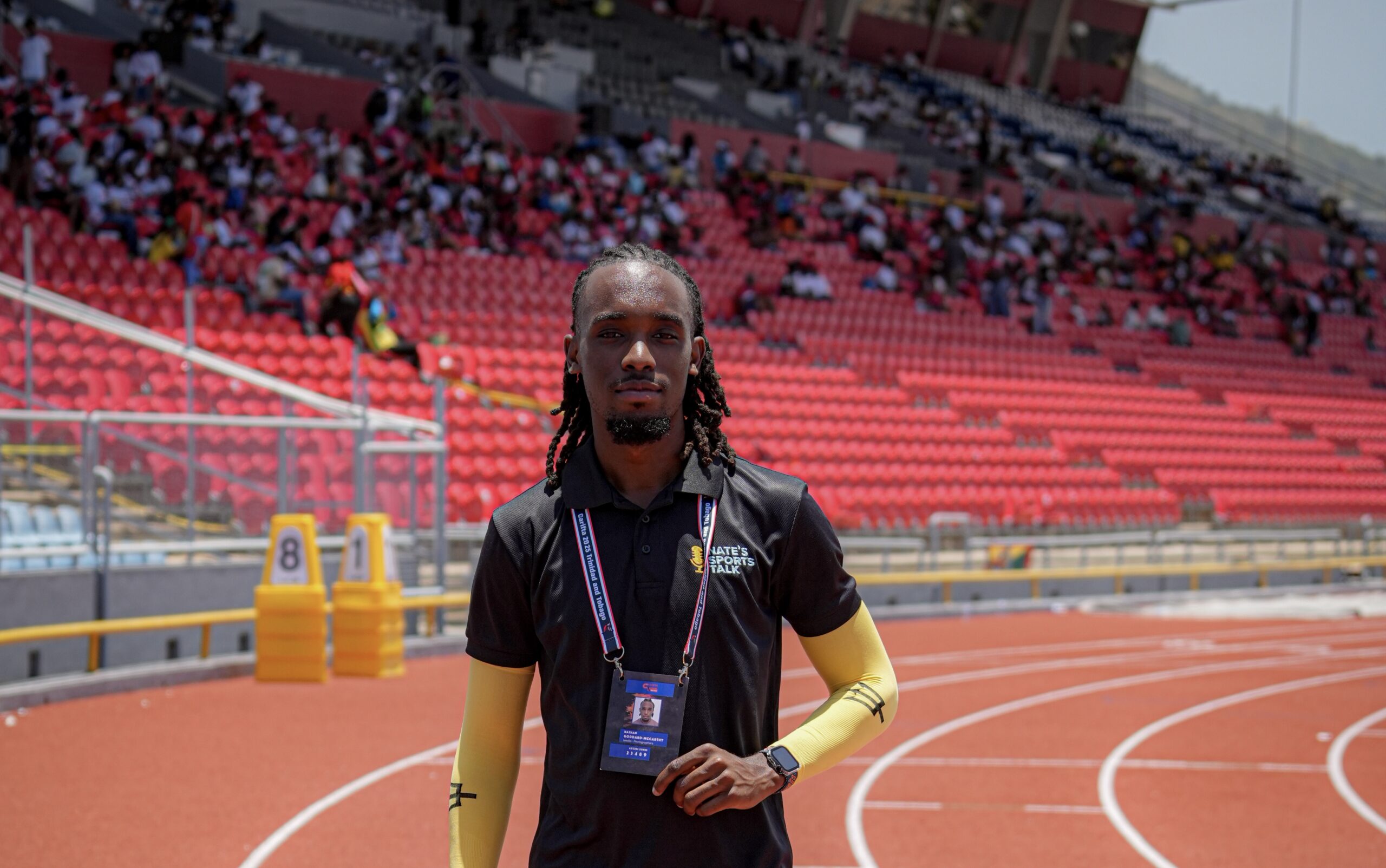
    Nathan Goddard-McCarthy, a 23-year-old sports journalist from Barbados, has achieved international recognition by securing a coveted spot in the International Olympic Committee’s Young Reporters Programme. He stands among only 15 young media professionals globally chosen for this prestigious initiative from an initial pool of 271 applicants aged 18-24 worldwide.

    The programme will see Goddard-McCarthy covering the upcoming World Youth Olympics in Dakar, Senegal, scheduled from October 31 to November 13. His selection marks a significant milestone as he becomes the sole Caribbean representative in this year’s cohort, particularly notable given Barbados’ population of approximately 280,000 people.

    Goddard-McCarthy, a former athlete and Combermere School alumnus, has built a substantial following through his digital platform ‘Natesportstalk’ on Instagram. What began as a spontaneous passion project during a beach outing with his camera has evolved into a respected hub for Caribbean sports journalism, particularly focused on track and field coverage.

    The application process required candidates to submit comprehensive portfolios including written articles, photography, and videography samples, along with essays detailing their career aspirations and vision for impacting the media landscape. The programme offers specialized training in photography, broadcasting, and journalism techniques.

    Reflecting on his achievement, Goddard-McCarthy described the moment as “surreal,” emphasizing the honor of representing both Barbados and the wider Caribbean region. His primary objective for the Dakar Olympics involves showcasing Caribbean athletic talent and demonstrating that smaller nations can achieve global sporting prominence.

    The young journalist follows in the footsteps of fellow Barbadian Anmar Goodridge-Boyce, who participated in the same programme in 2018. Goddard-McCarthy attributes his success to resilience and patience, having pursued Sports Education at the University of the West Indies while exploring various sports-related disciplines before finding his calling in sports media.

    Looking beyond the Olympics, Goddard-McCarthy plans to expand into podcast production, aiming to document stories of Barbadian athletes both past and present. He acknowledges the support of his family, girlfriend, and mentors Terry Finisterre and Taahir Bulbulia, along with his growing audience who have supported his digital journey.

  • Barbados to have flyovers by 2028

    Barbados to have flyovers by 2028

    Barbadian Prime Minister Mia Mottley has declared an aggressive infrastructure modernization initiative, confirming that long-delayed flyover construction will begin within this calendar year with an 18-month completion target. The announcement, delivered during a parliamentary session, positions the transportation network overhaul as a critical national priority directly tied to economic productivity.

    Mottley characterized traffic congestion as a severe economic impediment, stating, “Excessive time spent navigating roadways directly undermines efficient time utilization and national economic performance.” The planned overpasses represent infrastructure the Prime Minister believes should have been constructed two decades ago.

    This transportation strategy expands upon earlier indications from Finance Minister Ryan Straughn, who recently identified flyovers as components of a comprehensive traffic management framework. While economic analysts have questioned the government’s capacity to execute these ambitious projects amid global economic uncertainty, Mottley’s administration appears committed to their implementation.

    The infrastructure initiative extends beyond flyover construction to include significant highway expansions. Mottley specifically referenced plans to address chronic congestion along Highway 2 from Graeme Hall to Newton, with potential solutions including road widening or additional overpasses, particularly targeting the problematic Kooyman junction at Kendal Hill.

    The government is pursuing a multi-faceted transportation approach that includes expanded park-and-ride facilities. A new facility near Waterford will serve high-traffic destinations including the Botanical Gardens, National Stadium, CARIFESTA House, and Geriatric Hospital. Similar transportation hubs are planned for Graeme Hall, Oistins, and western coastal regions.

    Concurrently, the administration continues to explore alternative transportation solutions. Mottley reaffirmed commitment to water taxi systems, encouraging private sector collaboration in developing jetty infrastructure along southern and western coastlines. Looking toward future possibilities, the Prime Minister noted that reduced global tunneling costs might make underground transportation between key corridors like Holetown-Bridgetown and Oistins-Bridgetown feasible within the next decade.

  • AG urges crackdown on farm theft as cane farmers suffer

    AG urges crackdown on farm theft as cane farmers suffer

    Barbados Attorney General Wilfred Abrahams has issued a stark warning that systemic agricultural theft, legally termed praedial larceny, is escalating into a national crisis that jeopardizes food security and undermines law enforcement. During Wednesday’s Budget debate in the House of Assembly, Abrahams demanded immediate and serious action against what he described as organized rural crime rather than minor pilfering.

    Abrahams challenged the perception of praedial larceny as a pretty-sounding, victimless crime, stating bluntly: “Praedial larceny is thieving.” He emphasized that the romanticization of this offense through euphemistic language masks its devastating impact on farmers and agricultural sustainability.

    The Attorney General revealed he recently forwarded a detailed complaint from a sugarcane farmer to Prime Minister Mia Mottley, Agriculture Minister Indar Weir, and Justice Minister Dale Marshall. The complaint documented organized theft operations occurring daily at the Bussa Roundabout, where individuals openly sell “trays piled high with cane neatly packaged” in what appears to be coordinated criminal activity.

    While acknowledging economic disparities, Abrahams presented a compelling moral dilemma: “If one poor Black man robs somebody else systematically, day in, day out… and that person closes down their business so that 100 poor Black people don’t have a job, who has won?”

    Abrahams warned that unchecked agricultural theft creates a dangerous precedent that erodes respect for property laws generally. “You don’t go and rape acres of somebody’s cane field… because it doesn’t stop there,” he stated, noting that such crimes often expand beyond crops to other goods.

    The Attorney General connected the issue directly to national security concerns, arguing that failure to prosecute praedial larceny discourages agricultural investment precisely when Barbados needs greater food self-sufficiency. “When we are trying to get people to grow our crops, become food secure, we cannot be disincentivising farmers by not prosecuting people for praedial larceny,” he concluded.

  • Caddle defends budget focus amid criticism

    Caddle defends budget focus amid criticism

    Barbados’ Minister of Economic Affairs and Planning, Marsha Caddle, has firmly rebutted assertions that the nation’s 2026 Budget lacks a coherent growth or transformation agenda. Speaking at a post-Budget forum held at the Hilton Barbados Resort, the Minister addressed critiques head-on, clarifying the budget’s intended role within a larger, multifaceted economic framework.

    Minister Caddle articulated that the annual budget should not be misconstrued as the sole vessel for the government’s entire transformational strategy. Instead, she emphasized its synergistic relationship with established programs like the Barbados Economic Recovery and Transformation (BERT) plan. These overarching frameworks, she contended, collectively articulate the strategic direction and intent of the Government of Barbados in collaboration with its partners.

    Highlighting the evolution to ‘BERT 3.0’ following the conclusion of the International Monetary Fund’s (IMF) Extended Facility, Caddle pinpointed the program’s first pillar—enhancing productivity and competitiveness—as a paramount priority for her ministry and the business community. This pillar is structured around three inclusive workstreams: boosting economy-wide productivity, developing robust export engines, and fortifying institutional capacity to accelerate reforms. In a practical move acknowledging the link between infrastructure and efficiency, the Minister revealed she has initiated discussions with the Transport Minister to address productivity hurdles related to transportation.

    Addressing concerns over the prevalence of short-term measures, Caddle attributed this focus to prevailing global economic uncertainties, notably exacerbated by military conflicts in the Middle East. While some budgetary proposals extend into the subsequent year, the strategy was deliberately crafted to navigate immediate challenges, leading the Minister to characterize the fiscal plan as unequivocally “one for such a time as this.”

  • ‘Passing grade’: Panel okays Budget, presses for stronger execution

    ‘Passing grade’: Panel okays Budget, presses for stronger execution

    A high-level advisory panel comprising both government and private sector leadership has offered measured endorsement of Barbados’s 2026 budgetary framework, acknowledging its potential while emphasizing critical demands for operational efficiency and fiscal transparency.

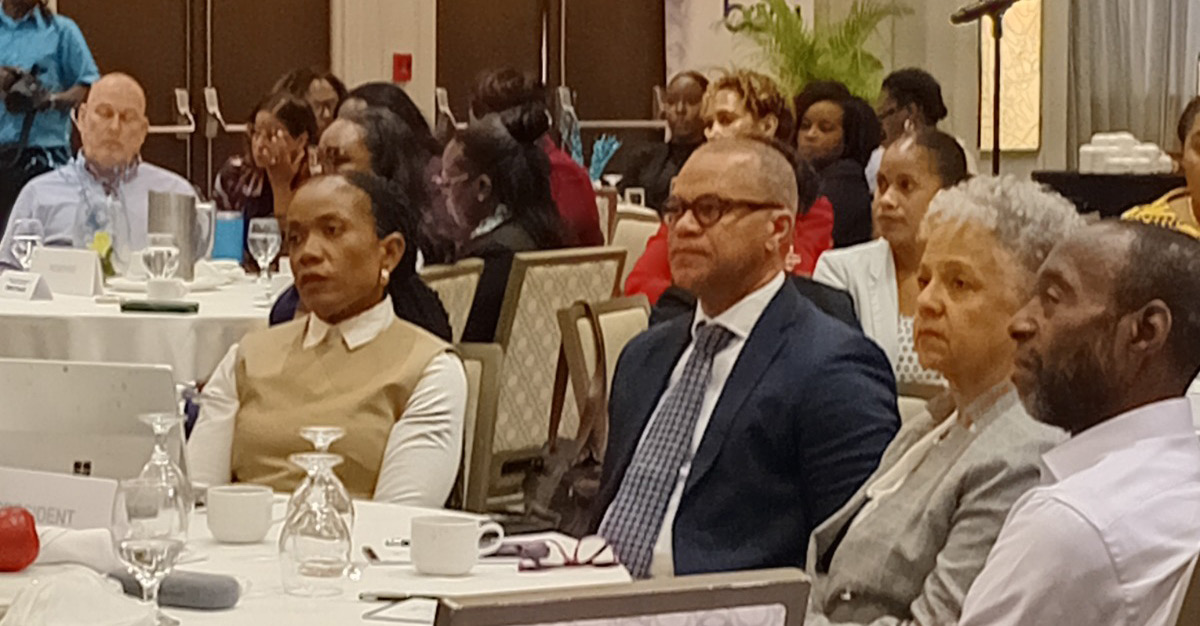
    The diverse committee, which included Minister of Economic Affairs and Planning Marsha Caddle, Barbados Private Sector Association President James Clarke, Institute of Chartered Accountants of Barbados CEO Lisa Padmore, and PwC’s East Caribbean Tax Engagement Leader Sophia Weekes, reached consensus during a Wednesday forum at the Hilton Barbados Resort. The central conclusion was that successful implementation hinges upon unprecedented collaboration across all sectors of Barbadian society.

    Mr. Clarke, in his concluding remarks, urged stakeholders to proactively engage with the new initiatives. He advocated for a swift and decisive response to the opportunities presented, stating, “The budget contains numerous initiatives. Understanding how to capitalize on them urgently is paramount. This must be coupled with an unwavering commitment to enhancing efficiency and productivity across the board.”

    Minister Caddle framed the dialogue as the inaugural step in a renewed partnership with the commercial sector, extending beyond mere budget execution to broader economic expansion. She expressed confidence in existing frameworks, noting, “Between the revitalized competitiveness committee and the new strategic unit, I am assured we possess the necessary mechanisms to address our challenges and deliver on these objectives.”

    Echoing the collaborative theme, PwC’s Sophia Weekes highlighted the gravity of the nation’s challenges, asserting that success is contingent on a unified effort from all organizations and citizens to meet established targets. She specifically called for rapid implementation and the publication of unambiguous guidelines for businesses seeking to access proposed concessions.

    Adding a crucial layer of fiscal oversight, Lisa Padmore underscored that accountability is non-negotiable, particularly given the anticipated rise in public expenditure. She advocated for the establishment of mission boards with a transformative mandate, stating these entities are essential for providing rigorous oversight and ensuring value-based spending throughout the implementation process.

  • Union leader lambasts businesses for ‘exploiting crises for profit’

    Union leader lambasts businesses for ‘exploiting crises for profit’

    In a forceful address to Barbados’s House of Assembly, trade union leader and government backbencher Toni Moore delivered a sharp critique of the nation’s private sector during debate on the Appropriations Bill. The St George North MP asserted that while government budgetary interventions are necessary, they remain fundamentally inadequate in addressing the cost-of-living crisis, largely due to corporate profit-seeking behavior.

    Moore contended that numerous private sector entities are capitalizing on global economic instability to artificially widen profit margins, creating an unsustainable burden on citizens. She emphasized that workers and the government are bearing their fair share of economic pressures, while certain businesses engage in opportunistic price increases beyond actual inflation-driven costs.

    ‘The reality in Barbados demonstrates that even past government measures—including VAT caps on fuel and freight cost controls—failed to alleviate economic pressure on households,’ Moore stated. ‘This isn’t due to government inaction or public ingratitude, but rather because businesses systematically pass on every cost increase to consumers while protecting profit margins at all costs.’

    The parliamentarian highlighted a troubling pattern where local prices remain elevated even after global costs have declined, indicating structural issues beyond international market fluctuations. Moore particularly criticized the persistence of this practice despite repeated government interventions designed to shield consumers.

    Addressing proposed financial solutions, the trade union leader questioned the effectiveness of savings incentives without parallel wage reforms. ‘No amount of incentive can overcome stagnant wages, low pay rates, precarious short-term contracts, or unpredictable working hours,’ she argued, emphasizing that citizens cannot save what they do not earn.

    Moore concluded with a call for comprehensive economic reforms including living wage standards instead of minimal wage requirements, reduced short-term contracting, predictable income streams, and portable social security benefits. ‘We must stop addressing symptoms and examine root causes,’ she urged. ‘Making genuine savings possible will foster national growth with all hands on deck.’

  • ‘Aquatic Day’ for people with disabilities highlights accessibility push

    ‘Aquatic Day’ for people with disabilities highlights accessibility push

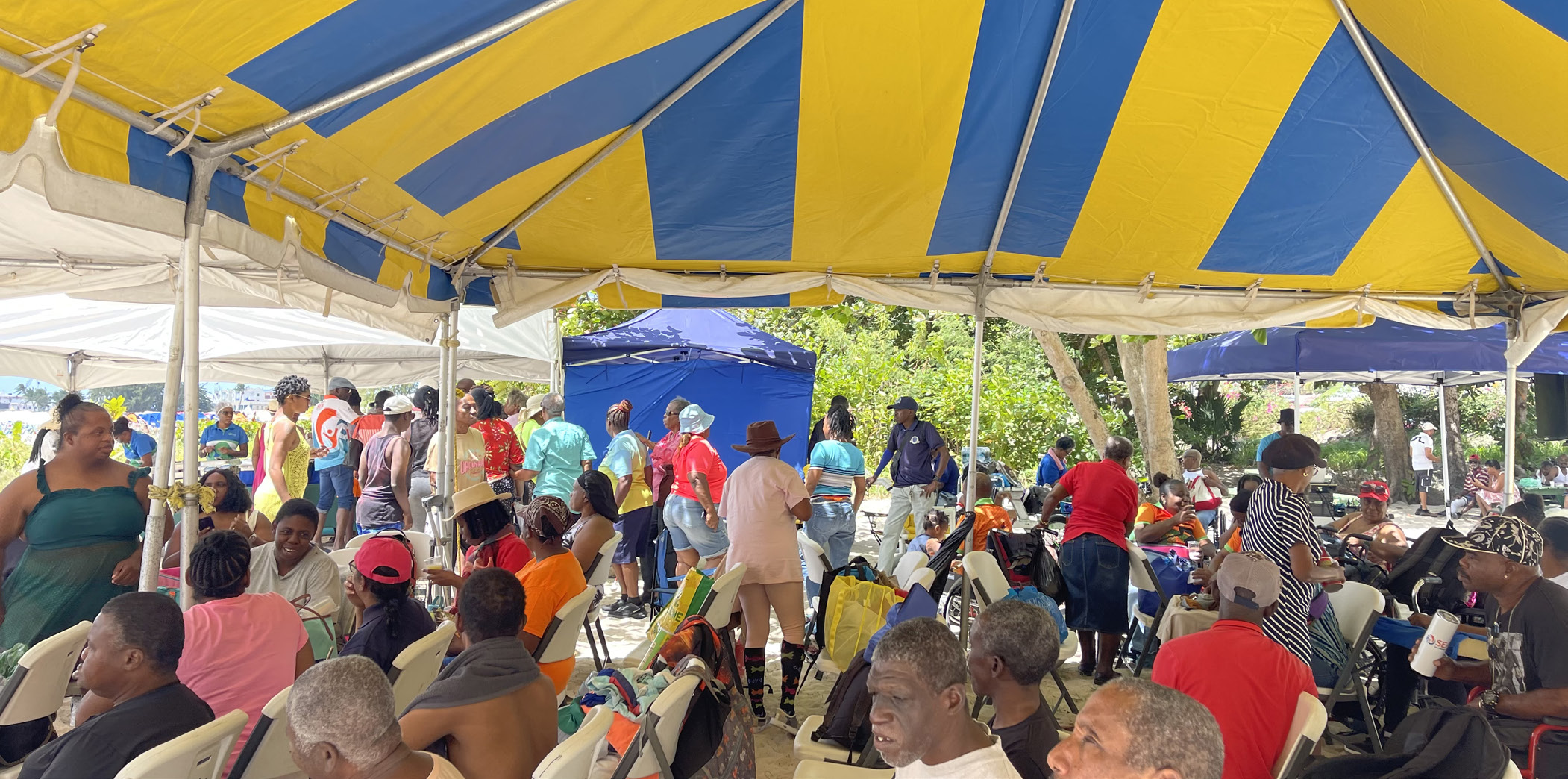
    Browne’s Beach became a vibrant showcase of inclusivity in Barbados this Wednesday as the nation’s disabled community gathered for the annual Aquatic Day celebration. The event, part of the broader Month of the Disabled observances, attracted approximately 125 participants who enjoyed swimming, turtle feeding excursions, boat trips, and communal dining from morning until afternoon.

    Wayne Nurse, Director of the Transformation and Employment Directorate within the Social Employment Agency, emphasized the event’s significance in providing equal access to Barbados’ natural treasures. “This initiative ensures persons with disabilities can experience our coastal environment alongside all other citizens,” Nurse stated, highlighting the event’s successful revival after a prolonged hiatus and its current second consecutive year.

    The growing popularity—with attendance surpassing previous records—has prompted organizers to formalize Aquatic Day as an annual occurrence. Beyond the immediate festivities, the event underscored persistent accessibility challenges facing disabled individuals across Barbados’ shoreline.

    While Browne’s Beach offers relatively better access, Nurse identified widespread beach accessibility as a fundamental obstacle. Specialized amphibious wheelchairs were deployed to assist participants in navigating sandy terrain and water entry points safely.

    The event occurs alongside government efforts to enhance coastal accessibility through a $1.6 million national rehabilitation program. Former Minister of the Environment and National Beautification, Adrian Forde, previously spearheaded this initiative targeting over 50 beach access points with ramps, improved signage, and disability-friendly facilities.

    Nurse expressed optimism about these developments, noting that many disabled individuals only experience beach access through organized events. “We aspire for universal accessibility that enables independent beach visits whenever desired,” he concluded.

    The Month of the Disabled continues with additional activities including cinematic events, educational forums, and a diplomatic picnic at King George V Park.

  • Budget offers stability but little transformation, says Stuart

    Budget offers stability but little transformation, says Stuart

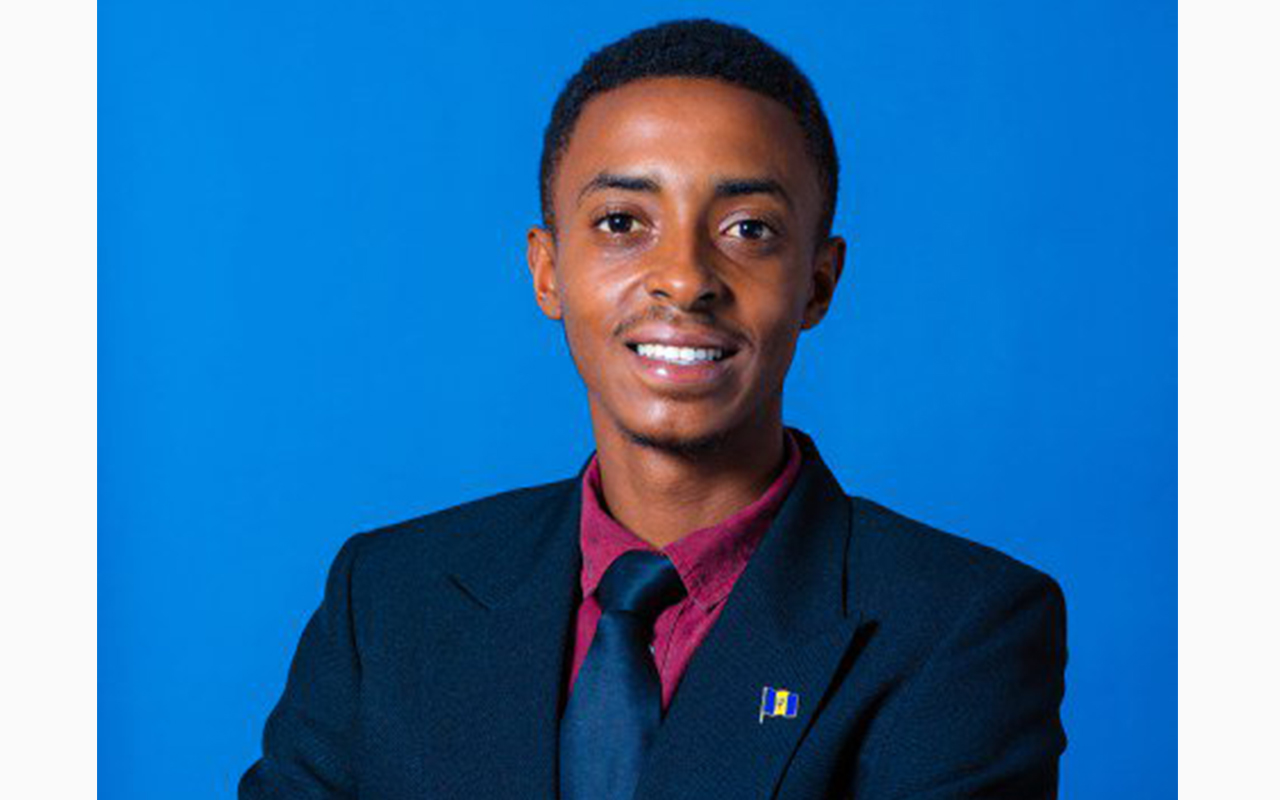
    The recently unveiled national budget of Barbados has come under scrutiny from opposition leaders who argue it prioritizes short-term stabilization over the transformative reforms necessary for sustainable economic growth. Kemar Stuart, head of the People’s Coalition for Progress, presented a comprehensive assessment indicating that while the government has successfully averted another formal International Monetary Fund program, fundamental structural issues persist unchallenged.

    Stuart characterized the fiscal plan as maintaining ‘business as usual’ rather than delivering the economic transformation needed to alleviate financial pressures on households and businesses. He highlighted record-high tax collection levels that have failed to translate into meaningful relief for citizens facing serious financial constraints.

    The critique raised significant concerns regarding fiscal transparency, specifically identifying the delayed appointment of an Auditor General as jeopardizing proper oversight of public funds. The coalition further questioned the government’s engagement with international lenders, citing unexplained details surrounding a projected US$109 million IMF loan anticipated in the upcoming financial year.

    Analysis of the broader economic landscape revealed mounting pressures including escalating public debt reaching $15 billion, substantial interest repayments of $1.5 billion, and continued dependence on external financing from international financial institutions. These challenges are compounded by global factors including rising oil prices, increased shipping costs, and ongoing trade tensions.

    Stuart described the economy as fundamentally structurally weak due to its heavy reliance on taxation and controlled spending measures that constrain government capacity to invest substantially in domestic growth initiatives. While acknowledging the government’s planned $810 million capital investment as a positive step toward stimulating economic activity, he noted the absence of complementary measures including wage increases, tax reductions, and new social programs.

    Particular concern was directed toward the budget’s complete omission of provisions supporting the CARICOM free movement initiative, suggesting the government may have abandoned regional integration plans. Despite some stabilization achievements, the assessment concludes that the budget lacks the strategic vision necessary to reposition Barbados’ economy for long-term resilience and prosperity.