标签: Barbados

巴巴多斯

  • PM unveils desalination plant, mains overhaul for northern water supply

    PM unveils desalination plant, mains overhaul for northern water supply

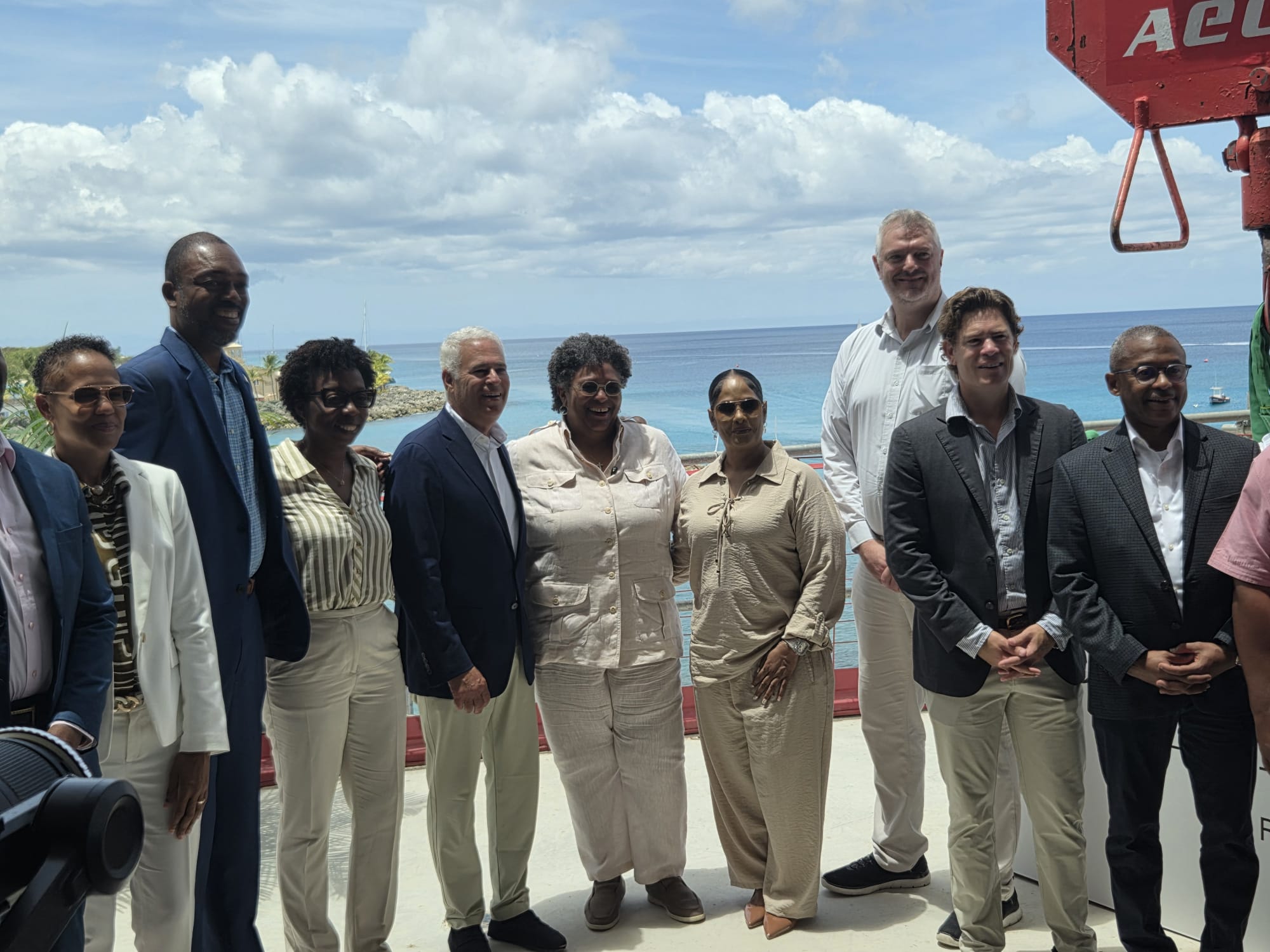
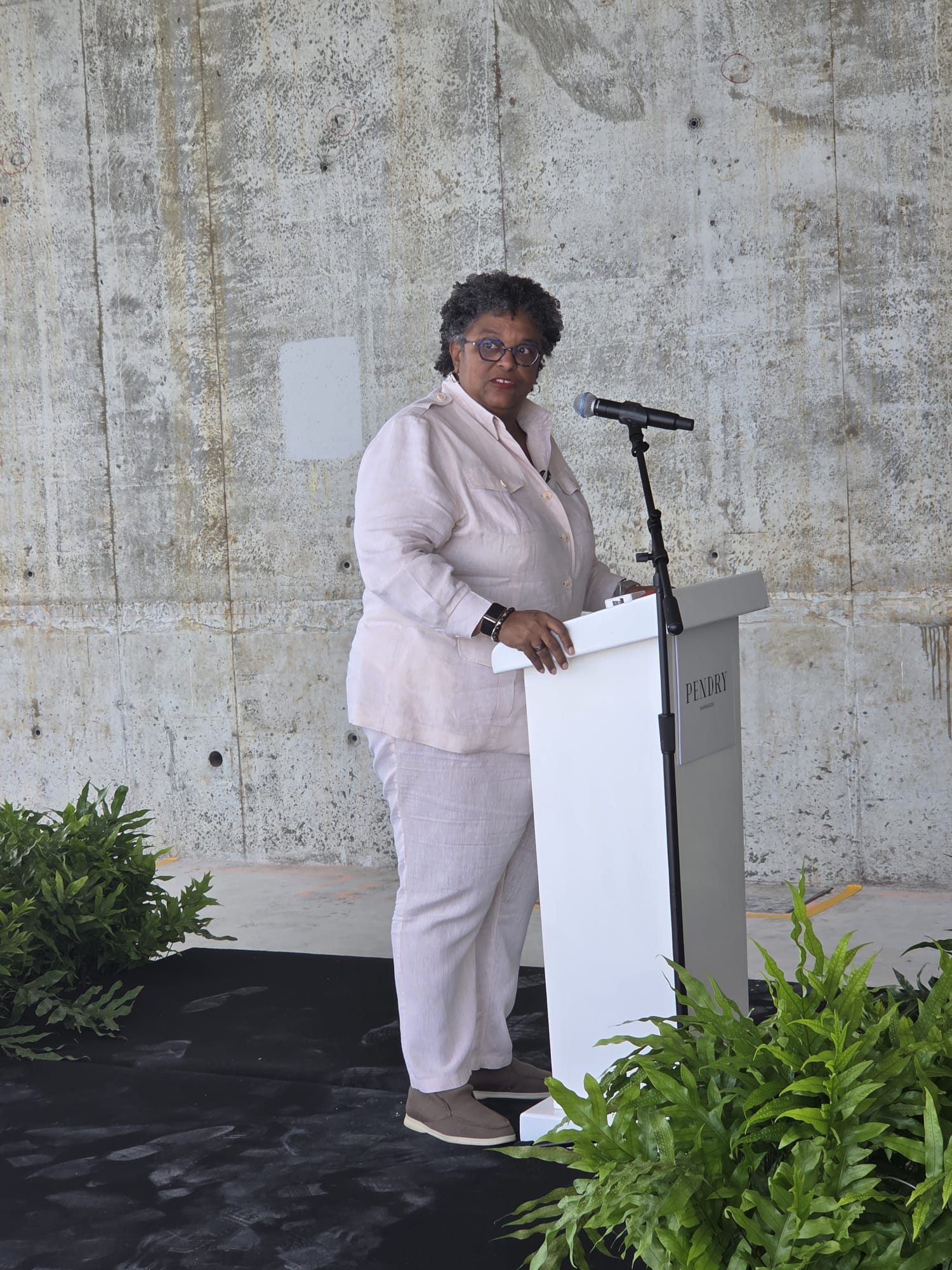
    On Tuesday, Barbadian Prime Minister Mia Mottley announced a sweeping water security initiative tailored to address longstanding supply challenges in the island’s northern region, anchor the country’s climate resilience, and underpin its ambitious ‘Tourism 3.0’ growth strategy. The announcement was made during a formal ceremony attended by developers and senior government officials at the luxury Pendry Hotel Residences in St Peter, where Mottley framed upgraded water infrastructure as a foundational requirement for keeping national development on pace with booming tourism and residential expansion across the northern parishes.

    At the core of the new policy package is a purpose-built desalination facility in St Lucy, designed exclusively to serve the water needs of northern Barbados. As one of the 15 most water-scarce nations on Earth, Barbados faces unique systemic challenges meeting rising demand amid accelerating regional growth, Mottley explained. To tackle this gap, the government has made a formal commitment to constructing the island’s second desalination plant, a project that will guarantee consistent, high-quality water access for both local residents and international visitors. In a break from traditional fully state-led utility development, Mottley confirmed that the new facility will open its shareholding to the general public. While the Barbados Water Authority will retain a major stake in the project, ordinary ratepayers will be given the opportunity to become partial owners and earn returns from the operation, ensuring the benefits of public infrastructure are shared broadly across the island.

    Beyond the long-term desalination project, Mottley also laid out a clear timeline to resolve the immediate, long-running issue of discolored ‘brown water’ that has plagued households across St Lucy and St Peter for years. Over the past 13 months, the government has spearheaded an aggressive program to replace aging, corroded water mains that are the primary cause of frequent service disruptions and supply inefficiency in the region. When the initiative was first launched, many skeptics claimed the full replacement of all mains in St Lucy could never be completed, Mottley recalled. But the project is already nearing completion, with all main replacements on track to be finished by the end of May.

    While global supply chain bottlenecks have pushed back the timeline for final filtration system upgrades slightly, Mottley confirmed that all critical equipment is set to arrive on the island within the next few weeks, with full installation and activation scheduled for August. Joking with the audience that improvements are already noticeable, Mottley noted that the water running to many northern homes is now ‘even lighter than my suit.’

    Mottley emphasized that these infrastructure investments are far more than a quality-of-life upgrade: they are a core survival strategy for Barbados as it confronts the escalating impacts of the global climate crisis. Unlike many other Caribbean nations, the most persistent climate threat for Barbados is prolonged drought rather than hurricanes, making proactive water management a non-negotiable pillar of national security. Every component of the country’s growing new tourism product is being designed with green and digital efficiency standards to align with this water security goals, she added. For Barbados’ rebranded ‘Tourism 3.0’ development agenda to succeed, reliable access to clean water is an non-negotiable prerequisite, and these investments will lock in the stable supply the sector needs to grow.

    Drawing on Barbados’ 60 years of independent statehood paired with the fresh energy of its status as a young republic, Mottley argued that the island is well-positioned to build a sustainable, respected future on the global stage. ‘No one owes us a living,’ she stated, ‘and that is why we are determined to command the respect that will ensure we can sustain our quality of life and use this as an anchor to the linkages which are necessary.’ By the time filtration upgrades are completed in August and the new desalination plant comes online, northern residents can expect a fully stabilized, reliable water supply that meets national quality standards. Ultimately, Mottley framed the initiative as a unifying national project that centers the most basic human need: consistent access to clean, safe water for every community across the island.

  • Professionals urged to mentor younger staff on workplace culture, AI

    Professionals urged to mentor younger staff on workplace culture, AI

    As Barbados celebrates Administrative Professionals Day, the island’s leading industry body is sounding a clear call: veteran administrative workers must step into mentorship roles to support a new generation of employees whose workplace expectations have been fundamentally reshaped by social media and artificial intelligence. Without intentional, experienced guidance, the Barbados Association of Administrative Professionals (BAAP) warns, new entrants to the field could run afoul of everything from official workplace dress codes to national regulations like the Computer Misuse Act.

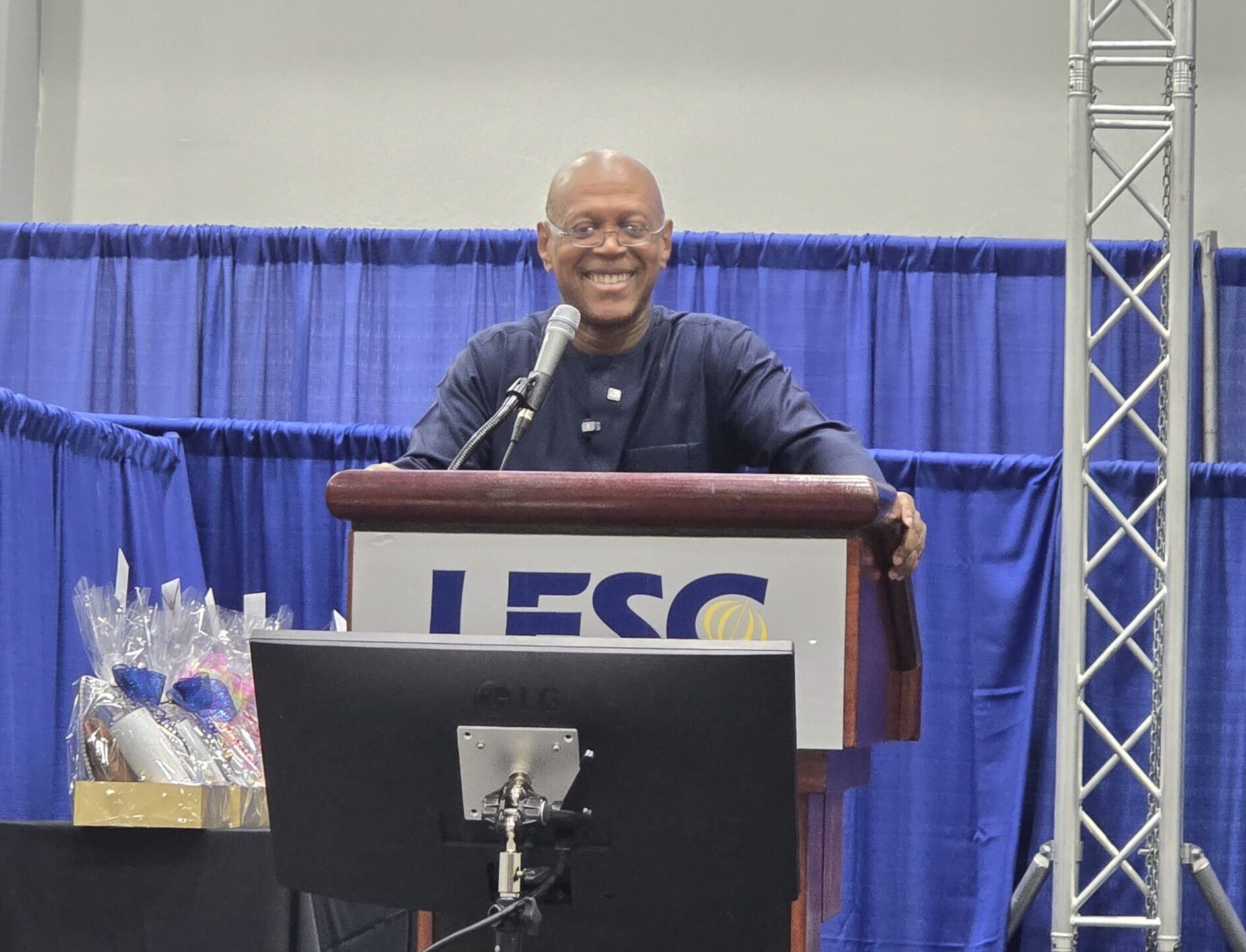
    BAAP President KerryAnn Deane shared these insights in an exclusive interview with Barbados TODAY, speaking on the sidelines of an industry conference held Wednesday at the Lloyd Erskine Sandiford Centre. The event’s core discussions centered on the growing role of artificial intelligence in administrative work, and Deane broke down the unique challenges young workers face in integrating new technology into professional settings.

    Deane explained that while many younger employees grow up interacting with connected devices like smartphones and tablets in their personal lives, their personal use of these tools looks nothing like their required use in a professional office environment. Many first-time workers encounter advanced enterprise AI tools for the first time when they join the workforce, and few stop to consider critical cybersecurity risks that come with improper use of these platforms. This gap in awareness puts both employees and their employers at risk of violating the Computer Misuse Act, she noted, making structured, on-the-job training from experienced mentors non-negotiable.

    Beyond technology use, Deane stressed that young workers also need guidance navigating core professional boundaries, from standards of dress and personal deportment to expectations for professional interaction. Many young people draw assumptions about acceptable workplace behavior from content they see online, much of which is AI-generated and does not reflect real professional standards, she explained. New hires often arrive with a skewed perception of what counts as appropriate conduct, making early-stage guidance through orientation, clear standard operating procedures, and explicit discipline codes critical to setting new workers up for success. Deane added that this lack of clarity around workplace attire is exactly why a growing number of local companies have adopted mandatory uniforms, eliminating uncertainty for new and existing staff alike.

    Deane also highlighted a growing trend of higher absenteeism and frequent sick leave use among younger administrative employees, a pattern she says often stems from a failure to balance personal and professional responsibilities. For many new workers, this pattern acts as quiet pushback against traditional workplace expectations, but it also signals a lack of investment in their roles. “They need to differentiate the balance between the personal life and the working life. The two don’t always go together, so unless they realise and accept that, you’ll always find that pushback where oh, I cannot do this, so I going to stop at home tomorrow or they tell me I can’t do this, I am going to take sick leave or I have things to do on mornings before I get to work, so when I get there, I get there but then that also falls back onto the fact that they don’t take pride in what they do. So they need to be encouraged to perform at their best,” Deane said.

    Importantly, Deane pushed back on the common narrative that AI poses an existential threat to experienced administrative professionals, urging veteran workers to embrace the technology as a productivity-enhancing tool rather than seeing it as a risk to their roles. She shared that she has personally integrated AI tools into her own administrative work and has found the technology streamlines routine tasks, rather than replacing skilled workers. A growing number of seasoned administrative professionals across Barbados are already embracing this shift, she noted.

    To successfully integrate AI into everyday administrative work, Deane emphasized that continuous training and cross-generational mentorship will be the most critical tools for the industry. “Aim to move ahead of the times and not be left behind. We have to use the tools that are presented to us. We have to find a way in which it works to our benefit, so we don’t see it as a threat, we see it as a tool as a way to enhance our jobs. That comes through training,” Deane said.

  • Pendry Barbados marks milestone as luxury resort nears completion

    Pendry Barbados marks milestone as luxury resort nears completion

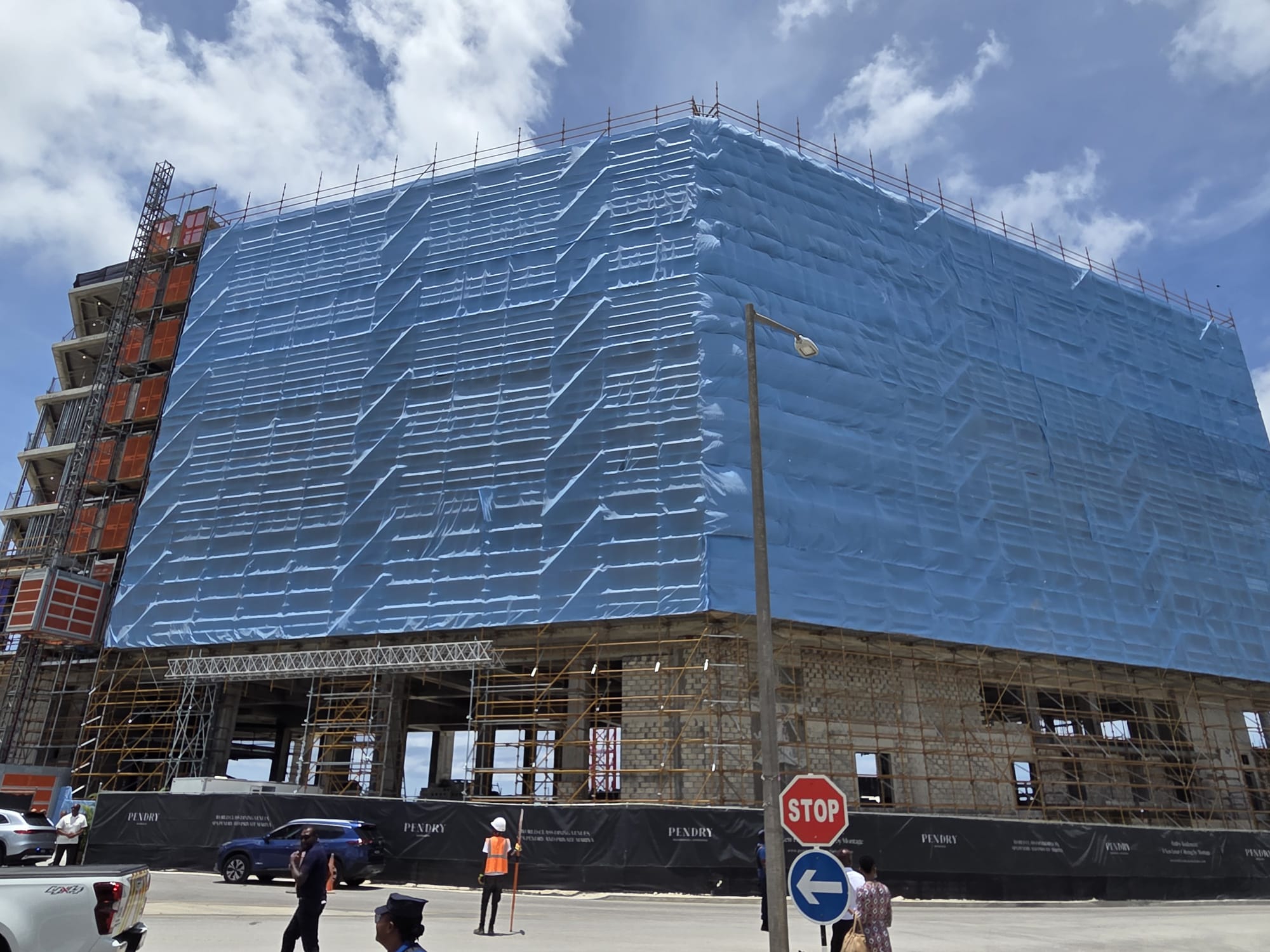
    On Wednesday, a major milestone was reached for luxury hospitality in the Caribbean: developers celebrated the structural topping-off of Pendry Hotels & Resorts’ first ever international project, bringing the California-based brand one step closer to launching the Caribbean’s first Pendry-branded resort on Barbados’ scenic northwest coast, with full completion scheduled for 2027. The construction of this landmark mixed hotel-and-residential development is being handled by Aecon Construction Group, Canada’s largest publicly traded contracting firm.

    The topping-off ceremony, which marked the end of the project’s core structural construction phase, drew high-profile attendance including Mia Mottley, Prime Minister of Barbados, alongside multiple senior government officials. The event doubled as an official formal introduction of the Pendry brand to the Caribbean region, positioning the upcoming resort as a signature global destination for the luxury hospitality group.

    For Pendry’s founding family, the Barbados project carries far more meaning than just a business expansion. Michael Fuerstman, co-founder of Pendry Hotels & Resorts, shared that the development has already garnered widespread global attention among industry circles. “I travel around the world meeting clients and partners, and everybody wants to know about Barbados,” Fuerstman explained. “This is the one destination that creates the most excitement. It’s aspirational, it’s exciting, and it’s a great lifestyle.”

    His father, Alan J. Fuerstman — founder, chairman and CEO of Montage International, the parent company of Pendry — recalled a personal trip to the island back in 1985, when his family visited to get a break from the stress of raising young children, including Michael. “To be standing here today, all these years later, is incredibly special for our family,” the senior Fuerstman said. He added that the entire resort was designed to blend seamlessly with Barbados’ natural coastal landscape, telling attendees: “Imagine just hearing the surf. You just open the windows and it’s so compelling. Our guests will hear that a little over a year from now.”

    Leading the construction work, Aecon’s team emphasized that luxury hospitality requires rigorous attention to detail from the very earliest stages of development. Marty Harris, executive lead and senior vice-president of Aecon, noted that exceptional quality in hidden structural work is what ultimately creates a standout guest experience. “Luxury begins long before a guest arrives,” Harris said. “It begins in the foundations, the structures, and the details that will never be seen but will always be felt.”

    Beyond construction, the project has also prioritized investment in local Barbadian communities. Aecon has already hired graduates from the Barbados Construction Gateway Training Initiative to work on the resort, and launched local outreach programs including the “From Our Home to Yours” community support initiative.

    When it opens its doors in 2027 as scheduled, Pendry Barbados will feature roughly 80 oceanfront guest rooms and 46 high-end luxury residential units. The sprawling development will also include a 110-berth marina, the exclusive Pendry Yacht Club, a branded Pendry spa, and multiple unique dining concepts catering to both guests and local residents.

    Michael Fuerstman noted that the project’s rare combination of amenities and setting makes it one-of-a-kind in the global luxury real estate and hospitality space. “I don’t know that there’s another hotel residential development like this in the world,” he said. “It’s very, very unique.”

    Pendry leadership extended explicit gratitude to the government of Barbados for its ongoing support throughout the development process, which turned the brand’s first international expansion from a vision to a reality. Closing out the topping-off ceremony, Alan Fuerstman framed the project as a long-term investment in the island, not just a construction project. “We are building far more than a resort. We’re building relationships, creating opportunity, and laying the foundation for a legacy of hospitality that will extend well beyond these shores,” he said.

  • Central Bank going fully paperless by year-end

    Central Bank going fully paperless by year-end

    The Central Bank of Barbados has announced an ambitious plan to transition into a completely paperless, fully digital institution by December 21, 2026, a shift that is projected to cut annual printing expenditures by more than $70,000. Central Bank Governor Dr. Kevin Greenidge revealed the milestone timeline during an address to the Barbados Association of Administrative Professionals conference held Wednesday at the Lloyd Erskine Sandiford Centre, expanding on the details of the initiative in an interview with local outlet Barbados Today.

    Dr. Greenidge outlined three core drivers behind the organizational shift: boosting operational efficiency, delivering significant long-term cost reductions, and modernizing the bank’s internal and external communication infrastructure. Beyond financial savings, he highlighted the environmental benefits of a paper-free workspace, noting that eliminating bulk paper storage creates a cleaner, more organized office environment. Early internal projections actually place annual printing cost savings closer to $75,000, a figure that does not include additional savings from reduced storage, handling, and logistics costs associated with physical documentation.

    The full transition is not a sudden pivot, but rather the next phase of a multi-year digital transformation effort initiated by previous Central Bank leadership, according to Dr. Greenidge. When he took office, the groundwork for digital modernization was already in place, and his administration has advanced the agenda to create an end-to-end paperless digital ecosystem, rather than incremental digital updates to existing paper-based workflows.

    To ensure a smooth transition for all staff, the bank has developed a full suite of custom digital tools to replace legacy paper processes, including cloud-based platforms for document uploading, collaborative editing, and real-time cross-team project work. Even core regulatory functions, such as bank supervision and application processing, have been moved entirely to digital systems. Currently, the initiative is roughly 70% complete, with progress accelerated by widespread staff buy-in and comprehensive upskilling programs. Every role at the institution — from entry-level support to senior leadership — has been equipped with digital tools tailored to their responsibilities, and all staff have completed targeted training to build proficiency with the new systems.

    Recognizing that full digitalization could create barriers for members of the public less familiar with online systems, the Central Bank has built explicit digital inclusion provisions into the rollout to avoid leaving any demographic behind. For members of the public accessing core services such as foreign exchange approval, which is now fully digital, the bank offers in-person guidance to help users set up accounts and navigate online processes, enabling self-service for future visits.

    As part of its broader commitment to digital literacy across Barbados, the institution has partnered with the Barbados Association of Retired Persons (BARP) to distribute more than 200 iPads to older adults, supporting ongoing community digital skills training. To address growing concerns around digital risk, the bank has also substantially upgraded its cybersecurity framework, launching a dedicated specialized unit that leverages artificial intelligence and other advanced technologies to monitor, detect, and mitigate emerging threats.

    Dr. Greenidge emphasized that while the new BIMPay digital system offers significantly stronger cybersecurity protections than legacy infrastructure, no system can eliminate digital risk entirely. As a result, the bank runs ongoing public education campaigns to help users recognize common scams and fraud, and requires mandatory cybersecurity training for all staff, including regular phishing simulation tests that require additional training for employees who fall for simulated attacks. Dr. Greenidge also reminded the public that the Central Bank will never request sensitive personal or financial information over the phone, urging consumers to remain vigilant and avoid sharing details with unknown callers.

    Widespread staff enthusiasm has emerged as a key catalyst for the rapid progress of the transition, with employees embracing the flexibility and efficiency of digital workflows. Staff can now access full documentation from any device — smartphones, tablets, or laptops — eliminating the need to carry large physical binders and notes, and cutting down the time required to locate and share critical information. What began as a top-down strategic initiative has now developed its own momentum, with staff taking ownership of the new systems and advocating for further digital improvements across the institution.

  • Church leaders call for harsher sentences for gun offenders

    Church leaders call for harsher sentences for gun offenders

    A wave of violent crime has pushed Barbados’ top Christian church leaders to table sweeping, controversial reforms to the country’s gun and sentencing laws, demanding stiff, fixed prison sentences for murderers and illegal gun owners that they say will break the cycle of violence plaguing the island nation.

    The call for reform comes just days after a brutal triple killing in the Thunder Bay neighborhood that left three young men dead, a tragedy that galvanized the National Network of Pastors & Combined Churches to call an urgent press conference Wednesday at Restoration Ministries International Sanctuary in Brittons Hill to lay out their proposals.

    At the core of the group’s plan is a push to replace Barbados’ existing death penalty for murder with a rigid 40-year sentence without the possibility of parole, a sentence Apostle David Durant, a leading voice in the movement, argues functions as a meaningful life sentence that will act as a far stronger deterrent than current weak penalties. He stressed that for the cold-blooded, pre-planned homicides that have shaken communities across the country—like the recent mass killing—current lenient sentencing has failed to stop violent offenders, noting that a 10-year prison term is far too short to give potential killers pause before they act. Durant also drew a clear distinction between premeditated murder and non-premeditated cases such as murders of passion or manslaughter, arguing the harsher 40-year mandate should apply specifically to the gang-related and organized killings driving the current violence crisis.

    For anyone convicted of unlawful possession of a firearm, the pastors are calling for a mandatory 10 to 15 year prison term with no exceptions. Durant insisted that immediate, lengthy custodial sentences will get repeat violent offenders off the streets immediately, breaking the criminal networks that have spread gun violence across the island. “We need stronger penalties. We cannot just give a slap on the wrist, we can’t do that any longer,” Durant stressed.

    Beyond sentencing reform, the pastors called out systemic failures and potential institutional corruption that they say are enabling the flow of illegal guns into Barbados. Durant claimed the illegal gun trade is a well-organized criminal syndicate with connections stretching from grassroots criminal networks to high levels of national leadership, pointing to unsolved questions around how guns are smuggled in through shipping containers, and suggesting security scanners at ports are often not operational when shipments carrying illegal weapons arrive. “It has to be well-organized from the grassroots to an unspecified level… They have to know,” Durant said. “If guns are found in a container, who brought in the container in the island? Containers come to no name? Scanners not working at convenient times… we got to get real.”

    While fellow church leader Apostle Timothy McClean endorsed the call for harsher post-conviction penalties, he warned that punishment alone cannot resolve Barbados’ deepening violence crisis. McClean emphasized that stric sentencing only addresses crime after it has already devastated communities, leaving behind broken families and children left without parents. He argued that national leaders and community groups must address the root causes that draw young men to violent gangs in the first place, saying “We need to work before the crime has occurred. What is causing men to commit these levels of crimes, to find gangs to be attractive? We need to get to that issue and we need to arrest that issue.”

    Beyond policy advocacy, the church network has organized a nationwide spiritual mobilization to confront the crisis, kicking off with a National Evening of Prayer and Worship scheduled for Thursday evening at Golden Square Freedom Park. The event, which is set to begin at 6:30 p.m., is intended to address the growing climate of fear and emotional numbing that has spread across the country as violence rises, while bringing together citizens for collective prayer and community action.

    Organizers say the gathering will not be just a routine worship service, but a targeted effort to pray for change, comfort for grieving families, guidance for national leaders, and an end to the wave of murder and violence. “We’re not going there just to have another service, but we really want God to do something… we want a visitation to this island,” Durant said. “We’ll be praying for the crime and the violence and the murders that are really bringing a lot of fear… and also… many families… that are grieving.”

    The prayer gathering is the centerpiece of a month-long national initiative, with April declared a national Month of Prayer. Churches across the country have been encouraged to open their doors daily, and citizens are invited to join collective prayer for an end to violence three times a day, at 6 a.m., noon, and 6 p.m.

  • Tourism strategy signals shift to ‘Tourism 3.0’ model

    Tourism strategy signals shift to ‘Tourism 3.0’ model

    Against the backdrop of lasting global upheaval from the COVID-19 pandemic, Barbados Prime Minister Mia Mottley has announced a bold, forward-thinking overhaul of the country’s signature tourism industry, labeling the new vision “Tourism 3.0”. Speaking at a ceremony marking progress on the Pendry Barbados Residences — a luxury villa development under construction in the parish of St Peter — Mottley framed the shift as a necessary evolution beyond outdated industry models, designed to build a more competitive, community-rooted and globally integrated tourism economy.

    Even as Barbados holds a global-leading track record for high repeat visitor rates, Mottley argued that incremental change is no longer enough to keep the island nation competitive in a transformed post-pandemic travel landscape. After six decades of growth under earlier tourism frameworks that have powered national development since independence, and five years since Barbados became a republic, the time has come for a strategic reset, she said.

    At its core, Tourism 3.0 is built on what Mottley called a “judicious blend” of two pillars: expanded local Barbadian ownership of tourism assets, and strategic partnerships with international branded hospitality developments. This balance, she explained, lets the nation tap into the global marketing reach of major international brands to drive higher visitor arrivals, while keeping economic benefits anchored in the local community. Mottley emphasized that this model will reinforce Barbados’ global reputation as an unrivaled travel destination, making it easier for travelers worldwide to discover everything the island has to offer.

    Mottley pointed to several large-scale hospitality projects already breaking ground across the island as tangible proof that the industry’s transformation is already underway. These include the ongoing Royalton and Hotel Indigo developments, as well as the upcoming Beaches Resort. She also expressed strong confidence that the Montage Group will finally revitalize the long-dilapidated former Four Seasons site — which she described as the “holy grail” of Barbadian tourism — putting an end to more than 20 years of underuse at the prime property.

    A key strategic priority of the Tourism 3.0 framework is diversifying the island’s source travel markets. Last year marked a milestone: arrivals from the United States surpassed those from the United Kingdom for the first time in Barbados’ tourism history. Building on this shift, Mottley issued a clear directive to the Ministry of Tourism: secure new direct airlift connections between Los Angeles and Bridgetown. She noted that a non-stop 7.5-hour flight from the U.S. West Coast matches the flight time from London, opening access to high-value travel markets in Silicon Valley, San Francisco, and the Pacific Northwest, unlocking new economic potential for the island.

    Addressing widespread shifts in the global labor market that have impacted hospitality sectors worldwide, Mottley reaffirmed her government’s commitment to a “New Deal” for Barbadian tourism workers. She stressed that frontline employees are the heart of the island’s tourism experience, and must be treated with dignity and fair compensation. Whenever the government offers tax and revenue concessions to tourism developers, she explained, a core condition is that employers guarantee wages and working conditions that support a decent living for local workers. Mottley tied this commitment directly to guest experience: stable, fairly treated workers deliver the high-quality hospitality that keeps visitors returning to Barbados.

    Mottley also highlighted the community-centered ethos of the new approach, praising the Pendry Residences developers for their “neighbour-centric” planning. As part of the project, developers have committed to building a brand-new community fish market for the Six Men’s area, a tangible investment that benefits local residents beyond the tourism development itself. She reiterated that large-scale tourism projects cannot deliver long-term success unless they lift up and include local communities every step of the way.

    Closing her address, Mottley called on all Barbadians to play their part in the new strategy, urging residents to maintain the island’s safety, cleanliness, and world-famous warm hospitality. Reminding the audience that long-term prosperity is not guaranteed, she said, “No one owes us a living. We must command the respect that will ensure we sustain our quality of life.”

  • Pastor urges mindset shift on ex-inmates rehab

    Pastor urges mindset shift on ex-inmates rehab

    Barbados is grappling with a sharp rise in violent crime this year, with 23 homicides already logged across the island, and a senior faith leader with decades of prison outreach experience is pointing to a largely overlooked culprit: widespread societal exclusion of formerly incarcerated people that perpetuates a vicious cycle of recidivism and violence. Pastor Timothy McClean made his urgent call for systemic change at a recent media event launching the upcoming National Evening of Prayer, a public gathering scheduled for Thursday at Bridgetown’s Freedom Park. Drawing on more than 30 years of prison ministry work, McClean pushed back against the dominant narrative that harsher policing and longer incarceration alone can curb violent crime, arguing that locking people up without addressing the underlying barriers to their successful reentry leaves the root causes of criminal behavior completely unaddressed. “For as long as I can remember, our church team has gone into prisons to teach, preach, and minister, working to bring meaningful heart change to incarcerated men through God’s grace,” McClean shared during the press briefing. “But arresting and locking someone up doesn’t fix the problem. Unless we help them transform their mindset and create pathways for them to rebuild their lives after release, we’ll keep seeing the same harmful outcomes.” McClean noted that Barbados already struggles with a disproportionately high recidivism rate, a trend he attributes to the lack of sustained, structured rehabilitation programming that continues both during incarceration and after a person re-enters society. He acknowledged that faith groups like his have long led reintegration efforts on the island, but stressed that fragmented, church-led work alone cannot close the gap. “It’s not that the church has abandoned this work,” he explained. “What we lack is continuous, well-supported programming inside correctional facilities that centers rehabilitation, followed by ongoing support once people return to their communities.” McClean detailed his own experience leading a targeted pre-release reintegration initiative, designed to support inmates in their final year of incarceration by equipping them with the skills and resources they need to build stable lives outside of prison. The program includes professional counseling, life skills training, and mentorship, but McClean said its impact has been severely undermined by widespread societal pushback against hiring and accepting former inmates. “The core of the problem is us – society itself,” he emphasized. “If we truly want to reduce crime, we have to change our collective mindset about people who have paid their debt to society.” McClean recounted repeated efforts to connect program graduates with entry-level work at local businesses, only to be turned away immediately. “I’ve walked freshly released inmates into business offices and asked owners to give them a second chance,” he said. “The answer has been an outright, unapologetic no every time.” Without access to legal employment or skills training, McClean warned, former inmates are left with almost no viable options to support themselves and their families after release. “When there are no jobs, where do they turn? That makes all of us complicit in the cycle of crime,” he argued. “Once someone is labeled a criminal, that stigma never goes away. When they get out of prison, there’s no way for them to get a foothold in mainstream society, so they end up going right back to the environments and behaviors that led to their incarceration in the first place, and the cycle of crime continues.” McClean closed his remarks by issuing a clear call to action to both the national government and the country’s private sector, urging both groups to step up and take an active role in expanding rehabilitation and reintegration efforts. “We need a widespread mindset shift: people coming home from prison deserve a chance to rebuild,” he said. “If we give them that opportunity to rejoin society as productive members, they won’t have to return to a life of crime.”

  • Caribbean Gynecologic Cancer Society to host 2026 Annual Scientific Meeting in Barbados

    Caribbean Gynecologic Cancer Society to host 2026 Annual Scientific Meeting in Barbados

    The Caribbean Gynecologic Cancer Society (CGCS) has officially unveiled plans for its 2026 Annual Scientific Meeting, set to take place April 24–25 at the Hilton Barbados Resort. One of the most anticipated regional medical gatherings of the year, the conference will draw top gynecologic oncologists, surgical specialists, research scientists and healthcare practitioners from across the Caribbean and international medical communities. Its core mission is to expand collective clinical knowledge, share breakthrough innovations, and deepen cross-institutional collaboration to address the growing public health challenge of gynecologic cancers.

    Centered on the overarching theme of advancing clinical excellence and enhancing patient outcomes, the two-day event will feature a dynamic, multi-format program designed to meet the needs of a diverse range of attendees. Expert-led keynote lectures and interactive panel discussions will open space for critical dialogue, while cutting-edge original research presentations will showcase the latest findings in the field. The agenda will focus specifically on multidisciplinary care models for three of the most common gynecologic malignancies: ovarian, cervical, and endometrial cancers. Organizers have also prioritized sessions highlighting emerging targeted therapies, game-changing technological innovations in gynecologic oncology, and adaptable, practical care strategies that work for both high-resource and low-resource clinical settings across the region.

    aA standout feature of the 2026 meeting is its roster of distinguished regional and international faculty, with speakers joining from leading global cancer research and treatment institutions. This international participation underscores CGCS’s longstanding commitment to lifting the standard of gynecologic cancer care across every Caribbean nation, regardless of local resource constraints.

    In a statement announcing the event, CGCS Chairman Dr. Vikash Chatrani emphasized the unique value of the annual gathering. “This meeting represents a vital opportunity for cross-border knowledge exchange and regional collaboration that we cannot get anywhere else,” Chatrani said. “Our core goal is to equip frontline healthcare professionals with actionable insight into the latest medical advancements, while fostering long-term partnerships that will ultimately translate to better care and better outcomes for patients across the entire Caribbean.”

    Beyond the rigorous academic program, attendees will have the chance to experience the award-winning hospitality of Barbados, with intentionally curated networking and professional engagement opportunities set against the island’s culturally rich, relaxed backdrop. Organizers expect the 2026 meeting to draw a broad, diverse cross-section of medical professionals invested in advancing women’s health, including practicing gynecologists, medical oncologists, oncology nurses, medical students, and a wide range of allied health practitioners.

    Healthcare providers and other interested parties can secure their spot at the conference by registering through the official CGCS registration page, available at: https://caribbeangynecologiccancersociety.org/register/

  • Minister calls for regulated fees at private elderly care homes

    Minister calls for regulated fees at private elderly care homes

    Access to professional residential care for elderly Barbadians has become an unaffordable luxury for most ordinary families in the country, a senior government minister has urged policymakers to extend existing price regulation frameworks to cover private care facilities, bringing these critical services back within reach of average households.

    Addressing the House of Assembly during debate on the landmark Older Persons (Care and Protection) Bill, Agriculture Minister Dr. Shantal Munro-Knight expressed public support for the legislation’s existing provisions that expand official oversight of elderly residential care centers. However, she argued that the scope of regulatory reform must go further to address the widespread issue of exorbitantly priced care that locks out low- and middle-income families.

    Drawing a parallel to how the Barbadian government already sets and regulates pricing for other regulated professions, Munro-Knight noted that the island’s shifting demographic landscape makes accessible elderly care an increasingly urgent national priority. Even as the public sector works to expand its own elderly care offerings, public facilities often reach full capacity, leaving families with no choice but to turn to private providers. Without price regulation, these vulnerable households are left at the mercy of unregulated private pricing that puts critical care out of reach, she explained.

    Beyond pricing reform, Munro-Knight also called for stronger enforcement of minimum quality standards across all residential care facilities, describing firsthand observations of unacceptable conditions during her tours of local centers. She called some facilities’ living arrangements deeply depressing, noting that many are not adapted to meet the specialized needs of elderly or disabled care recipients. Common issues included multi-bed rooms that offer no privacy for residents or visiting family members, stair-only access and narrow corridors that make wheelchair navigation nearly impossible, and dim, uninviting spaces that fail to support residents’ mental and physical wellbeing.

    The minister stressed that far too many facilities only provide basic food and medication to residents, with no structured activities or social stimulation to keep older adults mentally engaged and active. This lack of engagement contributes to higher rates of depression and faster cognitive decline among residents, she added. Munro-Knight also highlighted an unaddressed gap in care support for families that choose to keep elderly relatives at home: many of these households require round-the-clock care assistance that they cannot afford, and the government should explore additional support programs to meet this need.

  • Exclusive: Bajan firm behind ferry service gets two ships

    Exclusive: Bajan firm behind ferry service gets two ships

    After 18 months of delays and three missed target launch dates, the Barbadian maritime subsidiary developing a much-anticipated regional inter-island ferry service has finally secured two purpose-suited vessels to launch operations before the end of the year, Barbados TODAY can report exclusively.

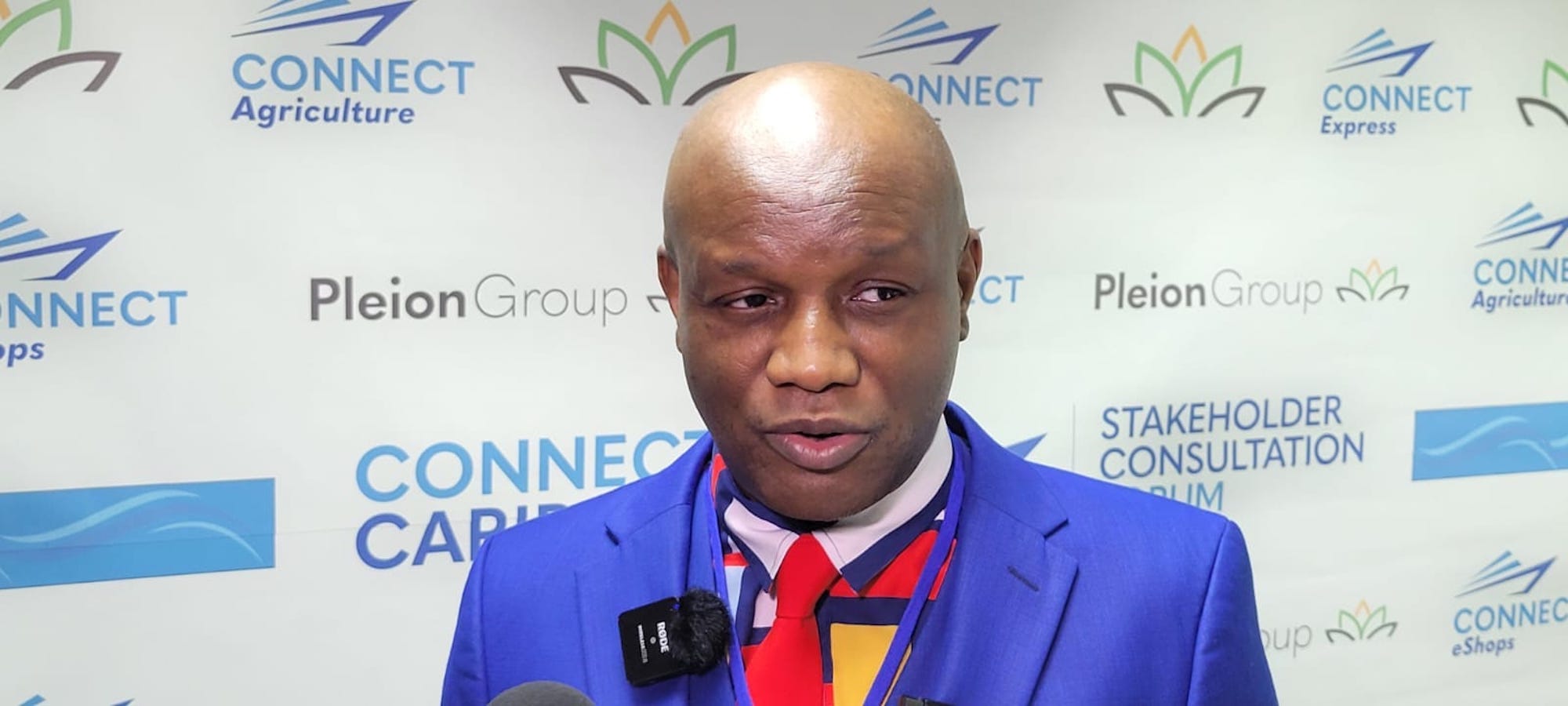
    Connect Caribe, a subsidiary of Bridgetown-based Pleion Group Inc., has been working for nearly two years to launch a cross-Caribbean service connecting Barbados, the Organisation of Eastern Caribbean States (OECS), and most recently the U.S. Virgin Islands, aiming to streamline both passenger travel and cargo trade between regional islands and the U.S. market. Shaka Jones, senior executive at Connect Caribe, confirmed the milestone in an interview Tuesday, noting that sourcing ships able to withstand the unique sea conditions of the Caribbean was the single largest hurdle causing repeated delays.

    “This is not a simple venture to stand up; we’ve had to work through countless unforeseen obstacles to get to this point,” Jones told reporters. “We haven’t locked in a firm inauguration date yet, but our core mission remains unchanged: to deliver reliable, affordable movement of both people and goods across the Caribbean. We now have two vessels secured to launch the service, and we will share an official launch date with the public shortly. Finding a vessel built to handle Caribbean swells and sea conditions is far from straightforward, but we’ve finalized the selection process.”

    The project has faced repeated timeline shifts since it was first announced. The original target launch was November 2024, which was accelerated to August 2024 following the announcement of new strategic partnerships. That deadline passed without launch, and a subsequent target of the first quarter of 2025 was also missed. Most recently, the company has committed to launching before the end of 2025.

    In the wake of the latest milestone, regional economist and commercial pilot Jeremy Stephen, who has long questioned the financial and practical viability of the passenger-focused service, is doubling down on his criticism. Stephen, who operates intraregional charter flights, argues that the repeated missed deadlines are a clear warning sign of deeper structural issues with the project.

    “I remain unconvinced that this service will work for passengers as planned,” Stephen said in an interview Tuesday. “Half of the year, Caribbean swells are too large to make sailing comfortable for the typical modern traveler coming to or from Barbados, unless the company invests heavily in high-technology airfoil-equipped vessels that can ride above rough seas – something they have not mentioned publicly to date. At this point, I only see the venture making sense if they shift focus entirely to cargo operations, which fills a clear gap in the regional market. For passenger travel, the distance and sea conditions make the model unworkable.”

    The company has expanded its scope since the initial announcement, adding the U.S. Virgin Islands to its route network following stakeholder consultations. Under a public-private partnership with the USVI governor’s office, Connect Caribe plans to develop a central maritime logistics hub to streamline U.S.-Caribbean trade, making it faster and cheaper for Caribbean producers to access American consumer markets. Company officials have previously noted that adding the USVI hub will guarantee consistent full container loads, a key requirement for long-term financial sustainability for any private maritime venture. Longer term, the company still plans to expand its fleet to three vessels: an 800-passenger cruise-style ship, a 400-passenger fast ferry, and a dedicated cargo vessel to support regional trade.