标签: Barbados

巴巴多斯

  • West Indies Women end series on a high

    West Indies Women end series on a high

    In a spectacular display of individual prowess, the West Indies Women’s cricket team secured a commanding six-wicket triumph against Sri Lanka Women in the third One Day International at National Stadium on Wednesday. Despite the emphatic victory, the hosts conceded the three-match series 2-1 to the visiting Sri Lankan side.

    The match will be remembered as Hayley Matthews’ masterclass, with the West Indies captain delivering a Player-of-the-Match performance through her magnificent century that anchored a successful chase of 218 runs. Matthews’ leadership ensured her team concluded the series with significant momentum despite the overall series defeat.

    Sri Lanka’s decision to bat first immediately backfired as Matthews demonstrated her all-round capabilities, claiming the crucial wicket of Chamari Athapaththu for a duck in her opening over. The visitors struggled against disciplined West Indian bowling throughout their innings, though Harshitha Samarawickrama provided stability with a composed 70-run contribution. Supported by Hasini Perera (27) and Vishmi Gunaratne (26), Samarawickrama helped rebuild the innings before Kavisha Dilhari’s explosive unbeaten 45 propelled Sri Lanka to a competitive 217/7 from their allotted 50 overs.

    The West Indies response began disastrously, crumbling to 12/2 within four overs as Qiana Joseph and Shemaine Campbelle fell cheaply. This early collapse set the stage for a remarkable recovery orchestrated by Matthews and veteran Stafanie Taylor. Their monumental 124-run partnership for the third wicket transformed the game’s dynamics, combining tactical patience with aggressive strokeplay.

    During this critical stand, Taylor achieved a historic personal milestone, becoming only the second cricketer in women’s ODI history to surpass 6,000 runs. Her steady presence allowed Matthews to accelerate freely, culminating in the captain’s tenth ODI century—a powerful statement of her dominance in the format.

    Following Taylor’s departure for 38, Chinelle Henry (32*) and Deandra Dottin (24*) efficiently completed the chase with an unbroken 49-run partnership, reaching the target with four overs remaining.

    The post-match ceremony highlighted the series outcome, with Sri Lanka’s Harshitha Samarawickrama earning Player-of-the-Series honors for her consistent batting performances. For West Indies, the victory provides crucial momentum as they transition to the T20 format, demonstrating their considerable potential despite the series loss.


  • Pundits warn of democratic risks in anti-defection bill

    Pundits warn of democratic risks in anti-defection bill

    A proposed constitutional amendment in Barbados aimed at preventing parliamentary defections has drawn sharp criticism from prominent political scientists who warn it could fundamentally undermine democratic accountability. The Constitution (Amendment) Bill, introduced by Prime Minister Mia Mottley on Tuesday, would automatically trigger by-elections for any Member of Parliament who changes political allegiance—whether through resignation, expulsion, or joining another faction.

    Dr. Kristina Hinds, a former independent senator, characterized the legislation as a ‘double-edged sword’ that risks concentrating excessive power in party leadership while weakening the independence of elected representatives. ‘It opens the door to persons being arbitrarily treated within a political party and then placed in a vulnerable position by having to face the electorate once again,’ Hinds cautioned, noting the provision could enable party leaders to suppress internal dissent through the threat of expulsion.

    Political analyst Devaron Bruce echoed these concerns, describing the expulsion mechanism as a ‘noose’ over legislators’ heads that would particularly stifle backbench critics. Bruce emphasized that parliamentarians’ primary duty remains representing their 12,000-plus constituents rather than party apparatus. The amendment would effectively eliminate the safety valve of independent representation, a role that has historically allowed critical national issues to surface outside major party agendas.

    Notably, the amendment would mark the first constitutional recognition of political parties in Barbados—a significant shift from the document’s traditional focus on individual election. Critics argue this creates a ‘constitutional mismatch’ by elevating parties to unprecedented legal authority.

    The timing and scope of the amendment have raised additional concerns, with Bruce noting it appears reactive to just two recent defections—those of Bishop Joseph Atherley in 2018 and current MP Ralph Thorne. Bruce cautioned that constitutional changes should address broader systemic issues rather than specific instances, suggesting the current approach ‘doubles down’ on executive power concentration without comprehensive Westminster system reforms.

  • Berger Paints’ Barbados plant closure reignites trade rules debate

    Berger Paints’ Barbados plant closure reignites trade rules debate

    The impending closure of Berger Paints Barbados’ manufacturing operations has ignited serious concerns regarding the future viability of the island’s industrial sector and the effectiveness of CARICOM’s regional trade agreements. The company confirmed this week it will cease all local production, shuttering its factory, warehouse, retail outlets, and administrative offices by April 24th, transitioning to a distribution-only model through established partners including Carters and Ace H&B Hardware.

    This strategic pivot stems directly from challenges posed by Article 164 of the Revised Treaty of Chaguaramas, the foundational document governing the CARICOM Single Market. University of the West Indies economists Dr. Ankie Scott-Joseph and Dr. Antonio Alleyne identify this provision as the central catalyst. Article 164 permits smaller, designated Less Developed Countries (LDCs) within the trade bloc to impose protective tariffs on imports from more economically advanced members like Barbados.

    Dr. Scott-Joseph explained the mechanism: “The provision’s intent is to shield nascent industries in LDCs. Consequently, Barbadian-manufactured paint becomes subject to tariffs in those markets, deliberately making production in lower-cost LDC territories—such as Grenada or Trinidad—more financially attractive. Thus, the very regulation designed to foster regional protectionism has rendered local manufacturing in Barbados uncompetitive.”

    Dr. Alleyne contextualized the move within Barbados’s broader economic structure, noting the island has traditionally focused on high-value services rather than mass production. “Our competitive edge lies in marketing our human capital for high-end, technologically advanced products and services. Large-scale manufacturing faces inherent limitations here due to constrained land availability, a smaller labor pool, and consequently, higher production costs,” he stated.

    Both economists warned of significant macroeconomic repercussions, extending beyond immediate job losses. Dr. Scott-Joseph highlighted the risk of increased import dependency, potential foreign exchange pressures, and negative multiplier effects on the nation’s current account. They jointly emphasized that while Berger’s decision is a rational business response, it underscores a critical flaw in the regional framework—the absence of a compensatory mechanism for countries experiencing industrial displacement due to trade policies.

    The analysts concluded that this development necessitates a urgent reassessment of CARICOM’s trade arrangements to ensure regional integration does not inadvertently penalize its more developed member states, balancing protectionist goals with economic equity.

  • Estimates of Expenditure and Revenue for the financial year 2026-2027 laid in Parliament

    Estimates of Expenditure and Revenue for the financial year 2026-2027 laid in Parliament

    The Government of Barbados has formally presented its comprehensive budget for the 2026-2027 fiscal year to Parliament, initiating the legislative process for national expenditure and revenue allocation. This financial blueprint, which also includes a revised forecast for the ongoing 2025-2026 period, will undergo detailed parliamentary scrutiny starting March 2, 2026, through debates on the Appropriation Bill.

    For the current 2025-2026 financial year, the revised fiscal outlook indicates an expected cash revenue of $3,856.0 million, predominantly from tax contributions ($3,663.4 million), with the remainder from non-tax and grant sources. Total expenditure is projected at $3,939.8 million, leading to a modest deficit of $83.8 million, representing -0.5% of the estimated GDP of $16,242.8 million. A robust primary surplus of $658.4 million (4.1% of GDP) underscores a stable fiscal foundation.

    Looking ahead to 2026-2027, the government anticipates a significant revenue expansion. On a cash basis, current revenue is projected to reach $5,179.0 million, marking a substantial 34.3% increase from the revised 2025-2026 figures. Total expenditure on an accrual basis, inclusive of amortization, is set at $6,138.6 million. Converted to a cash basis (excluding amortization), this translates to $5,075.5 million, allocated between current ($4,185.7 million) and capital ($889.8 million) expenditures. This reflects a notable $766.7 million increase in current spending compared to the previous year.

    Key expenditure drivers include a significant rise in goods and services funding, set to increase by $376.2 million to $966.7 million, and a 32% jump in current transfers to $1,520.1 million. Debt servicing remains a major outlay at $1,495.9 million. Despite this, the primary balance is forecast to be a strong surplus of $817.5 million, equating to 4.8% of a projected GDP of $17,064.7 million.

    The budget allocates strategic investments across critical sectors, including:
    * $182.2 million subvention for the Queen Elizabeth Hospital.
    * $121.5 million for the Social Empowerment Agency.
    * $242.0 million for the Barbados Water Authority’s capital projects.
    * $116.0 million for the Barbados Defence Force.
    * $78.4 million for Special Needs grants, Pensioners, and Welfare.
    Additional provisions target long-term economic resilience, including $75.0 million for the Economic Diversification Growth Fund, $56.0 million for the Resilience and Regeneration Fund, $52.2 million for the Barbados Republic Child Wealth Fund, $23.0 million for the Smart Energy Fund, and $20.0 million to capitalize the Blue Green Bank, signaling a strong commitment to sustainable and diversified economic growth.

  • MP Nicholls, blasts “selfish” floor-crossing

    MP Nicholls, blasts “selfish” floor-crossing

    In his inaugural parliamentary address, Barbados’ newly appointed Minister of Home Affairs and Information Gregory Nicholls delivered a robust defense of proposed anti-defection legislation, characterizing the measure as essential protection for democratic integrity. The St. Thomas representative and seasoned Barbados Labour Party member asserted that elected officials who abandon their party affiliation commit fundamental betrayal against constituents who endorsed specific manifestos and ideologies.

    Addressing concerns about freedom of expression, Minister Nicholls contended that the collective electoral mandate supersedes individual representatives’ personal preferences. “We do not stand here in our own names,” he declared, distinguishing between independent candidates who run on personal merit and party-affiliated representatives who carry their party’s platform as a “badge of honor.”

    The legislator invoked regional political history, referencing governmental collapses in Guyana and historical party splits within Barbados—including the 1989 DLP backbench division and more recent defections—as cautionary examples. He characterized many instances of party switching as motivated by “naked, selfish, personal reasons” including ministerial aspirations or financial incentives, though he abstained from providing specific contemporary examples.

    Nicholls criticized recent political maneuvers, suggesting current defection patterns represent “dishonest solutions” to address opposition leadership voids rather than genuine ideological evolution. He dismissed constitutional arguments against the bill as “ramshackle” reasoning, maintaining that governmental structures—from prime ministerial appointments to opposition leadership recognition—inherently acknowledge political parties’ operational reality.

    The attorney-politician concluded by clarifying that the legislation wouldn’t prohibit representatives from leaving parties but would necessitate seeking renewed electoral mandates. “This law requires you to go back and get your mandate from the people who have put you here,” he stated. “What can be undemocratic about giving the people the final say?”

  • Gun court on horizon as Lashley pushes reform

    Gun court on horizon as Lashley pushes reform

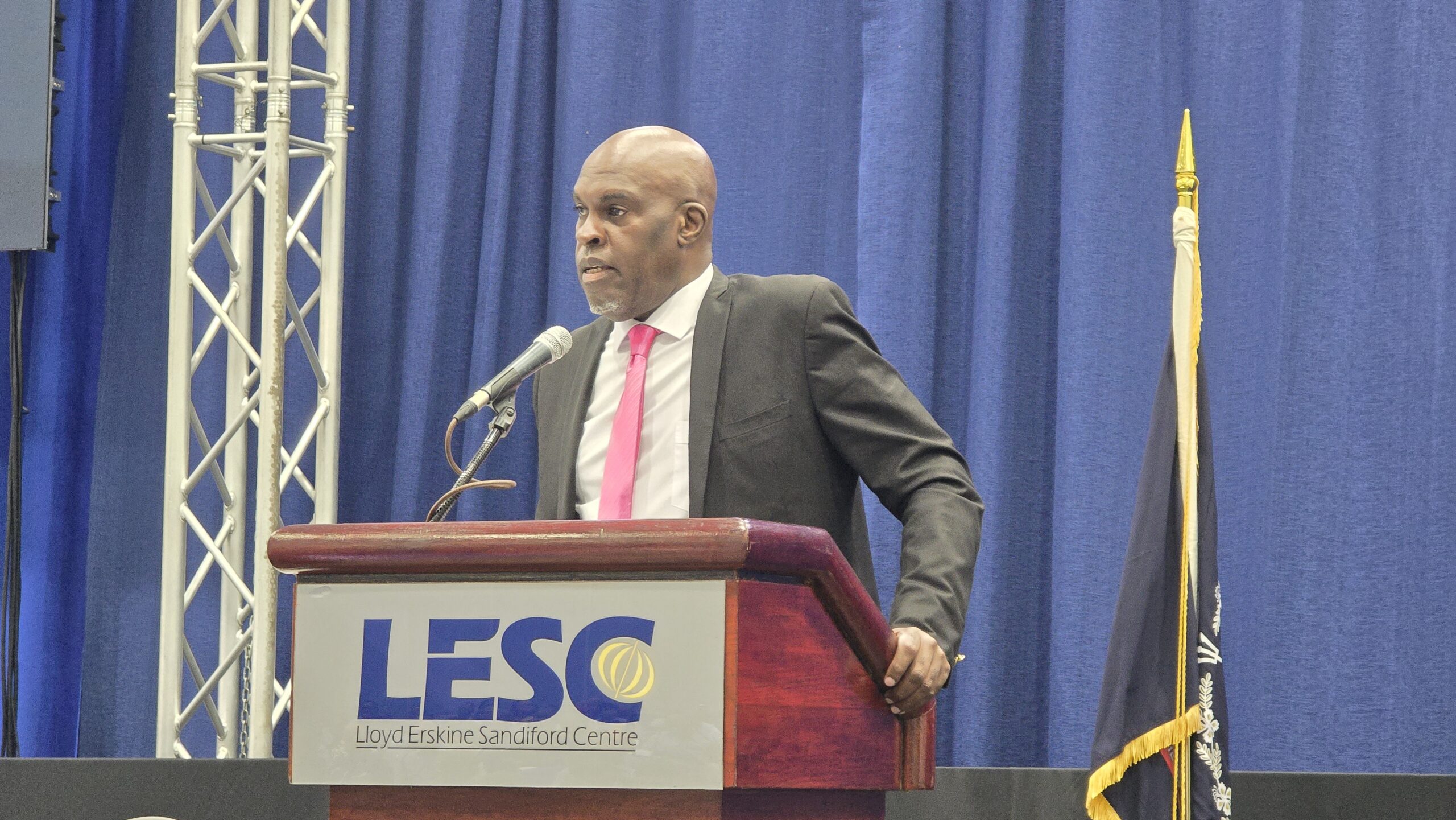
    Barbados is moving decisively toward establishing a specialized judicial body to address firearm-related offenses, as announced by newly appointed Minister of Legal Affairs and Criminal Justice Michael Lashley. The veteran criminal defense attorney presented his comprehensive framework for the proposed gun court during the Barbados Police Service Annual Grand Conference at the Lloyd Erskine Sandiford Centre.

    Minister Lashley confirmed collaborative efforts with Attorney General Wilfred Abrahams to operationalize the court, emphasizing its potential to significantly impact the criminal justice landscape. “I am mandated to establish the gun court, which is a critical component in the criminal justice system,” Lashley stated, outlining four essential requirements for successful implementation: meticulous record-keeping, ballistic expert verification of firearms compliance with Barbadian law, involvement of chief investigators, and proper handling of accused statements.

    The minister highlighted systemic challenges within current judicial processes, noting that excessive adjournments often cause cases to become lost within the system. He stressed that timely preparation, completion, and presentation of case files to the Director of Public Prosecutions and courts are fundamental to achieving expedited trials and maintaining public confidence in justice administration.

    Lashley drew from his recent experience as a defense attorney, acknowledging marked improvements in file submissions for serious crimes, with disclosure materials now arriving within four to five months instead of the previous year-long waits. However, he emphasized the need for further enhancements in time management, evidence compilation, forensic evidence handling, and disclosure standards.

    The minister advocated for adopting international best practices from leading police forces, particularly in case management systems, leadership development, forensic capabilities, intelligence-led policing, and community safety strategies. “No police service can operate in isolation,” Lashley remarked, emphasizing the importance of cross-border policing innovations.

    Complementing these judicial reforms, the minister revealed ongoing improvements to police infrastructure across jurisdictions, with plans to construct new stations this year. He committed to drastically improving working conditions for law enforcement personnel, recognizing their crucial role in public safety and justice administration.

  • Archer, Brooks star as England seal semi-final spot

    Archer, Brooks star as England seal semi-final spot

    England secured their place in the ICC Men’s T20 World Cup semifinals following a nail-biting two-wicket triumph over Pakistan at Pallekele International Cricket Stadium on Tuesday. The victory was largely orchestrated by a spectacular batting performance from captain Harry Brooks, who delivered a match-winning century under intense pressure.

    Pakistan posted a competitive total of 164-9 in their allotted 20 overs, with opener Sahibzada Farhan anchoring the innings with a solid 63 from 45 deliveries, featuring seven boundaries and two maximums. Captain Babar Azam and Fakhar Zaman contributed 25 runs each to the Pakistani effort. England’s bowling attack demonstrated collective strength, with Liam Dawson emerging as the most effective bowler with figures of 3-24. Barbados-born speedster Jofra Archer made crucial breakthroughs, claiming the wickets of opener Saim Ayub and tailender Shaheen Afridi to finish with 2-32, while Jamie Overton provided additional support with 2-26.

    England’s run chase encountered early turbulence as they stumbled to 58-4, creating mounting tension within the camp. However, skipper Harry Brooks transformed the game with a magnificent 100 from just 51 balls, single-handedly steering his team toward victory. His explosive innings included ten fours and four sixes, showcasing remarkable composure and power-hitting prowess. Brooks forged two vital partnerships—first adding 45 runs with Sam Curran (16) and then combining with Will Jacks for a decisive 52-run stand that brought England within striking distance at 155-5 after 17 overs.

    Despite a late fightback from Pakistan’s bowlers, with Shaheen Afridi claiming 4-30 and Mohammad Nawaz (2-26) and Usman Tariq (2-31) taking two wickets each, England reached their target of 166-8 with five deliveries remaining. This victory marks England’s second win in the Super Eights stage, guaranteeing their progression to the semifinals with one group match still to play against New Zealand.

  • Exclusive: Regulator links uninsured vehicle surge to affordability, not enforcement failure

    Exclusive: Regulator links uninsured vehicle surge to affordability, not enforcement failure

    Barbados faces a mounting societal crisis as a staggering number of motorists operate vehicles without insurance, exposing accident victims to severe financial peril. Exclusive insights from Financial Services Commission CEO Warrick Ward reveal this trend is driven less by regulatory apathy and more by prohibitively expensive premiums and structural flaws within the island’s insurance market.

    Current data paints a dire picture: with approximately 180,000 vehicles on Barbadian roads, nearly 50,000 are uninsured or untaxed, indicating that one in four vehicles may be operating illegally. This situation unfolds against a backdrop of escalating road accidents, averaging 15 daily incidents. Industry leaders warn that current loss rates are becoming unsustainable for insurers.

    Anton Lovell, Chief Executive of Co-operators General Insurance Company, provided alarming context: his firm alone processes seven to eight accident claims daily, with island-wide estimates reaching 15 collisions. The average repair cost per incident stands at approximately $10,000, doubling when injuries occur—creating cascading pressures on insurers, foreign exchange reserves for imported parts, and public healthcare facilities like the Queen Elizabeth Hospital.

    Despite Lovell’s assertion that premiums remain “extremely reasonable” given accident frequency and costs, Ward identified affordability as the core issue. He questioned whether coverage has been priced beyond the reach of ordinary citizens, forcing risky decisions to forego insurance. This dilemma highlights broader challenges including low insurance penetration rates and reinsurance complexities affecting the entire Caribbean region.

    Ward emphasized that while the uninsured vehicle problem is significant, the FSC’s regulatory mandate focuses on macro-level industry oversight rather than operational enforcement or policing uninsured vehicles. The commission would only intervene directly if systemic issues emerged through increased consumer complaints or claims processing failures—neither of which have yet materialized significantly.

    Addressing this multifaceted crisis requires coordinated solutions across financial inclusion initiatives, innovative product design, reinsurance reform, and enhanced road safety measures. Ward concluded that striking a balance between insurer viability and policyholder affordability remains the fundamental challenge for Barbados’s transportation ecosystem.

  • Taylor concedes top order struggles after Windies women’s series defeat

    Taylor concedes top order struggles after Windies women’s series defeat

    Veteran cricketer Stafanie Taylor has openly criticized the West Indies Women’s team for their subpar batting performance during the ongoing One-Day International series against Sri Lanka Women. Despite securing two consecutive narrow victories and clinching the series with an unassailable 2-0 lead, Taylor highlighted significant concerns within the squad’s top-order batting lineup.

    Speaking after Tuesday’s final training session ahead of Wednesday’s concluding match at National Stadium, Taylor—who alongside Jannillea Glasgow has emerged as one of the team’s most consistent batters—conceded that the batting unit had failed to meet expectations. The statistics support her assessment: in the opening encounter, West Indies were dismissed for 230 while chasing Sri Lanka’s 240/6, while in the subsequent game they managed only 194 in pursuit of a 209-run target.

    “Our batters have shown promising starts but consistently failed to convert them into match-winning performances,” Taylor stated. “Coach emphasizes repeatedly that the top five batters must capitalize on their foundations and see the game through to completion. Personally, I recognize my own shortcomings—in the first match, a misjudged run-out cut my innings short when continuity was crucial.”

    Taylor particularly praised Glasgow’s valiant effort in the second match, noting she “displayed exceptional determination but ultimately exhausted her partner support.” The early dismissals of openers created additional pressure on the middle order, requiring Taylor, Shemaine Campbelle, and Chinelle Henry to stabilize the innings.

    Looking toward Wednesday’s dead rubber finale, Taylor confirmed the team’s commitment to ending the series strongly. “Tonight we’re conducting a comprehensive team meeting to analyze our errors and identify areas for improvement,” she revealed. “While our bowlers delivered an impressive performance by restricting Sri Lanka to a modest total last game, we require a unified effort across all three disciplines—bowling, fielding, and especially batting—to achieve a conclusive victory.”

    Despite the series win, Taylor’s comments underscore a period of introspection for West Indies Women’s cricket as they seek to address batting inconsistencies before future international engagements.

  • Police credit planning, intel for slight drop in crime

    Police credit planning, intel for slight drop in crime

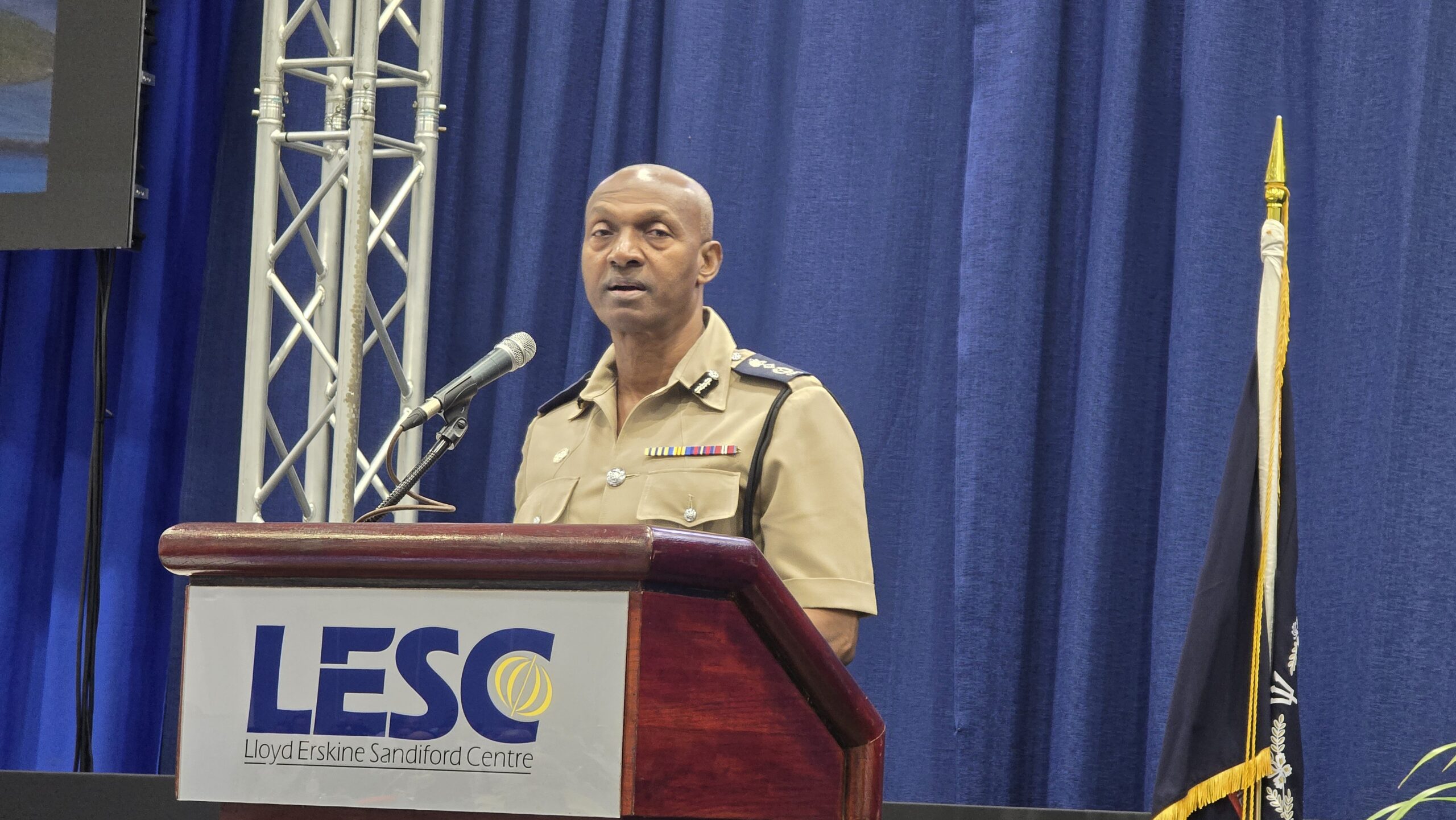
    The Barbados Police Service (BPS) has achieved a measurable reduction in criminal activity, reporting an overall four percent decline in crime rates alongside a significant increase in firearm seizures. Commissioner of Police Richard Boyce presented these findings at the force’s Annual Grand Conference, crediting the progress to a sophisticated intelligence-driven policing model implemented throughout 2025.

    Statistical analysis reveals notable improvements across multiple crime categories: murders decreased by two percent, residential burglaries dropped seven percent, thefts from motor vehicles plunged 26 percent, and motor vehicle thefts declined three percent. This collective improvement resulted in total reported offences falling from 6,301 in 2024 to 6,063 in 2025.

    The most striking achievement emerged in firearm interdiction efforts, with police seizing 84 illegal firearms and 3,339 rounds of ammunition—a substantial increase from the 71 firearms and 857 rounds confiscated the previous year. Commissioner Boyce emphasized that these results demonstrate “strengthened enforcement capabilities, improved intelligence coordination and sustained operational focus on disrupting illegal firearms trade.”

    This law enforcement transformation stems from a comprehensive six-point policing strategy designed to combat rising crime while modernizing operational capacity. The commissioner noted that expanding firearm-related violence necessitated “sustained, coordinated and intelligence-driven intervention” to maintain public safety and preserve Barbados’s reputation as a secure society.

    Technological advancement has been central to this evolution. The BPS has expanded deployment of body-worn cameras, dashboard cameras, and enhanced CCTV coverage to strengthen transparency and accountability. Additionally, the service is leveraging speech-to-text digital note-taking and advanced intelligence analysis to more effectively identify and target high-risk areas.

    The continued development of the Police Records Management Information System (PRMIS) represents another critical component. By digitizing records and streamlining information access, PRMIS supports real-time decision-making at every operational level, from strategic command to frontline response.

    Despite these gains, Commissioner Boyce acknowledged persistent challenges. Certain parishes—including St. Michael, Christ Church and St. Philip—continue to record comparatively higher crime levels. Robberies increased during the reporting period, influenced partly by youth involvement and ongoing firearm-related offences. While major crimes constitute a smaller proportion of overall reports, minor offences dominate statistics, with assaults and woundings representing 17 percent of reported crimes.

    Youth intervention remains central to the service’s prevention strategy, with targeted initiatives focusing on at-risk youth aged 11 to 16. Programs like the King’s Trust International Programme provide life skills, mentorship and constructive alternatives, forming what Commissioner Boyce described as “central to our long-term crime prevention strategy.”

    Road safety metrics showed improvement, with 17 road fatalities in 2025 compared to 4,472 crashes in 2024—a reduction attributed to implementing a non-attendance policy for minor non-injury collisions. This policy adjustment has enabled more efficient resource deployment toward serious road safety concerns.

    The service continues to face staffing challenges, operating approximately 250 officers below full complement. Recruitment remains a priority to maintain effective frontline presence, with the BPS seeking individuals who “embody integrity, courage, discipline and respect for human rights.” In 2025, the service welcomed 47 new officers and 28 special constables, designated 271 senior constables to strengthen supervisory capacity, and transitioned 26 Special Constabulary members to police constables.

    Commissioner Boyce also highlighted institutional progress through the historic appointment of Acting Deputy Commissioner Sonia Boyce as the first female to hold that office in the 191-year-old constabulary.

    The commissioner concluded with a sobering assessment of global criminal threats, noting that as a small island developing state, Barbados remains exposed to “cyber-enabled offences, firearm and narcotics trafficking, human trafficking and gang activity.” This reality necessitates “deliberate and strategic” approaches combining strong enforcement with intelligence-led operations and strengthened community engagement.