
After nearly a decade honing her skills across Barbados’ top culinary venues, veteran chef Shakira Drakes has opened her first independent food business, Kira’s Cuisine, at St. James’ Husbands Heights Park. The milestone launch of her entrepreneurial dream carried extra personal significance: it fell exactly on her daughter’s 21st birthday, a date Drakes intentionally chose to mark her own resilience and professional journey.
标签: Barbados
巴巴多斯
-
UWI moves to end royal charter, redefine regional role
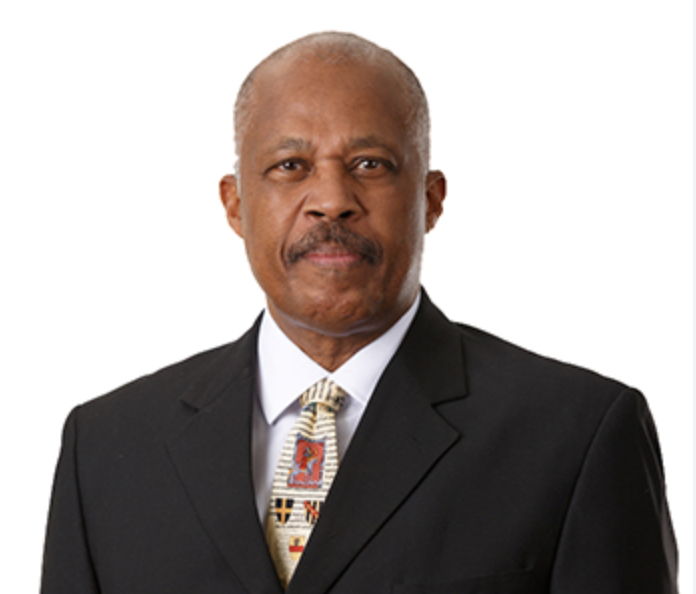
After 77 years operating under a British royal charter, one of the Caribbean’s most prestigious academic institutions is taking a historic step to sever its last remaining constitutional ties to the British monarchy, redefining itself as a fully sovereign regional university anchored in Caribbean governance. Vice-Chancellor Professor Sir Hilary Beckles announced that the University of the West Indies (UWI) will terminate its 1948 Royal Charter and transition to legal status embedded within the Treaty of Chaguaramas, the founding constitution of the Caribbean Community (CARICOM). Regional CARICOM leaders have already formally approved the request to end the charter, clearing the way for the structural transition.
-

UWI expands in China as graduate outcomes surge
Against a backdrop of growing academic and economic exchange between the Caribbean and Asian tech-powered economies, a pioneering collaborative program launched by the University of the West Indies (UWI) in China is turning heads: it has achieved nearly 100% employment or further study outcomes for its graduates while keeping the vast majority of highly skilled talent rooted in the Caribbean region, according to senior UWI officials.
Based at the Suzhou Global Institute, a short 30-minute commute from Shanghai – one of the world’s leading economic and tech hubs – the UWI-China Institute of Information Technology (CIIT) marks the first South-to-South academic cooperation initiative of its kind to enter the Chinese higher education market. For Justin Seale, assistant registrar at CIIT, the program’s success carries deep personal meaning. Having first moved to China to build his career in Wuhan back in 2008, Seale navigated what he describes as a “roller coaster” of unexpected challenges adapting to life and study in a new country. That experience drives his core mission today: to carve out a far smoother, more supportive path for the new generation of Caribbean students joining the program.
“That is what motivates me—to make sure our students don’t have to walk the rough road that I had to walk,” Seale explained in an interview at the Suzhou campus. “Our excellence is embedded in our operations here in Suzhou, and our students are the greatest source of my reward.”
Empirical data collected from the program backs up its track record of impact. Out of a tracked sample of 58 CIIT graduates, every single alumnus had secured full-time employment or enrolled in advanced graduate degree programs within 12 months of crossing the graduation stage. Even more remarkable than the near-perfect placement rate is the speed at which many graduates have advanced up the career and economic ladder, a trend Seale compares to the transformative post-independence era of Caribbean development.
“I think of one student who graduated in 2021 and was able to purchase his own home within five years,” Seale shared. “It excites me because it harkens back to the era of post-independence in the Caribbean, where a university degree translated directly into upward social mobility. We haven’t seen growth or outcomes like that in decades.”
The program’s global relevance is further underscored by the standout achievements of its alumni, who have gone on to excel at top global institutions and industries. For example, Joshua Johnson, who started his journey at UWI’s Five Islands campus in Antigua, parlayed his CIIT experience into admission to Tsinghua University – widely regarded as China’s top elite higher education institution – to complete a doctoral degree. Another graduate, Khadijah Clark, who transferred from UWI’s Mona campus in Jamaica, went on to pursue advanced study at Duke University in the United States and now holds a prominent role in the country’s competitive fintech sector.
Despite the international opportunities that the program opens up for graduates, it has bucked the trend of widespread brain drain that affects many small developing regions. Official data from CIIT shows that only 17% of program graduates have chosen to relocate permanently abroad, leaving 83% of these tech-trained, highly qualified professionals to join and strengthen Caribbean local workforces. Most of these returning graduates have been hired by the region’s fast-growing financial services and telecommunications sectors, filling critical skills gaps that have long held back regional development.
“A UWI degree has not lost its value,” Seale emphasized. “Our credentials are as relevant as ever for their transformational power. […] we only had 17 per cent brain drain.”
As China reorients its national development strategy around innovation and technology leadership, UWI occupies a one-of-a-kind niche in the country’s international higher education landscape. Unlike most foreign universities operating in China, which are backed by Western government and institutional funding, UWI brings a distinct Global South perspective that aligns with shared development priorities across emerging economies. Seale argues that this unique positioning gives UWI a major advantage in leading South-to-South academic collaboration.
“We in the Caribbean have a unique perspective to offer the people of China,” Seale noted. Looking ahead, UWI sees massive untapped potential in expanding enrollment of Asian students across its entire global system. Demand from prospective international students in Asia far outpaces the university’s current capacity, and growing Asian enrollment would not only boost institutional revenue to fund further program development but also enrich the cultural diversity of UWI’s student body.
Drawing on UWI’s official motto, which frames the institution as “the light shining from the West”, the Suzhou institute aims to leverage shared cultural connections – such as the widespread love of cricket across Commonwealth nations, which unites Caribbean and many Asian communities – to build UWI’s brand recognition across the Asian continent. For Seale and the CIIT team, the end goal is clear: to establish UWI as the leading academic and development gateway connecting the Global South to China’s dynamic, innovation-driven economy.
“We are uniquely placed and capable of leading the global south,” Seale said, “as the academic and social development gateway to China.”
-

Caddle advocates for a worker-focused benefits system
A landmark proposal aimed at rethinking social security for Barbados’ evolving workforce is currently advancing through parliamentary debate, promising to close critical protection gaps for gig workers, freelancers and people holding multiple jobs. The National Portable Benefits Framework, tabled by St George North Member of Parliament Toni Moore as a Private Members Resolution, is designed to delink worker benefits from individual employers, ensuring coverage stays with people across every stage of their working lives.
Minister of Economic Affairs and Planning Marsha Caddle has emerged as a key proponent of the plan, explaining that the proposed system would allow multiple employers to contribute to a single worker’s benefits account at the same time, creating an uninterrupted stream of coverage that moves with the employee from role to role. The framework covers core social security supports, including retirement pensions, maternity benefits, disability assistance and other forms of worker protection, upending the traditional model that ties eligibility to permanent employment with a single organization.
Caddle framed the proposal as a necessary evolution of policy that balances two critical national goals: labor protection and national productivity. The minister noted that the government is already moving to establish a new Competitiveness and Productivity Commission, acknowledging that Barbados currently faces systemic challenges in boosting productivity across all sectors, not just among individual workers. She argued that productivity and worker security are not opposing goals – instead, workers perform far better when they can count on predictable, consistent access to benefits, a stability the current system fails to deliver for non-traditional workers.
Drawing on her own professional experience working as an independent consultant, Caddle called out outdated biases in key institutions that exclude flexible workers. She explained that financial institutions still routinely assess creditworthiness based on a borrower’s employer rather than their actual income or reliability, a system that reduces non-traditional workers’ worth to their association with a single entity. She described this outdated mindset as a leftover “plantation mentality” that has no place in a modern economy where work patterns are rapidly shifting.
The framework, Caddle emphasized, is more than a policy change – it is a societal shift that challenges government bodies, financial institutions and communities to adapt to new ways of working. It requires more nuanced, flexible systems that can accommodate diverse work arrangements, a complexity that she says is necessary to build an inclusive economy that serves all workers.
To implement the portable benefits model, Caddle confirmed that revisions to the current Employment Rights Act will likely be required, as existing legal definitions of “employer” and “employee” are too rigid to fit flexible work arrangements. The proposed system also shifts a degree of responsibility for benefits management to workers themselves, ensuring that coverage is no longer controlled entirely by a single employer that can cut off access when a worker changes roles. Instead, workers will take a more active role in managing their own benefits, coordinating contributions from multiple clients or employers to maintain continuous coverage.
Finally, Caddle highlighted that successful rollout of the policy will depend on robust public outreach and education led by the National Insurance and Social Security Service (NISSS), to ensure all workers understand how the new system operates and how they can access their benefits. The House of Assembly resumed debate on the resolution Friday, moving the transformative proposal one step closer to potential implementation.
-

Preparation on track for Roger Boyce Elite
Preparations for the highly anticipated 2025 Roger Boyce Elite Pro Show, the English-speaking Caribbean’s premier elite bodybuilding competition, are moving forward smoothly ahead of next week’s tournament, according to Dr. Alfred Sparman, President of the Body Building and Fitness Federation (BBFF).
Scheduled to take place on May 16 at Barbados’ iconic Garfield Sobers Gymnasium, the annual competition has grown far beyond a simple athletic contest, emerging as a cornerstone event for the regional fitness community. In an exclusive interview with Barbados TODAY, Sparman shared that the federation remains proud to bring this elite gathering back to Barbados for another year, emphasizing the core values that the event embodies.
“This event presents far more than competition. It reflects discipline, hard work, healthy living, sacrifice and the relentless pursuit of excellence,” Sparman said. “We are honored to host this elite event and elite athletes coming from all over the region and internationally, while also showcasing the warmth and hospitality of Barbados.”
Beyond celebrating top-tier athletic achievement, the Roger Boyce Elite Pro Show plays a critical role in raising the bar for bodybuilding and fitness standards across the entire Caribbean. It also serves as a launching pad for emerging talent, giving seasoned and new athletes alike a platform to model dedication, resilience, and good sportsmanship for the next generation of fitness competitors.
“To all competitors I want to commend the commitment and the preparation they’ve brought to the stage,” Sparman added. “They have already embodied the spirit of champions. We also extend sincere thanks to our sponsors, organizers, judges, volunteers, and supporters whose contribution makes this event possible.”
Organizers are projecting a landmark turnout for 2025, with between 150 and 200 competitors expected to participate – a figure that continues an annual trend of growing participation. Sparman noted that the event has seen a consistent 25% year-over-year increase in athlete entries since its launch, and this year’s edition will draw competitors from as far afield as Spain and France, alongside top talent from across the Caribbean.
Sparman outlined several key factors that have driven the event’s rapidly growing popularity across the global bodybuilding community. Unlike any other large-scale bodybuilding competition previously hosted in the region, the Roger Boyce Elite Pro Show has drawn elite industry leadership, including the president and vice president of the International Federation of Bodybuilding and Fitness, who attend the event annually.
He credited the late Roger Boyce, the event’s visionary founder, with creating a world-class competition that has filled a long-held gap in the regional fitness calendar. “All of these islands now feel we don’t have to go to the States for a big show. We don’t have to go all the way over to Europe, we can come right here in Barbados,” Sparman explained. “At the same time, when they come here, we’ll showcase what we have here, this warmth and beautiful island that we live on.”
For this year’s athletes, the stakes are high: coveted pro cards will be awarded to winners across all competitive categories. Following last year’s tournament, which issued between 16 and 20 pro cards to qualifying athletes, the 2025 edition will offer the same opportunity for up-and-coming competitors looking to turn professional and advance their careers in elite bodybuilding.
In closing, Sparman extended an open invitation to local and regional sports fans to attend the event, saying, “We look forward to an exciting and memorable competition, and we invite the public to come out and support these outstanding athletes.”
-

Greaves continues record breaking form
The Junior Pan American Track Cycling Championships in Xalapa, Veracruz, Mexico, kicked off its 1km time trial qualification round on Friday morning with a stunning display of speed from young Barbadian rider Arielle Greaves, who delivered yet another record-breaking performance to stamp her authority on the event.
Crossing the finish line, Greaves posted an extraordinary official time of 1 minute 12.011 seconds, a result that not only secured her a spot in the afternoon’s final as the fourth-fastest qualifier but also etched a new junior national record next to her name. The mark improves on her own previous benchmark of 1:15.601, which she set just months earlier during a competition in Lima, Peru in 2025.
Greaves’ latest standout performance comes on the heels of an already impressive showing earlier in the championships. On Wednesday, she notched another new national junior record in the opening round of the flying 200m event, though her run in that competition came to an end at the quarterfinal stage. Undeterred by that early exit, the young rider bounced back with focused determination to deliver a career-best effort in the 1km time trial qualifier.
Speaking to reporters immediately after her qualifying ride, an energized and self-assured Greaves shared her excitement about the result, crediting much of her success to the guidance of team mechanic and personal mentor Elisha Greene. “The ride felt really good from start to finish,” she said. “I went out onto the track and stuck exactly to the race plan we mapped out together.”
“Qualifying fourth overall is an incredible starting point for my medal hunt, and getting another national record on top of that has given me a massive confidence boost heading into the final,” Greaves added. “I’m really looking forward to competing this evening, I’m going to give it everything I’ve got, and my goal is to take home the win.”
Deidre Hinkson, manager of the Barbados national team, spoke publicly about the team’s immense pride in Greaves’ groundbreaking achievement, highlighting the extraordinary barriers the young athlete has overcome to reach this point. Unlike many competing nations, Barbados does not have a dedicated domestic track cycling training facility, forcing Greaves to relocate for her preparation ahead of the continental championships.
“Arielle is such a strong, driven young athlete, and she has all the tools to go as far as she wants in this sport,” Hinkson said. “Even without a home training track, she has still managed to pull out the best performances of her career here. We are incredibly grateful to Trinidad and Tobago for opening their facilities to her to let her prepare for this event.”
As Greaves prepares to line up for the 1km time trial final in Heat 5 this afternoon, Hinkson said the team is placing no unnecessary pressure on the young rider. “We just want her to go out, leave every ounce of energy on the track, and do her best,” Hinkson explained. “Whatever the result, if she gives 100% effort, we will all be thrilled. A medal would just be the perfect cherry on top of what has already been an incredible championships for her.”
-
PE teachers get coaching boost
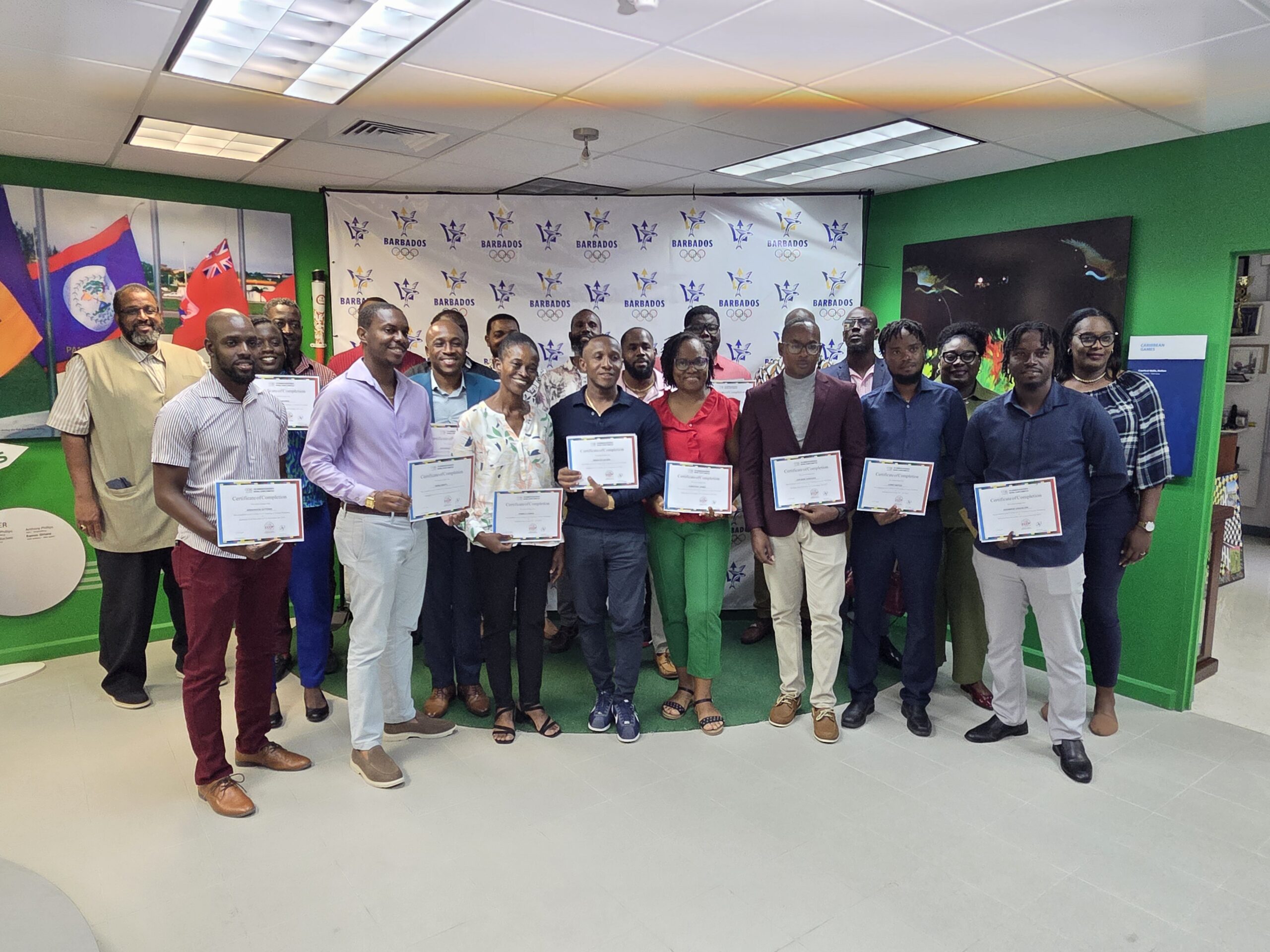
A new cohort of 32 physical education teachers and coaches has completed the regionally focused Caribbean Coaching and Certification Program, emerging with enhanced skills and credentials to advance athletic development across Barbados and the broader Caribbean. The official graduation ceremony was held Tuesday at the headquarters of the Barbados Olympic Association (BOA), where leaders from both the BOA and partner institution Erdiston Teacher’s Training College celebrated the graduates’ achievement and outlined the far-reaching impact of their work.
BOA President Sandra Osbourne opened the formal proceedings by extending gratitude to Erdiston Teacher’s Training College for its collaborative partnership, emphasizing the shared mission of nurturing the next generation of Caribbean youth. Osbourne framed the partnership and the program itself as a living embodiment of core Olympian principles, highlighting the inherently symbiotic relationship between sports and education. “Olympism is far more than competitive sport—it is a philosophy of life that blends athletic practice with culture and learning,” Osbourne explained. “Our work centers on leveraging sport as a tool to advance the harmonious, holistic development of all people, aligned with that foundational philosophy.”
Outlining the growing momentum of national and regional coaching certification efforts in Barbados, Osbourne shared that this group of 32 (comprising 22 male and 10 female education professionals) marks what organizers hope will be the first of many cohorts drawn from the country’s teaching workforce. The graduation follows closely on the completion of a larger group of 120 coaches who graduated one month prior through a combined initiative of the National Coaching Certification Program and this regional Caribbean-focused effort.
Dr. Colin Cumberbatch, Principal of Erdiston Teacher’s Training College, called the milestone a source of great pride for both the institution and the Caribbean sports community. Addressing the graduates directly, Cumberbatch noted that their newly earned certification is a public testament to their dedication, self-discipline, and drive to grow into high-impact physical educators that shape young lives. He stressed that the responsibility of today’s coaches and PE teachers extends far beyond teaching athletic skills: “You serve as the guardians of fair play, clean sport, and safe, inclusive environments free from harm or abuse. This role cannot be overvalued in our current sporting landscape.”
Cumberbatch urged graduates to view their certification not as a final achievement, but as a foundational stepping stone to transformative work across every sector of sports. Whether graduates go on to work in school systems, elite athletic programs, local community outreach, or regional and international competitive circuits, he said their impact will depend not just on the knowledge they gained, but on their integrity, commitment, and willingness to share what they have learned with others.
Speaking on behalf of the entire graduating cohort, Renaldo Gilkes reflected that the program offered a transformative, eye-opening learning experience that challenged his existing approaches to coaching. Echoing a quote from American industrialist Henry Ford, Gilkes noted that growth depends on continuous learning: anyone who stops learning, whether they are 20 or 80 years old, is stagnant, while those who keep learning remain engaged and youthful. Unlike the sport-specific training he had previously completed for his focus area of football, Gilkes explained that the Caribbean Coaching Certification Program provided a broad, cross-cutting foundation that applies to all athletic disciplines.
Gilkes also shared the cohort’s collective commitment to shifting outdated public perceptions of physical education, which he said is still often sidelined as a secondary priority in many Caribbean communities. “We are committed to changing that narrative,” he said. “Physical education will be recognized as the beacon it is: a driver of educational transformation and social advancement across our region.” Closing his remarks, Gilkes cited an ancient Chinese proverb to underscore the long-term impact of the work: short-term planning yields short-term gains, but investing in education creates lasting, generational change that benefits communities for a lifetime.
-
Chef launches food business in tribute to late daughter
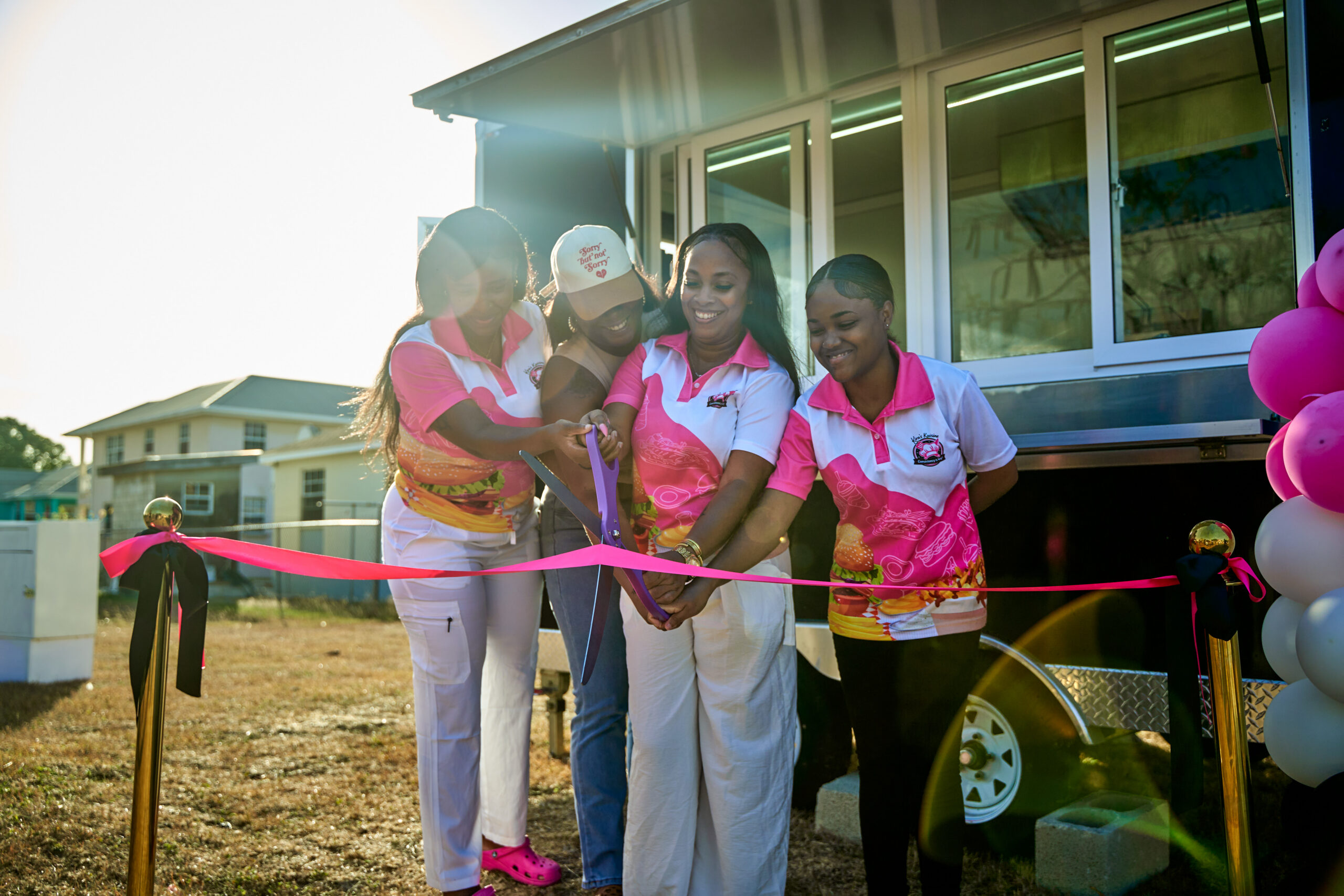
For nearly 10 years, Shakira Drakes honed her culinary craft across some of Barbados’ most respected food and hospitality venues, working her way up from an entry-level salad station role to senior management. Now, this veteran chef is channeling a lifetime of experience and profound personal grief into a new venture that honors her greatest loss: on what would have been her late daughter’s 21st birthday, Drakes officially opened the doors to Kira’s Cuisine, her very own eatery located at St. James’ Husbands Heights Park.
Reflecting on the bittersweet milestone at the launch event Thursday, Drakes shared that opening her business on this meaningful date was a deliberate choice, one designed to celebrate both her daughter’s memory and her own journey through grief. “I’m very proud to say that I started my business yesterday on my daughter’s birthday. She would have been 21,” Drakes said. “I wanted to do something really amazing to reflect my resilience, my humbleness and my art.”
Drakes’ culinary career began at Barbados’ Open Kitchen, where she started in an entry-level role before working her way up to supervisor. Over the following years, she built her skills and reputation across a roster of iconic local establishments, including luxury resort Sandy Lane, popular waterfront venue Pier One, and Fusions Rooftop. Her most recent position as a restaurant manager gave her the confidence and expertise to strike out on her own, fulfilling a long-held personal goal. “I wanted to be an entrepreneur. I wanted to do this for myself and for my children,” she explained.
The path to opening Kira’s Cuisine was not without its setbacks, Drakes acknowledged. She originally planned to operate from a mobile food trailer, but securing a permitted, suitable parking location proved far more challenging than she anticipated. For weeks, she persisted in searching for a spot, but repeated dead ends left her discouraged and ready to abandon the dream. “Every week we were still connected until one time it was like I gave up. I wanted to throw in the towel because it was very depressing,” she recalled.
Drakes credits her network of supporters with pushing her to keep going, when she was ready to walk away. In particular, she highlighted the ongoing encouragement of Taahir Bulbulia and representatives from the Barbados Trust Fund Ltd, who worked alongside her to secure the Husbands Heights Park location. After months of searching, Bulbulia delivered the good news she had been waiting for: “He said: ‘Kira, I get a spot for you.’ From there it was nothing but up,” Drakes said.
Today, Kira’s Cuisine serves a diverse, accessible menu of casual comfort food and signature dishes to the St. James community, ranging from chicken and fried fish platters to tacos, blackened fish entrees, subs, and fresh wraps. Drakes also emphasized that all menu items are certified halal, expanding accessible dining options for Muslim consumers in the area. The eatery operates 10 a.m. to 6 p.m. Monday through Thursday, and 11:30 a.m. to 9:30 p.m. on Fridays and Saturdays, and remains closed on Sundays.
-
Dems reject ‘draconian’ elder protection bill
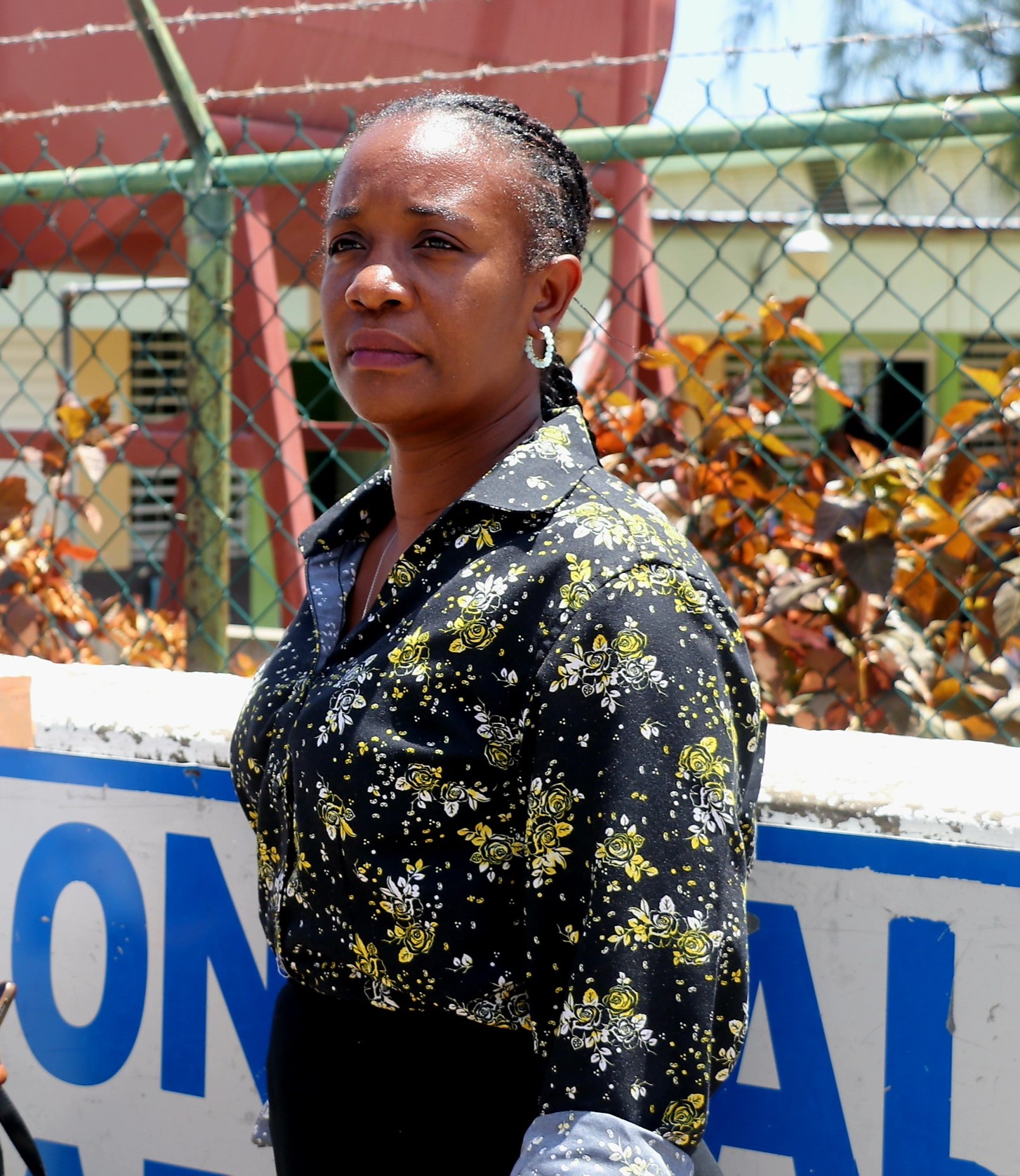
Barbados’ main opposition Democratic Labour Party (DLP) has launched a scathing attack on the government’s proposed Protection of Older Persons Bill, arguing the draft legislation prioritizes criminalization over desperately needed social support for the island’s growing aging population. In an official statement released Thursday, DLP’s spokesperson for health and elder affairs Felicia Dujon outlined the party’s “grave concern” over sweeping law enforcement powers granted under the bill, including provisions that allow police to arrest suspected offenders without a warrant and enter private residential properties to pursue individuals accused of violating the law.
Dujon labeled the proposed legislation draconian, excessive, dangerous, and deeply insulting to low-income Barbadian families grappling with economic strain. “Instead of building stronger support systems for families caring for aging relatives, this government appears determined to police poverty and criminalise desperation,” she said.
Citing official demographic data showing that adults over the age of 65 now make up 16 percent of Barbados’ total population, the DLP emphasized that thousands of families are already providing unpaid elder care with no government assistance, all while navigating sky-high inflation and stagnant wage growth. What the current administration frames as intentional neglect, the party argues, is most often the result of caregiver burnout or a complete lack of accessible resources to support at-home care.
One of the most contentious provisions of the bill is the plan to create a mandatory national registry for people convicted of elder abuse offenses. The DLP has highlighted a striking policy irony in this priority: Barbados has yet to establish a fully operational, comprehensive registry for convicted sex offenders, a gap that puts vulnerable women and children at ongoing risk.
“It is astonishing and deeply troubling that the government is moving with urgency to establish a registry for persons convicted of elder abuse offences while Barbados still does not have a comprehensive and functioning sex offenders registry to monitor individuals convicted of sexual crimes against women and children,” Dujon said.
The opposition stressed that it does not tolerate or excuse elder abuse in any form, but that the Mia Mottley administration’s policy priorities are clearly misplaced. Dujon pointed out that the proposed elder abuse registry would be one of the first fully operational convicted offender registries in the country — created not to track rapists or child molesters, but to target people, most often struggling relatives, accused or convicted under the new elder abuse laws.
The DLP also used its critique of the bill to raise questions about the long-delayed construction of Barbados’ new Geriatric Hospital. As of 2026, Dujon noted, the public has received almost no substantive updates on the project’s progress, and the government has chosen to push punitive legislation forward rather than prioritizing the completion of critical geriatric healthcare infrastructure.
“Barbadians deserve support, compassion, and meaningful solutions, not blame, intimidation, and legislation designed to punish citizens who are already struggling to survive,” Dujon added.
The DLP has laid out a clear set of demands for the government to revise the bill before moving forward with parliamentary consideration. These demands include: withdrawing or making sweeping amendments to the controversial provisions; eliminating the broad authority for warrantless arrests; pausing plans for the proposed elder abuse registry until broad national public consultations can be held; prioritizing the creation of a comprehensive national sex offender registry first; increasing public investment in elder care institutions and formal caregiver support programs; releasing an urgent public update on the status of the new Geriatric Hospital; expanding financial and social assistance for families providing at-home elder care; and holding genuine, inclusive consultations with healthcare workers, family caregivers, senior citizens, legal experts, and civil society organizations before advancing any further legislative action.
-
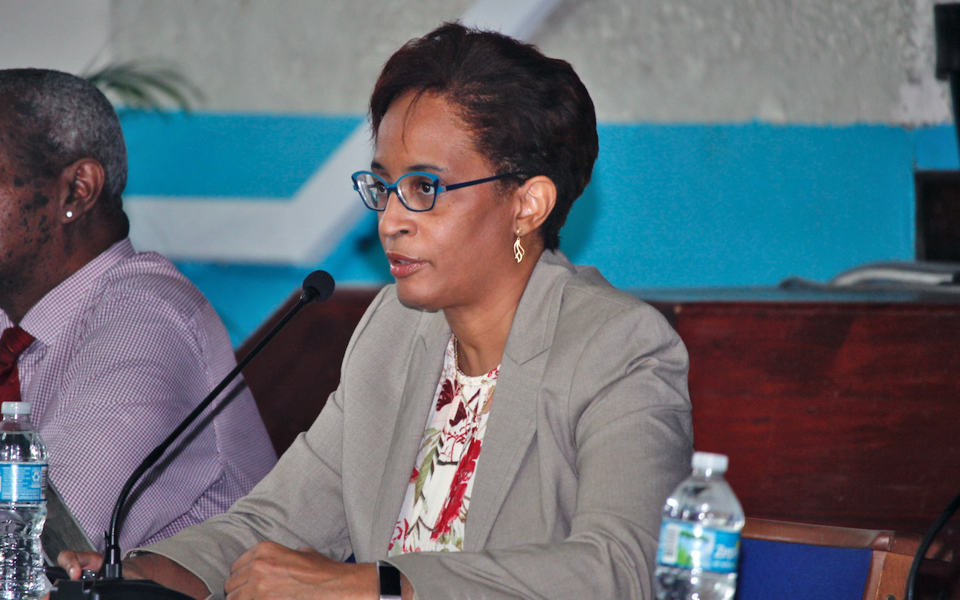
Hantavirus risk remains low amid cruise ship cluster, officials say
A small cluster of hantavirus infections linked to a Central Atlantic cruise ship has triggered monitoring efforts from regional and global health bodies, who are working to ease public panic while reinforcing border surveillance protocols.
Local medical leaders in Barbados, a key Caribbean cruise hub, have moved quickly to reassure residents and visitors that the situation remains contained. Dr. Lynda Williams, president of the Barbados Association of Medical Practitioners, told local outlet Barbados TODAY that there is no current justification for widespread alarm. “We are watching it, we’re observing and we’re listening to the updates,” Williams said, noting that the World Health Organization has not issued elevated warnings at this stage.
Williams explained that while hantavirus is not typically transmissible between humans, the variant identified in the current cluster—the Andes strain—is the only documented subtype capable of limited person-to-person spread. She confirmed the affected cruise vessel has been placed under full quarantine, and the outbreak is currently under control. Hantavirus is extremely rare in Barbados, Williams added, with local cases almost always tied to direct rodent exposure, and she has only treated three to four cases across her entire decades-long career. Far more common bacterial infections like leptospirosis pose a far greater regular public health risk on the island, she noted. “It is nothing to worry about as yet. There’s nothing that has indicated to us that this is being spread in a widespread manner that is even an epidemic, furthermore, pandemic. There’s no need to panic,” Williams said.
The global public health community was first notified of the cluster last Saturday, when the United Kingdom’s International Health Regulations focal point alerted WHO to a group of respiratory illnesses among passengers and crew aboard the Central Atlantic cruise ship. Laboratory testing has already confirmed hantavirus in one critically ill patient. As of Thursday, WHO Director-General Tedros Adhanom Ghebreyesus reported a total of eight identified cases: five confirmed infections and three suspected cases, all linked to the rare Andes strain.
The Caribbean Public Health Agency (CARPHA), the regional body coordinating public health across Caribbean nations, has also joined efforts to calm growing public anxiety, confirming Wednesday that the overall regional risk remains low. “At this time, the risk to the Caribbean region is considered low,” said CARPHA Executive Director Dr. Lisa Indar. She explained that in the Americas, hantaviruses are most often carried by wild field rodents rather than common urban rat populations, a trait that makes sustained community transmission far less likely.
Even with the low current risk, CARPHA is urging member states to maintain active vigilance and strengthen public health surveillance at major ports of entry, given the Caribbean’s outsized role in the global cruise industry. The region accounts for roughly 44% of global cruise traffic, and welcomed an estimated 16.3 million cruise passengers in 2025 alone. Indar noted that CARPHA’s existing Tourism and Health Information System and Caribbean Vessel Surveillance System are already active as key early warning tools to detect and respond to public health threats linked to tourism and maritime travel.
Global WHO officials have further clarified the risks of the current outbreak, drawing a clear line between this hantavirus cluster and the emergence of COVID-19 in 2020 that triggered a global pandemic. “At this stage, the overall public health risk remains low,” Tedros confirmed. “This is not SARS-CoV-2. This is not the start of a COVID pandemic,” added Maria Van Kerkhove, WHO’s acting director for epidemic and pandemic management.
For context, hantaviruses are a family of viruses naturally hosted by rodent populations that can cause severe, life-threatening illness in humans. Most human infections occur after direct contact with infected rodents, or exposure to their urine, droppings, or saliva. In the Americas, including South America where the Andes strain originates, infection causes hantavirus cardiopulmonary syndrome (HCPS), a severe respiratory condition with a case fatality rate as high as 50%. The Andes strain is the only hantavirus subtype with confirmed limited human-to-human transmission, which only occurs after close, prolonged contact between people—most commonly among household members, intimate partners, or healthcare workers treating infected patients. In Europe and Asia, different hantavirus subtypes cause hemorrhagic fever with renal syndrome (HFRS), marked by high fever, kidney damage or failure, and internal bleeding.