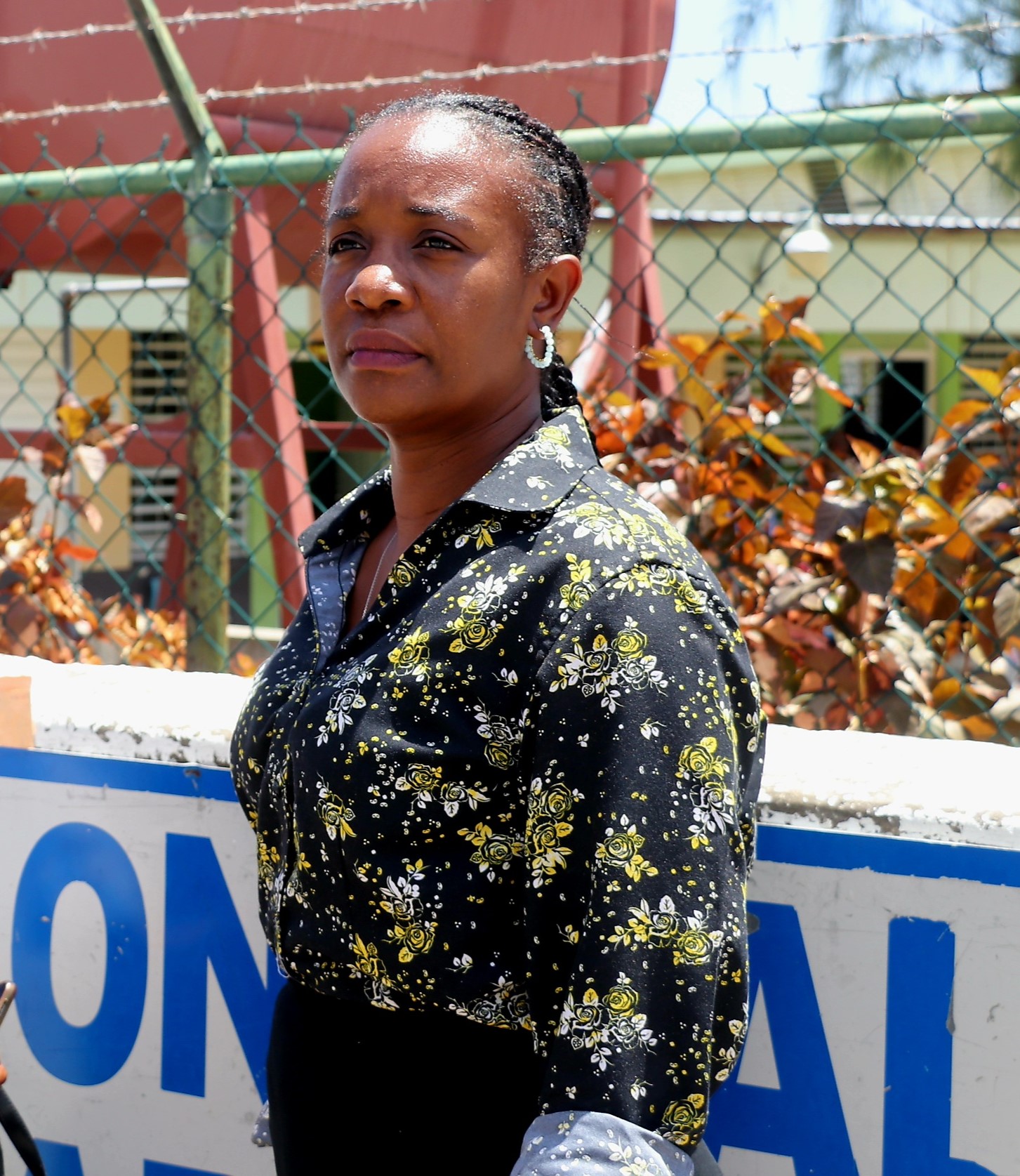
Barbados’ main opposition Democratic Labour Party (DLP) has launched a scathing attack on the government’s proposed Protection of Older Persons Bill, arguing the draft legislation prioritizes criminalization over desperately needed social support for the island’s growing aging population. In an official statement released Thursday, DLP’s spokesperson for health and elder affairs Felicia Dujon outlined the party’s “grave concern” over sweeping law enforcement powers granted under the bill, including provisions that allow police to arrest suspected offenders without a warrant and enter private residential properties to pursue individuals accused of violating the law.
Dujon labeled the proposed legislation draconian, excessive, dangerous, and deeply insulting to low-income Barbadian families grappling with economic strain. “Instead of building stronger support systems for families caring for aging relatives, this government appears determined to police poverty and criminalise desperation,” she said.
Citing official demographic data showing that adults over the age of 65 now make up 16 percent of Barbados’ total population, the DLP emphasized that thousands of families are already providing unpaid elder care with no government assistance, all while navigating sky-high inflation and stagnant wage growth. What the current administration frames as intentional neglect, the party argues, is most often the result of caregiver burnout or a complete lack of accessible resources to support at-home care.
One of the most contentious provisions of the bill is the plan to create a mandatory national registry for people convicted of elder abuse offenses. The DLP has highlighted a striking policy irony in this priority: Barbados has yet to establish a fully operational, comprehensive registry for convicted sex offenders, a gap that puts vulnerable women and children at ongoing risk.
“It is astonishing and deeply troubling that the government is moving with urgency to establish a registry for persons convicted of elder abuse offences while Barbados still does not have a comprehensive and functioning sex offenders registry to monitor individuals convicted of sexual crimes against women and children,” Dujon said.
The opposition stressed that it does not tolerate or excuse elder abuse in any form, but that the Mia Mottley administration’s policy priorities are clearly misplaced. Dujon pointed out that the proposed elder abuse registry would be one of the first fully operational convicted offender registries in the country — created not to track rapists or child molesters, but to target people, most often struggling relatives, accused or convicted under the new elder abuse laws.
The DLP also used its critique of the bill to raise questions about the long-delayed construction of Barbados’ new Geriatric Hospital. As of 2026, Dujon noted, the public has received almost no substantive updates on the project’s progress, and the government has chosen to push punitive legislation forward rather than prioritizing the completion of critical geriatric healthcare infrastructure.
“Barbadians deserve support, compassion, and meaningful solutions, not blame, intimidation, and legislation designed to punish citizens who are already struggling to survive,” Dujon added.
The DLP has laid out a clear set of demands for the government to revise the bill before moving forward with parliamentary consideration. These demands include: withdrawing or making sweeping amendments to the controversial provisions; eliminating the broad authority for warrantless arrests; pausing plans for the proposed elder abuse registry until broad national public consultations can be held; prioritizing the creation of a comprehensive national sex offender registry first; increasing public investment in elder care institutions and formal caregiver support programs; releasing an urgent public update on the status of the new Geriatric Hospital; expanding financial and social assistance for families providing at-home elder care; and holding genuine, inclusive consultations with healthcare workers, family caregivers, senior citizens, legal experts, and civil society organizations before advancing any further legislative action.