标签: Barbados

巴巴多斯

  • Health minister announces expansion in nurse training, specialisations

    Health minister announces expansion in nurse training, specialisations

    On the annual observation of International Nurses Day, the Government of Barbados has delivered a heartfelt public tribute to the nation’s nursing workforce, framing them as the very “heartbeat” of the country’s public health system while making a formal reaffirmation of its long-term commitment to growing and supporting the profession for future generations.

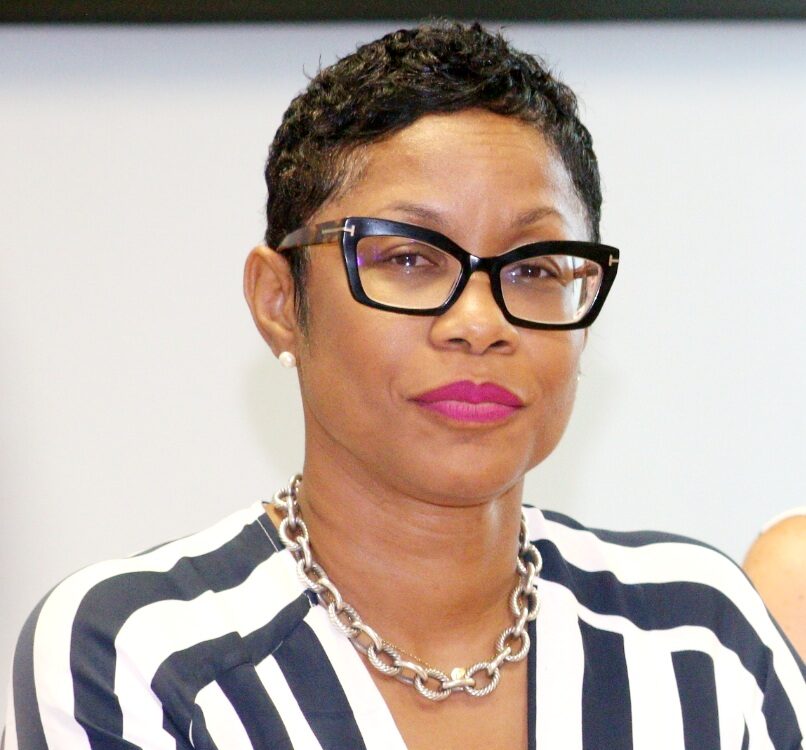
    This year’s global observance carries the theme *Our Nurses. Our Future: Empowered Nurses Save Lives*, a framing that Barbados’ Minister of Health, Senator Lisa Cummins, centered in her official message celebrating the work of nurses across the country. In her remarks, Cummins highlighted four core traits that define the nation’s nurses: extraordinary compassion, remarkable resilience, unwavering professionalism, and consistent dedication to serving communities at their most vulnerable moments.

    Beyond recognizing the clinical skill that nurses bring to patient care, Cummins emphasized the often-overlooked human impact of nursing work, noting that providers bring critical hope and connection to both patients and their families during some of life’s hardest moments. “Your service is not simply a profession; it is a calling rooted in care, sacrifice and deep compassion for others,” she said in her address.

    In the full statement released to the public, Cummins opened by urging all Barbadians to pause and reflect on the outsized impact of the country’s nursing community. “On International Nurses Day, we pause with immense pride and gratitude to honour the extraordinary nurses of Barbados, whose compassion, resilience, and unwavering dedication continue to strengthen our healthcare system and uplift the lives of countless individuals and families across our nation,” the statement reads.

    Aligning with the global theme, the minister stressed that celebration extends far beyond clinical skill, to the comfort and humanity nurses deliver to patients every day. “Nurses are often present during life’s most vulnerable moments, offering healing hands, reassuring words, and steadfast support when it is needed most,” she added.

    Cummins also used the address to extend special recognition to a cohort of nurses who have traveled from Ghana to support Barbados’ healthcare sector at a time of significant strain. She noted that their willingness to collaborate and serve alongside local nursing staff is a powerful example of international solidarity and the shared commitment that unites the global nursing community. “We honour you for your service and your commitment to improving the health and wellbeing of our people,” she said of the Ghanaian nursing team.

    As Barbados confronts a growing array of complex public health challenges—including rising rates of non-communicable diseases, growing demand for mental health services, the re-emergence of treatable communicable diseases, and shifting care needs driven by an aging national population—nurses remain the core of the country’s public health response, Cummins confirmed. The government, she added, has fully acknowledged the irreplaceable role nurses play, and has committed to investing in and supporting the profession at every career stage.

    To deliver on that commitment, the government will continue rolling out a comprehensive workforce development policy designed to expand the number of trained nursing professionals across the country, with a specific focus on growing the ranks of nurse practitioners, a fast-expanding specialty that fills critical gaps in care access. “We firmly believe that empowering nurses through advanced education, specialist training, and leadership opportunities is essential to building a stronger, more responsive healthcare system,” the statement explains.

    This year marks a notable milestone for nursing training in Barbados, with the launch of all-new specialized nursing education tracks focused on two high-need areas: forensic mental health and developmental disorders. These new programs, Cummins noted, are a tangible demonstration of the government’s commitment to adapting national healthcare to meet the evolving and diverse needs of Barbadian communities, while also creating new pathways for upward professional growth for current and aspiring nurses.

    Additionally, the government is actively building new international partnerships to expand and strengthen nursing education programming at the Barbados Community College. Through these partnerships, experienced nursing educators from around the world will be brought in to support and enhance local training programs.

    These coordinated efforts do more than address immediate local healthcare needs, Cummins argued: they position Barbados to become a regional center of excellence for nursing education and professional training across the Caribbean. Beyond improving regional healthcare capacity, the expanded programs will create new, meaningful career pathways for young Barbadians, with internationally recognized qualifications that open doors for professional mobility and advancement across the entire region.

    Nurses and midwives, the minister emphasized, remain at the center of the government’s vision for universal health coverage that guarantees equitable access to high-quality care for all Barbadians. True nurse empowerment, she argued, cannot be limited to a single day of annual observance. Instead, it must be embedded in every level of government action, investment, and policy. That means ensuring nurses receive the respect, fair compensation, workplace protections, and advancement opportunities they need to thrive both personally and professionally.

    “The Government of Barbados stands firmly beside our nurses and remains committed to strengthening nursing as a pillar of care, dignity, resilience, and national development,” the statement concludes. “Barbados takes immense pride in its nurses, whose service exemplifies courage, professionalism, leadership, and an enduring legacy of care. On this International Nurses Day, we celebrate you, we honour you, and we reaffirm our commitment to walking this journey with you as partners in building a healthier and more compassionate future for all Barbadians. Happy International Nurses Day.”
  • Paper or digital? Students on CXC exam shift

    Paper or digital? Students on CXC exam shift

    The 2024 May-June examination season has kicked off across the Caribbean, marking a key milestone in the Caribbean Examinations Council (CXC)’s gradual shift from traditional paper-and-pen assessments to fully digital testing. But as regional secondary schools rolled out the first wave of digital exams for this term, student opinion remains sharply divided on the transition, with conflicting views on convenience, reliability, and long-term implications for testing integrity and learning culture.

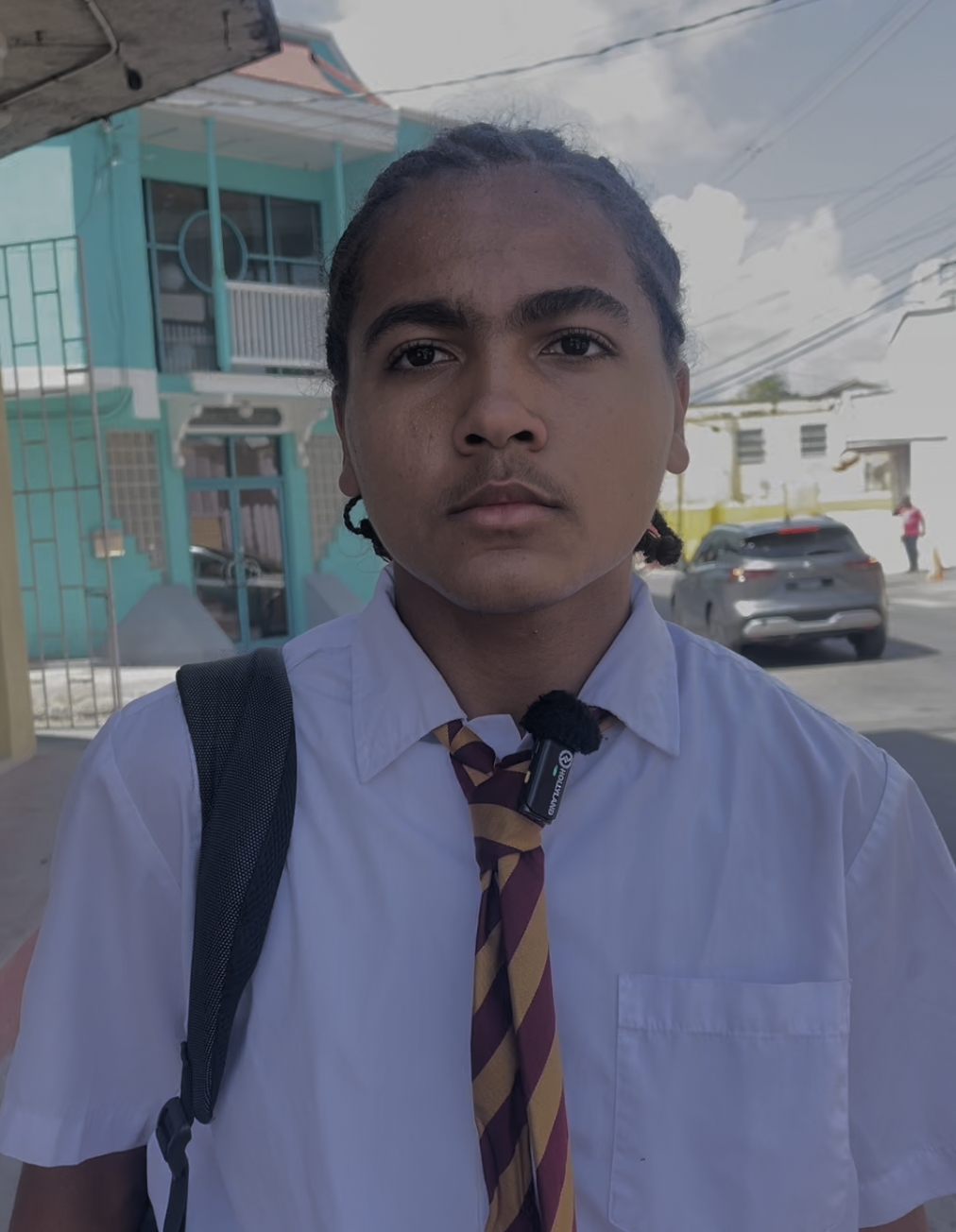
    For some learners, the shift to digital formats brings clear practical benefits that address longstanding flaws of traditional paper-based testing. Tai Gill, a Lower Sixth student at Barbados’ elite Harrison College, noted that digital assessments are far more streamlined for objective, multiple-choice question sections. Unlike paper answer sheets that can be blown away by open classroom drafts or smudged during bubbling, digital interfaces let students select and adjust answers with a single click, eliminating unnecessary disruptions.

    Gill also highlighted major improvements for audio-dependent subjects like Communication Studies. In traditional paper-based listening exams, students seated far from the classroom speaker or teacher’s audio setup often struggle to hear playback clearly, creating unfair disparities between students based on their seating position. With digital testing, every student gets their own personal headphones connected to a dedicated testing device, ensuring consistent audio quality for all participants. “It removes the unfairness of trying to listen to a teacher from afar,” Gill explained.

    Even with these benefits, Gill and many other students still favor paper for extended written response sections and science-based exams. They argue that traditional answer sheets remain far more reliable for longer form work, especially when examinees need extra space for working through equations, drafting essay outlines, or organizing multiple reference materials such as data booklets during testing. “Instead of having limited desk space when you have a laptop, your answer sheet, your data booklet all at once, paper gives you more room to work,” Gill said. He added that many students also find writing on paper more comfortable, resulting in neater handwriting and a more natural testing experience that reduces unnecessary stress.

    Other students are fully committed to retaining traditional paper exams, citing a mix of cultural, practical, and ethical concerns. Na’Zyia Clarke, a student at Christ Church Foundation School, argued that preserving paper assessments is a way to maintain longstanding educational traditions amid a wave of rapid digital transformation. “Everything is going digital and online. I think we need to keep it old time-ish. We should stick to paper,” Clarke said.

    Her biggest worries around digital testing center on testing integrity and the growing role of artificial intelligence in academic work. Clarke pointed out that connected digital devices open new opportunities for students to cheat, while the broader shift to AI-integrated digital testing risks eroding core human skills that traditional assessments are designed to measure. “And just like you losing humanity in general and AI taking over,” she noted.

    For other students like Sarah Francis of Springer Memorial Secondary School, the main concern is technical reliability. Francis said she leans toward paper exams primarily because of widespread reports of technical glitches during earlier digital testing trials, noting that an unexpected computer crash or internet outage could derail a student’s months of preparation. Even so, she added that she could adapt to either format if required.

    The debate comes as the CXC moves forward with plans to transition all secondary school assessments to fully digital formats within the next three to five years. The regional examination body launched its first large-scale trial of digital and hybrid assessments in January 2024, with more than 10,000 students across the Caribbean participating in the pilot. While the CXC later described the pilot rollout as broadly successful, parents and education advocacy groups across the region have already raised a host of ongoing concerns, including inconsistent internet connectivity at testing centers, delayed exam starts, and insufficient access to dedicated devices for students at under-resourced schools.

  • Bajan scientist discovers new microbes to transform waste into medicine, industry

    Bajan scientist discovers new microbes to transform waste into medicine, industry

    For years, massive accumulations of decomposing sargassum have been treated as a stubborn blight on Barbados’ coastlines, smothering beaches, deterring tourists and creating costly cleanup headaches for local authorities. But a decade-long, self-funded research project by a University of the West Indies Cave Hill scientist has upended that narrative, uncovering a hidden biological treasure that could launch a homegrown Caribbean biotechnology industry.

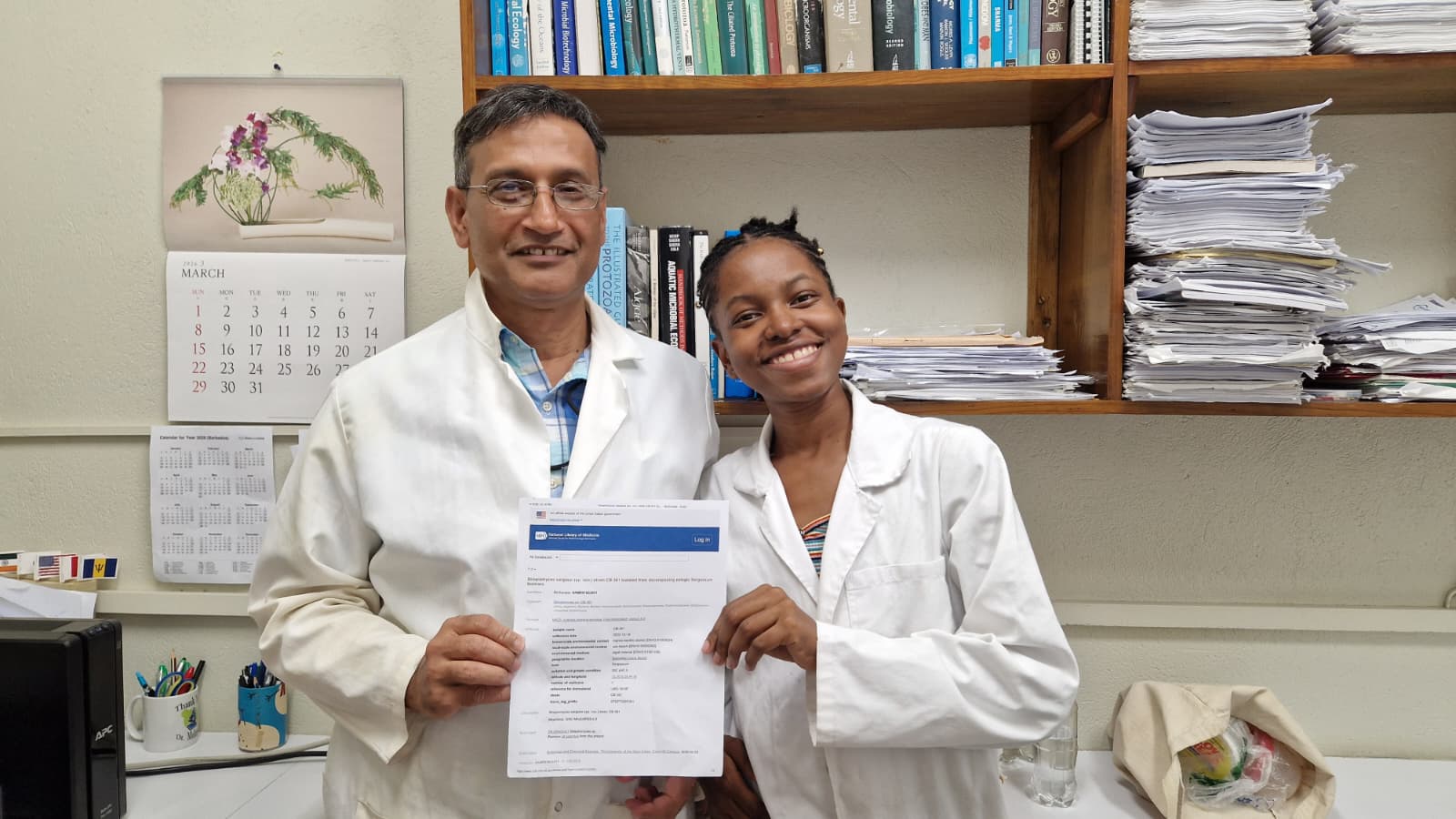
    Dr. Bidyut Mohapatra, the lead researcher behind the work, has officially identified and validated three previously unknown species of microorganisms living within decomposing sargassum collected off Barbadian shores. In a generous gesture that prioritizes national recognition over personal acclaim, Mohapatra chose to name the new species after Barbados, marking the first time any microorganism has carried the island nation’s name. “I could have taken my name, but I prefer to give credit to the country first. That is the important one… we have to give credit to the country,” he explained in an interview.

    The groundbreaking findings have already received formal validation from leading global scientific institutions, including the United States’ National Centre for Biotechnology Information (NCBI) and specialized culture collections based in Belgium and Germany, confirming the discovery’s scientific legitimacy. This marks a historic milestone for Barbados’ scientific community, being the first discovery of its kind for the island nation.

    Among the three new species, Streptomyces sargassi stands out as the most promising, with far-reaching applications spanning medicine, environmental remediation and sustainable energy. Mohapatra describes the microbe as a natural “cell factory” capable of producing more than 20 entirely new antibiotic compounds, a development that could offer a critical new line of defense against growing global antibiotic resistance. Unlike many specialized microbes, it simultaneously produces both therapeutic antibiotics and valuable industrial enzymes, doubling its practical utility.

    Beyond healthcare, the newly discovered bacterium offers solutions to two of the modern era’s most pressing environmental challenges: plastic pollution and renewable energy production. The microbe naturally consumes plastic waste, opening new avenues for low-cost, eco-friendly plastic degradation. It also enables fully sustainable breakdown of excess sargassum, converting the invasive algal mass into usable biofuel and agricultural inputs, turning a costly environmental problem into a valuable resource.

    Addressing widespread public concern about the safety of working with newly discovered microbes, Mohapatra emphasized that all three species are naturally occurring, non-pathogenic members of Barbados’ existing soil and coastal ecosystem. “It is not a pathogen. It doesn’t produce toxins or anything like that,” he said. “It is a part of the soil ecosystem. Since the bacteria were isolated from sargassum already on Barbadian shores, they are already a safe, integrated part of the environment.”

    The global scientific community has quickly recognized the significance of the discovery. The American Society for Microbiology has selected Mohapatra as one of only six international fellows invited to present his findings at an upcoming conference in Washington D.C. next month, a rare honor that underscores the research’s global impact. The work also answers a direct call to action from 2022 Nobel Prize-winning chemist Professor Morten Meldal, who recently urged Caribbean scientists to pursue sargassum-focused scientific innovation to turn regional ecological challenges into economic opportunities.

    Despite receiving widespread outreach from international industrial entities looking to acquire the rights to the discovery, Mohapatra, who funded the entire 10-year research project using his own personal “pocket money,” remains firmly committed to advancing Barbados’ national development. “Many industries are approaching me to go but my main goal is to do something for Barbados. Not to give it to some other countries and they can go ahead and do that,” he said. Working alongside a team of young local scientists including Rachel Sobers and close colleagues, his core goal is to keep the economic benefits of the breakthrough within the Caribbean region.

    While Barbados currently faces infrastructure barriers, with “very limited facilities” for large-scale biotech manufacturing, Mohapatra has set an ambitious commercialization timeline, aiming to launch the first commercial applications as early as this August. His long-term vision is to transform Barbados into a leading global research hub for microbial genomics and sargassum-based biotechnological innovation.

  • Greaves eyes improvement after strong showing at Cycling Championships

    Greaves eyes improvement after strong showing at Cycling Championships

    Fresh off a standout showing at the Junior Pan American Track Cycling Championships in Mexico, 18-year-old Barbadian cyclist Arielle Greaves returned home this week with new personal bests, renewed motivation, and a clear roadmap for her next chapter in elite junior competition.

    Greaves landed at Grantley Adams International Airport on Monday to cheers from her elated family, just days after notching two new updates to her own Barbadian national records and securing a fifth-place finish in the event’s hotly contested keirin final. During the early rounds of the continental meet, she shattered her previous benchmarks in both the 1km time trial and the flying 200m sprint, improvements she attributes to small but critical adjustments to her race setup.

    In an interview with reporters shortly after clearing arrivals, the rising cycling star framed the Mexico competition as both a familiar and transformative experience. Having competed at the senior Pan American Games last year, Greaves said the junior championship still delivered unexpected lessons about her racing style and equipment. “For my kilo race, I learned that a lighter gear works best for me — that adjustment alone made it possible to beat the record I set last year,” she explained. Between the results and the new insights, both Greaves and her coach Elisha Greene are thrilled with the outcome. “He’s very proud of the progress I’ve made: cutting my flying 200m time from 11.8 to 11.3 seconds is a huge jump, and breaking the kilo record too means a lot,” she said.

    Now, the teen rider is already ramping up training for her next slate of international events, with the Central American and Caribbean (CAC) Games, the UCI Junior Track Cycling World Championships, and a handful of America Cup meets on the horizon. But Greaves’ path to success has not come without hurdles: Barbados currently lacks a dedicated velodrome, forcing her to base her full-time training in Trinidad, hundreds of kilometers from her home support network. “It’s definitely challenging being away from my family and core team, but I know I have to put in the work there to get better,” she said. “It just means I have to dig deeper every day.”

    Greaves also added that the dominant performance by Colombian cyclists at the Pan American championship gave her new inspiration to refine her technique. “The Colombian team swept so many events, they’re really the standard I look up to,” she said. “I’ve been studying their racing strategies to see what adjustments I can make to my own style to improve.”

    Team manager Deidre Hinkson, who accompanied Greaves on the Mexico trip, shared that the entire program is celebrating the teen’s results while working to shore up long-term support for her career. “Everyone is on such a high after how she performed, but now we need to map out the next steps for her,” Hinkson explained, echoing the challenge of Greaves’ training arrangement in Trinidad. “Our goal is to keep her race-fit and competing at the highest level so she can keep improving on these results.”

    Hinkson also revealed that right now, all of Greaves’ overseas training costs are covered out of pocket by her parents. To help the young rider reach her full potential, the team is now launching a search for additional funding sources to ease that financial burden and keep Greaves on track toward her competitive goals.

  • Work at height rules to be fast-tracked amid safety concerns

    Work at height rules to be fast-tracked amid safety concerns

    Barbados is advancing sweeping new worker protection reforms that will strengthen height safety regulations and modernize wage payment rules, Labour Minister Colin Jordan announced in a press briefing on Monday. Citing a disturbing uptick in fatal and severe fall injuries across the island nation’s construction and maintenance sectors, Jordan confirmed the updated Work at Height regulations will take effect by September this year, closing critical gaps in existing broad occupational safety frameworks.

    Current occupational health rules are outlined in the overarching Safety and Health at Work (SHAW) Act, but the legislation lacks specific, enforceable standards for high-risk work at elevation. The new regulations will codify clear, mandatory requirements, including compulsory use of safety harnesses, fall restraints, and permanent guard rails for elevated work sites. These granular rules will establish clear accountability for both employers and workers operating in high-risk environments, Jordan explained.

    The minister emphasized that even a single workplace fatality is unacceptable, noting that multiple preventable fall deaths and serious injuries have already occurred in recent years. “I’ve passed construction and maintenance sites across the island and seen workers operating in reckless, dangerous conditions at height,” Jordan said. “Our approach to worker safety is twofold: we address existing hazards, but we also act proactively to stop preventable tragedies before they happen.”

    With Barbados currently in the middle of a major construction boom, driven by infrastructure and tourism development projects, Jordan stressed that the timing of the new rules could not be more urgent. He rejected calls to delay implementation following a period without major fatal incidents, saying the government cannot afford to ease up on safety enforcement. In a stark, emotional appeal, Jordan highlighted the human cost of cutting corners on workplace safety: “When a worker leaves home in the morning, they and their family have every right to expect they will return safely at the end of the day. No family should be forced to cover funeral costs out of pocket, or fight for years to secure disability benefits after a preventable tragedy.”

    While the new Work at Height regulations will include stiff financial and legal penalties for non-compliance, Jordan stressed that the government’s ultimate goal is a fundamental shift in workplace culture across all sectors. “We don’t just want employers to follow the rules to avoid fines or jail time,” he said. “We want a culture where worker safety is a core value, rooted in respect for every worker and the families that depend on them.”

    Alongside the new height safety rules, Jordan announced the government is finalizing a long-awaited Protection of Wages Bill, designed to modernize wage compensation frameworks and crack down on unethical practices by bad-faith employers. The push for reform accelerated after a high-profile incident that brought public attention to the need for stronger rules: a petrol station worker who was forced to accept her entire final severance payment exclusively in loose coins, a deliberate and demeaning choice by management.

    “That incident slowed our drafting process a little because it underscored just how urgent this reform is,” Jordan said. “There are too many cases of unscrupulous middle managers making cruel, unethical decisions that hurt vulnerable workers. We need more business owners and senior leaders to engage with the Barbados Employers Confederation (BEC) to root out this harmful behavior across industries.”

    Jordan confirmed that neither reform will be rushed into law without full stakeholder consultation. Draft versions of both the Work at Height regulations and the Protection of Wages Bill will be shared with the BEC and national labor organizations for input and feedback before finalization. “This government is built on a foundation of social dialogue,” he said. “We are committed to crafting rules that work for both responsible employers and working people across Barbados.”

    Final drafts of the Protection of Wages Bill, which represents a comprehensive overhaul of the legal framework governing both the physical and financial security of Barbados’s workforce, will be shared with the island’s Social Partnership in the coming weeks, Jordan added.

  • BEC to Govt: Give us enough notice for wage hikes, legal changes

    BEC to Govt: Give us enough notice for wage hikes, legal changes

    On Monday, the Barbados Employers’ Confederation (BEC) raised formal concerns that the accelerated rollout of recent policy changes including minimum wage hikes and new paternity leave requirements is placing unmanageable logistical and financial pressure on local businesses, calling for more deliberate, forward-planning for future labour market reforms.

    BEC Executive Director Sheena Mayers-Granville clarified in an interview with Barbados TODAY that the nation’s employer association does not oppose expanding worker protections and benefits in principle. Instead, the core grievance centers on the abrupt timeline for implementing changes, which has left private sector operators scrambling to adjust. The most pressing issue cited is the rapid series of minimum wage increases, which were rolled out twice in 12 months – first last year, and a second upward adjustment this past January.

    “One of the things we have consistently advocated for is adequate notice for changes in legislation, changes in wage policy, because employers need time to adjust and adapt,” Mayers-Granville explained. Beyond the direct upward pressure on labour costs that comes with mandatory wage increases, abrupt policy shifts create unexpected technical challenges for many operations, she added. A large number of businesses rely on automated payroll and human resources systems that require time-consuming updates to reflect new wage structures, adjusted social security contribution rates or modified tax obligations. Rushed timelines leave no room for these critical system adjustments, creating additional operational friction for small and medium-sized enterprises in particular.

    Mayers-Granville also emphasized that sustainable wage growth cannot be disconnected from broader productivity trends across the Barbadian economy. While she acknowledged that rising cost of living justifies consideration of wage adjustments, she argued that policy makers must take a holistic, 360-degree view of the labour market. “Workers need to earn wages, but we also need businesses to grow to be able to sustain wage growth,” she said, framing long-term private sector expansion as a prerequisite for consistent improvement in worker compensation.

    Turning to the newly enacted paternity leave legislation, Mayers-Granville noted that the BEC was an active contributing member of the advisory committee that recommended introducing the new benefit. However, the association’s support was always conditional on a full assessment of the policy’s impact on the National Insurance and Social Security Service (NISSS), the public body that will now cover paternity leave costs. “Our major concern lay in NIS’s ability to manage that,” she stated. “Our major recommendation was that we should have an actuarial study on the impact before the implementation.”

    While Mayers-Granville confirmed that the requested actuarial assessment was ultimately completed, she pointed out that the 2023 rollout of the paternity leave law still did not include enough lead time for the BEC to educate member businesses on new compliance requirements and for employers to adjust their internal policies. Despite this gap in planning, the association has launched a targeted outreach and education campaign to help members align their operations with the new rules.

    On a positive note, Mayers-Granville acknowledged that the new paternity leave framework brings tangible benefits to many Barbadian employers. Before the legislation was passed, a large group of proactive businesses already offered paternity leave as a voluntary employee benefit, covering 100 percent of the cost out of internal budgets. Now that the benefit is administered and funded through the NISSS, these businesses see a direct reduction in their labour costs, a change that Mayers-Granville described as a clear plus.

    Even with this upside, the BEC continues to prioritize long-term stability of the national social security system, as the scheme takes on new social protection responsibilities alongside the country’s evolving social needs. “The ultimate goal remains ensuring the social security scheme is positioned [so] that it can manage the social protection items that we would want as our society develops,” Mayers-Granville said. The BEC will revisit the topic of labour reform this Wednesday, with a focused discussion on the critical connection between wage levels and productivity growth in the Barbadian economy.

  • CARPHA seeks to calm fears over cruise ship hantavirus outbreak

    CARPHA seeks to calm fears over cruise ship hantavirus outbreak

    As global attention and widespread online misinformation fuel growing public anxiety over a hantavirus outbreak tied to a European cruise ship, Caribbean public health leaders have moved quickly to reassure communities, emphasizing that the overall health risk to the region remains minimal despite the three confirmed deaths linked to the incident.

    During a formal media briefing on the Andes hantavirus strain at the center of the outbreak, Dr. Lisa Indar, Executive Director of the Caribbean Public Health Agency (CARPHA), outlined that coordinated regional and international health bodies are maintaining continuous, close monitoring of the evolving situation. The outbreak traces back to the Dutch-flagged cruise vessel MV Hondius, which departed Argentina on April 1 carrying roughly 150 passengers and crew members hailing from at least 28 nations, including the Philippines, the United States, the United Kingdom, and the Netherlands. The first official alert of a cluster of unexplained respiratory illnesses was submitted on May 2 by the United Kingdom’s International Health Regulations focal point, prompting the World Health Organization (WHO) and Dutch public health authorities to immediately implement strict, targeted infection control and monitoring protocols.

    As of the morning of May 11, WHO has documented a total of eight cases, combining both confirmed and suspected infections, with three fatalities recorded. A number of passengers and crew have already disembarked or been medically evacuated across multiple different jurisdictions, triggering large-scale international contact tracing operations to identify and monitor any potential exposed individuals.

    Indar took the briefing to clarify key facts about hantaviruses to counter misinformation spreading across social media. Most hantavirus strains are transmitted exclusively to humans through contact with infected rodents or their bodily excretions, including droppings, urine, and saliva. However, the Andes strain involved in this outbreak is a unique exception: it is the only documented hantavirus strain capable of limited person-to-person spread, a detail that has been distorted in many unvetted online posts.

    One prominent false rumor circulating across regional social platforms claimed that a passenger from the Federation of Saint Kitts and Nevis had contracted the virus during the voyage. Indar directly refuted this claim, confirming that the nation’s Chief Medical Officer had already issued an official statement confirming no suspected or confirmed cases of hantavirus linked to the outbreak have been identified in the country. “There has been a lot of misinformation that has been going out,” Indar told reporters, urging the public to prioritize verified, scientific information over unsubstantiated speculation. She emphasized that “based on the scientific evidence, the risk remains low” for the Caribbean, adding that CARPHA remains extremely diligent in its monitoring and would be the first to alert the regional public if the situation changes unexpectedly.

    Dr. Horace Cox, CARPHA’s Director of Surveillance, Disease Prevention and Control, echoed Indar’s message, calling for measured vigilance rather than widespread panic. “Our message to the public is that even though the risk at this moment based on evidence available to us is low, we do encourage that they implement the public health measures and actions that we have included in our media releases,” Cox said. He noted that basic practices including consistent rodent control and routine hand hygiene are critical preventive measures not only for hantavirus, but also for other common rodent-borne illnesses such as leptospirosis. Amid what he described as a “deluge of information” online, Cox encouraged the public to seek updates exclusively from trusted sources, including CARPHA’s official website and established regional public health institutions.

    Globally, hantaviruses are a family of viruses primarily hosted by wild rodents. Human infection most often occurs when individuals inhale aerosolized particles contaminated with rodent excretions, which can lead to hantavirus pulmonary syndrome, a severe respiratory condition that can be fatal in some cases. While the Andes strain’s limited ability to spread between people makes this cruise-linked outbreak unusual, global health bodies have repeatedly reaffirmed that the overall international public health risk remains low at this time.

  • BEC at 70 inks ‘Barbados Declaration’

    BEC at 70 inks ‘Barbados Declaration’

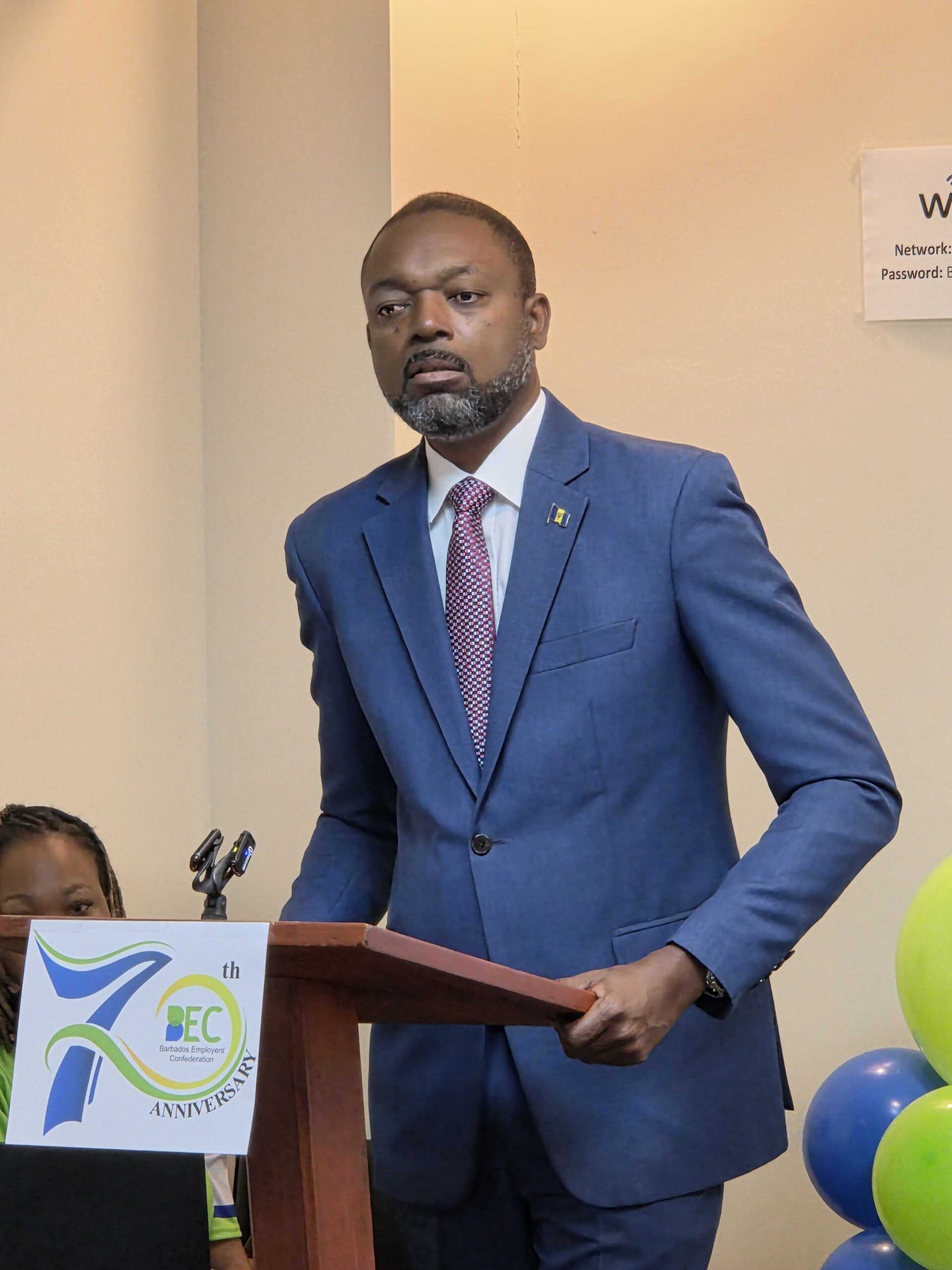
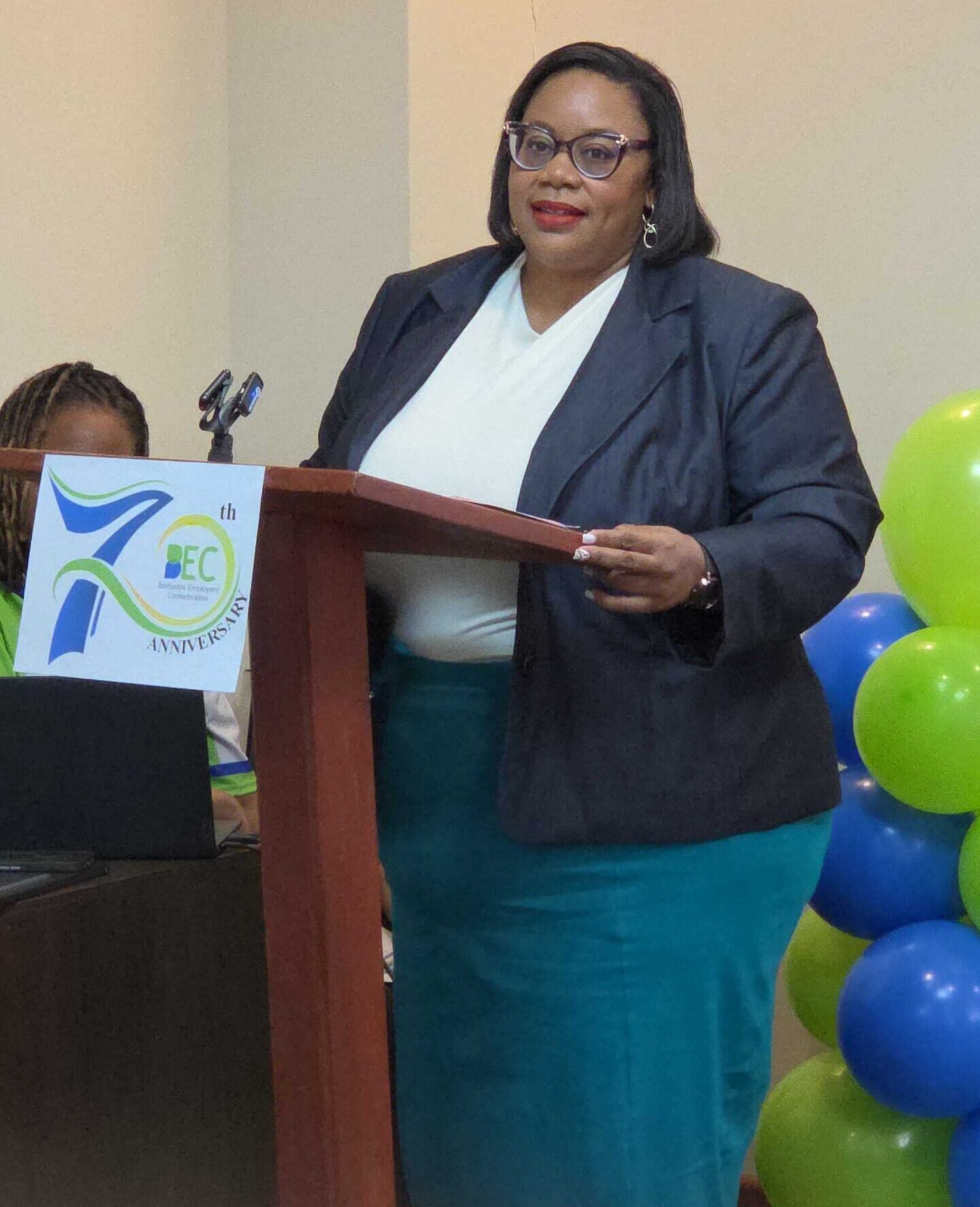
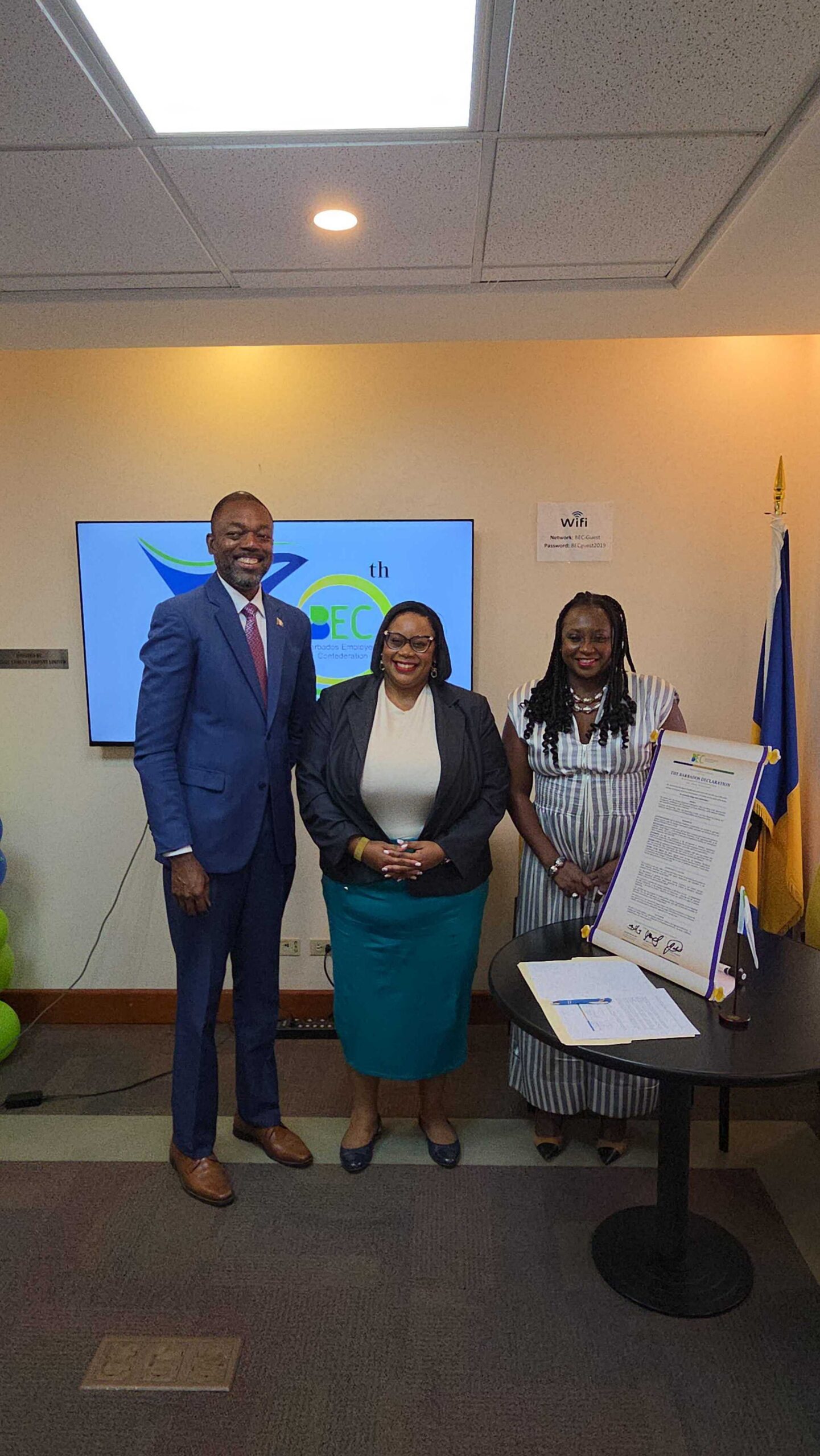
    BRIDGETOWN, Barbados – On a landmark Monday gathering marking seven decades of operation, the Barbados Employers’ Confederation (BEC), a cornerstone of the island nation’s industrial relations framework, cemented its forward-looking vision with the signing of the game-changing Barbados Declaration. This formal, multi-stakeholder pledge commits the organisation to advancing collaborative social dialogue and resilient, sustainable economic growth amid the accelerating disruptions of global technological transformation.

    Founded in 1956, the BEC has grown from an emerging collective of forward-thinking business leaders into one of the three core pillars of Barbados’ renowned Social Partnership model. Monday’s platinum anniversary event brought together key stakeholders including Barbados’ Minister of Labour Colin Jordan, senior trade union leaders, and top private sector executives, blending a retrospective look at the organisation’s 70-year legacy of shaping industrial relations with the launch of a clear roadmap for the next chapter of Barbados’ economic development.

    At the heart of the anniversary celebrations was the official signing of the Barbados Declaration, a document that outlines five binding core commitments spanning employer advocacy, the evolving future of work, and the strengthening of collaborative ties between businesses and their workforces. BEC Executive Director Sheena Mayers-Granville emphasized that the declaration is far more than a symbolic ceremonial gesture, framing it instead as a concrete “statement of intent” to guide the organisation’s work in the decades ahead.

    Reflecting on the BEC’s origins, Mayers-Granville recalled that the organisation’s founding visionaries recognised 70 years ago that without a seat at the decision-making table, critical policies shaping Barbados’ economy would be crafted without input from the business community. “Seventy years later, we are still at the table,” Mayers-Granville affirmed. “Dialogue is not a weakness. Sitting across the table from a trade union or a minister of government and seeking a shared solution is not a concession—it is the only pathway to sustainable outcomes.”

    Addressing the long-standing tensions that often characterise labour-capital relations, Mayers-Granville offered a unifying perspective: “The interests of workers and the interests of employers are not opposites; they never were. A business that cannot grow cannot create jobs, and a workforce that is not supported cannot sustain growth. These truths are not competing; they are the same truth seen from different angles.”

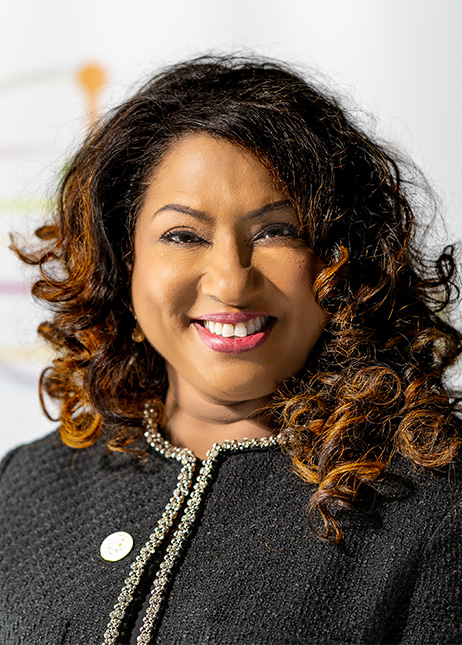
    BEC President Gail-Ann King framed the 70-year milestone not as a simple celebration of longevity, but as a moment to reaffirm the organisation’s central role in upholding national economic and social stability. “Today is not simply a celebration of longevity. It is a moment of reflection, recommitment, and renewal,” King said. “For 70 years, the BEC has advocated for enterprise development, sound industrial relations, and productive dialogue in the national interest. We are particularly proud of our contribution to the social partnership model, which remains one of the defining features of Barbadian democracy.”

    Against a backdrop of global shifts toward digital transformation and the transition to climate-resilient economies, King noted that the BEC’s leadership has never been more critical. “The next decade will require adaptability, innovation, and collaboration,” she added. “Employers must continue investing in people while embracing digital transformation and strengthening productivity.”

    Minister of Labour Colin Jordan extended official congratulations to the BEC on its platinum anniversary, specifically praising the organisation for bringing much-needed structure and stability to Barbados’ industrial relations ecosystem. Looking back at the labour unrest of 1926 and 1937 that predated the BEC’s founding, Jordan observed that the organisation’s formation catalysed a fundamental shift away from unilateral employer decision-making toward intentional, inclusive engagement with all stakeholders.

    Jordan also used the high-profile platform to issue a public call for more Barbadian businesses to join the confederation, noting a clear gap in how BEC member organisations and non-members approach labour dispute resolution. “In my ministry, we recognise a difference between BEC members – those who allow the BEC to be their advocate – and some others,” Jordan said. “We see a difference in the approach to dealing with people. We need organisations like the BEC to bring some order, stability, and confidence.”

    As the BEC enters its eighth decade of operation, the Barbados Declaration has been positioned as the official benchmark against which the organisation expects its performance to be measured. Facing growing systemic challenges ranging from the integration of artificial intelligence into the workforce to shifting national demographic trends, the BEC has made clear it will remain an active, solution-focused participant in national policymaking rather than a passive observer.

    As Mayers-Granville put it: “70 years is a long time, but it’s not a reason to slow down. The BEC intends to be here for more than 70 years in the future.”

    The five core commitments laid out in the Barbados Declaration are: Advocacy to foster an environment where businesses can thrive rather than just survive; active leadership in shaping AI integration, digitalisation, and workforce skills frameworks for the future of work; protection and preservation of Barbados’ homegrown model of mutual respect and collective negotiation in industrial relations; contribution to national sustainability and universal decent work goals; and ongoing commitment to collaborative social dialogue across all sectors.

  • Barbados, T&T eye stronger cultural ties in education

    Barbados, T&T eye stronger cultural ties in education

    A groundbreaking cross-border partnership between Barbados and Trinidad and Tobago centered on creative arts is emerging as a potential game-changer for reimagining education systems across the Caribbean, with top government officials and a celebrated soca icon aligning on a vision to weave regional identity, cultural heritage, and career-ready creative skills into early childhood and secondary education.

    The landmark conversation took place this Monday, when Minister of Education Transformation Chad Blackman welcomed award-winning Trinidadian soca performer Nailah Blackman — an artist with deep ancestral roots in Barbados — for a formal courtesy call at the minister’s Bridgetown office. For those unfamiliar with the star’s legacy, Nailah Blackman carries unmatched cultural pedigree in the Caribbean music space: she is the granddaughter of Ras Shorty I, the legendary innovator who pioneered the soca music genre, and the daughter of respected Trinidadian calypsonian Abbi Blackman, earning her the widespread title of “soca royalty” across the region. As of press time, no familial connection between Minister Blackman and the performer has been confirmed.

    During the discussion, Minister Blackman framed the collaboration as a natural extension of Barbados’ ongoing national education transformation agenda, arguing that the current reform push creates a unique opening to center Caribbean identity and cultural knowledge rather than sidelining it. “Your vision for advancing the arts, not just here in Trinidad but across Barbados, the entire Caribbean, and the global stage, lines up with so many of the goals we’re working toward — there are incredible synergies we can leverage,” he told the performer. The minister went on to emphasize that as Barbados overhauls its education framework, a core priority is decolonizing curricula by placing Caribbean narratives, culture, and perspectives at the heart of what students learn.

    Nailah Blackman echoed this commitment, stressing that foundational change to education must start in the earliest years of childhood to undo the lingering harm of colonial educational frameworks. “We really have to break free of the colonial mindset, because it’s something that has divided us and held our region back,” she explained. She added that grounding young people in local and regional arts and culture from their first years in school is the first step to building healthy, empowered regional identities: “That’s where change starts — molding young minds the right way, authentically, starting with deep roots in our own arts and culture.”

    Minister Blackman also outlined concrete policy plans to expand creative arts access across Barbadian primary and secondary schools, including the development of on-campus music production studios equipped for student use. “We’ve already made a formal commitment that a significant number of our schools will roll out dedicated creative arts curricula, but what makes this new is that we’re building actual studios where students can create their own music, produce original beats, and develop soundtracks from scratch,” he said. The end goal, he explained, is to arm students with marketable, practical creative skills before they graduate, preparing them to build successful careers in music and the broader creative economy across the Caribbean and around the world. “This is an incredibly exciting moment for education in our region,” he added.

  • When good intentions do harm: Why we must donate responsibly

    When good intentions do harm: Why we must donate responsibly

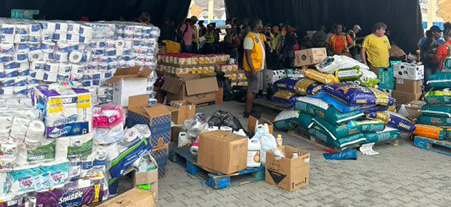
    For the Caribbean region, a frequent hotspot of climate-driven extreme weather, international generosity has long been a lifeline after catastrophic disasters. But well-meaning donations that arrive without coordination or alignment with local needs often turn into a secondary humanitarian crisis, crippling response efforts at a time when speed can mean the difference between life and death. In the aftermath of major disasters, unsolicited, unvetted donations routinely overwhelm already strained regional ports and storage facilities. Common problematic donations include heavy winter coats sent to tropical climates, expired food products, unsorted mixed boxes of goods that require hundreds of hours of labor to organize, and flimsy tarpaulins that cannot withstand heavy tropical rainstorms. Instead of supporting vulnerable communities, these inappropriate donations waste critical resources and divert emergency personnel away from addressing the most urgent life-saving needs.

    Data and operational experience from the Caribbean Disaster Management Agency (CDEMA) and its member states confirm that without clear, enforced donation management policies, massive volumes of unusable or ill-suited goods consume limited time, emergency personnel, and funding. This places enormous unnecessary strain on national logistics systems, and directly delays the delivery of essential supplies such as clean drinking water, nutrition, emergency shelter materials, and critical medical equipment. Compounding this problem, as much as 60 percent of these unsolicited donations never reach affected communities, and are ultimately discarded as waste. This creates additional environmental harm for small island nations already struggling with waste management infrastructure challenges. Beyond operational disruptions, these inefficiencies carry a steep human cost: when response systems slow down, at-risk populations are forced to wait longer for life-saving relief that they depend on for survival.

    The urgency of addressing this crisis has never been higher. Between 2020 and 2025 alone, more than 2.6 million people across 13 English and Dutch-speaking Caribbean countries were impacted by floods, intense tropical storms, and volcanic activity. These recurring disasters have caused widespread destruction of homes and infrastructure, displaced entire communities, and placed sustained, long-term pressure on already fragile social systems and national economies. This pattern underscores the region’s growing exposure to overlapping, complex climate hazards that are increasing in frequency and intensity as global temperatures rise.

    As the 2026 Atlantic Hurricane Season approaches, and tropical storms continue to grow in strength due to climate change, the need for proactive preparedness has become more critical than ever. Lessons learned from recent disaster responses make clear that preparedness cannot stop at strengthening physical infrastructure and frontline response capacity. It must also include building robust public systems capable of managing and effectively routing incoming international support, so that generosity strengthens disaster response rather than derailing it.

    To address this longstanding challenge and raise global and regional public awareness, CDEMA and the International Organisation for Migration (IOM), working in partnership with a range of regional and international humanitarian organizations, have rolled out a regional Donate Responsibly Campaign. The initiative aims to fundamentally transform how disaster assistance is delivered to affected Caribbean nations. Funded by EU Humanitarian Aid, the campaign is built on a simple but powerful core principle: all donations must be needs-based, centrally coordinated, and fully aligned with national disaster response systems.

    CDEMA has already laid critical foundational groundwork through its Comprehensive Relief and Logistics Management Programme, which supports member states to strengthen their national aid management capacity. This support includes developing tailored national logistics plans, establishing clear formal policies for unsolicited donations, conducting systematic needs assessments to identify priority items, strengthening end-to-end supply chains, and improving coordination through National Emergency Operations Centres. Digital tools such as real-time logistics tracking systems are already helping ensure that assistance is shaped by actual on-the-ground needs, not outdated assumptions about what affected communities require.

    Through the International Disaster Response Law (IDRL) framework, implemented in partnership with The International Federation of Red Cross and Red Crescent Societies (IFRC), CDEMA also supports countries to strengthen national regulatory frameworks that both facilitate and regulate incoming international aid. This work ensures all assistance is coordinated, accountable, and aligned with local needs. Key reforms include streamlining customs and border clearance processes for emergency goods, setting clear quality standards for incoming donations, and upholding international accountability requirements for humanitarian aid. Complementing these national-level reforms, regional coordination mechanisms co-led by IOM, CDEMA, and IFRC — including the Emergency Shelter and Non-Food Items Technical Working Group and the Relief and Logistics Thematic Working Group — help align all aid partners around shared common standards and response priorities.

    For individuals and organizations planning to donate ahead of or during future disasters, the campaign outlines three core guiding principles. First, cash donations are almost always the most effective option. Financial contributions allow local responders and national governments to purchase exactly what is needed, at the exact time and location it is required, while also supporting local economies rather than undercutting local producers. Second, coordination is non-negotiable. Before making any donation, potential givers should follow official guidance from national disaster management offices and CDEMA, and route donations through recognized, trusted humanitarian partners using official priority needs lists and established quality standards. Third, supporting and strengthening existing regional and national response systems is equally critical. All assistance should align with pre-existing national and regional response plans and logistics frameworks — donors should never bypass established systems to send unsolicited goods.

    The campaign emphasizes that responsible donating should support long-term recovery, not create new burdens for affected communities. Donations must address confirmed local needs, avoid creating additional waste and environmental harm, and prevent adding extra financial strain to small island states that are already on the frontlines of climate change. Context matters deeply: the Caribbean is a diverse region with unique cultural, climatic, and infrastructure contexts, so donations must be culturally appropriate, climate-relevant, and fit for their intended purpose. A donation that works well in one disaster context may be ineffective or even actively harmful in another.

    As the campaign notes, how people give is just as important as what they give. Before making a donation, all potential givers are encouraged to ask two simple questions: is this donation actually needed by the affected community, and is it being sent through coordinated official channels? Encouragingly, young people across the Caribbean are already leading calls for smarter, more sustainable approaches to disaster response, with a clear message: responsible giving is informed, coordinated, and environmentally sustainable.

    For Caribbean diaspora communities, private sector partners, national governments, and global supporters, the campaign’s message is clear: generosity can save lives, but only when it matches actual on-the-ground needs. The campaign urges all potential givers to support trusted, established organizations, follow official response channels, prioritize cash donations wherever possible, and ensure their support makes a meaningful, positive impact. The call to action is simple: Donate responsibly. Support smarter disaster response. Build stronger regional resilience. This article is a press release contributed by Kevon Campbell, Logistics Specialist at CDEMA, and Jan Willem Wegdam, Shelter Advisor at IOM.