标签: Barbados

巴巴多斯

  • New King’s Trust cohort begins youth development journey in St George

    New King’s Trust cohort begins youth development journey in St George

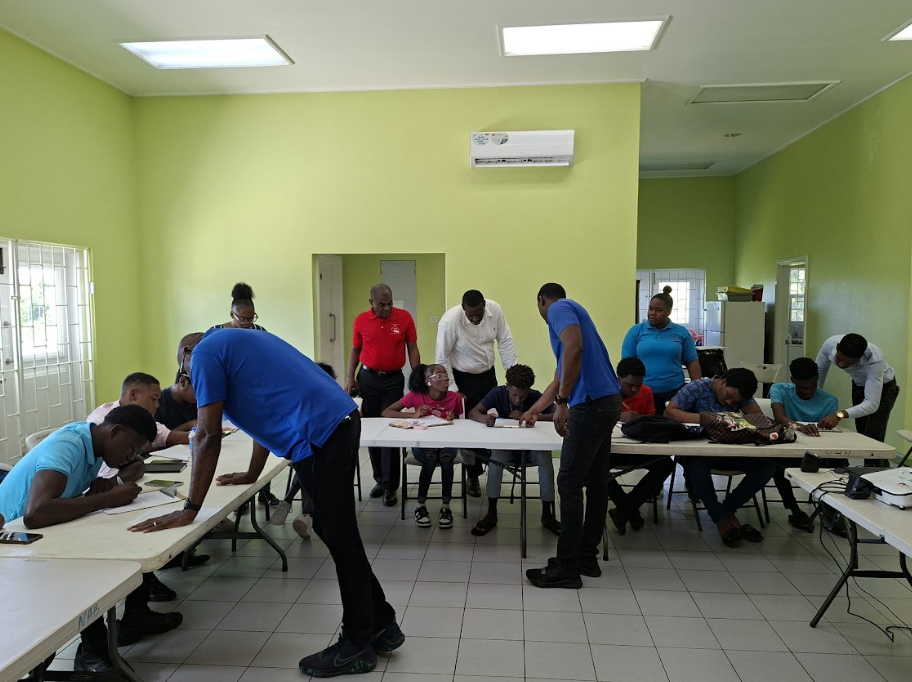
    Barbados has inaugurated its first 2026 cohort of the King’s Trust International Team Programme, welcoming fourteen young participants to a comprehensive 12-week leadership development initiative. The program launched officially at the Glebe Resource Centre in St. George with an orientation session designed to establish foundational teamwork and personal connection among attendees.

    Inspector Roger Babb of the Barbados Police Service’s Community Relations Department, who serves as crime prevention officer, emphasized the program’s significant role in youth development. “This initiative focuses on empowering young persons to develop themselves to the stage where they can confidently enter society, seek employment, and conduct themselves in ways that bring personal and national pride,” Babb stated, highlighting the program’s alternative to criminal pathways.

    The selection process employs a community-based recruitment strategy utilizing former participants as ambassadors, targeted flyers, and ongoing community engagement. Since its establishment in 2016, this partnership between the Barbados Police Service and King’s Trust International has successfully guided approximately 776 young Barbadians through the program, with many advancing to employment opportunities or further education.

    Sergeant Roger Williams, team coordinator for the program, detailed the comprehensive curriculum structure. The initial induction phase focuses on team-building activities and self-reflection exercises, followed by an intensive residential component at the Coast Guard base featuring challenging physical activities including hiking and obstacle courses. Participants subsequently design and execute community projects requiring fundraising and public engagement, developing practical skills in entrepreneurship and social contribution.

    The program incorporates essential life skills training through specialist resource persons covering financial literacy, CV preparation, and interview techniques. This holistic approach ensures participants develop both the soft skills and practical competencies necessary for workplace success and personal development, ultimately creating well-rounded individuals prepared for professional environments.
  • CARPHA underscores the importance of insecticide resistance testing amid Chikungunya resurgence

    CARPHA underscores the importance of insecticide resistance testing amid Chikungunya resurgence

    The Caribbean Public Health Agency (CARPHA) has intensified its regional campaign against arboviral diseases, emphasizing the critical role of Integrated Vector Management (IVM) in combating Chikungunya, Dengue, and Zika viruses. These diseases, transmitted primarily through Aedes aegypti mosquito bites, require sophisticated prevention strategies that extend beyond conventional source reduction methods.

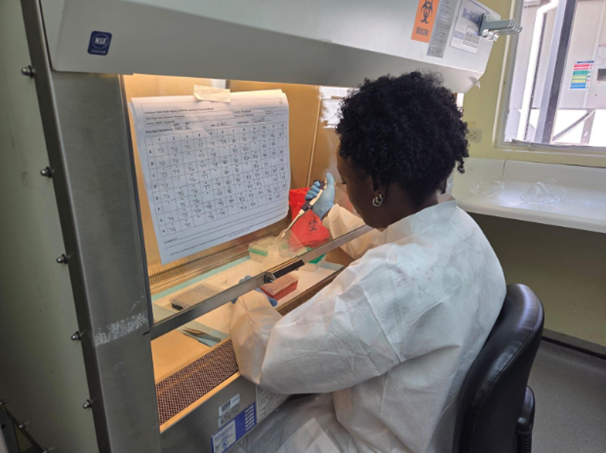
    A significant advancement in CARPHA’s arsenal is the recent commissioning of a state-of-the-art Mobile Insectary Facility, enabling comprehensive Insecticide Resistance Testing (IRT) for Member States. This cutting-edge capability, incorporating molecular testing methodologies approved by the World Health Organization, has already yielded tangible results with two member states completing testing protocols, while four additional nations are currently undergoing evaluation.

    Dr. Lisa Indar, Executive Director of CARPHA, highlighted the agency’s multifaceted approach: “Our training initiatives throughout 2025 have focused on building regional competency in IVM, IRT methodologies, geographic information systems, and early warning systems. We’re simultaneously developing a Regional Integrated Early Warning System to enhance surveillance capabilities through innovative technological solutions.”

    The implementation of IRT represents a paradigm shift in vector control, enabling public health officials to make data-driven decisions regarding insecticide selection and deployment. Without such precise testing, chemical intervention programs operate with uncertain efficacy, potentially wasting resources and compromising disease control efforts.

    CARPHA’s strategy emphasizes cross-sector collaboration through the Caribbean Vector-borne Diseases Network (CariVecNet), which facilitates real-time information sharing between member states. The agency advocates for community-centered protection measures including protective clothing, EPA-approved repellents containing DEET or Picaridin, mosquito nets, and home screening systems.

    This comprehensive approach combines technological innovation with practical public health measures, creating a robust defense system against potential arboviral outbreaks across the Caribbean region.

  • Sri Lanka edge West Indies by 10 runs

    Sri Lanka edge West Indies by 10 runs

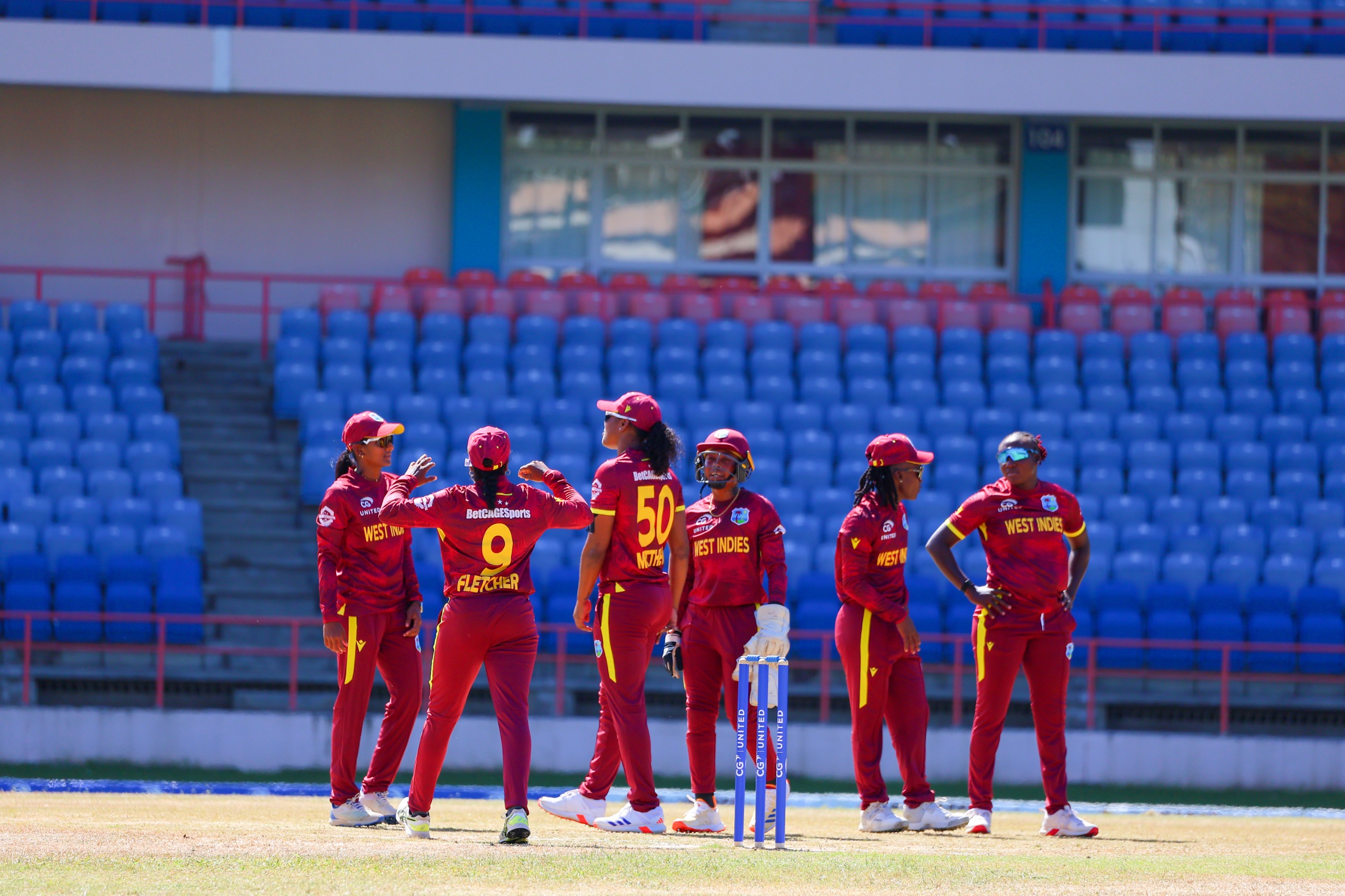
    In a dramatic opening to their three-match One Day International series, Sri Lanka Women emerged victorious by a narrow 10-run margin against West Indies Women at the National Stadium in Grenada on Friday. The match culminated in high tension as the hosts were bowled out for 230 with just two deliveries remaining in their innings.

    The visitors established a competitive total of 240/6, built upon a solid foundation laid by Harshitha Samarawickrama’s masterful 66 from 105 deliveries. She partnered effectively with opener Hasini Perera, who contributed a fluent 61 from 81 balls, creating a crucial 86-run stand that stabilized the innings after an early wicket. Despite disciplined bowling from West Indies captain Hayley Matthews (2-46) and Karishma Ramharack (2-57), Sri Lanka’s lower order provided vital runs to push the total beyond 230.

    West Indies’ response began disastrously as left-arm spinner Inoka Ranaweera wreaked havoc with her magical spell of 4/44 from ten overs, reducing the hosts to 80/5. The match appeared to be slipping away until a spectacular 89-run partnership between veteran Stafanie Taylor and emerging talent Jannillea Glasgow revived hopes. Taylor’s elegant 66 from 83 balls seemed destined to guide her team to victory until a catastrophic run-out turned the tide.

    The dismissal triggered a late collapse as Kavisha Dilhari (3/49) returned to dismantle the lower order, despite Aaliyah Alleyne’s unbeaten 24. Ranaweera’s match-winning performance earned her well-deserved Player of the Match honors, with the teams set to reconvene for the second ODI on Sunday.

  • Walters to be sworn-in as Opposition Senator

    Walters to be sworn-in as Opposition Senator

    In a significant political development, Democratic Labour Party (DLP) representative Ryan Walters is poised to assume his parliamentary duties as an Opposition Senator. The formal swearing-in ceremony is scheduled to occur this morning at the prestigious State House venue.

    Mr. Walters, who recently campaigned for the St Michael North West constituency during the general election cycle, arrived at the capitol accompanied by close family members. His wife and son were present to witness the pivotal moment as he prepared to formally take the oath of office that will inaugurate his legislative tenure.

    The appointment solidifies the opposition’s representation within the parliamentary upper chamber, with Walters occupying one of the two designated opposition senate seats. This political positioning enables the DLP to maintain an institutional voice in legislative deliberations and policy oversight mechanisms.

    The ceremony marks a transition from electoral candidate to appointed official for Walters, demonstrating alternative pathways to parliamentary service beyond constituency victories. His installation occurs amidst ongoing political reorganization following the recent national elections, with opposition parties establishing their parliamentary strategy and leadership structure.

  • BREAKING: Goodridge confirmed as Opposition Senator

    BREAKING: Goodridge confirmed as Opposition Senator

    In a significant political development, Karina Goodridge, the prominent leader of the Friends of Democracy party, formally assumed her parliamentary duties as an Opposition Senator during a ceremonial proceeding at State House. The newly appointed legislator arrived accompanied by key personal and political supporters, including her immediate family members and party General Secretary Steve Blackett. The swearing-in ceremony marks a crucial expansion of opposition representation within the legislative body, signaling strengthened oversight capabilities against the ruling administration. Goodridge’s elevation to the senatorial position follows recent political negotiations and demonstrates the continuing evolution of the country’s democratic institutions. The presence of both family and senior party officials underscores the importance of this appointment for the opposition’s strategic positioning in upcoming parliamentary sessions where critical policy debates are anticipated.

  • Experts warn campaign finance reform faces legal, cultural roadblocks

    Experts warn campaign finance reform faces legal, cultural roadblocks

    Political analysts and legal experts have raised serious concerns about the feasibility of implementing meaningful campaign finance reforms in Barbados following the recent general election. Dr. Ronnie Yearwood, a senior law lecturer at the University of the West Indies, Cave Hill Campus, revealed that the country lacks comprehensive legislation governing political campaign financing, with existing regulations being both outdated and inadequate.

    The current legal framework, primarily contained within the Representation of the People Act, establishes a spending limit of approximately $10 per voter. This translates to a maximum expenditure of $100,000 for candidates in constituencies with 10,000 registered voters. However, both Dr. Yearwood and political scientist Peter Wickham question whether this figure bears any resemblance to the actual costs of modern political campaigns, which they compare to large-scale music productions due to their complexity and expense.

    Analysis of the 2022 election spending patterns reveals significant discrepancies between official reports and observable campaign activities. Records from the Electoral and Boundaries Commission indicated that the Barbados Labour Party expended $1.3 million while the Democratic Labour Party spent nearly $950,000. Both experts expressed skepticism about these figures, noting the extensive use of social media operations, campaign paraphernalia, and elaborate staging that characterize contemporary elections.

    The discussion around potential reforms has highlighted several critical challenges. Dr. Yearwood pointed to a fundamental cultural contradiction among voters who simultaneously oppose private funding of political parties while resisting the idea of state-funded campaigns using taxpayer money. He predicted severe public backlash against any proposal to implement public financing of political parties, despite its potential to reduce the influence of private donations.

    Wickham, drawing from his research for the Organization of American States dating back to 2003-2004, emphasized the inherently controversial nature of campaign finance reform. He noted the lack of public appetite for state-funded elections and raised practical concerns about the institutional capacity required to properly monitor and audit campaign expenditures. The varying organizational structures of political parties—from well-resourced entities with professional accounting departments to smaller operations without such infrastructure—further complicate implementation.

    Both experts concurred that successful reform would require not only new legislation but also substantial political will, public acceptance, and significantly enhanced oversight mechanisms. They emphasized that Barbados must first establish clear definitions of what constitutes a political party before implementing any comprehensive changes to the campaign finance system.

  • President urges MPs to show resilience as new term begins

    President urges MPs to show resilience as new term begins

    In a solemn ceremony at State House, Barbados President Jeffrey Bostic administered the oath of office to eight parliamentarians commencing their five-year legislative terms, delivering a powerful address emphasizing the profound sacrifices inherent in public service. The newly sworn-in representatives include Peter Phillips (St Lucy), Dwight Sutherland (St George South), Dr. William Duguid (Christ Church West), Dr. Sonia Browne (St Philip North), Toni Moore (St George North), Neil Rowe (St Michael North West), alongside first-time legislators Ryan Brathwaite (St Joseph) and Tyra Trotman (St Michael Central).

    With Prime Minister Mia Mottley, senior cabinet members, and relatives witnessing the proceedings, President Bostic articulated the formidable challenges of parliamentary duty, characterizing the role as exceptionally demanding yet fundamentally selfless. “Commitment to national service in this capacity entails rigorous labor and personal sacrifice,” Bostic asserted. “This represents the ultimate embodiment of civic duty—where individual interests must yield to national priorities.”

    The Head of State issued a compelling charge to the incoming lawmakers, mandating unwavering representation of their constituents and steadfast adherence to Barbados’ core values of excellence, pride, and industry. He further prepared the parliamentarians for the inevitable scrutiny of public life, invoking his signature resilience mantra from his tenure as health minister during the COVID-19 crisis: “There must be no retreat, no surrender. Maintain focus, persevere through challenges, and ultimately bring honor to our nation.”

    Prime Minister Mottley, addressing the assembly, characterized the new parliamentary session—scheduled to commence Friday—as both promising and arduous. She outlined ambitious plans to enhance legislative reforms initiated in the previous term, particularly emphasizing the strengthened role of parliamentary committees. Mottley advocated for committees to expand their mandate beyond legislative review to include comprehensive examination of critical national issues and institutionalized public consultation mechanisms.

    “Our democratic discourse must transcend social media commentary and call-in programs,” Mottley contended, while acknowledging these platforms’ value in capturing public sentiment. She emphasized establishing formalized citizen engagement processes through specialized subcommittees addressing economic, social, environmental, and governance matters.

    For incoming parliamentarians, the Prime Minister recommended intensive study of Hansard, the official record of parliamentary debates dating to 1946, as an indispensable resource for understanding legislative traditions and responsibilities. Noting technological advancements, Mottley urged modernization of parliamentary record-keeping to ensure accessibility and transparency, concluding with optimistic expectations for the new cohort’s five-year tenure.

  • Young entrepreneurs blend business with giving back

    Young entrepreneurs blend business with giving back

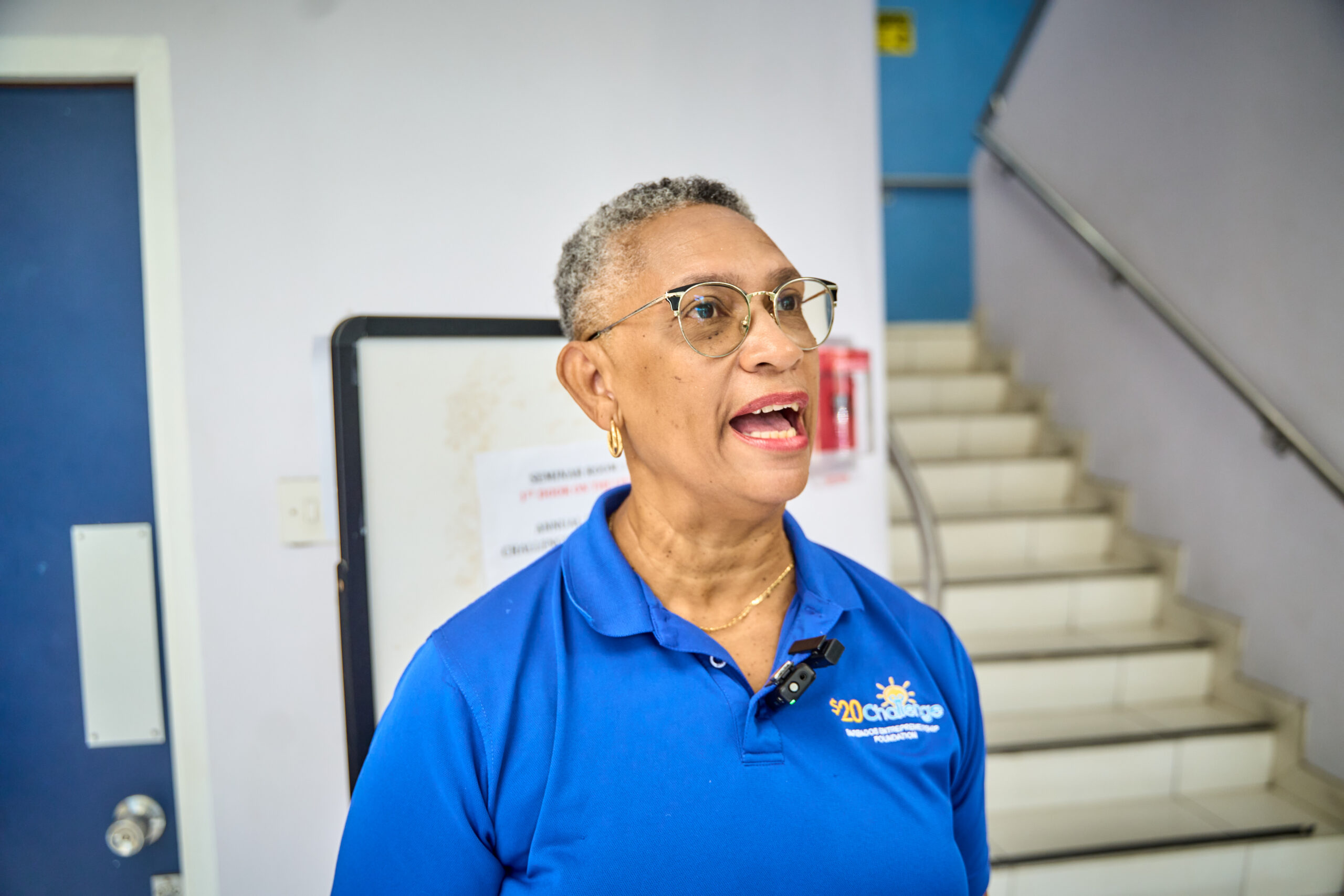
    A new generation of business leaders in Barbados is redefining entrepreneurship by embedding social responsibility directly into their commercial DNA. Through the Barbados Entrepreneurship Foundation’s (BEF) flagship youth program, dozens of student entrepreneurs are systematically channeling profits and talents toward charitable causes, demonstrating that commercial success and community contribution can be powerfully intertwined.

    Celeste Foster, Programs Director at BEF, observes a remarkable trend among participants: “There remains a high interest in young persons not only pursuing entrepreneurial ventures but also donating their profits to charities.” This sentiment was prominently displayed during the foundation’s tenth annual charity event, sponsored by Scotiabank and held at the Sky Mall conference rooms, where students showcased businesses built on philanthropic principles.

    The program’s innovative framework requires participants to contribute through three distinct dimensions: time, talent, and treasure. This holistic approach reinforces that corporate citizenship extends far beyond financial donations alone. “Talent represents the goods or services that they offer, and treasure is a portion of the money that they make during the competition,” Foster explained.

    This year, 35 student-run enterprises made verified charitable contributions through either direct financial donations, service provisions, or volunteer efforts. The actual participation is believed to be even higher, as some contributions are reported retrospectively. To advance in the competition, making a charitable donation is mandatory—a requirement that ensures philanthropy becomes integrated into business operations from inception.

    The BEF’s decade-long initiative has successfully cultivated an entrepreneurial ecosystem that emphasizes practical business skills, mentorship, and real-world venture experience. Program activities typically culminate in competitions evaluating innovation, sustainability, and social impact.

    Most encouragingly, the program demonstrates significant lasting impact beyond the competition period. Approximately 80% of surveyed participants indicated intentions to continue their business ventures long after the formal program concludes. Social media monitoring reveals numerous businesses from previous cohorts that remain operational and successful, confirming that participants are effectively transitioning into sustainable employment through entrepreneurship.

  • Seven Independent Senators sworn in

    Seven Independent Senators sworn in

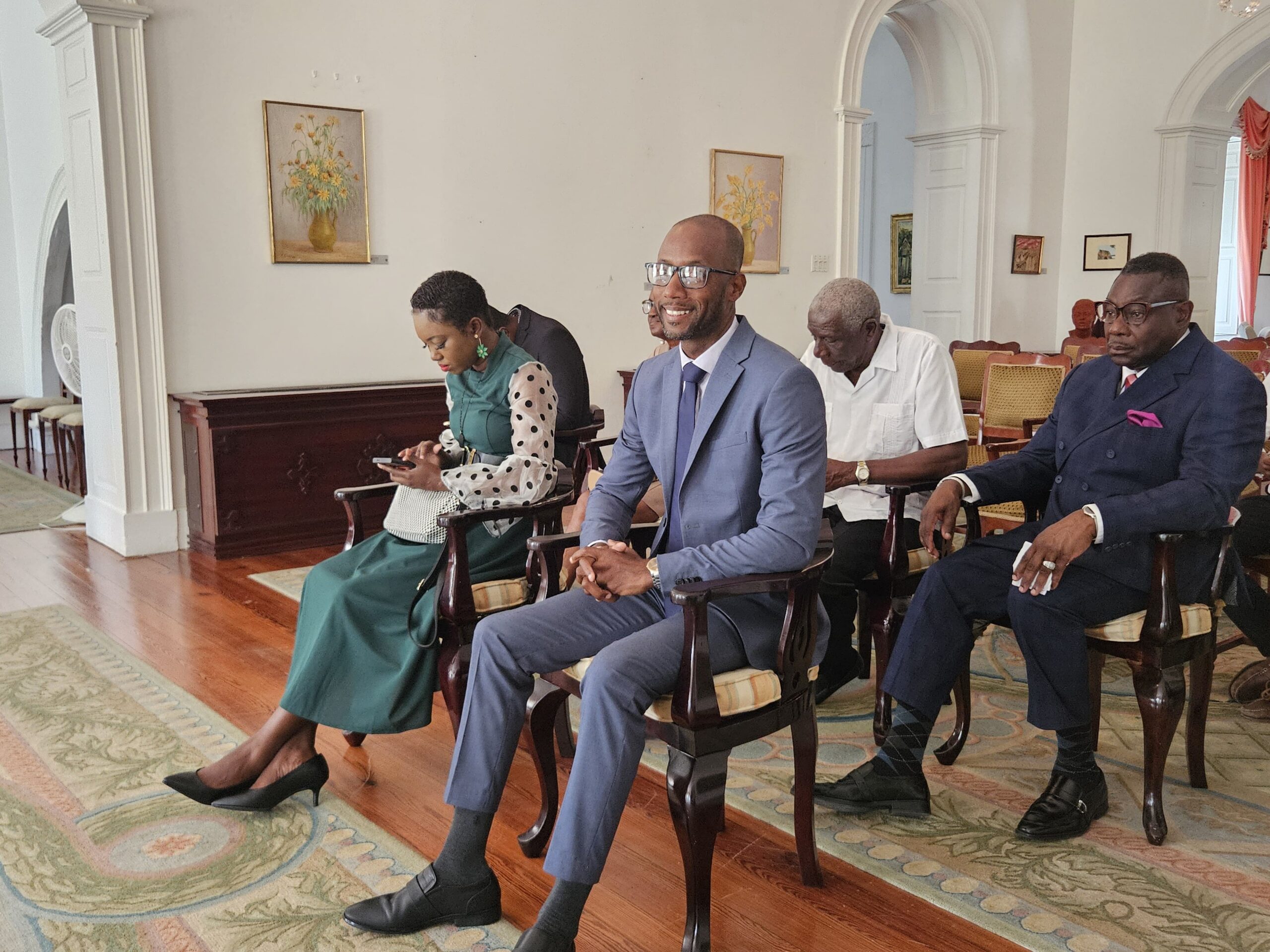
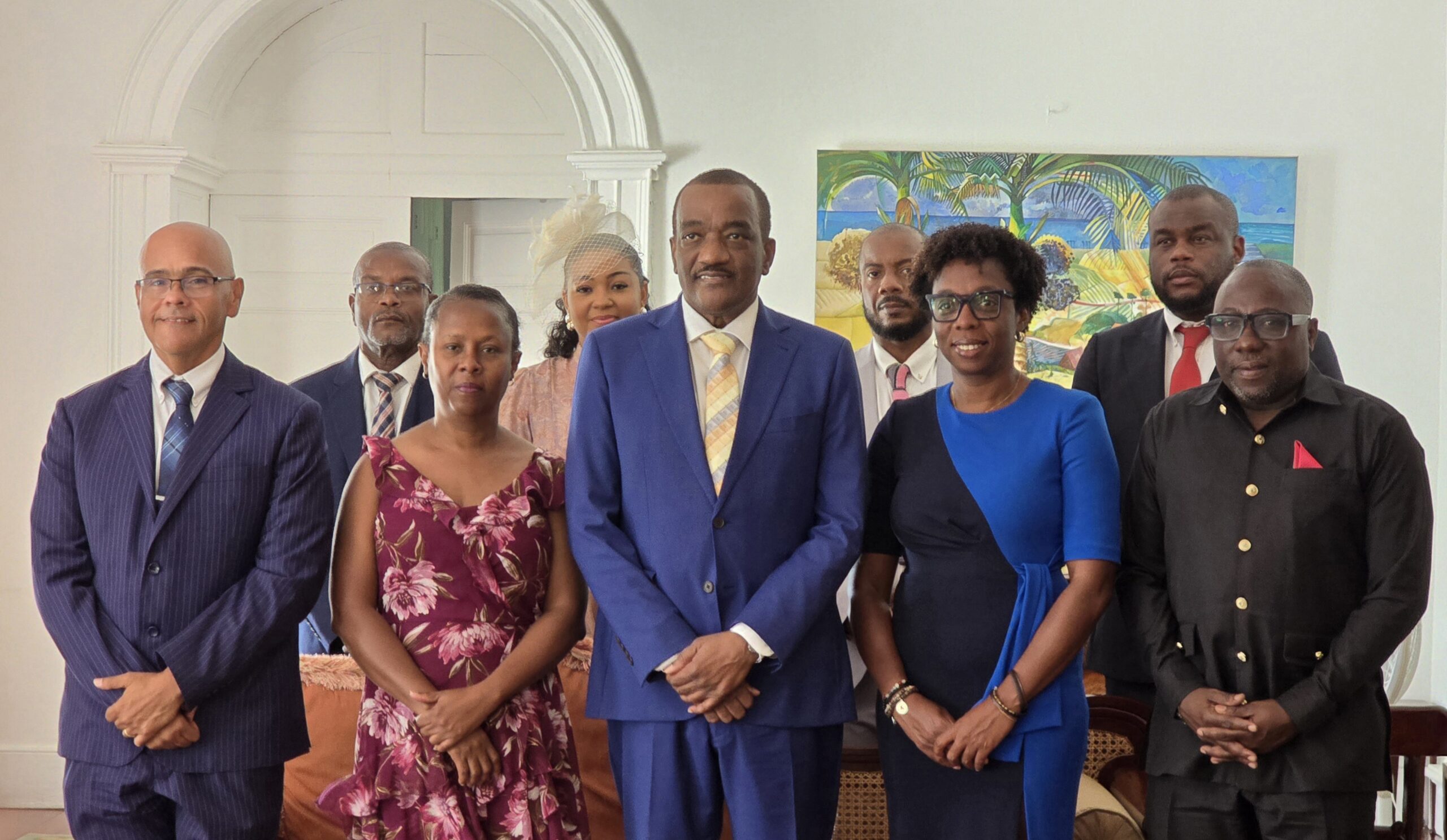
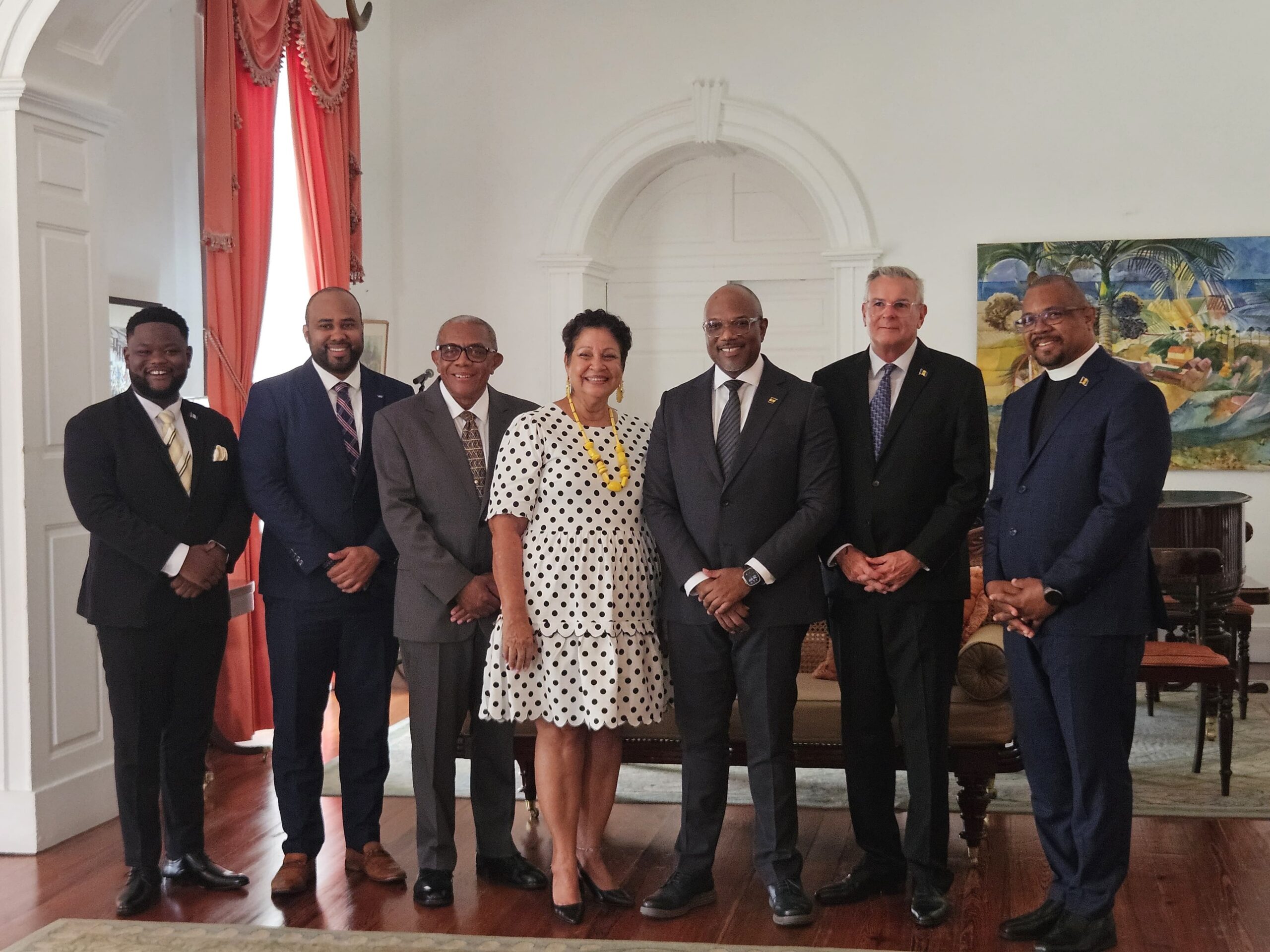
    In a significant political development at Barbados’ State House, seven newly appointed independent senators formally assumed their legislative roles in a swearing-in ceremony presided over by President Jeffrey Bostic. The diverse group of appointees represents various professional sectors including religious leadership, healthcare, and social advocacy.

    The newly inaugurated senators comprise Jamal Slocombe, Reverend Canon Dr. John Rogers, Mary-Anne Redman, Andrew Niles, Andrew Mallalieu, Ryan Forde, and Dr. Kenneth Connell. Their installation marks a strategic expansion of the island nation’s parliamentary framework, enhancing the chamber’s independent voice in governance matters.

    This constitutional procedure demonstrates Barbados’ continued commitment to balanced political representation following its transition to a republic. The independent senators are expected to provide non-partisan perspectives on national legislation, serving as crucial voices between government policy and civil society interests. Their appointments reflect President Bostic’s deliberate approach to incorporating diverse expertise into the nation’s highest deliberative body.

  • Seven Government Senators sworn in

    Seven Government Senators sworn in

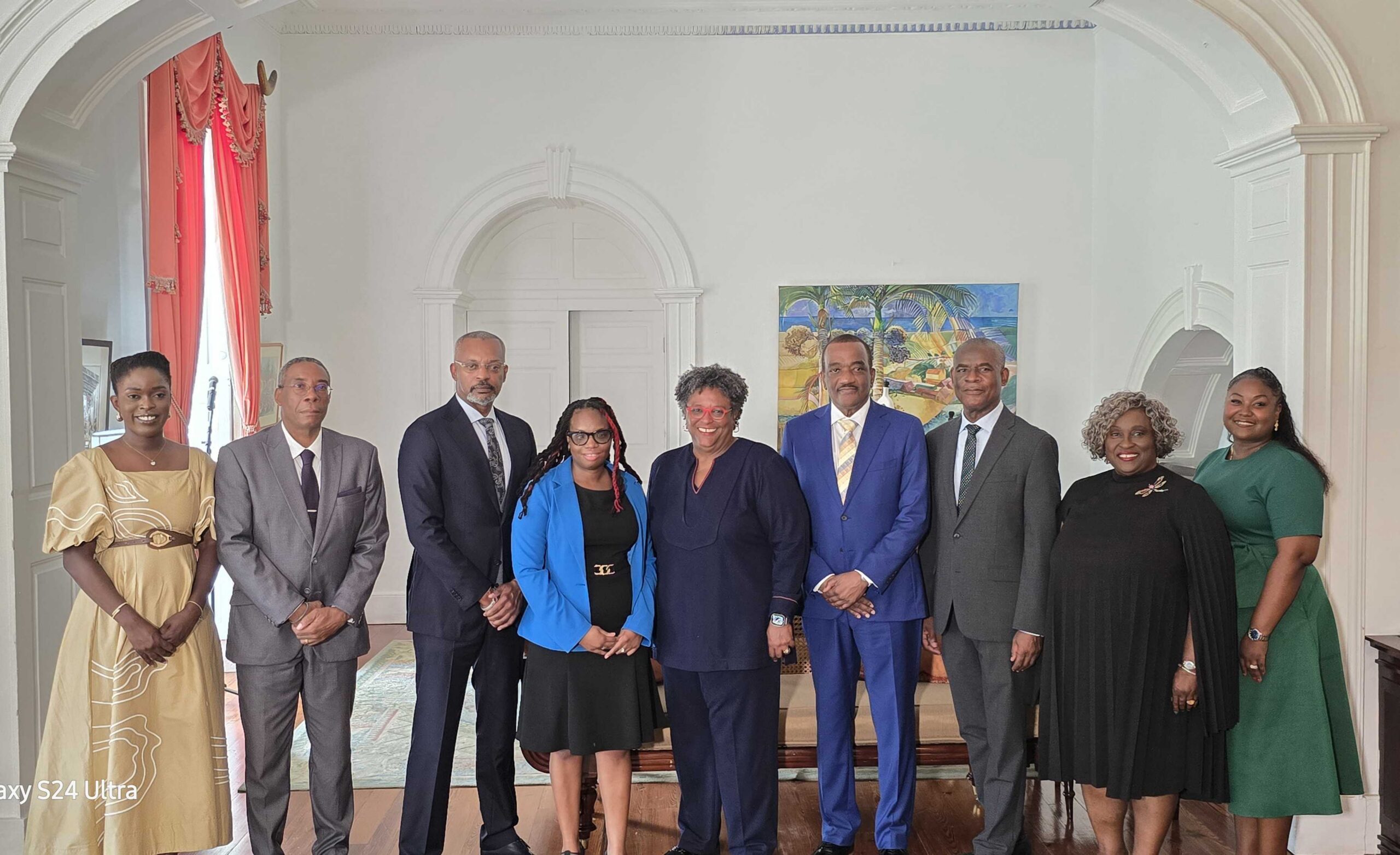
    Barbados has formally established its new parliamentary structure following the February 11 general election with the ceremonial swearing-in of seven Government Senators at State House on Thursday morning. The proceedings marked the final phase of assembling the nation’s legislative body after Members of Parliament were inaugurated earlier this week.

    The ceremony witnessed the appointment of The Most Honourable Reginald Farley, F.B., J.P., as President of the Senate, while The Most Honourable Elizabeth Thompson, F.B., assumed the role of Deputy President of the Senate. Both officials took their oaths during the dignified state event, signaling the commencement of the Upper House’s responsibilities for the new parliamentary term.

    Five additional senators were sworn into office, comprising John King, Roshanna Trim, Ramon Alleyne, Kamisha Benjamin, and Janeil Odle. These appointments complete the government’s representation in the Senate, which serves as the revising chamber within Barbados’ parliamentary system.

    The Senate’s constitutional mandate involves thorough scrutiny and deliberation of legislation approved by the House of Assembly. This critical function ensures proposed laws receive comprehensive examination before implementation. With all members now formally installed, the Senate can immediately begin its legislative duties, contributing to the democratic governance of Barbados through careful review processes and informed debate on matters of national importance.