标签: Barbados

巴巴多斯

  • Experts sound alarm over sexualised behaviour among schoolchildren

    Experts sound alarm over sexualised behaviour among schoolchildren

    Two prominent Caribbean child welfare leaders have issued an urgent public warning following the spread of multiple viral videos showing uniformed school students engaging in explicit sexual activity, calling attention to a worrying trend of growing sexualisation among minors that risks causing long-term harm to young people’s futures.

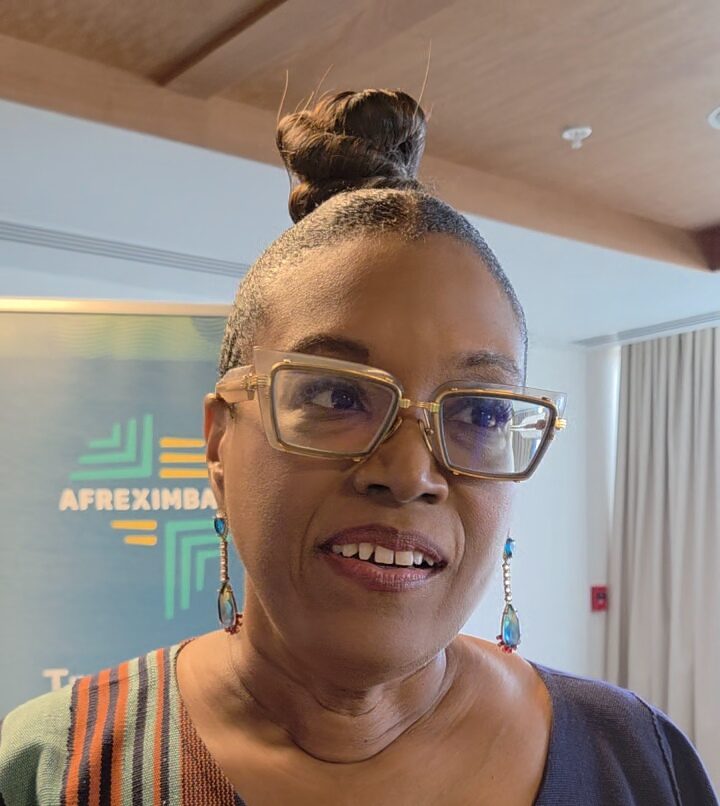
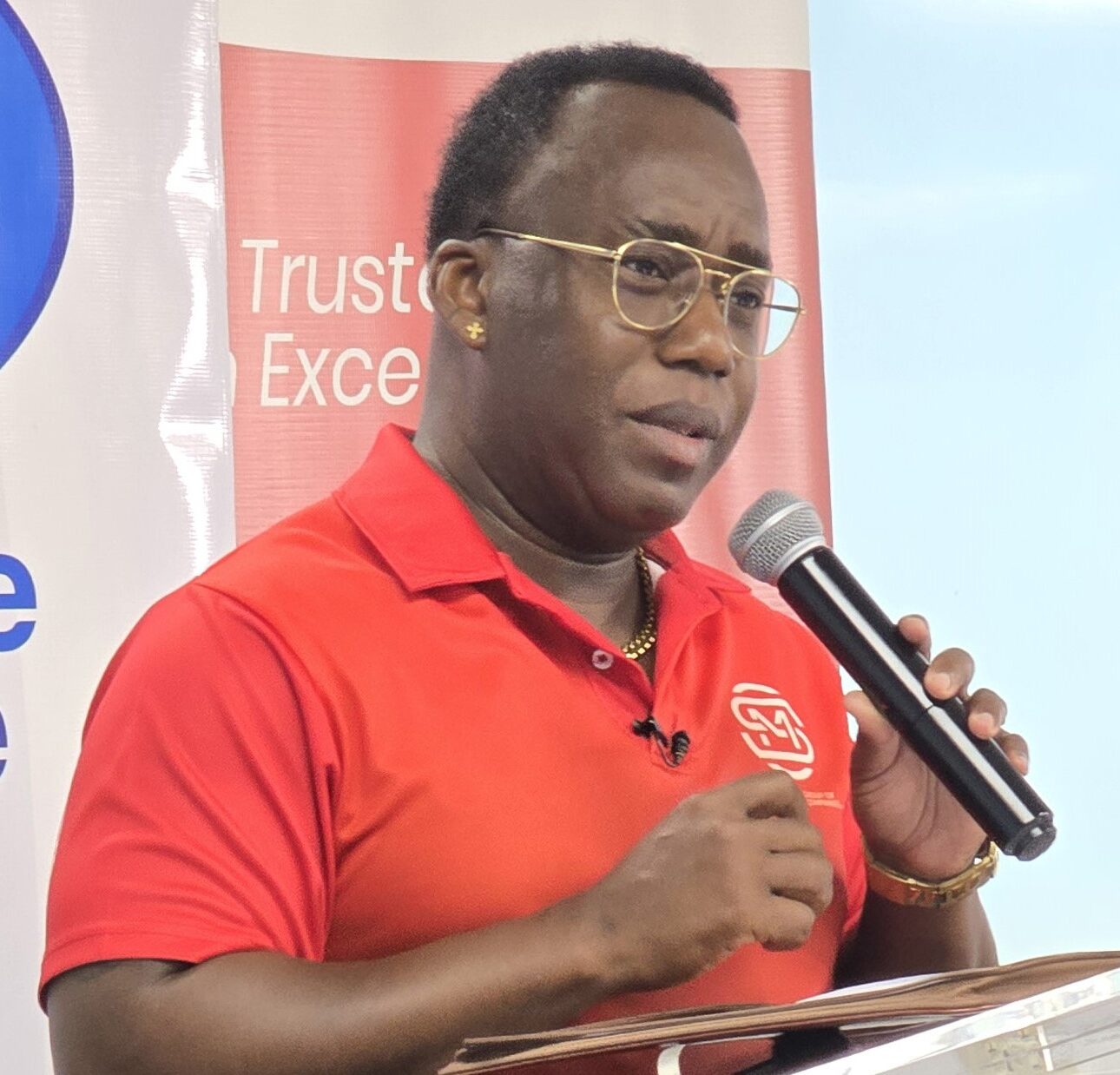
    Sean Clarke, chief executive officer of Supreme Counselling for Personal Development, and Melissa Savoury-Gittens, president of the National Organisation of Women (NOW), say three key factors are driving increasingly risky sexual behaviour among youth: unregulated social media consumption, heightened peer pressure, and critical gaps in consistent parental guidance.

    Clarke emphasized that social media has grown to become one of the most powerful forces shaping how young people think, interact, make decisions, and understand the world around them. While peer pressure predates digital platforms, he explained that social media has amplified the problem by creating a culture where young people chase external validation through likes, shares and view counts. Many minors are willing to put themselves in compromising, explicit situations simply to gain online attention, a dynamic that would have been unthinkable for previous generations.

    This risky behaviour is often rooted in low self-esteem, Clarke added. Young people grappling with feelings of inadequacy will frequently go to great lengths to fit in with peer groups and gain acceptance from popular classmates, even if that means participating in activities they know are inappropriate.

    Savoury-Gittens echoed these concerns, noting that mainstream entertainment and television programming also normalize constant sexual content that shapes children’s expectations of behaviour from a young age. She also pointed out the stark gender double standard that emerges when explicit content of minors spreads online: while boys often face little social backlash and may even gain social status from the attention, girls are far more likely to face public shaming that leaves long-lasting emotional damage.

    Both leaders acknowledge that underage sexual activity is not a new phenomenon, but stress that modern technology has completely transformed the scope and consequences of the issue. The widespread availability of smartphones and the virality of social media mean explicit content can spread across communities in hours, and once posted, it never truly disappears. Clarke warned that content shared as a child can follow people into adulthood, limiting educational and employment opportunities and undermining their ability to build the lives they want.

    The advocates agree that families serve as the first and most critical line of defence against these harmful trends. Conversations about sexuality, self-worth, and personal responsibility need to start early in the home, with Clarke arguing that girls must be taught from a young age to value themselves and respect their bodies, while boys must learn to respect both their own boundaries and the boundaries of the girls around them. He also stressed that parents must model healthy behaviour for their children, noting that young people absorb the norms they see practiced by the adults in their lives.

    Crucially, Clarke added that education about the risks of social media cannot be limited to children: many parents lack a full understanding of how digital platforms operate and the unique dangers they pose to minors, so adult-focused education programmes are also urgently needed.

    Savoury-Gittens expanded on this framework, noting that schools, faith institutions and community organizations also have vital roles to play in supporting children. Many young children, especially those in primary school, hold deep trust in their teachers, giving educators unique access to have open conversations about healthy boundaries and safe online behaviour that children may not be as receptive to when coming from parents. Churches and community groups can also fill gaps in support by offering age-appropriate guidance beyond what is covered in standard school curricula.

    Both leaders called for early intervention to identify at-risk children before they engage in harmful behaviour, urging parents and educators to watch for key warning signs: sudden shifts in behaviour including increased aggression, withdrawal from social activities, excessive secrecy around online activity, emotional instability, dropping grades, reduced motivation, and increased absenteeism from school. Clarke noted that these changes can often signal that a child is grappling with peer pressure, bullying, emotional distress, substance use, gang influence, or online manipulation.

    Savoury-Gittens also pushed for greater participation in existing parenting support programmes, noting that while free resources are available, uptake remains consistently low. She shared an example of a local parenting initiative that saw attendance surge after organizers offered small financial incentives to participants, proving that removing barriers to access can dramatically increase engagement. Most importantly, she added, adults must not shy away from having difficult conversations with young people about inappropriate behaviour: the goal should be to protect children from harm rather than shame them for their mistakes, while still being clear about what boundaries exist to keep them safe.
  • Passport-free travel deal seen as ‘ceremonial’, economist says

    Passport-free travel deal seen as ‘ceremonial’, economist says

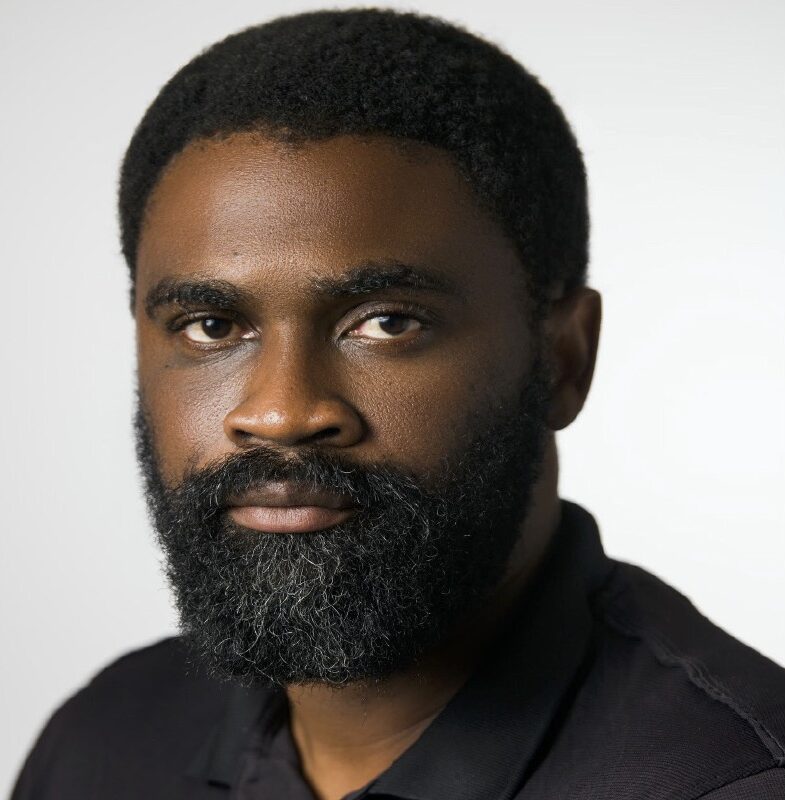
    A landmark passport-free travel agreement between Caribbean nations Barbados and Guyana, which has been framed as a key step forward for regional integration, is unlikely to unlock immediate gains in cross-border trade and investment unless policymakers address persistent bottlenecks in airport immigration processing, leading regional economist Jeremy Stephen has warned. While the initiative has drawn praise from supporters as a historic milestone in deepening economic and social ties across the Caribbean, Stephen characterizes the new policy as largely ceremonial, arguing that it removes a travel barrier that never meaningfully restricted movement between the two countries in the first place.

    Under the new bilateral arrangement, citizens of Barbados and Guyana may now travel between the two countries’ capitals, Bridgetown and Georgetown, using only government-issued national identification cards, eliminating the longstanding requirement for a valid passport. Though this cuts one layer of administrative red tape from cross-border travel, Stephen says the policy targets a problem that was not a primary deterrent to intra-regional travel or commerce.

    “In the Caribbean, getting a passport has never been an overly restrictive process, so I don’t expect this change to drive a dramatic surge in travel or trade volumes on its own,” Stephen explained in his analysis of the policy’s near-term impact on intra-regional commerce. “The real historical barrier to cross-Caribbean travel has long been visa requirements, and visas were never an issue for travel between Barbados and Guyana. The only friction the old rule created was the wait time for passport processing, which can stretch to months in some cases.”

    Instead of spurring a wave of new commercial investment across the two nations, Stephen projects the policy will only enable faster, more flexible travel decisions for specific groups of travelers. The primary beneficiaries, he notes, will be people facing sudden, unplanned business trips, and rural residents who have never previously needed a passport for commercial or personal travel.

    “If you need to travel urgently to Guyana for business and your passport has expired, using a national ID is a far cheaper and faster option than applying for emergency travel documentation,” Stephen said. He added that the framework could open new opportunities for small-scale agricultural producers in remote areas of Guyana, noting: “It certainly creates a path for people in Guyana’s countryside or isolated regions to travel to Barbados for the first time. Many of these people run small farms, and they can now come meet potential import partners in Barbados in person.”

    The most critical shortcoming of the new agreement, Stephen emphasizes, is that eliminating the passport requirement does nothing on its own to speed up passenger processing at ports of entry. To achieve real travel efficiency, he argues, regional authorities must follow the model of other Caribbean sub-blocs and fully streamline physical immigration processing by creating dedicated, expedited lanes for eligible travelers.

    Stephen points to the Organization of Eastern Caribbean States (OECS) as a successful example of this model, where OECS citizens enjoy swift transit across participating islands including Antigua and St. Lucia. “OECS has a separate processing lane for their travelers that is separate from the standard CARICOM queue,” he explained. “When eligible travelers can go straight to customs without stopping for immigration checks, that cuts significant wait time and makes a real difference in travel convenience. Without that specialized infrastructure, removing the passport requirement doesn’t save travelers any time at all.”

    Without broader structural changes to arrival and departure processing at regional airports, Stephen says he cannot predict major logistical or economic gains from the new agreement. “Only when you remove the physical processing barriers at airports will you see tangible benefits. As long as the standard immigration checkpoint structure remains in place without dedicated lanes, this agreement remains largely ceremonial,” he noted.

    When asked whether the bilateral, country-by-country approach to travel liberalization risks fragmenting the broader Caribbean Community (CARICOM) bloc, or if it can serve as a viable regional template, Stephen acknowledged the policy’s philosophical value as a step toward full regional integration, but reiterated his concerns about poor practical execution. “In principle, it makes perfect sense for all CARICOM citizens to be able to travel across the region on just a national ID – that’s a core goal of regional integration. But that’s a philosophical win, not a practical one, unless you eliminate the need for time-consuming immigration checks when entering or exiting a country. Without that change, there’s no major tangible benefit.”

    Stephen did concede that the agreement fills an important gap for frequent business travelers, providing a critical safety net for mobile professionals who sometimes face disrupted travel plans due to foreign bureaucratic requirements. “If you need to take a last-minute business trip, and your passport is being held by a U.S. Embassy for a visa application, this option makes travel possible when it would have been impossible before. In situations like that, this policy is extremely useful.”

    On the topic of labor market shifts, including speculation that the policy could lead to a reverse brain drain of skilled Barbadian professionals moving to Guyana’s fast-growing oil sector, Stephen noted that while the agreement eases travel for both skilled and unskilled workers, persistent airport processing bottlenecks will continue to limit the actual pace of human capital movement across the Caribbean. Without broader infrastructure and administrative reforms, meaningful shifts in labor mobility will remain slow, he concluded.

  • Barbadians back ID card travel to Guyana

    Barbadians back ID card travel to Guyana

    A groundbreaking new travel agreement between Barbados and Guyana that eliminates passport requirements for cross-border trips starting July 1 has drawn widespread praise from Barbadians, who frame the policy as a long-awaited leap forward for seamless regional movement across the Caribbean. The partnership was publicly announced this Monday by both nations’ governments, timed to coincide with the upcoming 60th anniversary of independence for each country, opening the door for eligible citizens to travel between the two nations using only a valid national ID card.

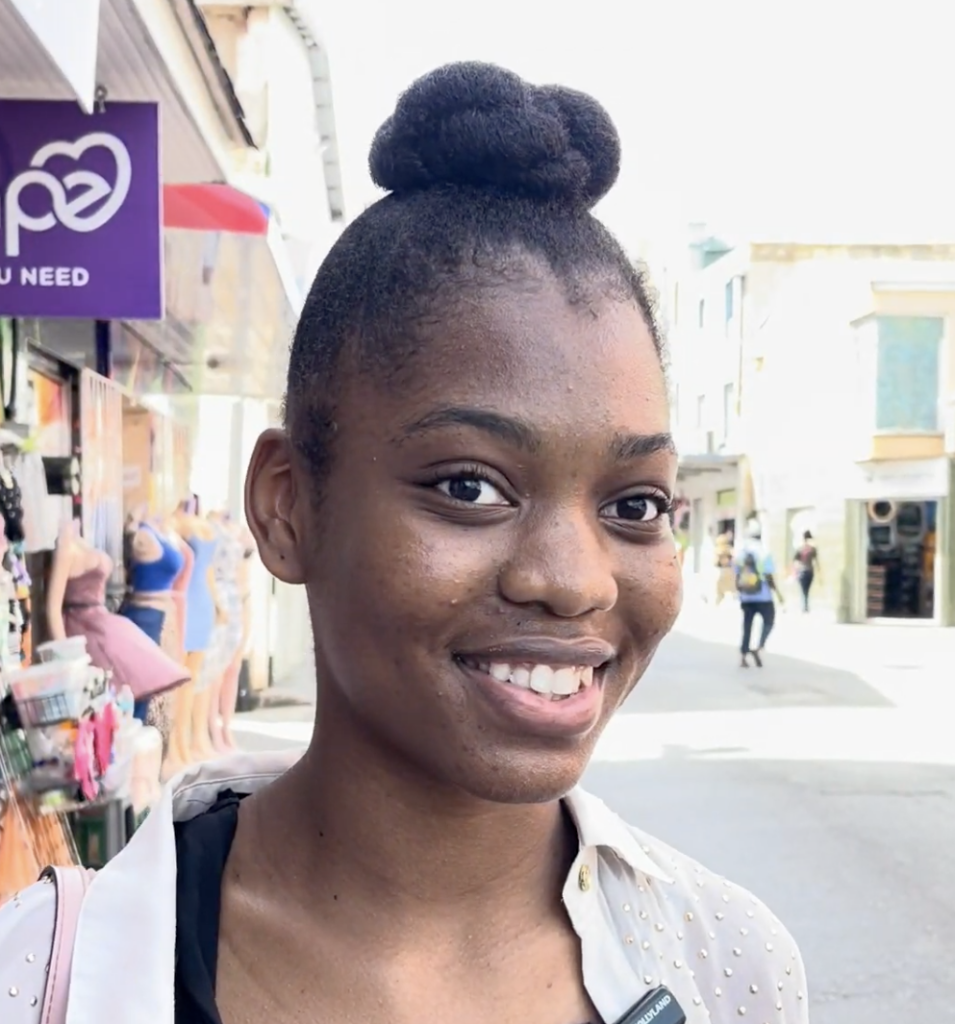
    On Tuesday, street interviews in Bridgetown’s central districts captured broad public support for the shift, with many residents arguing the change will boost regional tourism and cut the logistical stress that has long deterred Caribbean travel. For Janerie Blackman, a Barbadian resident who has long held plans to visit Guyana, the policy could not come soon enough. “I always wanted to go, it was just a matter of time that stopped me before,” Blackman said. When asked if other Caribbean nations should adopt similar arrangements, Blackman responded firmly: “A hundred per cent this should have been a thing already.”

    Kianna Walters echoed that enthusiasm, noting that the cost and hassle of securing and maintaining a passport had previously put her off regional trips. She confirmed she plans to make use of the new policy to explore Guyana’s well-known attractions in the near future, adding that she supports broader efforts to ease travel restrictions across the entire Caribbean region.

    Peter Elcock, a long-time advocate for deeper regional integration, framed the agreement as meaningful progress toward unifying Caribbean communities. “I feel it is a good thing, less stress,” Elcock said. “As I said, I feel that the Caribbean should be one. The first steps that Barbados, Dominica, Belize, and St Vincent have already taken are a step in the right direction. We are one people.” Elcock drew on his own family history to illustrate the deep interconnectedness of Caribbean nations, noting his grandmother was Trinidadian and he grew up surrounded by Trinidadian culture while residing in Barbados. “We are one people, right? And we should be one,” he added.

    Cordell Brade shared Elcock’s perspective, pointing out that national ID cards are far more convenient for everyday travel than easily misplaced passports. “That move from island to island, using your ID card, once it’s a valid ID card, without having to go through the hustle and bustle with a small book that you could lose any time,” Brade explained. “Your ID is always in your wallet or your purse. So, I think it’s really a good initiative going in that direction.” Like many other respondents, Brade said he is already planning a trip to Guyana to visit iconic sites including the massive Kaieteur Falls in the country’s remote interior. Even so, Brade raised a key ongoing barrier to regional travel: high airfare costs. “But it is okay to talk about ID, what about the airfare?” he questioned. “The airfare has to matter really for people to really move around.”

    Officials from both Barbados and Guyana say the new initiative is designed to not only simplify travel for citizens, but also lower barriers to cross-border exchange, strengthen tourism and trade ties, boost cultural collaboration, and make it easier for family members spread across the two nations to visit one another. Additional details on eligibility requirements and on-the-ground implementation protocols are set to be released in the coming weeks, ahead of the policy’s July 1 launch date.

  • President tells Half Moon Fort students to dream big despite small size

    President tells Half Moon Fort students to dream big despite small size

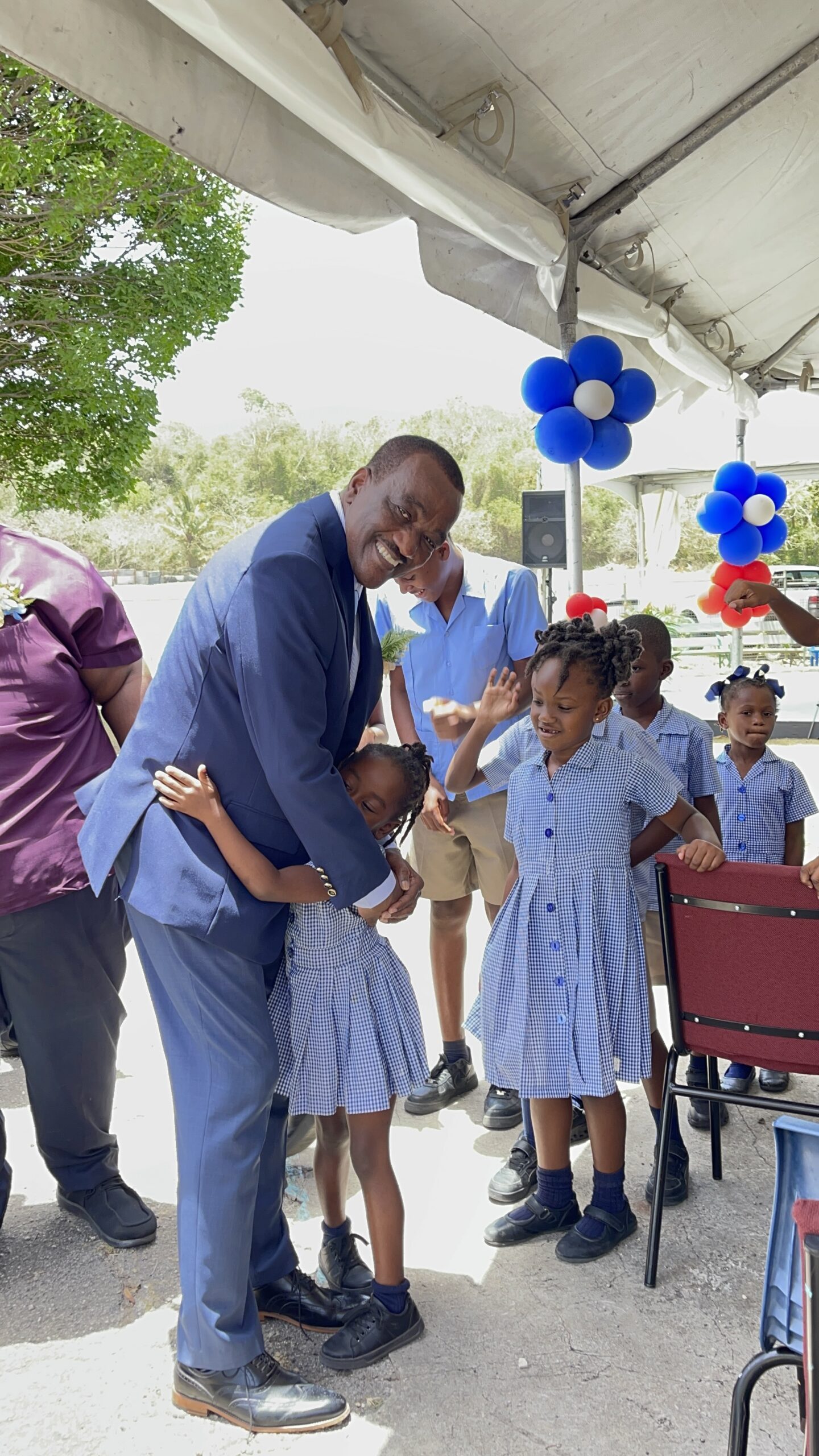
    On a Tuesday visit to Half Moon Fort Primary School, a tiny educational institution tucked away in Clinketts Gardens, Barbados, President Jeffrey Bostic delivered a stirring message to the school’s 38 students, urging them never to let their school’s small stature cap their ambitions.

    Opening the day’s events, students led the gathering in the school’s traditional morning prayer, before Principal Orlaine Benn extended an official welcome to the president and visiting guests. Benn framed the school’s identity perfectly: “Our school quietly nestled in Clinketts Gardens is very small, but within these walls live big dreams, bright minds, and limitless potential.” This year’s institutional theme, “Dream big, aim high”, aligns tightly with the school’s motto “Beyond the moon to the stars”, which emphasizes that no achievement is out of reach for driven students. Benn explained that the core ethos taught at Half Moon Fort is that with determination, discipline, faith, and consistent hard work, students can overcome any barrier and reach goals they once saw as impossible.

    For Bostic, the visit was a deeply personal one. Drawing on his own childhood growing up in a small rural community and attending a small primary school himself, he shared how those formative experiences shaped his entire career and trajectory. He described his upbringing in a close-knit neighborhood where neighbors knew each other by name and showed up for one another like family, a contrast to many disconnected modern communities where residents rarely know the people living next door.

    President Bostic extended this idea of small origins creating massive success to the entire nation of Barbados, reminding students that the country’s small geographic size has never limited its global impact. “Barbados is a small country maybe compared to others. But we don’t think small, we think big,” he told the assembled crowd. He repeated this refrain to students directly, emphasizing that a small school’s scale never has to limit what they can achieve: “Being a small school does not stop you from thinking and dreaming big. Being a small school does not stop you from learning well. Being a small school does not stop you from reaching high heights when you get older.”

    Beyond encouraging big aspirations, Bostic pushed students to take ownership of their own paths, leading the crowd in repeating his core mantra: “If it is to be, it is up to me.” He broke down the simple, powerful phrase, noting it is just ten short two-letter words that carry a lifetime of meaning. “At the end of the day, it’s not up to anybody else where you go from here but you yourselves. It’s up to you,” he said. He lightheartedly called out students who let parents complete their homework for them, joking that this habit only wastes their own potential, drawing laughter from the audience.

    The president also offered reassurance to any students disappointed by their performance on the Common Entrance Examination, framing the test as just one single moment in a long lifetime of opportunities. “That’s a one-time examination,” he said. “There are people who have not done well at common entrance, not gone to what they call the better secondary schools, but who have done exceedingly well.”

    After his address, students treated guests to a series of vibrant cross-lingual performances. The junior section recited an original poem, while the infant department delivered a bilingual Spanish-English rendition of the classic hymn “This Little Light of Mine”. The school also staged an original dramatic production titled “The Sound We Carry”. Bostic specifically praised the clear Spanish recitation from a young Cuban student, noting the student’s impressive skill even after moving to the school with no prior English language skills. Principal Benn expanded on this progress, sharing that when the two Cuban students first enrolled, neither could speak English, and staff worked tirelessly, as a close school family, to support their integration. Today, the younger of the two students speaks fluent, confident English, a testament to the staff’s dedication and the school’s supportive environment.

    Benn emphasized that Bostic’s visit held unique meaning for the school’s small student body. “Having the opportunity to meet someone who serves with purpose and leadership helps them to see that success is not something distant or unreachable. It becomes real, attainable, and inspiring,” she said. After the performances, Bostic answered questions from students and faculty, covering everything from his favorite Bajan dish to his pre-presidency career and the best part of serving as head of state – a question one student posed entirely in Spanish.

    The visit wrapped up with Bostic joining students to plant a strawberry sapling in the school’s existing community garden, which already grows a range of fresh herbs and vegetables including chives, broad leaf thyme, and rosemary. As he prepared to depart the campus, dozens of excited students crowded around to hug the president and thank him for his visit. Benn summed up the day’s mood in a post-event statement, echoing Bostic’s core message: “We might be small, but we are mighty.”

  • St Michael man accused of murder, firearm offences remanded

    St Michael man accused of murder, firearm offences remanded

    A 24-year-old Barbadian man has been ordered into pretrial detention at a maximum-security prison following his initial court appearance on Wednesday, where he faced serious criminal charges tied to a deadly shooting that rocked the community late last month.

    Adrico Shakur Rudder, a resident of Allamby Gap on Spooners Hill, made his first court appearance before Acting Chief Magistrate Douglas Frederick at the District ‘A’ Criminal Court on Tuesday. Prosecutors have leveled two key charges against Rudder: the murder of 33-year-old Terrell Cumberbatch, and illegal possession and use of a firearm, both connected to a violent incident that occurred on April 29 in the area.

    Under the region’s criminal procedural rules for capital offenses, Rudder was not required to enter a formal plea during this initial hearing, given that the case will eventually be transferred to a higher court for trial. Acting Chief Magistrate Frederick formally ordered that Rudder be held at Dodds Prison, the island’s main correctional facility, to await his next court proceeding.

    The accused is next scheduled to appear before the court on June 23, when prosecutors will present updated evidence and move forward with procedural steps ahead of a full trial. No additional details about the motive for the shooting or potential witnesses have been released to the public at this early stage of the legal process.

  • Fatty liver disease may be on rise as Bajans ‘over-drink’ – doc

    Fatty liver disease may be on rise as Bajans ‘over-drink’ – doc

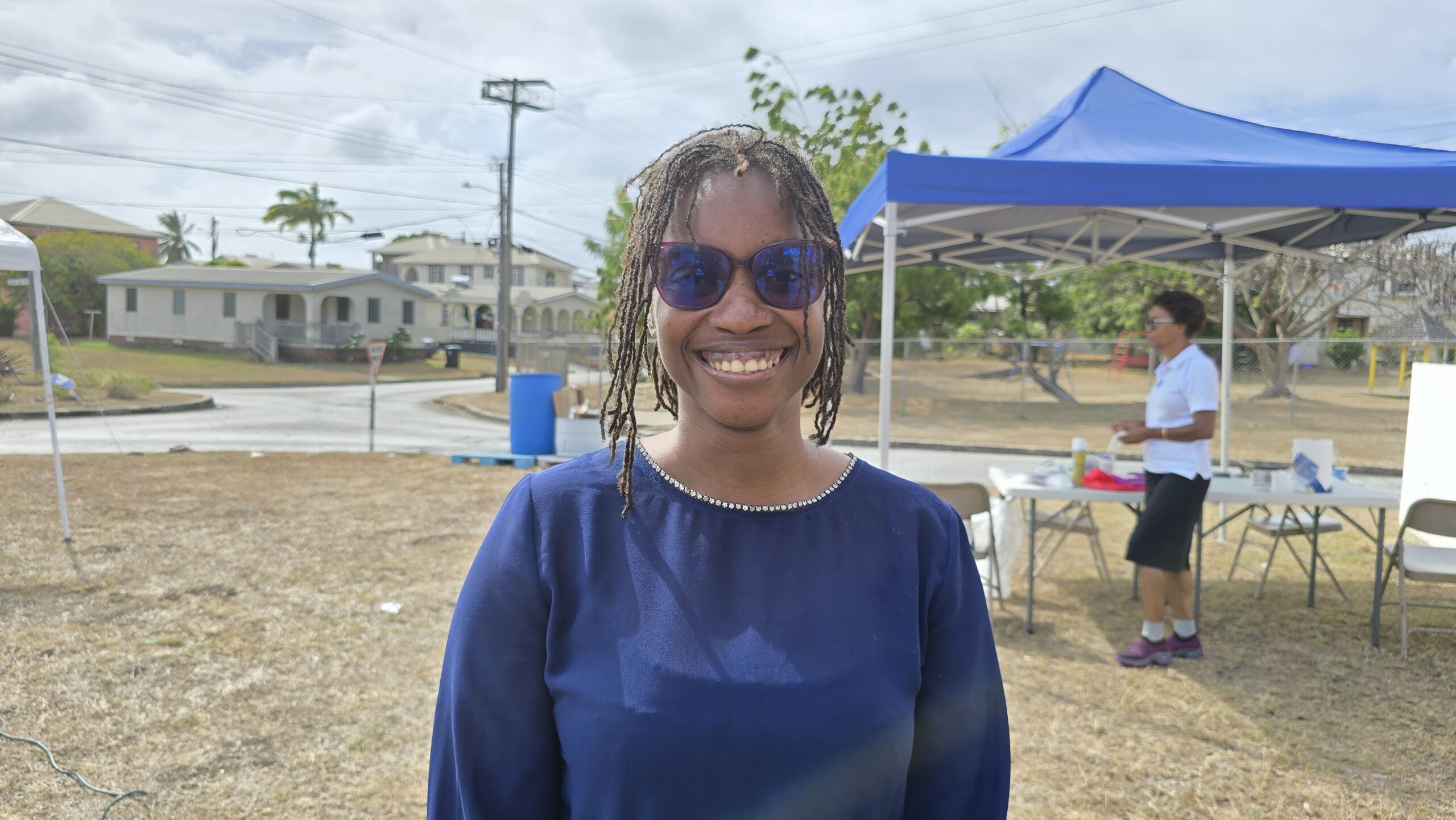
    A general practitioner based in Barbados has sounded the alarm over a potential growing prevalence of steatotic liver disease, more commonly known as fatty liver disease, driven by widespread excessive alcohol consumption across the island nation. Dr. Thalayah Butcher-Medford shared her public health concerns during a Sunday community health fair hosted by the Blessed Hope Seventh-day Adventist church at Husbands Gardens, St. James, where she delivered an educational presentation on the silent, life-threatening condition.

    In her address to attendees, Dr. Butcher-Medford emphasized how the public frequently underestimates the long-term damage caused by regular alcohol overconsumption, alongside excessive sugar intake that contributes to metabolic conditions like diabetes. “The liver acts as the body’s primary filter, processing every substance that enters your bloodstream. Even if heavy drinking or poor diet causes no immediate discomfort, that accumulated damage will catch up to you as you age,” she explained.

    One of the most dangerous characteristics of early-stage fatty liver disease, the practitioner noted, is its lack of obvious, recognizable symptoms. Most people living with the condition remain unaware of their diagnosis until damage progresses to advanced stages, when mild, easily overlooked signs begin to appear. “Early on, there are almost no red flags,” Dr. Butcher-Medford said. “The only reliable way to catch the disease early is through routine preventive check-ups with a healthcare provider, who can order blood work to check for abnormal liver enzyme levels that signal potential damage.”

    This absence of early warning signs also complicates public health efforts to track which age groups face the greatest risk, as diagnoses most often come after the condition has already advanced. When symptoms do emerge, they are frequently dismissed as common minor ailments: persistent fatigue, abdominal bloating, and a protruding abdomen that many people simply write off as a “beer belly” or the result of work-related stress, rather than connecting them to a serious liver condition.

    Despite the potentially fatal outcomes of advanced fatty liver disease, Dr. Butcher-Medford stressed that the first three of the condition’s four stages can be fully reversed through intentional lifestyle modification. Key changes include adopting a nutrient-dense, low-sugar diet, increasing regular physical activity, and achieving sustainable weight loss. For people who drink heavily, cutting out alcohol entirely can start reversing early liver damage in as little as two to four weeks, she added. Only end-stage (stage 4) disease is irreversible, as at that point the liver loses its natural ability to regenerate, and patients require a liver transplant to survive.

    Advanced fatty liver disease carries two major life-threatening complications: cirrhosis, the permanent scarring that marks end-stage liver damage, and hepatocellular carcinoma, the most common form of liver cancer. While Dr. Butcher-Medford acknowledged that donor organs for transplant remain in short supply, she highlighted the unique resilience of the liver that makes transplants more feasible than many people realize. Because the liver can regenerate from partial tissue, a living donor who is a genetic match can donate a portion of their healthy liver, and both the donor’s remaining tissue and the transplanted portion will grow into fully functional, complete organs, often resulting in strong positive outcomes for recipients.

    Sunday’s health fair was part of the Blessed Hope Seventh-day Adventist church’s ongoing community outreach initiative, which provides local residents with free preventive health screenings, accessible health education, and wellness activities to promote long-term healthy habits. During the event, City Central SDA Pastor Dillon Basil joined attendees in getting a free blood pressure check, modeling proactive health care for the community.

  • IDB hosts Invest Sustainability Week confab here

    IDB hosts Invest Sustainability Week confab here

    Against a backdrop of escalating climate threats, aging infrastructure gaps, and unmet social development needs across small island developing states (SIDS), the Inter-American Development Bank (IDB) has brought its annual Sustainability Week conference to the Caribbean for the first time, launching a multi-day dialogue in Barbados to connect global and regional investment capital with high-priority development projects across Latin America and the Caribbean.

    Hosted at the Wyndham Grand Barbados Sam Lords Castle Hotel in the parish of St Philip, the event draws more than 300 participating businesses from across the Caribbean and Latin America, with a total of over 700 in-person attendees and an additional 1,000 virtual participants joining from around the globe. Running through Thursday, the conference features targeted discussions on four core themes: scaling renewable energy adoption, strengthening national and community disaster resilience, expanding sustainable infrastructure financing, and opening new private-sector investment pathways across the region.

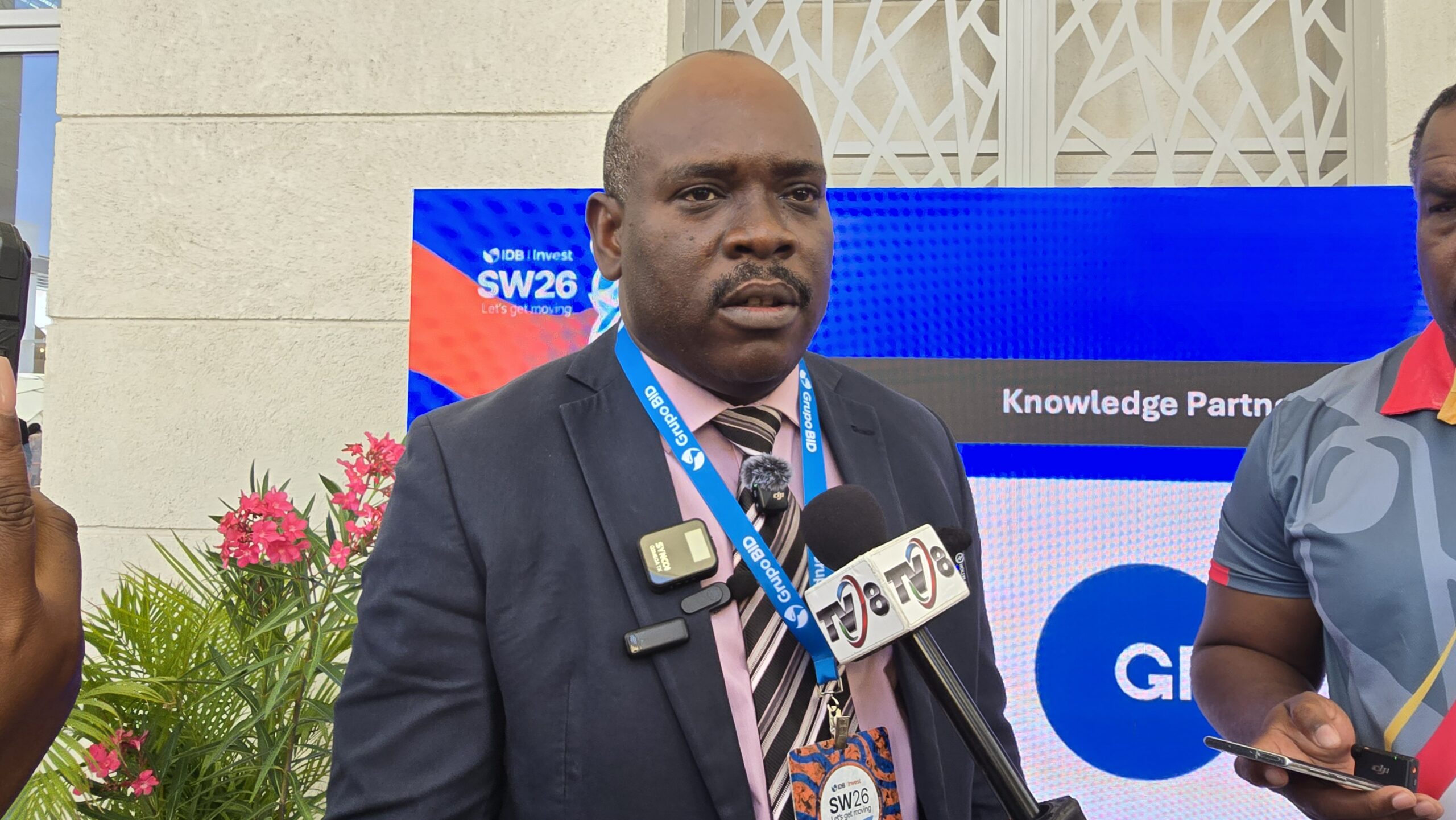
    Barbados Minister of Finance Ryan Straughn framed the island nation as the ideal host for the landmark gathering, noting that SIDS confront a unique set of systemic barriers when it comes to accessing affordable financing for development and climate action. “As smaller states, we do have peculiar needs with respect to our financing arrangements,” Straughn told reporters on the opening day of the conference Tuesday. “This gathering brings private sector stakeholders from across Latin America, the Caribbean and the globe together to co-design solutions that work not just for Barbados, but for every small island across the region.”

    Over the past eight years, Straughn explained, Barbados has led regional advocacy to expand access to concessional financing that supports equitable development and climate resilience-building, particularly in the wake of the COVID-19 pandemic that exacerbated existing economic gaps across the Caribbean. The conference, he said, is a core component of a broader regional push to mobilize both public and private capital to help countries meet their sustainable development targets.

    Straughn emphasized that any new financing must be directly tied to projects that deliver measurable, equitable outcomes across three key pillars: environmental sustainability, social inclusion, and targeted support for vulnerable and marginalized communities. This approach has become a core evolution of corporate social responsibility over the past decade, he noted, as stakeholders increasingly demand tangible impact alongside financial returns. “As we continue to press for the reform of the international financial architecture, we are seeking to match finance with specific deliverables and projects to ensure that we can close persistent development gaps,” Straughn said. “Because at the end of the day, you are as strong as the most vulnerable amongst you.”

    A key priority for Barbados, the finance minister added, is expanding access to regional investment opportunities for ordinary Barbadians, moving beyond a system where growth benefits only large traditional financial institutions. “We need more Bajans investing abroad… Bajans have money, so we are working with credit unions as well as traditional banks to create pathways for local citizens to bid on and invest in these regional opportunities, generate income outside of Barbados, and strengthen our own economic resilience,” he explained. The government’s goal, he noted, is to create inclusive investment opportunities that allow ordinary people to earn returns both at home and across the region, rather than concentrating profits exclusively in the coffers of large institutional investors.

    To attract sustained private-sector investment, Straughn stressed, national governments must first establish stable, clear regulatory and macroeconomic conditions. “A transparent regulatory environment that enables private sector participation is non-negotiable, and that’s something we’ve been working to build here in Barbados,” he said. “Fiscal discipline, stable governance, and a predictable political economy are equally critical for private investment to take root, but the opportunities for impactful growth are clearly there.”

    Straughn pointed to a series of existing successful partnerships between the Barbados government and the IDB as proof of concept for this model, including climate-focused coastal protection initiatives, critical public infrastructure upgrades, and social development projects. Among the examples he cited were the south coast and west coast boardwalk projects, which simultaneously protect coastal ecosystems and properties from climate-related erosion while expanding public recreational space. He also highlighted ongoing multi-partner investments in education, healthcare, and water infrastructure, noting that universal access to reliable potable water remains a top development priority for the island. “Over the last several years, we’ve worked with the IDB, World Bank, the Caribbean Development Bank and other regional partners to develop a comprehensive water master plan to replace pipes originally installed by British colonial authorities over 150 years ago, and upgrade sewerage treatment plants in Bridgetown and the south coast to enable water reuse,” he explained.

    Hosting the conference also delivers direct economic benefits to Barbados, Straughn noted, by supporting the island’s expanding meetings, incentives, conferences and exhibitions (MICE) sector and driving economic activity during traditional off-peak tourism periods. “These events not just help us to focus on better delivery of projects and financing, but it also helps to keep economic activity moving in the way that we want it to,” he said.

    In a pre-recorded opening address, Minister of Public and Private Investments Indar Weir called hosting Sustainability Week a milestone moment for Barbados and the entire Caribbean region, noting that the island has long sought to lead, rather than observe, global conversations about sustainability and climate resilience. “Barbados does not want to be on the sideline of the conversation. We actually want to be part and center of the conversation, and all of you do know the tremendous work and leadership that our Prime Minister has given to the whole subject of sustainability and indeed resilience,” Weir said.

    The gathering creates a unique space for governments, private investors, environmental advocates, and business leaders to align on priorities and forge new impact-focused partnerships, Weir added, noting that the Caribbean was selected to host this year’s event in recognition of the region’s growing sustainable investment potential and its global leadership on climate action. More than 350 companies are participating in this year’s Sustainability Week, with nearly half based in Caribbean countries. “The Caribbean has a clear opportunity to position itself as a global hub for sustainable investment, innovation, resilience, and inclusive growth, and that is exactly what this week is all about,” Weir said.

  • Fire service wants greater biz partnership

    Fire service wants greater biz partnership

    Barbados’ public fire safety agency is turning to the private sector for expanded partnership, as it works to scale up life-saving fire prevention education across all levels of the island’s school system. The call for greater corporate collaboration came from Fire Officer Shalika Charles on Tuesday, in remarks delivered following the conclusion of the Barbados Fire Service’s annual Primary School Fire Safety Quiz. This year’s competition was hosted at the Ministry of Education Transformation’s Media and Resource Department, located in the Elsie Payne Complex on Constitution Road, St. Michael.

    Charles explained that the quiz initiative first launched in 2023 as a cornerstone event marking the Fire Service’s 70th anniversary. Public response from students, school administrators and community members was overwhelmingly positive, prompting organizers to transition the quiz into a recurring annual programming staple. “We made the call to lock this in as a yearly event because it creates a space to actively engage primary school students, school leadership, and entire school communities around core messages of fire safety, fire prevention and general life-saving preparedness,” Charles noted in her address.

    Unlike one-off outreach campaigns, Charles emphasized that the knowledge students gain through the program extends far beyond the competition venue, creating rippling public safety benefits across Barbados’ communities. “This knowledge doesn’t stay locked in this room or just inside the classroom. These kids carry what they learn back to their households, and that information really can be the difference between life and death in an emergency,” she said.

    Charles stressed that long-term growth of the program and direct, tangible benefits for participating students depend entirely on expanded partnerships with private sector entities across the island. “We’re calling on more corporate stakeholders to come on board as sponsors, because that’s how we make sure this program delivers real, lasting value to every student that takes part,” she said. Currently, the program already counts major local firm Sagicor as a returning title sponsor for 2024, with the company stepping up to deliver critical safety resources to participants.

    As part of its sponsorship this year, Sagicor provided free smoke alarms to every student who competed in the quiz, directly advancing the Fire Service’s broader goal of boosting fire safety preparedness in residential properties across Barbados. Additionally, the company donated fire extinguishers to the households of this year’s top-performing students. Charles noted that every piece of safety equipment distributed through the program directly contributes to reducing fire risk across local communities. “All of these resources add up to make homes across Barbados safer for residents,” she said.

    Looking ahead, the Barbados Fire Service has laid out clear plans to expand the program beyond the primary school system, with the next phase focusing on integrating secondary school students to reach older age groups and deepen community-wide engagement. “We’re eager to bring this outreach into secondary schools too, so older students get the same chance to learn these critical skills and engage with our safety messaging,” Charles explained.

    Beyond expanding the quiz competition, the Fire Service is also pushing to embed fire safety education into the permanent, year-round school curriculum, rather than limiting public education activities to a single annual event. “Our end goal is to have fire safety taught consistently throughout the entire school year,” Charles said. To make this long-term goal a reality, she added that deeper ongoing collaboration with the Ministry of Education Transformation will be critical to building a sustainable initiative that delivers consistent benefits to Barbados’ younger generations.

    At the close of this year’s competition, organizers named Arthur Smith Primary School as the overall winner of the 2024 Primary School Fire Safety Quiz.

  • Caribbean urged to unite on renewable energy procurement

    Caribbean urged to unite on renewable energy procurement

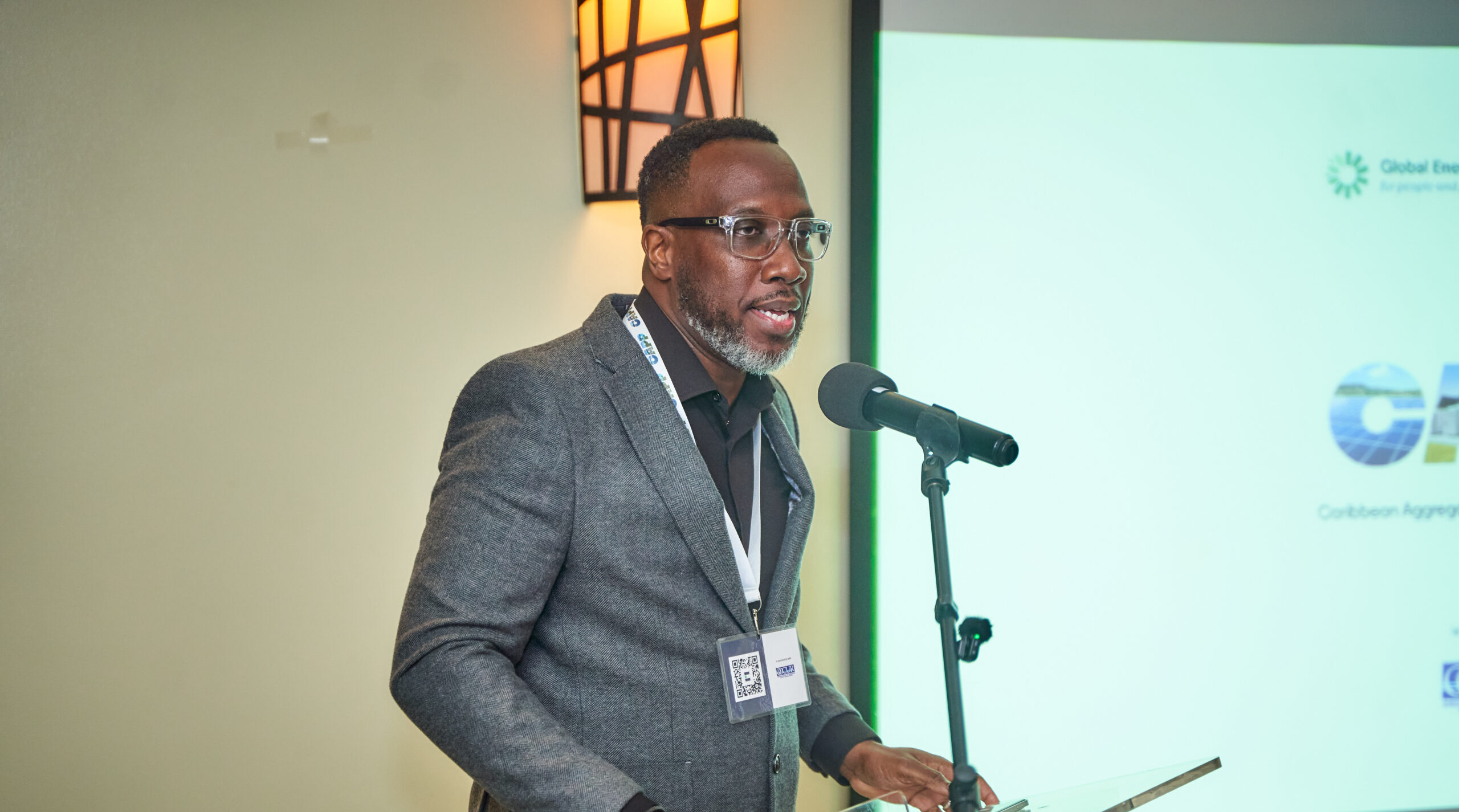
    Against a long-standing backdrop of heavy reliance on costly imported fossil fuels, Caribbean nations are facing growing pressure to transform their energy sectors – and a top energy official has laid out a clear path forward: combined purchasing power and standardized procurement systems. This call to action came from Kevin Hunte, Permanent Secretary of the Ministry of Energy and Business, during his opening address Tuesday at the regional workshop for the Caribbean Aggregation Procurement Programme (CAPP), hosted at the Courtyard by Marriott.

    The two-day workshop gathered key stakeholders from across the region, including senior representatives from national energy ministries, independent energy regulators, and international development partners, to map out a framework for competitive, region-wide aggregated procurement of renewable energy infrastructure.

    Hunte emphasized that the Caribbean’s energy dependency leaves the entire region exposed to outside shocks that local governments have no power to mitigate. “The vast majority of electricity that keeps our hospitals running, our schools open, our small businesses operating, and our homes lit comes from fossil fuels we import from other regions,” Hunte explained. “Every single kilowatt-hour consumers use ties their household costs to global commodity market shifts we cannot control, from price volatility triggered by geopolitical conflict to supply chain disruptions thousands of miles away.”

    Unlike many other regions, Caribbean residents already contend with some of the highest electricity rates on the planet – but Hunte stressed that this burden is not the result of local mismanagement. Instead, it stems from the region’s inherent structural challenges: small, fragmented national energy markets, isolated standalone power grids, and decades of individual countries negotiating procurement separately. “Families in Bridgetown, Castries, Kingston, and Roseau all pay a premium for power not because of any choices they made, but because of the small scale of our individual markets, disconnected grids, and our historic pattern of approaching energy markets one country at a time,” he noted.

    While the Caribbean is endowed with exceptional renewable energy potential – including strong solar radiation, consistent coastal winds, and untapped geothermal reserves – the pace of renewable energy deployment has lagged behind the global average for the last half decade. Regional stakeholders have already identified a growing pipeline of new renewable generation and battery storage projects across the area, but Hunte warned that continuing to pursue these projects on a national, individual basis will lock in unnecessarily high costs for decades to come.

    “If we keep procuring these projects the way we always have, one country at a time, one tender at a time, we will keep paying that premium, and end up spending far more than the global average for the same clean energy assets and storage capacity,” Hunte said.

    Hunte made the case that uniting regional energy demand and standardizing procurement processes and documentation would make the Caribbean a far more attractive investment destination for major international renewable energy developers and institutional investors. “If we pool our collective demand, align our procurement rules and standardize project documents, and present global developers with one cohesive, well-structured regional project pipeline instead of 15 separate fragmented national pipelines, the benefits are transformative,” he argued. “One of the most immediate gains is major combined cost savings – that’s money that stays in Caribbean communities, rather than flowing out to cover inflated procurement and infrastructure costs.”

    Drawing on the region’s long history of successful collective action through institutions like the Caribbean Community (CARICOM) and the Organisation of Eastern Caribbean States, Hunte noted that Caribbean countries have already proven their ability to deliver results through cooperation. “When 15 Caribbean energy ministries come together to back a pipeline of several gigawatts of clean energy, structured with standardized contracts and built-in credit enhancement, that’s a tender that every major player in the global renewable energy industry will compete aggressively to win,” he said.

  • Air Peace route opens new economic opportunities for Barbados, says UWI economist

    Air Peace route opens new economic opportunities for Barbados, says UWI economist

    Following the launch of the first direct commercial flight between Nigeria and Barbados by Nigerian airline Air Peace over the weekend, regional economic experts have outlined wide-ranging long-term opportunities for trade expansion, tourism growth and cross-cultural collaboration between the two nations.

    The new connection marks a key milestone in Barbados’ ongoing strategy to diversify its international tourism and trade partners, moving beyond its traditional source markets to tap into emerging opportunities across the African continent. According to University of the West Indies economist Marion Alleyne, the direct air link creates an unprecedented physical foundation to boost economic engagement between the Caribbean island and West Africa, unlocking untapped potential for multiple core sectors.

    For Barbados’ $4.5 billion tourism industry, which accounts for nearly 40% of the island’s national employment, Nigeria’s 220 million-strong population and fast-expanding middle and upper class represent a high-value opportunity to attract higher-spending international visitors and business travelers. Unlike mass tourism that focuses on volume, this new market is expected to deliver greater revenue per visitor, lifting Barbados’ overall tourism profitability. “Nigeria is a much larger economy with a large population in the hundreds of millions, and they do have a growing affluent middle to high income sector that is perfectly positioned to become core high-value visitors to Barbados,” Alleyne explained.

    Beyond tourism, the new air route addresses a long-standing barrier to bilateral trade: for decades, commercial exchange between Barbados and the entire 54-nation African continent has remained extremely low, with limited direct transport options making cross-border business logistics unfeasible for most small and medium-sized enterprises. The twice-monthly Air Peace service, which operates from Nigeria’s commercial hub Lagos to Bridgetown before continuing on to Antigua, creates a reliable travel and cargo conduit that will allow business leaders from both sides to meet in person, explore partnership opportunities, and map out new areas for collaboration. Alleyne noted that the complementary strengths of both economies create natural trade synergies: Nigeria holds vast natural resources that Barbados lacks, while Barbados has built strong specialized service sectors and intellectual capacity that it can export to growing West African markets.

    Cultural and creative industries are also expected to reap major benefits from strengthened connections. With African cultural influence increasingly resonating across global creative sectors, Alleyne said the new link will open pathways for two-way cultural exchange, including collaborative projects in music, fashion, film and digital content that can position both regions’ creative industries for global growth. Barbados’ creative sectors will gain access to the large and fast-growing African consumer market, while African creators will gain easier access to Caribbean and North American markets via Barbados’ existing regional transport and trade networks.

    Alleyne also echoed comments from Barbados’ High Commissioner to Nigeria Juliette Bynoe-Sutherland, who highlighted that the new route could allow Barbados to position itself as a key regional transit hub connecting other West African nations to destinations across the Caribbean. Even for travelers continuing onward to other islands, Barbados will capture indirect revenue from transit services and layover spending, adding another layer of economic benefit.

    Air Peace currently plans to operate the route twice monthly between May and September, with local officials holding out hope that demand will grow quickly enough to upgrade the service to a weekly schedule in the near future. Alleyne emphasized that the new route aligns directly with the Barbadian government’s stated commitment to diversify tourism source markets and deepen strategic ties with African nations, calling the launch a tangible step forward in delivering on those policy goals.

    While Alleyne cautioned that tangible growth in trade and visitor numbers will not happen overnight, noting that it will likely take 12 to 24 months for businesses and travelers to adjust to the new connection and build lasting partnerships, he stressed that the long-term outlook for the route is overwhelmingly positive. Over time, he projected, both product and service exports between the two regions will see consistent growth, laying the foundation for a mutually beneficial strategic relationship.