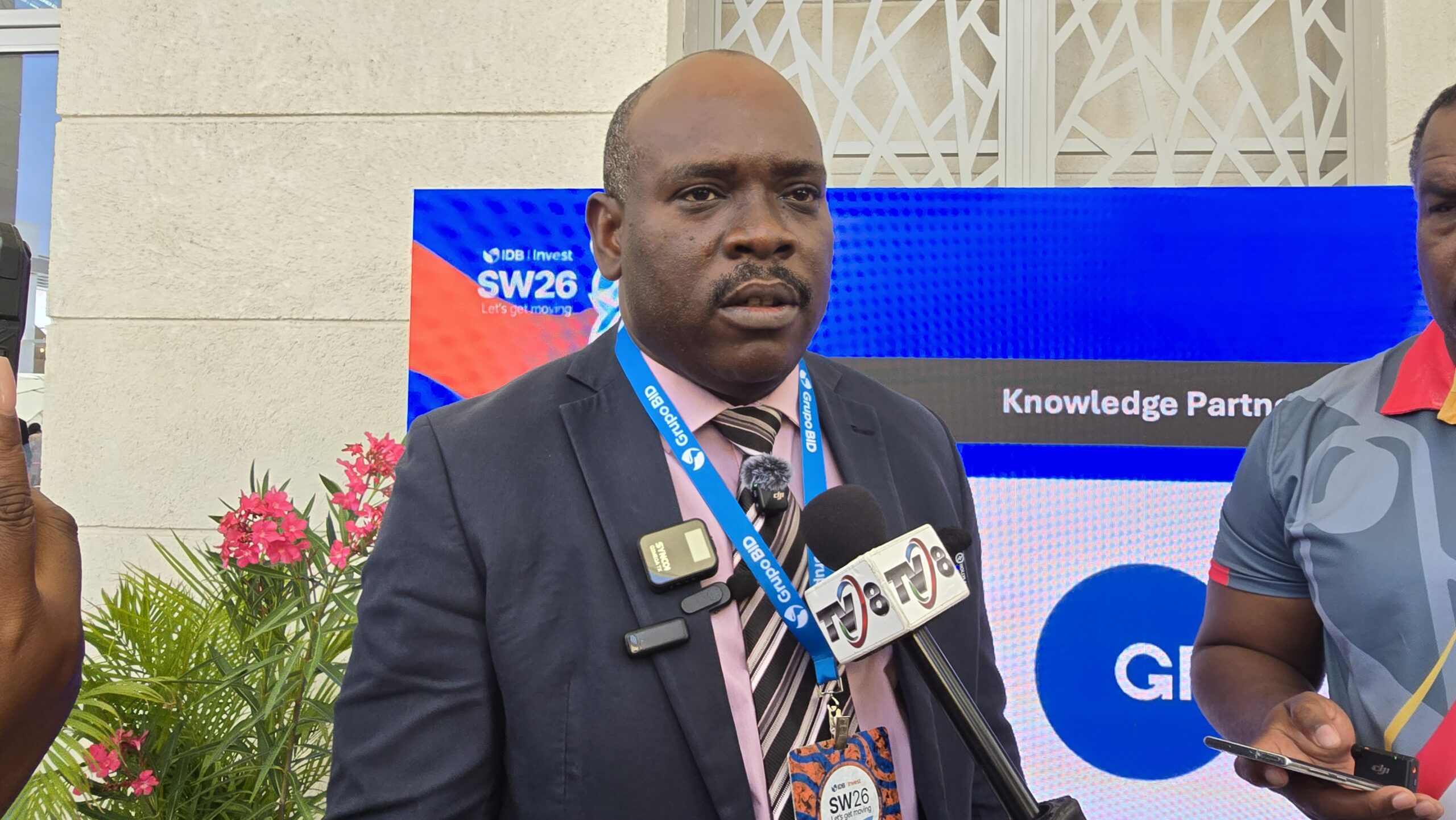
Against a backdrop of escalating climate threats, aging infrastructure gaps, and unmet social development needs across small island developing states (SIDS), the Inter-American Development Bank (IDB) has brought its annual Sustainability Week conference to the Caribbean for the first time, launching a multi-day dialogue in Barbados to connect global and regional investment capital with high-priority development projects across Latin America and the Caribbean.
Hosted at the Wyndham Grand Barbados Sam Lords Castle Hotel in the parish of St Philip, the event draws more than 300 participating businesses from across the Caribbean and Latin America, with a total of over 700 in-person attendees and an additional 1,000 virtual participants joining from around the globe. Running through Thursday, the conference features targeted discussions on four core themes: scaling renewable energy adoption, strengthening national and community disaster resilience, expanding sustainable infrastructure financing, and opening new private-sector investment pathways across the region.
Barbados Minister of Finance Ryan Straughn framed the island nation as the ideal host for the landmark gathering, noting that SIDS confront a unique set of systemic barriers when it comes to accessing affordable financing for development and climate action. “As smaller states, we do have peculiar needs with respect to our financing arrangements,” Straughn told reporters on the opening day of the conference Tuesday. “This gathering brings private sector stakeholders from across Latin America, the Caribbean and the globe together to co-design solutions that work not just for Barbados, but for every small island across the region.”
Over the past eight years, Straughn explained, Barbados has led regional advocacy to expand access to concessional financing that supports equitable development and climate resilience-building, particularly in the wake of the COVID-19 pandemic that exacerbated existing economic gaps across the Caribbean. The conference, he said, is a core component of a broader regional push to mobilize both public and private capital to help countries meet their sustainable development targets.
Straughn emphasized that any new financing must be directly tied to projects that deliver measurable, equitable outcomes across three key pillars: environmental sustainability, social inclusion, and targeted support for vulnerable and marginalized communities. This approach has become a core evolution of corporate social responsibility over the past decade, he noted, as stakeholders increasingly demand tangible impact alongside financial returns. “As we continue to press for the reform of the international financial architecture, we are seeking to match finance with specific deliverables and projects to ensure that we can close persistent development gaps,” Straughn said. “Because at the end of the day, you are as strong as the most vulnerable amongst you.”
A key priority for Barbados, the finance minister added, is expanding access to regional investment opportunities for ordinary Barbadians, moving beyond a system where growth benefits only large traditional financial institutions. “We need more Bajans investing abroad… Bajans have money, so we are working with credit unions as well as traditional banks to create pathways for local citizens to bid on and invest in these regional opportunities, generate income outside of Barbados, and strengthen our own economic resilience,” he explained. The government’s goal, he noted, is to create inclusive investment opportunities that allow ordinary people to earn returns both at home and across the region, rather than concentrating profits exclusively in the coffers of large institutional investors.
To attract sustained private-sector investment, Straughn stressed, national governments must first establish stable, clear regulatory and macroeconomic conditions. “A transparent regulatory environment that enables private sector participation is non-negotiable, and that’s something we’ve been working to build here in Barbados,” he said. “Fiscal discipline, stable governance, and a predictable political economy are equally critical for private investment to take root, but the opportunities for impactful growth are clearly there.”
Straughn pointed to a series of existing successful partnerships between the Barbados government and the IDB as proof of concept for this model, including climate-focused coastal protection initiatives, critical public infrastructure upgrades, and social development projects. Among the examples he cited were the south coast and west coast boardwalk projects, which simultaneously protect coastal ecosystems and properties from climate-related erosion while expanding public recreational space. He also highlighted ongoing multi-partner investments in education, healthcare, and water infrastructure, noting that universal access to reliable potable water remains a top development priority for the island. “Over the last several years, we’ve worked with the IDB, World Bank, the Caribbean Development Bank and other regional partners to develop a comprehensive water master plan to replace pipes originally installed by British colonial authorities over 150 years ago, and upgrade sewerage treatment plants in Bridgetown and the south coast to enable water reuse,” he explained.
Hosting the conference also delivers direct economic benefits to Barbados, Straughn noted, by supporting the island’s expanding meetings, incentives, conferences and exhibitions (MICE) sector and driving economic activity during traditional off-peak tourism periods. “These events not just help us to focus on better delivery of projects and financing, but it also helps to keep economic activity moving in the way that we want it to,” he said.
In a pre-recorded opening address, Minister of Public and Private Investments Indar Weir called hosting Sustainability Week a milestone moment for Barbados and the entire Caribbean region, noting that the island has long sought to lead, rather than observe, global conversations about sustainability and climate resilience. “Barbados does not want to be on the sideline of the conversation. We actually want to be part and center of the conversation, and all of you do know the tremendous work and leadership that our Prime Minister has given to the whole subject of sustainability and indeed resilience,” Weir said.
The gathering creates a unique space for governments, private investors, environmental advocates, and business leaders to align on priorities and forge new impact-focused partnerships, Weir added, noting that the Caribbean was selected to host this year’s event in recognition of the region’s growing sustainable investment potential and its global leadership on climate action. More than 350 companies are participating in this year’s Sustainability Week, with nearly half based in Caribbean countries. “The Caribbean has a clear opportunity to position itself as a global hub for sustainable investment, innovation, resilience, and inclusive growth, and that is exactly what this week is all about,” Weir said.