标签: Barbados

巴巴多斯

  • Wanted: Tonio Thelstone Garnes, also known as ‘Blacka’ or ‘Darkman’

    Wanted: Tonio Thelstone Garnes, also known as ‘Blacka’ or ‘Darkman’

    Law enforcement authorities in Barbados are calling on members of the public to lend their support to an ongoing manhunt for a suspect identified as Tonio Thelstone Garnes, who goes by the aliases ‘Blacka’ and ‘Darkman’. Garnes is currently wanted by police for questioning in relation to a series of serious criminal investigations, prompting the official appeal for community assistance.

    According to public statements released by the Barbados Police Service, the suspect’s last confirmed residential address was on King William Street in the parish of St Michael. Investigators have released a detailed physical description to help members of the public identify him: Garnes stands roughly five feet 10 inches tall, has a slim physique, and a dark complexion. Two distinct tattoos mark his body: an image of a firearm inked onto his right bicep, and the name ‘Nickolett’ tattooed on the right side of his neck.

    Police officials have issued a direct request for Garnes to turn himself in voluntarily at the Criminal Investigations Department (CID) headquarters located within the Oistins Police Station. They have confirmed that he is permitted to be accompanied by a legal representative of his own choosing when he surrenders.

    For members of the public who may have information related to Garnes’ current location, law enforcement has provided multiple confidential and public contact channels. Tipsters can reach the Oistins CID directly at either 418-2609 or 418-2612, call the national police emergency hotline at 211, contact the independent Crime Stoppers anonymous tip line at 1-800-8477, or visit any local police station in person to share information.

    In a critical reminder for the public, authorities have emphasized that intentionally hiding or providing aid to a person wanted by police constitutes a serious criminal offense under Barbados law. Individuals found guilty of harbouring a wanted suspect can face formal prosecution and corresponding legal penalties.

  • BIMAP to launch hands-on workplace safety training

    BIMAP to launch hands-on workplace safety training

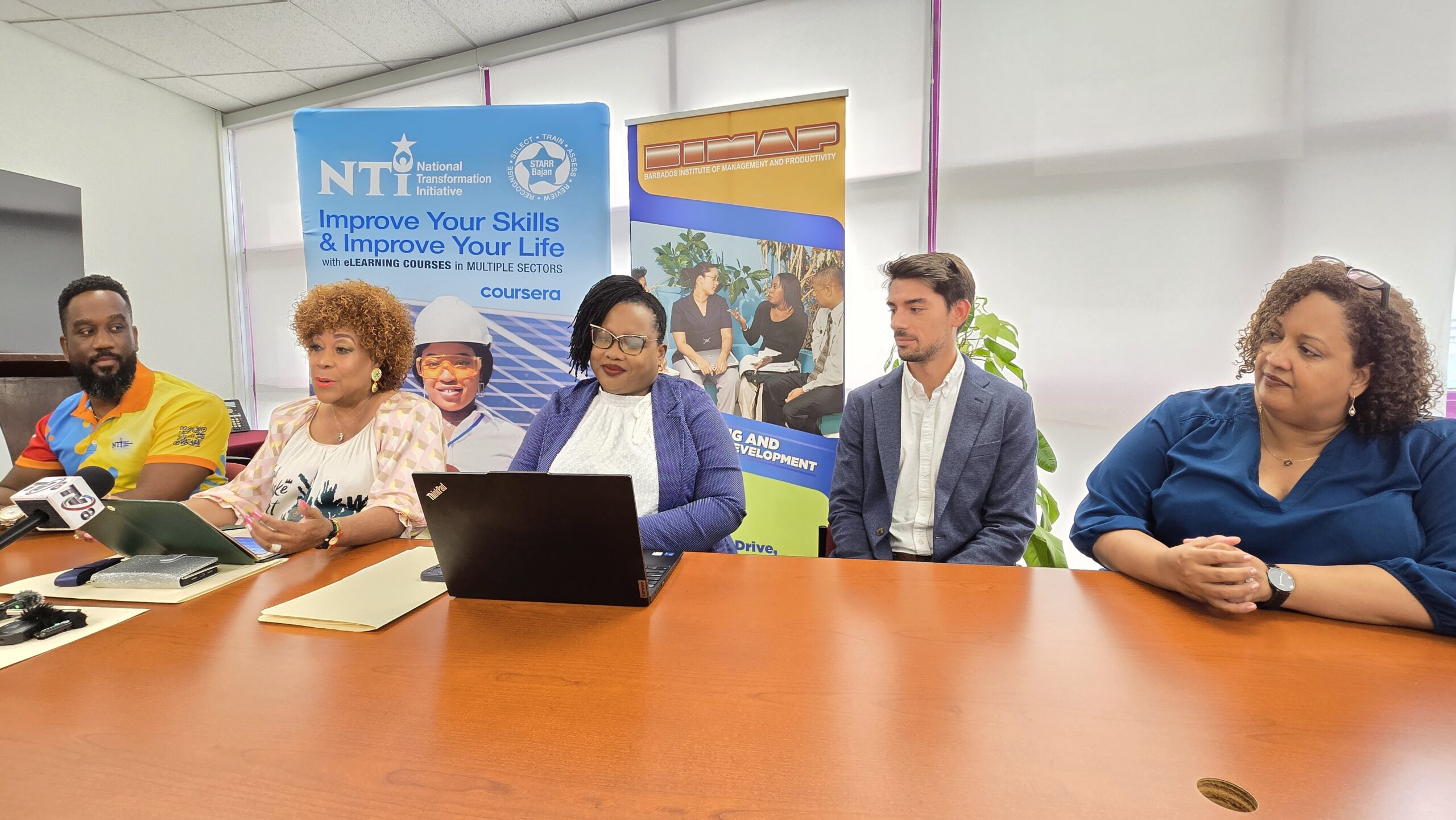
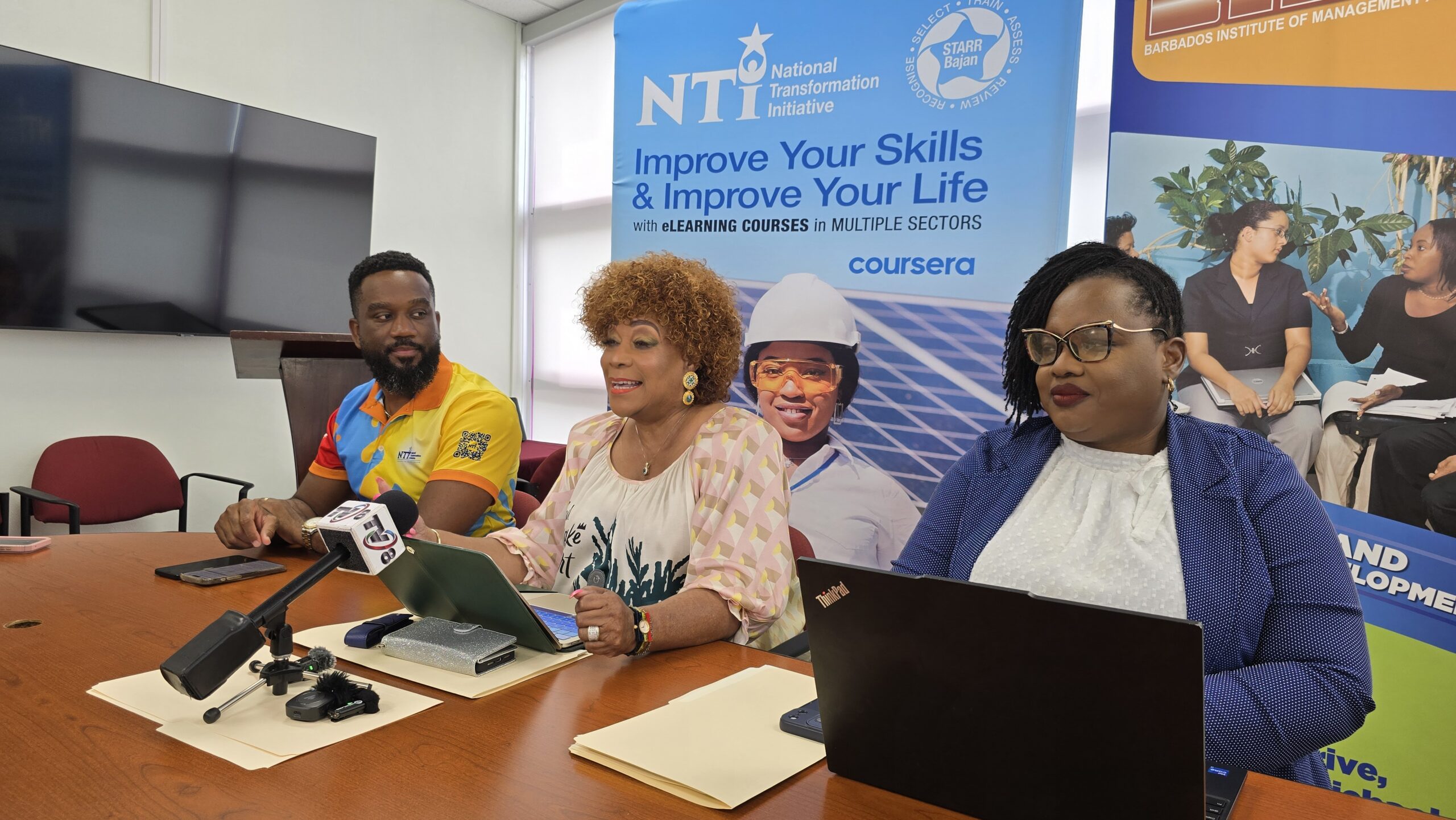
    Starting this September, Barbadian workers across multiple industries will gain access to new specialized hands-on training focused on hazardous waste management and industrial workplace safety, launched through a multi-party partnership between the island nation’s National Transformation Initiative (NTI), the Barbados Institute of Management and Productivity (BIMAP), and global U.S.-based online learning platform Coursera. The collaboration was formalized Thursday during an official agreement signing that marked a key step forward for the country’s efforts to upgrade workplace safety standards.

    BIMAP Executive Trustee Andrea Burgess outlined the unique structure of the upcoming programme in comments following the signing, noting that certified expert facilitators and purpose-built safety equipment will be brought in from Canada to support in-person instruction. Unlike generic safety training, this curriculum is designed to build proactive, preventive skills to help workers respond to on-site emergencies involving hazardous materials, with the end goal of creating safer work environments that reduce preventable accidents and harm.

    Burgess explained that the new initiative builds on a 2021 online-only safety training pilot BIMAP previously ran. This updated iteration combines flexible online foundational learning from aligned Coursera courses with intensive, in-person practical skill-building that was missing from the earlier remote programme. The hands-on component, led by BIMAP’s trained team, will allow workers to practice using safety and hazardous waste treatment equipment directly, rather than only learning through theoretical online modules.

    Addressing ongoing public concerns about elevated workplace fatality risks and weak safety protocols in Barbados’ construction sector, NTI Director Dr. Allyson Leacock emphasized that the partnership was built to align with the real-world needs of the island’s workforce. The training is designed to equip all levels of staff, from front-line on-site workers to senior executives and frontline supervisors, with contextually relevant knowledge that lets all employees complete their daily tasks safely and effectively.

    Leacock added that this September safety training is just one component of a broader, industry-focused workforce development agenda BIMAP is rolling out across Barbados later this year. Burgess noted that BIMAP has identified a growing national demand for practical, skills-first workforce training across a range of critical industrial areas, not limited to workplace safety – extending to advanced equipment operation, cutting-edge industrial technology, and ongoing upskilling to match evolving workplace needs.

  • NTI, BIMAP, Coursera seal partnership to boost skills, jobs

    NTI, BIMAP, Coursera seal partnership to boost skills, jobs

    On Thursday, three organizations – Barbados’ National Transformation Initiative (NTI), the Barbados Institute of Management and Productivity (BIMAP), and U.S.-based for-profit online learning platform Coursera – formalized a five-year strategic partnership designed to reshape the Caribbean nation’s education system and workforce development landscape.

    The new Memorandum of Understanding (MOU) cements a collaboration that has already delivered tangible results for Barbadian workers and learners since NTI first partnered with Coursera in May 2021. BIMAP was the first domestic institution to embrace the initiative, integrating Coursera’s global digital content into its local training programs from the earliest stages.

    Reflecting on the partnership’s growth to date, NTI Director Dr. Allyson Leacock highlighted the rapid expansion of access and uptake: from just 1,600 completed certifications in 2021, the initiative has now crossed 60,000 certifications, with more than 201,000 total course enrollments and over 51,000 active learners on the national platform co-integrated with Coursera. Under the new expanded agreement, the partners will roll out a customized 40-hour digital training protocol to upskill public sector workers, with the goal of building a forward-thinking public service that leads change rather than falling behind.

    Dr. Leacock emphasized that boosting national productivity is the central mission of the expanded collaboration, framing the work as critical to Barbados’ long-term sovereignty and economic resilience. “For a small nation like ours with no natural oil reserves and limited land area, productivity is not just a metric on a spreadsheet – it is national sovereignty. It lets us hold our own on the global stage and pay our own way. For individual workers, productivity means dignity: it is the difference between a family just getting by and a family getting ahead,” she explained.

    She noted that the partnership aligns directly with the government’s “Mission Barbados” national development agenda, centering worker empowerment and inclusive digital transformation. “A truly fully digital Barbados is not just one with fancy technology. It is one where no one is left behind,” Dr. Leacock added.

    One of the key lessons the NTI learned over its first five years of collaboration with Coursera is that standalone certification is not enough to move the needle on employment outcomes. For too long, many Barbadian workers’ learning journeys ended with a certificate, never translating to better jobs, higher wages, or new small business opportunities. Dr. Leacock noted that education providers and employers have long operated in separate spheres, and the NTI is positioned to bridge that communication gap. The new five-year agreement aims to close this divide by directly linking upskilling programs to tangible workplace opportunities.

    “NTI and Coursera bring world-class digital learning content to the table, but BIMAP brings connections to the local business community, employers, small business owners, and on-the-ground real-world workplace challenges that need solutions,” Dr. Leacock explained. “Together, we close the loop: turning learners into earners, skills into jobs, and completed courses into meaningful contributions from active Barbadian citizens.”

    To kick off the expanded partnership, Dr. Leacock announced three pilot initiatives that will launch and wrap up within the first 90 days. The pilots include upskilling a local coconut vendor to grow their roadside trade into a linked value-added segment of Barbados’ tourism development program, leadership training for frontline retail supervisors to help them manage whole teams rather than just individual shifts, and hands-on hazardous waste disposal and industrial safety training for frontline workers, hosted on BIMAP’s real training equipment to ensure workers can return home safely every day. The partnership will also explore practical applications of artificial intelligence to boost local productivity and solve everyday industry challenges.

    BIMAP Executive Trustee Andrea Burgess outlined the institute’s key contributions to the collaboration: its existing relationships with local and regional employers, expert training facilitators, hands-on practical training infrastructure, and decades of regional development expertise. “We are ready to serve as a core part of this delivery engine for national transformation, and eventually regional and even international transformation, all with a constant focus on improving productivity. Our shared goal is to help Barbadian learners move from learning to earning through the combined strength of NTI, Coursera, and BIMAP,” Burgess said.

    Burgess explained that under the new agreement, Coursera content will be progressively integrated directly into BIMAP’s credentialed programs, rather than operating as a separate standalone offering. “This integration lets learners benefit from both global cutting-edge expertise from Coursera and local contextualized facilitation, assessment, and workplace connection from BIMAP,” she noted. The integrated model offers multiple flexible pathways: Coursera courses can count toward full BIMAP degree programs, serve as prerequisite preparation for program entry, or allow learners to waive foundational coursework and shorten their time to completion, depending on alignment of learning outcomes.

    Jennifer Campbell, special advisor for higher education at Coursera, reaffirmed that expanding accessible learning opportunities for all remains the platform’s core mission. “What stands out to me is seeing how lives are being transformed: from learners who took a chance on a new course to faculty who have embraced new training models. Right now, every single person in Barbados has access to these opportunities, and it is an honor for Coursera to be part of this work,” Campbell said. She also pledged that Coursera will continuously update its content to reflect global labor market demands, emerging technologies, and the latest skills data to ensure it remains relevant to Barbadian workers’ needs.

  • Junior Monarch attracts 47 entrants

    Junior Monarch attracts 47 entrants

    Barbados’ iconic showcase for young Caribbean musical talent is gearing up for a milestone 2026 edition, as the 2026 Scotiabank Junior Monarch Competition draws a record-breaking field of participants to mark double anniversaries for the event’s organizers. This year, the National Cultural Foundation (NCF)—the country’s primary arts development body—is celebrating 40 years of nurturing emerging creative talent, while title sponsor Scotiabank commemorates 70 years of operations in Barbados. Against this celebratory backdrop, 47 up-and-coming artists submitted entries across the competition’s two core categories: calypso and soca, marking a noticeable increase in participation from the 2025 edition.

    The semi-final performance order draw was held Thursday at Scotiabank’s Warrons location, where 26 advancing artists picked their slots for the upcoming competition later this month. Ayesha Butcher, NCF music officer and producer of the competition, broke down the breakdown of entries and advancing contestants: 33 total submissions came in for the calypso category, while 14 artists entered the soca division. After preliminary judging, 13 calypso semi-finalists (plus one alternate) and 13 soca semi-finalists moved forward to the next stage of competition. “These young artists have been working assiduously behind the scenes in preparation for their first public performance with the band,” Butcher shared ahead of the contest’s first public events.

    Contestants will make their first public appearances alongside a full live band this Saturday at the Scotiabank Junior Monarch Tent, hosted at the Queen’s Park Steel Shed starting at 6 p.m. A second public preview event is scheduled for the same venue and time on June 20. Semi-final rounds will officially kick off at Carifesta Hall on June 28 at 6 p.m., with the competition concluding on July 18, when finalists will take the stage to compete for the coveted Junior Monarch titles in both categories. The confirmed semi-final performance order has been locked in: for calypso, the running order is Sabiah, Potent, Bit Bit, Yonte, Master Kajae, Lil E, Chelsea, Andrea, N’Kyla, Ozzydeartiste, Queen A, Willy B and Slay; for soca, the order is Keytrin, Leilani, Zarie B, Lil Stathis, Tempo, ROH, Niara, Khaleesi, A.J., Ranesha, Empress K, Talisia and Aurora.

    In opening remarks at the draw event, NCF chief executive Carol Roberts congratulated all advancing contestants and framed the competition as far more than a search for a winner. “It takes immense courage to stand under the lights, to hold a microphone, and to share your perspective with the world. It’s not easy, and you do it, and for that, you are a winner,” Roberts told the young artists. “My advice to you is this: Use this platform, not just to compete, but to learn, to connect and to find your authentic voice. Listen to your mentors. Respect your fellow artists, support each other, cherish every moment of this journey and have the time of your life.”

    Roberts emphasized that the 40-year competition has built a far-reaching legacy that extends beyond the stage. “We see a cultural academy of young people who started on the junior monarch stage, and they’ve grown all of them into ambassadors of our culture,” she said. She also paid tribute to Scotiabank’s unprecedented long-term support of the program, noting the bank has partnered with the Junior Monarch competition for 31 of its 40 years of existence. “For the vast majority of these 40 years, you’ve stood shoulder to shoulder with us, and you’ve proven time and time again that your commitment extends far beyond corporate visibility. It is a profound, enduring investment in the youth of Barbados because you understand that when you sponsor Junior Monarch, you’re not just funding a competition, you’re funding the voices of tomorrow,” Roberts said.

    Following the semi-final draw, Scotiabank formally presented NCF with a $73,000 Bds donation to support the 2026 competition. Lana Fingall, Senior Relationship Manager and Team Lead for Offshore Banking at Scotiabank, framed the partnership as a core part of the bank’s commitment to Barbadian youth and national culture. “There’s no better expression of that commitment than our long-standing support of the Junior Monarch Programme, which we have proudly sponsored for over 25 years. Our continued partnership with the National Cultural Foundation reflects not only our belief in this programme, but our confidence in the young people of Barbados, their talents, their voice and their potential,” Fingall said.

    Fingall explained that youth empowerment is a central pillar of Scotiabank’s global and local social impact strategy. “We believe that when young people are given the right opportunities, guidance and support, they can truly thrive and in doing so uplift their families, communities, and the nation as a whole. Through initiatives like Junior Monarch, we are not only supporting artistic expression. We are helping to shape confident, capable, and resilient young leaders,” she said. She also highlighted the bank’s ScotiaRISE initiative, a global program focused on building economic resilience for young people, noting the program prioritizes investments that help emerging generations prepare for their futures with confidence.

    Touching on the place of the Junior Monarch competition within Barbados’ annual Crop Over festival, Fingall noted that the event is far more than a precursor to the national celebration. “Crop Over is more than a festival; it is a celebration of identity, heritage, and national pride. But the future of our culture depends on how well we engage and empower the next generation today,” she said. “The Junior Monarch competition gives our young people a platform to be seen, heard, and celebrated, ensuring that the rhythms, stories, and spirit of Barbados continue to evolve and thrive. Each year, these young artists bring fresh perspectives, full creativity, and authenticity that inspire us all. They remind us that culture is not static.”

  • ‘Beyond Words’ to open doors through French language exchange

    ‘Beyond Words’ to open doors through French language exchange

    The Eden Lodge Youth Charitable Trust, a community-focused nonprofit based in Barbados, has unveiled an innovative cross-cultural language exchange program called Beyond Words, which brings international university students directly into local classrooms to boost language proficiency and connect young people across borders.

    Details of the new initiative were shared publicly at a press briefing hosted Thursday at St Paul’s Primary School on Brittons Cross Road, where the trust’s public relations lead Billie-June Langdon explained the program originated from a planned internship for Luxon Warner, a business student at EXCELIA Business School based in Orléans, France. Recognizing that Warner’s placement through the French Humacité Programme represented more than just a standard internship opportunity, the trust designed the Beyond Words initiative to advance a set of core goals: expand accessible cultural exchange opportunities, empower youth to engage globally, drive inclusive community development, build global awareness among local students, and foster authentic, long-lasting connections between young people from different cultural backgrounds.

    In its pilot first year, the program has partnered with two Barbadian schools: St Paul’s Primary School and St Leonard’s Boys’ Secondary School. Warner has led customized conversational French classes at both institutions, adapting content and activities to match the varying age groups and language proficiency levels of participating students.

    Andrew Lokey, a modern languages teacher at St Leonard’s Boys’ Secondary School, noted that the program’s impact extends far beyond basic language instruction. Over the four-week pilot, Lokey observed that the shared age proximity between the 20-year-old French visitor and the 15 and 16-year-old secondary school students created a natural, relaxed camaraderie that enhanced learning far beyond what a standard curriculum can offer.

    Lokey emphasized that access to a native French speaker gave students an immersive experience impossible to replicate in a traditional, teacher-led classroom. “Students got to hear and practice natural, authentic conversational French in real time, which is an irreplaceable learning tool,” he explained. The program also delivered tangible academic benefits for students preparing for their Caribbean Secondary Education Certificate (CSEC) exams, with Warner able to walk students through complex grammatical concepts in clear, detailed terms that reinforced their exam preparation.

    Most notably, Lokey observed a marked improvement in student engagement and confidence. Even students who had previously shown limited interest in French became more motivated to practice and improve their skills week over week, with Warner’s consistent encouragement driving measurable progress.

    For Warner himself, the exchange has been just as transformative. Calling the experience his first extended stay in a foreign country, he explained that stepping outside his comfort zone – navigating daily life independently without family nearby – helped him grow personally and professionally. While helping Barbadian students build their French skills, Warner also worked to improve his own English proficiency, noting that daily interactions with local students and staff helped him overcome initial nervousness about speaking in a new language. He expressed hope that he would return to Barbados to continue the program in the future and extended his gratitude to the Eden Lodge Youth Charitable Trust for the opportunity.

    At St Paul’s Primary School, the pilot program introduced French to young learners through dynamic, activity-based methods that made the new language fun and accessible. Eleven-year-old Class Four student Davonte Jordan shared that the interactive lessons – which included vocabulary games for weather terms, body parts, and city locations, as well as a French-language version of Simon Says that got students moving around the classroom – made learning feel engaging rather than intimidating. The positive early experience has already sparked a lasting interest: Jordan said he plans to continue studying French when he moves on to secondary school.

    St Paul’s Primary Principal Joan Collymore praised the initiative for the unique opportunities it brought to her students. “Over the course of the program, our students benefited tremendously from conversational classes led by Luxon. The lessons were engaging, well-received, and his consistent enthusiasm kept kids inspired from start to finish,” Collymore said. While the pilot program ran only a few weeks, she added that it delivered long-term value, creating meaningful learning experiences and strengthening the critical partnership between the school and local community to support the development of well-rounded, globally aware students.

    Organizers of Beyond Words noted that the initiative aligns with the Eden Lodge Youth Charitable Trust’s core mission of youth empowerment, expanded educational access, and community service. The pilot program has already demonstrated that targeted international collaboration can not only improve language learning outcomes for students but also build confidence, cross-cultural understanding, and genuine people-to-people connections between young people from different parts of the world.

  • Jazz and golf fest ‘boosts tourism appeal’

    Jazz and golf fest ‘boosts tourism appeal’

    Ten years after its humble debut, the Barbados Jazz Excursion and Golf Weekend has emerged as a transformative cultural and economic asset for the Caribbean island, drawing high-value international travelers and cementing Barbados’ reputation as a world-class experiential travel destination, industry officials announced ahead of the 2024 milestone edition.

    This year’s 10th anniversary gathering is scheduled to run from October 8 to 12, building on a decade of growth to showcase Barbados’ unique blend of world-class culture, warm hospitality, and premium leisure offerings that set it apart from traditional holiday destinations. Speaking at the official media launch held at the Wyndham Grand Barbados Sam Lords Castle, Anderson King, Marketing Director of Barbados Tourism Marketing Inc. (BTMI), emphasized that the festival is far more than an annual entertainment event—it is a case study in what collaborative partnership can achieve for a destination’s global brand.

    “We’re celebrating far more than an event,” King noted at the launch. “We are celebrating what is possible when creative vision, strategic partnerships, and a shared belief in Barbados come together to create experiences that resonate on a global stage.”

    King pointed to shifting global travel trends that have shaped Barbados’ modern tourism strategy: today’s travelers no longer settle for generic beach vacations. Instead, they prioritize authentic, immersive experiences that let them connect with local culture, communities, and heritage. The Barbados Jazz Excursion was tailor-made to meet this demand, weaving together live jazz music, recreational golf, award-winning local cuisine, Caribbean heritage, luxury hospitality, wellness programming, and community engagement into one cohesive, memorable experience—aligning perfectly with BTMI’s long-term growth goals.

    The festival also highlights the ripple benefits of cross-sector collaboration across the visitor economy, King explained. Bringing together government tourism agencies, private sector businesses, international airlines, local hotels, cultural attractions, independent restaurants, transportation providers, and world-renowned artists creates shared economic gains that extend far beyond the event weekend. “Tourism succeeds when we work together, and the Barbados Jazz Excursion continues to demonstrate the extraordinary results that collaboration can achieve,” he added.

    Over its first decade, the festival has built steadily growing international appeal, drawing the majority of its attendees from Barbados’ core source markets: the United States, Canada, and neighboring Caribbean nations. King highlighted the outsized importance of the U.S. market, which has become Barbados’ largest source of international visitors, recording a remarkable 60% increase in arrivals over the past three years, with projections set to hit nearly 250,000 U.S. visitors in 2025. The event’s annual scheduling over the U.S. Columbus Day holiday weekend makes it an attractive long getaway option for North American travelers, who can combine world-class jazz and golf with Barbados’ iconic hospitality.

    King also noted that the festival has built exceptional brand loyalty, with a large share of attendees returning year after year. Many of these repeat visitors go on to become informal brand ambassadors for Barbados, encouraging friends, family, and travel groups to book trips to the island.

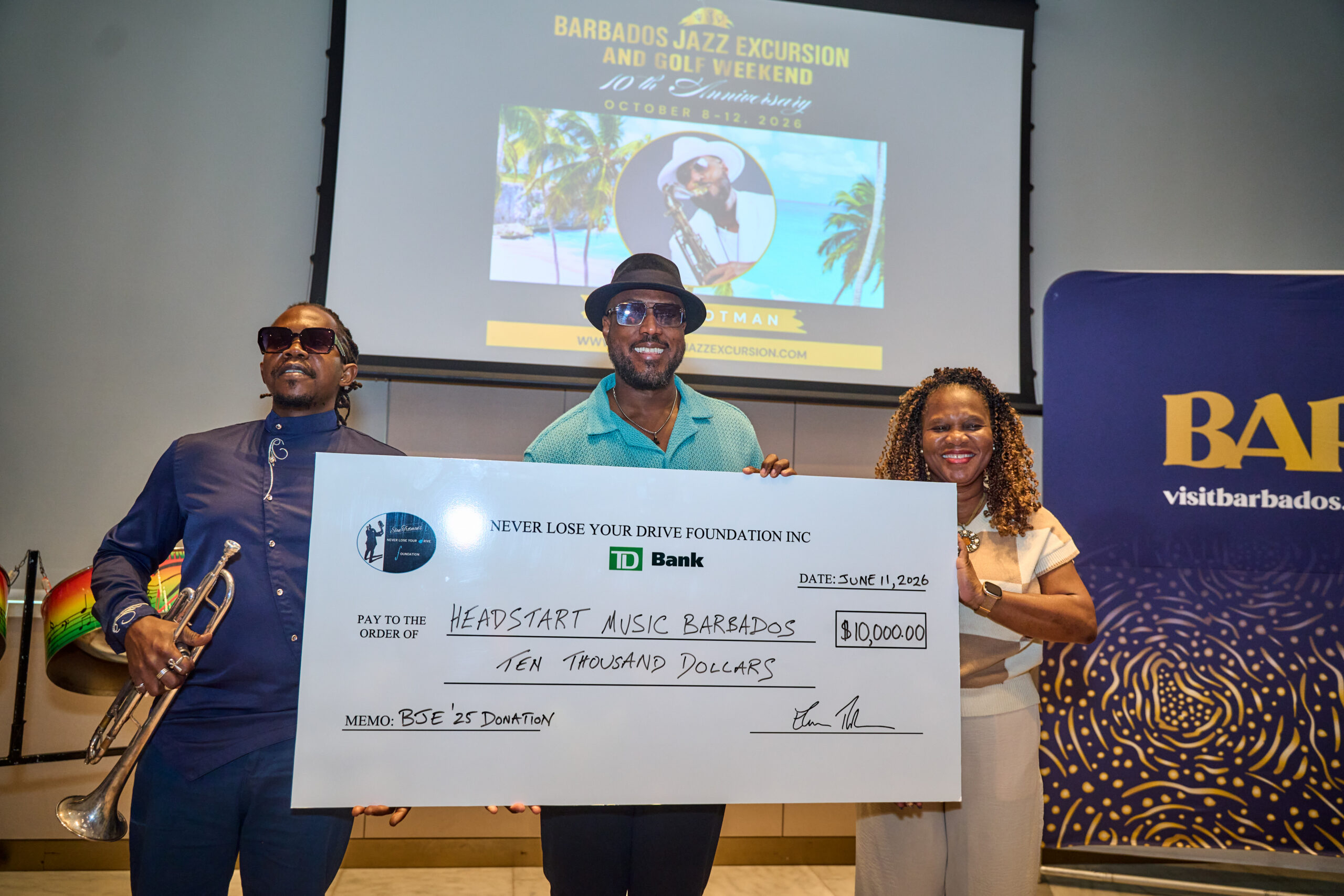
    Veteran jazz saxophonist Elan Trotman, the founder and creative force behind the festival, reflected on the event’s extraordinary 10-year growth trajectory. What began in 2014 as an intimate gathering of family and friends near the iconic Crane Resort has steadily expanded into one of Barbados’ top annual tourism and entertainment events.

    “Today I proudly celebrate a major upcoming milestone of ten years presenting this event,” Trotman said. “What began in 2014 as a small gathering of family and friends … has grown into one of Barbados’ premier tourism and entertainment events, attracting thousands of visitors in the last decade, while directly supporting our Head Start Music programme.”

    For this year’s milestone 10th anniversary edition, organizers already expect at least 150 in-house guests at the Wyndham Grand, with Grammy Award-winning R&B legend Jeffrey Osborne headlining the festival’s flagship Concorde Experience concert on October 11.

  • Fraser blasts govts for ‘total disaster’ in preserving historic buildings

    Fraser blasts govts for ‘total disaster’ in preserving historic buildings

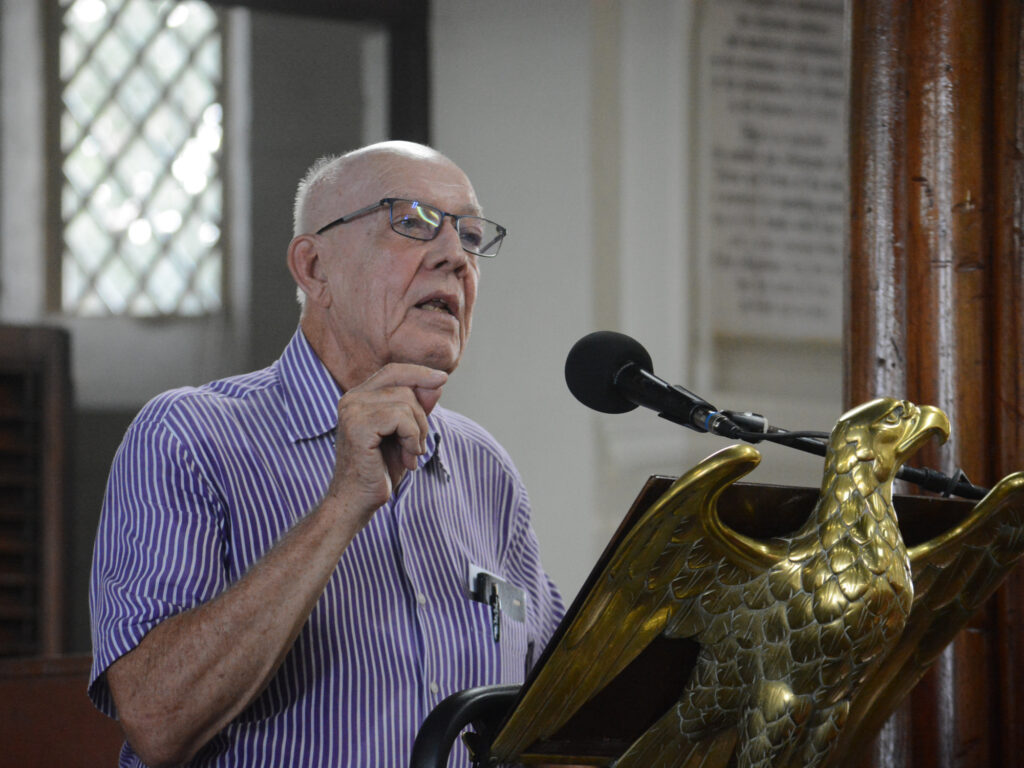
    Barbados’ irreplaceable collection of historic architecture is facing an unprecedented existential threat, driven by decades of inaction from every consecutive national administration, a leading global expert on Barbadian built heritage has warned. Professor Emeritus Sir Henry Fraser, a former president of the Barbados National Trust and one of the nation’s most respected voices on cultural preservation, issued a scathing rebuke of both past and current governments, calling the current state of heritage stewardship an unmitigated disaster.

    In an exclusive interview with Barbados TODAY, Sir Henry said that national efforts to protect the island’s one-of-a-kind architectural landscape have been effectively frozen for generations, stretching back to the administration of Prime Minister Tom Adams. “This government, the last government, the previous government, and the government before that, has made no effort to preserve our built heritage, absolutely none,” he stated. “Not since Prime Minister Tom Adams has there been any serious interest in the magnificent heritage of Barbados.”

    While the expert acknowledged that a small number of isolated preservation wins have been achieved – most notably the phased restoration of Bridgetown’s Parliament Buildings, which he credited entirely to the persistent advocacy of Dame Billie Miller – even these high-profile milestone projects have fallen victim to longstanding bureaucratic neglect. As a key example, he pointed to the Museum of Parliament, which has remained shuttered and inaccessible to the public for years despite the completion of the main building restoration.

    “This is a very poor job of caretaking our heritage. These are our national treasures that carry the story of Barbados’ history that have been allowed almost to rot,” Sir Henry argued. He added a stark warning: the island’s crown jewel of heritage, Historic Bridgetown and its Garrison, a designated UNESCO World Heritage Site, could lose its international protected status if the current trend of neglect continues. “They will sooner or later take it away,” he cautioned.

    Sir Henry’s critique lands amid a period of rapid physical transformation across the Barbadian landscape, as new construction reshapes much of the island’s urban and coastal areas. The professor emphasized that he is not opposed to thoughtful modern architecture, highlighting contemporary projects such as the Sagicor building on Lower Collymore Rock as excellent examples of well-executed contemporary design. The core problem, he argued, lies in a broken regulatory framework that consistently fails to strike a healthy balance between new development and heritage preservation.

    In his view, town planning regulators have repeatedly approved destructive construction projects that should never have been granted permission. Fixing this systemic failure does not require just minor tweaks to existing legislation, Sir Henry explained – it demands a complete shift in institutional priorities and cultural sensitivity towards heritage assets.

    Current planning regulations, overseen by the Planning and Development Department (originally founded in the early 1960s as the Town and Country Planning Department), are constrained by rigid, technocratic rules focused narrowly on site efficiency, property boundaries, building setbacks, and parking requirements. The system has no formal mandate to conduct qualitative, aesthetic assessments of proposed developments that impact historic sites, Sir Henry said.

    Beyond heritage protection, the flawed regulatory framework has created practical public safety risks, he added: “It doesn’t appear to have the power to improve many a blind corner that lead to traffic accidents. And it hasn’t appeared for some time to have town planners who either have the vision, sensitivity, or authority to take decisions that relate to aesthetics. You would have to have a determination on the part of the Minister of Planning, and you would have to have professionals with the appropriate training to have any sort of impact on town planning decisions.”

    The ripple effects of this decades-long neglect extend beyond cultural preservation, directly damaging community heritage and the fast-growing sports tourism sector, a topic Sir Henry explored in depth in a recent Barbados TODAY column. His comments come after the current government announced plans to formally grant heritage status to the childhood homes of two Barbadian cricket legends: Sir Frank Worrell and Sir Garfield Sobers. Reacting to the announcement, Sir Henry offered a measured mix of cautious optimism and deep skepticism, rooted in 35 years of failed efforts to preserve Worrell’s former home.

    He detailed the long and frustrating history of Bostonville, Worrell’s childhood residence in Bank Hall, located just behind the Empire Cricket Club. Sir Henry first discovered the abandoned property 35 years ago, and led a volunteer pro bono restoration effort alongside former West Indies cricketer and builder Richard “Prof” Edwards. The project concluded with a formal ceremony, where then Prime Minister Sir Lloyd Sandiford unveiled a commemorative marble plaque marking the site’s significance.

    Despite that successful community-led restoration, bureaucratic inaction allowed the property to fall back into disrepair and ruin within years. A second effort to redevelop the site into a popular cricket-themed café and museum ahead of the 2007 ICC Cricket World Cup also collapsed when pledged government funding was diverted to other unrelated projects, leaving the historic landmark abandoned once again.

    The property holds unique cultural meaning: its stone veranda was modified by Sir Frank’s father specifically so he could watch his son play cricket from behind the Empire Cricket Club wall. Sir Henry emphasized that the site holds enormous potential to inspire local communities and draw cricket-loving tourists from across the globe. He urged the current government to break the long cycle of official neglect by finalizing a binding formal agreement between the national government, the Worrell family, and the Empire Cricket Club to secure the site’s future.

    As one of the most pivotal figures in West Indian cricket history, Sir Frank Worrell transformed the sport and became a powerful symbol of regional Caribbean pride. Decisive action from national leaders is urgently needed, Sir Henry argued, to ensure that irreplaceable cultural landmarks like this are preserved as living parts of Barbadian history, rather than left to crumble or cleared for short-sighted modern development.

  • Dry spell: El Niño phenom weakens rainfall as drought warnings persist into wet season

    Dry spell: El Niño phenom weakens rainfall as drought warnings persist into wet season

    Even as the Caribbean island nation of Barbados enters its annual wet and hurricane season, a long-running drought is projected to persist for months, with climate forecasters linking sustained dry conditions to El Niño-driven rainfall suppression that could stretch water scarcity into early 2025. In an official advisory released from the capital Bridgetown, the Barbados Meteorological Services (BMS) outlined that while the seasonal shift typically brings more regular showers and active thunderstorm activity, persistent El Niño conditions in the Pacific Ocean are drastically cutting into expected precipitation totals this year.

    El Niño is a recurring climate pattern defined by above-average sea surface warming across the central and eastern Pacific. This oceanic shift reshapes global atmospheric circulation, often weakening the moisture-laden weather systems that ordinarily deliver consistent rainfall to Caribbean island nations.

    For Barbados, which marked the start of its wet season two weeks ago, this translates to far fewer, less sustained rain events, raising the odds of prolonged dry spells and deepening drought even in the wettest part of the year. BMS data shows total rainfall recorded through the end of May hit 278.4 millimeters, near the island’s historical average, but more than 70 percent of that total fell across just a handful of days in January and March, creating extreme uneven distribution of precipitation.

    This patchy rainfall has left vegetation severely stressed, especially in the southern and southwestern regions of the small island. While a handful of tropical waves have passed through the region in recent weeks, they have only delivered minimal, short-term relief from the ongoing dry conditions. Looking ahead to the next three to five months, BMS experts project rainfall will stay at or below historical averages through October, with El Niño forecast to strengthen over that period— a shift that carries a 75 percent probability of occurring, according to current climate models.

    Forecasters caution that while isolated, intense downpours may trigger temporary localized flooding in low-lying parts of the island, these brief bursts of rain do not effectively recharge Barbados’ critical freshwater aquifers. Those underground water reserves require slow, sustained rainfall to replenish, meaning even occasional heavy storms will not resolve the underlying water scarcity.

    Compounding the island’s water challenges, Barbados has also entered its annual heat season. While forecasters do not expect temperatures to surpass the record highs set in 2023 and 2024, with moderate relief from consistent brisk trade winds, above-average air and sea surface temperatures are still locked in for the coming months. This combination of heat and dryness creates elevated heat stress risk for outdoor workers, children, older adults, and vulnerable people living with chronic health conditions, particularly on increasingly humid days and warm nights when overnight cooling is limited.

    Under the current outlook, BMS plans to elevate official drought alert levels through October: formal drought warnings will remain in place for June and July, followed by drought watches from August through the end of October. BMS officials also warn that the convergence of above-average temperatures, below-normal rainfall, and strong winds through this wet season could set the stage for an unusually dry start to 2025, meaning new drought warnings may be issued before the end of 2024.

  • Humphrey: Barbados needs infrastructural upgrades

    Humphrey: Barbados needs infrastructural upgrades

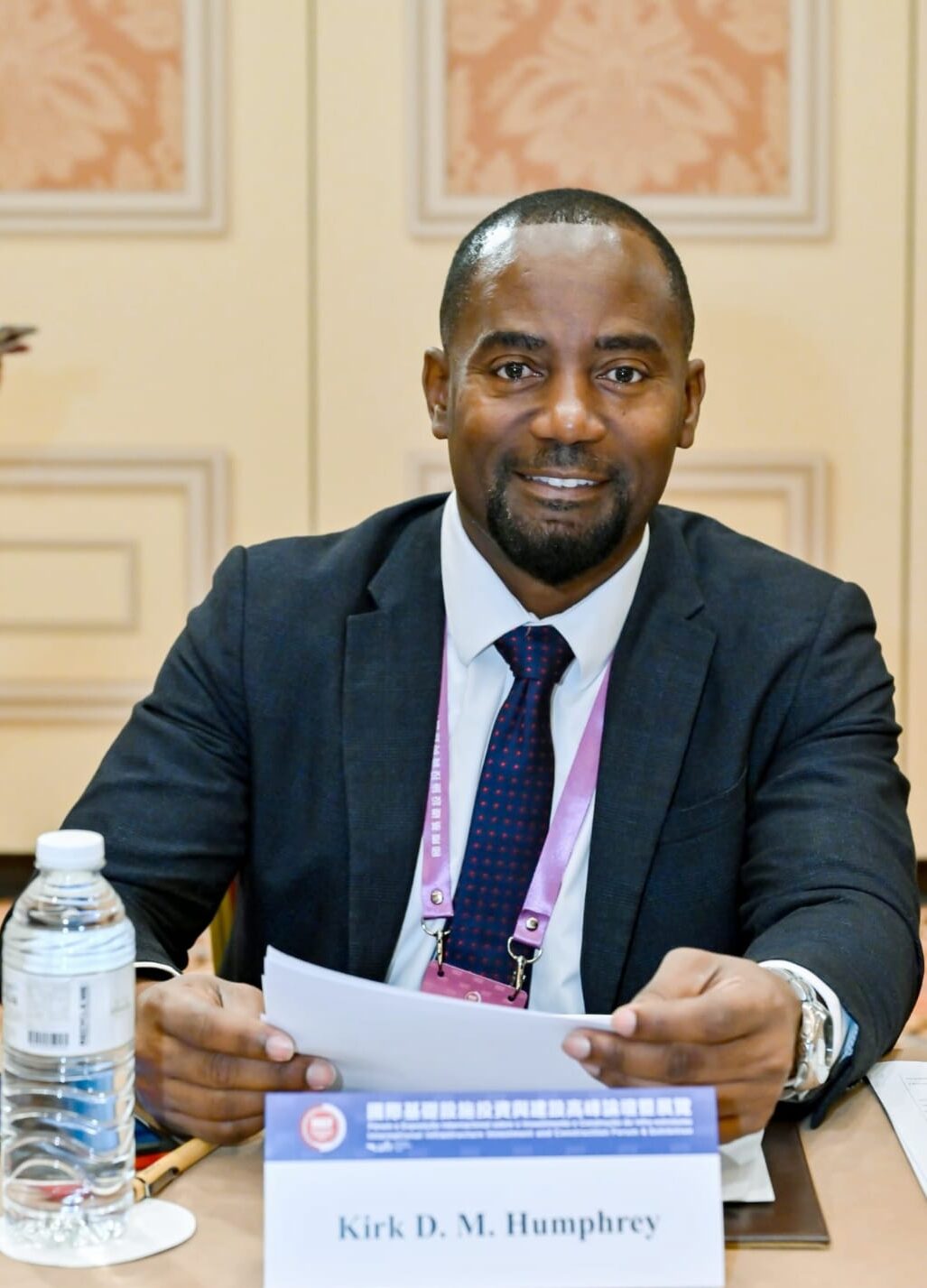
    Against the backdrop of growing global economic uncertainty and the unique climate challenges faced by small island developing nations, Barbados has laid out a transformative, multi-sector infrastructure development strategy designed to reinforce national resilience and elevate the country’s standing in the global competitive landscape. The announcement was made by Kirk Humphrey, Barbados’ Senior Minister Coordinating Infrastructure and Minister of Transport and Works, during his address at the 12th China-Latin America and the Caribbean (LAC) Infrastructure Forum held in Macau.

    Humphrey framed the current moment as a critical turning point for the island nation, arguing that the global understanding of infrastructure has shifted dramatically in recent decades. “Infrastructure must no longer be reduced to just physical assets like roads, bridges and buildings,” he emphasized during the forum. “Today, it encompasses interconnected systems, cutting-edge technologies and cross-border partnerships that all work together to lift living standards, unlock new economic opportunities and reinforce a nation’s ability to withstand systemic shocks.” He went on to anchor the entire infrastructure agenda in human-centric values, noting: “At its core, infrastructure development is about people. Its ultimate goals are to expand opportunity, enhance quality of life, and build societies that are more resilient, deeply connected, and fully prepared to tackle the challenges of tomorrow.”

    In his remarks, Humphrey singled out inter-island connectivity as one of the Caribbean region’s most underutilized pathways to inclusive economic growth and deeper regional integration. He proposed that the deployment of a modern, interconnected regional ferry network could drive transformative change across the Caribbean, boosting cross-regional trade, expanding tourism activity, strengthening regional food security, and streamlining the movement of people between neighboring island nations.

    Beyond physical transportation infrastructure, Humphrey stressed that digital modernization is a non-negotiable priority for 21st century development. He called for expanded cross-border and cross-stakeholder collaboration to build out smart transportation networks, integrate artificial intelligence into public infrastructure management, expand digital electronic government services, strengthen regional cybersecurity frameworks, and roll out advanced, high-speed communications systems across all participating nations.

    Alongside digital transformation, Humphrey highlighted that Small Island Developing States (SIDS) have a unique imperative to lead on climate resilience and renewable energy expansion. He noted that these climate-vulnerable nations must continue to pursue innovative, locally adapted solutions that reinforce long-term energy security while advancing inclusive, sustainable economic growth that leaves no community behind.

    Looking forward, Humphrey reaffirmed Barbados’ unwavering commitment to building global and regional partnerships centered on innovation, environmental sustainability and shared prosperity. He added that Barbados is positioned to take on a leading role across the Caribbean in advancing next-generation transport innovation, digital infrastructure integration, and climate change adaptation strategies that can serve as a model for other SIDS around the world.

    The address came ahead of a key milestone in Barbados-China bilateral relations, with Humphrey noting that the two countries will mark 50 years of formal diplomatic ties in 2027. He extended sincere gratitude to the Chinese government for its consistent long-term financial and development support, which has delivered tangible improvements across key sectors of Barbados’ economy including healthcare, agriculture, education, sports and transportation infrastructure. He highlighted several high-impact joint collaboration projects as clear examples of the mutually beneficial partnership, including extensive national road rehabilitation work, new bridge construction, the full modernization of Barbados’ Queen Elizabeth Hospital, and the major redevelopment of the country’s National Stadium – all of which have directly improved daily life for people across Barbados.

  • Barbados gearing up to strengthen financial sector

    Barbados gearing up to strengthen financial sector

    Barbados is moving forward with ambitious regulatory reforms to protect and strengthen its reputation as a trusted global financial and international business hub, launching a large-scale training initiative to prepare the domestic financial sector for sweeping new beneficial ownership regulations.

    Hosted by the country’s International Business Unit (IBU) this Thursday, the specialized workshop drew more than 200 industry representatives from 112 licensed corporate and trust service providers (CTSPs), bringing together key players across the island’s regulatory ecosystem: the Financial Intelligence Unit (FIU), national anti-corruption agencies, and local law enforcement all participated in the collaborative capacity-building event.

    The overarching goal of the training push is to prepare local industry stakeholders for the full implementation of new beneficial ownership legislation and the launch of the country’s first private central beneficial ownership register. The registry system is specifically designed to identify and document the natural persons who exercise ultimate ownership and control over companies registered in Barbados, cutting through opaque legal structures to reveal the decision-makers behind business entities.

    Sangene Watkins-Diagne, the acting director of the IBU, framed strict adherence to standards set by the Financial Action Task Force (FATF) as a core driver of Barbados’s economic competitiveness. “When Barbados is recognized as a fully compliant jurisdiction, we become far more attractive for cross-border business. As a compliant hub, we are a credible destination that investors can trust, which draws greater foreign investment. We need to reach the point where compliance is understood as a core component of our competitive edge,” she explained during the workshop.

    While Watkins-Diagne acknowledged that Barbados’s local service providers have a long-standing track record of upholding required regulatory standards, she noted the new training effort was a direct response to evolving global anti-money laundering and counter-terrorist financing requirements. “Following the FATF’s fifth round of mutual evaluations for the region, the global rules have shifted. This session is intended to make sure our entire sector understands these updates and is fully prepared to adapt,” she added.

    Watkins-Diagne also clarified that the new central register is far more than a routine data collection project, but an active operational tool for law enforcement and regulatory compliance. “This information needs to be accessible and ready for use by police and regulatory bodies when they conduct investigations into illicit activity,” she said.

    Technical sessions at the workshop were led by Paul Inniss, a regional expert with experience as an assessor for the Caribbean Financial Action Task Force (CFATF), who has previously supported neighboring jurisdictions including the Cayman Islands and Jamaica to strengthen their own beneficial ownership frameworks. Inniss urged attendees to move beyond surface-level reviews of legal corporate structures and focus on identifying the ultimate controllers of business entities.

    Inniss stressed that small international finance hubs like Barbados face very real risks from illicit finance flows, and getting beneficial ownership regulation right is critical to protecting the country’s financial services sector. “If we build a strong, effective fundamental framework for beneficial ownership transparency, I firmly believe we can substantially mitigate the risks that we face as a jurisdiction,” he said.

    He added that updated FATF-driven international standards increasingly prioritize improving global asset recovery efforts and clarifying who actually controls corporate entities, noting that beneficial ownership is not just about listing named shareholders on official documents. “I’m talking about actual control. I’m talking about the individuals who truly own, control, and manage these entities, who make the key decisions for the business. If you can correctly identify the individuals that own and control legal persons and business arrangements, tracing illicit finance becomes a far less challenging task than it is today,” Inniss explained.

    Closing the workshop, the IBU thanked private sector stakeholders for their ongoing cooperation, reaffirming that collaborative public-private work on regulatory reform is essential to preserving Barbados’s long-standing reputation as a transparent, well-governed, and credible international business jurisdiction.