标签: Antigua and Barbuda

安提瓜和巴布达

  • $5.4M Spent on School Repairs, Major Upgrades Planned for Four Schools in 2026

    $5.4M Spent on School Repairs, Major Upgrades Planned for Four Schools in 2026

    Antigua’s education infrastructure has undergone a significant $5.4 million transformation during the summer of 2025, with comprehensive repairs and upgrades completed across nearly all schools on the island. Education Minister Daryll Matthew revealed these developments during the recent Budget Debate, highlighting the government’s strategic approach to enhancing learning environments while minimizing disruption to academic calendars.

    The extensive summer initiative, executed quietly over a three-month period, brought substantial improvements to educational facilities without attracting public attention. Students returned to find newly constructed classroom blocks, modernized bathroom facilities, refurbished learning spaces, and updated furniture across multiple institutions. Minister Matthew emphasized the discreet nature of these enhancements, noting that many improvements were discovered by students and faculty upon their return.

    Looking ahead to 2026, the government has announced an ambitious second phase of infrastructure development targeting four specific institutions: Antigua Girls’ High School, All Saints Secondary School, Sir Novelle Richards Academy, and Golden Grove Primary School. This upcoming project will be implemented through a strategic partnership with the Caribbean Development Bank, focusing on addressing critical capacity challenges and facility limitations.

    Golden Grove Primary School, identified by Minister Matthew as “the most overcrowded primary school in Antigua and Barbuda,” represents a particular priority in the forthcoming development phase. The comprehensive upgrade program will include construction of new classrooms, extensive refurbishment of existing facilities, and modernization of specialized learning spaces including information technology laboratories, home economics facilities, and bathroom infrastructure.

    The government’s multi-phase infrastructure program demonstrates a deliberate strategy to improve learning conditions while systematically addressing long-standing capacity constraints within the education system. This approach combines immediate, widespread improvements with targeted, large-scale developments to create sustainable educational environments that support academic excellence across Antigua.
  • Matthew Says Roads, Drainage and Youth Facilities Targeted for St. John’s Rural South

    Matthew Says Roads, Drainage and Youth Facilities Targeted for St. John’s Rural South

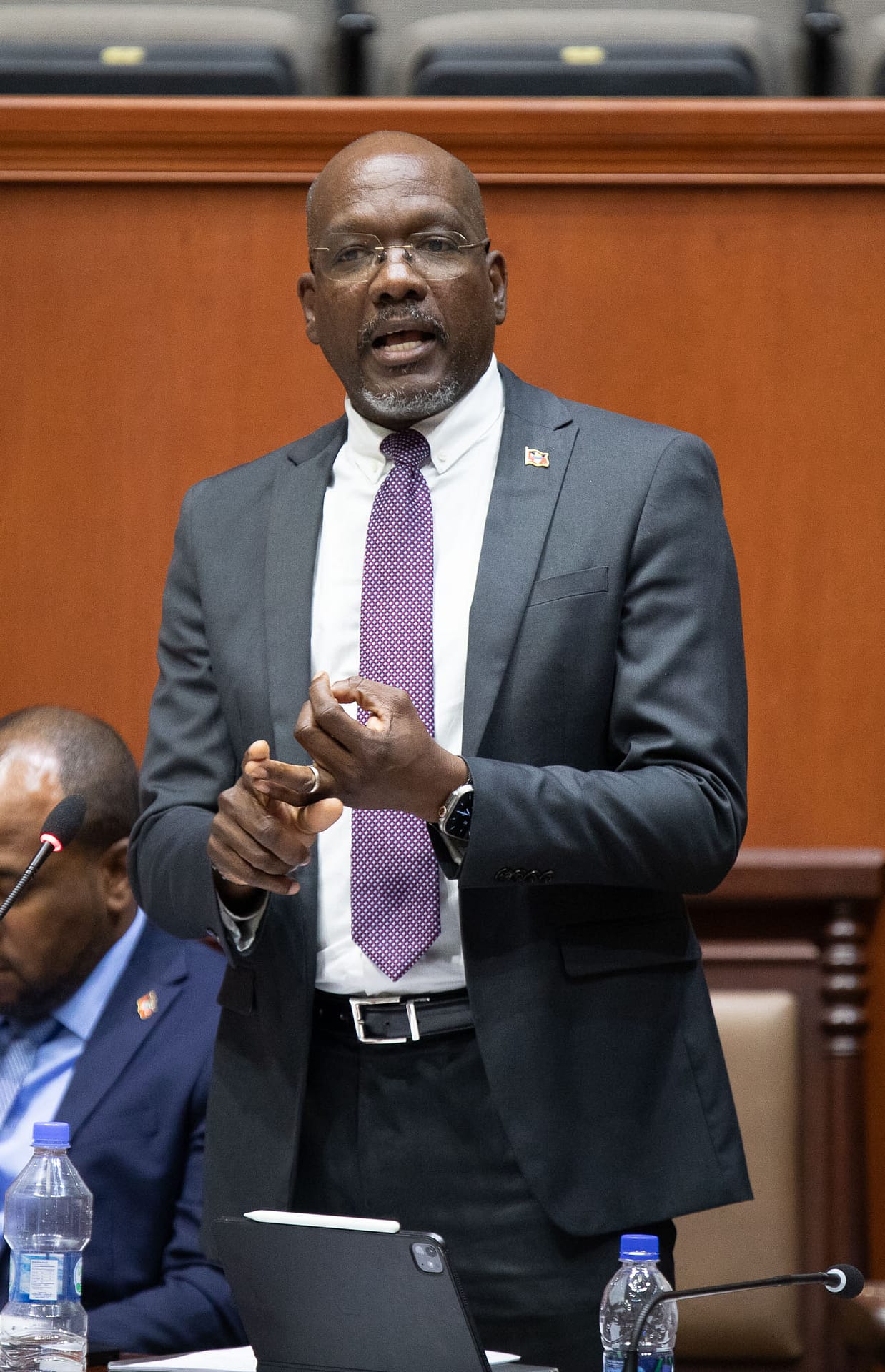
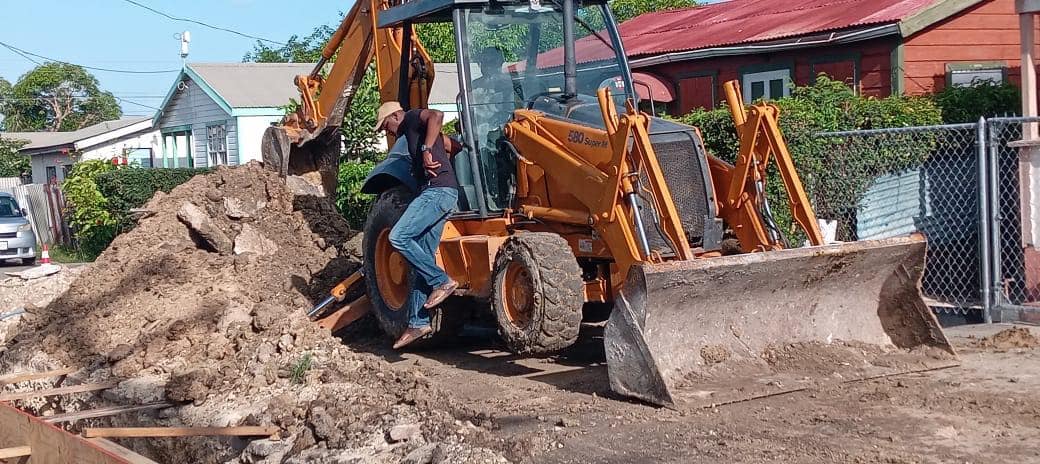
    Significant infrastructure enhancements are transforming St. John’s Rural South constituency, with road rehabilitation, drainage improvements, and upgrades to community facilities either finalized or in active development phases. Local MP Daryll Matthew presented these advancements during the recent parliamentary debate on the 2026 national budget, outlining a comprehensive vision for community development.

    Matthew emphasized that modernizing physical infrastructure remains a cornerstone of his constituency agenda, with focused efforts on improving road conditions and water management systems. These projects are strategically designed to serve a dual purpose: strengthening foundational utilities while simultaneously revitalizing public spaces dedicated to youth programs, cultural events, and athletic activities.

    “There should be no barrier to entry,” Matthew declared, connecting these tangible improvements to a broader philosophical commitment to equitable access, opportunity, and holistic community advancement. The renovation of community centers and recreational areas is a key component of this initiative, aimed at providing residents with safe, functional, and inviting environments for organized civic engagement.

    The planning and execution of these developments are being guided by a principle of collaborative engagement. Matthew stressed that ongoing dialogue with constituents is instrumental in prioritizing projects and shaping the implementation strategy. This ensures that development efforts are directly responsive to the expressed needs of the community. Furthermore, the MP framed these local investments as integral to national objectives, explicitly linking improved community infrastructure and spaces to the broader goal of enhancing educational and training outcomes for all citizens.

  • Scrub Life Cares’ Menstrual Health Policy Motion Ranked Among Top Three Global Priorities at the 2025 International Association for Adolescent Health World Congress

    Scrub Life Cares’ Menstrual Health Policy Motion Ranked Among Top Three Global Priorities at the 2025 International Association for Adolescent Health World Congress

    A groundbreaking policy motion advocating for the global integration of menstrual health and comprehensive sexual education into adolescent health policies has achieved top-tier recognition at the 2025 International Association for Adolescent Health (IAAH) World Congress. Submitted by Scrub Life Cares, a community-based nonprofit from Antigua and Barbuda, the initiative secured placement among the conference’s top three global priorities after receiving overwhelming 96.2% support from international delegates.

    The motion addresses critical barriers to adolescent health and education, particularly in Caribbean regions where menstrual inequity persists as a significant challenge. Research consistently demonstrates that many young girls miss school or reduce participation in daily activities due to limited access to menstrual products, accurate information, and supportive environments. These challenges are further exacerbated by insufficient comprehensive sexual education, leaving adolescents without essential knowledge to make informed health decisions.

    Founder and CEO Tanya Ambrose, MPH, described the powerful moment when the motion received immediate positive feedback during her presentation. ‘Hearing that encouragement in real time affirmed that this work matters far beyond our borders,’ Ambrose shared. ‘It was validation not just personally, but for the communities and region we represent.’

    This achievement marks a significant milestone for both Antigua and Barbuda and the wider Caribbean region. Among ten motions selected for presentation, Scrub Life Cares’ submission stood as the only Caribbean-originated proposal, effectively centering Caribbean perspectives and lived experiences within global health policy discussions.

    The virtual congress, which transitioned online due to Hurricane Melissa, convened adolescent health professionals from over twenty countries across six continents. While passed motions are not binding for the incoming IAAH Council, they establish the foundation for the organization’s Policy Agenda and guide advocacy priorities, strategic planning, and program development for the upcoming term.

    Beyond policy advocacy, Scrub Life Cares was scheduled to present original qualitative research on day three of the conference, though organizers are currently reassessing research presentations due to the hurricane’s impact. The organization remains committed to sharing evidence-based research informed by Caribbean experiences to advance global adolescent health practices.

    This recognition strengthens Scrub Life Cares’ ongoing initiatives to integrate menstrual health education into national school curricula, expand public-private partnerships for product accessibility, and support adolescent-centered public health systems throughout the Caribbean. As Ambrose emphasized, ‘This achievement belongs to every girl, parent, educator, advocate, and health professional working toward a future where menstrual health is recognized as a human right.’

  • OPINION: From Community Pride to Career Advantage: Why Behaviour Now Matters More Than Ever

    OPINION: From Community Pride to Career Advantage: Why Behaviour Now Matters More Than Ever

    A profound transformation is reshaping global recruitment and admissions practices, marking a significant departure from traditional evaluation methods. Where organizations once prioritized technical proficiency through the 40/60 rule—40% behavioral assessment versus 60% technical competence—a new paradigm has emerged. The contemporary 60/40 model now reverses these priorities, placing greater emphasis on behavioral attributes while technical abilities assume secondary importance.

    This strategic shift is grounded in empirical evidence demonstrating that technical expertise alone fails to guarantee effective performance, employee retention, or team cohesion. Hiring managers increasingly recognize that most organizational objectives are achieved through collaboration, communication, and trust. Research consistently indicates that interpersonal skills, adaptability, and accountability serve as stronger predictors of long-term success than job-specific technical capabilities.

    The service economy further amplifies this transition, where employee behavior directly influences brand reputation and customer loyalty. A single negative interaction can undermine years of technical excellence, demonstrating that poor behavior impacts not only workplace morale but also revenue generation.

    Consequently, organizations now prioritize emotional intelligence (EQ) over traditional intelligence quotient (IQ) metrics. A global talent survey reveals that over 90% of hiring professionals consider behavioral skills equally or more important than technical competencies during recruitment decisions. Employers recognize that while technical skills can be rapidly acquired, behavioral traits including integrity, empathy, resilience, and professionalism require sustained developmental investment.

    This behavioral emphasis extends beyond corporate recruitment into educational admissions. Universities and tertiary institutions increasingly evaluate applicants based on community engagement, volunteerism, leadership demonstrated, and civic participation alongside academic performance. Personal statements and reference letters now assess character, values, and social contributions with equal weight to academic achievements.

    Empirical studies on graduate employability confirm this trend, showing that students with robust communication skills, teamwork experience, and civic involvement transition more successfully into the workforce. Community involvement has evolved from merely commendable to strategically valuable, with acts of kindness and positive social behavior now serving as indicators of employability and leadership potential.

    The fundamental message is clear: who you are and how you behave now matter as much as what you know. As the 60/40 behavioral-first model continues to dominate hiring and admissions decisions, individuals investing in behavioral development will be better positioned for success in the evolving global workforce.

  • OPINION: Do Abortion Laws Matter?

    OPINION: Do Abortion Laws Matter?

    Comprehensive data from multiple nations demonstrates that legalizing abortion directly correlates with significant reductions in maternal mortality and healthcare complications. The most striking evidence emerges from Romania’s historical experience, where dictator Nicolae Ceausescu’s 1965 abortion ban resulted in thousands of preventable female deaths until its reversal in 1990 prompted an immediate decline in abortion-related fatalities.

    Caribbean nations provide contemporary validation of this pattern. Barbados documented a 43% decrease in induced abortion complications at Queen Elizabeth Hospital within a decade of legalization, with adolescent cases dropping by 59%. Guyana achieved even more dramatic results: septic abortion admissions at Georgetown Public Hospital Corporation declined by 97% over thirty years following legalization, dropping from the third-leading cause of hospital admissions to a rare occurrence.

    Contrary to common misconceptions, research from the Allan Guttmacher Institute reveals that abortion rates in Guyana actually decreased by 20% post-legalization, while unintended pregnancies fell by 28%. This data indicates improved contraceptive adoption rather than diminished family planning interest, largely attributed to post-abortion counseling services that see over 90% of patients requesting long-term birth control methods.

    The analysis concludes that accelerated implementation of reproductive healthcare frameworks, combined with comprehensive public education and contraceptive access, could achieve similar positive outcomes in other regions within five years rather than decades, potentially saving countless lives through evidence-based policy reform.

  • Community gardeners honoured at national home and garden awards

    Community gardeners honoured at national home and garden awards

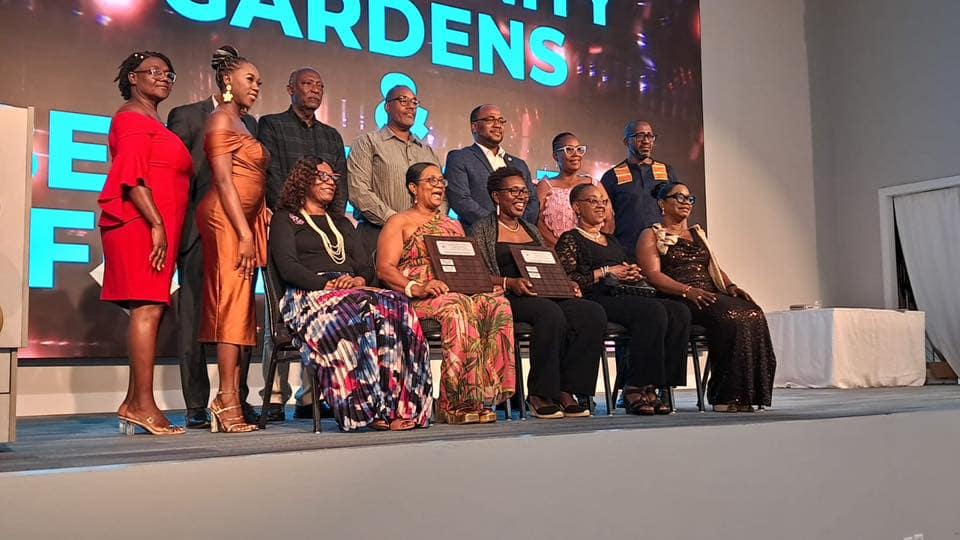
    The Ministry of Social Transformation’s Community Development and Citizens Engagement Division (CD&CED) hosted its prestigious 14th Community Home and Garden Festival awards ceremony on Wednesday evening at the American University of Antigua. The event recognized exceptional horticultural achievements across multiple categories despite participation challenges caused by adverse weather conditions.

    Initially attracting over 80 registrants for the 2025 competition, approximately 60 dedicated participants ultimately showcased their gardening prowess across six distinct categories: community gardens, residential gardens, business gardens, herbs and spices, fruits and vegetables, and ornamental displays.

    Fitches Creek in the East Zone claimed the coveted Best Kept Community title, with Five Islands in the West Zone securing second position in this category. Individual excellence was prominently displayed through multiple award recipients, with Rhyves and Nia Knowles of the East Zone emerging as standout performers by securing three first-place victories in residential categories along with substantial cash prizes.

    The competitive business category witnessed Indies Green from the West Zone achieving dual recognition for their exceptional flower and water gardens, while the Lions Club Community Garden earned distinction in the business herbs and spices classification. Foundation Faith Tutorial of the North Zone received both second place in Business Category Fruits and Vegetables and a $500 monetary award.

    CD&CED officials expressed profound gratitude to all participants, corporate sponsors, supporting government ministries, and stakeholders whose collaborative efforts ensured the continued success of this national initiative promoting environmental beautification and community engagement through horticultural excellence.

  • Participants Complete GARD Center Soap-Making Rehabilitation Programme

    Participants Complete GARD Center Soap-Making Rehabilitation Programme

    The GARD Center recently marked the successful completion of its intensive soap-making training program with a formal closing ceremony, celebrating inmates who demonstrated exceptional commitment to personal transformation. Running from November 4th, 2025, the program combined scientific principles with artisanal craftsmanship under the expert guidance of tutor Mrs. Cheryl Samuel.

    Participants engaged in comprehensive hands-on training, mastering chemical formulations, natural additive integration, scent development, and various production techniques. Beyond technical skills, the curriculum intentionally fostered discipline, collaborative teamwork, self-confidence, and emotional resilience—qualities essential for successful societal reintegration.

    The ceremony’s distinguished attendees highlighted institutional support for rehabilitation initiatives. Notable figures included Bishop Juan Miguel Simson (Board Chairman), Dame J.M. Eusalyn Lewis (Vice Chairman), Col. Trevor Pennyfeather (Prison Superintendent), and Ms. Janice Micheal (Permanent Secretary for Public Safety and Labour). Their collective presence signaled strong governmental and institutional endorsement for vocational training as a credible alternative to recidivism.

    Graduates honored included Kenworth Charles, Jay Marie Chin, Akeem Henry, Brittany Jno-Baptiste, Lindell Matthew, Corey Mills, George Thomas, and Kenisha Whyte. The program operates on the evidence-based principle that structured skills development, while not erasing past actions, provides tangible alternatives to previous behavioral patterns. By equipping participants with marketable skills and reinforced self-worth, such initiatives disrupt cyclical incarceration patterns and create meaningful pathways toward constructive citizenship.

  • Clinics across the island set for repairs in 2026

    Clinics across the island set for repairs in 2026

    The government of Antigua and Barbuda has unveiled an extensive public building rehabilitation initiative that will significantly expand in 2026, with health clinics receiving prioritized attention. This infrastructure enhancement program specifically targets critical issues including leaking roofs, moisture infiltration, and mold proliferation that have compromised air quality in medical facilities nationwide.

    Budget deliberations revealed that clinical facilities have been incorporated into a broader infrastructure rehabilitation agenda focused on creating safer environments for both healthcare professionals and patients. The comprehensive strategy involves systematic roof-sealing operations and remediation of persistent leaks identified as primary contributors to indoor humidity problems and fungal growth in public buildings.

    Building upon previous successful interventions at major government structures, the 2026 phase will concentrate on ensuring all publicly accessible buildings meet operational standards for safety and dryness. Ministry officials emphasize that these practical improvements are crucial not merely for structural integrity but fundamentally for public health protection.

    The clinical infrastructure upgrades constitute one component of a multidimensional approach encompassing public building maintenance, climate resilience adaptation, and sustainable facility management. The program aims to safeguard medical equipment integrity while establishing healthier environments for workers and citizens dependent on clinical services across the island nation.

  • Housing workers now building roads as government changes how projects are managed

    Housing workers now building roads as government changes how projects are managed

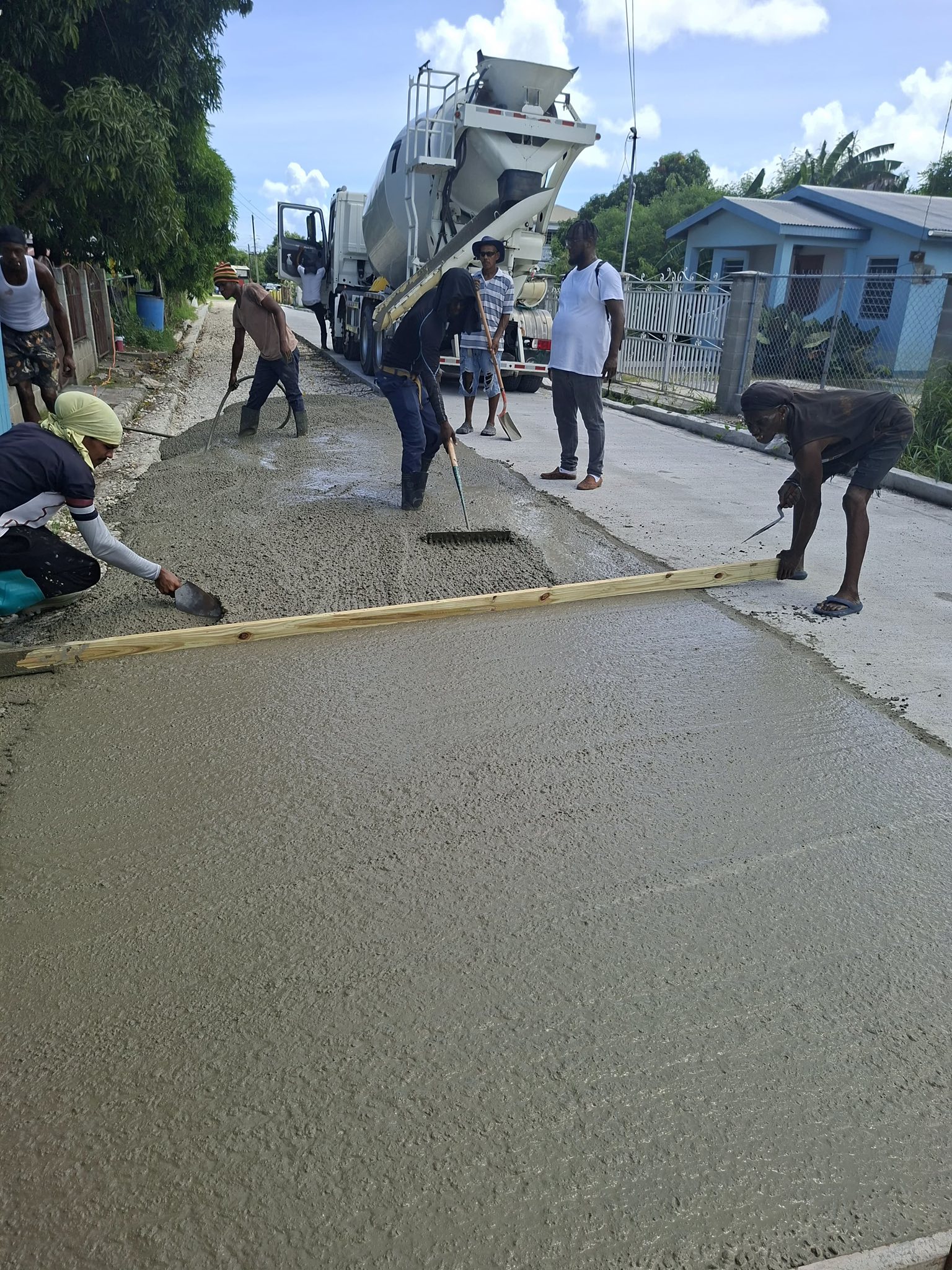
    In a strategic shift toward optimized infrastructure management, the government has implemented a novel approach to housing development by establishing a dedicated Roads Division within National Housing. This innovative program enables construction workers to be dynamically reassigned between housing projects and road construction tasks based on real-time workflow requirements.

    During the recent Budget Debate, Housing Minister Maria Browne detailed how this operational restructuring addresses the chronic issue of workforce idleness during transitional phases between housing construction cycles. Rather than maintaining workers on standby, the ministry now redeploys them to accelerate road infrastructure development within housing communities.

    This cross-functional workforce deployment model specifically targets the persistent challenge of delayed road completion in residential areas. By maintaining continuous employment for construction teams across complementary infrastructure projects, the government achieves dual objectives: maximizing labor efficiency and eliminating bottlenecks that traditionally leave new communities with unfinished access roads.

    The program has already demonstrated tangible progress in multiple housing developments. Construction crews have completed or are actively working on road networks in Cedar Valley and Pearns, addressing long-standing complaints from residents about inadequate road access to their communities.

    Government officials emphasize that this integrated approach eliminates bureaucratic delays associated with separate contracting processes for road construction. The in-house Roads Division enables National Housing to respond immediately to infrastructure needs without undergoing external procurement procedures.

    This initiative represents a fundamental rethinking of public works coordination, ensuring synchronized development of housing and supporting infrastructure. The model is projected to continue through at least 2026 as part of the government’s comprehensive infrastructure and housing development agenda.

  • New roofing material adopted after earlier sealant failed to stop leaks

    New roofing material adopted after earlier sealant failed to stop leaks

    In a significant policy shift, the government has overhauled its approach to repairing leaking roofs on public buildings after an initially deployed specialized sealant failed to meet performance expectations. The disclosure came from Housing and Works Minister Maria Browne during the recent Budget Debate, where she addressed ongoing concerns about mold and air quality issues plaguing government facilities.

    The ministry’s initial intervention involved applying a specific sealant compound to combat water intrusion identified as a primary contributor to moisture accumulation and mold proliferation. However, post-application assessment revealed the material’s performance was unsatisfactory, failing to provide the durable barrier required for long-term protection.

    This operational setback triggered a comprehensive review process that ultimately led to the adoption of a fundamentally different sealing compound. Technical experts within the Ministry of Works have endorsed the new material as substantially more effective in creating watertight seals that prevent moisture penetration. The upgraded compound has now been standardized across all government roof repair and remediation initiatives.

    The material substitution represents a critical component of the broader Public Sector Building Enhancement Programme, which aims to systematically address structural deficiencies and environmental hazards in government-owned properties. Rather than pursuing repetitive temporary patches, the revised protocol emphasizes sustainable solutions that extend structural longevity and improve indoor environmental conditions.

    With the 2026 infrastructure work programme approaching, officials emphasize that the revised methodology incorporates valuable lessons from previous repair campaigns. The adaptive approach demonstrates the government’s commitment to evidence-based maintenance strategies and continuous improvement in public asset management.