标签: Antigua and Barbuda

安提瓜和巴布达

  • Sunrise Airways Launches Antigua-Barbados Route With Introductory Fares From US$129

    Sunrise Airways Launches Antigua-Barbados Route With Introductory Fares From US$129

    Caribbean-based regional carrier Sunrise Airways has announced the launch of a brand-new direct air connection linking Antigua and Barbados, marking a key expansion of its route network across the Eastern Caribbean. To encourage early bookings and build momentum for the service, the airline has rolled out attractive introductory one-way fares that start as low as US$129, opening up more affordable travel options for both leisure and business travelers between the two popular island nations.

    The new route is designed to address long-standing gaps in regional connectivity, making it easier for tourists to combine multiple Caribbean destinations into a single trip, while also streamlining business travel for cross-island commerce and trade. Industry analysts note that enhanced air links between Antigua and Barbados will not only benefit the two countries’ tourism sectors — a core economic driver for both island economies — but also strengthen people-to-people ties, support small and medium-sized enterprises, and boost regional integration efforts.

    Sunrise Airways, which has built a reputation for focusing on underserved regional routes across the Caribbean, says the launch of the Antigua-Barbados service aligns with its long-term growth strategy to connect more island communities with reliable, reasonably priced air travel. The airline has not yet released detailed scheduling information, but early reports indicate the service will operate multiple weekly rotations to accommodate varying travel demands. Travel industry stakeholders have welcomed the move, noting that increased competition and expanded route options will ultimately give consumers more choice and push for more accessible air travel pricing across the region.

  • ABEMS Congratulates Acting Clinical Director Brandon Browne on Master’s Degree

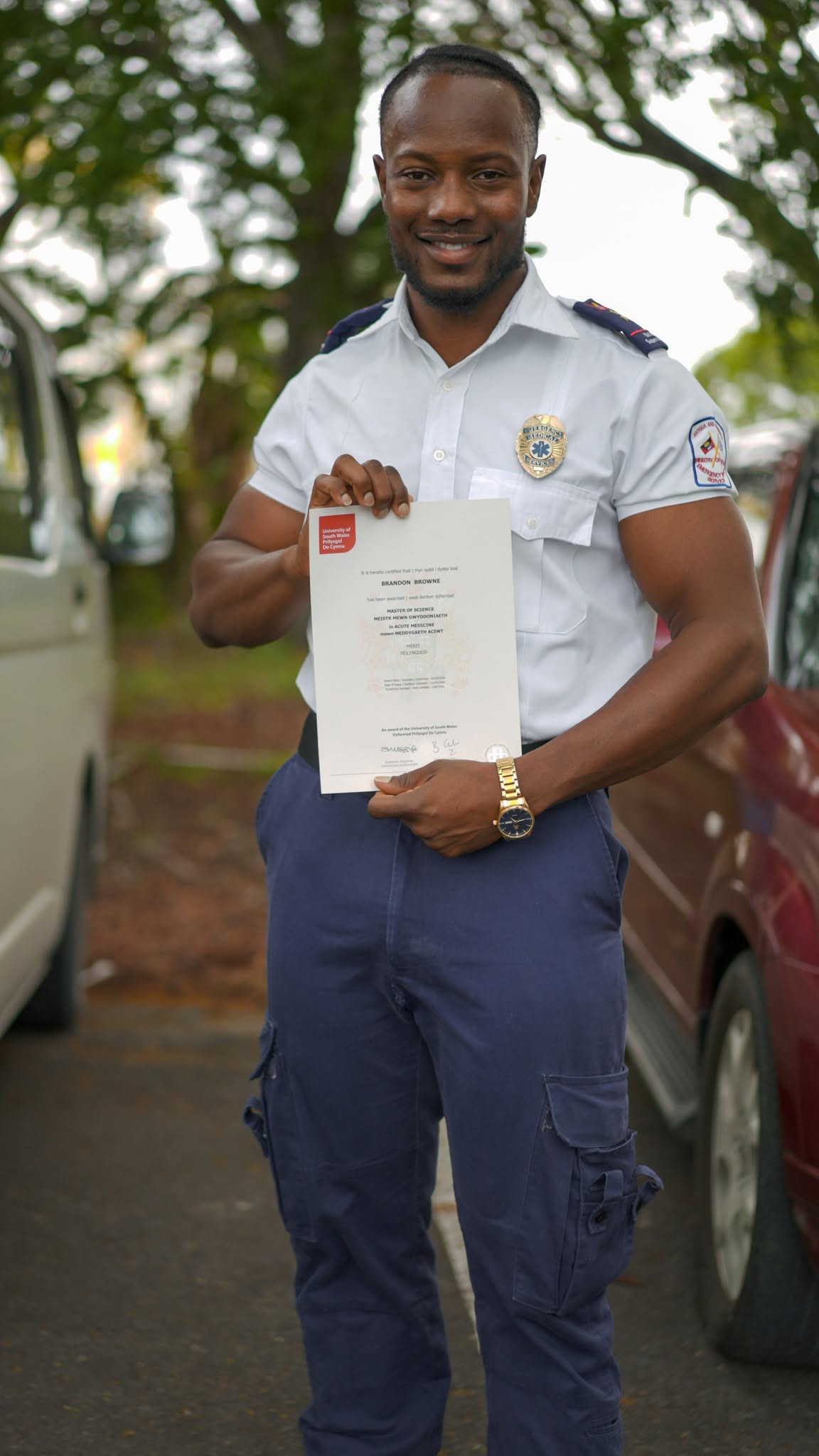
    ABEMS Congratulates Acting Clinical Director Brandon Browne on Master’s Degree

    A key leader in Antigua and Barbuda’s emergency healthcare system has reached a major new professional milestone, with Acting Clinical Director of the Antigua and Barbuda Emergency Medical Services (ABEMS) Brandon Browne officially graduating with a Master’s Degree in Acute Medicine from the University of South Wales, located in the United Kingdom.

    Browne’s core role at ABEMS centers on delivering clinical direction and strategic leadership for the nation’s emergency medical response network. This postgraduate qualification adds a new layer of specialized expertise to his already established professional profile, marking a significant step forward in his ongoing academic and clinical career development.

    Leadership at ABEMS has highlighted that the advanced specialized training Browne completed will translate directly to tangible improvements for the organization. It will bolster ABEMS’ overall clinical capacity, allowing the agency to raise the quality of emergency medical care delivered to communities across both Antigua and Barbuda.

    The agency emphasized that Browne’s successful completion of the master’s program is a clear reflection of his personal dedication to continuous professional growth and the advancement of evidence-based acute care in the country. The specialized knowledge and hands-on clinical expertise he gained through the course will deliver widespread benefits, not only for ABEMS as an institution but, more critically, for every patient that relies on the agency’s emergency services.

    Looking ahead, ABEMS leadership expressed confidence that Browne will leverage his advanced qualification and clinical leadership skills to continue driving up standards for emergency medical care across Antigua and Barbuda, benefiting both frontline response teams and the public the agency serves.

  • Police Launch Public Awareness Campaign Ahead of CHOGM Security Lockdown Exercise

    Police Launch Public Awareness Campaign Ahead of CHOGM Security Lockdown Exercise

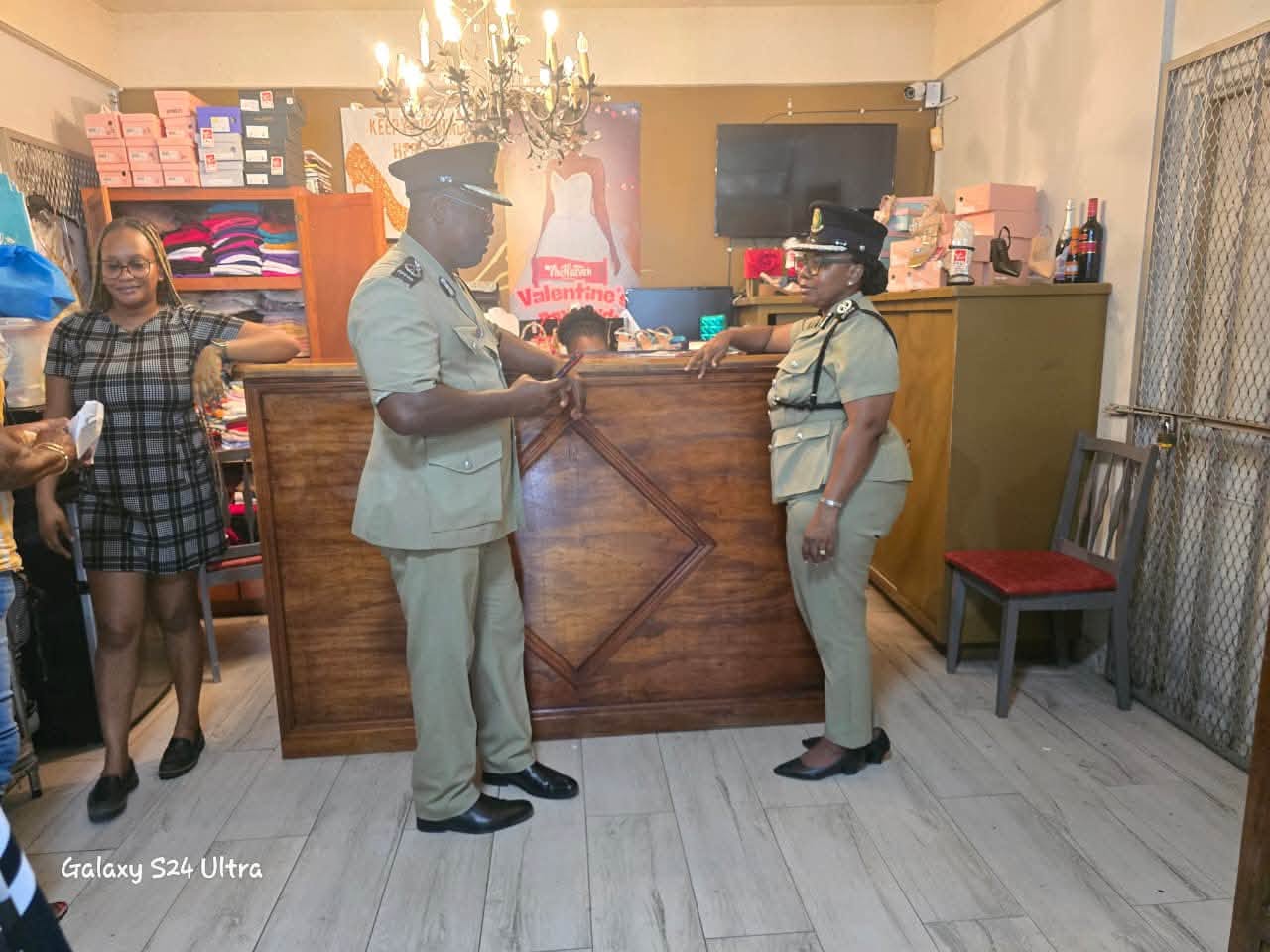
    As the Caribbean nation of Antigua and Barbuda gears up to host the 2026 Commonwealth Heads of Government Meeting (CHOGM), local law enforcement has kicked off a critical pre-event public engagement campaign to prepare communities for an upcoming major security test. Officers from the Royal Police Force of Antigua and Barbuda are currently holding face-to-face sessions with residents and local business owners to walk them through the details of next week’s Hard Lockdown Security Exercise, a key training milestone for the high-profile international summit.

    During these information sessions, police personnel have outlined all key operational arrangements that will be in place during the simulation drill. Attendees have been briefed on the temporary disruption to daily movement and access, including planned temporary road closures, controlled entry limitations to specially marked security zones, and alternate traffic routing arrangements designed to keep essential movement flowing while the exercise is underway.

    The primary goal of this proactive outreach campaign is to ensure that all community stakeholders have enough time to adjust their personal and professional plans ahead of the drill, minimizing avoidable disruption to local commerce and daily life while allowing security teams to run a full, unimpeded test of their protocols. Throughout the awareness drive, officers have also set aside time to address every query and concern raised by members of the public, ensuring clear and open communication between law enforcement and the communities they serve.

    The full-scale Hard Lockdown Security Exercise is set to take place next Friday. The simulation is crafted to push Antigua and Barbuda’s security infrastructure and emergency response systems to the test, allowing organizers to identify gaps, refine protocols, and ensure that all teams are fully prepared to deliver a safe and secure environment for the 2026 CHOGM. This kind of pre-event drill is a standard and critical part of planning for major international gatherings, helping host nations mitigate security risks ahead of the arrival of global heads of state and other high-level delegates.

    Police officials have publicly expressed their gratitude to Antigua and Barbuda’s residents and business community for their ongoing cooperation and support during the initial awareness phase of the project. They have also reiterated a call for all members of the public to stay updated on official announcements, adjust their upcoming plans accordingly, and work with law enforcement to ensure the exercise runs smoothly and delivers the data needed to successfully prepare for 2026’s major international event.

  • Earthquake Recorded East of Antigua and Barbuda

    Earthquake Recorded East of Antigua and Barbuda

    A seismic event has been registered in the Atlantic Ocean off the eastern coast of Antigua and Barbuda, according to preliminary data published in an interactive seismic map by the University of the West Indies Seismic Research Centre (UWI SRC).

    Geographic data from the map confirms that the earthquake’s epicenter sits far east of the two-island nation, placing it outside the active earthquake zone of the Leeward Islands chain, a sub-region of the Lesser Antilles that sees frequent seismic activity. In the initial public release of this monitoring data, the UWI SRC did not include key technical details about the quake, such as its measured magnitude on the Richter scale, subsurface depth of the epicenter, or any anecdotal reports from local communities that the tremor was felt by residents.

    As a regional scientific body, the UWI Seismic Research Centre holds the formal mandate of tracking all tectonic and seismic activity across the entire Eastern Caribbean. Through its expansive, interconnected regional monitoring network, the center regularly publishes fast preliminary location data for seismic events shortly after they are detected, as this monitoring work provides critical early awareness for local emergency management agencies across the Caribbean archipelago.

    In the hours immediately following the detection of this event, no official or unofficial reports have emerged of structural damage to infrastructure, or harm to human populations in nearby island territories, suggesting the quake was too small or too distant to cause impact on land.

  • New Board of Directors for the Sir Lester Bird Medical Centre Sworn In at Government House

    New Board of Directors for the Sir Lester Bird Medical Centre Sworn In at Government House

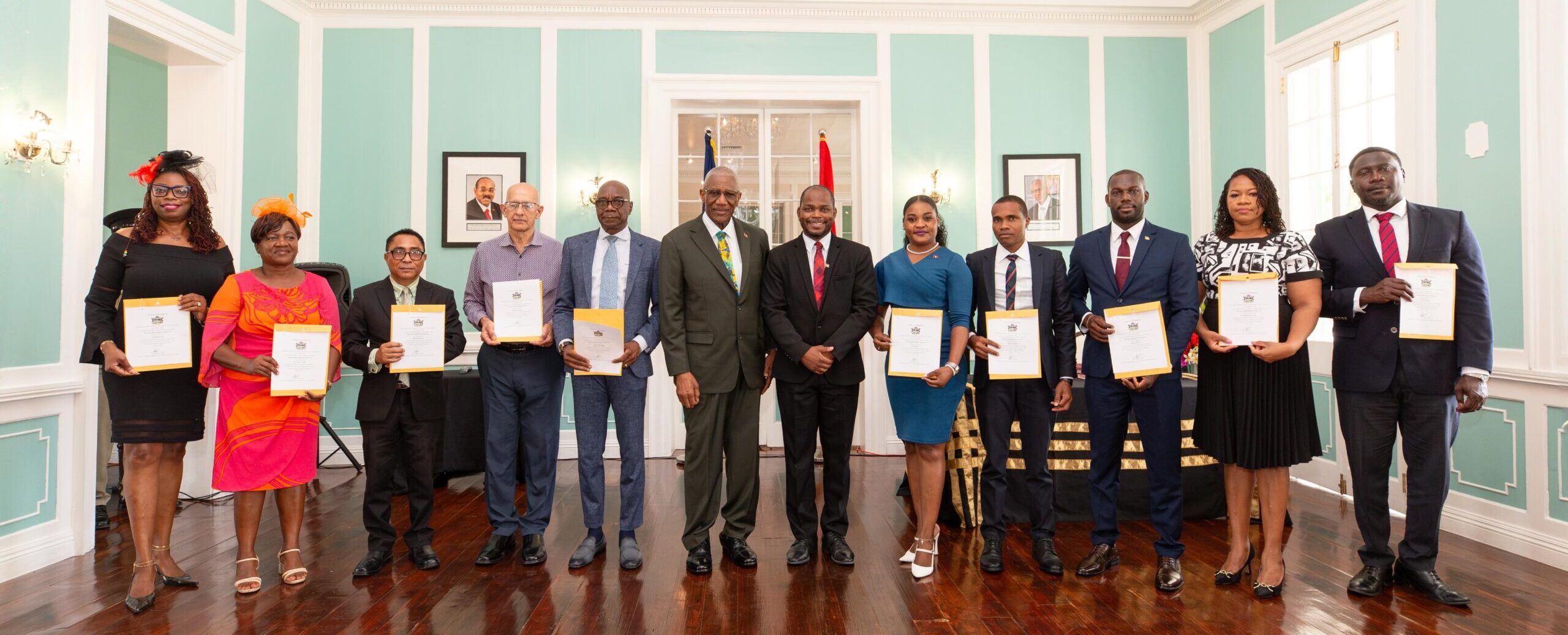
    A landmark moment for public healthcare in Antigua and Barbuda unfolded on [date of ceremony], when Governor-General, The Right Honorable Sir Rodney Williams, led the formal swearing-in ceremony for the newly assembled Board of Directors of the Sir Lester Bird Medical Centre at Government House. All appointments to the new leadership body received formal approval from the Antigua and Barbuda Cabinet during its scheduled sitting on June 4, 2026, paving the way for the incoming board to officially take up their duties at the nation’s leading public healthcare facility.

    During the ceremonial proceedings, each incoming board member stood before Governor-General Williams to recite the required Oaths or Affirmations of Allegiance, Office, and Secrecy, a mandatory step to formalize their assumption of public office. After administering the oaths, Governor-General Williams oversaw the next steps of the ceremony: each member signed the official legal documentation confirming their appointment and received their personalized Instrument of Appointment marking their new role.

    The Honourable Michael Joseph, who serves as Minister of Health, Wellness, the Environment and Civil Service Affairs, was also in attendance at the ceremony to extend official government greetings to the incoming leadership team, joining Governor-General Williams in welcoming the board members to their posts.

    The new 10-member board brings together a diverse mix of medical professionals, administrative leaders and community representatives, structured to support comprehensive governance of the medical centre. Leadership of the board will be headed by Chairman, the Honourable Dr. Philmore Benjamin, with Dr. Edmond Mansoor stepping into the role of Deputy Chairman. Martin Camacho will serve as Board Secretary, while the full voting membership of the board includes Dr. Karen Josiah, Randy Agrippa, Casmin Greene, Akeem Edwards, and Keva Dean. Two ex-officio members round out the board: Kevin Silston representing the Medical Benefits Scheme, and Dr. Kamaria DeCastro, Antigua and Barbuda’s Chief Medical Officer.

    In his opening address following the swearing-in, Governor-General Williams offered warm congratulations to all board members on their appointments, while underlining the profound importance of the role they have undertaken. He stressed that the board bears the critical responsibility of delivering strategic direction and robust, ethical governance for the country’s flagship public healthcare institution.

    Governor-General Williams urged the new leadership to carry out their duties with unwavering integrity, consistent diligence, and a persistent commitment to delivering the highest standard of care. He reminded the board that every policy decision and governance choice they make will have a direct, tangible impact on the quality of healthcare services accessible to the entire population of Antigua and Barbuda. The Governor-General also placed particular emphasis on three core values that will underpin the board’s success: collaborative working across all levels of the medical centre, transparent accountability to the public, and a willingness to embrace innovative solutions to ongoing healthcare challenges. As the board partners with the medical centre’s executive management, frontline medical professionals and all support staff, these values will be key to strengthening Antigua and Barbuda’s national healthcare system as a whole, he added.

    Speaking on behalf of the Government and people of Antigua and Barbuda, Governor-General Williams closed his remarks by extending his best wishes for a productive and successful tenure to the Chairman and all board members as they take up their critical national service roles. The Office of the Governor-General has also issued a separate statement extending formal congratulations to the entire incoming board, noting that it looks forward to seeing the board’s contributions to the ongoing improvement and expansion of high-quality healthcare services at the Sir Lester Bird Medical Centre in the coming years.

  • A Government response to the twisted distortions of the Observer concerning the  White Paper on U.S. proposals on Third Country Nationals

    A Government response to the twisted distortions of the Observer concerning the  White Paper on U.S. proposals on Third Country Nationals

    A recent opinion piece published by the online edition of *The Observer* on July 3, 2026, framing the Government of Antigua and Barbuda’s White Paper on U.S. third-country national proposals as a cause for national alarm has been called out by the administration as a deliberate, partisan campaign of misinformation designed to sow public distrust rather than advance constructive national dialogue.

    At the heart of the *Observer*’s misleading narrative, the government argues, is the false framing of Antigua and Barbuda’s willingness to enter diplomatic discussions with the U.S. as an implicit surrender of core national principles. This characterization could not be further from the reality of the government’s approach, officials contend: for small island nations like Antigua and Barbuda, national security and sovereignty are not protected by shutting down dialogue with key international partners. Instead, strength comes from deliberate, careful engagement: clearly stating national red lines, and refusing any terms that would compromise the country’s sovereignty, legal framework, or core national interests – exactly the approach the current administration has adopted throughout the process.

    Contrary to claims of a secret backroom deal, the White Paper explicitly confirms that the non-binding Memorandum of Understanding signed in December 2025 grants Antigua and Barbuda full discretionary authority to accept or reject any individual third-country national case, with no automatic or permanent arrangement for receiving migrants in place. Far from representing capitulation to U.S. pressure, this structure preserves full sovereign control over every decision, the government emphasizes.

    The *Observer* has also attempted to manufacture scandal by accusing the government of hiding the diplomatic process from the public, arguing that failure to announce every incremental step of sensitive negotiations amounts to deception. The administration pushes back on this claim, noting that high-stakes diplomacy is not public performance, and responsible governance requires testing proposals, rejecting unacceptable terms, and refining the government’s position before bringing a formal proposal to parliament and the public – exactly the outcome delivered through the published White Paper.

    In fact, the publication of the White Paper itself is concrete proof of the government’s commitment to transparency, the government says. The document lays out full contextual background, identifies inherent risks, outlines flaws in the original U.S. draft proposal, states the government’s core concerns, and details the strict conditions under which any cooperation could be considered. No government seeking to conceal its actions would publish a full public White Paper and table it before parliament – a step no other country that has signed a third-country national agreement has taken to date.

    Another manufactured accusation from the *Observer* is the claim of hypocrisy, arguing the government projected public firmness while holding private negotiations. In response, the government notes there is no contradiction between these two stances: uncompromising firmness without negotiation is empty political posturing, while negotiation without clear firmness is unforced weakness. Instead of either accepting the original U.S. proposal outright or walking away in a gesture of performative outrage, Antigua and Barbuda engaged in good-faith discussions, identified unacceptable terms, rejected inadequate provisions, and put forward a counter-proposal tailored to the country’s unique legal framework, geographic size, and institutional capacity – a demonstration of skilled statecraft, not weakness.

    The *Observer*’s fixation on the figure of 10 proposed third-country nationals for 2026 is equally misleading, the government argues. The outlet frames the number as a major concession, inviting the public to treat the issue as a simple arithmetic question, but the reality is far different. The government has repeatedly stressed there will be no permanent program, no automatic flow of migrants, and no open-ended obligation. The figure of 10 is a tightly constrained provision of the government’s counter-proposal, bound by strict conditions including full pre-approval of documentation, full upfront funding, the right to reject any individual case, and a mandatory full review in 2027. Framing this limited proposal as the government throwing open the country’s borders is not objective analysis – it is intentional political propaganda.

    The same misrepresentation applies to the *Observer*’s coverage of legal risks, where the outlet frames concerns around non-refoulement, asylum, statelessness, legal uncertainty, and long-term support obligations as damning revelations hidden by the government. In reality, the government itself identified and published these exact concerns in the White Paper. The administration has not hidden these risks; it has laid them out clearly for parliament and the public. It is precisely because these risks are tangible that the government has rejected any permanent program, and insisted that no arrangement can move forward without strict eligibility rules, clear legal status for all individuals, full financial coverage, and binding responsibility for the U.S. to retake any migrants if needed.

    While the dramatic questions the *Observer* raises – around housing, employment, monitoring, ministerial responsibility, and contingency plans for unforeseen problems – are legitimate on their face, they do not undermine the government’s position. Instead, they reinforce the need for the careful, cautious approach the administration has already adopted, which addresses each of these concerns through its proposed conditions.

    The *Observer* also feigns outrage over the White Paper’s discussion of reciprocal national benefits, suggesting the document opens the door to Antigua and Barbuda trading acceptance of migration risk for vague diplomatic favors. But the government counters that any responsible administration must ask a core question: why would Antigua and Barbuda take on the burdens, risks, and political costs of addressing another country’s domestic migration challenges without receiving clear, proportionate benefits for its own people? Strict conditions around full funding, thorough vetting, clear legal status, and U.S. return responsibility are basic safeguards, not inappropriate concessions. Asking for reciprocal benefits for the Antiguan and Barbudan public is not cynical transactionalism – it is the baseline of good governance.

    The most telling partisan tell in the *Observer*’s piece, the government says, is its complaint that parliament should not be turned into a rubber stamp for the deal. In reality, placing the matter before parliament is the correct constitutional step: the government is not avoiding scrutiny, it is actively inviting it, by laying out the White Paper, core principles, risks, and proposed terms for cooperation to elected representatives. Disagreement with the government’s position is legitimate, but it is intellectually dishonest to frame the decision to bring the matter to parliament as evidence of bad faith.

    Nor is the claim that the issue should have been taken first to public town halls rather than parliament credible. The government agrees that public discussion is critical, and the publication of the fact-based White Paper creates space for that discussion to happen on a foundation of accurate information rather than unsubstantiated rumor. But parliament remains the nation’s highest representative body. For an issue touching on core national priorities including sovereignty, immigration policy, public spending, national security, and international obligations, prioritizing parliamentary consideration is not avoiding the will of the people – it is respecting the democratic institutions through which the public exercises self-governance.

    At its core, the *Observer*’s article fails to address the actual central issue of the debate, the government emphasizes. The administration has never proposed that Antigua and Barbuda become a permanent destination for other countries’ deportees. It has taken the exact opposite position: as a small nation with limited land, limited resources, and limited capacity to absorb new migrants, and already handling the return of its own nationals from the U.S., Antigua and Barbuda cannot accept a permanent expectation of receiving non-citizen deportees unless arrangements are put in place that do not place an unsustainable burden on the country’s already overstretched systems.

    This is not a partisan position – it is a national position that prioritizes the shared interests of all Antiguan and Barbudan people. The White Paper does not surrender national sovereignty; it exercises that sovereignty actively. It does not hide risk; it identifies and addresses risk openly. It does not evade public and parliamentary scrutiny; it invites that scrutiny. It does not unconditionally accept the U.S. proposal; it makes clear that any cooperation must be lawful, limited, fully funded, carefully controlled, and aligned with Antigua and Barbuda’s national interest.

    What *The Observer* has produced is not a defense of national interests, the government concludes. It is a partisan attempt to reframe responsible prudence as reckless panic, and professional diplomacy as deliberate deception. On issues of this national importance, the country deserves far better: it deserves serious, honest debate grounded in the full set of facts the government has now openly laid out for parliament and the public.

  • Necasia Ralph of J.T. Ambrose Primary Finishes Third Overall in Grade 6 Assessment

    Necasia Ralph of J.T. Ambrose Primary Finishes Third Overall in Grade 6 Assessment

    A young primary school student has cemented her place among the nation’s top academic performers after an impressive showing in the 2026 Grade Six National Assessment, earning high praise from the country’s top education governing body. Necasia B. Ralph delivered a standout performance across the standardized national evaluation, ultimately ranking third overall out of all participating students. Beyond this national top-three finish, Ralph also claimed a unique distinction: she is the highest-scoring student attending a government-run primary school in this year’s testing cycle.

    In an official congratulatory statement released following the release of assessment results, the Ministry of Education, Science and Technology highlighted the personal qualities that led to Ralph’s success. The statement commended her consistent hard work, unwavering perseverance, strict personal discipline, and relentless commitment to her studies, noting that her landmark achievement is a source of collective pride that extends far beyond Ralph herself. According to the ministry, her success brings honor and celebration to her immediate family, the administrative and teaching staff of her school, and the entire nation.

    The ministry also took the opportunity to acknowledge the critical role that support networks played in nurturing Ralph’s academic growth. It formally recognized the contributions of Ralph’s parents, her classroom teachers, her school’s leadership team, and all other community and educational stakeholders who provided guidance, resources, and encouragement to the young student at every stage of her primary school journey.

    Looking ahead to Ralph’s future academic endeavors, senior ministry officials have encouraged her to frame this impressive accomplishment as a foundational source of motivation, urging her to maintain her pursuit of excellence as she advances through her education. “Let this achievement inspire you to continue striving for excellence as you pursue even greater accomplishments in the years ahead,” the ministry shared in its official message.

    Ralph’s result solidifies her standing among the cohort of highest-achieving sixth-grade students across the country in the 2026 assessment cycle, while marking a notable win for government-run primary education across the nation.

  • Education Minister Daryll Matthew Congratulates Students on 2026 Grade 6 National Assessment Results

    Education Minister Daryll Matthew Congratulates Students on 2026 Grade 6 National Assessment Results

    The release of 2026 Grade 6 National Assessment results in Antigua and Barbuda has drawn widespread praise from the nation’s top education official, who has extended congratulations to every stakeholder involved in supporting student success across the country.

    In an official public statement released following Friday’s result announcement, Education Minister Daryll Matthew lauded the relentless commitment and steadfast determination demonstrated by students, families, teachers, and entire school communities that paved the way for this year’s positive outcomes. Matthew framed the national assessment as far more than a routine test — instead, he positioned it as a critical milestone that marks a key transition point in every young learner’s educational trajectory, crediting the collective collaborative effort of families, frontline educators, and school administrators for driving student achievement across the board.

    The minister reserved special recognition for the nation’s highest-performing students in this year’s assessment. Leading all candidates across the country was Denushka H. Gibbs, a student at Minoah Magnet Academy, who claimed the distinction of the top overall national scorer. Following closely behind in second place was Marlensky J. Salien of Antigua Baptist Academy, who also earned the title of the highest-ranking male student in the nation. Rounding out the top three overall performers was Necasia B. Ralph from J. T. Ambrose Primary School, who achieved the highest score among all candidates attending government-run primary institutions.

    Beyond individual honors, Matthew also highlighted the institutional success of Post Millennial Academy, which outperformed all other schools in the country by placing 12 students on the prestigious National Top 100 list, the highest number of any participating school this year.

    Even as the nation celebrates the standout success of top-ranked candidates and high-performing schools, Matthew took the opportunity to reframe popular narratives around educational success, stressing that examination rankings should never be the only measure of a student’s potential or achievement.

    Addressing every student who sat for this year’s assessment, Matthew said: “To every student, whether your name appears on a list or not, be proud of your efforts. This is just one milestone on your educational journey. Keep believing in yourselves, keep working hard, and continue striving for excellence.”

  • Marlensky J. Salien of the Baptist Academy of Antigua Named Top Male Student in 2026 Grade Six National Assessment

    Marlensky J. Salien of the Baptist Academy of Antigua Named Top Male Student in 2026 Grade Six National Assessment

    Following the official release of 2026 Grade Six National Assessment results last Friday, Antigua and Barbuda’s Ministry of Education, Science and Technology has extended formal congratulations to Marlensky J. Salien, a standout Grade 6 student from the Baptist Academy of Antigua. Salien secured an impressive second-place ranking across all participating test-takers nationwide, and claimed the title of the highest-scoring male student in this year’s assessment.

    In an official statement acknowledging the achievement, ministry officials highlighted that Salien’s exceptional results were no accidental success. Rather, they framed his top performance as a direct product of consistent dedication, relentless daily effort, and an unwavering commitment to upholding high standards of academic excellence. Beyond celebrating the student himself, government education leaders also extended recognition to the network of supporters that helped Salien reach this milestone: his parents, who have provided foundational support at home, his teachers who guided his learning throughout primary school, and the entire Baptist Academy school community that fostered an environment conducive to academic growth.

    Ministry representatives emphasized that Salien’s accomplishment carries broader meaning for young learners across the nation. His success, they noted, stands as a powerful, tangible example of what dedicated students can achieve when they maintain focus on their goals and persist through academic challenges. As Salien now prepares to make the key transition from primary education to secondary school, the Ministry of Education, Science and Technology has extended its warm wishes for continued academic achievement and growth in all his future educational endeavors. This recognition is part of the ministry’s ongoing tradition of celebrating the nation’s highest-performing primary school students after the annual release of national assessment results.

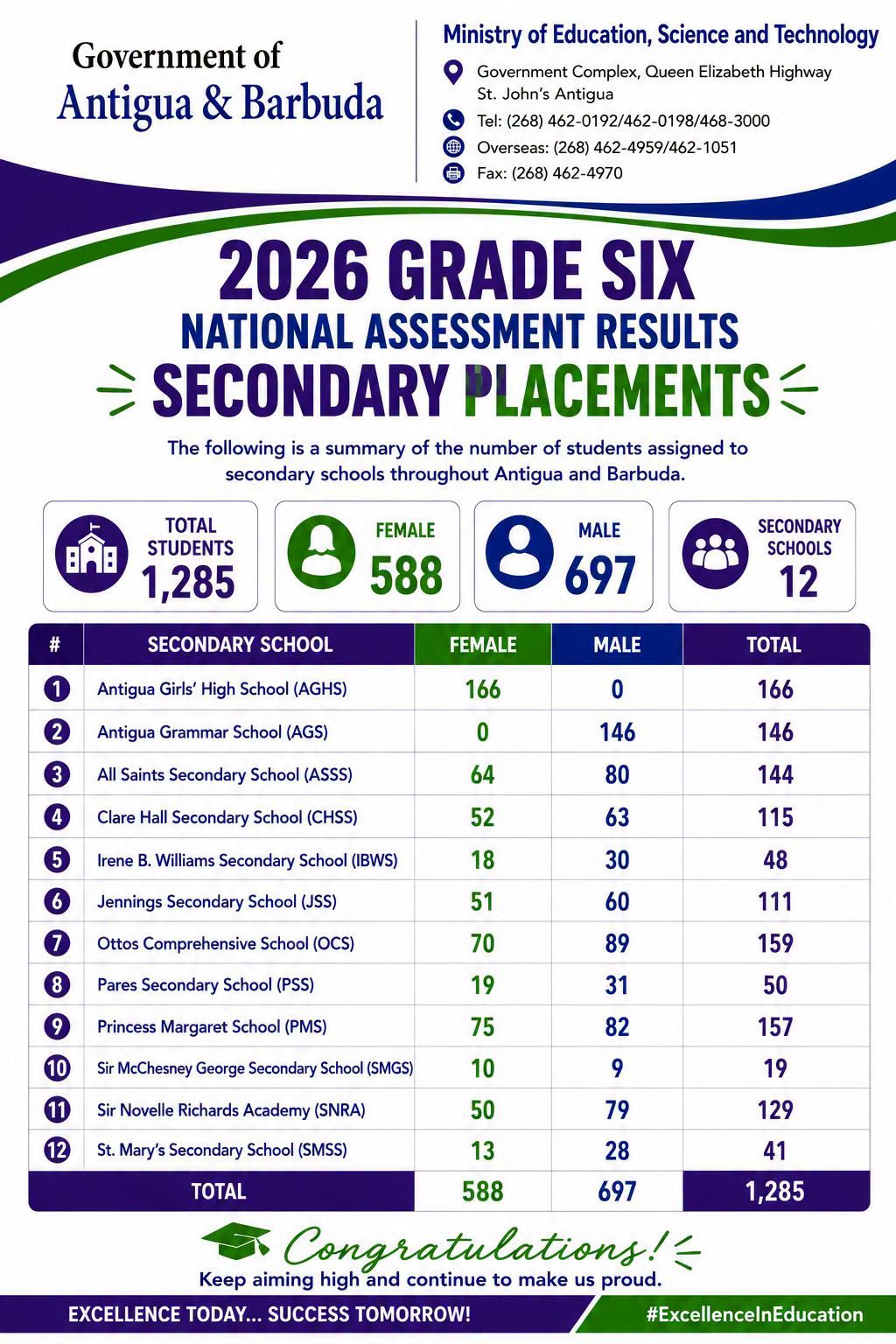
  • 2026 GSNA Schools Assigned

    2026 GSNA Schools Assigned

    As of the latest update, official assignments for schools under the 2026 Global School Navigation Alliance (GSNA) framework have been finalized and released to participating institutions and prospective students. While limited additional details about the specific allocation criteria, participating school names, or student placement outcomes have been made publicly available at this stage, the announcement marks a key milestone in the organization’s annual planning cycle for the upcoming academic year. Stakeholders, including educational administrators, families, and prospective enrollees, are awaiting further disclosure from GSNA leadership to clarify how the assignments align with the alliance’s strategic goals for improving educational access and collaborative programming across member institutions in the 2026 academic term. Industry observers note that this pre-term allocation process typically sets the foundation for enrollment logistics, cross-school partnership initiatives, and resource distribution that will unfold over the coming months.