标签: Antigua and Barbuda

安提瓜和巴布达

  • Rotary Club of Antigua Sundown Celebrates Handover 2026 Under the Theme “Create Lasting Impact”

    Rotary Club of Antigua Sundown Celebrates Handover 2026 Under the Theme “Create Lasting Impact”

    On Sunday, July 5, 2026, the Rotary Club of Antigua Sundown gathered at the Ali Baba venue to formally launch its new annual cycle of community service during its annual leadership handover ceremony for 2026. The gathering brought together a diverse cross-section of attendees, including current club members, invited dignitaries, local community partners, corporate sponsors, and long-time supporters of the organization. The event served two core purposes: celebrating the meaningful progress and completed projects from the 2025–2026 term, and officially installing the club’s new leadership team to guide the coming year’s work.

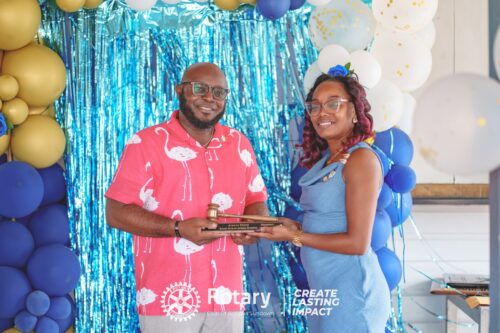
    Outgoing club president Nicole Stevens opened the formal portion of the ceremony, opening with a retrospective look at the past year’s milestones, challenges overcome, and impact delivered to local communities across Antigua and Barbuda. Following her remarks, Stevens formally transferred the presidential authority to Athlyn Davis, who will steer the organization through the 2026–2027 Rotary year. Davis’ administration will operate under the global Rotary theme “Create Lasting Impact”, a framework that will shape all of the club’s upcoming community initiatives.

    Alongside the presidential handover, all incoming members of the club’s board of directors received their official ceremonial pins, marking the formal start of their terms and a new year dedicated to volunteer service, peer fellowship, and collaborative community engagement. One of the most anticipated highlights of the afternoon’s agenda was the official induction and pinning of Kara Warner, the club’s newest full member, who received a warm welcome from the entire Antigua Sundown Rotary family. In a special recognition, well-known local DJ NEZ was named an Honorary Rotarian, honoring his consistent, valuable contributions and support to the club’s work over the past year.

    The ceremony also honored past club president Khari Lewis with one of Rotary International’s most prestigious distinctions: induction as a Paul Harris Fellow. This award, one of the organization’s most respected global honors, is granted to individuals who demonstrate extraordinary commitment to Rotary’s core mission of humanitarian aid and volunteer service. To close out the recognition portion of the event, the club distributed formal Certificates of Appreciation to dozens of local organizations and individual donors whose ongoing backing made the 2025–2026 year’s projects possible. Recognized partners included Shell Beach Restaurant & Bar, The Royal Police Force Band of Antigua and Barbuda, Frank B. Armstrong, ACB Caribbean, Takumi Media, Kayinks, Yao, Tropic Wear, and Chaso Media, among others.

    The handover ceremony itself was made possible by additional in-kind donations of prizes and gifts from a wide range of local businesses, including Adventure Antigua, Tropical Adventures, Exotic Antigua, Trade Winds, Land Antigua, Ali Baba, Sunseakers, Townhouse Furnishing, Sherree’s Orchids, Lipstick, and Cork & Basket. Looking ahead to the 2026–2027 term, the Rotary Club of Antigua Sundown has already laid out a full slate of annual community initiatives focused on improving quality of life across the islands. Key projects include ongoing support for the local Paediatric Village, the annual Autism Walk awareness and fundraising event, back-to-school supply distribution for low-income students, and a range of additional programs targeting public health, educational access, youth development, and cross-community outreach.

    Club leadership emphasized that with the continued partnership of local businesses, community groups, and individual donors, the organization remains fully committed to delivering measurable, meaningful, and long-lasting positive change for communities across Antigua and Barbuda in the coming year.
  • High Court Dismisses Murder Case Against Jahciba Shoy

    High Court Dismisses Murder Case Against Jahciba Shoy

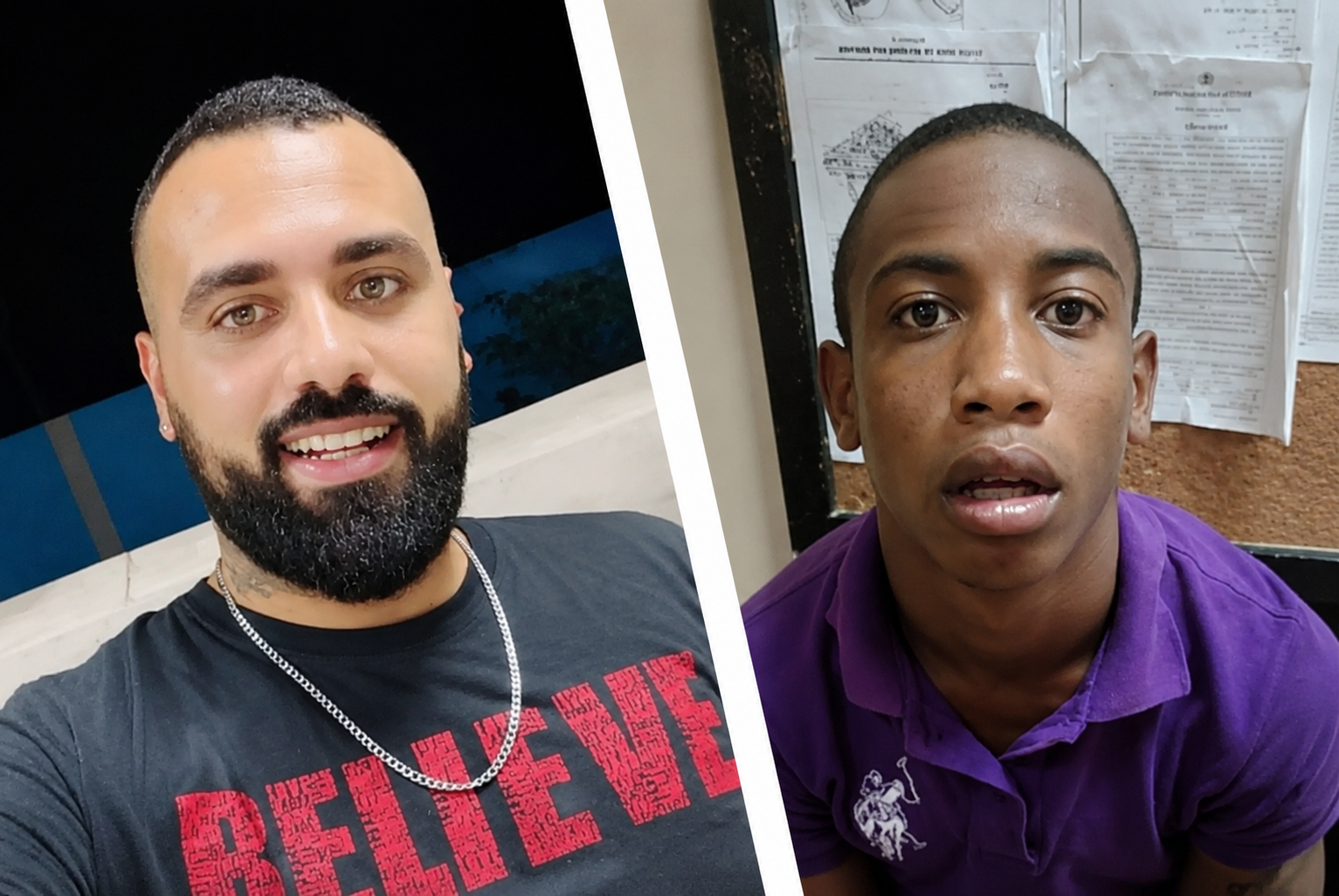
    In a significant courtroom outcome that underscores the principle of burden of proof in criminal justice, a High Court judge has cleared 27-year-old Jahciba Shoy of all charges connected to a 2023 fatal robbery and shooting that left Roudy Shmaly dead at a neighborhood convenience store. The fatal incident, which unfolded at the Pick ‘N Mix Mart located on DeSouza Road, had left Shoy facing three serious criminal counts: murder, aggravated robbery, and manslaughter.

    The case concluded before the full jury delivered a verdict, after Shoy’s defense counsel, Wendel Alexander, convinced the court that the prosecution’s case rested entirely on circumstantial conjecture rather than solid, admissible evidence that would meet the standard of beyond a reasonable doubt. Prosecutors from the Crown had centered their entire argument on two key pieces of evidence: first, security camera footage that captured Shoy in the company of the teenage gunman in the period leading up to the robbery, and second, a vague observation that a shoulder bag Shoy carried matched one that was seen on the shooter shortly after the crime.

    Following the judge’s ruling to dismiss all charges, Alexander spoke with local media outlet ABS News, emphasizing that the prosecution’s case never advanced past the stage of unproven speculation. “The evidence went no further than speculation and suspicion,” Alexander told reporters, noting that the court’s decision upheld a core tenet of the justice system that suspects cannot be convicted on guesswork alone.

    In a separate prior proceeding, the teenage perpetrator who actually carried out the shooting was convicted on related charges. Under the juvenile sentencing legislation that was in effect at the time of the crime, the teen received the maximum possible custodial sentence of three years, a limit set by law for young offenders in the jurisdiction.

  • PM Browne urges CARICOM to keep reparations at top of regional agenda

    PM Browne urges CARICOM to keep reparations at top of regional agenda

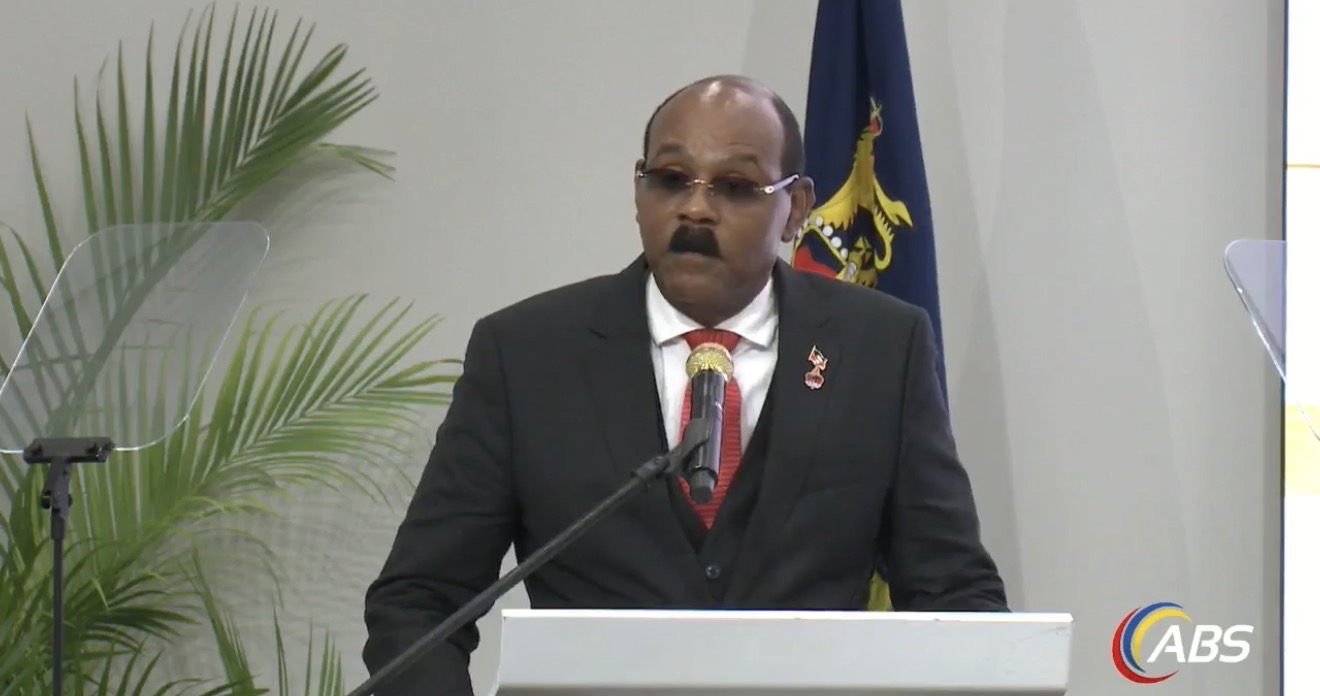
    As Caribbean leaders gathered for the 51st Regular Meeting of the Conference of Heads of Government of the Caribbean Community (CARICOM), Antigua and Barbuda Prime Minister Gaston Browne delivered a clear, unwavering call for regional leaders to sustain their push for reparatory justice, clarifying that the long-running campaign is rooted in a fight for accountability rather than a request for financial aid from former colonial rulers.

    Browne emphasized that the campaign for reparations is fundamentally a demand for restitution to address the intergenerational damage and persistent harm caused by the transatlantic slave trade and centuries of chattel slavery across the Caribbean. Rejecting framing of the movement as a plea for charitable support, he stressed that CARICOM’s collective position is built on established principles of justice and binding legal responsibility, framing the historical atrocities committed against enslaved peoples as crimes against humanity that demand redress.

    In his address to fellow heads of government, Browne praised Barbados Prime Minister Mia Mottley for her decisive leadership at the helm of CARICOM’s Prime Ministerial Sub-Committee on Reparations, urging all member states to preserve the progress the region has made and keep the issue at the top of the bloc’s policy agenda. He noted that growing global recognition of the transatlantic slave trade and chattel slavery as crimes against humanity has significantly strengthened both the legal standing and moral foundation of CARICOM’s demands. While he affirmed that ongoing diplomatic discussions with former colonial powers should remain respectful and solution-focused, he insisted that reparations cannot be sidelined or deprioritized for the regional bloc.

    Browne also updated attendees on preparations for the 2026 Commonwealth Heads of Government Meeting (CHOGM), confirming that the question of reparations will be explicitly included in the summit’s official communiqué. Foreign ministers from across the bloc will continue advanced negotiations on the language and framing of the reparations section ahead of the meeting, he confirmed.

    The Antigua and Barbuda leader also expressed strong support for the CARICOM Reparations Commission’s newly launched reparations manifesto, hailing the document as a critical strategic tool that outlines the clear legal and ethical justifications for the region’s demands. He called for widespread distribution of the manifesto across Caribbean communities, to build greater public understanding of the goals and purpose of the reparatory justice movement.

    Additionally, Browne reaffirmed CARICOM’s ongoing push to secure an advisory opinion from the International Court of Justice (ICJ) on the question of reparations. He explained that the ICJ opinion would clarify the legal obligations that former colonial powers hold for the harms of slavery, and further underscore that reparations are a matter of justice, not charitable giving. Closing his remarks, Browne reaffirmed Antigua and Barbuda’s full commitment to advancing CARICOM’s collective reparations agenda, and pledged continued support for the implementation of the bloc’s landmark Ten-Point Plan for Reparatory Justice.

  • “Small states must help shape a fairer multilateral order”, says former New Zealand Prime Minister the Rt Hon Helen Clark

    “Small states must help shape a fairer multilateral order”, says former New Zealand Prime Minister the Rt Hon Helen Clark

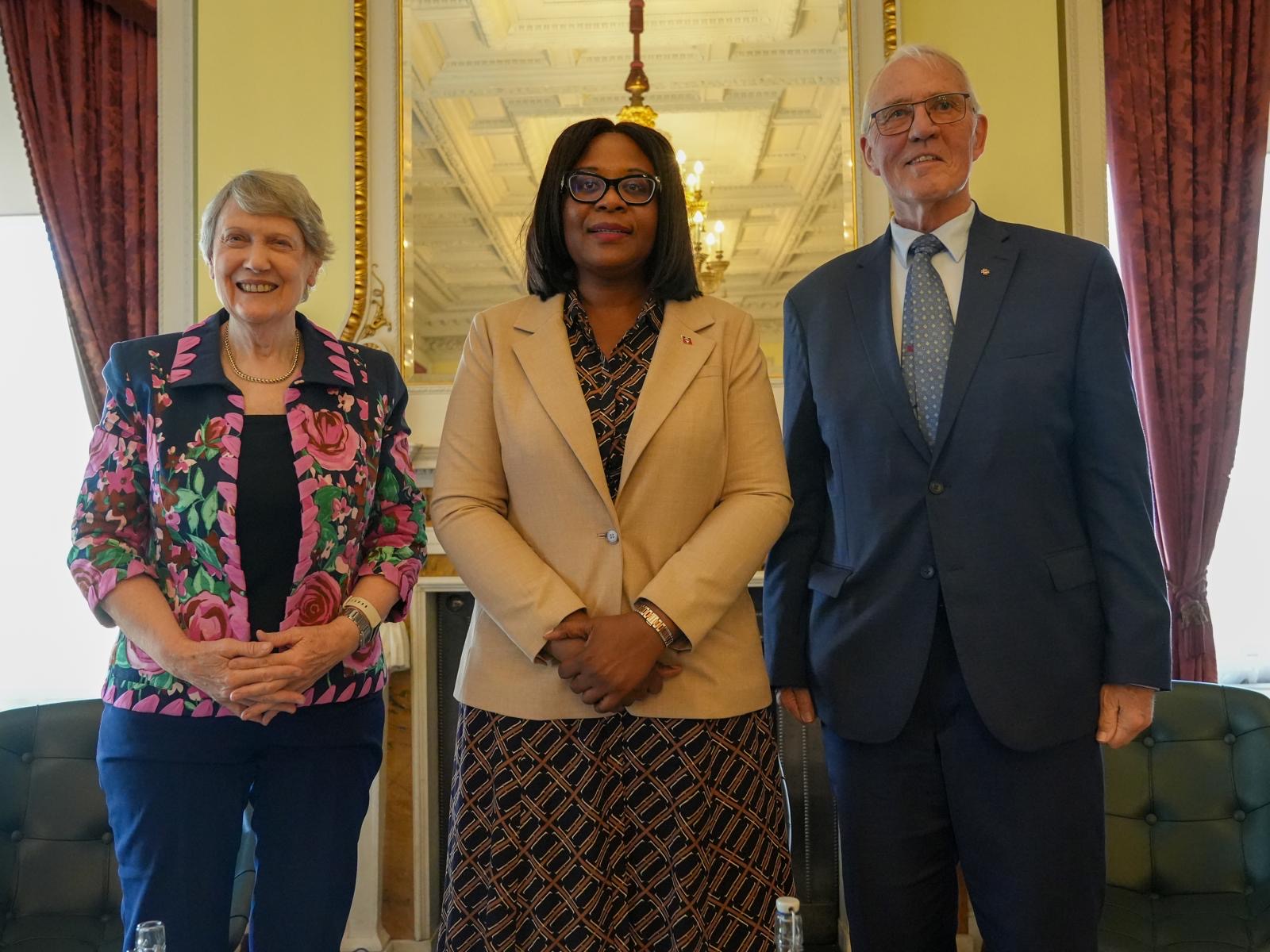
    In a pre-summit dialogue hosted by the Commonwealth Secretariat at Marlborough House ahead of the 2026 Commonwealth Heads of Government Meeting (CHOGM) in Antigua and Barbuda, top global and Commonwealth leaders have issued a unified call to center small states in the transformation of the strained global multilateral order. The event, titled “What space is there for Commonwealth small states in a multipolar world where middle powers are also increasingly assertive?”, gathered prominent figures to address the long-standing marginalization of small nations in global decision-making, and outline a path forward rooted in the Commonwealth’s core values of equal representation.

    Opening the conversation, Commonwealth Secretary-General Shirley Botchwey set the tone for the discussion, framing the gathering as a critical step to reframe global narratives around small state capacity. “We must change the narrative around small states. We cannot speak only of vulnerability,” Botchwey emphasized, noting that small Commonwealth nations consistently emerge as some of the clearest, most principled voices in global governance. “They understand interdependence because they live it,” she added. Botchwey went on to highlight the unique foundational structure of the 56-nation bloc, where every country – regardless of size, economic output, or geographic status – holds an equal voice in discussions. “That is not a procedural detail; it is a political principle. Our task now is to turn that principle into influence, and I am determined that the Commonwealth will be an instrument for the transformation of its small states.”

    Small states make up a majority of the Commonwealth’s membership, accounting for 33 of the bloc’s 56 member countries, giving the dialogue unique stakes for the organization. During the panel, speakers collectively acknowledged that the post-WWII multilateral system, which has anchored global cooperation for nearly 80 years, is facing unprecedented strain. Institutions designed for a vastly different global power dynamic are struggling to adapt to 21st century challenges, cross-border cooperation is declining, and the worst impacts of climate change fall disproportionately on small nations that have contributed the least to global emissions. Most notably, speakers pointed out that small states are often shut out of key decision-making processes that shape their economic, social, and environmental futures. Despite these barriers, the panel highlighted that small states punch far above their weight in multilateral action, particularly when it comes to climate action, ocean conservation, and environmental stewardship.

    The core of the discussion explored how the Commonwealth’s long-standing model of consensus-based decision-making – which grants equal voice to all 56 diverse member nations – can serve as a blueprint for building a revitalized, values-led global order rooted in international law. Under this model, small and vulnerable nations would act as active shapers of global policy, rather than passive bystanders to decisions made by large and middle powers.

    Rt Hon Helen Clark, former New Zealand Prime Minister, Chair of the Global Leadership Foundation, and former UNDP Administrator, was the panel’s lead speaker. She argued that the original promise of multilateralism – that every nation, no matter its size, holds a stake and a say in the shared global future – is fraying amid shifting global power dynamics. “As power shifts and middle powers rightly seek a greater role, we must ensure the answer is not simply a slightly larger club of the powerful,” Clark stated. She went on to highlight the unique value small states bring to global governance: “Small states bring moral clarity, hard-won experience and outsized leadership on climate, on oceans and on peace. A revitalised multilateralism must make room for them, not as an act of charity, but because the system will be stronger and more legitimate for it.”

    Joining Clark as a guest of the Commonwealth Secretariat was Hon Bill Blair, Canada’s High Commissioner to the United Kingdom. He echoed Clark’s call for inclusive collaboration, noting that middle powers carry a unique responsibility to advance equity in global governance. “Canada believes that a rules-based international order only works if it works for everyone,” Blair said. “Middle powers have a responsibility not to replicate the patterns of dominance we seek to change, but to open doors and build coalitions with small states as genuine partners. The Commonwealth shows what that partnership can look like in practice.”

    The conversation was moderated by HE Karen-Mae Hill OBE, Antigua and Barbuda’s High Commissioner to the United Kingdom. Antigua and Barbuda is set to host the 2026 CHOGM this coming November, where the nation will also assume the role of Commonwealth Chair-in-Office. The summit will carry the official theme “Accelerating Partnerships and Investment for a Prosperous Commonwealth”, and will bring together leaders from across the bloc to advance shared prosperity for the Commonwealth’s 2.7 billion people. Hill emphasized that the dialogue was particularly timely given the upcoming summit. “As Antigua and Barbuda prepares to welcome Commonwealth leaders to CHOGM 2026, this conversation could not be more timely,” Hill said. “Small states are not asking for a seat at the margins of a new world order; we are asserting our place at its heart. I look forward to a time when the contribution of small states to multilateralism is fully recognised and supported, building on the Commonwealth’s decades of championing the voices of small states.”

    The Marlborough House Conversation is just one part of the Commonwealth Secretariat’s broader pre-CHOGM dialogue series, designed to surface key priorities from member states ahead of the 2026 summit.

  • OECS Marks 45th Anniversary with Geneva Celebration

    OECS Marks 45th Anniversary with Geneva Celebration

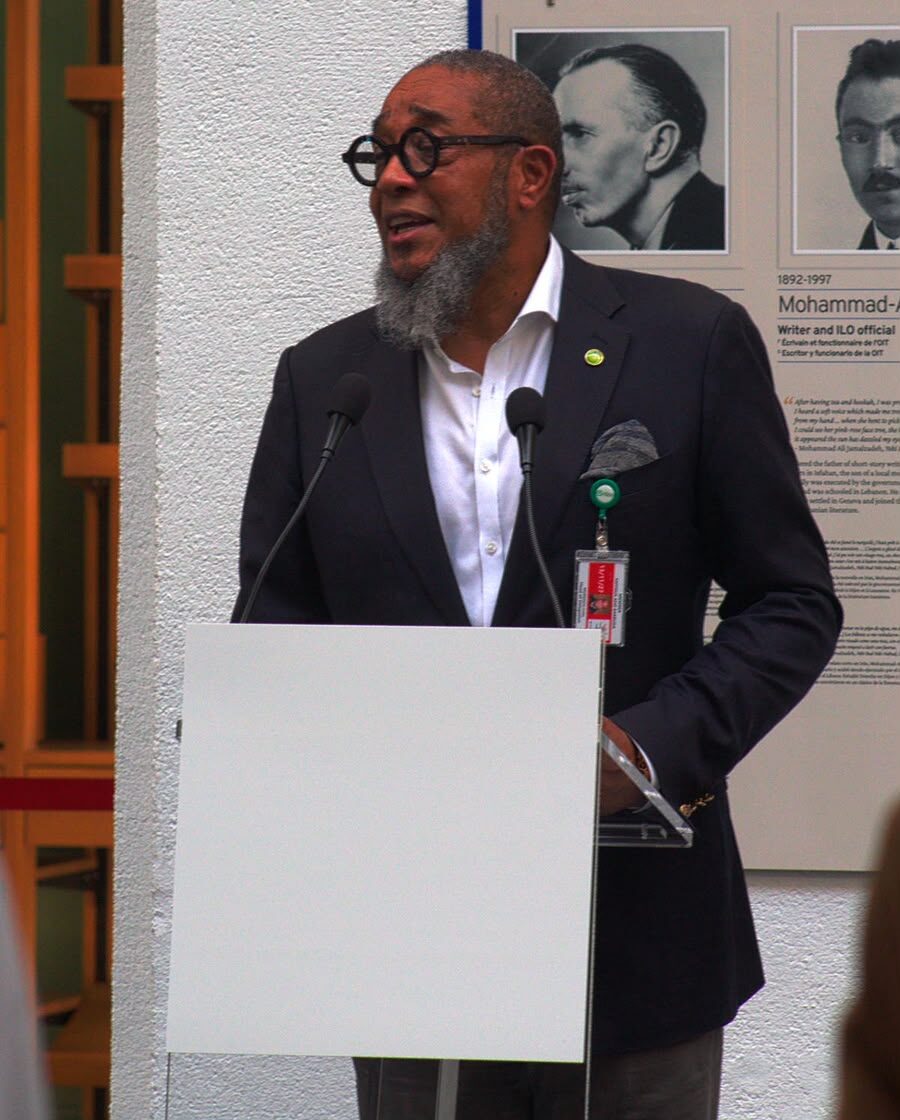
    On June 19, just one day after the annual observance of OECS Day, the Permanent Delegation of the Organisation of Eastern Caribbean States (OECS) to Geneva hosted a celebratory reception at the WTO Headquarters’ Atrium to mark the bloc’s 45th year of existence. The event was far more than a ceremonial gathering—it served as a tribute to four and a half decades of coordinated progress, while also highlighting the vibrant cultural identity that unites the Eastern Caribbean region.

    Attendees, including high-ranking diplomats from member and non-member states, representatives of OECS’s long-standing international partner organizations, and members of the Caribbean diaspora community based in Geneva, gathered to reflect on the bloc’s journey and reaffirm their commitment to continued collective cooperation. To infuse the celebration with authentic Caribbean culture, organizers tapped two talented artists from Antigua and Barbuda: acclaimed pannist Khan Cordice, who previously wowed audiences as the lead performer at the 44th OECS anniversary pan music recital, and keyboardist Khadijah Simon. Cordice’s dynamic steelpan performance captivated the entire room, showcasing the distinctive musical heritage that has become a cultural calling card for the Caribbean.

    Beyond the celebration, the event also highlighted the critical role of the OECS Permanent Delegation in Geneva, which was established in 2005 to address a long-standing gap in the OECS’s institutional presence at the World Trade Organization. Prior to the delegation’s founding, the Caribbean bloc lacked a permanent, effective voice in WTO processes, putting it at a disadvantage in global trade negotiations that shape the economic prospects of its small island member states. Today, the delegation carries out core functions that include monitoring ongoing trade policy developments, analyzing how global trade shifts impact OECS members, publishing detailed reports for bloc leadership, and submitting policy proposals to WTO committees and governing councils to advance the collective interests of Eastern Caribbean nations.

  • European Union Ambassador Fiona Ramsey Presents Credentials to OECS Director General

    European Union Ambassador Fiona Ramsey Presents Credentials to OECS Director General

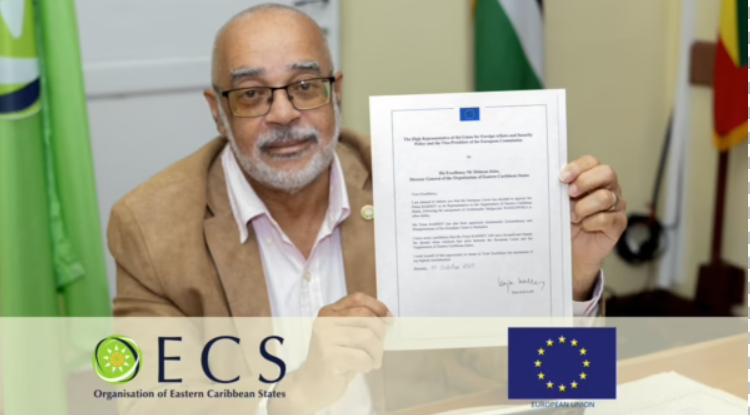
    On July 2, 2026, a landmark virtual credential presentation ceremony marked a new chapter in the long-standing partnership between the European Union (EU) and the Organisation of Eastern Caribbean States (OECS). During the event, Her Excellency Fiona Ramsey, the EU’s newly appointed Ambassador to Barbados and the Eastern Caribbean, formally submitted her Letter of Credence to OECS Director General Dr. Didacus Jules, publicly reaffirming the EU’s unwavering long-term commitment to three core pillars of collaboration: regional integration, sustainable development, and strategic cooperation with the OECS.

    Opening the official proceedings, Dr. Jules extended a warm welcome to Ambassador Ramsey, offering his congratulations on her new appointment and taking the opportunity to underscore the depth of the multi-decade partnership between the two blocs. Reflecting on the foundations of their relationship, Dr. Jules emphasized that the EU has consistently stood as one of the OECS’ most reliable and enduring development partners. “Ours is a relationship built on mutual respect, shared values, and a common commitment to sustainable development, democracy, multilateralism, and the well-being of our people,” he noted.

    In response, Ambassador Ramsey commended the OECS for its 40-plus years of work advancing regional integration and collective solidarity across its 11 member states. She went on to highlight the unique geographic and geopolitical ties that bind Europe and the Caribbean, pushing back against the framing of the EU as a distant transatlantic partner. “Europe is not just a partner across the Atlantic,” Ramsey explained. “Europe is also part of the Caribbean through the French territories of Martinique and Guadeloupe and the overseas countries and territories in the region. We share the same maritime space, the same neighbourhood, and many of the same practical challenges. Close cooperation between the European Union and the OECS is therefore both natural and essential.”

    Ambassador Ramsey also conveyed formal greetings from two of the EU’s top leaders: European Council President António Luís Santos da Costa and European Commission President Ursula von der Leyen. She reiterated the EU’s ongoing commitment to expanding ties with Caribbean regional bodies through the bloc’s flagship Global Gateway Investment Agenda, a major infrastructure and development initiative designed to boost connectivity and sustainable growth across partner regions.

    Following the formal credential ceremony, Ambassador Ramsey and Dr. Jules held a closed-door working discussion focused on expanding the strategic partnership between the two organizations. Their conversation centered on eight key priority areas for deepened collaboration: climate adaptation and resilience, expanded access to renewable energy, sustainable ocean governance, inclusive digital transformation, expanded educational exchanges, support for homegrown innovation, accelerated regional integration efforts, and strategic infrastructure development. Both sides expressed optimism that the new ambassador’s tenure will bring tangible progress and shared benefits for citizens across the Eastern Caribbean and the European Union alike.

  • Milove Fontaine to represent Antigua and Barbuda at Caribbean pageant in BVI

    Milove Fontaine to represent Antigua and Barbuda at Caribbean pageant in BVI

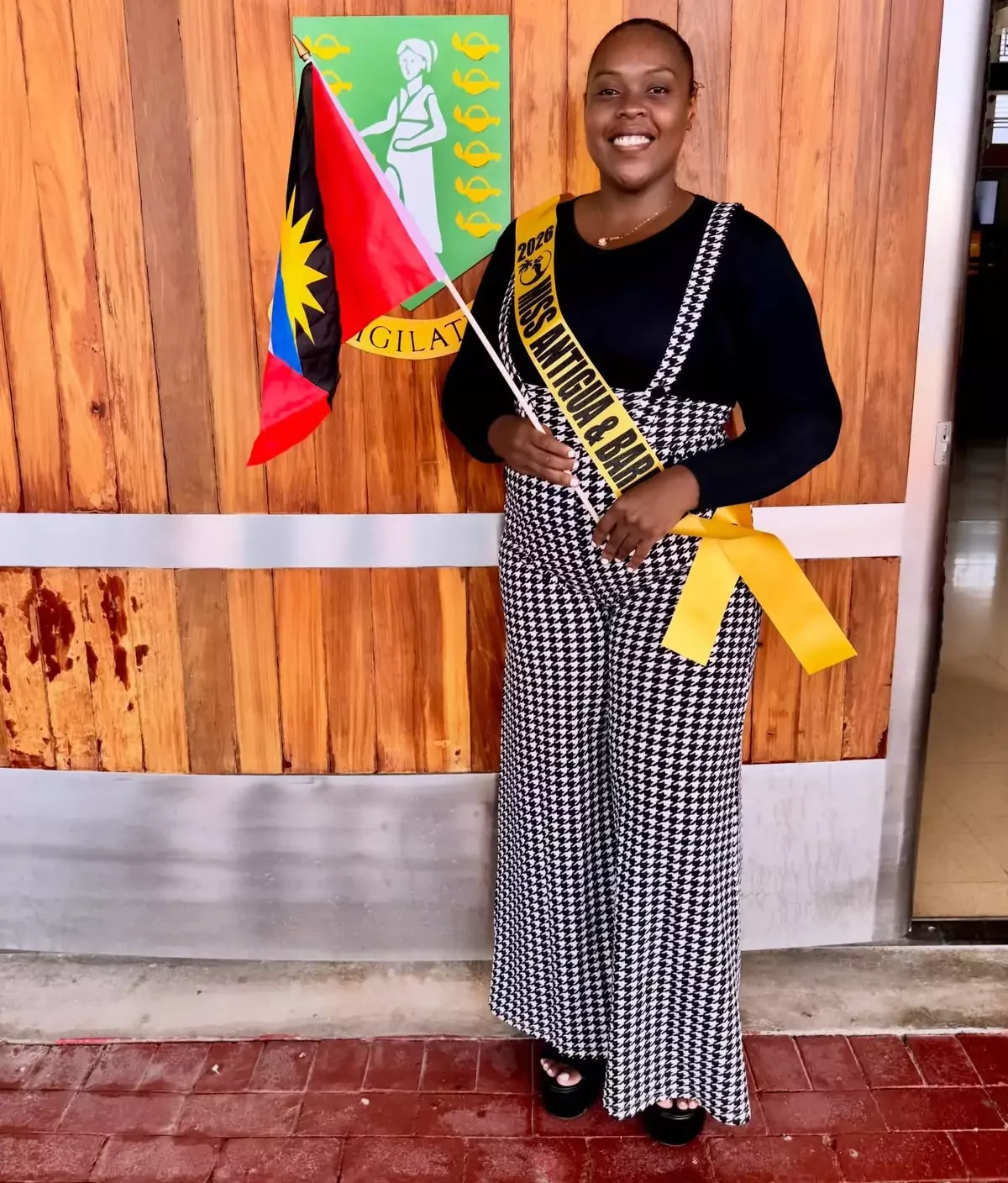
    The countdown to one of the Caribbean’s most anticipated body-positive beauty competitions is officially underway, as Milove Fontaine, the representative from Antigua and Barbuda, has touched down in the British Virgin Islands ahead of the 2026 Miss Elegantly Plus Caribbean Queen Pageant. The competition, which will crown its new regional champion this Sunday, marks a key moment for celebrating plus-size women across the Caribbean region.

    Fontaine brings no stranger to pageantry to the stage: she already holds the title of Miss Charisma 2020, and has spent months preparing to carry the flag of her twin-island nation at this year’s event. The pageant will take place at the Eileene L. Parsons Auditorium, located on the campus of H. Lavity Stoutt Community College in Tortola, welcoming contestants and audiences from across the Caribbean and beyond.

    This year, Fontaine will go head-to-head with two other contenders for the coveted crown: Krystle Maduro, the homegrown contestant representing the British Virgin Islands, and Jah’Millia Maloney, competing on behalf of the United States Virgin Islands. The 2026 edition of the pageant is centered on the powerful theme “Pretty. Phenomenal. Plus.” — a slogan crafted to shine a spotlight on three core values: unapologetic confidence, intentional female empowerment, and authentic self-expression. More than just a beauty competition, the event exists to celebrate the diversity, beauty and leadership of plus-size women across the Caribbean, pushing back against narrow, traditional beauty standards that have long dominated pageant culture.

    For Antigua and Barbuda, Fontaine’s participation does more than just contend for a title: it places the small twin-island nation firmly on the regional cultural stage, giving her a platform to showcase her home country’s rich cultural heritage, standout talent, and signature elegance throughout the competition. Back in Antigua and Barbuda, a groundswell of support has grown for Fontaine in the lead-up to Sunday’s final, with fans, friends and supporters sharing messages of encouragement and excitement as she makes her final preparations for the crown.

  • Antigua and Barbuda Among CARICOM’s Least Air-Polluted Countries

    Antigua and Barbuda Among CARICOM’s Least Air-Polluted Countries

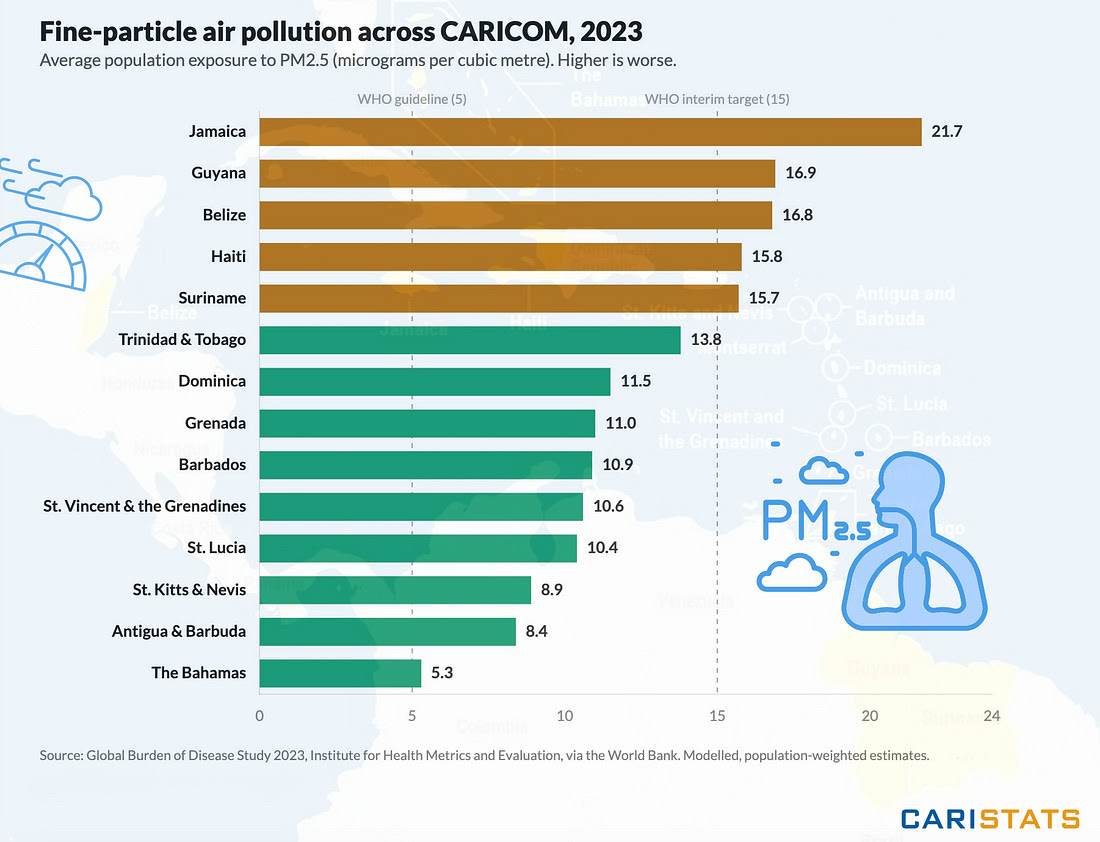
    New 2023 population-weighted data collected from the Global Burden of Disease Study, run by the Institute for Health Metrics and Evaluation, has mapped fine particulate matter (PM2.5) air pollution levels across 14 member states of the Caribbean Community (CARICOM), revealing clear geographic patterns in air quality that hold more weight than national income levels.

    PM2.5, a category of tiny airborne pollutants small enough to penetrate deep into human lung tissue and enter the bloodstream, poses well-documented long-term risks to cardiovascular and respiratory health. The latest analysis places the entire CARICOM region in the low-to-middle tier of global air pollution rankings, with 2023 average annual exposure levels ranging from 5.3 micrograms per cubic meter in The Bahamas to 21.7 micrograms per cubic meter in Jamaica.

    Small island nations surrounded entirely by open ocean recorded the cleanest air in the bloc. Beyond The Bahamas, Antigua and Barbuda posted an average PM2.5 concentration of 8.4 micrograms per cubic meter, while Saint Kitts and Nevis came in at 8.9 micrograms. Experts attribute these low readings to consistent regional trade winds, which efficiently disperse accumulated particulates out into the open ocean before they can build up to dangerous levels.

    In contrast, the highest pollution levels are concentrated among CARICOM’s larger landmass and mainland economies. Guyana recorded an average of 16.9 micrograms per cubic meter, followed closely by Belize at 16.8 micrograms and Suriname at 15.7 micrograms. Local human activities drive these higher readings: regular agricultural burning, deforestation for land clearing, and growing industrial activity all add significant volumes of PM2.5 to the regional atmosphere. Most other CARICOM member states included in the study fall somewhere between these two extremes.

    When compared to global pollution benchmarks, the CARICOM region’s readings count as moderate. The world’s most polluted nations report annual average PM2.5 levels that exceed 60 micrograms per cubic meter, far above the highest reading recorded in Jamaica. Even so, the analysis confirms a critical public health gap: every single CARICOM member state exceeds the World Health Organization’s strict recommended maximum guideline of 5 micrograms per cubic meter, meaning all regional populations face at least some elevated long-term health risk from poor air quality.

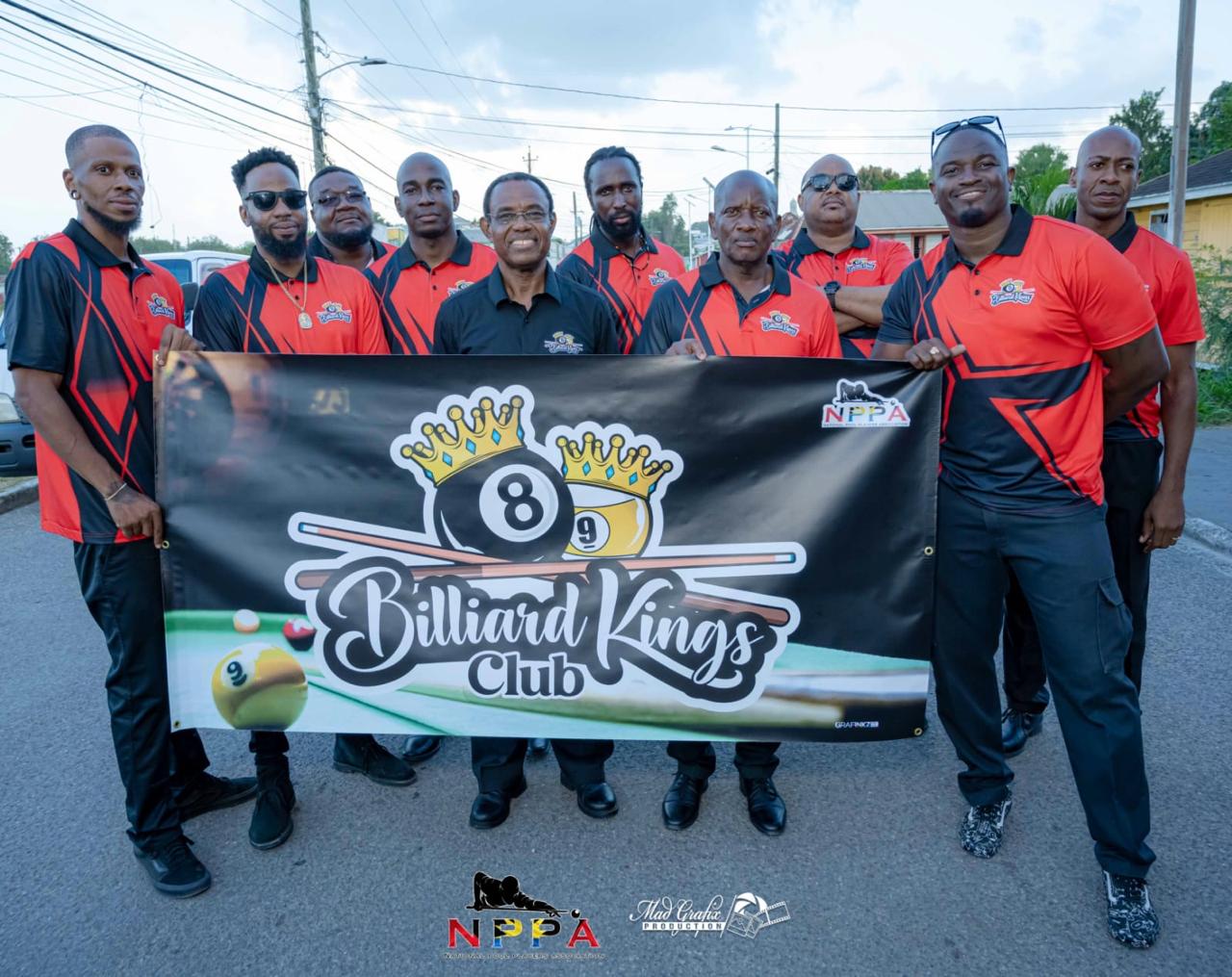
  • Billiard Kings Complete Semifinal Sweep to Secure NPPA Third-Place Trophy

    Billiard Kings Complete Semifinal Sweep to Secure NPPA Third-Place Trophy

    On a tense Wednesday night of postseason pool action, the Billiard Kings delivered a commanding 5-2 victory over Cue Action, closing out a flawless three-match semifinal sweep and claiming the third-place honors at the 2026 National Pool Players Association (NPPA) Team Tournament. The three-game series unfolded as a study in contrasting narratives, marked by dramatic momentum shifts and standout individual performances that highlighted the intensity of elite competitive pool.

    The opening clash of the series kept spectators on the edge of their seats, as Cue Action mounted a fierce late comeback from an early deficit and advanced to match point before ultimately falling by a narrow 5-4 margin in a decisive final rack. The following night, the Billiard Kings shifted into high gear, shutting out their opponents completely with a dominant 5-0 win that left Cue Action facing an almost impossible uphill battle to force a fourth match.

    When the third and final match got underway, Cue Action appeared primed to mount the comeback they needed. Captain Wendy got his side on the scoreboard first, taking down the Billiard Kings’ Demolition Man in straight racks to draw first blood and spark early optimism among Cue Action’s camp. That momentum built further when Willy pulled out a tight 2-1 win over the Kings’ Marshall: after Marshall claimed the opening rack, Willy responded with back-to-back wins to push Cue Action to a 2-0 lead early in the contest.

    From that point onward, however, the Billiard Kings seized full control of the table and never let go. The Kings’ Sniper kicked off their comeback with a calm, collected straight-rack victory over Randy, cutting Cue Action’s lead in half, before Killa extended the momentum by defeating Esmil 2-1 — marking the second straight night Killa had outperformed his opponent. Next, Henry secured the Billiard Kings’ first lead of the evening, outlasting Pachy 2-1 in another hard-fought battle that shifted the series firmly in the Kings’ favor.

    One of the most compelling storylines of the night was the breakout performance of Grim, who has turned into one of the Billiard Kings’ most impactful postseason players after a winless regular season. Facing Cue Action’s import Alfredo, Grim dropped the opening rack before rallying for back-to-back wins to secure the point, putting the Kings one victory away from clinching the series. This win cemented Grim’s status as one of the most surprising and impressive turnaround stories of the entire tournament.

    With the Kings holding a 4-2 lead and the finish line within reach, Jason Roberts stepped up to the table to close out the series. He delivered exactly when it mattered, defeating Cigarro in straight racks to lock in the decisive fifth point and seal the 5-2 match win. The final outcome wraps up a 3-0 clean sweep of the semifinal series for the Billiard Kings, capping off a standout postseason run that has cemented their reputation as one of the most formidable teams in the competition. After surviving a nail-biting opening match, dominating the second encounter, and closing out the series with confidence on Wednesday night, the Billiard Kings depart the 2026 NPPA Team Tournament with the third-place trophy and a massive wave of momentum heading into future competitions.

  • Antigua and Barbuda Urges United Regional Response to Modern Security Threats

    Antigua and Barbuda Urges United Regional Response to Modern Security Threats

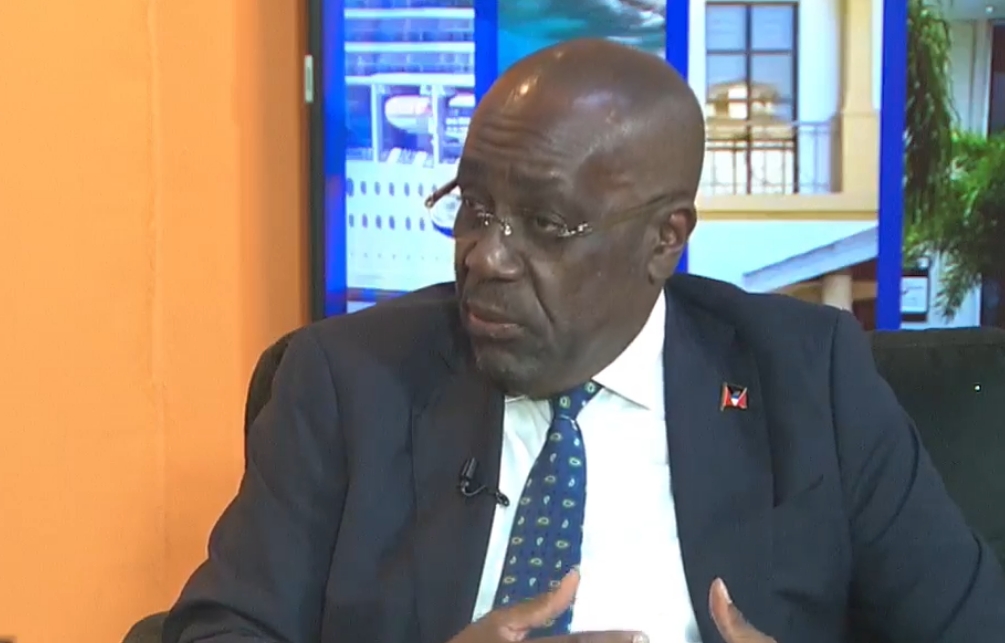
    Against a backdrop of rapidly evolving, border-defying security risks across the Western Hemisphere, Antigua and Barbuda has issued a urgent call for deepened collaborative action among all nations of the Americas, arguing that coordinated regional partnership is the only effective response to modern security challenges that no single country can address alone. The appeal came from Foreign Affairs Minister E.P. Chet Greene, who represented the twin-island nation at the 17th Conference of Defence Ministers of the Americas, held this year in Cusco, Peru. The high-level gathering brings together defense and security leaders from across the region to assess strategies for bolstering collective stability and addressing shared threats.

    In his address to fellow delegates, Greene framed the conference as a critical platform for hemispheric nations to strengthen open dialogue, forge durable cross-border partnerships, and design aligned, coordinated frameworks to tackle the security concerns that touch every country in the region. He emphasized that regardless of vast differences in geography, population size, and military capabilities, all nations share three non-negotiable core obligations: protecting their citizens, upholding foundational democratic principles, and preserving regional and domestic peace.

    Greene pointed out that the global security landscape has shifted dramatically in recent decades, with contemporary threats expanding far beyond the traditional military conflicts that once defined national defense agendas. Today, interconnected threats including transnational organized crime, cyberattacks and cyber-enabled criminal activity, illicit cross-border financial networks, and coordinated efforts to undermine democratic institutions have created a complex risk landscape that demands equally interconnected, coordinated responses.

    “The security challenges confronting the Americas no longer fit neatly within national borders or traditional definitions of defence,” Greene told attendees. “Only through intentional, sustained regional cooperation can we effectively mitigate these risks and protect our populations.”

    Speaking from the unique perspective of a Small Island Developing State (SIDS), Greene shared Antigua and Barbuda’s core position that long-term security and sustainable development are inextricably linked. For small island nations like his, national prosperity depends entirely on four key pillars: secure open maritime corridors for trade and transportation, reliable cross-border air travel links, resilient digital infrastructure that can withstand disruption, and robust, trusting partnerships with neighboring countries. Any disruption to these systems, he warned, generates ripple effects that spread far beyond the borders of the affected nation, destabilizing entire regions.

    Greene went on to highlight the ongoing, devastating impact of transnational organized crime on the Caribbean region specifically. Criminal networks, he explained, routinely exploit the Caribbean’s vast expanses of maritime territory to traffic narcotics, illegal firearms, human beings, and illicitly gained financial assets. These criminal activities do not merely generate violence; they erode the foundations of public institutions, undermine the rule of law, and threaten years of progress in economic and social development across the entire Caribbean basin.

    While Greene acknowledged that the Caribbean has not faced large-scale terrorist attacks on the scale seen in other regions of the world, he urged leaders against complacency. Governments across the hemisphere, he stressed, must maintain constant vigilance against emerging, fast-evolving risks, including violent extremism, cyber-facilitated radicalization, unregulated illicit financial activity, and the misuse of emerging digital technologies for criminal purposes.

    In closing, Greene reiterated that no nation—no matter how large its military budget, how advanced its defense capabilities, or how extensive its resources—can successfully confront the full scope of 21st-century security challenges in isolation. Stronger cross-border partnerships, sustained collaborative policy, and coordinated collective action, he concluded, remain the only path to upholding lasting peace, security, and stability for all nations across the Americas.