
A high-impact road collision on Friars Hill Road left two common passenger vehicles, a van and a Mini Cooper, with severe structural damage following the incident. Local emergency and traffic response teams were dispatched to the scene shortly after the crash was reported to clear debris, manage traffic flow, and document the details of the accident. While the full extent of injuries to the people involved in the collision has not been publicly released in initial updates, first responders confirmed that all parties involved received prompt on-site medical assessment before being transported to nearby care facilities if needed. Investigators from the local traffic police department have launched a formal inquiry to determine the root cause of the crash, with early leads focusing on factors including speed, road conditions at the time of the incident, and potential driver distraction. The collision caused temporary traffic disruptions along the busy Friars Hill Road corridor as crews worked to remove the damaged vehicles and repair any damage to the roadway surface. Motorists were advised to seek alternate routes during the cleanup process to avoid long delays. Local transportation officials have reminded drivers of the importance of maintaining safe speeds and remaining focused on the road, particularly on high-traffic urban corridors like Friars Hill Road where sudden stops and unexpected maneuvers are common. The investigation remains ongoing as authorities work to compile a full report on the incident.
标签: Antigua and Barbuda
安提瓜和巴布达
-
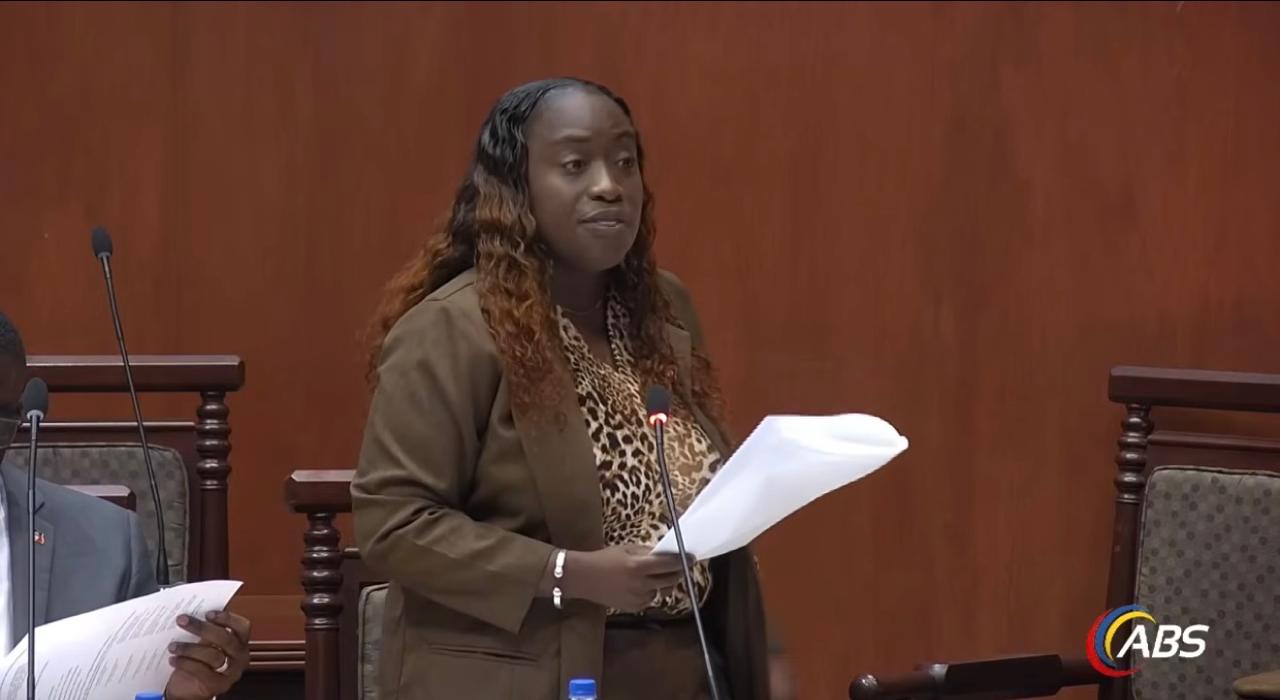
Antigua and Barbuda Government in Talks With Airlines to Fill Gap Left by JetBlue
The dual-island Caribbean nation of Antigua and Barbuda has entered active negotiations with multiple international and regional airlines after budget U.S. carrier JetBlue made the decision to end its scheduled service to the country. The departure of JetBlue has created a critical gap in airlift capacity that serves both the vital tourism sector and local residents relying on air connections to North American markets.
Government officials confirmed that discussions are underway with a range of carriers, including major U.S. airlines and regional Caribbean operators, to secure new non-stop routes that can replace the lost capacity. Tourism, which accounts for more than 60% of Antigua and Barbuda’s gross domestic product and employs a large share of the national workforce, is heavily dependent on consistent, affordable air access to bring in visitors from the United States, one of its largest source markets.
Charles Fernandez, the country’s Minister of Tourism and Civil Aviation, told reporters that the government is confident of reaching agreements that will not only fill the gap left by JetBlue but potentially expand overall airlift to the destination. “We have had very productive initial talks with several carriers that see the long-term value of serving Antigua and Barbuda,” Fernandez said in a recent press briefing. “Our priority is to maintain competitive airfares and reliable service for both visitors and residents.”
Industry analysts note that JetBlue’s exit came amid broader industry shifts, including post-pandemic route restructuring and changing fuel costs that have led many carriers to re-evaluate their less profitable routes. Despite this, Antigua and Barbuda’s consistent investment in tourism infrastructure, including its modernized V.C. Bird International Airport and a range of new resort developments, has made it an attractive market for carriers looking to expand their Caribbean footprint. The government is also offering targeted incentives to encourage new carriers to launch service, including temporary marketing support and reduced landing fees for new routes.
-

Cricketing Legends Among Antigua and Barbuda’s Official Delegation for Sir Garfield Sobers’ State Funeral
The Caribbean cricket community is preparing to bid a final farewell to one of its most iconic figures, as the government of Antigua and Barbuda has given formal approval for a high-powered delegation of the nation’s most celebrated cricket legends to travel to Barbados for the state funeral of West Indian cricket giant Sir Garfield Sobers.
Leading the delegation are some of the biggest names in Antigua and Barbuda’s cricketing history: national hero Sir Vivian Richards, alongside fellow cricketing knights Sir Andy Roberts, Sir Curtly Ambrose, and Sir Richie Richardson. They will be joined by Dwayne George, Antigua and Barbuda’s Sports Minister and a former national cricketer, who will officially represent the dual-island nation at the ceremonial event.
Maurice Merchant, Director General of Communications for Antigua and Barbuda, announced the Cabinet’s decision at the official post-Cabinet press briefing held on Thursday. In remarks to reporters, Merchant emphasized the unique standing Sobers holds in global sport and Caribbean heritage, noting that the delegation will carry the full respect and mourning of the entire Antigua and Barbuda nation to the service. “Together, they will pay the nation’s final respects to one of the greatest cricketers the world has ever known and a towering figure in Caribbean history,” Merchant told the assembled press.
In an official statement, the Cabinet highlighted that the composition of the cross-sector delegation of cricketing stars and government officials underscores the profound admiration that Antigua and Barbuda retains for Sobers. Beyond his record-breaking achievements on the cricket pitch, Cabinet noted that Sobers’ influence transcended sport, becoming a source of collective pride and inspiration that empowered generations of young people across the entire Caribbean region.
The state funeral is scheduled to kick off at 10 a.m. local time on Wednesday, July 29, held at Kensington Oval in Bridgetown, Barbados — a ground that has played host to countless historic moments in West Indian cricket. Prior to this formal approval of the delegation, Antigua and Barbuda’s Prime Minister Gaston Browne had already delivered a public tribute honoring Sobers’ life and legacy. The Cabinet has also issued a directive requiring all flags on public government buildings across Antigua and Barbuda to be flown at half-staff as a mark of national respect for the late cricketing icon.
-
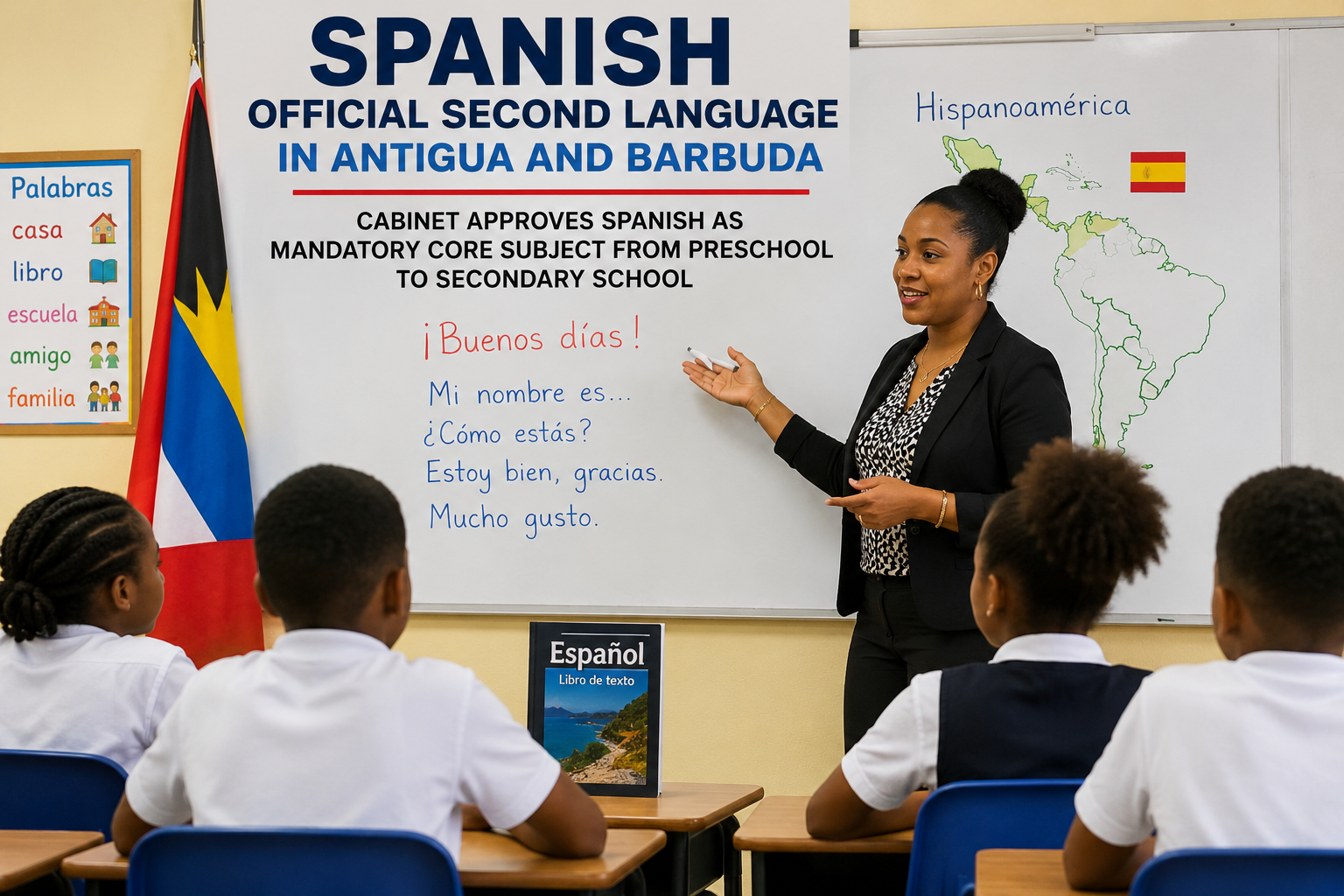
Antigua and Barbuda Advances Plans for Spanish as Second Language
The Caribbean nation of Antigua and Barbuda is advancing a bold proposal to expand Spanish language education across all its primary and secondary schools, a plan that will require the recruitment of up to 20 additional qualified Spanish teachers over the coming years. The staffing requirement is a core component of the Education Sector Implementation Plan covering 2026 to 2030, a comprehensive policy document that Education Minister Daryll Matthew officially presented to the national Cabinet for review this Wednesday.
Speaking at a post-Cabinet media briefing the following day, Director General of Communications Maurice Merchant shared that preliminary demographic and program planning estimates point to a need for between 18 and 20 new teaching staff to fully launch and sustain the expanded initiative. To formalize this demand, the plan explicitly recommends the development of a targeted national staffing strategy that will outline recruitment pathways, qualification requirements, and employment terms for the incoming educators.
Unlike a new introduction of Spanish to national schools, the initiative aims to build on an existing foundation: Spanish is already included as part of Antigua and Barbuda’s standard K-12 curriculum. The policy overhaul seeks to strengthen inconsistent existing instruction, standardize learning outcomes across all institutions, and build what government officials describe as a cohesive, equitable, and sustainable national Spanish education framework. A key priority of the plan is aligning local Spanish learning benchmarks with globally recognized language proficiency standards, ensuring that students graduate with skills that are validated and recognized internationally.
The proposal addresses concerns about the status of other foreign language offerings, clarifying that French will retain its place as a core component of the country’s National Modern Language Programme. The plan’s explicit language reaffirms a commitment to expanding Spanish education while simultaneously preserving and protecting French language instruction for students who choose to study it.
To support successful implementation, the Ministry of Education is also planning to pursue targeted technical assistance from international partners including Spain, the Dominican Republic, and other global language education stakeholders. This planned collaboration will focus on three key areas: ongoing professional development for current and new Spanish teachers, refinement of the national curriculum to meet updated standards, and logistical support for rolling out the programme across all schools over the multi-year timeline.
The expansion is set to roll out gradually over a three-year period, with the speed of rollout adjusted to match individual schools’ readiness to adopt the new framework and the progression of student cohorts through the education system. As of Thursday, Cabinet has initiated its review of the policy brief but has not yet announced a final decision on approval.
-
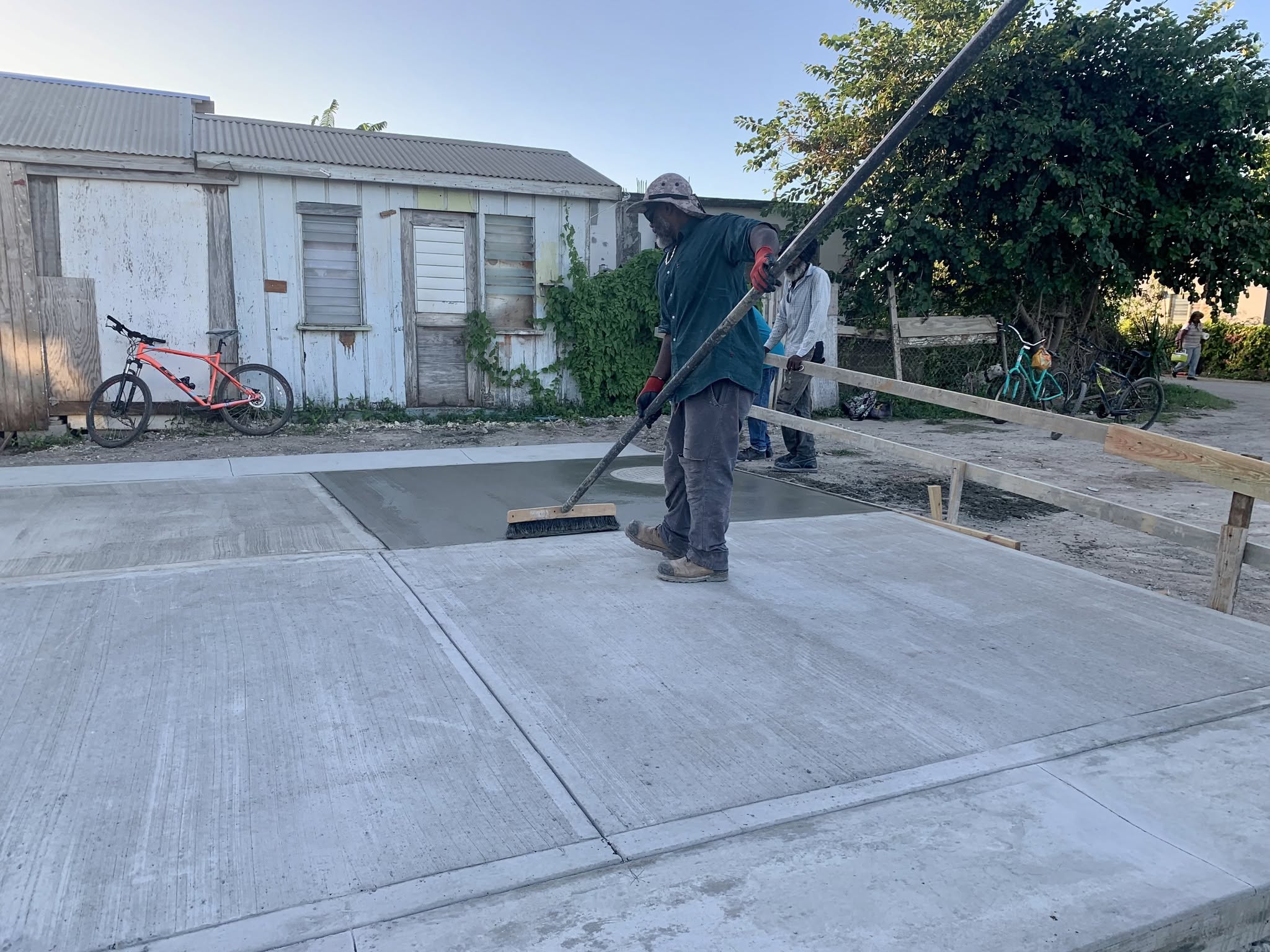
Airport-to-River Dock Road in Barbuda to Be Completed Within Eight Weeks
The government of Antigua and Barbuda has unveiled a timeline for a key infrastructure upgrade on the island of Barbuda, announcing that construction on a critical two-mile roadway linking Barbuda’s international airport to River Dock will get underway in the near future, with a projected completion window of just eight weeks from the start of work.
The announcement came Thursday via Maurice Merchant, Director General of Communications, who shared details following a Wednesday Cabinet meeting that included a progress briefing from Financial Secretary Rasona Davis-Crump and senior leadership from the Ministry of Works. The briefing focused heavily on the government’s island-wide national road improvement initiative, with particular focus placed on upgrade projects across Barbuda.
“Cabinet was officially informed that the high-priority road connecting the airport to River Dock will commence shortly, and is scheduled to be finished within two months of breaking ground,” Merchant stated during the official post-Cabinet press briefing.
While Merchant declined to name the selected construction firm or share an exact groundbreaking date, he confirmed that the chosen contractor already has a well-established footprint and proven operational track record across both Antigua and Barbuda. This local presence, he explained, is designed to streamline the mobilization of heavy construction equipment and skilled labor, eliminating unnecessary holdups that often delay infrastructure projects delivered by out-of-region firms.
To further ensure project integrity, the government has appointed an independent third-party monitor to oversee every stage of construction. This monitor will be responsible for upholding accountability, maintaining full transparency throughout the process, and verifying that all work meets international and local engineering standards.
The airport-to-River Dock upgrade is just one component of a broader infrastructure rehabilitation initiative covering multiple roadways across Barbuda. Collectively, these projects are targeted at boosting transportation connectivity for local residents and business operations, laying the physical groundwork for long-term economic and social growth across the smaller island of Antigua and Barbuda.
The full national road programme across the country is backed by EC$100 million in bonds issued to a consortium of domestic financial institutions, paired with a US$33 million development loan from the Caribbean Development Bank (CDB). Merchant confirmed that all financing arrangements are moving forward according to schedule, a development that is expected to speed up road rehabilitation work across both Antigua and Barbuda.
According to updates from the Financial Secretary shared with Cabinet, all funding mechanisms are on track, with disbursement of the CDB loan expected to be finalized within a matter of days once the final outstanding contractual requirements are fulfilled. Senior leadership at the Ministry of Works also told Cabinet that pre-construction preparatory work is already ongoing to ensure all projects funded through both the bond and loan can be executed on schedule.
To wrap up the meeting, Cabinet issued a formal directive to relevant public officials to accelerate the implementation timeline for all projects, so that local communities can begin benefiting from safer, more reliable road infrastructure as quickly as possible.
-
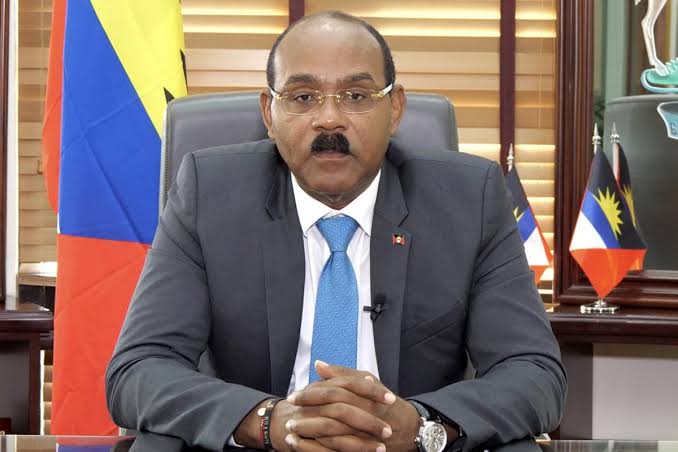
Court Rejects Law Firm’s Bid to Strike Out PM Browne’s Defamation Claim
A high-stakes defamation lawsuit launched by Gaston Browne, Prime Minister of Antigua and Barbuda, will move forward to full judicial consideration after the Eastern Caribbean Supreme Court turned away a preliminary bid to dismiss the claim from the defendants: private individual Martin DeLuca and international law firm Boies Schiller Flexner LLP.
Details of the ruling emerged this week via Maurice Merchant, the nation’s Director General of Communications, who confirmed that Browne updated his Cabinet on the outcome of the preliminary application during the executive body’s regular weekly meeting held Wednesday.
According to Merchant, court Master Carlos Cameron-Michel issued the ruling dismissing the law firm’s application on July 21. Boies Schiller Flexner is listed as the second named defendant in the original defamation filing. In its dismissal application, the firm argued that Browne’s claim failed to meet specific procedural requirements laid out in the local Civil Procedure Rules, and furthermore that the filing did not present any legally valid grounds to support a defamation claim before the court.
“After hearing oral submissions from legal teams representing both sides, and reviewing all written arguments and supporting legal precedents, the court refused the application for dismissal,” Merchant explained during an official press briefing held after the weekly Cabinet meeting.
Beyond rejecting the dismissal bid, the court handed down two key procedural orders: Boies Schiller Flexner is required to pay 1,500 Eastern Caribbean dollars in court costs by August 12, and must submit its formal defense to the defamation claim by September 4. Once the defense is filed, Browne will be granted a court-allocated window to submit a formal reply to the defense. Following that step, the case will move into scheduled case management proceedings in line with the requirements of the Civil Procedure Rules.
Addressing his Cabinet after the ruling, Browne framed the outcome as a critical procedural milestone, one that clears the way for the court to examine the core substantive allegations at the heart of his claim on their individual legal and factual merits.
“I welcome the court’s ruling, which has reaffirmed the importance of truth, fairness and accountability in public discourse,” Browne stated in comments shared by Merchant.
“While robust opposition and debate is an essential feature of any democracy, defamatory statements that unjustly damage an individual’s reputation have no place in our society,” he added.
Browne emphasized that the proceeding is more than a personal effort to clear his name. “This is not simply a personal vindication, but also a reminder that freedom of expression carries corresponding responsibilities,” he said.
It is important to note that the latest ruling only addresses the procedural question of whether the claim can proceed to full consideration. The court has not yet made any determination on the ultimate merits of Browne’s defamation allegations against the defendants.
-

Antigua and Barbuda Beach Volleyball Team Heads to Santo Domingo Games
The national men’s beach volleyball squad from Antigua and Barbuda has officially left their home country for the Dominican Republic, where they are set to compete at the 25th edition of the Central American and Caribbean Games, scheduled to take place in Santo Domingo in 2026.
The two-person team, consisting of athletes Raenor Sharpe and Miguel Peña-Lugo, will carry the nation’s flag in the beach volleyball tournament, with head coach Olsen Joseph traveling alongside the pair to provide on-site strategic guidance and training support.
This year’s regional Games are scheduled to run from July 23 through August 1, drawing hundreds of top-tier competitive athletes from 30+ countries and territories across the Central American and Caribbean region. The multi-sport event serves as a key benchmark for regional athletic excellence, giving rising and established sports stars a platform to test their skills against top opponents ahead of larger international competitions.
In an official statement ahead of the team’s departure, the Antigua and Barbuda Volleyball Association confirmed that the squad has completed an intensive months-long preparation camp, and is ready to compete with integrity and national pride against some of the strongest beach volleyball teams in the region.
The governing body also extended formal gratitude to the Antigua and Barbuda National Olympic Committee for its ongoing financial, logistical, and programmatic support, which was critical to enabling the team to secure entry, cover travel costs, and complete pre-tournament training.
Closing its statement, the association extended well-wishes to the delegation, saying: “Safe travels, Team 268 — we have full confidence that you will make Antigua and Barbuda proud on the regional court.”
-

Antigua and Barbuda’s Inflation Rate Eases Slightly to 3.7%
Fresh data from the latest Consumer Price Index (CPI) report shows that Antigua and Barbuda has recorded a notable cooldown in annual inflation for June, with the rate dropping to 3.7% from 4.1% in the previous month. While the year-over-year growth of consumer prices has slowed, sequential price movement between May and June still showed an uptick of 0.6%, indicating ongoing upward pressure on everyday costs for local households.
Energy remains the single most significant contributor to the nation’s persistent inflation, posting a 20.6% surge over the 12-month period ending in June. The most dramatic shift within the energy segment was seen in electricity prices, which skyrocketed by 42.9% year-over-year. This sharp jump comes on the heels of an increase in the national fuel variation rate, which climbed from 56 cents to 80 cents, passing higher energy generation costs directly to consumers.
When combined with related household expenses, the broader category covering housing, water, electricity, gas and other fuels recorded an 8.5% annual increase as of June. Food and nonalcoholic beverages, a core budget line item for most families, posted a more moderate 1.7% annual rise, though this headline figure masks uneven shifts across different food groups. Fish and seafood prices grew by 8.5%, vegetable costs went up 4.4%, and prices for oils and fats increased 3.2%. At the same time, some staple products saw price pullbacks: fruit prices dropped 9.2% year-over-year, while meat costs fell by 4.8%, providing a small degree of relief for grocery budgets.
Several other key spending categories also saw substantial annual price hikes. Recreation and culture led the gains with a 30.2% increase, followed by education at 13.3%, transport services at 10.3%, and restaurants and hotels at 4.5%. When stripping out the volatile food and energy segments to look at core inflation, the index still showed a slowdown, dipping to 2.5% annual growth in June from 3.7% in May.
Across all 12 main consumer spending categories tracked by the report, only four recorded year-over-year price declines, while eight categories reported outright price increases, underscoring how widespread cost growth remains across the Antigua and Barbuda economy.
-

Superette Operator Killed in Freeman’s Village Shooting
A quiet residential community in Antigua and Barbuda was rocked by violence early Thursday morning, after a local convenience store operator was fatally gunned down at their shop located along Freeman’s Village Main Road. According to initial reports from the scene, the deadly shooting unfolded just minutes before 8:30 a.m., a time when the small commercial corridor typically starts to see a steady stream of local shoppers and commuters.
As of the latest update, law enforcement officials have not yet released clear details about what led up to the attack, leaving key questions about motive and potential suspects unanswered. The victim’s name and other identifying information are also being withheld temporarily, as authorities work to notify next of kin and complete early forensic processing of the crime scene.
The sudden, violent death has sent waves of shock and unease through the tight-knit Freeman’s Village neighborhood, where violent crime remains a rare occurrence. Many local residents expressed surprise at the incident, saying that attacks of this nature are out of step with the community’s usual calm atmosphere. Officers from the Royal Police Force of Antigua and Barbuda have taken charge of the investigation, and have confirmed that they will release additional updates to the public as more information becomes available through their ongoing probe.
-
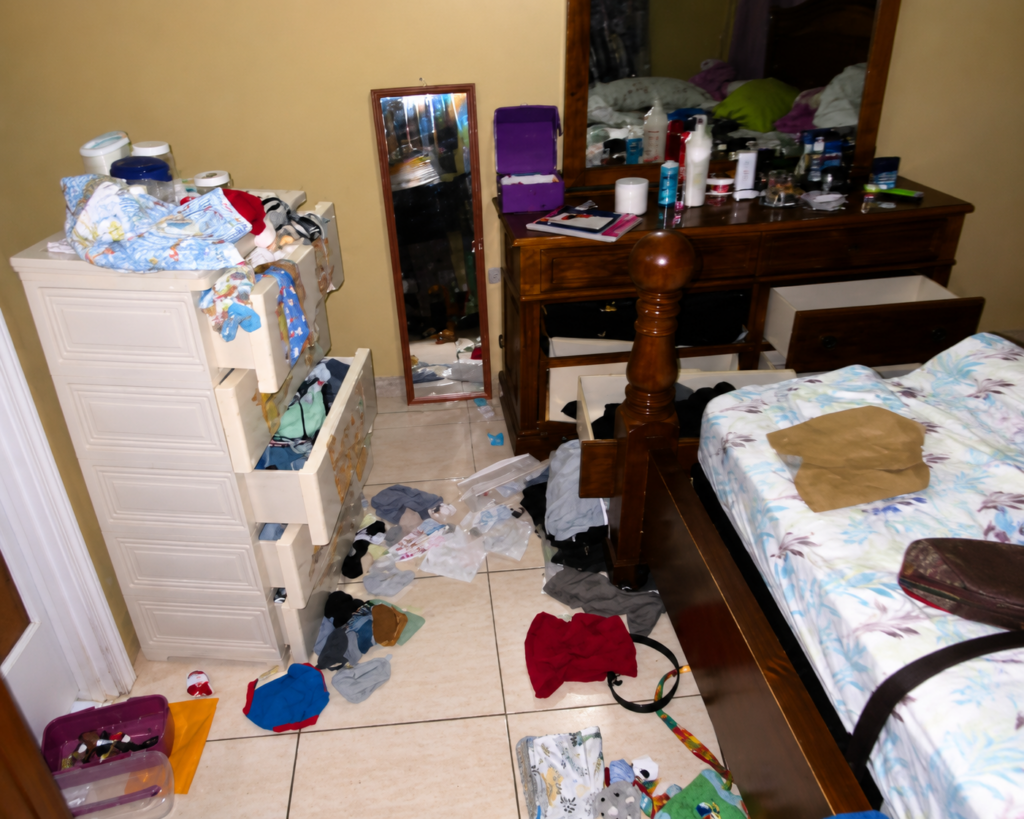
Thieves Target Same Glanvilles Home Twice in Two Days, Residents Raise Alarm
In the quiet neighborhood of Glanvilles, located on the Caribbean island of Antigua, a string of brazen residential break-ins has shattered local peace and left residents on edge. Over a 48-hour window, the same private home was targeted twice by thieves, who made off with a wide range of high-value personal belongings including untraceable cash, family heirloom jewellery, portable electronics, and other prized possessions.
According to local accounts, the second incursion left the property in significant disarray. Intruders focused their search on the home’s bedroom spaces, yanking open every drawer, dumping contents across carpets and floors, and turning the once-orderly living space upside down in their hunt for anything of resale or personal value.
The first break-in took place earlier that same week, leaving the home’s owners already shaken. But in an unusual show of criminal boldness, the suspects returned just 24 hours later, bypassed whatever weak security the household had in place, and stole a second cache of items before slipping away undetected.
These repeated, audacious crimes have rippled through the tight-knit Glanvilles community, amplifying long-simmering concerns about residential safety. Many locals now say they no longer feel secure even within the walls of their own homes, worried that they could be the next target of the repeat intruders.
In response to the growing anxiety, Glanvilles residents are pressing local law enforcement agencies to take immediate action. Their primary demand is a sharp increase in visible foot and vehicle police patrols throughout the neighborhood to deter further criminal activity. Community leaders are also urging any local resident or visitor who noticed suspicious activity in the area around the time of the burglaries to share what they know with authorities, even if the detail seems insignificant.
Antiguan law enforcement officials have confirmed that ongoing investigations are underway into both break-ins. As of the latest updates, no suspects have been taken into custody, and police continue to collect evidence and interview witnesses to build their case.