With less than two weeks remaining until Antigua and Barbuda’s general election on April 30, political tensions have spiked after incumbent Prime Minister Gaston Browne made explosive claims about the leadership of the main opposition United Progressive Party (UPP).
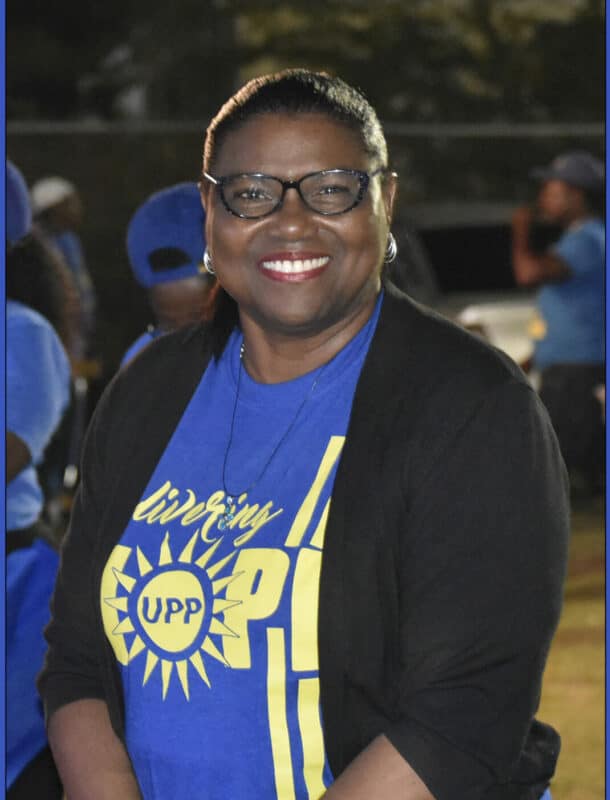
In an interview with local outlet Pointe FM, Browne publicly alleged that UPP Chairperson D Gisele Isaac has privately told close confidants that she expects her party to face a devastating defeat in the upcoming polls, and intends to step down from her leadership role immediately after the results are confirmed.
According to Browne, Isaac’s internal assessment is that the UPP enters the election deeply unprepared to unseat his governing Labour Party, and the party is far behind the incumbent in both organizational capacity and voter support. He quoted Isaac as stating the UPP would be fortunate to win as many as three legislative seats, with the even grimmer possibility that the party could be completely shut out of parliament entirely.
“I think they themselves recognize that they can’t win, because they did not prepare themselves to win,” Browne told listeners of the radio program. He added, “She said that… they’ll be lucky if they win no more than three seats,” extending the assessment to include the possibility of the party losing every seat it currently holds.
Browne’s claims are based on secondhand information he received from an unnamed third party, he confirmed. “He said… immediately after the elections, after the UPP would have lost, that she will resign,” Browne stated, when outlining the alleged plan.
The prime minister acknowledged that Isaac is likely to reject his account publicly, but he doubled down on the accuracy of his remarks, leaning on his public track record to argue that he is a reliable source of information for voters. “I expect her to come and say what I say is not true… but the people… trust me to talk the truth,” he said.
Beyond the claims about Isaac’s private views and resignation plan, Browne also painted the opposition as increasingly frantic in the final stretch of the campaign. He argued that growing internal panic has pushed UPP to ramp up a wave of unaffordable, unworkable campaign promises to win over undecided voters. “There’s desperation taking place within that party. They’re going to promise everything,” Browne said, noting that many of the party’s proposed policy changes would be “not doable” if the party took power.
Browne’s remarks come as campaign activity across the country reaches a fever pitch. The two major political parties are currently vying for voter support by laying out starkly competing policy agendas, focused heavily on key voter priorities including national economic growth, tax reform, and relief from the rising cost of living that has impacted households across the nation in recent months.