标签: Antigua and Barbuda

安提瓜和巴布达

  • OBSERVATION: Demilitarized Runway 10

    OBSERVATION: Demilitarized Runway 10

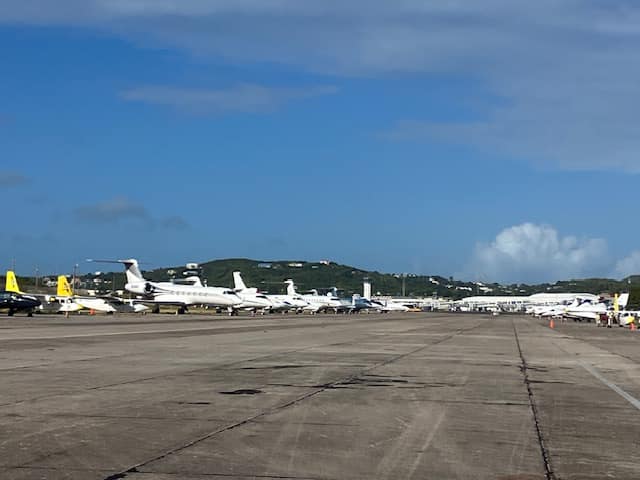
    The Eastern peninsula within Antigua’s North East Marine Management Area harbors a significant historical transformation at Runway 10. This site, originally established as a strategic U.S. Military and Air Force Base, served as a crucial surveillance and operations center for the Eastern Caribbean and Latin America throughout the post-war era. Its strategic value was immediately recognized by both British and American authorities for regional oversight.

    Following a broader trend of decommissioning smaller U.S. bases in the hemisphere, the Antiguan facility was closed. The leased territories and structures were subsequently returned to the Antiguan government, leaving the airport lands surrounding the runway in a state of abandonment. This neglect transformed the airside peninsula into a remote and largely ungoverned area, reportedly becoming a dumping ground and a site for illicit activities due to its isolation near the international airport.

    A pivotal shift began in 1999. To manage the increasing traffic of private jets from affluent residents of Mill Reef, Jumby Bay, and Barbuda’s Coco Pointe, operations were relocated to the defunct Runway 10. This initiated a comprehensive conversion from a military installation into a dedicated General Aviation Complex. Endorsed by prominent local figures like the Mellons, the government leased the land to a local aviation entrepreneur to establish Antigua’s first Fixed Base Operation (FBO), catalyzing the area’s redevelopment into an elite hub for corporate and private aviation.

    While the U.S. presence evolved—transitioning to support for the NASA Space Program—a cordial relationship with the new aviation operators was maintained. Heavy military aircraft activity gradually diminished, with only occasional visits from hurricane weather aircraft, ceasing entirely as the runway became dedicated to private use.

    The fundamental incompatibility between military protocols and the standards of high-end private aviation underpins a clear operational boundary. This principle recently guided the Prime Minister’s decision to refuse military assets on Runway 10, a stance that was accepted without contention by the previous Head of the U.S. Southern Command. Today, Runway 10 stands firmly as a exclusive General Aviation area, dedicated solely to serving the world’s wealthy, famous, and royal clientele.

  • Results of the 2025 Summer Writing Challenge

    Results of the 2025 Summer Writing Challenge

    The 2025 Summer Writing Challenge has officially concluded, marking its most successful iteration to date with unprecedented global engagement. This annual literary initiative, designed to foster creativity and discipline among writers of all levels, witnessed a remarkable 40% surge in participation compared to previous years.

    Organizers reported receiving over 15,000 submissions across various genres including fiction, non-fiction, poetry, and experimental formats. The challenge’s flexible structure, which encouraged participants to complete a writing project of their choice between June and August, proved particularly successful in attracting both established authors and first-time writers.

    This year’s iteration introduced several innovations including virtual writing workshops, author mentorship pairings, and an expanded judging panel featuring prominent literary figures from five continents. The geographic diversity of participants emerged as a notable trend, with significant representation from traditionally underrepresented regions in the literary world.

    The challenge’s emphasis on creative process rather than purely on finished products resonated with participants, many of whom reported breakthrough moments in their writing practice. Selected standout works will be featured in an upcoming anthology, with proceeds supporting literacy initiatives in developing nations. Organizers have already announced dates for the 2026 challenge, anticipating even greater participation following this year’s resounding success.

  • High Surf Advisory Issued for Antigua as Hazardous Seas Affect Northern Coastlines

    High Surf Advisory Issued for Antigua as Hazardous Seas Affect Northern Coastlines

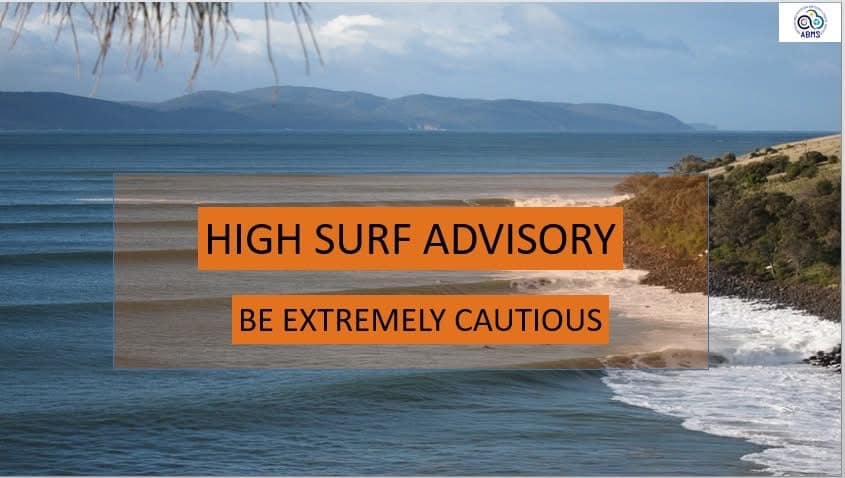
    Meteorological authorities across the Eastern Caribbean have issued urgent warnings as significant ocean swells pose severe threats to northern coastlines. The Antigua and Barbuda Meteorological Service activated a high surf advisory Tuesday afternoon, alerting residents and visitors to hazardous marine conditions expected to persist through the weekend.

    The advisory specifically targets exposed northern and north-facing shorelines across multiple territories. Forecast models indicate powerful wave systems generating swells of 2-3 meters (6-10 feet), with sea conditions occasionally reaching 4 meters (13 feet). These formidable waves are accompanied by long-period swells averaging 10 seconds, significantly elevating the risk of deadly rip currents throughout the region.

    Impact timelines vary across the archipelago: Antigua and Barbuda face hazardous conditions from Wednesday morning through Saturday midday; St. Kitts and Nevis from Wednesday morning through Sunday night; Montserrat from early Wednesday through Sunday night; Anguilla from Wednesday morning through Saturday morning; and the British Virgin Islands from Wednesday morning through early Saturday.

    The meteorological service outlined multiple potential consequences including significant beach erosion, coastal flooding, dangerous sea splash onto low-lying roadways, and possible damage to sensitive coral ecosystems. Marine businesses may experience operational disruptions, while desalination facilities could encounter saltwater intrusion issues.

    Authorities strongly recommend avoiding affected beaches and rocky shorelines entirely, particularly remaining clear of exposed jetties and reef areas. Swimmers are advised to use only sheltered southern beaches with lifeguard supervision present. For those caught in rip currents, safety guidelines emphasize remaining calm, floating rather than swimming against the current, and attempting to move parallel to shore while signaling for assistance.

  • We Are Hiring

    We Are Hiring

    Chinese Foreign Minister Wang Yi concluded his pivotal European diplomatic tour with a significant visit to Spain, marking the final leg of his engagements with key European partners. The high-level discussions in Madrid focused on strengthening bilateral relations and addressing pressing global challenges through enhanced Sino-European cooperation.

    During the meetings, Minister Wang Yi and Spanish officials engaged in comprehensive dialogues covering trade relations, climate change initiatives, and geopolitical stability. Both parties emphasized the importance of maintaining open communication channels and fostering mutual understanding between China and European Union member states.

    The diplomatic mission, which included previous stops in other European capitals, represents China’s continued commitment to multilateral diplomacy amid evolving global dynamics. Spanish officials welcomed the constructive nature of the talks, noting the potential for increased collaboration in technology transfer and sustainable development projects.

    This diplomatic exchange occurs against the backdrop of ongoing EU-China negotiations regarding trade balances and investment agreements. Minister Wang’s tour signals China’s strategic approach to maintaining stable relations with European partners while navigating complex international trade landscapes and geopolitical considerations.

  • Herberts man appeals for help as illness leaves him unable to walk

    Herberts man appeals for help as illness leaves him unable to walk

    ST. JOHN’S, Antigua — A profound health crisis has compelled a 34-year-old Herbert’s resident to seek public support after an aggressive autoimmune disorder stripped him of his mobility and independence. Danny Thomas confronts the harsh realities of advanced psoriatic arthritis, an inflammatory condition that induces severe joint stiffness, chronic pain, and progressive physical deterioration.

    Originally manifesting as psoriasis several years prior, the illness has escalated dramatically, confining Thomas to his residence and rendering him completely unable to walk. During a recent interview, he detailed how the disease has immobilized his joints, transforming routine activities into insurmountable challenges.

    Medical management necessitates a rigorously specialized diet, as specific food items can provoke acute inflammatory episodes that intensify both dermatological and arthritic symptoms. However, financial constraints have made adhering to this nutritional regimen increasingly unfeasible for Thomas, who lacks a stable income.

    Healthcare professionals have pinpointed a therapeutic drug capable of substantially reducing inflammation and potentially recovering partial mobility. Regrettably, consistent access to this treatment remains out of reach due to economic barriers.

    Despite his physical ordeal, Thomas maintains an optimistic outlook and expresses gratitude for his current blessings. His appeal focuses on securing assistance for medical bills, dietary sustenance, and essential treatments. The Antigua and Barbuda Persons Living with Disabilities organization is coordinating support efforts and encouraging compassionate citizens to contribute toward alleviating his plight.

  • Renal Centre Set for Completion by April, Officials Say

    Renal Centre Set for Completion by April, Officials Say

    Antigua and Barbuda is poised to achieve a significant milestone in its healthcare infrastructure with the anticipated April completion of a state-of-the-art renal center. This development represents a major advancement in the nation’s capacity to treat chronic kidney disease, promising to enhance both the quality and accessibility of dialysis services for local patients.

    Health Minister Sir Molwyn Joseph, addressing the media, confirmed that the Public Works Department is spearheading the construction. The current phase of the project is concentrated on finalizing the building’s physical structure. This crucial step will enable the subsequent installation of advanced dialysis equipment, which the government has already procured and has ready for deployment.

    The establishment of this dedicated facility is expected to yield substantial benefits for the healthcare system. Patients will no longer need to travel overseas for a complete course of dialysis treatment, thereby eliminating a significant burden and expense. Minister Joseph emphasized that this project constitutes a profound upgrade to the domestic delivery of renal care, ensuring greater continuity and reliability for patients managing chronic conditions.

    This initiative is a cornerstone of a broader governmental strategy to fortify specialized medical services within the country. By expanding local treatment options, the government aims to curb medical tourism for essential procedures, ensuring citizens have access to life-sustaining care within their own community. The center will alleviate pressure on existing medical services, creating a more streamlined and efficient care pathway for renal patients.

    Health officials have indicated that further announcements regarding the construction progress and precise installation schedules are forthcoming. The overarching objective is to transition the facility into full operational status swiftly after the builders conclude their work, marking a new chapter for healthcare in Antigua and Barbuda.

  • COMMENTARY: Nursing Our Troubles

    COMMENTARY: Nursing Our Troubles

    Essential service providers—including nurses, teachers, and police officers—consistently face financial hardships despite incremental salary adjustments over the years. While wage increases offer temporary relief, they fail to address the escalating costs of living, including rising taxes, housing expenses, and service charges. The core issue persists: salaries simply cannot keep pace with inflationary pressures, highlighting the need for structural reforms rather than isolated pay raises.

    Beyond salaries, the primary grievances focus on housing affordability and childcare costs. Many struggle to secure decent rental accommodations or mortgages, while families with young children face significant expenses for shift-based childcare. The absence of reliable public transportation further compounds financial strain, necessitating private vehicle ownership and maintenance costs that exceed realistic salary adjustments.

    Historical policy proposals from the Antigua-Caribbean Liberation Movement (ACLM) reveal longstanding awareness of these challenges. Their 1980 and 1989 election manifestos outlined comprehensive solutions including community complexes, daycare centers, and regulated public transportation systems to reduce energy dependence and housing costs. The ACLM explicitly framed housing as a fundamental right—not a privilege—advocating for annual construction targets and rental regulation bodies similar to consumer affairs departments.

    However, implementation has been hampered by cyclical advocacy patterns. Strong bargaining entities for nurses and teachers often remain passive during favorable political administrations, only vocalizing demands during political transitions. This pattern undermines consistent progress and reframes legitimate advocacy as political opportunism.

    The solution requires sustained national commitment rather than individual migration. Retaining trained professionals—particularly in healthcare—demands addressing systemic issues through housing reforms, transportation infrastructure, and childcare support, ensuring essential workers can serve their communities without financial desperation.

  • All Saints Clinic Closure Linked to Sewage and Safety Issues, Minister Says

    All Saints Clinic Closure Linked to Sewage and Safety Issues, Minister Says

    Antigua and Barbuda’s Health Minister Sir Molwyn Joseph has provided a detailed explanation for the extended shutdown of the All Saints Community Clinic, citing critical sewage system failures and safety hazards that rendered the facility unsuitable for patient care. The disclosure came during a recent government briefing addressing community concerns over the prolonged closure.

    Minister Joseph revealed that the decision to close the clinic followed years of complaints from nursing staff about sewage fumes infiltrating essential areas of the building, including food preparation and dining spaces. The minister characterized these conditions as ‘unacceptable for healthcare delivery,’ emphasizing that the problems required comprehensive infrastructure solutions rather than temporary fixes.

    Technical investigations identified improperly designed drainage pipes as the core issue, creating persistent foul odors and genuine health risks that necessitated major corrective action. Joseph defended the government’s approach of keeping the facility closed until fundamental infrastructure problems could be properly addressed, rather than resorting to premature reopening.

    The renovation plan involves a complete redesign of the sewage system, repair of existing leaks, and facility expansion to accommodate new services including a dental clinic and enlarged pharmacy department. While acknowledging community frustration, Joseph countered claims that residents have been deprived of healthcare, noting that patients have been redirected to nearby facilities including Glanvilles Polyclinic, though he conceded transportation challenges exist and improvements are being pursued.

    The government’s objective is to reopen All Saints as a modernized healthcare facility meeting elevated public health and safety standards. Completion timelines remain dependent on progress with the necessary infrastructure work, with health officials promising further updates as designs are finalized and repairs advance.

  • Why Ghana? Minister Says The English Language Was A Major Factor

    Why Ghana? Minister Says The English Language Was A Major Factor

    Antigua and Barbuda’s government has formally justified its decision to recruit nurses from Ghana, emphasizing pragmatic healthcare considerations over political motives. Health Minister Sir Molwyn Joseph presented a multi-faceted rationale during a recent media briefing, highlighting three core factors: proven regional experience, English-language proficiency, and high-quality medical training.

    Minister Joseph revealed that Ghanaian nurses already have an established track record within Caribbean healthcare systems, specifically in The Bahamas and Barbados. Positive performance reports from these regional postings provided the foundational confidence that Ghanaian medical staff would integrate seamlessly into Antigua and Barbuda’s health infrastructure and meet stringent professional standards.

    Addressing potential language barrier concerns, the Minister pointed to Ghana’s historical and educational background. ‘Ghana was a colony like Antigua and Barbuda — only British,’ Joseph stated, adding, ‘I assure you that they are quite capable of speaking the King’s language.’ This shared colonial history under British rule ensures that Ghanaian healthcare professionals are trained in English-speaking environments, facilitating clear communication in medical settings.

    The Minister further challenged any perceptions of inferior medical training standards in African nations. ‘Africa has produced some of the most outstanding doctors and nurses now applying their trade in the world,’ Joseph asserted, noting that many Ghanaian medical professionals currently serve in major metropolitan centers including New York and London. He emphasized their contributions to highly specialized medical fields and research at prestigious international institutions, with many holding advanced qualifications and patents.

    The recruitment initiative represents a dual approach to addressing nursing shortages: importing immediately available qualified staff while concurrently developing domestic capabilities through expanded nurse training programs at the University of the West Indies Five Islands Campus. The government maintains that patient care standards will remain uncompromised throughout this transitional period of workforce stabilization.

  • Future Pro to Host UK Football Pathways Session in Antigua Ahead of CAF Combine

    Future Pro to Host UK Football Pathways Session in Antigua Ahead of CAF Combine

    Future Pro is set to make a significant return to the Caribbean region with an exclusive Football Pathways Evening scheduled for Wednesday, February 4th in Antigua and Barbuda. The event, strategically timed ahead of the upcoming CAF Combine, will take place at the Weatherills Hotel in St. John’s from 4:30 PM to 7:00 PM.

    The program will commence with an initial meet-and-greet session from 4:30 PM to 5:30 PM, allowing attendees to network with Future Pro representatives. This will be followed by a comprehensive presentation from 5:30 PM to 6:15 PM detailing the organization’s football development pathways. The evening will conclude with an interactive question-and-answer segment and personalized one-on-one discussions from 6:15 PM to 7:00 PM.

    Future Pro highlighted their proven track record with Antiguan talent, specifically mentioning recent successes including Kylano, who earned a trial with Blackburn Rovers’ under-21 squad, and Marco Michael, who secured a trial opportunity with FC Andorra.

    Due to limited capacity, the event requires advance registration. Interested football players and parents must pre-register by contacting Future Pro directly at the provided telephone number: +44 7894 322273. The venue will offer both parking facilities and seating arrangements, with attendees requested to gather at the outdoor lawn gazebo area.