标签: Antigua and Barbuda

安提瓜和巴布达

  • Police Congratulate Corporal Jermaine Samuel on Law School Award

    Police Congratulate Corporal Jermaine Samuel on Law School Award

    A sitting police officer from Antigua and Barbuda has earned national recognition for outstanding academic achievement, after taking home a prestigious award from one of the Caribbean’s leading legal training institutions.

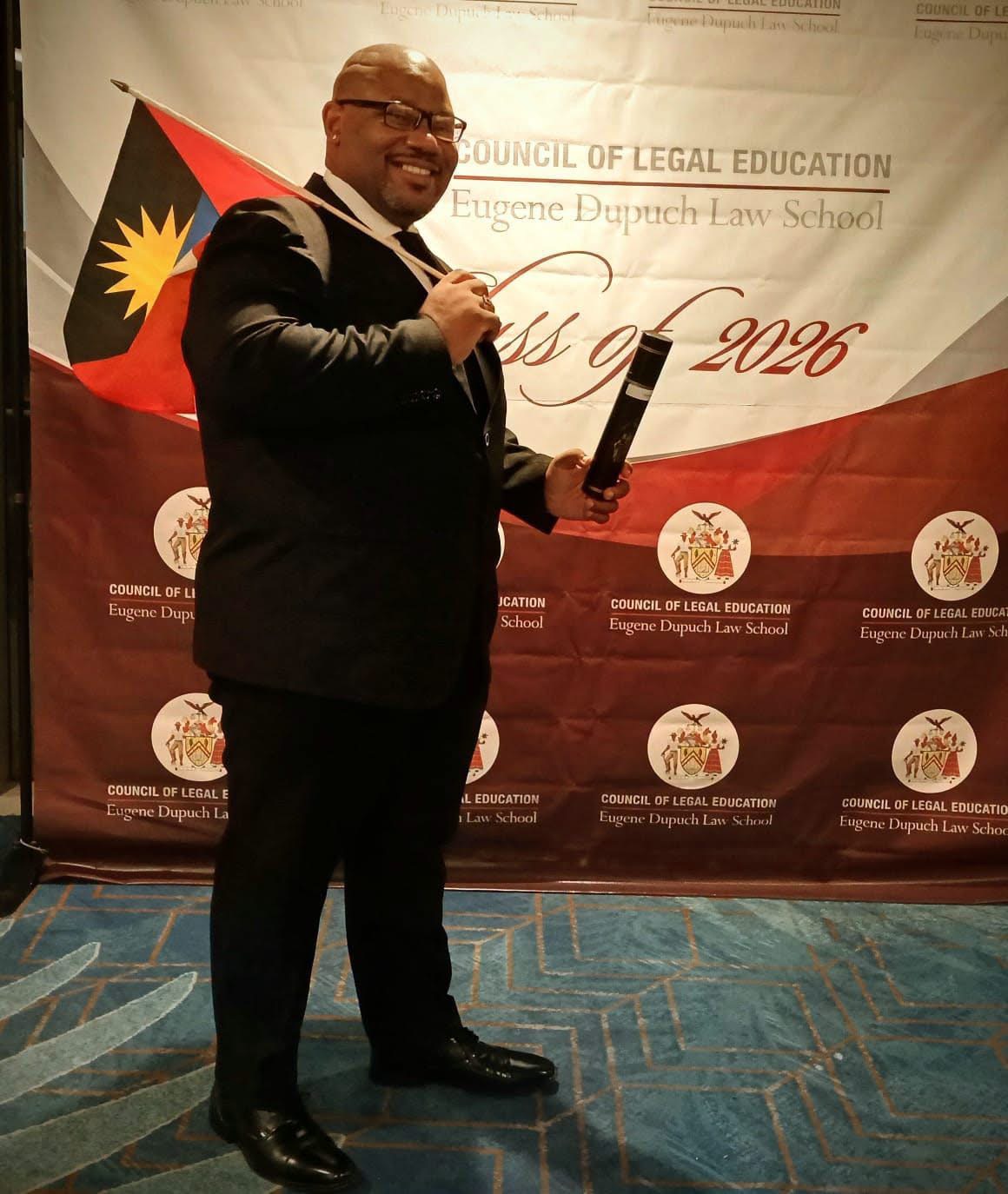
    Corporal Jermaine Samuel, an active member of the Royal Police Force of Antigua and Barbuda (RPFAB) identified by service number 391, was awarded the Hon. Mr. Justice K. Neville Adderley Prize during the law school’s 2026 annual presentation ceremony. This specialized honor is reserved exclusively for top-performing mature students who transition into the study of law as a second professional career.

    In an official statement released following the ceremony, the RPFAB emphasized that the award is far more than a personal accolade for Samuel. It stands as formal recognition of both his exceptional academic results and his unwavering dedication to advancing his professional growth while balancing the demands of his ongoing law enforcement career. The achievement, the force noted, required consistent discipline and long-term commitment to balancing two rigorous paths at once.

    The full leadership of the RPFAB, including Commissioner of Police and all senior management, joined the wider rank and file of the service to publicly commend Samuel for this milestone. The organization extended its warmest wishes for continued success as Samuel progresses through his remaining legal studies and builds toward his future career in the legal field.

    Beyond celebrating one officer’s accomplishment, the RPFAB highlighted that Samuel’s success serves as a powerful example of core institutional values. His journey demonstrates how perseverance, self-discipline, and a relentless drive toward excellence can open new professional doors even for those already active in a full-time career, the force added.

  • Sir Rodney and Lady Williams join Royal Commonwealth Society Global Meeting

    Sir Rodney and Lady Williams join Royal Commonwealth Society Global Meeting

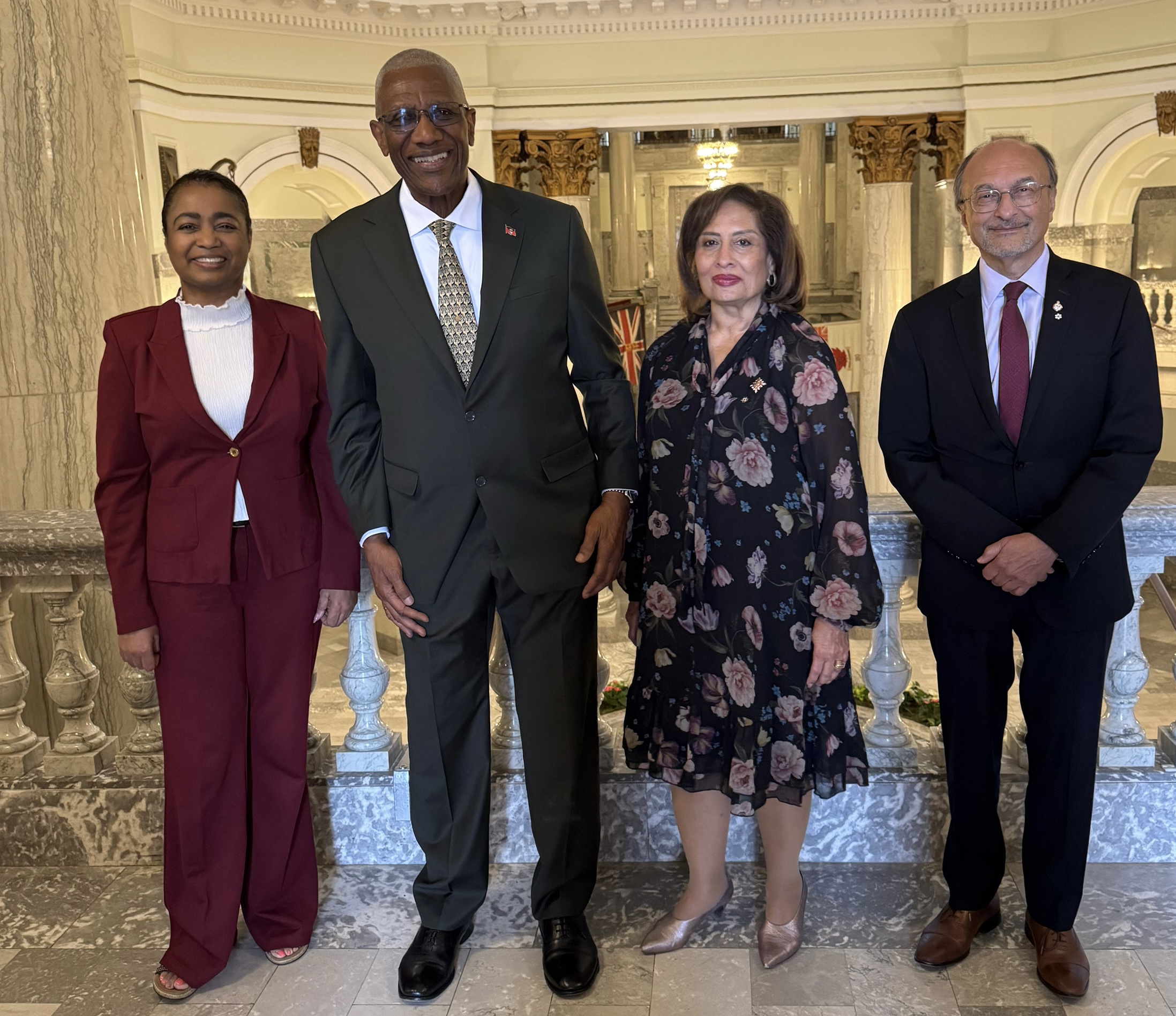
    After wrapping up a high-stakes four-day gathering of the Royal Commonwealth Society (RCS) in Alberta, Canada, Sir Rodney Williams, Governor General of Antigua and Barbuda, and his wife Lady Williams have returned home, bringing with them key progress on regional cooperation and preparations for the upcoming Commonwealth Heads of Government Meeting (CHOGM).

    The Alberta conference, which drew RCS stakeholders from across the globe, was successfully coordinated with the support of Edmonton RCS President Ian Havin and his local organizing team. As the global meeting drew participation from representatives of dozens of RCS national branches, the Antigua and Barbuda delegation covered almost all of its own travel and participation costs, in a departure from many official diplomatic delegations.

    In his remarks during working sessions, Sir Rodney, who serves as Patron of Antigua and Barbuda’s RCS branch, updated global delegates on preparations for the 2024 CHOGM, scheduled to take place in Antigua from November 1 to 4. He confirmed that the vast majority of registered delegates have already completed their accreditation and are finalizing travel and attendance arrangements for the major summit.

    On the sidelines of the Canadian gathering, the Caribbean regional RCS cohort convened to launch its regional organizational planning. Lady Williams, who holds the role of President of the Antigua and Barbuda RCS branch, earned public praise from Janet Cooper, Chair of the UK RCS branch, who joined the meeting virtually, for her proactive leadership and support in advancing the regional initiative.

    Speaking after the planning session, Lady Williams outlined the vision for the Caribbean regional branch, noting that Caribbean Commonwealth nations share overlapping priorities and can achieve far more through coordinated collaboration. She highlighted the deep experience and longstanding leadership of Dame Sandra Mason, President of the Barbados RCS branch, and Cheryll Belle, the branch’s Vice President, as key assets for the regional network. While the regional branch is still in its early formative stages, Lady Williams confirmed that a full public outline of its strategic goals, expanded member benefits and outreach plans will be released in the near future, with the ultimate aim of delivering greater public value to all Commonwealth nations across the Caribbean.

    The Antigua and Barbuda RCS branch has built its program around environmental action as a core focus, and the branch will maintain this priority going forward, while expanding its work into new issue areas to better serve local communities. Lady Williams also announced an upcoming global networking event: a cocktail reception co-hosted with the RCS Hong Kong branch at Galley Bay Hotel in Antigua in early November, on the sidelines of CHOGM. She emphasized that the event will deliver tangible economic benefits to local communities, noting that most visiting delegates will choose to stay in small, family-owned accommodations across the island, bringing direct income to local households and small businesses. “This is unambiguously good economic news for the people of Antigua and Barbuda,” she added.

    During their time in Alberta, the couple also received a private invitation for tea and strategic discussions with Salma Lakhani, Lieutenant Governor of Alberta and Patron of RCS Alberta, and her husband Dr. Zaheer Lakhani, a leading cardiologist based in the province.

    For context, the global RCS network counts His Majesty King Charles III as its global Patron, while Her Majesty Queen Camilla serves as Patron of the organization’s annual Queen’s Essay Competition. The flagship youth competition awards winning student participants with all-expenses-paid study trips to London, giving young Commonwealth scholars the chance to connect with peers across the bloc.

  • IHO Nature Rangers And Partners Remove 462 Pounds of Waste From Spencer’s Bay Wetlands

    IHO Nature Rangers And Partners Remove 462 Pounds of Waste From Spencer’s Bay Wetlands

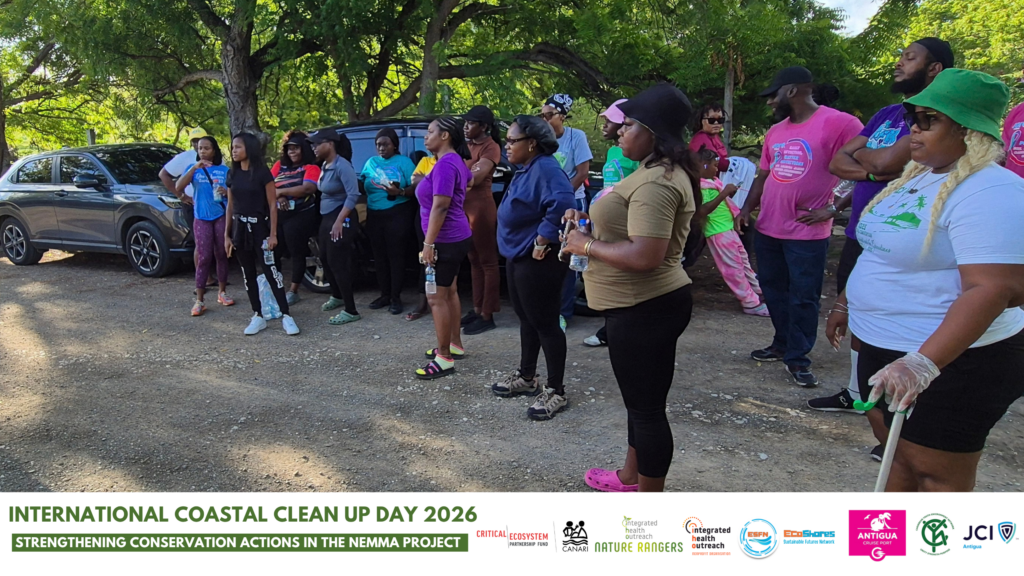
    On September 19, 2026, more than 25 youth and local community volunteers gathered at Spencer’s Bay Wetlands to honor International Coastal Cleanup Day with a targeted waste removal effort, pulling a total of 462.80 pounds of discarded trash from the ecologically vital wetland and coastal habitats of Antigua and Barbuda.

    Organized and led by the IHO Nature Rangers and Volunteer Litter Prevention Wardens, the event drew widespread participation and collaborative support from a diverse array of local and regional stakeholders, including JCI Antigua, Antigua Cruise Ports, the EcoShores Sustainable Futures Network (ESFN), the Community Policing Division of the Royal Police Force of Antigua and Barbuda, the Antigua and Barbuda Girl Guides Association, and the Antigua and Barbuda branch of the Caribbean Youth Environment Network (CYEN).

    Beyond just removing accumulated debris from the region’s shorelines and adjacent land areas, the event was designed to help participating volunteers build firsthand understanding of the range of waste materials that threaten sensitive wetland ecosystems. The haul of collected trash included large discarded items such as four old televisions and full pieces of luggage, alongside smaller common pollutants including glass fragments, single-use plastic bottles, petroleum containers, automotive parts, disposable packaging, and a wide variety of other improperly disposed consumer goods.

    Volunteers implemented a rigorous data collection process, weighing every bag of collected waste individually to ensure an accurate total waste volume calculation. The four large televisions recovered from the wetland were assessed separately, with their estimated weights added to the final total. The wide variety of waste types recovered during the cleanup underscores the ongoing challenge of unregulated trash accumulation in already vulnerable coastal and wetland environments, where discarded materials disrupt native wildlife habitats and degrade water quality over time.

    To ensure responsible handling of the collected waste, event organizers coordinated in advance with the National Solid Waste Management Authority (NSWMA), which arranged for full removal and proper disposal of all debris at the region’s official landfill.

    Following the hands-on cleanup activity, participants joined an interactive educational session led by the EcoShores Sustainable Futures Network. The session connected the day’s on-the-ground conservation work to broader conversations about long-term environmental stewardship, the critical ecological role of wetlands, systemic improvements to regional waste management, and the power of collective community action to drive lasting change.

    As a gesture of gratitude for their time and effort, all participating community members were provided with a complimentary breakfast from Blow Way Bakery, a local food business based in Pigotts.

    Saturday’s event is just one component of the IHO Nature Rangers’ ongoing long-term initiative to expand conservation action and boost youth engagement in protection of the North East Marine Management Area (NEMMA). The organization has already led similar community cleanup efforts in Parham, Seatons, and Glanvilles, with local youth and resident volunteers consistently turning out to address littering and preserve irreplaceable coastal habitats across the region.

    Britney McDonald, Project Manager for the IHO Nature Rangers, emphasized the collective impact of the cross-sector collaboration in a post-event statement. “Saturday’s cleanup proved what we can achieve when young people, community members, local organizations, and institutional partners all come together around a shared responsibility to protect our natural spaces,” McDonald said. “Removing 462.80 pounds of waste from these wetlands and coastal spaces is a meaningful win, but it also makes clear that we have to keep building public awareness, stopping waste at its source, and investing in the local people who are on the ground taking action to protect these critical ecosystems.”

    Looking ahead, the IHO Nature Rangers and its partner network are already planning the next phase of regional conservation work, including upcoming mangrove replanting initiatives, ongoing environmental education programming, continued community outreach, and additional habitat restoration projects. On September 26, 2026, the organization will partner with EcoShores Sustainable Futures Network to support ESFN’s Do it Twice Campaign for McKinnons Wetlands.

    The coalition is actively seeking additional partnership support to expand the scope and reach of these ongoing conservation activities. Organizations, local businesses, and individual community members interested in volunteering, sponsoring, or supporting upcoming cleanups, educational sessions, restoration projects, and other conservation efforts are encouraged to reach out to get involved.

    The Spencer’s Bay cleanup is part of the larger “Strengthening Conservation Actions in the North East Management Area, Antigua and Barbuda” project, led by the IHO Nature Rangers. The initiative receives funding from the Critical Ecosystem Partnership Fund and the World Bank, with implementation support from the Caribbean Natural Resources Institute, alongside core partners Integrated Health Outreach and EcoShores Sustainable Futures Network.

    For media inquiries or additional information about the project, interested parties can contact Project Manager Britney McDonald at (268) 785-5169.

  • OPINION: How Government Corrupts Its People

    OPINION: How Government Corrupts Its People

    Three hundred years ago, a 19-year-old born into chattel slavery would have been raised to accept exploitation as an unchangeable fact of life. Taught from childhood that their fate was to serve the whims of slave owners—who faced zero consequences for atrocities ranging from brutal whippings to death—they internalized the corrupt hierarchical idea that some people were inherently ‘more equal than others’, a dynamic famously explored in George Orwell’s *Animal Farm*.

    This system of exploitation was rooted entirely in profit, and it produced a cruel hypocrisy among slaveholding classes: many publicly claimed to uphold devout, moral Christian values while inflicting some of the worst human rights abuses in modern history. Critically, slavery was originally authorized and expanded by government policy, only to be banned by the same institutions centuries later. To this day, debate continues over whether the abolition of slavery stemmed from genuine moral outrage, or a shifting economic landscape that made the practice unprofitable—a move framed as virtue signaling rather than principled action, despite the lifelong advocacy of abolitionists like William Wilberforce who decried slavery as inherently immoral from its inception. Many supporters of slavery even dehumanized enslaved African people to justify their oppression, claiming they were ‘savages’ in need of ‘civilizing’.

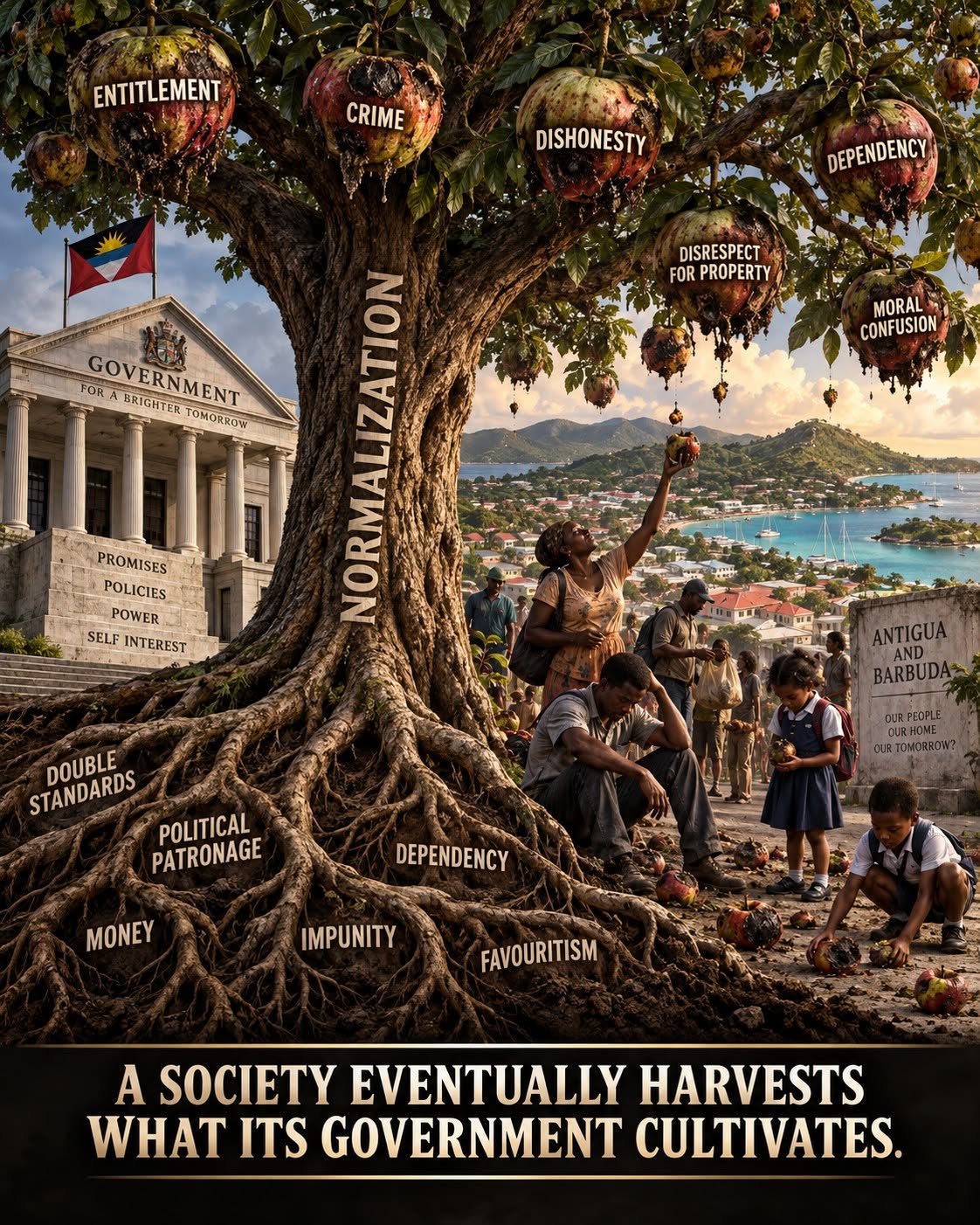
    Decades of observing public life in Antigua and Barbuda have led writer Yves Ephraim to a provocative, controversial conclusion: the national government has become the central hub of moral decay in the country, a claim that many may dismiss as outlandish or politically motivated, but one he says is backed by clear evidence. Just as the corruption of slavery became embedded in the collective psyche of generations born into the system, the corrupting influence of modern government is subtle, insidious, and normalized from birth—making it nearly impossible for many, especially younger generations, to recognize that widespread patterns of behavior are inherently immoral.

    Ephraim points to a series of everyday examples to illustrate this moral shift. Public profanity is no longer stigmatized: radio stations broadcast unbleeped curse words in popular music that young children consume daily, and politicians freely use abusive language in public without facing any consequences. Where public indecency and foul language once carried legal penalties, these offenses have seemingly vanished from the statute books.

    A more profound moral double standard, he argues, surrounds government seizure of private property. Most citizens accept that the government has the right to forcibly seize private property against an owner’s will if it claims a public benefit, for example through windfall taxes on wealthy families. Yet if a private citizen robbed a wealthy household and donated 100% of the proceeds to feed poor, elderly community members, no one would defend the action. Both acts involve taking another person’s property through coercion for a stated public good—so why is one lauded and the other condemned? If a small group or even a crowd of private individuals cannot justify theft for charity, Ephraim asks, how can a government do so with moral impunity?

    This willingness to set aside morality for financial gain extends across multiple policy areas. For marijuana consumption, the government tolerates small personal use, but criminalizes unlicensed commercial sales—once the state gets a cut of profits, large-scale sales are permitted, even marketed as legitimate medicinal cannabis. The same logic applies to prostitution: unregistered, un-taxed sex work is a crime, but once sex workers register and pay government fees, the activity is rebranded as a legitimate, certified profession.

    Further double standards apply to use of force. If a homeowner uses a licensed firearm to kill an armed intruder who breaks into their property in the middle of the night, they must prove they did not use excessive force to law enforcement. But if a police officer shoots an unarmed, fleeing suspect in the back and kills them, there is rarely any accountability for excessive force, despite public calls for investigation—even though police receive formal training in use of force that should hold them to a higher, not lower, standard than ordinary citizens.

    Development policy also reflects selective enforcement of rules, Ephraim argues. The government will bulldoze small, informal sheds built by poor young entrepreneurs to earn a living, citing environmental or public aesthetic concerns. But the same government allows well-connected foreign investors to pursue development projects on Barbuda that risk damaging the island’s lagoon and displacing local residents. While officials claim beaches are public property for all, they regularly allow favored investors to block public beach access without consequences.

    Echoing the biblical teaching that the love of money is the root of all evil, Ephraim argues that the same profit-obsessed corruption that drove historical slavery now drives modern government graft. The relentless pursuit of revenue and foreign investment has led the government to sell off large swathes of national land, leaving the country at risk of losing enough arable land to maintain food self-sufficiency.

    On the social front, government policy has eliminated longstanding social taboos around having children outside of wedlock. Ephraim, who was himself born out of wedlock, acknowledges this stance will draw criticism from feminist advocates, but argues the policy shift has led to a surge in children being raised in single-mother households. While the state operates a formal child support system, collecting payments from absent fathers is plagued by costly delays. Worse, he claims, many of these law changes were enacted specifically to accommodate the extramarital lifestyles of powerful political leaders.

    Public debate around child abuse and poverty often ignores the role of unregulated age of consent laws that allow older men to impregnate teenage girls, trapping both young mothers and their children in cycles of intergenerational poverty. If policymakers want to reduce national poverty, Ephraim argues, addressing teenage pregnancy must be a first step. Data shows a disproportionate share of young violent criminals come from single-mother households, yet the government has no interest in promoting traditional family structures. In fact, Ephraim claims, the current political system actively benefits from broken homes: politicians pander to single mothers facing financial hardship with cash gifts and welfare handouts in exchange for votes, creating permanent dependency that allows ruling parties to hold onto power indefinitely. What is effectively bribery is rebranded as ‘targeted assistance’ for vulnerable communities.

    This normalization of corruption also seeps into the public sector: government employees who cut corners and accept favors for political allies are rewarded, while civil servants who follow the rules are sidelined and marginalized. When corruption becomes a core part of national culture, young people cannot navigate the contradictory moral standards, and many turn to anti-social behavior. In the lead-up to the 2026 national elections, hundreds of young people were hired for temporary Ministry of Works roles, where many were allowed to collect monthly paychecks without showing up for work. This has reinforced a growing sense of entitlement among youth: many now expect free government salaries rather than seeking stable work, and those who cannot access these no-show jobs turn to armed robbery of private citizens—imitating the government’s own pattern of taking what they want by force. While Ephraim emphasizes that not all young people adopt this mindset, the current cultural environment breeds far more of this behavior than was common decades ago.

    Most recently, Ephraim highlights the blatant conflict of interest involving the ruling Antigua and Barbuda Labour Party (ABLP) and the University of the West Indies (UWI). The ABLP, which controls the national government that holds significant influence over UWI, has allowed the university to rent party-owned facilities, generating direct rent income for the ruling party. The arrangement is not an arms-length transaction, yet there has been no significant public outcry or professional condemnation, even from the national Bar Association. Ephraim compares the arrangement to a Barclays Bank general manager approving a mortgage for a client who has already hired the manager’s side construction business to build their home—this would clearly be considered insider trading and white-collar corruption, yet the Office of the Director of Public Prosecutions (ONCDP), tasked with policing this type of crime, has taken no action. It is a critical distinction that the ABLP as a political party and the national government are separate legal entities, making the arrangement clearly unethical.

    Many citizens assume that elected government leaders will be morally upright, but the current trend in Antigua and Barbuda leans toward electing openly immoral politicians who have already been corrupted by the existing system. This makes meaningful moral reform far more difficult to achieve. It is no coincidence, Ephraim concludes, that putting immoral people in power produces corrupt laws, corrupt policies, and a corrupt national culture—changes that require a full collective reckoning to reverse.

  • Greene Pushes Deeper OECS Integration After Taking Over Foreign Affairs Council

    Greene Pushes Deeper OECS Integration After Taking Over Foreign Affairs Council

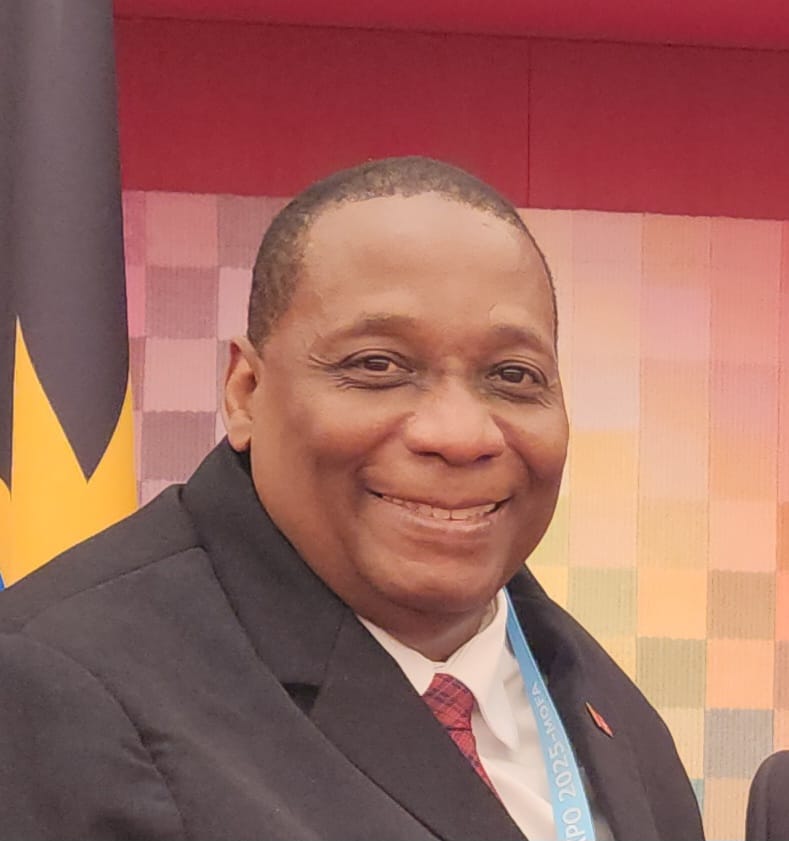
    Dr. Didacus Greene has formally assumed leadership of the Organization of Eastern Caribbean States (OECS) Council on Foreign Affairs, immediately setting out an ambitious agenda focused on accelerating collaboration and deeper integration across the 11-nation bloc.

    Greene, who took over the rotational chairmanship from his predecessor at a high-stakes inaugural ceremony hosted in Castries, St. Lucia, framed enhanced integration as the only viable path for the small island developing states to amplify their collective voice on the global stage, tackle shared transnational challenges, and unlock sustained economic resilience.

    In his first keynote address to the gathered foreign policy chiefs from across the sub-region, Greene outlined three core priority areas for his tenure. First, he called for the harmonization of regional foreign policy positions, particularly on pressing global issues such as climate change reparations, international trade reform, and maritime security. For small island nations that often face overlapping vulnerabilities, aligned messaging, Greene argued, can turn fragmented individual efforts into a cohesive, influential bloc that commands global attention.

    Second, Greene pushed for the expansion of cross-border mobility frameworks for skilled workers and professionals across OECS member states. Removing remaining bureaucratic barriers to labor movement, he explained, would not only unlock economic opportunities for citizens across the bloc but also help address critical labor shortages in key sectors ranging from tourism to healthcare.

    Third, he emphasized the need to strengthen partnerships between the OECS and global and regional multilateral institutions, from CARICOM to the United Nations, to secure greater funding and technical support for regional development priorities. Greene also highlighted the ongoing need to coordinate responses to emerging geopolitical shifts that impact small island nations, ensuring that the interests of OECS states remain at the forefront of regional and global policy discussions.

    Incoming chair Greene also acknowledged the significant progress that has already been made in OECS integration over the past decades, including the establishment of the OECS Economic Union in 2011, but stressed that the bloc must adapt to new global realities to deliver greater benefits to its 700,000 collective citizens. He called for renewed political will from all member states to overcome remaining bottlenecks to integration, pushing for more ambitious timelines for the implementation of existing integration commitments.

    Diplomatic observers note that Greene’s push for deeper integration comes at a critical juncture for Eastern Caribbean states, which are grappling with overlapping economic shocks from post-pandemic recovery, rising global inflation, and the growing existential threat of climate change-driven sea level rise and extreme weather events. Analysts suggest that a more integrated OECS would be better positioned to negotiate more favorable trade terms, access climate finance, and build collective resilience to these shared challenges.

  • Seven Children to Receive Warri Academy Sponsorship After Sold-Out London Games Night

    Seven Children to Receive Warri Academy Sponsorship After Sold-Out London Games Night

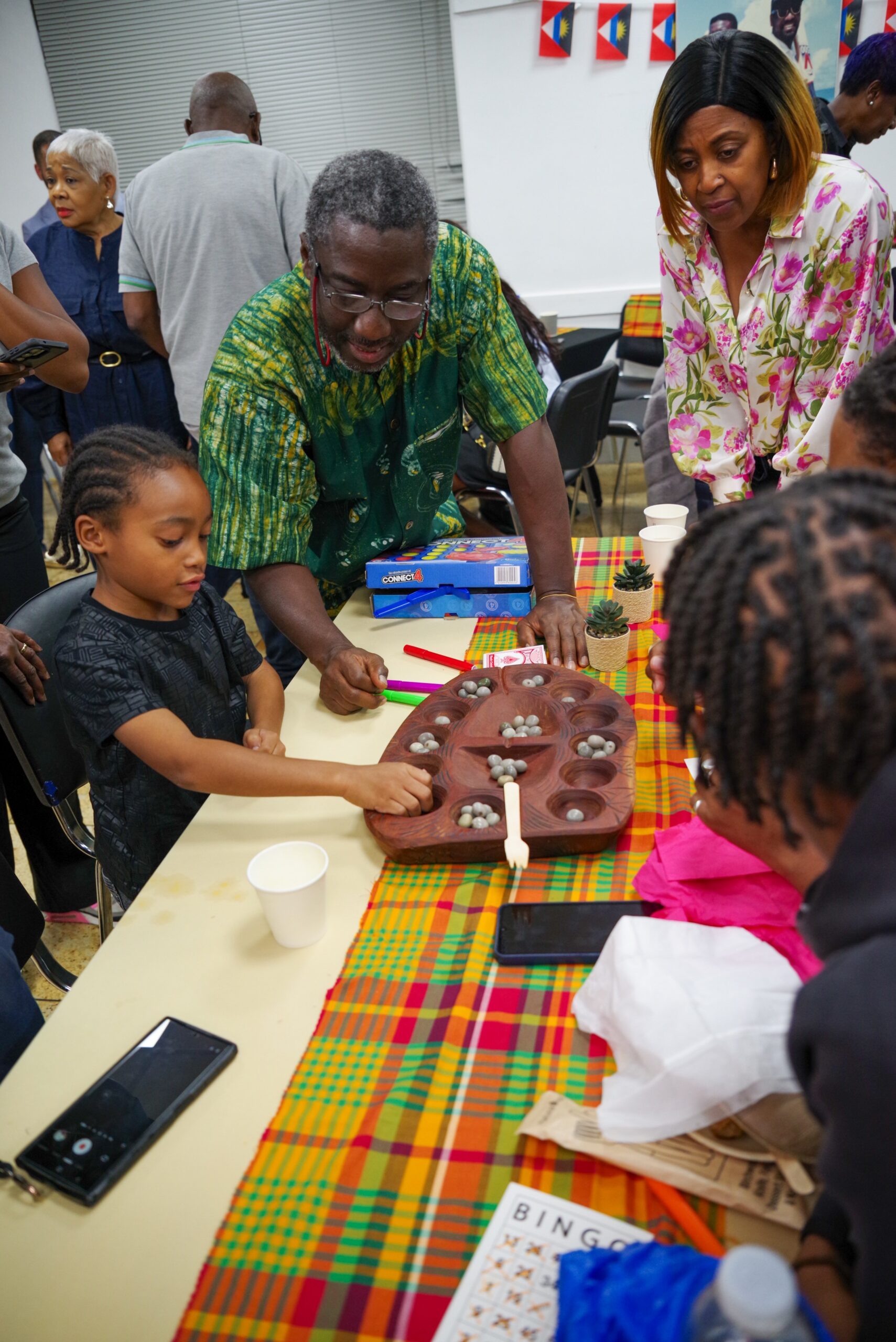
    On September 11, 2026, a landmark cultural event celebrating Antigua and Barbuda’s most cherished traditional pastime drew a full house in London, hosted jointly by the Antigua and Barbuda National Association UK (ABNA UK) and Her Excellency Karen-Mae Hill, the island nation’s High Commissioner to the United Kingdom. The sold-out Warri Games Night united cross-generational members of the Antigua and Barbuda diaspora based in the UK, with a core mission to safeguard and amplify one of the country’s most enduring cultural legacies.

    The entire evening centered on the art and history of Warri, a beloved national board game with deep ancestral roots. For many young attendees, it marked their first opportunity to learn the rules and strategies of the game, while elder community members reconnected with the tradition they grew up with, passing down hard-won insights and personal stories to the emerging generation.

    Three prominent global figures in the Warri and mancala community led instruction for the event, fresh off their appearance at the VI World Nomad Games held in Kyrgyzstan, where Antigua and Barbuda competed in official Warri tournament play. Headlining the guest faculty was Trevor Simon, Antigua and Barbuda’s own International Warri Grandmaster, who offered personalized one-on-one coaching to new and experienced players alike. He was joined by Seth Bonti Asamoah, President of the World Oware Federation from Ghana, and Augusto Basheer, Manager of Nigeria’s national Warri Team, both of whom provided hands-on guidance to participants throughout the night.

    The presence of the three West Indian and West African gaming leaders underscored Warri’s shared African heritage, a core part of the game’s history. Warri belongs to the broader global family of mancala games, which originated centuries ago in West Africa. Enslaved Africans carried the tradition across the Atlantic during the transatlantic slave trade, and the game became deeply woven into the cultural fabric of Caribbean nations, including Antigua and Barbuda.

    Distinguished guests in attendance also included the Honourable Chet Greene, Antigua and Barbuda’s Minister of Foreign Affairs, Trade and Immigration, and legendary cricketer Sir Vivian Richards, alongside leadership and members from ABNA UK and the Antigua and Barbuda High Commission.

    A key announcement that capped off the evening was ABNA UK’s formal pledge to sponsor seven young players to join the Warri Academy based in Antigua and Barbuda, backing ongoing efforts to teach and preserve the game for future generations in the island nation. The selection framework will allocate one spot to a child from each of Antigua’s six parishes, with an additional spot reserved for a young player from Barbuda.

    Lyndia Bowers, President of ABNA UK, emphasized the far deeper meaning of the event and sponsorship commitment beyond a simple night of gaming. “Warri is more than a game. It is part of the story, heritage and identity that connects generations of Antiguans and Barbudans,” Bowers explained. “Seeing children in the UK learning to play for the first time, while our elders reconnected with the game and shared their knowledge, showed exactly why traditions like this must be kept alive. Our commitment to sponsor seven children through the Warri Academy is about extending that work back home and helping to ensure that another generation grows up knowing, playing and valuing Warri.”

    High Commissioner Karen-Mae Hill echoed Bowers’ sentiments, noting that the event brought the diaspora community together around a shared cultural touchstone on British soil. “Warri is a living expression of our history and identity, and it is especially encouraging to see it bringing generations together here in the United Kingdom,” Hill said. “The High Commission is proud to support ABNA UK in creating space for the diaspora to learn, celebrate and pass on this important part of Antigua and Barbuda’s cultural heritage. I warmly commend ABNA UK’s commitment to sponsor seven children through the Warri Academy.”

    Minister Greene framed the preservation of Warri as integral to preserving the national identity of Antigua and Barbuda, highlighting the critical role the diaspora plays in sustaining cultural traditions. “The preservation of Warri is part of the preservation of who we are as a people,” Greene noted. “This event demonstrates the important role our diaspora plays in keeping our traditions strong and sharing them with future generations. I applaud ABNA UK, the High Commission and all those who contributed to the success of the evening, and I welcome the sponsorship of seven young people through the Warri Academy as a meaningful investment in our cultural future.”

    Grandmaster Simon shared his own enthusiasm for the event’s outcomes, noting the warm community spirit that defined the night. “I was happy to be part of the successful Warri Games Night hosted by ABNA UK and Her Excellency, Karen-Mae Hill, continuing our quest to teach, preserve and pass on our heritage game from generation to generation,” Simon said. “It was refreshing to observe the camaraderie that was on show.”

    Founded in 1967, ABNA UK has long worked to unite and support the Antigua and Barbuda diaspora across the United Kingdom. Its 2026 calendar of programming includes a full slate of events focused on celebrating the nation’s heritage, honoring its iconic figures, and strengthening the diaspora community for years to come, with the Warri Games Night serving as a key installment in this broader series of cultural and community engagement initiatives. The event embodied the organization’s ongoing core mission: forging intergenerational connections among diaspora members in the UK while upholding strong cultural ties to the home islands.

  • Antigua and Barbuda Falcons Capture First CPL Title With Eight-Wicket Win

    Antigua and Barbuda Falcons Capture First CPL Title With Eight-Wicket Win

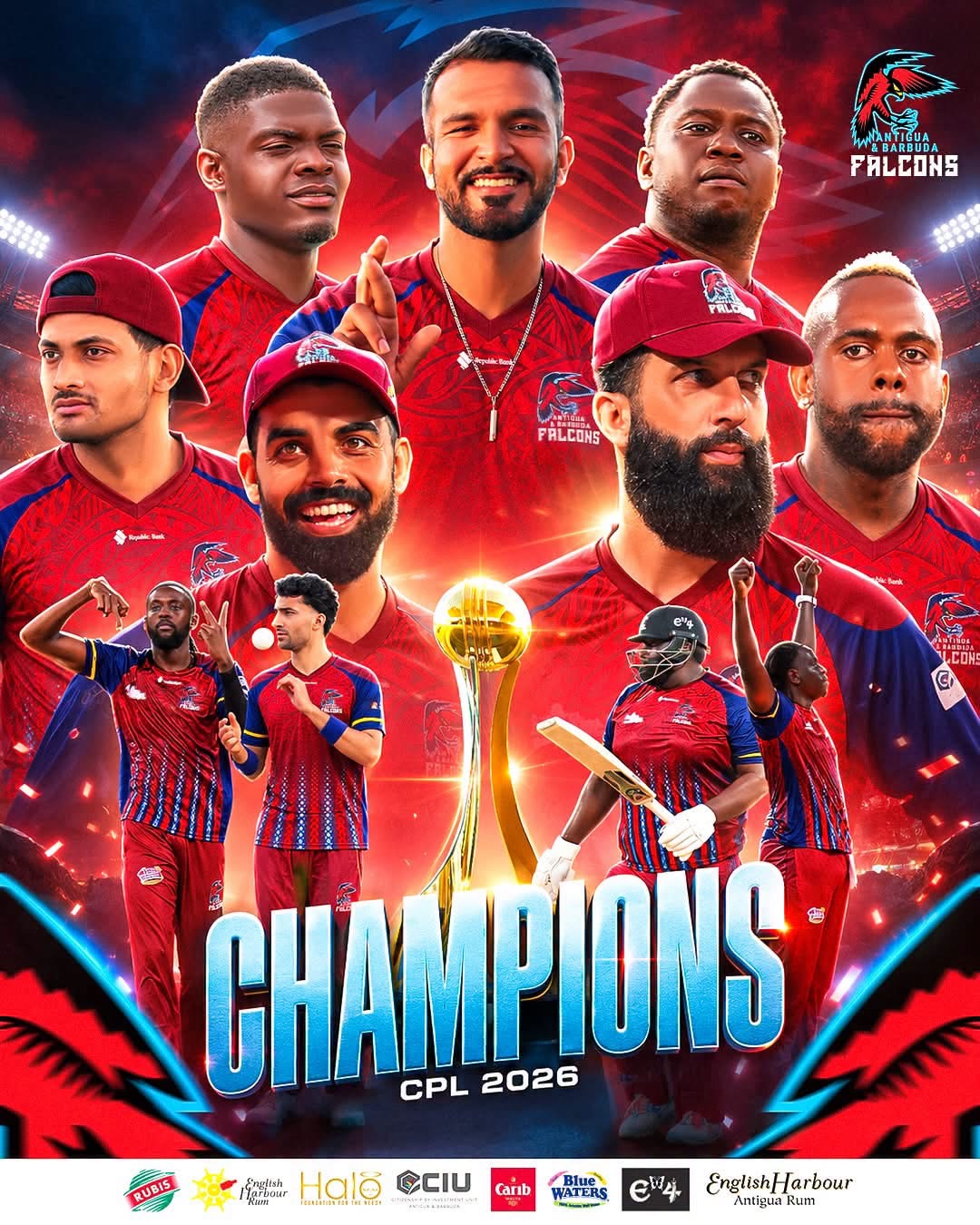
    BRIDGETOWN, Barbados — Cricket history was made at Kensington Oval on Wednesday, as expansion franchise Antigua and Barbuda Falcons capped a fairytale 2026 campaign by lifting their first-ever Caribbean Premier League (CPL) trophy, securing a commanding eight-wicket victory over the Jamaica Kingsmen in the tournament decider.

    Having entered the league just two years prior in 2024, the Falcons turned their underdog status into a championship win, chasing down Jamaica’s total of 170 for nine with more than three overs left to close out the match at 173 for two in 16.4 overs. The historic win marks the first major title for the fledgling franchise, adding a new name to the CPL’s roll of honor that has grown since the league’s launch in 2013.

    The match delivered a dramatic back-and-forth contest, starting when Falcons skipper won the coin toss and elected to bowl first. The decision looked set to backfire after Jamaica batsman Maaz Sadaqat delivered a record-breaking innings, smashing the first ever century in a CPL final off just 49 deliveries. Sadaqat finished with 114 runs from 58 balls, peppered with eight fours and nine towering sixes, but received almost no support from the rest of Jamaica’s batting line-up.

    Falcons spinner Sufyan Moqim delivered a match-defining four-over spell, ripping through the Kingsmen’s order to claim four wickets for a mere 14 runs. Fast bowler Alzarri Joseph chipped in with two wickets for 27 runs, while Jayden Seales, Shadab Khan and Shamar Springer each picked up one dismissal to cap a dominant bowling performance. A catastrophic middle-order collapse saw Jamaica lose four wickets for just three runs, leaving Sadaqat to drag the side to a below-par final total of 170 for nine at the end of 20 overs.

    Opening their chase aggressively, the Falcons got off to a flying start that never let up. Rahkeem Cornwall smashed 20 runs from just six deliveries in the opening over before falling, and Evin Lewis kept the momentum going with 38 runs from 26 balls, pushing the Falcons to 76 for one by the end of the mandatory six-over powerplay. When Lewis fell with the score at 84, the Falcons did not let Jamaica claw their way back into the match.

    Opener Amir Jangoo and batsman Hasan Nawaz put together an unbroken 89-run partnership to seal the championship. Jangoo finished unbeaten on 57 from 34 deliveries, while Nawaz hit an unbeaten 47 from 35, closing out the win with a boundary six that sent the Falcons’ dugout into celebration.

    Moqim’s devastating bowling spell earned him Player of the Match honors, while Falcons all-rounder Shadab Khan was named Player of the Series for his standout all-tournament performance, finishing with 132 runs with the bat and 11 wickets with the ball.

    Off the field of the final, the 2026 CPL tournament also closed out its individual statistical races. South African wicket-keeper Quinton de Kock ended the competition as the leading run-scorer, notching 392 runs from 11 innings. Shimron Hetmyer finished second with 367 runs, while Sadaqat’s final-century push lifted him to third place with 363 runs from seven innings. The bowling leaderboard was far closer, with Imran Tahir, Hunain Shah, Alzarri Joseph and Matthew Forde all ending the tournament with 16 wickets apiece, with Tahir claiming the top spot on the standings via net run rate.

    With their 2026 win, the Falcons become the newest addition to the CPL’s list of title holders. The league’s first championship in 2013 went to Jamaica Tallawahs, and previous winners also include Barbados Tridents, Trinbago Knight Riders, St. Kitts and Nevis Patriots, Guyana Amazon Warriors and Saint Lucia Kings. Trinbago Knight Riders took home the 2025 title, making Antigua and Barbuda the 2026 defending champions moving into the next season.

  • Whale Protection Coalition Urges Antigua and Barbuda to Stop Scapegoating Whales

    Whale Protection Coalition Urges Antigua and Barbuda to Stop Scapegoating Whales

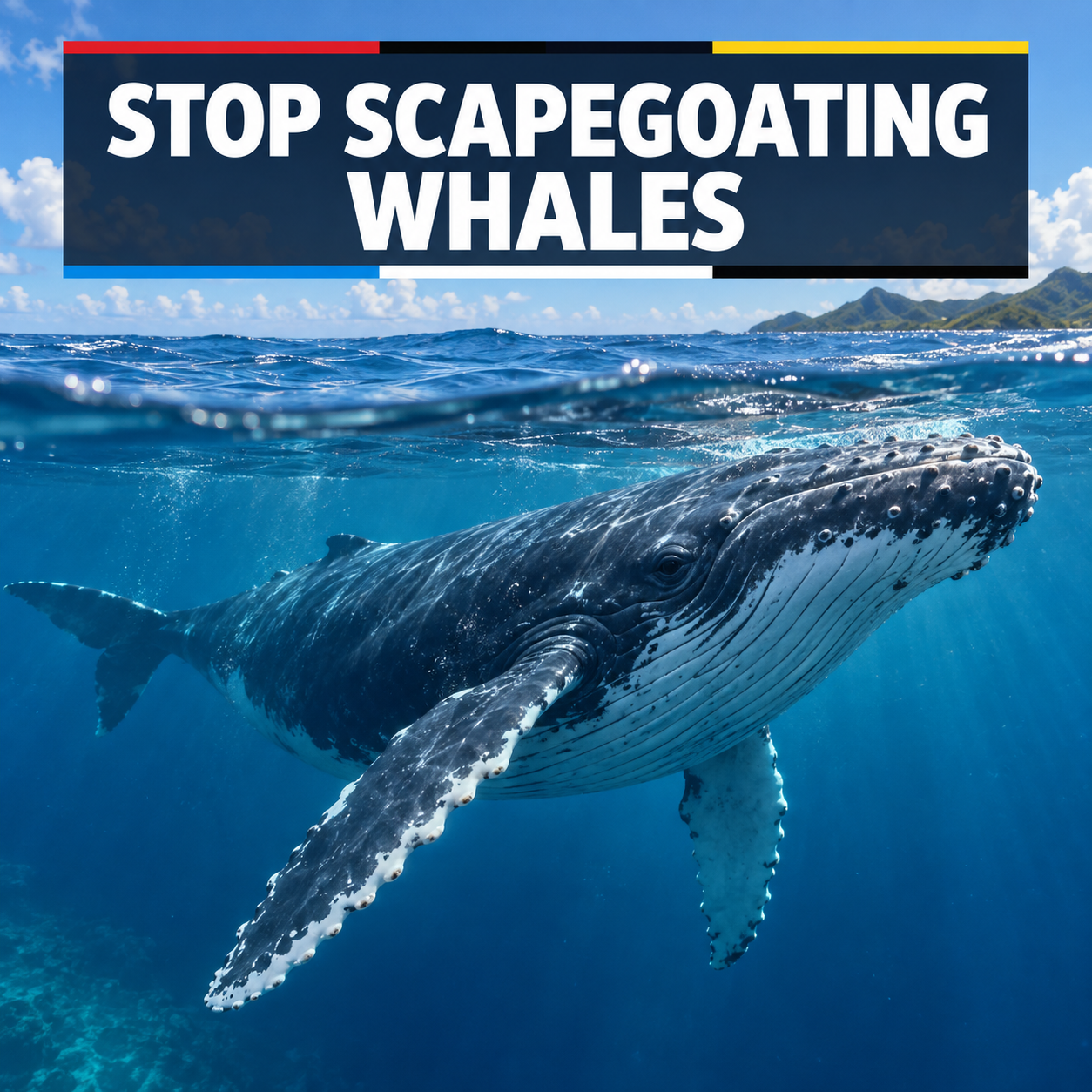
    A prominent international coalition dedicated to marine mammal conservation has issued a formal public appeal to the government of Antigua and Barbuda, calling on the Caribbean nation to halt what the group describes as unfair scapegoating of whale populations for ongoing challenges facing the local commercial fishing sector.

    The coalition, which brings together dozens of marine ecologists, conservation organizations and indigenous ocean advocacy groups from around the globe, argues that current claims linking declining fish catches to whale feeding activity are not backed by peer-reviewed scientific data. Instead, the coalition points to overfishing, climate change-driven ocean warming, and habitat degradation as the primary drivers of reduced fish stocks in regional waters.

    Conservation leaders warn that targeting whales not only undermines decades of progress in protecting endangered and vulnerable baleen whale populations that migrate through the Caribbean each year, but also distracts policymakers from implementing evidence-based reforms needed to restore the long-term sustainability of local fisheries. The group has offered to partner with the Antigua and Barbuda government to conduct independent, transparent research on marine ecosystem dynamics, as well as to support sustainable fishing initiatives that balance livelihood needs with marine biodiversity protection.

    As of the coalition’s latest statement, the Antigua and Barbuda government has not yet issued a formal response to the appeal.

  • COMMENTARY: Pandemic Reckoning: What the World Still Deserves to Know, and What Still Haunts the Living

    COMMENTARY: Pandemic Reckoning: What the World Still Deserves to Know, and What Still Haunts the Living

    Six years have passed since COVID-19 brought global movement and daily life to a sudden, grinding halt. Today, much of the world has reclaimed its pre-pandemic rhythm: border checkpoints hum with cross-border travel, stadiums fill to capacity for concerts and matches, commercial jets crowd global skies, and face masks have largely vanished from public spaces. But the return of routine does not mean the pandemic’s work is finished.

    What the world left unresolved after COVID-19 extends far beyond unfinished scientific research. It touches ethics, global public health institutions, and the enduring human experiences that continue to shape millions of lives. As of current counts, the World Health Organization has recorded more than 779 million confirmed COVID-19 cases and over 7 million confirmed deaths, a figure the agency itself acknowledges is far lower than the actual global mortality toll. Out of a global population of roughly 8.3 billion, almost no community escaped the virus’s reach.

    Millions of people survived the initial infection, but never fully recovered. The WHO estimates that around 6% of people who developed symptomatic COVID-19 go on to experience Long COVID, a condition where persistent respiratory, neurological, cardiovascular and other symptoms can last for months or even years after infection. For these people, the pandemic is not a chapter of history—it remains an ongoing, daily burden that haunts their lives.

    The author, Dr. Clarence E. Pilgrim, offers personal insight into the virus’s long-term psychological impact. The pandemic shrank his social circle, and left him with a persistent apprehension about even casual friendly handshakes—an instinct that remains with him to this day. After being exposed to the virus at work, he was immediately quarantined while waiting for a negative test result, a period of uncertainty that mirrored what millions experienced globally. The fear of falling ill, anxiety about unknowingly spreading the virus to loved ones, and new suspicion of close human contact reshaped how societies understood physical proximity. For a time, everyday gestures of connection—a handshake, a hug, an intimate conversation—became potential sources of danger.

    SARS-CoV-2, the virus that causes COVID-19, has not disappeared. It continues to circulate among global populations and evolve into new variants. The WHO currently monitors emerging variants including XFG, NB.1.8.1, PQ.16.1.1, and BA.3.2. While the WHO declared the global public health emergency over in 2023, the virus itself remains a persistent presence. So too do the unresolved questions about where it originated.

    A recent guilty plea from Dr. David Morens, a former senior advisor at the U.S. National Institute of Allergy and Infectious Diseases (NIAID), has reignited debates over institutional credibility around the origin question. Morens admitted to participating in efforts to evade U.S. federal public records requirements for documentation related to coronavirus research and official communications, including correspondence connected to a bat-coronavirus research grant that involved the Wuhan Institute of Virology.
    These do not prove that SARS-CoV-2 leaked from a laboratory, nor do they implicate Dr. Anthony Fauci, NIAID’s former director, in any criminal activity. They do, however, confirm that relevant official communications were deliberately hidden from standard public transparency processes. This lack of openness leaves a core unanswered question: why?

    The WHO’s current scientific assessment concludes that the bulk of available evidence points to a zoonotic spillover from an animal source. But critical information that would allow for a full, independent investigation remains unavailable to the global public. This includes early viral sequence data, full details about animals sold at Wuhan wet markets in the period before the first outbreak, and complete records of laboratory work and biosafety protocols at relevant research facilities. The only responsible stance on the origin question, Dr. Pilgrim argues, is to neither declare a laboratory origin proven nor dismiss it as an impossible conspiracy.

    This same commitment to evidence and transparency must guide global conversations about the costs and benefits of COVID-19 vaccination, Dr. Pilgrim contends. The author himself chose to receive a primary COVID-19 vaccine series and a booster shot, citing his trust in WHO and the international public health community’s recommendations. Extensive clinical and real-world data confirms that vaccination drastically reduced rates of severe illness, hospitalization and death from COVID-19. But acknowledging these life-saving benefits does not require denying that some people experienced genuine adverse side effects.
    Regulatory agencies across Europe, Africa, India and Russia reached a shared, evidence-based conclusion: COVID-19 vaccines delivered critical, life-saving protection, but ongoing safety monitoring was a non-negotiable requirement. European regulators confirmed rare cases of myocarditis and pericarditis linked to some mRNA vaccines. African public health authorities monitored rare blood clotting disorders. India officially recognized thrombosis with thrombocytopenia syndrome associated with adenovirus-vector vaccines, while continuing surveillance for other reported adverse events. Russia issued formal clinical contraindications for at-risk groups. Across vastly different regulatory systems, the core lesson was consistent: vaccination was not risk-free, and benefits and risks must be weighed together on an ongoing basis.

    It is possible, Dr. Pilgrim argues, to hold two truthful positions at once: that COVID-19 vaccines saved millions of lives, and that some people suffered harm from vaccination. Equally, it is possible to recognize confirmed vaccine injuries without claiming every unexplained illness or death that occurred after vaccination was caused by the vaccine. These are not contradictory stances—they are the minimum requirement for intellectual honesty.

    In the United States, more than 11,000 claims alleging COVID-19 vaccine injury or death had been filed through the federal vaccine injury compensation program by July 2026. Filing a claim does not prove causation, and many claims do not meet the program’s evidentiary standards. Even so, a number of vaccine-related injuries have been officially confirmed by the program. For people who have experienced scientifically verified harm, they deserve more than to be reduced to a statistic in a global public health success story. Where treatment is possible, care should be provided. Where rehabilitation can improve outcomes, it should be made accessible. Where responsibility is confirmed, fair compensation is owed. Human dignity, Dr. Pilgrim emphasizes, should never be determined by how common an injury is.

    This same balanced approach applies to conversations about rising global rates of cardiovascular disease, which some have incorrectly attributed entirely to widespread vaccine injury. The WHO has long identified cardiovascular disease as the leading cause of death globally, a reality that predates the COVID-19 pandemic by decades. But that does not mean there are no legitimate questions to explore. COVID-19 infection itself is known to damage the cardiovascular system, Long COVID can increase the risk of chronic cardiovascular illness, pre-existing risk factors remain the leading driver of most cases, and pandemic-related disruptions to routine healthcare left many conditions untreated. Rare vaccine-associated cardiovascular complications have also been scientifically documented. The question researchers need to answer is not whether vaccines caused all post-pandemic cardiovascular disease, but how much of the current burden can be traced to each contributing factor. To date, there is no reliable global data that fully answers that question, and that gap should spur more research—not unfounded speculation.

    Looking ahead, modern history makes clear that another global pandemic is not a question of if, but when. Major respiratory pandemics struck the world in 1889–1890, 1918, 1957, 1968, 2009, and 2019, with no consistent interval between events, making accurate prediction impossible. Even so, it is entirely plausible that another pandemic will occur within the lifetime of most people alive today.

    The true reckoning the world needs to complete now is not about vindication for any single government, scientist, institution or vaccine. It is about whether humanity can learn enough from this pandemic to protect everyone better when the next one arrives. This includes the majority who will benefit from effective new medical interventions, the small minority who may experience genuine harm, the most vulnerable communities, and future generations that will inherit the global public health systems we build today.

    Progress that saves millions of lives but abandons the small number of people who experience genuine harm is incomplete. Equally, concern for people injured by vaccines cannot justify rejecting life-saving medical interventions that have benefited billions. The higher moral and public health obligation is to pursue both: broad protection and accountability for harm, scientific advancement and respect for human dignity, strong public health institutions and radical transparency.

    Dr. Pilgrim notes that he trusted the international public health system enough to get vaccinated and boosted. That trust, he argues, should never require silence about unresolved questions or unaddressed harm. Science gains its authority from open evidence, not blind loyalty. Public health institutions earn their legitimacy through radical transparency, not secrecy. Leaders earn public confidence through taking accountability when things go wrong, not deflecting criticism.

    The millions of people who died from COVID-19 cannot demand answers from global institutions. But the living can. Before the next pandemic tests humanity’s collective capacity, we have a responsibility to get clear about what went right, acknowledge what went wrong, repair the harm that can still be fixed, and build systems that are designed to protect both the many and the few.

    When the next pandemic comes, the global response must not only be faster than it was in 2020—it must be wiser, fairer, more transparent, and centered on the common good of all people.

    *Disclaimer: The views expressed are those of the author alone.*
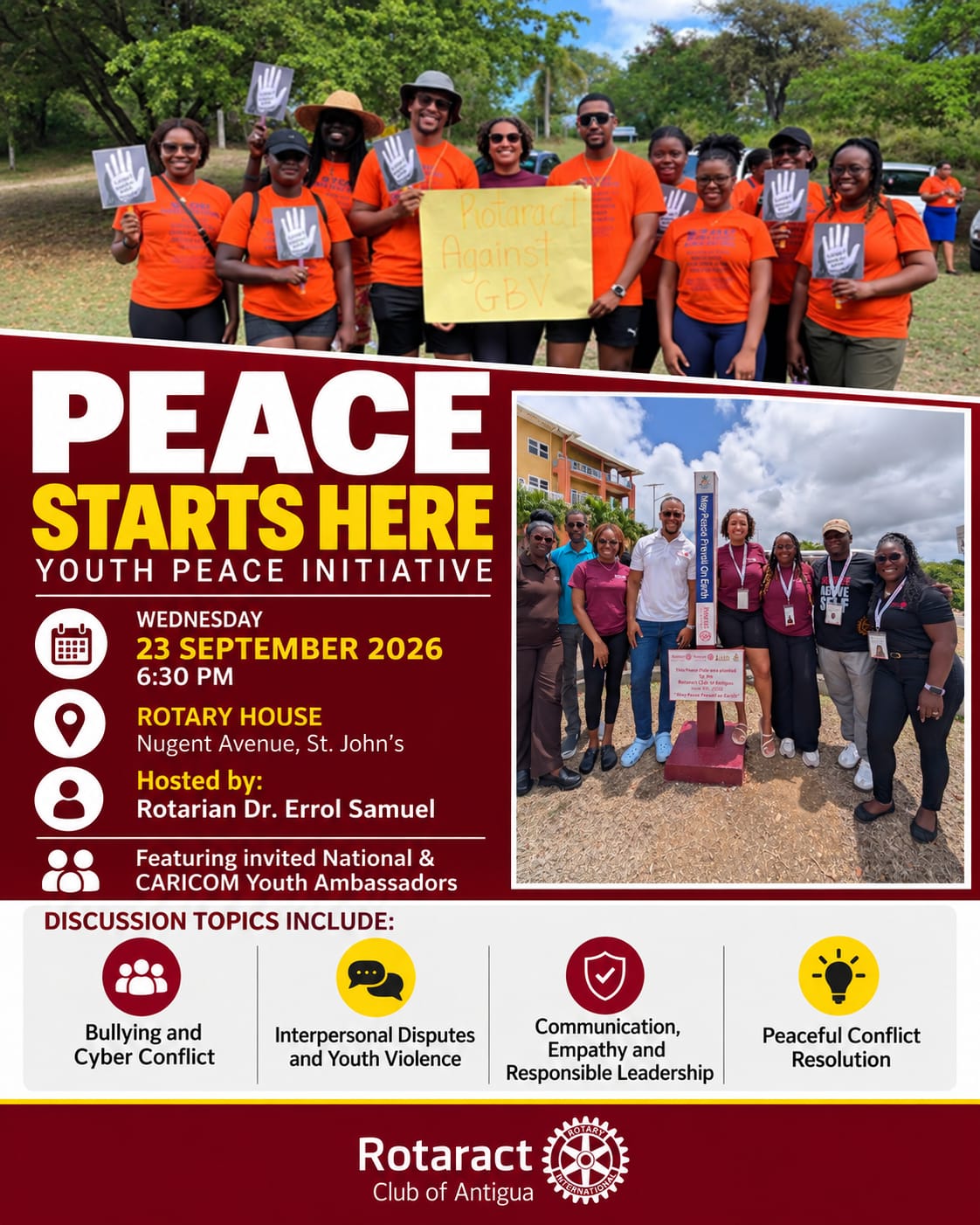
  • Rotaract Club of Antigua to Host “Peace Starts Here” Youth Peace Initiative

    Rotaract Club of Antigua to Host “Peace Starts Here” Youth Peace Initiative

    A groundbreaking youth-focused peacebuilding effort is set to kick off in Antigua next year, as the Rotaract Club of Antigua and its International Service Committee prepare to host the “Peace Starts Here” Youth Peace Initiative. The event is scheduled to take place at 6:30 p.m. on Wednesday, September 23, 2026, at the Rotary House located on Nugent Avenue in St. John’s, and it aims to carve out a deliberate, accessible space for young people across Antigua and Barbuda to unpack critical conversations around peace, conflict resolution, and ethical leadership.

    Chaired by Rotarian Dr. Errol Samuel, the interactive session will bring together a diverse cohort of invited guests, including national youth ambassadors and representatives from the CARICOM youth ambassador program. These young leaders will bring on-the-ground perspective to discussions about the most pressing challenges facing young people and local communities across the twin-island nation.

    Organizers have outlined a range of core topics tailored to the realities of modern youth life, addressing issues that too often escalate into division and harm. These include the growing prevalence of bullying and cyber-enabled conflict, common interpersonal disputes that can spiral into tension, and the persistent crisis of youth violence. The dialogue will also center on building core skills: intentional communication, empathetic engagement, ethical and responsible leadership, and evidence-based strategies for resolving conflict through peaceful means.

    This initiative is not an isolated event, but rather a core component of the Rotaract Club of Antigua’s broader 2026–2027 operational strategy, aligned with its organizational theme “Leading with Heart, Serving with Purpose.” The club has long centered its work on youth civic engagement and grassroots peacebuilding, and this event extends that commitment into actionable, community-centered programming.

    Through the “Peace Starts Here” initiative, organizers hope to empower young people to recognize their individual agency in creating more peaceful social environments. From school hallways and family homes to digital social platforms and neighborhood communities, the program emphasizes that every person has a role to play in fostering constructive dialogue, empathetic connection, and nonviolent approaches to disagreement.

    To expand the conversation beyond the in-person event, the club is also launching a public engagement campaign inviting young people and all community members to share their perspectives on peace. The campaign asks a simple, provocative question: “What does peace in Antigua and Barbuda mean to you?”, creating an opportunity for broader public input on what a peaceful nation looks like for its residents.

    Organizers extended an open invitation to all young people across Antigua and Barbuda, as well as interested members of the general public, to join the conversation. They emphasize that building a more peaceful, cohesive society starts with the small, intentional choices and actions of individual community members – and that this initiative is the first step toward cultivating that collective change.