标签: Antigua and Barbuda

安提瓜和巴布达

  • Antigua and Barbuda Strengthens Sweet Potato Research Under Regional Climate-Resilience Project

    Antigua and Barbuda Strengthens Sweet Potato Research Under Regional Climate-Resilience Project

    A landmark four-year regional initiative focused on upgrading sweet potato cultivation and safeguarding critical crop genetic diversity across the Caribbean is accelerating progress, bringing together agricultural stakeholders from five nations through a dedicated practitioner network led by technical experts. The Next Generation Sweet Potato Production in the Caribbean Project, led by the Inter-American Institute for Cooperation on Agriculture (IICA), operates in partnership with national agriculture ministries in Antigua and Barbuda, Jamaica, and Saint Lucia, alongside the Caribbean Agricultural Research and Development Institute (CARDI), to address longstanding gaps in regional food security and climate adaptation.

    As part of the project’s capacity-building roadmap, recent collaborative training with the International Potato Center (CIP) brought 73 agricultural experts from academic institutions, government technical agencies, and both public and private agricultural sectors together for a hybrid program of theoretical instruction and hands-on field work. The training centered on building core skills for identifying unique sweet potato varieties, documenting their morphological traits, and cataloguing these genetic resources for future preservation and use.

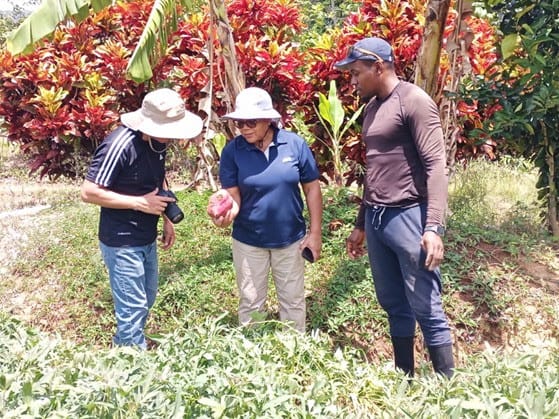
    Participants began their learning journey with five interactive virtual modules, where they mastered the 30 globally standardized descriptors used to catalog key sweet potato characteristics, ranging from leaf morphology and vine growth patterns to root structure and other genetic traits. After completing the theoretical portion, practitioners applied their new skills in on-the-ground field exercises across four participating member countries, working alongside lead specialists like Dr. Robles to validate identification and characterization practices in Jamaican growing sites.

    For small island nations across the region, the project is already delivering measurable expansion of local genetic resources. In Antigua and Barbuda, for example, agricultural officials currently have 73 distinct sweet potato accessions formally documented. Through the project’s partnership with CIP, an additional 19 unique varieties will be added to the national collection, significantly broadening the country’s sweet potato genetic base to support more resilient breeding programs.

    Beyond expanding collections, the initiative prioritizes equipping local agricultural professionals with the specialized skills needed to maintain, utilize, and protect these irreplaceable genetic resources long-term. It also works directly with smallholder and commercial farmers to support adoption of high-yield, climate-resilient sweet potato varieties that can withstand rising temperatures, erratic rainfall, and other climate impacts increasingly affecting Caribbean agriculture. Ultimately, these coordinated efforts are targeted at strengthening both food and nutrition security across all participating nations, where sweet potatoes serve as a staple carbohydrate and key source of dietary nutrients.

    The project receives core funding from the Benefit-sharing Fund of the International Treaty on Plant Genetic Resources for Food and Agriculture, administered through the Food and Agriculture Organization of the United Nations (FAO), with additional co-financing support from the European Union. Moving forward, the four-year initiative will continue to deepen regional collaboration, facilitate cross-border knowledge sharing, and strengthen the growing Community of Practice dedicated to advancing sustainable, resilient sweet potato production across the Caribbean.
  • COMMENTARY: CARICOM and the New Normal in International Politics

    COMMENTARY: CARICOM and the New Normal in International Politics

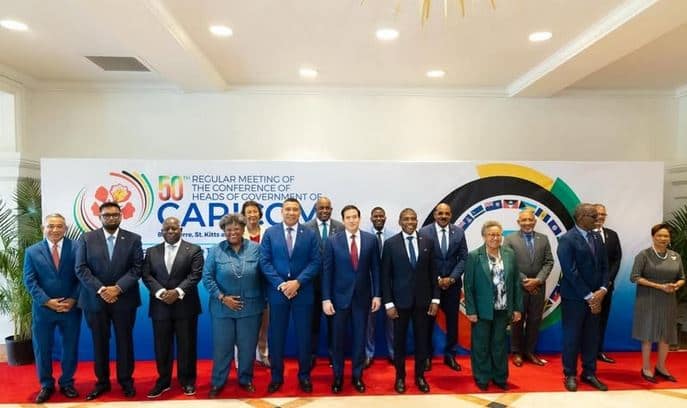
    The Caribbean Community (CARICOM) finds itself navigating one of the most challenging periods in its institutional history, as long-simmering regional tensions amplified by shifting global geopolitics push the 15-nation bloc to its breaking point. When St. Kitts and Nevis assumed the rotating six-month chairmanship of CARICOM’s supreme governing body, the Conference of Heads of Government, this past January, it inherited a bloc fractured by deepening divides over core foreign policy principles at a time of unprecedented global upheaval.

    Under the terms of CARICOM’s founding constituent treaty, the Conference of Heads of Government holds ultimate decision-making authority over the bloc’s agenda, with the rotating chair tasked with advancing collective regional priorities for their term in office. For Prime Minister Terrance Drew, who leads St. Kitts and Nevis and serves as the current chair, the weight of regional fragmentation has shaped every dimension of his leadership from day one. The bloc is currently split along sharp lines over divergent responses to the so-called “Trump Corollary” to the Monroe Doctrine, a high-stakes U.S. foreign policy framework that has created a months-long diplomatic impasse within CARICOM.

    This schism comes as the entire global international order undergoes a seismic transformation — a shift not seen on this scale since the collapse of the Soviet Union and the end of the Cold War, which erased the bipolar global system and paved the way for the decades-long unipolar era that is now drawing to a close. For small developing states that make up CARICOM, this global realignment has created acute pressure to align with competing great power blocs, straining the collective diplomatic coherence the bloc has spent decades building.

    The majority of CARICOM member states have approached the Trump Corollary with deep suspicion and caution, anchoring their positions in the bloc’s long-standing foundational principles: commitment to multilateral dialogue, respect for sovereign international cooperation, and independence in foreign policy decision-making for small states. But a smaller faction of members has broken ranks to offer unapologetic, full-throated support for the U.S. framework.

    The most high-profile split came in response to the recent escalation of tensions between the U.S.-Israeli alliance and Iran, which only recently settled into a fragile, uncertain ceasefire after weeks of spiraling direct conflict. Trinidad and Tobago drew widespread controversy across the region when it openly aligned with Washington’s position on the conflict, while neighboring Barbados took an early, contrasting stance, publicly calling for all parties to exercise restraint as Middle East tensions reached a boiling point. For Drew and his chairmanship, bridging this deepening foreign policy divide and restoring CARICOM’s collective diplomatic voice will be the defining test of his term, as the bloc grapples with whether it can maintain unity amid a rapidly changing global order.

    This report was originally published by the Jamaica Gleaner on April 16, 2026.

  • Antigua and Barbuda near global average as Caribbean households shoulder high health costs

    Antigua and Barbuda near global average as Caribbean households shoulder high health costs

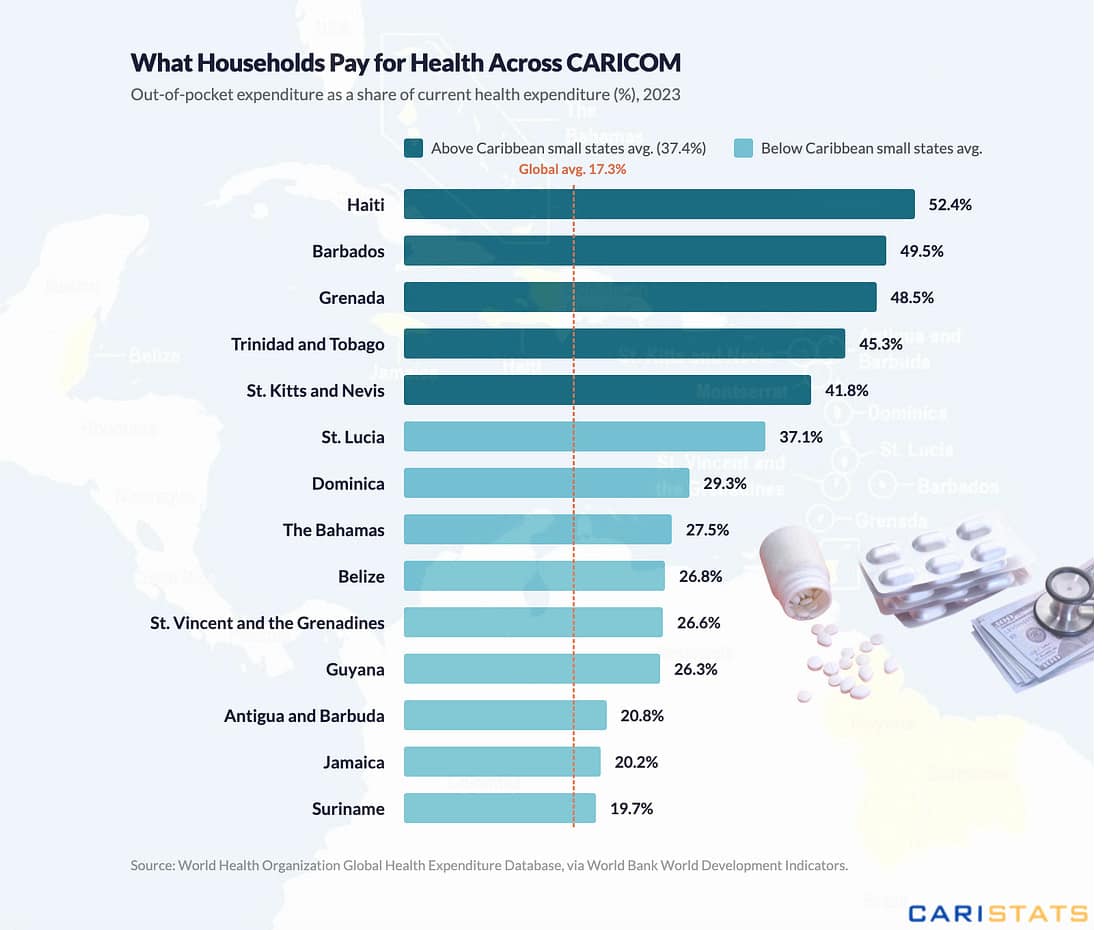
    New regional health expenditure data compiled by the Caribbean Community (CARICOM) statistical agency CARISTATS has revealed that households in Antigua and Barbuda shoulder a lower direct healthcare cost burden than nearly all other Caribbean nations, though their out-of-pocket (OOP) spending still outpaces the global average.

    Out-of-pocket spending refers to direct payments by patients for medical services not covered by public health plans or private insurance schemes. Per CARISTATS’ analysis, which draws data from the World Health Organization’s Global Health Expenditure Database and was published through the World Bank, OOP spending makes up 20.8% of Antigua and Barbuda’s total annual national health expenditure. This rank positions the dual-island nation among the Caribbean countries with the smallest household cost burdens for healthcare, while the figure still sits 3.5 percentage points higher than the current global average of 17.3%.

    The broader CARICOM region tells a starker story: household OOP burdens are far heavier across most member states, with the majority recording OOP spending that makes up more than 25% of total national health expenditure. This widespread trend highlights systemic gaps in regional insurance coverage and a widespread reliance on private healthcare providers that pass costs directly to patients.

    Haiti tops the list of nations with the highest OOP shares, with households covering 52.4% of all national healthcare costs through direct out-of-pocket payments. Barbados ranks second at 49.5%, followed closely by Grenada at 48.5%. Analysts have noted that Barbados’ high figure is particularly notable, given the country’s classification as a high-income economy with a formal universal public health system. The elevated share suggests that even with universal public coverage, many Barbadian patients still opt for or rely on private care and pay for services directly out of pocket.

    Antigua and Barbuda’s comparatively low OOP share aligns it with other regional low-burden performers: Jamaica records a 20.2% OOP share, while Suriname sits even closer to the global benchmark at 19.7%.

    A key takeaway from the aggregated data challenges common assumptions about healthcare financing: the structure and funding model of a country’s healthcare system plays a far larger role in shaping household out-of-pocket burdens than national income levels alone.

    Researchers emphasized that the findings underscore persistent systemic challenges across the entire Caribbean region. Limited health insurance coverage and uneven access to consistent, affordable public health services continue to shift a disproportionate share of healthcare costs onto individual patients — a problem that persists even in countries that outperform their regional peers on this metric.

  • LETTER: The Forgotten Backbone of Every Election: A Call for Respect and Fairness

    LETTER: The Forgotten Backbone of Every Election: A Call for Respect and Fairness

    Across Antigua and Barbuda, every national election cycle unfolds with a familiar, vibrant opening act. City streets and rural townships thrumming with upbeat music, decked in the bright branded colors of competing parties, as throngs of passionate supporters turn out to rally behind their chosen candidates. Of all the political groups active on the campaign trail, the grassroots teams of the Antigua and Barbuda Labour Party (ABLP) have long been recognized for their unmatched grit and relentless commitment to the party’s cause.

    These rank-and-file campaigners — ordinary men and women from communities across the twin islands — pour far more than their time into the electoral fight. Many drain their personal energy reserves and dip into their own pockets to keep campaign operations running. Day after day, night after night, they canvass neighborhood by neighborhood, coordinate large public rallies and small community meetings, turn out infrequent voters to the polls, and advocate relentlessly for their party’s candidates. Their work is the invisible engine that delivers electoral victory, without which no campaign could cross the finish line.

    Yet once the last ballot is counted and confetti from victory celebrations settles, a long-running, troubling pattern comes into sharp focus. Time and again, the very grassroots workers who carried the campaign on their shoulders are pushed to the margins and forgotten once their work is done.

    This repeated neglect has spawned deep frustration, widespread disappointment, and a growing sense of unfairness among rank-and-file campaigners. The situation also forces a critical reckoning with core questions at the heart of local electoral politics: Who reaps the real rewards of a political victory? Is grassroots loyalty and hard work actually valued by party leadership, or does public recognition and opportunity only extend to a small, privileged circle of party insiders?

    Campaign workers are not demanding unearned handouts or special favors. What they do seek is basic fairness, public respect, and formal acknowledgement of the contributions they make. They are calling for a political system that rewards on-the-ground effort, recognizes consistent dedication, and does not cast aside the people who do the hard work once an election ends.

    Most importantly, the current moment demands reflection from both supporters and party leaders alike. For rank-and-file ABLP supporters, the time has come to recognize their own inherent value to the political process. Political engagement should never require self-neglect or unreciprocated blind loyalty. Instead, it should be built on a foundation of mutual respect, where both the party and its grassroots base lift each other up.

    For elected party leaders, the message is equally clear: no political victory is achieved alone. Every electoral win is made possible by hundreds of committed individuals working behind the scenes. Choosing to ignore their contributions does not just erode team morale — it weakens the entire foundation of future campaign efforts and long-term party trust.

    Meaningful change must begin with institutional accountability. The era of treating grassroots workers as disposable tools to be used during election season and discarded immediately afterward has to end. The true strength of any political movement lies in its people, and when those people feel undervalued and unappreciated, the entire political system suffers damage.

    This conversation extends far beyond the outcome of a single election. It is about building a lasting political culture rooted in respect, fairness, and genuine appreciation for all contributions — no matter how small or behind-the-scenes — where every person who helps a party succeed gets the recognition they deserve.

  • UWI Five Islands expands community outreach and academic offerings

    UWI Five Islands expands community outreach and academic offerings

    The University of the West Indies (UWI) Five Islands campus has announced a significant expansion of both its community engagement efforts and academic program portfolio, marking a key milestone in the institution’s growth trajectory in the Caribbean region.

    Long positioned as a regional higher education hub focused on accessible learning, the Five Islands campus has ramped up its community outreach to address pressing local needs. New initiatives include free financial literacy workshops for small business owners across Antigua and Barbuda, STEM outreach programs for underserved secondary school students, and collaborative environmental conservation projects with local coastal protection nonprofits. University leadership notes that these programs are designed to bridge the gap between academic research and community action, bringing institutional resources directly to residents who stand to benefit most.

    Parallel to its community-focused expansion, the campus has added 6 new undergraduate and graduate degree programs aligned with growing regional industry demand. The new offerings include a bachelor’s degree in sustainable tourism management, a master’s program in digital public governance, and certifications in climate resilience planning—fields projected to drive job growth across the Caribbean over the next decade. Campus administration reports that enrollment for the new programs will open for the upcoming fall semester, with need-based scholarships available to support local students.

    Local education stakeholders have welcomed the expansion, noting that the moves will strengthen the campus’s role as a driver of social and economic development for Antigua and Barbuda, while expanding access to world-class UWI education for students across the Eastern Caribbean.

  • “I Owe This Community Everything”: Michael Joseph Sets Out Bold Plan to Transform St. John’s Rural West

    “I Owe This Community Everything”: Michael Joseph Sets Out Bold Plan to Transform St. John’s Rural West

    A local political figure named Michael Joseph has recently announced a bold, ambitious initiative aimed at driving comprehensive transformation across the St. John’s Rural West region. In public comments shared around the plan, Joseph emphasized his deep personal connection to the area, stating openly that he owes all of his growth and opportunities to the local community. The transformative blueprint he has laid out is framed as a reciprocal effort to lift up the district that shaped him, though full details of the plan’s specific priorities, funding mechanisms and implementation timelines have not yet been outlined in the available information.

  • ‘I Was Born and Raised Here’: Newton Makes Personal Case for All Saints East Seat

    ‘I Was Born and Raised Here’: Newton Makes Personal Case for All Saints East Seat

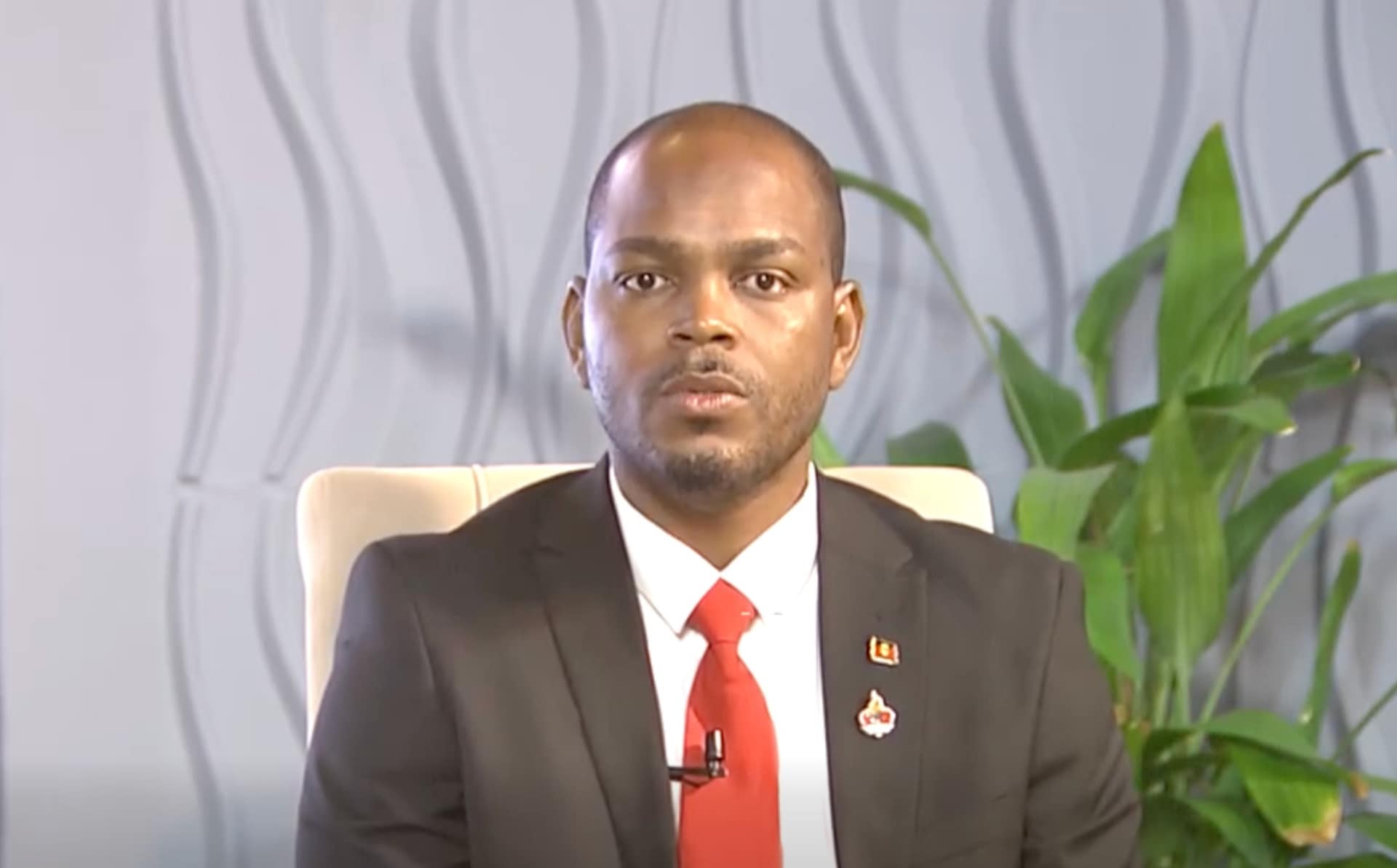
    Weeks ahead of the upcoming general election in Antigua and Barbuda, Antigua and Barbuda Labour Party (ABLP) candidate Lamin Newton has laid out a sweeping policy platform targeting long-standing unmet needs in the competitive constituency of All Saints East and St Luke, positioning himself as a community-rooted candidate focused on tangible delivery over empty campaign rhetoric.

    Appearing on ABS Television’s voter education series “Know Your Candidates”, Newton framed his candidacy around deep personal ties to the district he hopes to represent. “This is a very dear part of my life,” he shared during the interview. “I was born and raised in All Saints… I feel that sense of responsibility that I have to play my part.”

    Infrastructure improvement emerges as the central pillar of Newton’s campaign, with the candidate arguing that the constituency has suffered from more than two decades of systemic neglect that has left roads crumbling and persistent flooding plaguing communities from All Saints through the southern corridor to Old Road.

    As evidence of his ability to deliver ahead of the election, Newton pointed to completed improvement works in the Follies community, where severe flooding once left residents trapped during heavy rain events. After the team he leads redesigned local drainage systems and upgraded adjacent roads, the community no longer faces regular flood disruption. “I gave them my commitment… and today, Follies no longer has the issue of flooding,” he noted, adding that the pre-election work is not a last-minute campaign gimmick, but the first phase of a structured, priority-driven improvement plan.

    Under Newton’s framework, flood-prone areas will be addressed first, followed by upgrades to secondary local roads. He also defended the decision to use concrete for roads in high-risk flood zones, arguing that the material offers far greater long-term resilience than traditional asphalt, delivering better value for public funds over time.

    If elected, Newton has committed to a clear 100-day action plan focused on three core priorities. First, he will immediately advance ongoing road improvement projects across the constituency. Second, he will complete long-awaited upgrades to the John Hughes clinic within three months, and install long-requested air conditioning at the Sweets healthcare facility to improve conditions for both patients and staff. Third, he will launch rehabilitation for neglected sporting and recreational spaces, creating accessible outdoor areas for both youth engagement and senior community gatherings. “People need recreation… people need to be able to have that recreational time,” he explained.

    Beyond early-term infrastructure priorities, Newton has put forward a major affordable housing initiative designed to expand land ownership opportunities for young constituents. Under the plan, 50 acres of existing government-owned land will be subdivided into individual plots and sold at heavily subsidized rates, with a fixed price of $18,000 per plot to ensure accessibility for low and middle-income buyers. The development will be administered through the Central Housing and Planning Authority, with constituency residents given priority access, though plots will also be open to buyers from other districts. The national government will cover the cost of installing core infrastructure — including access roads, electricity connections, and running water — to support the new development.

    Healthcare access is another key cornerstone of Newton’s campaign platform, shaped directly by feedback he gathered during months of door-to-door canvassing, where elderly constituents repeatedly raised concerns about inadequate local care. He has made a “solemn promise” to build a completely new clinic in Old Road within his first year in office, with preliminary design work already completed and funding secured through a mix of public budget allocations and private donor contributions. He also pledged to secure a dedicated ambulance for the All Saints area, noting that international donors have already committed to covering the cost of the vehicle.

    Addressing constituent complaints about inconsistent local water supply, Newton explained that the ongoing disruptions do not stem from insufficient water production, but from challenges related to the national project to replace century-old ageing distribution pipes. He urged residents to remain patient as the upgrade work progresses, noting that the completed project will resolve decades of supply irregularities.

    Newton also highlighted his long-standing personal commitment to education in the constituency, a cause he calls a personal passion. Currently, he funds annual scholarships for 40 students from Irene B. Williams School and All Saints Secondary School, covering the cost of extra tutoring to prepare students for the Caribbean Secondary Education Certificate (CSEC) exams. The initiative was launched in response to declining math scores and widespread demand for more personalized academic support for struggling students.

    Looking beyond social services, Newton emphasized that All Saints East and St Luke plays a critical role in advancing Antigua and Barbuda’s national food security goals, thanks to its expansive agricultural belt and active fishing community based in Old Road. If elected, he plans to boost local food production by supporting smallholder farmers with land clearing, new and expanded water retention infrastructure including dams and ponds, and subsidized fertilizer. He also called for stronger safety regulations for local fishermen, following recent high-profile incidents of missing seafarers in the region.

    Newton is challenging incumbent Jamale Pringle, who won the seat for the opposition in the last general election, making the constituency one of the key competitive races to watch on election day. When asked how he plans to unseat the incumbent, Newton pointed to his grassroots, door-to-door campaign strategy, centered on building direct trust with voters. “It’s all about building relationships with the people… you have to go and knock on every door,” he said. He stressed that his campaign differs from empty traditional campaigns because it is built on results he has already delivered, not just unfulfilled promises. “We’re not here just to talk… we are here to deliver.”

    Newton’s campaign aligns with the ABLP’s broader national election narrative, which focuses on visible local development and targeted constituency-level projects. His message blends a “son of the soil” personal identity with a practical, problem-solving focus on improving core infrastructure, expanding affordable housing, and upgrading public services. Whether this community-focused, delivery-driven approach will resonate enough with voters to flip the seat will be decided when voters head to the polls in the coming weeks, but Newton has made his commitment clear: “These aren’t just election promises. These are promises that we will deliver.”

  • Traffic to Be Diverted as Operation Daybreak Continues

    Traffic to Be Diverted as Operation Daybreak Continues

    Drivers traveling across Antigua and Barbuda are facing planned travel disruptions on two major local roadways on Thursday, as law enforcement continues its scheduled Operation Daybreak, the Royal Police Force of Antigua and Barbuda has confirmed in an official public advisory.

    The affected routes include two high-traffic corridors: a stretch of Sir Sydney Walling Highway running from the Seaview Farm Junction through to the Mount Joy Roundabout, and a section of Old Parham Road linking the communities of Pigotts and Parham. These disruptions are set to kick off at 11:30 a.m. local time, police confirmed in the notice.

    To help motorists navigate the closed sections, law enforcement has outlined official diversion routes that will route through traffic through the Seaview Farm area and Freemans Village. Police have emphasized that all road users should adjust their travel plans ahead of time to account for unexpected hold-ups, and follow all on-site instructions from officers deployed to manage the diverted traffic flow.

    In a statement accompanying the advisory, authorities extended gratitude to the public for their patience and cooperation ahead of the operation. Officials clarified that the temporary traffic adjustments are being implemented to maintain a safe, predictable, and orderly movement of vehicles throughout the duration of Operation Daybreak, balancing the needs of the operation with the ongoing travel requirements of local communities.

  • Baltimore Urges Early Voting, Warns Against UPP Return at St. Philip’s North Campaign Blitz

    Baltimore Urges Early Voting, Warns Against UPP Return at St. Philip’s North Campaign Blitz

    With critical elections looming for Antigua and Barbuda, Antigua and Barbuda Labour Party (ABLP) candidate Randy Baltimore has ramped up his on-the-ground campaigning, using a recent stop in the St. Philip’s North constituency to urge loyal supporters to cast their ballots early and sharpen his criticism of the rival United Progressive Party (UPP).

    Speaking to packed crowds of voters in Newfield and nearby surrounding communities, Baltimore framed the upcoming election as a defining fork in the road for the twin-island nation. On one side, he argued, sits the path of sustained progress and inclusive growth under the incumbent ABLP; on the other, he claimed, is a return to the economic hardship and instability that marked the UPP’s previous tenure in government.

    “To lock in this progress, we cannot take turnout for granted – every single voter needs to head to the polls as early as possible on election day,” Baltimore told the gathered crowd. He went on to outline concrete steps voters can take to ensure a strong showing for the ABLP, reminding constituents to retrieve their official voter identification cards ahead of time and organize carpooling or other support to help neighbors with limited mobility reach their polling stations.

    Baltimore devoted a large portion of his remarks to touting the sitting government’s track record across key sectors, calling out tangible gains in tourism – the nation’s largest economic driver – as well as expanded educational access and sweeping infrastructure upgrades across the country. “The ABLP has always stood for development, for progress, for national unity, and for building a brighter future for the next generation of Antigua and Barbuda,” he said.

    Turning his attention to the opposition, Baltimore issued a stark warning against returning the UPP to power. Pointing to the party’s previous term in office, he asked assembled voters whether they were willing to roll back the gains the ABLP has delivered over recent years. “We cannot afford to go back to the UPP,” he emphasized.

    Digging into policy differences, Baltimore zeroed in on a high-profile UPP campaign proposal: the elimination of import duties and taxes on incoming vehicles. He challenged the opposition to explain how the policy would be funded, arguing that the lost government revenue would almost certainly force the UPP to bring back the unpopular income tax that was eliminated during the ABLP’s tenure. “When they scrap all those duties and taxes, where will they get the money to keep basic government services running?” he asked.

    Throughout the event, Baltimore repeatedly anchored his campaign to the leadership of incumbent Prime Minister Gaston Browne, arguing that the Browne-led administration has delivered consistent, stable growth across the economy and deserves a new mandate from voters to continue its work. Closing out his remarks, Baltimore extended his appeal beyond St. Philip’s North, urging voters across the entire nation to back the ABLP. He declared that the incumbent party is “stronger than ever” and fully prepared to lead Antigua and Barbuda into a new era of shared national development.

  • UWI Five Islands Honours Top Students with Principal’s List and Honour Roll Recognition

    UWI Five Islands Honours Top Students with Principal’s List and Honour Roll Recognition

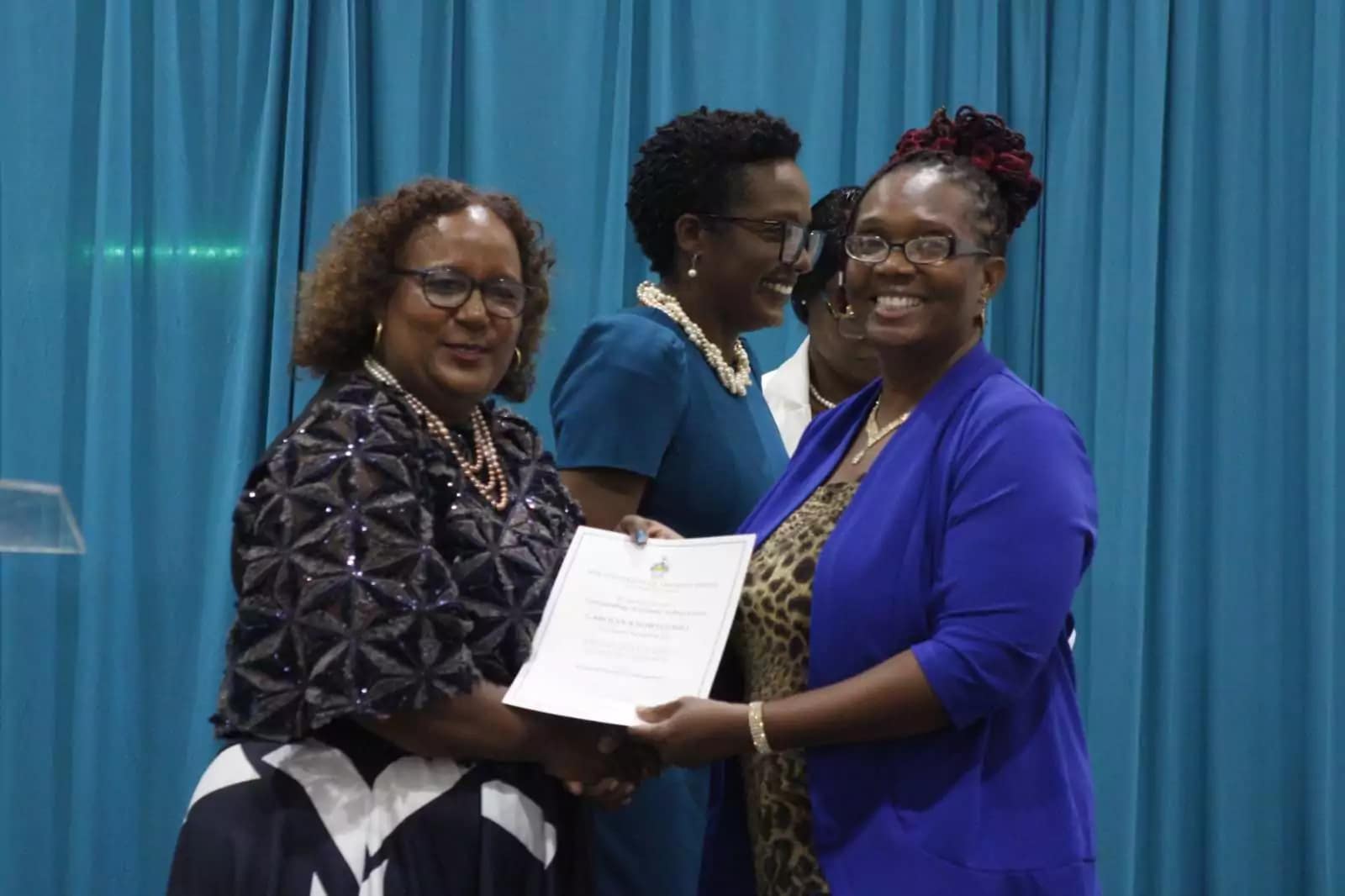
    The University of the West Indies (UWI) Five Islands Campus has recently celebrated the exceptional academic achievements of dozens of high-performing students from the first semester of the 2025–2026 academic year, inducting the standout scholars into two prestigious honorary groups: the campus-wide Honour Roll and the selective Principal’s List.

    Held as a hybrid event that allowed both in-person attendance and remote participation for students, family members, and faculty across different locations, the ceremony featured opening remarks from Dr. Camille Samuel, the campus’ Registrar, who spoke on behalf of Principal Professor Justin Robinson. In her address, Dr. Samuel emphasized that these annual awards are far more than just ceremonial recognition—they are a tangible reflection of the institution’s core institutional commitment to centering student success and implementing rigorous, consistent monitoring of every student’s academic progress throughout their program of study.

    “Tonight, we gather not just to hand out certificates, but to formally acknowledge the hard work, late nights, and relentless dedication that have led you to this level of academic excellence,” Dr. Samuel told the assembled honourees. She went on to outline the campus’ ongoing strategic efforts to boost student retention and lift overall academic performance across all disciplines, noting that these honorary inductions are a key marker of how those investments are paying off for driven students.

    The two honorary tiers carry distinct criteria to recognize different levels of sustained achievement. The Honour Roll is awarded to students who earn exceptionally high grade point averages (GPAs) during the most recent semester, rewarding strong performance in a single academic term. In contrast, the Principal’s List is the campus’ highest undergraduate academic honor, reserved exclusively for students who have maintained top-tier academic results across the entirety of their degree program, rewarding consistent excellence rather than just a single strong term.

    In her closing remarks to the honourees, Dr. Samuel encouraged the recognized students to frame this achievement as a foundational milestone rather than a final career or academic destination. She reminded the emerging scholars that the professional world beyond campus does not reward unfulfilled potential—it rewards consistent, intentional execution of skills and knowledge. She closed by urging all award recipients to leverage their academic training and demonstrated discipline to create meaningful, positive change across their local and regional communities after graduation.