标签: Antigua and Barbuda

安提瓜和巴布达

  • Using Shadow Skills: Enhance Phone Pictures

    Using Shadow Skills: Enhance Phone Pictures

    In an era where smartphone photography has become one of the most ubiquitous daily activities across the globe, the race to produce standout, high-quality images has never been more competitive. While millions of people snap hundreds of photos every day, only a small fraction manage to achieve that striking, professional-level visual impact that sets great images apart. One underrated technique that is transforming smartphone photography from mundane to memorable is the intentional use of shadows, often called “shadow skills” among photography communities. When mastered, this simple tool can turn a basic snapshot into a compelling, layered visual story that captures attention and emotion.

    Many casual photographers view unintended shadows as a flaw that ruins a shot, often associating deep dark patches with gloomy moods or poor lighting. To understand the science behind shadows: they form when an object blocks a source of light, creating a natural contrast between dark and bright areas across the frame. Professional photographers have long recognized that this contrast is not a mistake — it is a powerful creative tool that adds depth, dimension, and structure to an image, much as intentional structure adds elegance to any performance. Shadows help emphasize the shape of subjects and draw out fine details that might otherwise get lost in flat, even lighting. When harnessed correctly, shadow skills can completely transform the mood and impact of any smartphone photograph.

    For mobile photographers looking to master the art of shadow work, there are several accessible techniques that can be implemented immediately to improve results. The first step is seeking out distinctive lighting that creates compelling shadows. Strong, defined shadows require bold, directional light, and one of the best natural sources of this light comes during the so-called “golden hours” just after sunrise and just before sunset. The low angle of the sun during these windows creates long, warm shadows that add unique character and depth to any shot, a trick that professional photographers have relied on for decades. Even indoors or after dark, unique shadow effects can be created using everyday light sources: table lamps, window light, and even streetlights can produce dynamic, one-of-a-kind shadow patterns. The key is to observe how light moves and shifts across your environment throughout the day, and capitalize on moments when shadows look particularly striking.

    A second core technique is using shadow play to direct the viewer’s attention straight to your main subject. Shadows can act as natural frames or visual pathways that guide the eye exactly where you want it to go. For example, the long shadow of a tree branch can curve across the frame to lead a viewer’s gaze directly to a portrait subject, while the parallel lines of shadow from window blinds can draw attention to a small, meaningful detail in a still life. By experimenting with the placement of shadows relative to your subject, you can make your focal point pop against the background far more effectively than many post-processing edits.

    Third, shadows can be used to create striking textures and patterns that elevate simple scenes. Think of the repeating geometric shadows cast by a fence, the dappled pattern of sunlight through tree leaves, or the grid of shadow from a garden lattice across a wall. Adjusting your shooting angle or moving your subject just slightly can reveal entirely new patterns, turning a boring blank wall into a dynamic, eye-catching background. These repeating shadow patterns add visual rhythm and unique texture to your photos that cannot be replicated with digital filters.

    Fourth, intentional shadow placement allows you to create dramatic bold silhouettes that make for incredibly memorable images. To achieve this effect, simply place your subject between your camera and a strong backlight source — such as a window, open sky, or bright artificial light. This will overexpose the background and leave your subject as a dark, defined outline against the bright backdrop. This technique works beautifully for any subject with a clear, recognizable shape, from people and animals to architectural landmarks and natural objects.

    Finally, black-and-white photography is the perfect medium to highlight the beauty of well-crafted shadows. By removing the distraction of color, black-and-white processing forces viewers to focus entirely on the contrast between light and dark, making shadow work the star of the image. Most modern smartphones come with built-in black-and-white filters and editing tools that allow you to convert your shadow-rich shots to monochrome in seconds, amplifying the dramatic effect.

    To help smartphone photographers capture the best possible shadow shots, there are several simple pro tips that require no extra equipment. First, adjust your exposure manually: almost all smartphone camera apps let you tap and slide to adjust brightness, and lowering exposure slightly keeps bright areas from washing out and helps bring out fine details in shadow areas. Second, change your viewpoint: walking around your subject and shooting from different angles can completely alter the shape and impact of shadows, so don’t be afraid to experiment. Third, keep your lens clean: since shadows highlight fine details, a smudged or dirty lens will soften and blur shadow effects, so a quick wipe before shooting goes a long way. Fourth, use editing tools to enhance your work: apps like Snapseed, Adobe Lightroom, or even your phone’s default editor let you boost shadow contrast and clarity to help shadows pop, just be careful not to over-edit and lose important shadow details. Finally, embrace happy accidents: perfectly placed shadows are nice, but unexpected, unusual shadow shapes or patterns are often what turn an ordinary photo into a unique, striking work of art.


  • Miss St. Lucia Crowned Caribbean Queen; Antigua and Barbuda Delivers Strong Showing

    Miss St. Lucia Crowned Caribbean Queen; Antigua and Barbuda Delivers Strong Showing

    The 2026 Miss St. Maarten Carnival Caribbean Queen Pageant brought together some of the most poised, talented delegates from across the Caribbean region this week, for a glittering night of cultural celebration and competition held at St. Maarten’s iconic Carnival Village. Opening under the event’s vibrant theme “Queens of Sun & Sail,” the annual pageant served as a centerpiece highlight of St. Maarten’s widely anticipated yearly Carnival festivities, designed to uplift regional pride and center the unique cultural expressions of each participating Caribbean territory. After a night of spirited performances showcasing each contestant’s talent, grace, and connection to their heritage, the coveted Caribbean Queen crown was awarded to Emerle Tisson, representing the island nation of St. Lucia. Tisson’s standout performance throughout the competition earned her the top spot among a stacked field of regional delegates. Following Tisson in the final rankings, Kentonea Fortin, contestant from Miss St. Eustatius, claimed the title of first runner-up, while Keisy Quant, the home delegate representing host nation St. Maarten, secured the position of second runner-up. Though Miss Antigua and Barbuda’s representative did not earn a placement among the evening’s top three finalists, pageant organizers and audience observers alike praised the contestant for her confident, energetic stage presence. Competing against dozens of skilled regional delegates, the Miss Antigua and Barbuda delegate represented her home island with unwavering poise, leaving a lasting impression on attendees with her committed, memorable performance. The event wrapped up to widespread acclaim, with organizers noting the success of this year’s competition in bringing Caribbean communities together through shared celebration of culture and womanhood.

  • Power Restored to Belmont #3 Feeder Areas After Crash-Related Outage

    Power Restored to Belmont #3 Feeder Areas After Crash-Related Outage

    An unexpected widespread power outage triggered by a vehicular accident that damaged a critical utility infrastructure has been fully resolved, with electricity restored to all affected residential and commercial communities, according to an official update from the Antigua Public Utilities Authority (APUA) Electricity Business Unit.

    The outage originated when the crash compromised a key utility pole, cutting service to all customers connected to the Belmont #3 Feeder. The affected zone spanned a wide geographic area, including segments of All Saints Road west of the local substation, as well as the communities of Briggins, Grays Hill, Whenner Road, Upper Desouza Road, Upper Tindale Road, Belmont, Cashew Hill, Bendals Road, Golden Grove, Nut Grove, Bendals and Bathlodge.

    Almost immediately after receiving reports of the incident, APUA mobilized a team of trained technical crews to the site. The technicians prioritized public safety while carrying out urgent repairs to reverse the damage and bring power back online for impacted users.

    While service has been restored for the vast majority of customers in the affected area, APUA has noted that a small number of users may still experience intermittent power interruptions. Any customer continuing to face service disruptions is encouraged to reach out to the authority’s dedicated fault reporting hotline at 311 to report their issue and request additional assistance.

    In its public statement, the regional utility provider issued a formal apology to all customers inconvenienced by the unplanned outage, and extended gratitude to the community for their understanding and patience during the repair and restoration process.

  • COMMENTARY: Cultivating Community through Art

    COMMENTARY: Cultivating Community through Art

    Art has captivated human imagination for centuries, rooted in a linguistic history stretching back to ancient Rome. The term ‘art’ traces its origins to the Latin word ‘ars’, meaning skill, craft, or creative expression, with its first recorded use appearing in 13th-century European manuscripts. Far more than a niche academic discipline or elite pastime, art is fundamentally a deeply personal reflection of an artist’s perspective, whose meaning is shaped by the unique interpretations of every viewer. This inherent subjectivity is what gives art its enduring intrigue: no two people will ever draw the exact same meaning from a single work, making every encounter with art a new, personal experience. Beyond individual interpretation, art acts as a powerful cross-cultural bridge, capable of connecting people across generations, ethnic divides, and different religious backgrounds. When interpreted within its proper cultural context, art fosters shared dialogue rather than division, embodying a natural neutrality that transcends social and political boundaries.

    In recent decades, education leaders have increasingly recognized art’s transformative role in holistic learning, moving beyond outdated models that framed art as an extracurricular afterthought. The integration of art into core curricula through initiatives like STEAM (Science, Technology, Engineering, the Arts, and Mathematics) education has redefined how students learn, turning creative expression into a tool to drive inquiry, critical thinking, and cross-disciplinary problem-solving. Research and educational practice have shown that this interdisciplinary approach boosts reading proficiency and sharpens cognitive acuity, benefiting students across all subject areas, not just creative pursuits. The United Nations Educational, Scientific and Cultural Organization (UNESCO) reinforces this perspective, noting that art nurtures global creativity, innovation, and cultural diversity, while acting as a catalyst for knowledge sharing, curiosity, and open dialogue. To protect these inherent benefits, UNESCO emphasizes that societies must actively promote and defend artistic freedom; when artists are able to create without constraint, art becomes a foundational building block for more free, peaceful, and inclusive global communities.

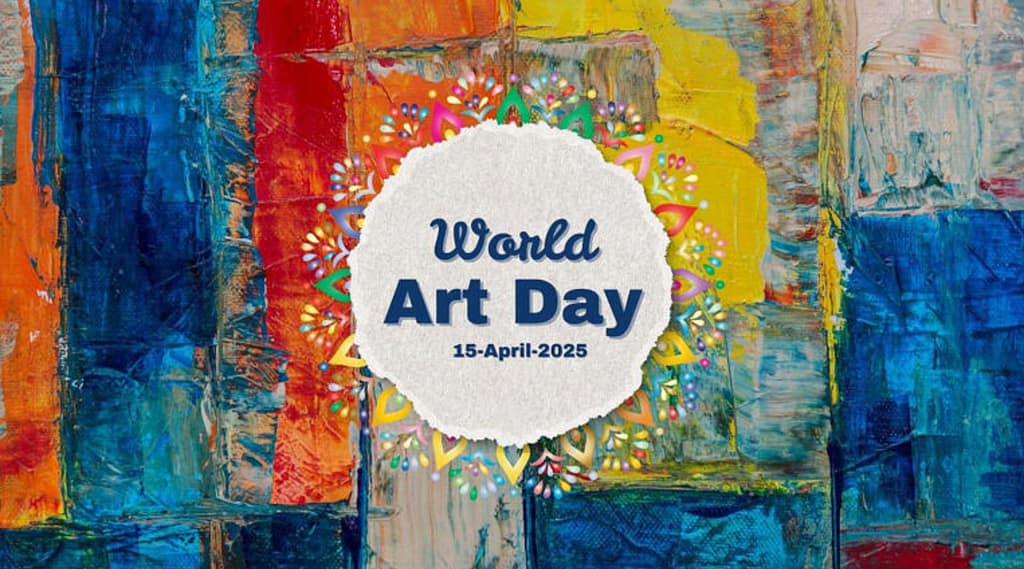
    In 2019, UNESCO formalized this global commitment to art by proclaiming April 15 as World Art Day, a global observance designed to celebrate artistic creation, expand access to creative expression, and strengthen the ties between art and society. The date of April 15 was intentionally selected to honor Leonardo da Vinci, one of history’s most iconic creative visionaries, who remains a global symbol of freedom of expression, tolerance, and universal brotherhood. Each year, the observance highlights artists’ indispensable contributions to sustainable development, raises awareness of the diversity of global artistic expressions, and spotlights the critical role of arts education in building inclusive, equitable school systems. For 2026, World Art Day has adopted the theme “A Garden of Expression: Cultivating Community Through Art”, which frames art as a collective, growing practice: just as a garden flourishes when tended by a whole community, art thrives when it is shared and nurtured collectively, fostering connection, unity, and shared cultural belonging among groups of people with common purpose.

    Celebrating World Art Day is accessible to everyone, regardless of whether one identifies as a professional artist or a casual art enthusiast. One of the most common ways to mark the day is to visit local art exhibitions or museums, many of which host special themed events or offer discounted admission to welcome new audiences. For those inclined toward hands-on participation, World Art Day is the perfect opportunity to explore personal creativity, whether that means experimenting with painting, drawing, sculpture, photography, or any other medium that sparks curiosity. Even first-time creators often find the process of making art to be deeply fulfilling, as iconic American artist Georgia O’Keeffe once captured: “I found I could say things with color and shapes that I couldn’t say any other way – things I had no words for.” For those looking to learn and connect, local art studios and community centers frequently host special workshops and classes for World Art Day, giving attendees the chance to build new creative skills, refine existing techniques, and build connections with other creators in their local area.

    As societies continue to grapple with division and polarization, the case for greater public investment in art and arts education grows ever stronger. When we prioritize art—whether in our schools, our communities, or our public policy—we don’t just support creators; we nurture the qualities that help peaceful, free societies flourish: curiosity, creativity, dialogue, and belonging.

  • Latest Voter ID Replacement Update

    Latest Voter ID Replacement Update

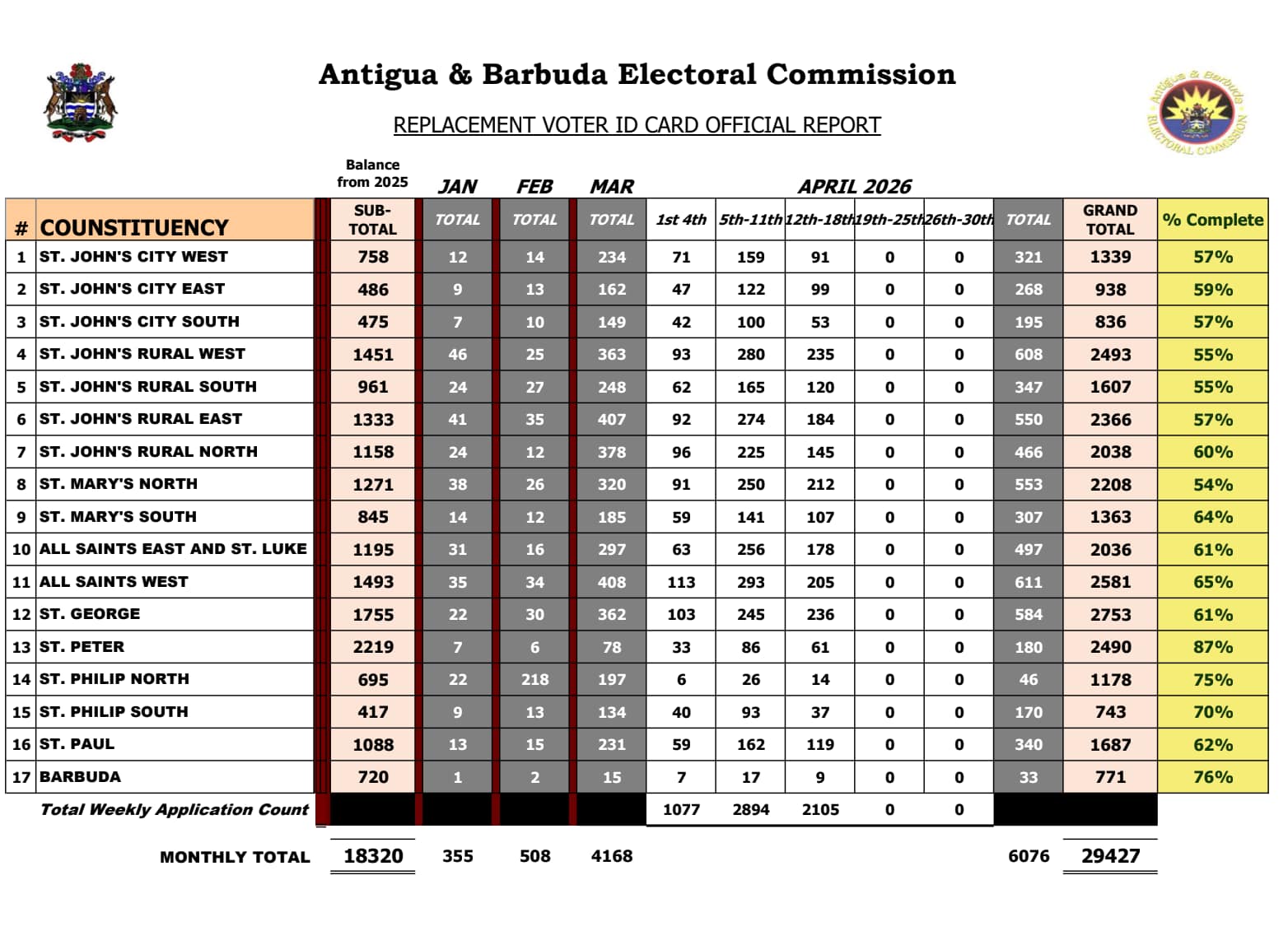
    The Electoral Commission of Antigua & Barbuda has released its latest official progress update for April 2026, confirming that more than half of all eligible voters across the country have successfully finished replacing their outdated voter identification cards. The ongoing national card replacement initiative, a key preparatory step for upcoming electoral processes, shows uneven but broadly steady progress across the country’s 17 parliamentary constituencies, with completion rates ranging from just over the 50% threshold to a high of 87% in the northern parish of St Peter.

    To date, the commission has processed a cumulative total of 29,427 replacement applications, with 6,076 of those requests completed in the month of April alone. Breaking down weekly activity for the period 12 to 18 April, the body recorded 2,105 finalized replacement applications, with most of the week’s work concentrated in the first three working days. Daily data shows that April 13 saw the highest volume of processed applications, at 793, followed by 605 completed requests on April 14 and 501 on April 15. No application processing activity was documented from April 16 through 18, consistent with standard public service operational schedules in the country. Alongside the replacement of existing voter cards, the commission also accepted and processed 257 applications from first-time eligible voters seeking to register on the national electoral roll during that same seven-day window.

    Beyond the parish-level standings, the weekly data reveals particularly strong engagement across both urban and rural constituencies located within the St John’s electoral district. Two constituencies in the area, St John’s Rural West and All Saints West, posted some of the highest weekly application processing totals nationwide, outperforming many other regions. At the lower end of the completion spectrum, two constituencies — St Mary’s North and St John’s Rural West — sit just above the 50% mark, with 54% and 55% of eligible voters having completed the replacement process respectively. After St Peter’s leading 87% completion rate, the island of Barbuda ranks second at 76%, followed closely by St Philip North at 75%. Most constituencies have now crossed the 55% completion threshold, marking consistent forward momentum for the national initiative.

    Electoral officials have not yet announced a formal final deadline for the card replacement process, but they continue to actively urge all eligible voters to complete their applications as soon as possible. The program is gradually moving toward full national coverage, with officials working to expand outreach and processing capacity to bring remaining unregistered eligible voters into the system ahead of any upcoming electoral events.

  • Nibbs Calls for ‘Change’ in Barbuda, Backs Beezer with Development Agenda

    Nibbs Calls for ‘Change’ in Barbuda, Backs Beezer with Development Agenda

    Against the backdrop of longstanding calls for renewed infrastructure, economic diversification and improved quality of life on the Caribbean island of Barbuda, a leading political figure has thrown his weight behind a bold new development agenda, pushing for urgent systemic shifts that address the unique challenges facing the island’s community.

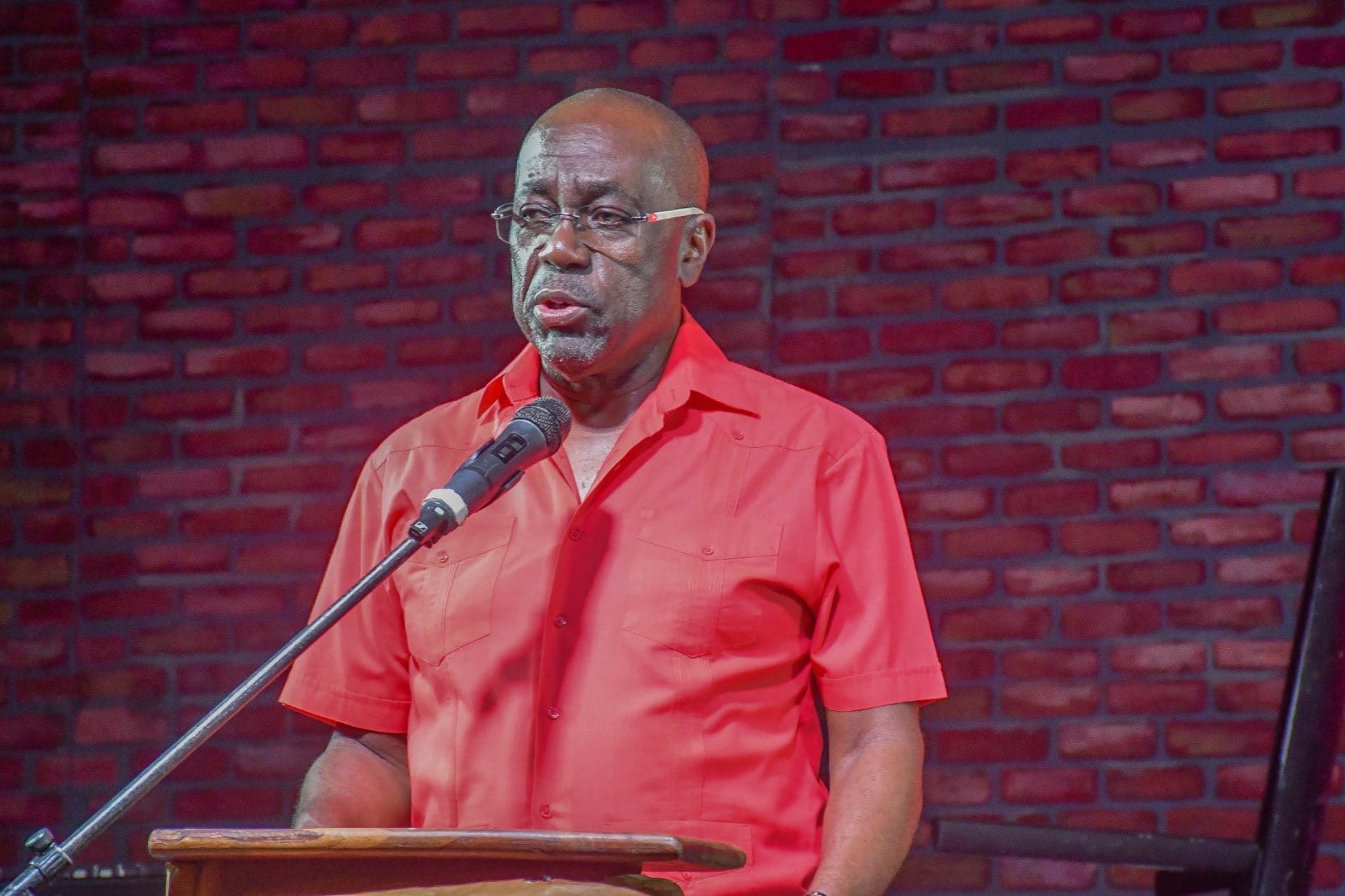
    Trevor Nibbs, a prominent voice in Barbuda’s local governance and political discourse, has publicly declared that incremental adjustments to the island’s current development framework are no longer sufficient. In a recent address to community stakeholders and political observers, Nibbs emphasized that Barbuda requires sweeping, meaningful change to unlock its full economic potential, recover more fully from past climate shocks, and deliver equitable opportunities for all residents, particularly young people who have faced growing rates of outmigration in search of better prospects.

    Central to Nibbs’ push for reform is his full endorsement of the development agenda put forward by candidate Knacyntar “Beezer” Nedd. Nibbs highlighted that Beezer’s plan prioritizes targeted investments in climate-resilient infrastructure, sustainable tourism development that centers local ownership, expanded access to affordable healthcare and education, and support for small businesses rooted in Barbuda’s traditional industries such as fishing and agriculture.

    For many years, Barbuda has grappled with systemic challenges that have slowed its progress. The island suffered catastrophic damage from Hurricane Irma in 2017, and many residents have voiced frustration over the slow pace of reconstruction and uneven distribution of recovery funds. Additionally, debates over land use and large-scale development projects have created divisions within the community, with many locals pushing for a model that prioritizes community benefit over outside corporate interests.

    Nibbs argued that Beezer’s development framework directly addresses these community concerns, outlining a clear path that balances sustainable growth with protection of Barbuda’s unique natural environment and cultural heritage. He noted that the agenda prioritizes community-led decision-making, ensuring that Barbudans retain control over their island’s future rather than ceding influence to external actors.

    In closing, Nibbs called on all Barbudans to unite behind the push for change, arguing that a united front is necessary to overcome the political and economic obstacles that have held the island back for decades. He stressed that the upcoming political process represents a critical turning point for Barbuda, and that embracing Beezer’s development agenda will set the island on a path toward long-term prosperity and equity.

  • Roofing Advances as Antigua Cruise Port Upland Development Takes Shape

    Roofing Advances as Antigua Cruise Port Upland Development Takes Shape

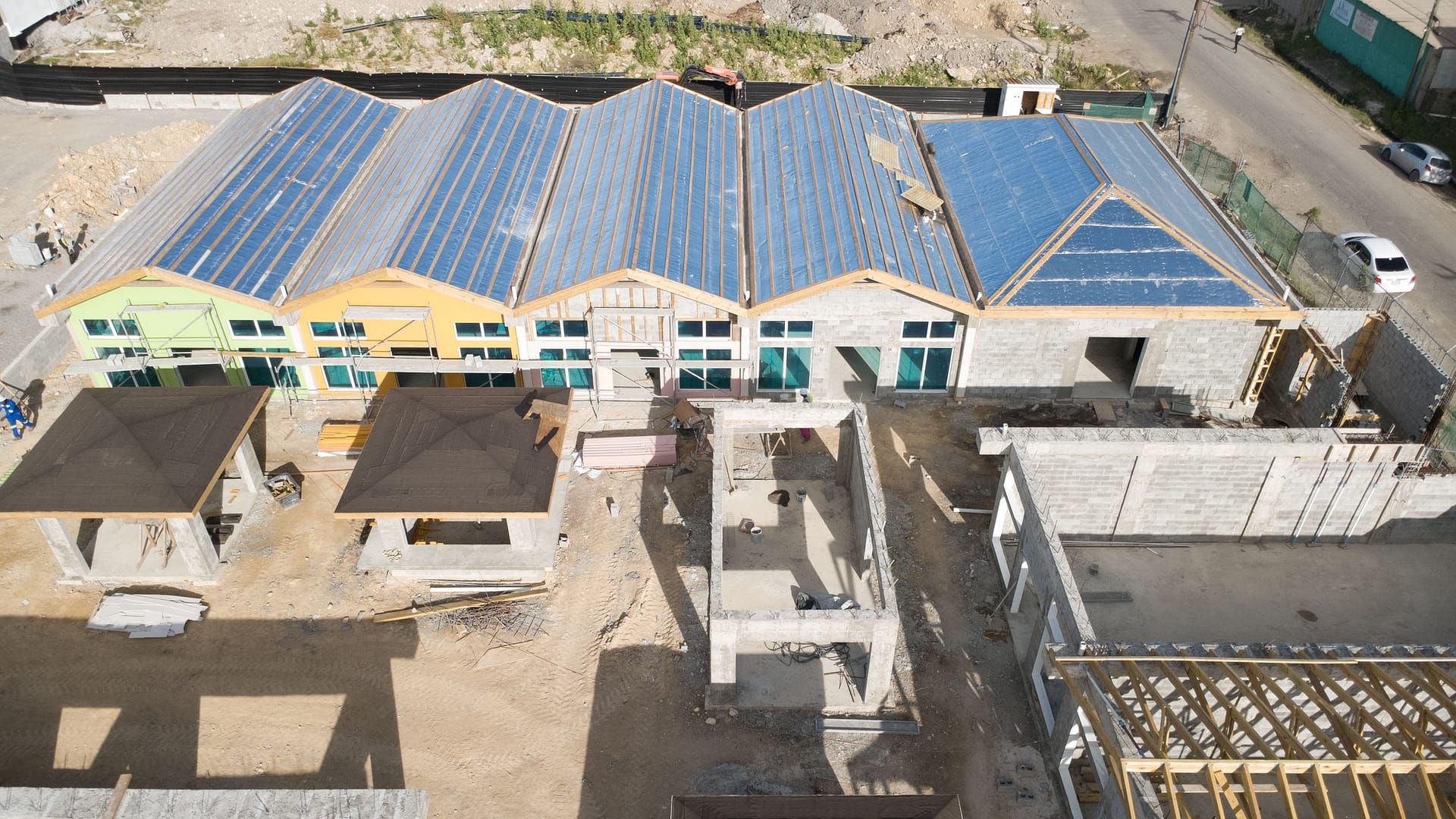
    Construction work on the ambitious upland expansion project at Antigua Cruise Port has crossed a key threshold, moving into advanced stages that are already reshaping the site’s physical landscape for visitors and stakeholders alike. As roofing operations across multiple new structures progress steadily, the development has entered a visible new phase that brings the project’s long-term vision closer to completion.

    Developers working on the initiative have begun applying vibrant, Caribbean-inspired paint palettes to the exterior walls of what will soon become new retail outlets and entertainment venues. This design choice is more than cosmetic: it is intended to carve out a distinct, energetic visual identity for the expanded precinct, weaving the region’s cultural and natural character into the built environment itself to reflect the destination’s unique appeal.

    Leading the on-site construction push is local team LICCOM, which continues to hit critical project milestones ahead. Alongside ongoing roofing work across the development’s core structures, crews are also making steady progress on one of the project’s most anticipated amenities: the Day Club pool, a recreational feature expected to draw significant visitor interest once the port opens to expanded operations.

    The entire upland development is a core component of a broader overhaul of Antigua Cruise Port led by Global Ports Holding, the global port infrastructure operator. The overarching goal of the upgrade is to elevate the overall visitor experience at the facility, transforming it from a simple transit point into a dynamic, multifaceted hub that delivers value both to the hundreds of thousands of cruise passengers that pass through each year and to local businesses operating in and around the port.

    Project stakeholders say the recent, visible progress—shifting the build from behind-the-scenes structural work to public-facing finishing touches—serves as a clear signal that the next chapter of Antigua Cruise Port’s transformation is now within sight, with the project remaining on track to deliver its promised upgrades to the Caribbean’s cruise sector.

  • Greene Defends Road Programme, Says Works in St. Paul’s Are Planned, Not Rushed

    Greene Defends Road Programme, Says Works in St. Paul’s Are Planned, Not Rushed

    Amid growing resident speculation that current road construction projects across St. Paul’s constituency are a rushed pre-election publicity push, Antiguan cabinet minister E. P. Chet Greene has pushed back against these claims, framing the ongoing works as a carefully designed, multi-year long-term infrastructure improvement strategy for the region and the entire country.

    Greene addressed constituent concerns directly during a recent community meeting, where local residents had raised questions about project timing, construction quality, funding transparency, and public safety alongside existing poor road conditions in some neighborhoods. Rejecting outright assertions that crews were rushing work to beat a potential election timeline, he emphasized that the entire programme follows a structured, phased rollout that has been in motion across Antigua for nearly two years.

    “This is not a rush job to check boxes ahead of a vote — we are rolling out projects according to a pre-set plan,” Greene explained. “Major improvements to the country’s core transportation network have been ongoing across the entire nation for the past 24 months, ranging from full upgrades of primary highways to critical arterial routes that connect communities and facilitate commerce.”

    The centerpiece of the current work phase in St. Paul’s is the long-awaited rehabilitation of All Saints Road, a project that Greene says will deliver transformative improvements to regional transportation connectivity. He confirmed that construction has already begun on the high-demand route, noting that the programme extends far beyond major thoroughfares to include incremental upgrades to secondary feeder roads and smaller neighborhood routes. These secondary upgrades are targeted at boosting access for both local residents and small businesses that rely on passable infrastructure for daily operations.

    To address constituent worries over the allocation and use of public funding for the projects, Greene offered explicit reassurance that all resources budgeted for roadworks are being dedicated exclusively to infrastructure development. “The money appropriated for this programme is going directly to fixing roads,” he said, confirming that long-term financing structures are already in place to support continued, incremental improvements across the constituency in coming years.

    In response to resident concerns about persistent poor road conditions and public safety hazards in under-upkept areas, Greene noted that the government’s approach prioritizes long-lasting, durable solutions over quick, low-quality fixes. To extend the functional lifespan of new and reconstructed roads, the ministry is utilizing more resilient, weather-resistant construction materials that can withstand heavy use and local climate conditions. He also called on local community members to partner with the government in preserving new infrastructure, urging residents to avoid actions that could cause premature damage to freshly completed road surfaces.

    Greene wrapped up his remarks by reaffirming that the St. Paul’s road programme forms one core pillar of a broader regional development agenda. He stressed that reliable, well-maintained transportation infrastructure is a foundational requirement for supporting sustained economic activity and improving quality of life for all residents of the constituency.

  • Three Writers from Antigua and Barbuda Named to 2026 Commonwealth Short Story Prize Longlist

    Three Writers from Antigua and Barbuda Named to 2026 Commonwealth Short Story Prize Longlist

    In a landmark moment for Caribbean literary talent, three writers from the twin-island nation of Antigua and Barbuda have secured a place on the longlist for the 2026 Commonwealth Short Story Prize, earning international recognition among the most promising emerging literary voices across the 56-nation Commonwealth bloc.

    The Commonwealth Foundation, the organization that stewards the prestigious annual award, publicly revealed the full longlist on April 14. This year’s competition drew a staggering 7,806 submissions from writers across all Commonwealth member states, making the cut to the longlist a rare and high-accomplishment milestone. Only under 200 entries advanced to this stage of the selection process, turning the longlist inclusion itself into a mark of exceptional creative achievement.

    The Antigua and Barbuda representatives joining the longlist are Ulah Wijnaldum, selected for his work *“A Story of Love and Betrayal,”* Jonella B. Solliegne, recognized for *“Under the Silk Cotton Tree,”* and Lester Simon, whose submission *“Viola Pan”* earned him a spot. While none of the longlisted stories will be published as part of the prize program, the Commonwealth Foundation has framed the three selected creators as “voices to watch” in the global literary landscape in the coming years.

    Established to elevate unrecognized creative talent, the Commonwealth Short Story Prize stands as one of the world’s most prestigious awards for unpublished short fiction. It attracts submissions from five global regions: Africa, Asia, the Caribbean, Europe, and the Pacific, serving as a critical launchpad for emerging writers. The longlist stage has long functioned as an early indicator of rising creative talent, often unlocking new regional and global opportunities for writers at every phase of their professional careers.

    For Antigua and Barbuda, the placement of three local writers on the longlist underscores the nation’s consistent, growing presence in global and regional literary spaces. It reflects the expanding body of dynamic creative work that continues to emerge from the small twin-island state, cementing its reputation as a source of compelling Caribbean storytelling.

    In the coming months, the competition will move to its next phase: the shortlist of finalists is set to be announced later this year, followed by the reveal of overall and regional award winners. The global literary community will now turn its attention to this next stage, watching closely to see if any of Antigua and Barbuda’s longlisted writers advance to compete for the top prize.

  • Cricket West Indies Plans Partnership to Grow T20 League in Canada

    Cricket West Indies Plans Partnership to Grow T20 League in Canada

    Cricket’s global reach continues to expand beyond its traditional strongholds, and the latest development comes from Cricket West Indies (CWI), which has announced a proactive plan to forge a new partnership aimed at growing the popularity and scale of T20 cricket leagues in Canada. The move marks a key strategic step for CWI as it taps into the fast-growing North American cricket market, where the shorter, high-energy T20 format has gained increasing traction among diverse fan bases over the past decade.

    Canada, home to a large and passionate diaspora of cricket fans from South Asia, the Caribbean, and other cricket-loving regions, has emerged as an untapped opportunity for professional T20 competition. CWI officials note that existing domestic T20 competitions in Canada have yet to reach their full commercial and audience potential, hampered by limited infrastructure investment, broadcast reach, and high-profile player participation. By leveraging CWI’s decades of experience in organizing world-class T20 events and its deep network of top-tier cricket talent, the planned partnership aims to address these gaps.

    The partnership is expected to bring multiple benefits to the Canadian cricket ecosystem. It will facilitate knowledge sharing between Caribbean and Canadian cricket administrators, help secure sponsorship and broadcast deals to increase the league’s visibility, and create pathways for young Canadian players to train and compete alongside experienced international professionals. CWI’s leadership also emphasized that the initiative aligns with global cricket’s push to grow the sport ahead of the 2024 T20 World Cup and cricket’s return to the Olympic Games in 2028, which will be hosted in Los Angeles, just south of the Canadian border.

    Industry analysts point out that this move fits into a broader trend of established cricket governing bodies from traditional cricketing nations investing in North American markets. With growing interest from global sports media and commercial sponsors in expanding cricket into new regions, the CWI-Canada partnership could serve as a model for future growth initiatives across North America.