标签: Antigua and Barbuda

安提瓜和巴布达

  • BREAKING: Joel Rayne to Be Sworn In as Junior Minister,  Tiffany Strann-Peters Joins Senate

    BREAKING: Joel Rayne to Be Sworn In as Junior Minister, Tiffany Strann-Peters Joins Senate

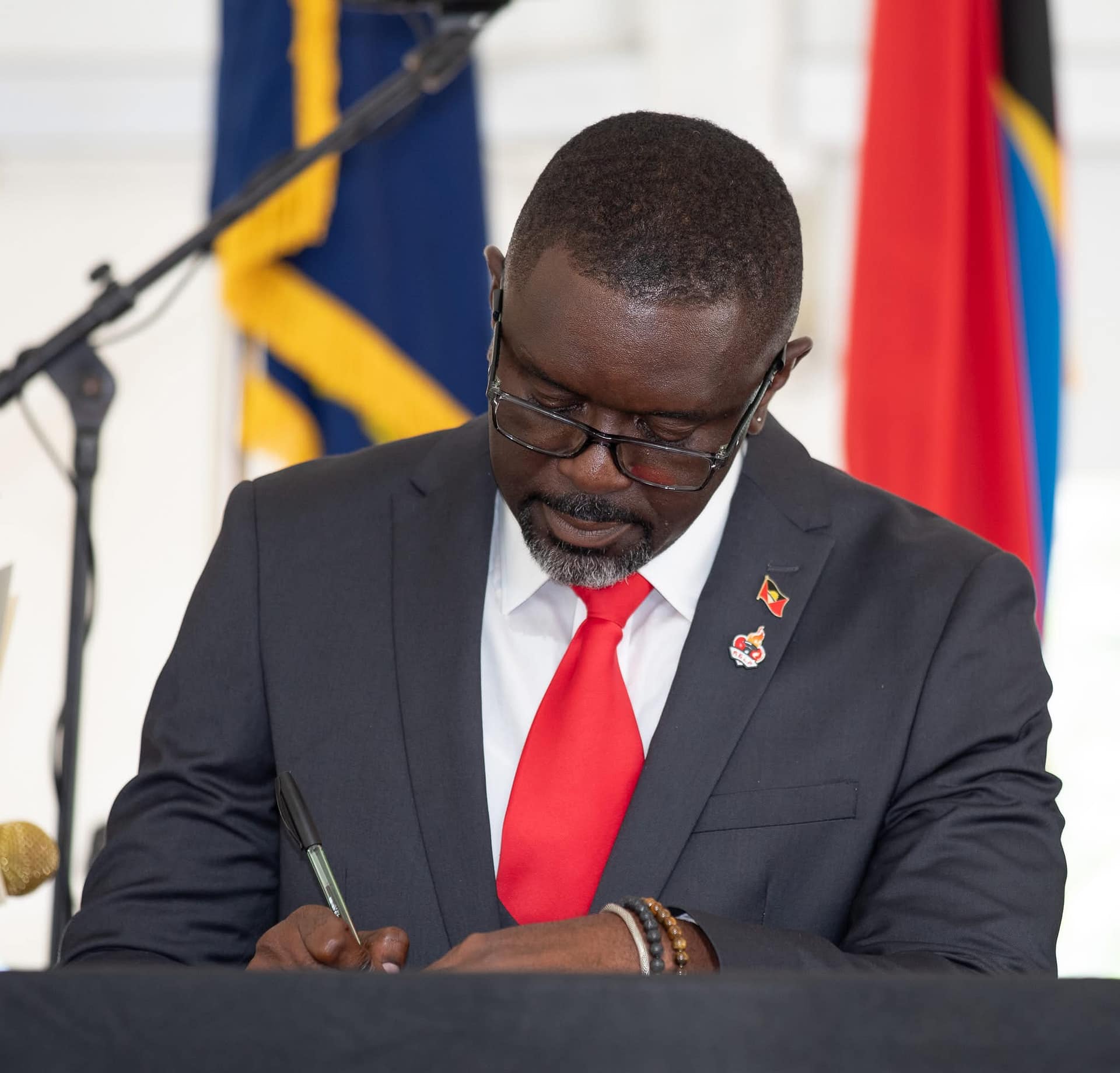
    In a last-minute political development that reshapes the country’s current legislative and executive landscape, two public figures have secured key positions in the nation’s government, multiple official sources confirmed early Thursday. Joel Rayne, a veteran policy advisor with more than 15 years of experience in public service, is set to be formally sworn in as the nation’s newest Junior Minister in the coming days. Meanwhile, Tiffany Strann-Peters, a former community organizer and local government leader, will take up an open seat in the national Senate.

    The open Senate seat was vacated earlier this month following the unexpected retirement of long-serving Senator Michael Hale, who stepped down citing long-term personal health concerns that have kept him from participating in key legislative votes over the past three months. Strann-Peters was selected by the ruling party’s internal nominating committee to fill the remaining 18 months of Hale’s term, after a week of closed-door deliberations that drew input from regional party leaders across the country. A formal swearing-in ceremony for both new office holders is scheduled to take place at the country’s capitol building next Monday, according to an official statement released by the Prime Minister’s office Wednesday evening.

    Political analysts note that Rayne’s appointment fills a months-long vacancy in the Junior Minister post at the Department of Housing and Urban Development, which has been operating without a permanent second-in-command since the previous office holder resigned to take a private sector role in March. Rayne, who has previously led multiple working groups on affordable housing policy, is expected to push forward the ruling administration’s signature plan to build 100,000 new affordable housing units across the country by 2027. For Strann-Peters, her appointment gives the ruling party an additional vote in the evenly divided Senate, where control has been split 50-50 between the ruling and opposition blocs for the past two years. That shift gives the ruling party a narrow functional majority to advance their legislative agenda, including a planned infrastructure investment bill and changes to national healthcare policy that have been stalled since last year.

    Opposition leaders have already issued brief statements acknowledging the new appointments, with the opposition Senate leader noting that they look forward to working with both Strann-Peters and Rayne on bipartisan issues that impact all constituents, while also signaling that they will challenge any policy proposals that conflict with the opposition’s core priorities. Public reaction to the announcement has been mixed, with ruling party supporters praising both picks as experienced, committed public servants, while independent observers have noted that the shift in Senate balance will likely lead to more partisan friction in the coming months as national elections approach in 2025.
  • Canadian Drug Accused Complains of Bed Bugs at His Majesty’s Prison

    Canadian Drug Accused Complains of Bed Bugs at His Majesty’s Prison

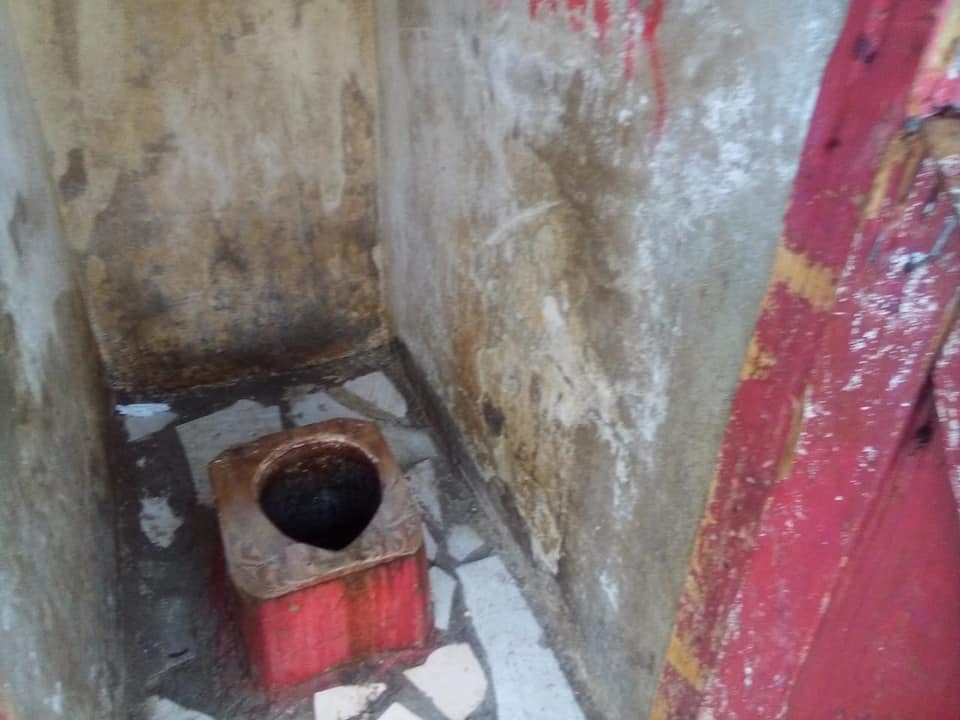
    A high-stakes court appearance in Grenada took an unexpected turn Wednesday, when a Canadian national accused of smuggling hundreds of thousands of Eastern Caribbean dollars worth of cannabis used his time before the judge to highlight a pressing, unsanitary issue in the country’s main correctional facility: a widespread bed bug infestation at His Majesty’s Prison.

    Twenty-three-year-old Semand Vivan Shammo Aljndo has remained in pre-trial remand at the facility since March, after courts ruled he posed a significant flight risk ahead of his trial. During his latest scheduled court hearing, Aljndo chose to bypass standard legal procedure and directly raise his complaints about the parasitic infestation to the sitting judge, formally requesting an immediate transfer to a different holding cell away from the bed bug outbreak.

    In response to the defendant’s direct appeal, the judge directed Aljndo to coordinate the request through his appointed legal defense counsel, attorney Michael Archibald, to move the transfer request through official administrative channels at the prison. The case of the drug importation charge remains ongoing, with no updates yet on whether Aljndo’s request for a new cell will be approved by prison officials.

  • Bush fire reported along Utility Drive near car dealership

    Bush fire reported along Utility Drive near car dealership

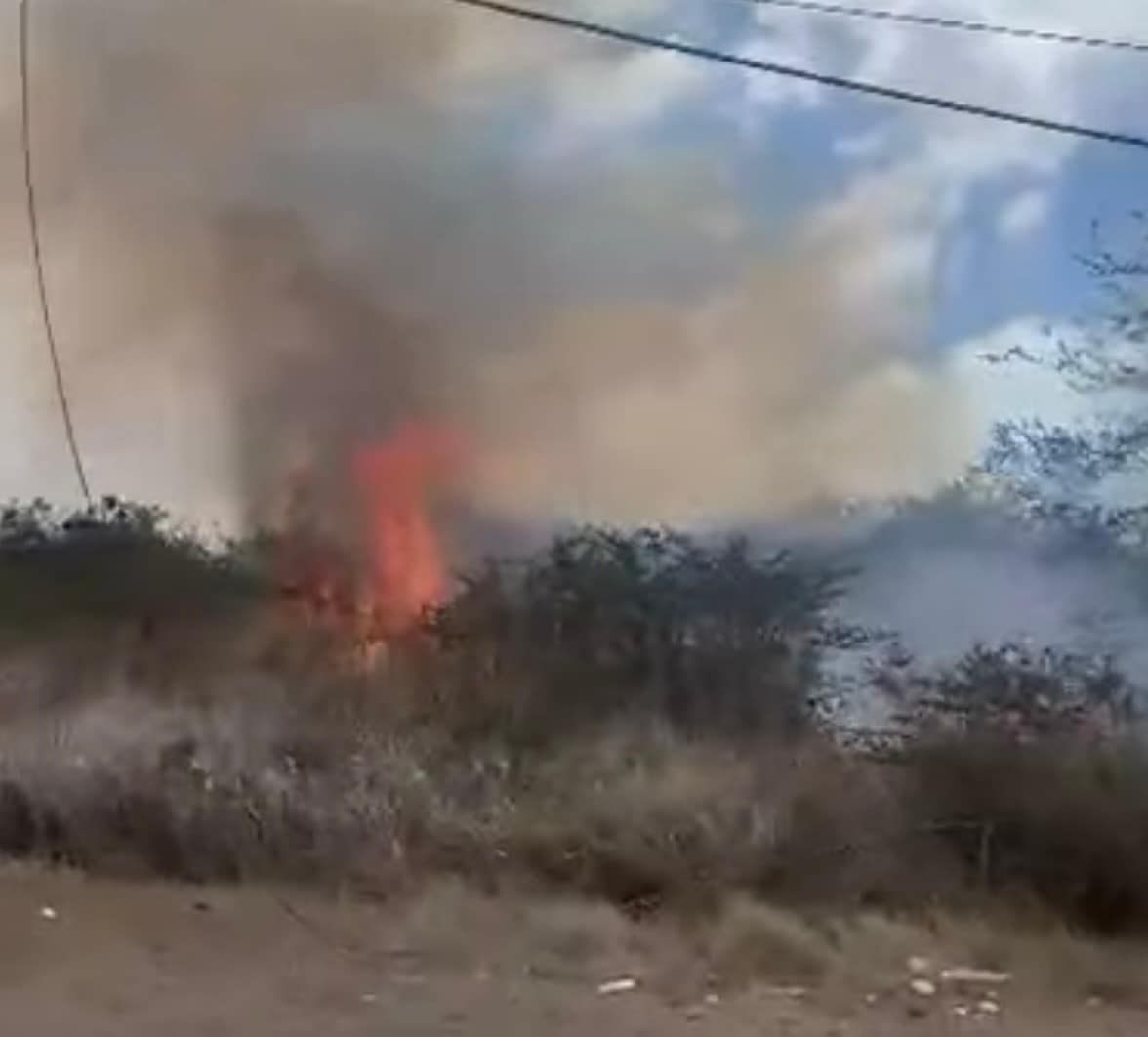
    A fresh uncontrolled bush fire erupted along Utility Drive in Antigua on Tuesday, billowing thick columns of dark smoke into the sky that were visible for miles across the surrounding area, triggering immediate alarm from local residents and passing drivers. As of press time, emergency officials had not yet released full details on the size of the blaze or confirmed whether any residential properties, public facilities, or critical infrastructure were in the fire’s active path or at imminent risk of damage. Local emergency management teams have been deployed to contain the spread of the fire, which continues to burn across unmanaged bushland in the area as crews work to gain control of the blaze. For the past several weeks, Antigua has faced a elevated risk of fast-moving wildfires, with sustained dry conditions and frequent strong gusty winds creating the perfect kindling that has already sparked multiple large grass and bush fires across the island. In an official advisory, authorities have urged all residents living near the Utility Drive area and motorists traveling along nearby routes to remain extra vigilant, avoid unnecessary travel near the fire zone, and follow any emergency instructions issued by first responders. Conditions remain dynamic, with updates on containment and threat levels expected to be released as more information becomes available.

  • NSWMA Mourns Death of Worker Okeen Lightfoot Following Road Tragedy

    NSWMA Mourns Death of Worker Okeen Lightfoot Following Road Tragedy

    The National Solid Waste Management Authority (NSWMA) is in mourning this week after one of its frontline workers, Okeen Lightfoot, lost his life in a devastating traffic accident that unfolded on All Saints Road Tuesday morning. The dedicated sanitation employee was struck by a passing motor vehicle while he was completing his routine roadside work duties, leaving a community of colleagues and local residents reeling from the sudden loss.

    Within hours of the incident, NSWMA issued an official condolence statement honoring Lightfoot’s service and remembering his time with the agency. “We extend our deepest heartfelt condolences on the tragic passing of our colleague, Okeen Lightfoot,” the organization wrote in the release. “All of our prayers and thoughts are with his family, friends, and fellow teammates during this unimaginably difficult time.”

    The tragedy has sent shockwaves through both the NSWMA workforce and the broader local community. Longstanding concerns over the safety of roadside employees, who often work close to moving traffic to keep public spaces clean and functional, have been reignited in the wake of Lightfoot’s death. Many safety advocates and community members are now reiterating urgent calls for all motorists to exercise increased care and attention when traveling near zones where workers are operating along roadways.

    Earlier on the same day of the accident, Jamaica’s Health Minister Michael Joseph traveled to the site of the collision to assess the situation. During his visit, the minister echoed the growing calls for heightened road vigilance, urging all drivers across the country to embrace greater responsibility behind the wheel to prevent similar preventable tragedies from occurring in the future.

  • Antigua Cruise Port Highlights Progress on Waterfront Upland Development

    Antigua Cruise Port Highlights Progress on Waterfront Upland Development

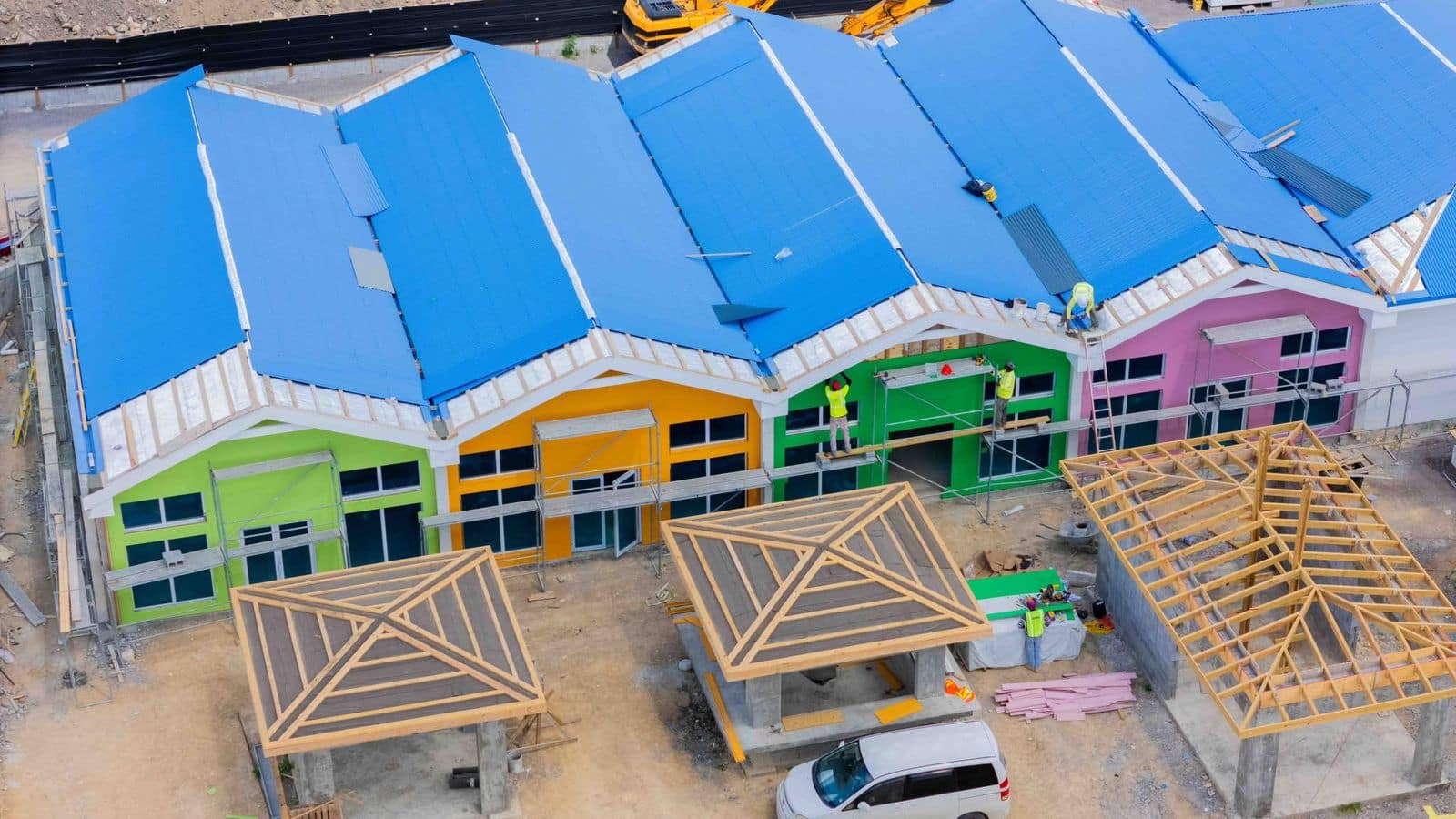
    Antigua Cruise Port has dropped a fresh progress update for its transformative waterfront upland development project at St. John’s Harbour, offering the public a bird’s-eye view of ongoing construction via newly published aerial drone imagery. The visual update confirms that major works at the site are advancing according to schedule, with preparations now underway for a key ancillary component of the larger scheme: an expanded vehicle parking zone. The proposed additional parking lot has already been demarcated with perimeter fencing, and preliminary site clearing has been completed to make way for full construction work to begin. Project leaders anticipate that the expanded parking capacity will cut down on congestion and boost overall accessibility, delivering greater convenience for both local Antiguans going about their daily lives in the area and the thousands of cruise tourists that visit the port each year. In a public statement shared alongside the new imagery, Antigua Cruise Port emphasized that the broader waterfront transformation initiative is designed to deliver far more than just infrastructure upgrades. The organization says the end goal is to craft completely new visitor experiences, expand usable public green and gathering spaces, and cultivate a completely reimagined, vibrant waterfront atmosphere that will serve as a new landmark for St. John’s. This ongoing waterfront development is not an isolated project: it forms a core part of a wider, multi-million dollar portfolio of port and tourism infrastructure upgrades being rolled out across Antigua by Global Ports Holding, operating through its local subsidiary Antigua Cruise Port. The larger upgrade program is aimed at boosting Antigua’s competitiveness as a top Caribbean cruise destination, supporting long-term growth in the island nation’s key tourism sector and creating new economic opportunities for local communities.

  • SLBMC Welcomes ABCAS Interns Across Multiple Departments

    SLBMC Welcomes ABCAS Interns Across Multiple Departments

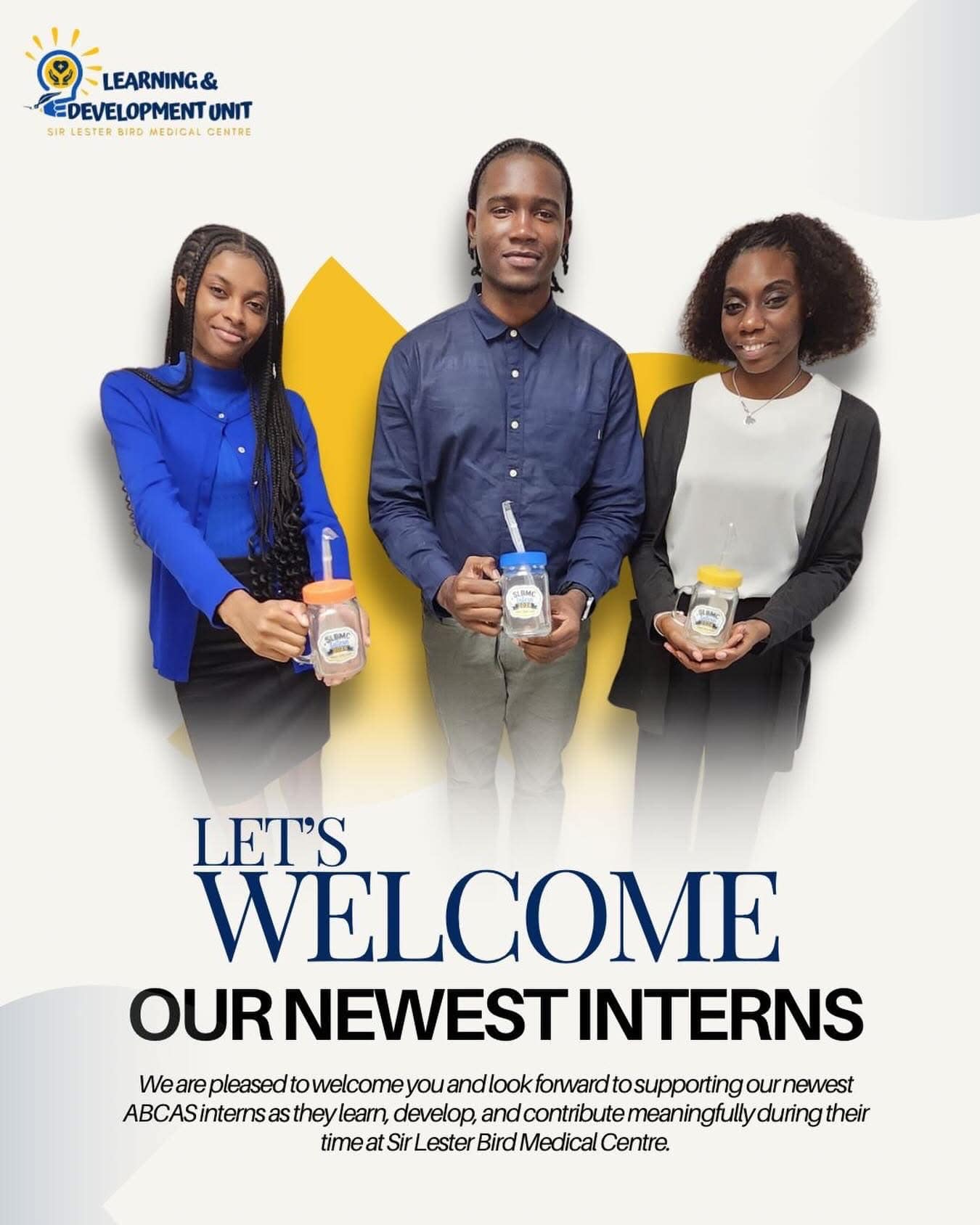
    A new cohort of aspiring healthcare workers has begun their professional training at Antigua and Barbuda’s Sir Lester Bird Medical Centre (SLBMC), through a collaborative internship initiative with the Antigua and Barbuda College of Advanced Studies (ABCAS). Hospital leaders have framed the program as a strategic investment in the future of local healthcare, designed to bridge the gap between academic learning and on-the-job clinical practice.

    Unlike traditional classroom-based education, the internship offers students unmatched hands-on experience in a real hospital setting, while also letting them make tangible contributions to patient care and daily hospital operations. In an official announcement shared by the medical center, representatives noted that this program marks the start of a transformative journey for the young trainees, one where academic knowledge directly translates to meaningful impact for patients and the broader healthcare system.

    Oversight of the internship will be handled entirely by SLBMC’s in-house Learning and Development Unit, which will organize structured mentorship, personalized guidance, and regular professional development sessions throughout the full duration of the traineeship. Hospital officials emphasized that the core mission of the partnership extends far beyond simple workplace exposure: it is intentionally crafted to equip emerging professionals with the practical skills, clinical confidence, and professional networks they need to build long-term careers in healthcare, while building a pipeline of skilled talent for the island nation’s healthcare sector long into the future.

  • US Asking Antigua and Barbuda to Accept More Refugees and Deportees

    US Asking Antigua and Barbuda to Accept More Refugees and Deportees

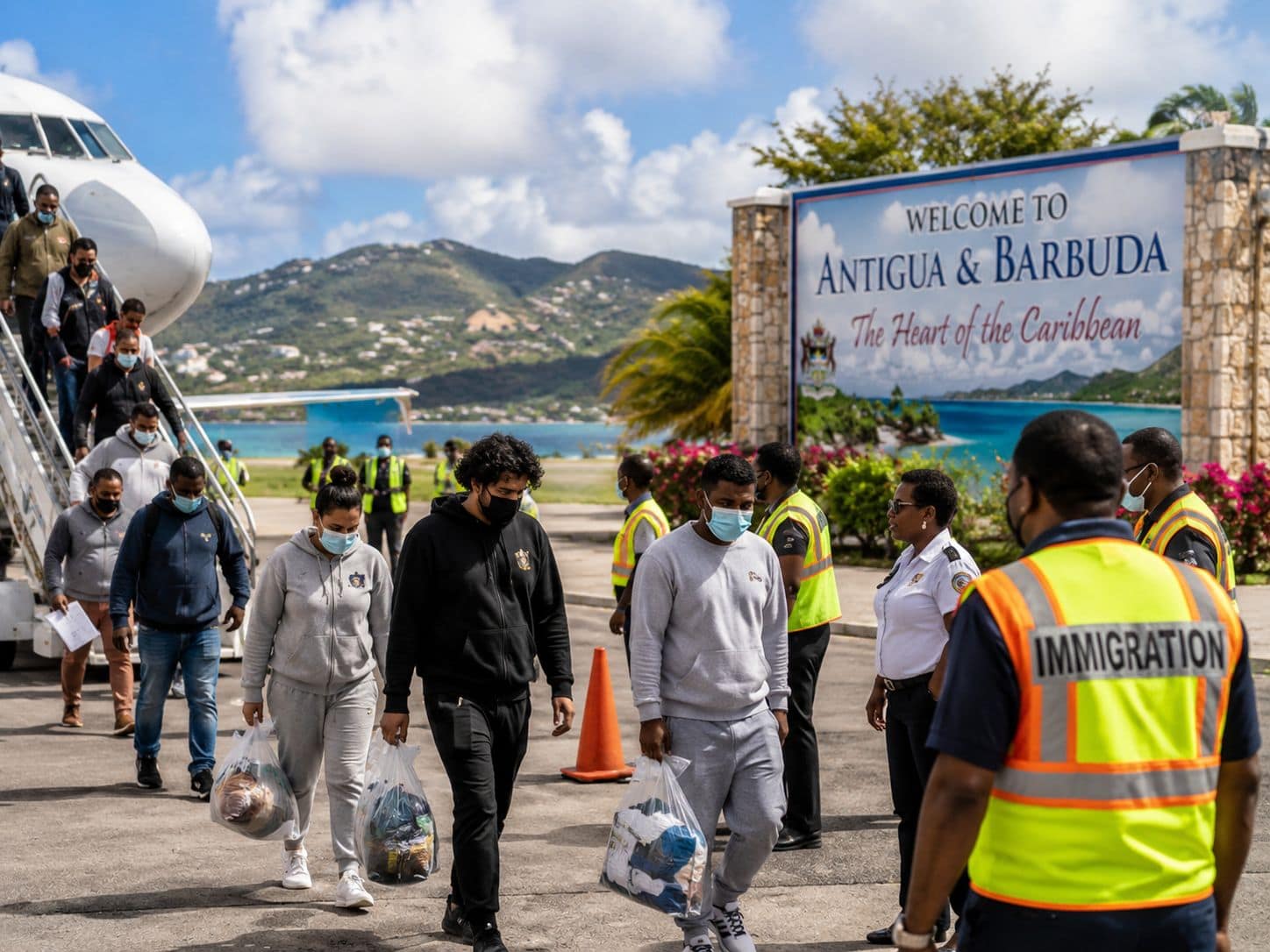
    As diplomatic talks between Washington and the small Caribbean twin-island nation of Antigua and Barbuda continue, the country’s top envoy to the United States has issued a clear, firm statement: Antigua and Barbuda cannot yield to growing pressure from the U.S. to accept a higher number of third-country migrants than its initial, limited offer.

    Sir Ronald Sanders, Antigua and Barbuda’s Ambassador to the U.S., explained that the nation’s original commitment to take in a capped number of migrants was always intended as a goodwill gesture to support its ally. The country has every intention of honoring that promise to help ease the migration burden currently facing the United States, but it will not go beyond the agreed-upon limit, he stressed.

    The core barrier to expanding the acceptance quota lies in the nation’s inherent social and economic constraints. Sir Ronald outlined that most of the third-country nationals in question have no pre-existing established ties to Antigua and Barbuda, creating a host of unresolvable challenges for the small island state. Key concerns include widespread language barriers: many of the prospective migrants do not speak English, the primary working language of Antigua and Barbuda, which would complicate integration. Additionally, most do not hold professional qualifications or skills that are recognized by local industries and labor markets, leaving few pathways for them to contribute to the national economy or achieve self-sufficiency.

    Beyond employment and integration hurdles, Sir Ronald raised urgent questions about basic social infrastructure. A small island nation with limited public services and housing stock, Antigua and Barbuda simply does not have the capacity to house, care for, and support a sudden influx of large numbers of new arrivals. Taking more migrants than the country can handle would also put unsustainable strain on already limited public resources, from healthcare and education to public transportation and water access, eroding the quality of services that Antigua and Barbuda’s own citizens rely on.

    The envoy also warned that a large, sudden influx of migrants would reshape the nation’s demographic makeup in a way that would likely face broad opposition from the country’s local population. “The Prime Minister’s offered a certain number that he would be prepared to absorb,” Sanders said, emphasizing that the Antiguan and Barbudan government cannot make policy choices that threaten the welfare of its own people. “We can not make decisions that would put strain on our resources to the point where our own people would say, ‘No, no, no, we’re not doing that.’” While negotiations between the two countries remain ongoing, the nation’s position on staying within its capacity remains unchanged.

  • Families Seek More Autism Resources and Support, Survey Finds Ahead of Retreat

    Families Seek More Autism Resources and Support, Survey Finds Ahead of Retreat

    A groundbreaking community survey focused on families supporting autistic individuals in Antigua and Barbuda has uncovered widespread, unmet demand for expanded autism resources, specialized parenting training, accessible mental health care, and age-inclusive developmental education, according to data published this week by local health advocacy groups. The research, released in advance of a free community retreat taking place May 17 at the island nation’s Multipurpose Cultural Centre, is a joint effort between the Antigua and Barbuda Holistic Coalition Inc., the Center for the Holistic Advancement of Therapeutic Services (CHATS), the Directorate of Gender Affairs, and the Mill Reef Fund.

    The survey gathered responses from 100 parents and primary caregivers of autistic people across the country, producing stark data on the gap between existing services and community needs. Ninety-three percent of respondents confirmed they were actively seeking more information about available autism support resources, while 88 percent reported a desire for hands-on, practical parenting skills tailored to raising an autistic child. Mental health support for caregivers and autistic individuals emerged as a top priority, with 62 percent of participants identifying this service area as a critical unmet need.

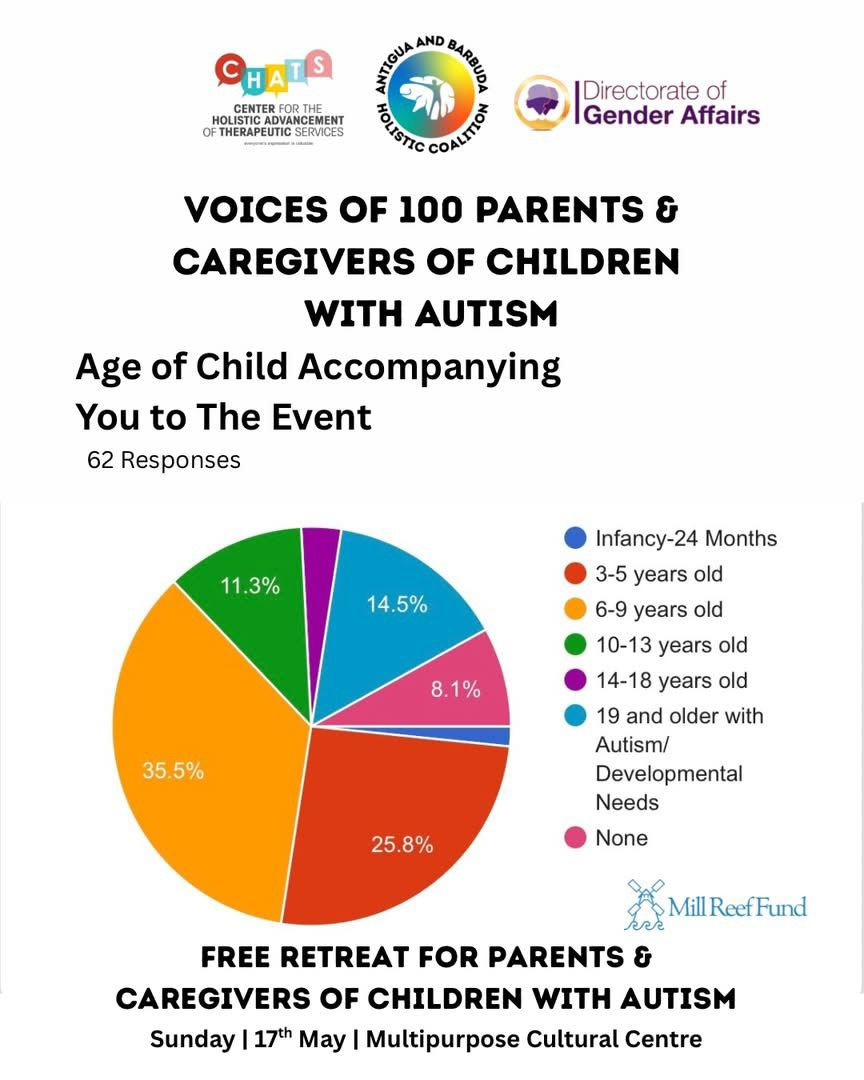
    Additional requests from respondents included more accessible, targeted information about gender-specific autism presentation, standardized diagnostic testing pathways, and early recognition of autism signs and symptoms. Beyond service gaps, the survey data also underscored the broad range of life stages that autism caregiving spans in Antigua and Barbuda. Caregivers who participated in the study reported supporting autistic people from early infancy through adolescence, as well as autistic adults navigating adulthood. The majority of respondents were parents of autistic children, with the remainder consisting of formal and informal caregivers supporting autistic children and adults across the islands.

    In an official statement accompanying the release of the survey findings, event and research organizers emphasized that the responses point to a rapidly growing need for expanded community support and national awareness around autism in Antigua and Barbuda. “Autism impacts families across all life stages — from infancy to adulthood — and caregivers are seeking community, education, and support now more than ever,” the statement read. Organizers frame the upcoming May 17 retreat as a critical first step to address these documented needs, designed to foster stronger cross-sector collaboration between autistic families, clinical professionals, educators, service providers, and government policymakers.

    The free public event will run from 2 p.m. to 4 p.m. local time on Sunday, May 17. While pre-registration for the retreat has officially closed, organizers confirmed that remaining limited seating will be open to the general public on a first-come, first-served basis for community members who wish to attend.

  • Villa Resident Found Dead at Home Amid Health Struggles

    Villa Resident Found Dead at Home Amid Health Struggles

    A quiet residential neighborhood in Villa was shaken this Tuesday by a grim discovery that has left local residents reeling: the remains of Henry Waterman, a long-time community member, were found inside his private home after days of growing concern from neighbors.

    Waterman, originally from Barbados, built a decades-long career as an educator at Antigua and Barbuda’s Mary E. Pigott Primary School, and had resided in the country for multiple years before his passing. According to accounts from people living nearby, the retired educator had been navigating a series of debilitating health and personal struggles in recent years, which gradually pushed him to withdraw from regular social interactions within the community.

    The chain of events that led to the discovery began on Monday, when a close relative left a delivery of food at Waterman’s door. When the untouched package was still in place the next afternoon, neighbors’ vague worry shifted to urgent alarm. Compounding their concern was a putrid, unusual odor that began wafting from the property, paired with a sudden, abnormal surge in flies swarming around the home’s exterior.

    Local residents organized a welfare check of the residence soon after these red flags emerged. Inside the home, searchers found Waterman’s body, which had already reached an advanced state of decomposition. Emergency responders and investigating officers were dispatched to the scene immediately: a team from the local police force and the district’s medical official arrived to process the site, where Waterman was officially pronounced dead. Authorities have since opened a formal investigation to determine the exact cause and circumstances of his death, leaving the Villa community processing the shock of losing one of their long-time members.

  • OPINION: From DCash to Fast Payments. The ECCB’s Quiet Financial Reset

    OPINION: From DCash to Fast Payments. The ECCB’s Quiet Financial Reset

    For half a decade, the Eastern Caribbean financial sector has been anchored on a bold vision: a central bank-issued digital wallet called DCash that would redefine how people manage daily transactions across the region. Unveiled as a public pilot in 2021 across four Eastern Caribbean nations — Antigua & Barbuda, Grenada, St. Kitts & Nevis, and St. Lucia — the project was framed as a revolutionary Retail Central Bank Digital Currency (CBDC) by the Eastern Caribbean Central Bank (ECCB). It promised to transform everything from local market purchases of fresh goods to informal peer-to-peer payments, positioning the small island bloc as a global leader in fintech innovation. But a quiet policy shift buried in the ECCB Monetary Council’s 112th Meeting Communique, published May 4, 2026, reveals a major strategic course correction: the regional authority has officially suspended development of the DCash 2.0 upgrade, bringing the original CBDC experiment to a close while opening a new chapter for digital financial integration across the Caribbean. The decision to pull back on DCash 2.0 is not a full rejection of digital currency innovation, but rather a quiet acknowledgment of a core truth that often plagues new financial technologies: most consumers do not crave an entirely new currency. What they actually want is a faster, more seamless way to use the money they already hold. For small island developing economies like those in the Eastern Caribbean Currency Union (ECCU), this dynamic is even more pronounced: consumer trust in established financial systems far outweighs excitement for untested novelty. While locals were willing to test the DCash app for small, occasional transactions, they remained hesitant to move their salaries, long-term savings, and core monthly spending to a standalone digital system disconnected from their traditional bank accounts. This structural friction proved to be DCash’s insurmountable barrier. The project required users to adopt an entirely separate digital financial ecosystem, cut off from the incumbent banking infrastructure that most residents already relied on. Despite years of outreach and pilot adjustments, widespread mass adoption never materialized, prompting regional leaders to re-evaluate their approach. Instead of abandoning digital financial modernization entirely, the ECCB has reframed its priorities, shifting away from flashy retail-facing CBDC experiments to a far more practical, infrastructure-focused goal: building deeper, more interconnected financial markets across the region. Dubbing the shift an upgrade to the financial “pipes” of the ECCU, the central bank is now centering its work on the Fast Payment System (FPS), a project that upgrades the underlying infrastructure of existing local banks rather than building a parallel standalone system. The core objective of FPS is straightforward: to enable consumers and businesses to send standard Eastern Caribbean (EC) dollars to any recipient across the region instantly, at any time of day or night, using nothing more than a mobile number or a QR code. Under the new framework, cross-institutional transfers that once took multiple business days to clear will arrive in seconds, regardless of whether the sender and recipient hold accounts at different banks — for example, Republic Bank and the Grenada Co-operative Bank. This shift aligns with broader global open banking principles, which prioritize interoperability and seamless data and fund sharing between competing financial institutions. Even more consequential for regional economic growth is the ECCB’s new commitment to launching a pilot of the CARICOM Payments and Settlement System (CAPSS), a project designed to tackle one of the most long-standing barriers to intra-regional trade: the punitive “cross-border tax” on international payments. For decades, Eastern Caribbean businesses looking to pay suppliers in other CARICOM nations like Trinidad and Tobago or Barbados have been forced to convert their local currency to U.S. dollars first, incurring exorbitant wire transfer fees and unfavorable exchange rates that eat into already thin profit margins. By joining the CAPSS initiative, the ECCU is helping to build a unified regional settlement infrastructure that will allow businesses to conduct cross-border transactions directly in local currencies. Under the new system, participating central banks will handle currency settlement behind the scenes, eliminating the need for intermediate U.S. dollar conversions and cutting down on excessive fees. ECCB Governor Timothy Antoine has long promoted “The Big Push,” an ambitious regional strategy aimed at doubling the size of the ECCU economy by 2035. Viewed through that lens, the suspension of DCash 2.0 is far from the failure it might appear to be at first glance. It is instead a strategic adjustment, prioritizing tangible, widespread utility over the flashy optics of being an early CBDC adopter. The central bank is moving away from the crypto-adjacent hype that surrounded early retail CBDC experimentation and refocusing on the unglamorous, critical work of repairing the region’s fragmented, outdated cross-border banking infrastructure. In the global financial sector, the most transformative changes are rarely the flashy retail-facing apps that draw headline attention. More often, they are the incremental upgrades to the hidden “plumbing” that underpins all everyday transactions. For the Eastern Caribbean, that plumbing is about to get a much-needed upgrade.