标签: Antigua and Barbuda

安提瓜和巴布达

  • SLBMC Medical Director Pays Tribute to Nurses on International Nurses Day

    SLBMC Medical Director Pays Tribute to Nurses on International Nurses Day

    Every year on May 12, the global healthcare community pauses to mark International Nurses Day, a moment dedicated to honoring the outsized contributions that nursing professionals make to public health and patient wellbeing around the world. This year, Dr. Shivon Belle Jarvis, Medical Director of Antigua and Barbuda’s Sir Lester Bird Medical Centre, used the annual observance as an opportunity to deliver a heartfelt message of appreciation to her facility’s nursing staff, lauding their unshakable dedication to patient care and framing their work as foundational to the future of effective healthcare delivery.

    In her address, Dr. Jarvis emphasized that the global public health goal of “Health for All” is entirely unachievable without the consistent, frontline contributions of nursing teams. Unlike many public health initiatives that rely on high-level policy or cutting-edge technology, universal access to quality care stands or falls on the daily work of nurses, who are often the first point of contact for patients and the most consistent presence throughout a person’s care journey.

    Against this backdrop, Dr. Jarvis outlined clear institutional responsibilities to support the nursing workforce. She argued that fostering leadership pathways, funding and facilitating ongoing professional development, granting meaningful autonomy within frameworks of shared hospital governance, providing structured mentorship opportunities for early-career nurses, and prioritizing the mental health and wellness of nursing staff are not optional perks—they are core obligations that every healthcare institution must meet to retain and empower its teams.

    Beyond institutional commitments, Dr. Jarvis called for sustained, targeted public and private investment in the nursing profession globally. Adequate resourcing, she noted, is the only way to create an environment where nurses can grow their careers, avoid burnout, and continue delivering the high-standard care that patients depend on. She closed by reminding nursing staff that their core professional values—commitment to patients, camaraderie with colleagues, and empathetic care—are the guiding principles that will drive the entire healthcare sector toward a brighter, more equitable future. “You are Our Nurses, you are indeed our future, and lives will continue to be saved once you are empowered,” she told the facility’s team in her closing remarks.

  • Venezuela’s acting president defends country’s territory and rejects Trump’s 51st state remarks

    Venezuela’s acting president defends country’s territory and rejects Trump’s 51st state remarks

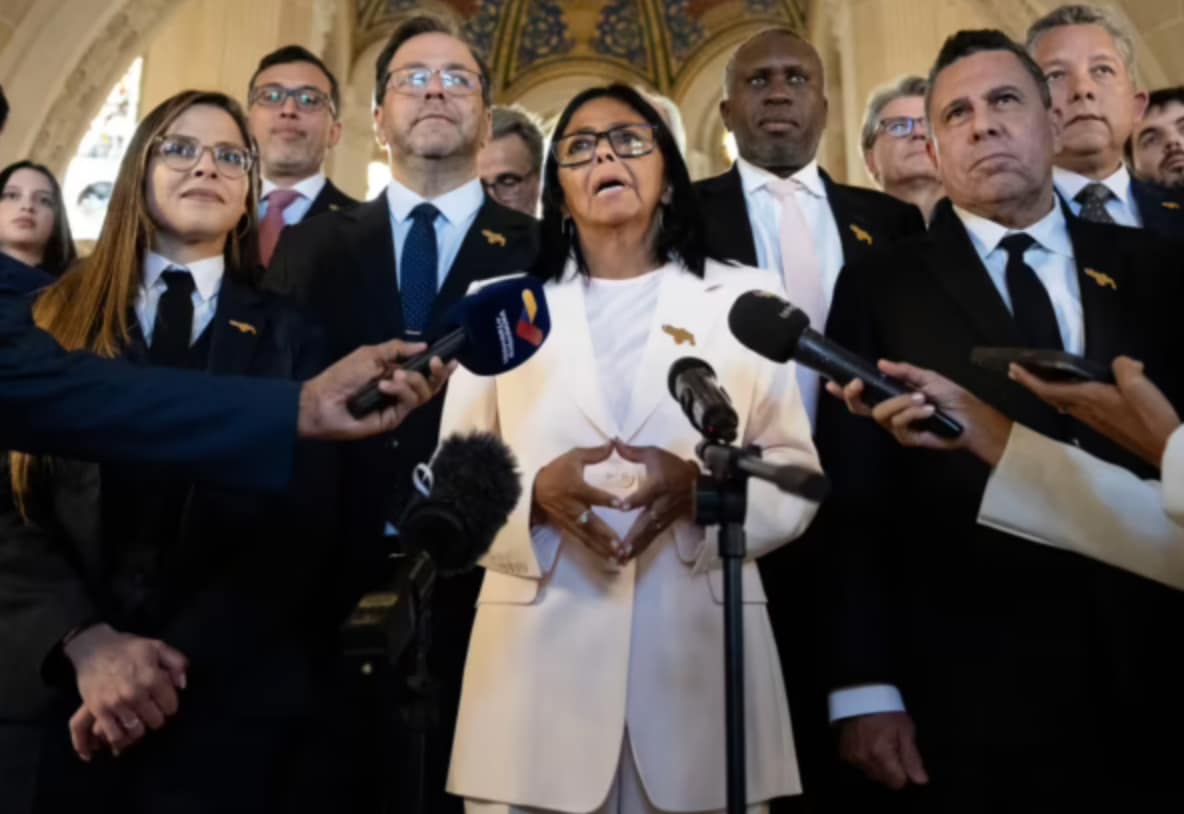
    On Monday, as Venezuela wrapped up its arguments before the International Court of Justice (ICJ) in The Hague in a long-running territorial dispute with neighboring Guyana, acting Venezuelan President Delcy Rodríguez pushed back firmly on an unexpected remark from former U.S. President Donald Trump, who said he was “seriously considering” the idea of Venezuela becoming the 51st U.S. state.

    Speaking to reporters on the final day of public hearings over the resource-rich Essequibo region, Rodríguez made clear that Venezuela has no intention of giving up its sovereignty to become part of the United States. The acting president, who assumed office in January after a U.S. military operation removed former President Nicolás Maduro from power, emphasized that Venezuela will stand firm in protecting its national sovereignty, territorial integrity, independent history, and self-determination. “We are not a colony, we are a free and sovereign nation,” she stated.

    To date, the full context and motivation behind Trump’s remark remain unconfirmed. The White House did not issue an immediate response to requests for clarification on the comment, which is not an isolated statement: Trump has previously made similar offhand remarks about annexing Canada. Later, White House spokesperson Anna Kelly declined to elaborate on any potential Trump administration plans for Venezuela during an interview with Fox News, noting only that the U.S. president is well-known for challenging established norms and praised Rodríguez for what she described as extremely productive cooperation with the United States. Rodríguez for her part added that Venezuelan and U.S. officials have maintained open lines of communication, focused on building mutual cooperation and understanding.

    The core focus of Rodríguez’s visit to The Hague was defending Venezuela’s decades-old claim to the Essequibo region, a 62,000-square-mile territory that makes up nearly two-thirds of Guyana’s current national land area. Long a source of tension between the two South American nations, the dispute has gained new urgency in recent years amid major offshore oil discoveries that have turned Guyana from one of South America’s smallest and poorest economies into a fast-growing major energy producer. The region itself is already rich in gold, diamonds, and valuable timber, while nearby offshore blocks currently produce roughly 900,000 barrels of oil per day – a volume nearly matching Venezuela’s current daily production of around 1 million barrels.

    Venezuela has laid claim to Essequibo since the Spanish colonial era, when the jungle territory fell within the boundaries of Spanish colonial holdings that would later become independent Venezuela. However, an 1899 arbitration ruling mediated by representatives from Britain, Russia, and the United States set the international border along the Essequibo River, awarding nearly the entire disputed territory to Guyana (then a British colony). Venezuela has long rejected that 1899 decision, arguing that a 1966 Geneva agreement signed to resolve the dispute effectively invalidated the 19th-century arbitration ruling and called for negotiated settlement between the two parties.

    The dispute escalated after 2015, when energy giant ExxonMobil announced a major commercial oil discovery off the Essequibo coast. In 2018, Guyana formally brought the case to the ICJ, the United Nations’ highest court for inter-state disputes, asking judges to uphold the 1899 border ruling. Tensions flared further in 2023, when then-President Maduro organized a national referendum on converting Essequibo into a Venezuelan state and threatened to annex the region by force. Maduro was removed from power and captured by U.S. forces during a January operation in Caracas, and is currently being held in New York to face trial on drug trafficking charges, to which he has pleaded not guilty.

    Rodríguez did not reference the 2023 referendum in her ICJ remarks, but told judges that only bilateral political negotiations, not a binding judicial ruling, can resolve the century-old border dispute. She accused Guyana of acting opportunistically by bringing the case to the court while the negotiation mechanisms outlined in the 1966 Geneva agreement were still fully operational. “At a time when the mechanisms established in the Geneva agreement were still fully in force, Guyana unilaterally chose to shift the dispute from the negotiating arena to a judicial resolution,” she told the court. “This change was not accidental; it coincided with the discovery in 2015 of the oil field that would become world-renowned.”

    When the hearings opened last week, Guyana’s Foreign Minister Hugh Hilton Todd framed the dispute as a long-standing threat to Guyana’s sovereign existence, telling the panel of international judges that the conflict “has been a blight on our existence as a sovereign state from the very beginning,” noting that 70% of Guyana’s current territory is at stake in the ruling.

    Court observers expect the ICJ will take several months to issue a final, legally binding ruling on the case. Venezuela has repeatedly stressed that its decision to participate in the public hearings does not constitute consent to the court’s jurisdiction over the dispute, nor recognition of the court’s authority to issue a binding ruling on the border question.

  • Jamaican Man Pleads Guilty to Cannabis Trafficking Case

    Jamaican Man Pleads Guilty to Cannabis Trafficking Case

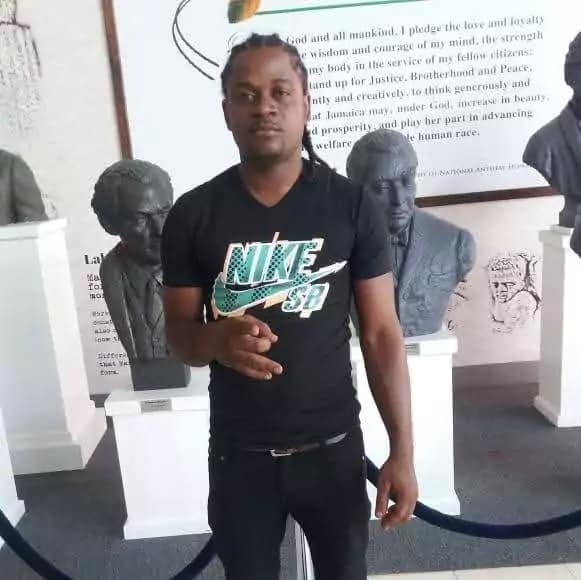
    More than a year after law enforcement seized nearly a quarter-million dollars worth of cannabis at a major Caribbean port, a Jamaican national has formally admitted guilt to drug trafficking offenses. Damar Sappleton, who has resided in the Bendals area of Antigua, entered his guilty plea on Wednesday before High Court Judge John Spencer, wrapping up the initial phase of a high-profile narcotics case stretching back to early 2024. The legal proceedings originated from a coordinated joint enforcement operation conducted by local police and customs officials on 8 March 2024 at Deep Water Harbour. During a routine inspection of cargo at the busy port, officers uncovered 41 pounds of concealed cannabis stashed inside two unmarked shipping boxes. Investigators later assessed that the seized narcotics would have carried an estimated street value of approximately $246,000 if sold on the local market. Following his plea, Sappleton was immediately remanded into official custody, with his sentencing hearing scheduled to take place at the High Court on 5 June. Legal observers note that the conviction closes a key chapter in a major anti-narcotics enforcement effort at the island’s primary commercial port, which remains a common transit point for drug trafficking operations targeting the Caribbean region.

  • Health Minister Completes Visits to Antigua’s Public Clinics for Nurses Week

    Health Minister Completes Visits to Antigua’s Public Clinics for Nurses Week

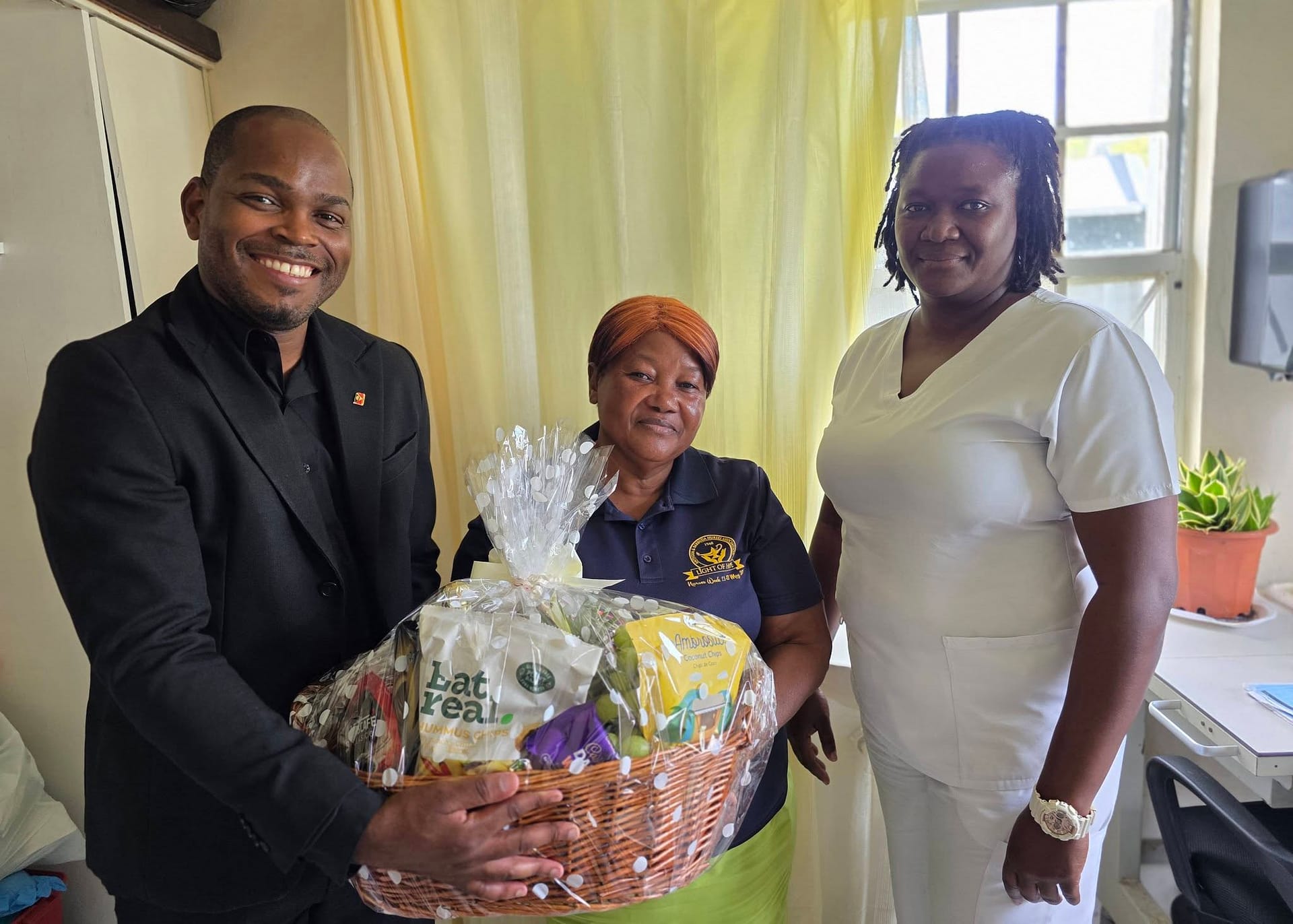
    As Nurses Week drew to a close across Antigua and Barbuda, the nation’s Minister of Health has completed a full circuit of public health clinics spread across the country, capping off a week of activities designed to honor the contributions of frontline nursing staff.

    The scheduled tour, planned intentionally to coincide with the annual recognition of nurses, gave the top health official a first-hand opportunity to engage directly with nursing teams at every public clinic, hear their on-the-ground challenges, recognize their daily efforts, and gain unfiltered insight into the operational needs of local primary care facilities.

    Throughout the week of visits, the minister met with nurses across rural and urban clinics, discussing a range of pressing topics from staffing shortages and equipment gaps to workplace support and ongoing professional development opportunities. Unlike formal pre-arranged inspection visits, this tour was structured around open dialogue, with many nurses sharing unvarnished feedback about the conditions they face while delivering care to local communities.

    In remarks following the completion of the tour, the health minister emphasized that nursing staff form the backbone of Antigua’s public health system, noting that their consistent, compassionate work is central to keeping communities healthy and ensuring the entire public health network functions effectively. The minister also reaffirmed the government’s commitment to addressing the key concerns raised during the visits, with a focus on improving working conditions, expanding training opportunities, and upgrading outdated infrastructure across public clinics in the coming months.

    The tour comes as Antigua’s health sector continues recovering from the lingering impacts of the COVID-19 pandemic, which placed unprecedented strain on frontline nursing workers across the nation. Health sector observers note that this high-profile engagement from the country’s top health official signals growing government recognition of the need to prioritize nursing workforce issues as part of broader public health system reform.

    Community health advocates have welcomed the move, saying that direct engagement between leadership and frontline staff is a critical first step toward resolving longstanding gaps in primary care delivery across Antigua. Many expect that the insights gathered during the tour will translate to tangible policy changes that benefit both nursing staff and the patients who rely on public clinic services every day.

  • Driver’s Family Expresses Condolences After Fatal All Saints Road Accident, Cooperating With Investigation

    Driver’s Family Expresses Condolences After Fatal All Saints Road Accident, Cooperating With Investigation

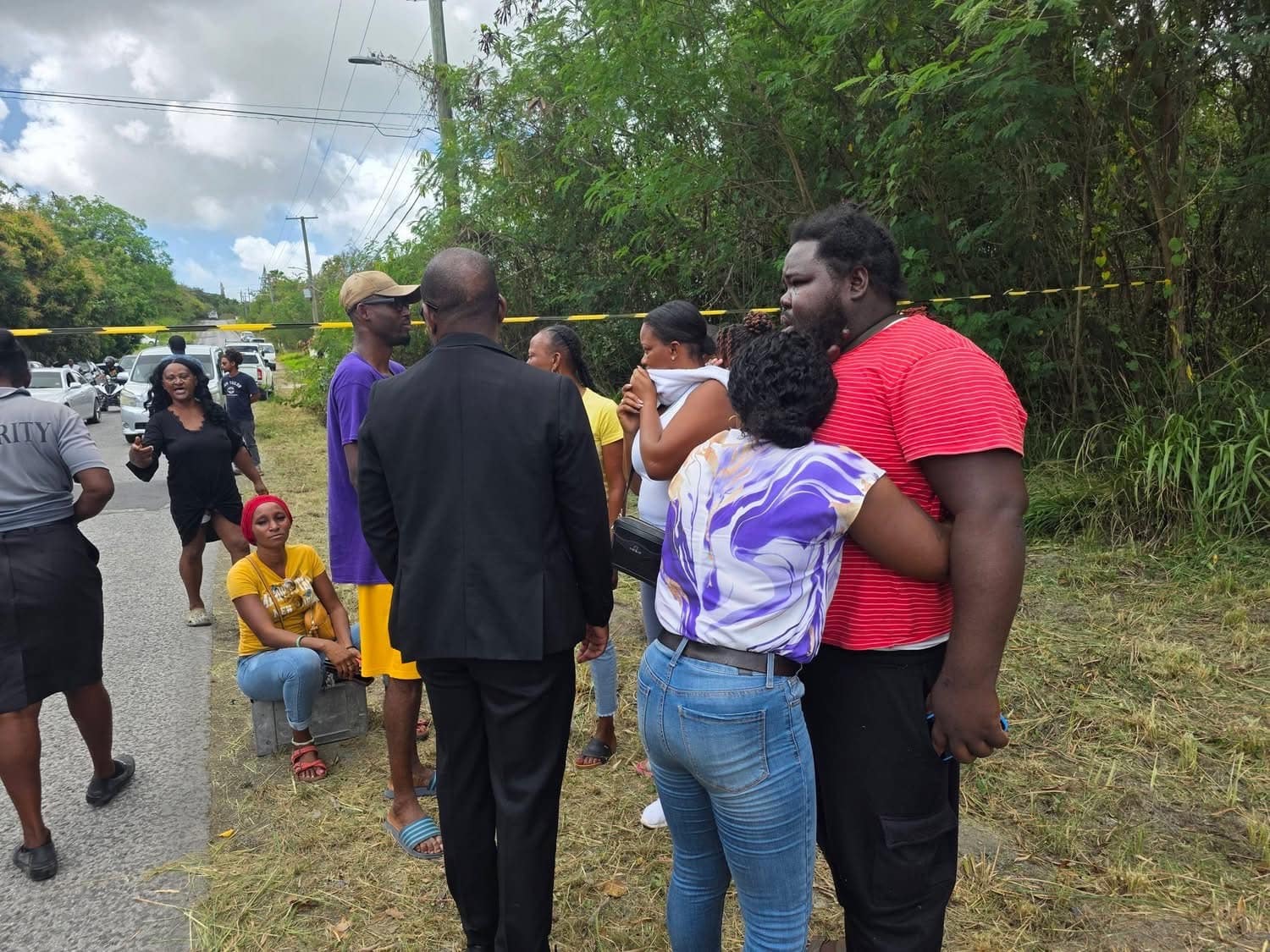
    A devastating fatal accident on All Saints Road on May 12, 2026 has left two families and an entire local community reeling from grief, as the family of the driver involved has broken their silence to share their profound sorrow over the loss of Okeen Lightfoot, the victim who died in the incident.

    In an open statement addressed to the victim’s family, loved ones, and the broader community, the driver’s relatives said their entire household has been left heartbroken and deeply shaken by the tragic chain of events that unfolded that Tuesday. They emphasized that no language can adequately capture the depth of their regret for the loss of life and the overwhelming suffering this tragedy has inflicted on all those touched by it.

    The family extended their unreserved, deepest condolences, spiritual prayers, and heartfelt sympathy to Lightfoot’s family and loved ones, acknowledging that countless people are navigating crippling pain, complicated grief, and a desperate search for clarity in the wake of the sudden, violent incident. “Our son and our entire family are deeply shaken and devastated by what has happened,” the statement read.

    Citing respect for the ongoing official investigation into the crash, the driver’s family noted that they are constrained in what details they can share publicly at this stage of the process. Even so, they stressed to local residents that they are fully cooperating with law enforcement and other authorities as investigators work to unpack every circumstance and factor that led to the accident.

    The statement closed with a note of solidarity for all those impacted by the crash. “Our thoughts and prayers remain with everyone affected by this tragedy — for the family who lost their loved one, for all first responders involved, and for all those carrying emotional pain in the aftermath of this incident,” the statement concluded, signed sincerely by the entire family of the driver.

  • Classic 1893 UK Grand Piano Donated to Government House Museum

    Classic 1893 UK Grand Piano Donated to Government House Museum

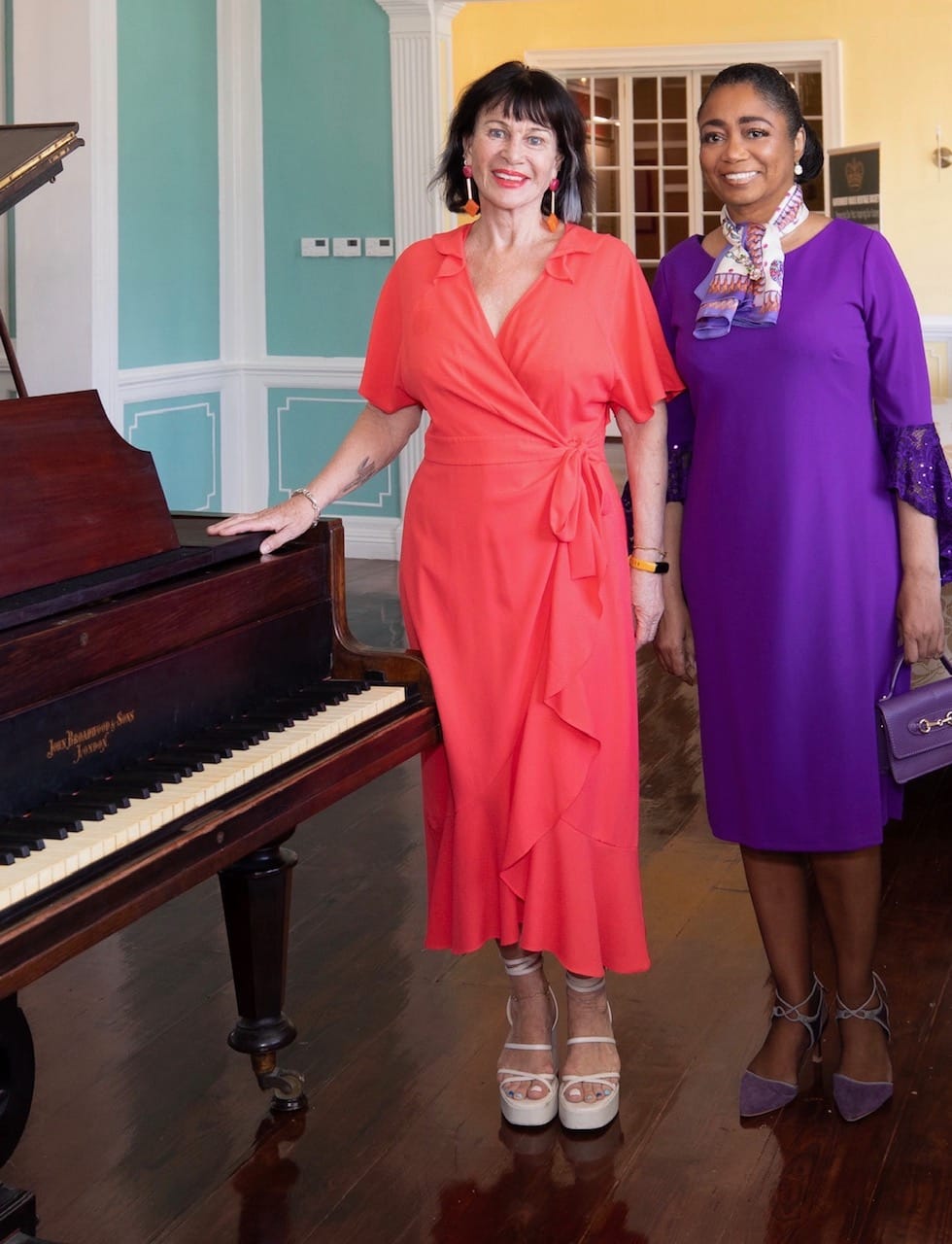
    A rare and exquisitely crafted 1893 mahogany grand piano, built by the world’s oldest continuously operating piano manufacturer, the UK-based Broadway Company (Broadwood), has found a new permanent home at Government House, following a formal donation from local patron Melanie Etherington to Her Excellency Lady Williams. The instrument joins the venue’s expanding curated display of Georgian-era furniture and historical artifacts, deepening the collection’s ability to tell the story of the period’s material culture.

    This donation carries far more historical weight than a typical artifact gift, as it connects to a centuries-old legacy of artistic collaboration between the Broadwood firm and some of the world’s most iconic composers. The company’s storied lineage of instrument making includes pivotal encounters with musical legends: a matching Broadwood concert grand, built around the same era as Frédéric Chopin’s 1848 tour of the British Isles, was personally commissioned for the composer’s historic performances across the country. Decades earlier, in 1818, company founder Thomas Broadwood personally gifted Ludwig van Beethoven a six-octave grand piano crafted from the same premium Spanish mahogany used for the 1893 instrument now entering Government House’s collection. Beethoven himself wrote in a letter to Broadwood that the instrument immediately sparked new creative inspiration, a testament to the deep, long-standing symbiosis between master piano builders and the composers who rely on their craft.

    Accepting the donation on behalf of Government House, Her Excellency Lady Williams expressed sincere gratitude for Etherington’s generosity and thoughtful contribution to preserving historical context. “We are extremely thankful to thoughtful donors like Ms. Etherington, who help us to build the narrative about what type of period furniture would have populated Government House centuries ago,” she said during the handover ceremony.

    Documentation provided by the donor confirms that the piano remains fully functional today, while retaining its original refined aesthetic that made it a standout luxury item when it was first sold. At the time of its original construction, the piano was purchased for £110 — a substantial sum equivalent to well over £10,000 in modern currency, a clear marker of its premium quality and high status when it was new.

    The donation comes as the Government House Museum, which recently held a soft opening to the public following extensive renovations, continues to build out its carefully assembled collection of period pieces in the beautifully restored historic building. This rare piano adds not just a piece of furniture, but a tangible link to global musical history that will be preserved and accessible for future visitors to experience.

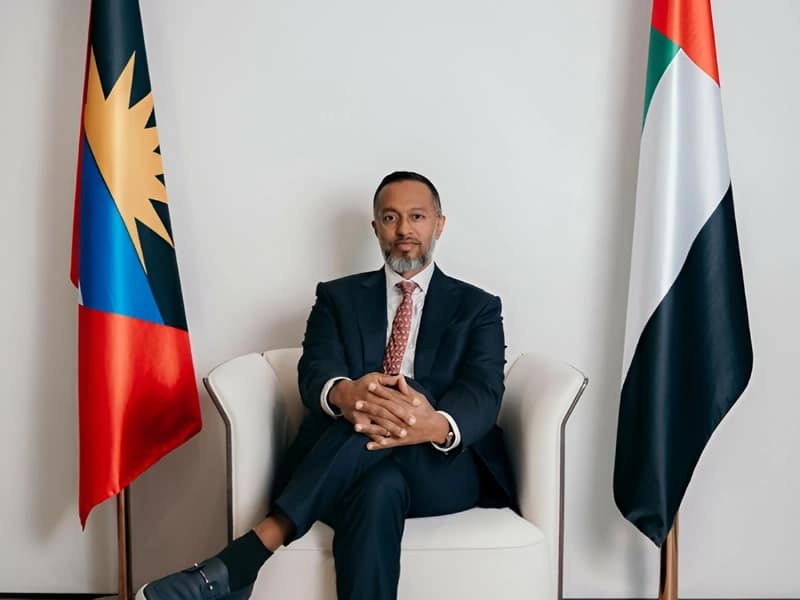
  • Ambassador Theon Ali discusses Antigua’s landslide election and the future of UAE relations

    Ambassador Theon Ali discusses Antigua’s landslide election and the future of UAE relations

    Last week’s final vote count in St. John’s delivered a decisive outcome that has shaken up expectations across Caribbean political circles: the Antigua and Barbuda Labour Party secured a commanding landslide win, granting incumbent Prime Minister Gaston Browne a fourth consecutive term in office. Against a regional backdrop where frequent leadership turnover regularly reshapes executive agendas, this result locks in long-term policy continuity at the highest level of the island nation’s government.

    For the United Arab Emirates and the broader Gulf region, the re-election of Browne’s administration preserves the steady diplomatic trajectory that has defined Antigua and Barbuda’s bilateral relationship with the UAE over recent years. Ongoing high-level talks spanning cross-border investment, civil aviation connectivity, renewable energy development, and technology partnership will move forward without disruption, a stability that carries particular weight for long-term bilateral projects requiring years of sustained coordination and consistent policy commitment.

    Over the past decade, ties between the UAE and Antigua and Barbuda have expanded gradually and intentionally, rooted in deliberate diplomatic engagement, targeted investment dialogue, and collaborative work on shared priorities ranging from climate resilience to tourism development and cross-border financial services. Antigua and Barbuda has emerged as an influential regional voice for climate action and economic diversification within the Caribbean Community (CARICOM), while the UAE has continued to deepen its diplomatic and economic footprint across fast-growing emerging small island markets.

    One of the most advanced collaborative initiatives currently moving forward is the push to establish direct air links between the two nations, a priority that has moved far beyond early exploratory talks, according to Antigua and Barbuda’s Ambassador Theon Ali. “This is not a new ambition or just a hopeful line in a feasibility study,” Ali explained. “It is an active, ongoing policy file that has required navigating complex air service agreements, working through route economic modeling, and addressing the unique operational realities of long-haul travel to a small island market. This is the invisible infrastructure of international partnership—unglamorous, slow to build, and absolutely essential to unlocking deeper engagement.”

    Direct flight connectivity would deliver widespread mutual benefits, boosting two-way tourism flows while supporting increased business travel, cross-border educational exchanges, and broader economic integration. Antigua and Barbuda’s luxury tourism sector, anchored by its pristine white-sand beaches, world-class yachting infrastructure, and premium hospitality offerings, aligns perfectly with the rapidly growing outbound travel demand from Gulf region tourists seeking high-end Caribbean getaways.

    Beyond connectivity, digital transformation and artificial intelligence cooperation have emerged as a fast-growing area of shared interest. Antigua and Barbuda has ramped up investment in national digital upgrade initiatives in recent years, including rolling out modern e-governance systems, launching AI-assisted supply chain and logistics programs, and building data-driven infrastructure to support the tourism sector. National policymakers are actively seeking international partnerships to support technical implementation and build local digital capacity across government agencies.

    With its own rapid expansion of national AI infrastructure and globally recognized smart government services, the UAE is uniquely positioned to serve as a key technical partner for Caribbean states working to modernize their digital ecosystems. The country’s high-profile developments in AI and sustainable technology—from the innovation hub of Masdar City to national government AI deployment initiatives, and ongoing work with leading regional technology firms like G42—have drawn growing international attention from governments seeking digital development partners.

    Climate action and renewable energy cooperation remain the most deeply rooted pillar of the bilateral relationship, a priority shaped by the existential climate vulnerability that defines life across the Caribbean. The region has faced increasingly destructive hurricane seasons in recent decades, with Barbuda suffering near-total devastation during Hurricane Irma in 2017, when an estimated 95 percent of the island’s infrastructure and built environment sustained severe damage.

    In March 2024, the Green Barbuda renewable energy project was officially inaugurated through funding from the UAE-Caribbean Renewable Energy Fund, a landmark initiative designed to cut the island’s reliance on imported fossil fuels. The project’s hybrid solar facility combines 720 kilowatts of solar photovoltaic capacity with industrial-scale battery storage and a diesel backup system engineered to withstand hurricane-force winds up to 265 kilometers per hour.

    Project data shows the facility will cut Barbuda’s annual diesel consumption by roughly 406,000 liters, reducing annual carbon dioxide emissions by more than one million kilograms. Launched in 2017, the UAE-Caribbean Renewable Energy Fund now supports renewable energy access projects across 16 Caribbean nations. Looking forward, stakeholders expect the Green Barbuda facility to serve as a replicable model for future renewable energy expansion across Antigua and Barbuda and the wider Caribbean, as regional governments continue working to transition away from costly, carbon-intensive diesel dependency.

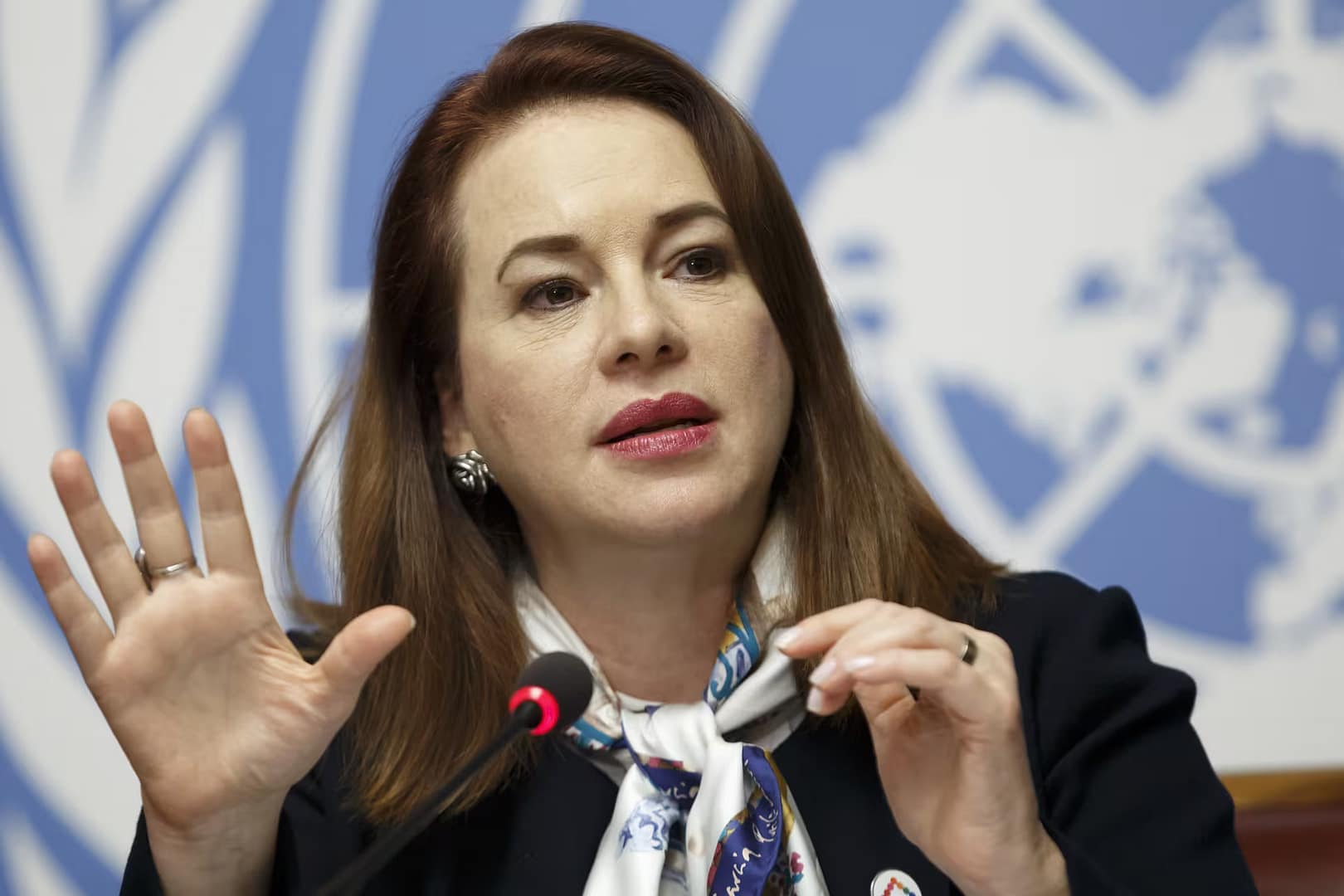
  • Antigua And Barbuda Nominates H.E. María Fernanda Espinosa As Candidate For Un Secretary-General

    Antigua And Barbuda Nominates H.E. María Fernanda Espinosa As Candidate For Un Secretary-General

    Antigua and Barbuda has officially put forward Her Excellency María Fernanda Espinosa Garcés, a veteran Ecuadorian diplomat and former United Nations General Assembly President, as its candidate for the next United Nations Secretary-General. The nomination was formally submitted to the heads of both the UN General Assembly and Security Council, aligned with the established selection process outlined in a joint November 25, 2025 document.

  • Caribbean Countries to Get Priority Access to Pandemic Flu Vaccines

    Caribbean Countries to Get Priority Access to Pandemic Flu Vaccines

    Against a backdrop of persistent global zoonotic disease threats and hard-won lessons from the COVID-19 pandemic, the Pan American Health Organization (PAHO) has announced a groundbreaking public-private partnership with CSL Seqirus to reserve a dedicated supply of pandemic influenza vaccines for countries across Latin America and the Caribbean. This historic agreement creates a formal, pre-negotiated mechanism that locks in a fixed percentage of CSL Seqirus’ global pandemic influenza vaccine output for participating PAHO member states, guaranteeing eligible nations early access to an pre-allocated initial stock of doses when a public health emergency strikes.

    PAHO Director Dr. Jarbas Barbosa framed the agreement as a direct correction to gaps in global pandemic preparedness exposed by COVID-19, and a transformative leap forward for regional health security across the Americas. “Through our Regional Revolving Funds, countries are joining forces to secure a reserved share of vaccine production, helping protect those at risk when it matters most,” Barbosa explained. Leveraging CSL Seqirus’ decades of specialized experience in influenza research and large-scale vaccine manufacturing, the deal tasks the company with leading vaccine development and supporting targeted technology transfer to build regional capacity.

    A portion of vaccine production will be based at Argentina’s Sinergium Biotech, a partnership that directly addresses another critical lesson from the COVID-19 pandemic: the urgent need to strengthen local manufacturing capabilities and regional supply chain resilience. For CSL Seqirus, the partnership marks a first-of-its-kind commitment to pandemic preparedness in the region, bringing together pre-reserved doses, local production infrastructure, and long-term cross-sector collaboration. “We’re proud to establish this kind of partnership in Latin America and the Caribbean for the first time,” said David Ross, Executive Vice President and General Manager of CSL Seqirus.

    Alejandro Gil, President and CEO of Sinergium Biotech, noted that the collaboration builds on 15 years of capacity building and long-standing partnerships with both PAHO and CSL Seqirus. “The infrastructure and human resource capacities developed at Sinergium over the past 15 years now enable us to guarantee countries in the region access to quality products to respond to future pandemics, in line with the regional strategies defined by PAHO,” Gil said, adding that the work is a source of great pride for the firm.

    Negotiated over 12 months following an international competitive procurement process, the agreement is designed to cut down the timeline for securing life-saving vaccines during a pandemic, when global demand skyrockets and competition for limited supplies leaves many nations locked out. Critically, it is one of the first pre-pandemic supply arrangements specifically tailored to improve access for middle-income countries, which have long faced systemic disadvantages in competitive global vaccine markets.

    PAHO’s Regional Revolving Funds allow participating countries to pool their demand and negotiate as a unified bloc, putting Latin American and Caribbean nations on par with higher-income countries when it comes to securing favorable contract terms. This structure directly advances more equitable access to vaccines in a market that has historically favored wealthy nations. When a pandemic is declared, PAHO will allocate the reserved doses according to epidemiological data and public health risk, with top priority given to the region’s most vulnerable populations. By locking in supply in advance and establishing clear, pre-agreed allocation rules, the agreement shifts the region from a reactive, after-the-fact response model to a proactive, prepared approach.

    Barbosa emphasized that the deal marks an unprecedented shift for the region: “For the first time, countries of the Americas are positioning themselves on more equal footing in a future global health emergency—not as individual markets, but as a region. This agreement shows what is possible when we act together to leverage the power of pooled procurement.” As avian influenza and other emerging zoonotic threats continue to circulate globally, PAHO reiterated that sustained investment in pandemic preparedness remains an urgent public health priority. Virologists and global public health experts consistently identify influenza viruses, particularly those with zoonotic origins, as among the highest probability causes of the next global pandemic.

  • APUA Stops Taking Water From Potworks Reservoir Due to Drought

    APUA Stops Taking Water From Potworks Reservoir Due to Drought

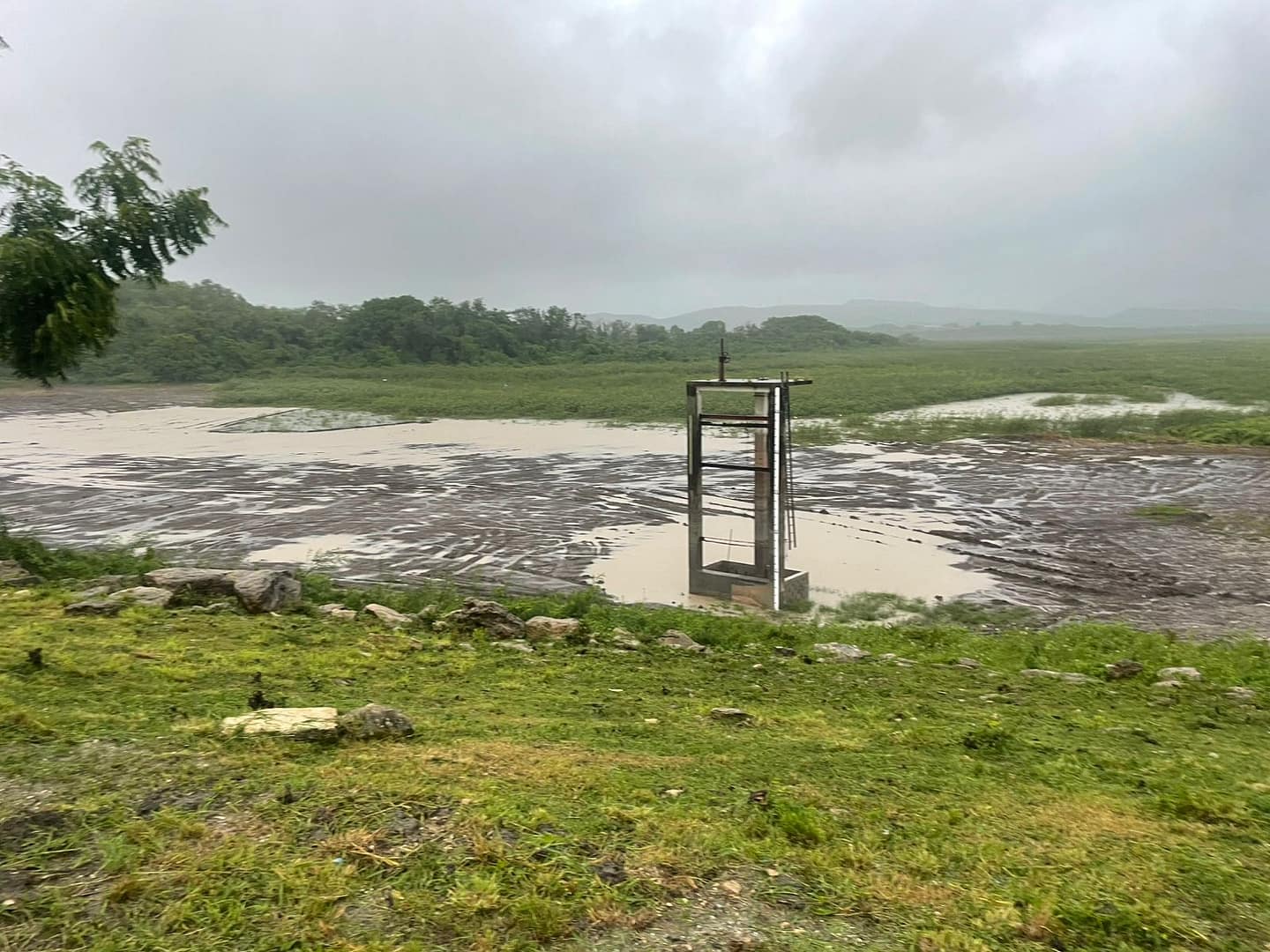
    A worsening drought across the island nation has forced the Antigua Public Utilities Authority (APUA) Water Business Unit to suspend all water pumping operations from Potworks Reservoir, the country’s largest surface water catchment, after water levels dropped to critically low thresholds that make continued extraction unsafe and unsustainable.

    For months prior to the shutdown, Potworks Reservoir fed the adjacent Delaps Water Treatment Facility, which supplied treated water to dozens of residential communities across the island’s southeastern region. The facility contributed an average of 1.2 million imperial gallons of potable water to the national distribution network daily, making it a key component of the country’s water supply infrastructure. However, months of persistent below-average rainfall and prolonged drought have pushed reservoir levels far below the minimum required for continued extraction.

    Southeastern communities that previously relied on the Potworks-Delaps system will now receive water from two existing reverse osmosis facilities: the Crabbs Reverse Osmosis Plant and the Barnacle Point Reverse Osmosis Facility. APUA officials noted that investments in desalination infrastructure over the past 12 months have already bolstered the national water grid’s resilience, allowing the utility to offset the full loss of Potworks’ output without a drastic reduction in overall daily production.

    Across all active supply systems — which include reverse osmosis desalination and groundwater extraction — the Water Business Unit still maintains a total daily output of roughly 8.5 million imperial gallons of potable water. Even with this consistent production, the utility warns that rising demand, driven by steady population growth, expanding tourism development, new housing projects, and overall economic expansion, puts continued pressure on the supply network.

    During the transition to the new supply routing, some customers may experience temporary disruptions to service, reduced water pressure, or longer gaps between scheduled water deliveries. These issues are most likely to impact customers living in elevated areas of the southeastern region. The full list of affected communities includes American Road, All Saints Road, Belmont, Bethesda, Biggins, Buckleys, Folly Hill, Horsford Hill, John Hughes, Liberta, Ottos New Town, Patterson, Radio Range, St. Clair Heights, Swetes, Wallings, and portions of Falmouth.

    To address the long-term gap left by the Potworks shutdown and improve regional transmission capacity, APUA is in the final stages of constructing new transmission lines in the Herbert’s area, which will carry additional water from the Crabbs and Barnacle Point facilities to affected communities. The utility is also on track to commission a brand-new 3.2 million imperial gallon per day reverse osmosis facility before the end of the year, while the organization’s hydrology team continues exploratory work to identify and develop new groundwater reserves through new well drilling initiatives.

    APUA emphasized that reliable access to potable water is a foundational requirement for the island’s daily life and economic activity, and has moved to reassure residents that multiple long-term projects to strengthen and expand the national water system remain actively in progress. The organization is encouraging all customers across the island to continue practicing voluntary water conservation and maintain emergency water storage where possible, to help mitigate the ongoing impacts of the drought.

    In closing, APUA expressed sincere gratitude to the public for their patience and understanding as utility teams work to adapt to drought conditions and preserve reliable water service for all communities across the island.