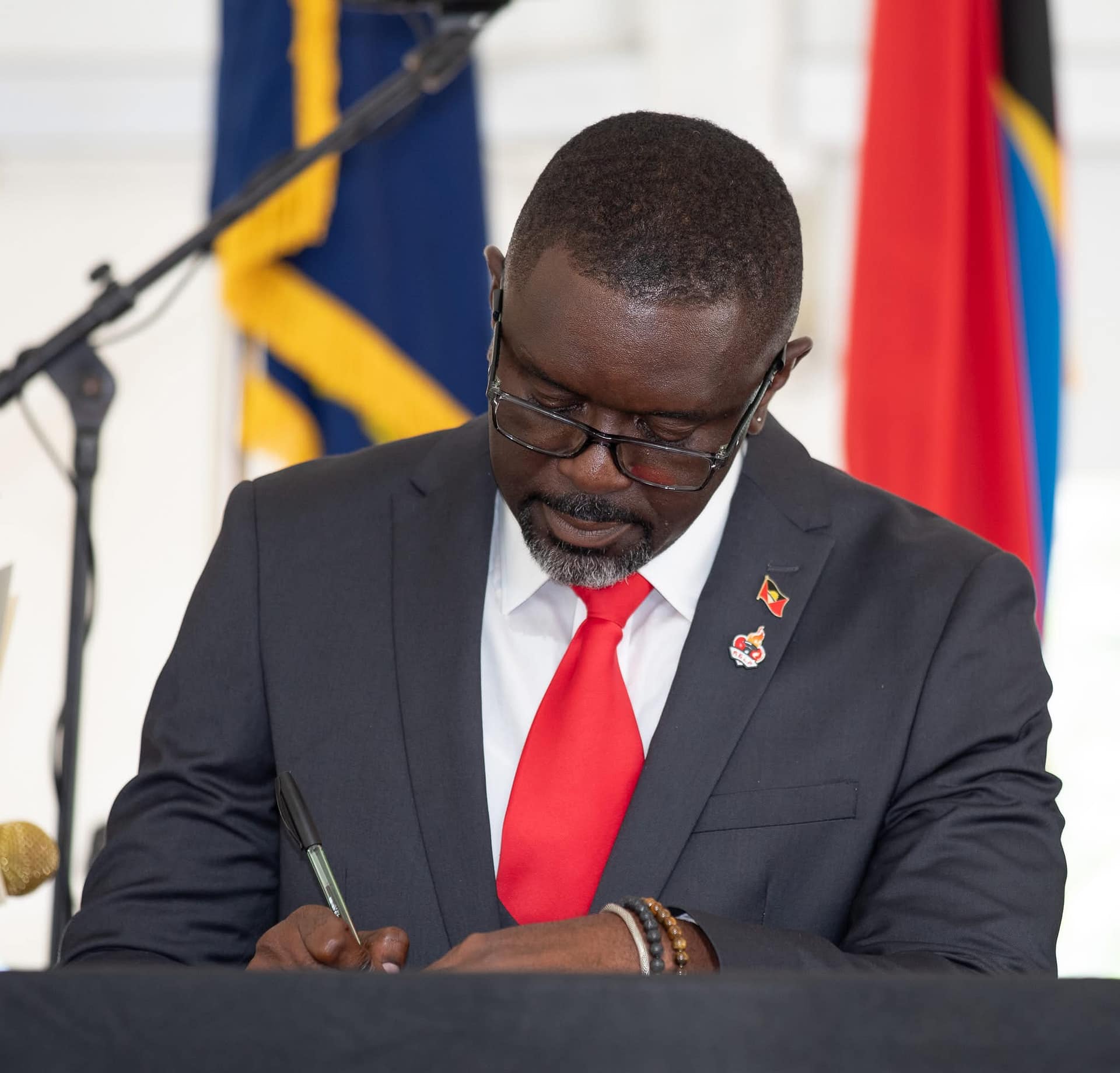
In a last-minute political development that reshapes the country’s current legislative and executive landscape, two public figures have secured key positions in the nation’s government, multiple official sources confirmed early Thursday. Joel Rayne, a veteran policy advisor with more than 15 years of experience in public service, is set to be formally sworn in as the nation’s newest Junior Minister in the coming days. Meanwhile, Tiffany Strann-Peters, a former community organizer and local government leader, will take up an open seat in the national Senate.
The open Senate seat was vacated earlier this month following the unexpected retirement of long-serving Senator Michael Hale, who stepped down citing long-term personal health concerns that have kept him from participating in key legislative votes over the past three months. Strann-Peters was selected by the ruling party’s internal nominating committee to fill the remaining 18 months of Hale’s term, after a week of closed-door deliberations that drew input from regional party leaders across the country. A formal swearing-in ceremony for both new office holders is scheduled to take place at the country’s capitol building next Monday, according to an official statement released by the Prime Minister’s office Wednesday evening.
Political analysts note that Rayne’s appointment fills a months-long vacancy in the Junior Minister post at the Department of Housing and Urban Development, which has been operating without a permanent second-in-command since the previous office holder resigned to take a private sector role in March. Rayne, who has previously led multiple working groups on affordable housing policy, is expected to push forward the ruling administration’s signature plan to build 100,000 new affordable housing units across the country by 2027. For Strann-Peters, her appointment gives the ruling party an additional vote in the evenly divided Senate, where control has been split 50-50 between the ruling and opposition blocs for the past two years. That shift gives the ruling party a narrow functional majority to advance their legislative agenda, including a planned infrastructure investment bill and changes to national healthcare policy that have been stalled since last year.
Opposition leaders have already issued brief statements acknowledging the new appointments, with the opposition Senate leader noting that they look forward to working with both Strann-Peters and Rayne on bipartisan issues that impact all constituents, while also signaling that they will challenge any policy proposals that conflict with the opposition’s core priorities. Public reaction to the announcement has been mixed, with ruling party supporters praising both picks as experienced, committed public servants, while independent observers have noted that the shift in Senate balance will likely lead to more partisan friction in the coming months as national elections approach in 2025.