Antigua and Barbuda’s Minister for Agriculture has presented a progress update to the nation’s Cabinet on ongoing collaborative work between the Ministry of Agriculture and the Inter-American Institute for Cooperation on Agriculture (IICA), a longstanding key partner in the government’s strategic push to reframe agriculture as a foundational driver of economic expansion, national food security, and climate adaptive capacity across the twin-island nation.
Per the Minister’s briefing, multiple development projects are moving forward under IICA’s 2025 Technical Cooperation Programme, with Antigua and Barbuda counted among the primary beneficiaries of region-wide initiatives focused on three core priorities: boosting agricultural output, reinforcing disaster preparedness frameworks, and advancing holistic food and nutrition security across the Caribbean.
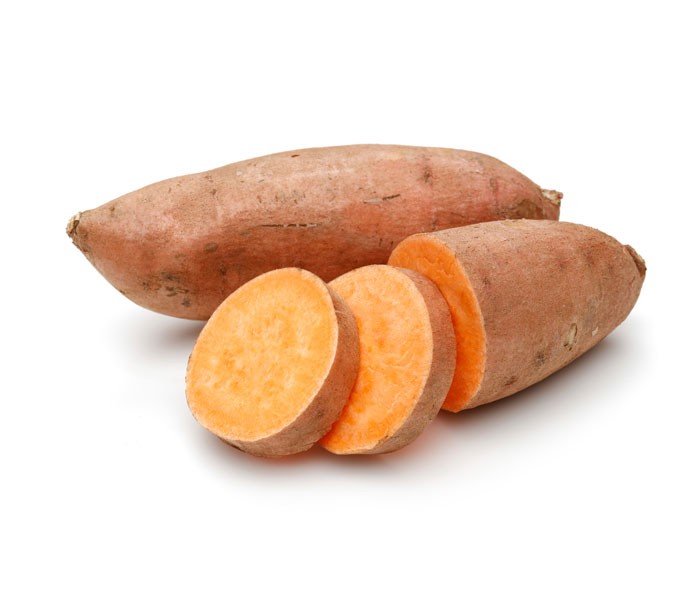
One of the highest-priority flagship initiatives is the Next Generation Sweet Potato Production in the Caribbean Project, delivered through a three-way partnership between IICA, Antigua and Barbuda’s Ministry of Agriculture, and the Caribbean Agricultural Research and Development Institute (CARDI). The project centers on increasing sweet crop yields, expanding the use of diverse sweet potato genetic resources, and directly contributing to stronger national food security.
Key activities rolled out under the sweet potato initiative include the introduction of genetically improved planting stock, field testing of high-yield varieties bred to withstand extreme climate conditions, hands-on training for smallholder farmers on climate-smart good agricultural practices, and upgrades to regional pest management systems that cut post-planting crop losses.
Beyond the sweet potato project, the Minister highlighted major advancements in the Mobile Seed Bank Project, another collaborative effort between IICA and CARDI built to strengthen regional disaster preparedness and speed post-disaster agricultural reconstruction across the Caribbean. Antigua and Barbuda, alongside Dominica, has been selected as a core pilot country for the initiative thanks to its existing robust seed production and storage infrastructure.
The project will roll out a first-of-its-kind mobile seed banking system that enables rapid conservation and distribution of viable seeds during climate and weather emergencies, while also building long-term local technical capacity for seed and germplasm production and conservation. Additional components of the initiative include digitizing regional inventories of seeds and planting materials to improve supply chain traceability and quality control, and creating centralized reserve stocks of planting material to support immediate restart of crop production immediately after hurricanes, droughts, or other climate shocks.
Already, CARDI has launched on-the-ground seed production activities in Antigua and Barbuda, focused on multiplying pumpkin and eggplant seeds that will be stored in reserve and distributed to local farmers to support recovery following future natural disasters.
In addition to crop-focused initiatives, the Minister updated Cabinet on regional cooperation to strengthen monitoring and response capacity for African Swine Fever (ASF), a highly transmissible viral pathogen that threatens both commercial and wild pig populations. Through IICA and its network of regional partners, Antigua and Barbuda is taking part in cross-border programs to upgrade national ASF surveillance protocols, improve sample collection and laboratory testing capabilities, and develop coordinated cross-boundary response frameworks to protect both local and regional livestock industries from outbreak.
Following the briefing, Cabinet members formally welcomed the measurable progress delivered through the ongoing partnership with IICA, and reaffirmed the Antigua and Barbuda government’s unwavering commitment to agricultural modernization, expanded climate resilience, and long-term achievement of full national food security and sustainable agricultural development.