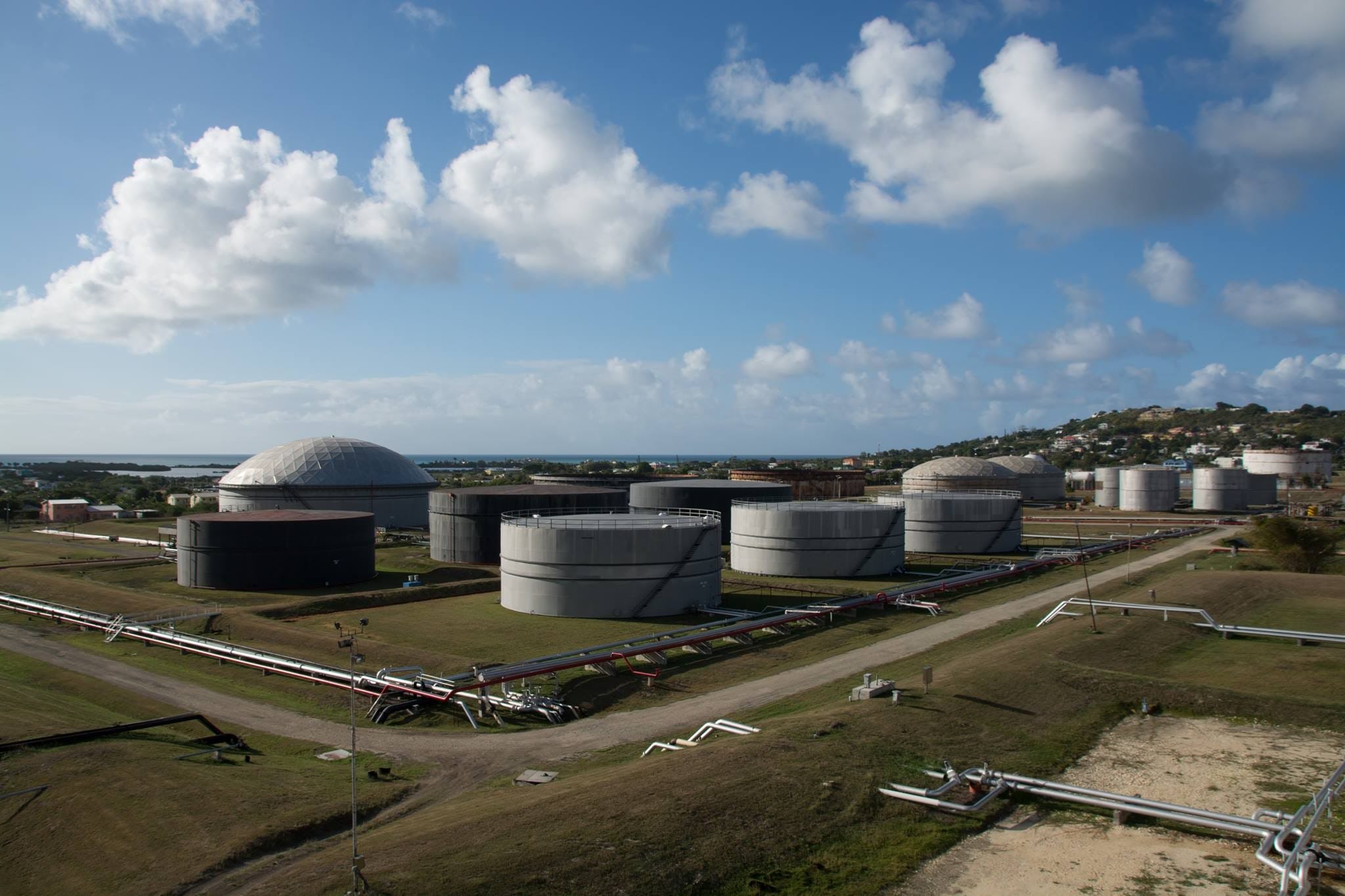
Amid persistent volatility in the global energy market that has driven up international crude oil costs, the government of Antigua and Barbuda has accumulated more than 6 million Eastern Caribbean dollars in outstanding arrears to the West Indies Oil Company (WIOC). The unpaid balance stems from a deliberate policy implemented by the administration to shield everyday consumers and local businesses from skyrocketing retail fuel prices, according to Prime Minister Gaston Browne, who also holds the portfolio of Finance Minister.
For months, Browne confirmed in public remarks, the government has been covering a fixed share of fuel costs to prevent dramatic jumps in the retail prices of both gasoline and diesel. Without this targeted intervention, he explained, motorists and commercial operators would be forced to pay far more per gallon at fuel pumps across the twin-island nation. Instead of passing the full weight of global price increases directly to households that are already grappling with broader cost-of-living pressures, the administration made the decision to absorb the additional expenses as part of a wider initiative to stabilize economic conditions.
Browne characterized the policy as a people-first measure designed to benefit all Antigua and Barbudans, but acknowledged that the growing unpaid debt is creating significant financial strain for the government. “This is a very benevolent position taken by my administration to contain the price of diesel and gasoline for the benefit of the people, but it is hurting us financially,” he stated.
Despite the mounting fiscal pressure, the Prime Minister pointed out that Antigua and Barbuda still boasts one of the lowest fuel price points in the entire Caribbean region. The core goals of the subsidy program extend beyond immediate relief for drivers: it is also intended to insulate the broader national economy from sudden, disruptive fuel price spikes and protect the purchasing power of local consumers, who would otherwise see their disposable incomes eroded by higher energy and transportation costs.
Looking ahead, Browne issued a caution that the government’s ability to sustain this level of support could come under threat if international oil prices remain at elevated levels for a prolonged period. Sustained high global prices would continue to widen the gap between the subsidized retail price and the actual cost of fuel, increasing the government’s financial obligations and challenging the long-term viability of the current subsidy framework.