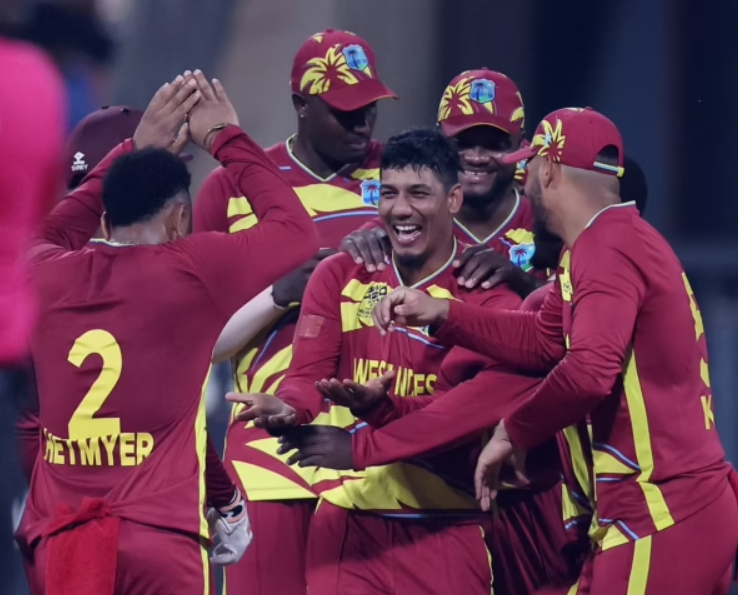
For decades, West Indies cricket stood as a global powerhouse, a force that dominated international cricket for generations and produced some of the most legendary players the sport has ever seen. From the deadly fast-bowling attacks of the 1970s and 1980s that struck fear into every opposing batting lineup to the swashbuckling batsmen who redefined aggressive batting, the region’s cricket culture captured the imagination of fans across the world. It was more than just a team; it was a symbol of Caribbean pride, unity, and excellence that brought together 10 small island nations and territories under a single sporting banner.
Today, however, that once-mighty cricketing empire is teetering on the brink of irrelevance. Recent years have seen a steady and alarming decline across every format of the game. The West Indies men’s team has failed to qualify for major ICC tournaments, missed out on knockout stages of global competitions, and dropped to the lower rungs of the official ICC rankings. Even in T20 cricket, where the region has traditionally produced some of the most exciting talent, results have become inconsistent, and the team struggles to compete with the top ranked sides of the world. Off the field, the problems run even deeper. Governance issues, financial instability, and disputes between regional cricket boards have created a fractured system that fails to nurture young talent. Many of the region’s best players leave early to pursue lucrative franchise contracts in T20 leagues around the world, pulling focus away from national team commitments and leaving the domestic structure starved of top-tier talent.
This decline is not just a blow to cricket fans; it is a loss for Caribbean identity. For generations, cricket has been the glue that held the region together, a shared passion that transcended national borders and gave the Caribbean a global stage to showcase its talent and spirit. Allowing West Indies cricket to fade away would mean losing one of the most important cultural institutions that defines the region to the rest of the world.
Fixing the crisis will not be easy. It requires bold, sweeping reform of governance structures to end infighting and create a unified, sustainable vision for the future. It demands increased investment in youth development programs, to identify and nurture the next generation of stars at the grassroots level. It also requires a new balance between franchise cricket and national team commitments that benefits both players and the regional game. Stakeholders from across the Caribbean, from cricket administrators to government leaders to passionate fans, must come together to prioritize the survival and revival of West Indies cricket. The legacy of past greatness is worth fighting for, and with the right action, West Indies cricket can once again take its place among the elite of the global sport.