博客

  • Walters blasts govt’s lack of financial disclosure, demands answers

    Walters blasts govt’s lack of financial disclosure, demands answers

    A leading opposition figure in Barbados has launched a sweeping indictment of the current administration, accusing it of deliberately withholding critical public financial information and fostering a culture of non-accountability that has left dozens of major spending initiatives shrouded in secrecy.

    Senator Ryan Walters, shadow finance minister for the Democratic Labour Party (DLP), framed the growing controversy around the BiMPay instant payment platform as far more than an isolated oversight. The dispute began when Central Bank Governor Dr Kevin Greenidge initially declined to reveal the total construction cost of the national payment infrastructure, later issuing a public apology and clarifying that Phase 1 of the project had come in at approximately $6.7 million, under the original $10 million approved budget. Even with this late disclosure, Walters argued the incident is just the most recent example of a long-running pattern across government that treats legitimate public and political scrutiny as an unnecessary inconvenience.

    “This is not a single disagreement over one question from one reporter to one official,” Walters emphasized in his remarks. “This is a symptom of a deeply embedded cultural problem within this current administration. In this system, legitimate questions are brushed off as nuisances, independent oversight is dismissed as partisan opposition, and full transparency is treated as an optional extra rather than a core requirement of public office.”

    Walters stressed that all public funds ultimately belong to the people of Barbados, not the governing party or sitting ministers. “Public officials do not hold private purses – they are stewards of resources that belong to every citizen,” he said. “That means the public has an undeniable right to know how their money is spent, whether they are getting value for that investment, and what safeguards are in place to protect these critical resources from misuse or waste.”

    The shadow finance minister outlined a long list of ongoing initiatives where key financial details have not been released to taxpayers. Beyond the BiMPay project, these include: undisclosed costs for external consultants hired by the government since 2018, unanswered questions about ministerial travel expenditures, limited public data linking fuel import costs to retail pump prices, and the complete absence of published cost-benefit analysis for the government’s flagship We Gatherin’ 2025 initiative. He also pointed to the ongoing sale process for the Holetown Civic Centre, which is moving forward without any public disclosure of the project’s total costs to date.

    Turning to infrastructure and public health, Walters called out the repurposing of a large pandemic-era healthcare facility built in the northern parish of St Lucy. Constructed at a reported public cost of more than $125 million to expand COVID-19 care capacity, the facility no longer serves its original healthcare purpose and has reportedly been converted to house migrant labor. “Barbadians deserve a full explanation of what has happened to this massive public investment, which was originally meant to expand access to critical healthcare for our citizens,” he said.

    Walters also raised alarms about spending at state-controlled entities and cultural programs, specifically naming HOPE Inc. and the regional CARIFESTA cultural festival. He noted that despite hundreds of millions in public funds flowing through HOPE Inc. and critical concerns raised by the Auditor General, a sitting minister recently confirmed the organization has never released a full annual financial report for public oversight. For CARIFESTA, Walters said reported spending ballooned from an original projection of $8 million to $34 million, with hundreds of millions more allocated to associated infrastructure projects that remain incomplete, while costs continue to rise and deadlines are repeatedly pushed back. He is calling for a full independent audit of all CARIFESTA expenditures. “The public deserves hard facts, not just vague assurances and political talking points,” he said, criticizing the lack of comprehensive project evaluations across all these initiatives.

    The opposition critique extended to Barbados’ core social safety net, the National Insurance and Social Security Service (NISSS). While reaffirming the DLP’s longstanding support for social protection programs including the Solidarity Allowance and Cost of Living Cash Credit, Walters said compassion for vulnerable communities cannot come at the cost of regulatory compliance and financial transparency. He questioned whether all funds transferred from NISSS to finance these temporary government programs have been fully repaid.

    “National Insurance funds belong to the workers who have contributed to the system over decades, and they must be protected accordingly,” Walters said. “This is about safeguarding workers’ contributions, protecting pensioners’ earned benefits, and ensuring the long-term stability of our country’s most vital social protection institution. So far, clear answers to these questions have not been provided.”

    Walters also highlighted the continued delay of the mandatory independent actuarial review of NISSS, a routine assessment designed to identify early financial risks to the national insurance and social security system. Taken together, he said the dozens of unanswered questions add up to a deeply troubling pattern that cannot be dismissed as random coincidence.

    “Looked at one by one, the government may try to explain away each of these concerns as a simple delay or a misunderstanding,” he said. “But when you take them all together, the pattern is undeniable: questions get asked, most are ignored. Answers get promised, time passes, reports never materialize. Audits get pushed back, costs go up, deadlines get moved, and accountability vanishes. This pattern is far too consistent to write off as a coincidence.”

    Walters clarified that the DLP does not oppose necessary government spending, but objects to the complete lack of independent oversight and public reporting that has become standard across the current administration. He called on the Mia Mottley administration to immediately publish all outstanding audits, project reports, full expenditure breakdowns, and the delayed NISSS actuarial review.

    “Accountability is not a favor that the government grants to citizens – it is the fundamental requirement of holding public office,” Walters said. “Transparency is not achieved through PR stunts, speeches, press conferences or empty political rhetoric. Transparency only comes through full public disclosure. Until all the required information is placed before the people of Barbados, legitimate questions will keep being asked, and the Democratic Labour Party will keep demanding answers on behalf of every citizen.”


  • Antigua and Barbuda Parliament Ratifies Visa Waiver Agreement with United Arab Emirates

    Antigua and Barbuda Parliament Ratifies Visa Waiver Agreement with United Arab Emirates

    In a significant step toward expanding its global diplomatic and economic footprint, Antigua and Barbuda’s national parliament has formally approved a resolution ratifying a reciprocal visa exemption agreement between the Caribbean nation and the United Arab Emirates. Government officials frame the move as a cornerstone of the country’s broader strategy to deepen international collaboration and strengthen cross-border ties with Gulf states. The agreement, tabled before the House of Representatives by Foreign Affairs Minister E.P. Chet Greene, aligns with Antigua and Barbuda’s long-running initiative to diversify its international partnerships and advance cooperation with Middle Eastern economies.

    Under the terms of the deal, eligible passport holders from both Antigua and Barbuda and the UAE will gain the right to visa-free travel, eliminating the pre-travel visa requirement and streamlining cross-border movement for citizens, businesspeople, and tourists alike. Lawmakers signed off on the resolution during a regular parliamentary sitting held this Tuesday, where it formed one piece of a broader slate of international agreements brought forward for legislative approval.

    Over the past decade, the United Arab Emirates has grown into an increasingly vital strategic and economic partner for small island developing states across the Caribbean, with robust collaboration already underway in key sectors including foreign direct investment, renewable energy infrastructure, aviation connectivity, bilateral trade, and development project financing. Antigua and Barbuda’s government has long emphasized its goal of expanding diplomatic and economic ties beyond its traditional partner blocs in North America and Europe, repeatedly identifying the Gulf region as an area of rising strategic priority.

    This latest ratification forms part of Antigua and Barbuda’s ongoing push to cultivate stronger bilateral relationships across Africa, Asia, and the Middle East through targeted bilateral agreements and enhanced high-level engagement. The visa exemption resolution was not the only international measure approved during Tuesday’s sitting; lawmakers also greenlighted amendments related to the International Labour Organization, protocols linked to the International Civil Aviation Organization, and a series of agreements focused on cross-border international financial information exchange. None of the resolutions before parliament sparked extended debate, with all measures passing smoothly.

    Collectively, the set of newly approved agreements will reinforce Antigua and Barbuda’s standing in the global community while deepening productive cooperation with key partners around the world, government officials confirmed. For the UAE visa waiver, entry into force will now await the completion of the final administrative and diplomatic procedural steps required by both national governments, with an official launch expected in the coming months.

  • Gun courts alone won’t stop illegal firearms – senator

    Gun courts alone won’t stop illegal firearms – senator

    During Wednesday’s upper house parliamentary debate on a bill to amend the Supreme Court of Judicature Act, which would establish a specialized gun court in Barbados, opposition Senator Karina Goodridge issued a pointed call to reframe the nation’s approach to rising gun-related violence. While Goodridge, leader of the Friends of Democracy party, did not oppose the creation of the new firearm court division, she argued that the measure only addresses harms after crimes have been committed, failing to tackle the root of the problem: the steady flow of illegal weapons into the country.

    Goodridge emphasized that the island’s first line of defense against gun violence should not be the courtroom, but strengthened upstream controls that stop illegal firearms from reaching Barbadian communities in the first place. “Firearm court deals with the consequences of gun crime. It does not prevent a single illegal firearm from entering Barbados, and we must make that clear,” she told legislators. “It does not disrupt a single trafficking network. So the first line of defence against illegal firearms, in my view, may not be the courtroom.”

    The senator pushed for urgent investment in enhanced border security, pressing the government to answer critical unaddressed questions about how illegal guns are infiltrating the country’s borders. She called for additional resources and funding to be allocated to frontline agencies tasked with intercepting contraband, including Customs, Immigration, the Barbados Coast Guard, and national law enforcement units. Beyond border infrastructure, Goodridge also raised proactive concerns about the risk of institutional corruption undermining gun interdiction efforts. While she stressed that she has no concrete evidence of existing police corruption tied to gun trafficking, she argued that the government must put robust safeguards in place to prevent corrupt actors from facilitating the flow of illegal weapons.

    In addition to her call for a policy shift toward root-cause interventions, Goodridge flagged structural gaps that could weaken the effectiveness of the proposed gun court even if the bill passes. She noted that adequate staffing is not enough to run a modern, efficient judicial institution; outdated technology infrastructure across the Supreme Court has long been a source of complaint from judges, bar association members, and litigants alike. Goodridge recounted multiple instances of judicial officers reporting malfunctioning recording equipment and outdated digital systems that slow case proceedings and create administrative backlogs. To ensure the new gun court can deliver timely, consistent justice, she urged the government to prioritize upgrading the court’s technological infrastructure before the division launches. Goodridge also recommended that policymakers explore adopting the online court model used successfully in other jurisdictions to improve access and efficiency for gun-related cases.

    The debate over the gun court bill comes as Barbados grapples with persistent gun crime, prompting competing visions for how to reduce violence: one focused on expediting prosecutions and sentencing through specialized courts, and the other advanced by Goodridge that prioritizes cutting off the supply of illegal weapons at the source.

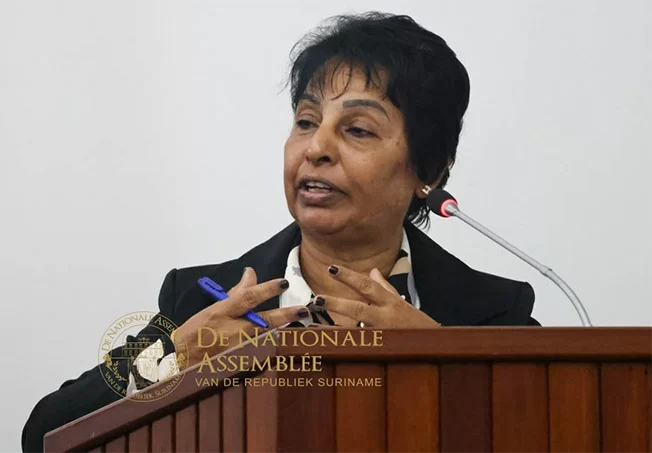
  • Brede steun in De Nationale Assemblee voor verhoging AOV-uitkering

    Brede steun in De Nationale Assemblee voor verhoging AOV-uitkering

    During ongoing parliamentary deliberations over the 2026 draft national budget in Suriname, lawmakers from multiple political factions have united behind a urgent call to raise the country’s universal old-age pension, the Algemene Oudedagsvoorziening (AOV), arguing that the current benefit level leaves thousands of elderly residents unable to cover basic living costs. The debate has also brought renewed scrutiny of ongoing irregularities linked to the country’s purchasing power support grant (KKV), with parliament demanding official clarity from the government on an active investigation into mismanagement of the program.

    Harriët Ramdien, a member of parliament from the ruling VHP party, laid out the stark economic reality facing pensioners during the session. Ramdien noted that Suriname’s official poverty threshold already surpassed 7,000 Surinamese dollars (SRD) in 2025, yet elderly residents who rely solely on state support receive a combined total of just 5,000 SRD per month from the AOV and KKV grants combined. She urged the government to immediately raise the base AOV benefit to a minimum of 7,000 SRD, with additional incremental increases planned once public finances allow for further expansion of social spending.

    Jerrel Pawiroredjo, leader of the opposition NPS faction, threw his full weight behind the proposal, emphasizing that elderly Surinamese rank among the most vulnerable groups in the country. Many can no longer work to generate supplementary income due to age, he explained, leaving them completely dependent on government support. To illustrate the severity of the crisis, Pawiroredjo shared a firsthand anecdote of an elderly woman who waited hours at an ATM for her AOV deposit, only to be unable to afford bus fare home after the transaction went through.

    Raymond Sapoen, a lawmaker from the NDP party, acknowledged that no member of the National Assembly opposes raising social benefit rates, but called for responsible fiscal planning to avoid destabilizing national public finances. Sapoen stressed that the government must outline a clear, achievable timeline for increases not just for AOV, but also for the universal child benefit (AKB) and general social assistance, tying any expansion of spending to verifiable available fiscal space.

    VHP parliamentarian Hakiem Lalmohamed added another layer of concern to the debate, highlighting unannounced cuts to KKV benefits for dozens of residents in the Commewijne district that were implemented without any official explanation. He called on the administration to publicly share the reasoning behind these cuts and immediately restore support to eligible recipients who lost their benefits improperly. Lalmohamed also joined the call for an AOV increase, noting that pre-election pledges had led many elderly Surinamese to expect a monthly benefit of at least 8,000 SRD.

    By the close of the latest budget deliberation, multiple assembly members had formally called on the national government to release a transparent update on the feasibility of increasing AOV and other core social assistance programs, setting the stage for further negotiations as the draft budget moves through the legislative process.

  • Teen goes on Shopping Spree

    Teen goes on Shopping Spree

    In a recent incident that has sparked widespread public discussion across social media and local communities, a teenager has made headlines for carrying out an extravagant, unauthorized shopping spree that left many questioning modern youth spending habits and parental supervision frameworks.

    Details emerging from local retail sources indicate that the young individual spent thousands of dollars on high-end clothing, electronics, and luxury accessories over a 48-hour shopping binge across multiple major retail outlets in the downtown district. What makes this incident particularly notable is that the funds used for the purchases were not the teen’s own, reportedly accessed through an unsecured payment method linked to a family member’s financial account.

    Local retail workers first noticed unusual activity when the teenager arrived at a designer boutique on Friday afternoon, purchasing multiple high-value items in one transaction without hesitation. Over the following two days, the spending spree continued across electronics stores, beauty counters and sneaker boutiques, with the teen carrying multiple large shopping bags between stores, drawing little attention at first amid the busy weekend shopping rush.

    Once the unauthorized activity was detected by the account holder, who is a parent of the teenager, local authorities were contacted, and an investigation into the incident is now ongoing. Retail representatives have confirmed that they are cooperating fully with the investigation, noting that there were no obvious red flags during the transactions that would have prompted staff to intervene.

    This incident has reignited debates around two key issues in modern society: the ease of access to digital payment methods for minors, and the lack of financial literacy education for young people. Many child development experts have weighed in, noting that as contactless and digital payments become the norm, teenagers are often disconnected from the real value of money, making impulsive and excessive spending more likely.

    Community members have expressed mixed reactions to the news. Some have criticized the teenager’s actions as irresponsible and entitled, while others have pointed the finger at poor parental monitoring and a consumer culture that pushes young people to equate self-worth with expensive possessions. Local education officials have announced that they will review the current personal finance curriculum for secondary schools in the district in response to growing concerns about youth financial literacy.

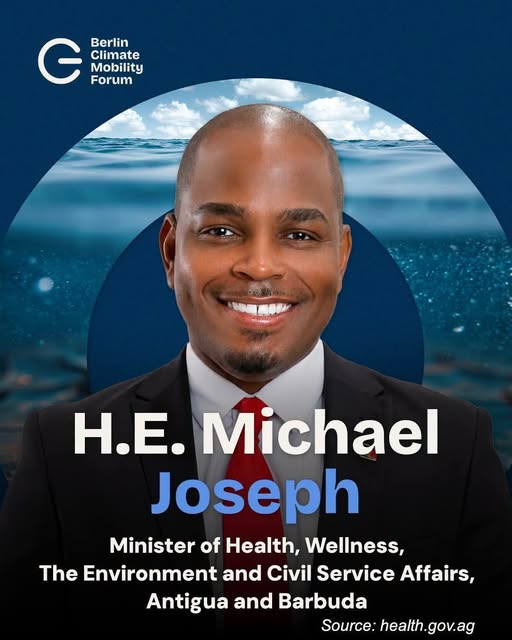
  • Minister Michael Joseph Joins Global Leaders at Berlin Climate Mobility Forum 2026

    Minister Michael Joseph Joins Global Leaders at Berlin Climate Mobility Forum 2026

    The 2026 Berlin Climate Mobility Forum officially kicks off today in Germany’s capital, bringing together a diverse cohort of senior government officials, heads of international bodies, and representatives from leading development institutions to confront one of the most pressing interconnected challenges of the 21st century: climate mobility.

    Over the course of the two-day gathering, stakeholders from across the globe will collaborate to deepen cross-border and cross-sector cooperation on climate mobility, while working to advance actionable, scalable solutions that strengthen climate adaptation, build community resilience, and advance inclusive sustainable development.

    As climate change accelerates and its impacts ripple through communities on every continent, climate mobility — the movement of people displaced or compelled to relocate by climate-related disasters and slow-onset environmental changes — has emerged as a critical policy issue that intersects with environmental protection, public health systems, governance structures, and broad socioeconomic development strategies. What was once a marginal concern for small island developing states and low-lying coastal nations is now recognized as a global challenge that demands coordinated international action.

    The roster of high-level attendees reflects the broad global consensus on the urgency of this issue. Participants include Nilda Borges da Mata, Minister of Environment, Youth and Sustainable Tourism of the Democratic Republic of São Tomé and Príncipe; Diaz Faisal Malik Hendropriyono, Vice Minister of Environment of Indonesia; Noelia Souque, Ambassador for Cross-Border Cooperation of Andorra; M.T. Oshurbayev, Vice Minister of Ecology and Natural Resources of Kazakhstan; Emmanuel King Urey Yarkpawolo, Executive Director of the Environmental Protection Agency of Liberia; and Daniel M. Best, President of the Caribbean Development Bank. Among the delegates is Michael Joseph, Minister of Health, Wellness, Environment, and Civil Service Affairs of Antigua and Barbuda.

    Joseph is joined at the forum by Ruleta Camacho-Thomas, Antigua and Barbuda’s Climate Ambassador, who has long led the nation’s climate advocacy work across regional and international platforms. Her on-the-ground expertise and policy experience will support Joseph’s engagement in the forum’s working sessions and negotiations.

    The forum fills a critical gap in global climate governance by offering a dedicated, high-profile platform for open dialogue and collaborative problem-solving. As nations grapple with the growing toll of climate change on vulnerable communities and livelihoods, this gathering creates space to align priorities and align collective action.

    Core discussion topics for the event center on strengthening national and regional policy frameworks for climate mobility, boosting community-level resilience to climate shocks, and building inclusive cross-border partnerships that directly support vulnerable populations impacted by climate-related displacement and migration.

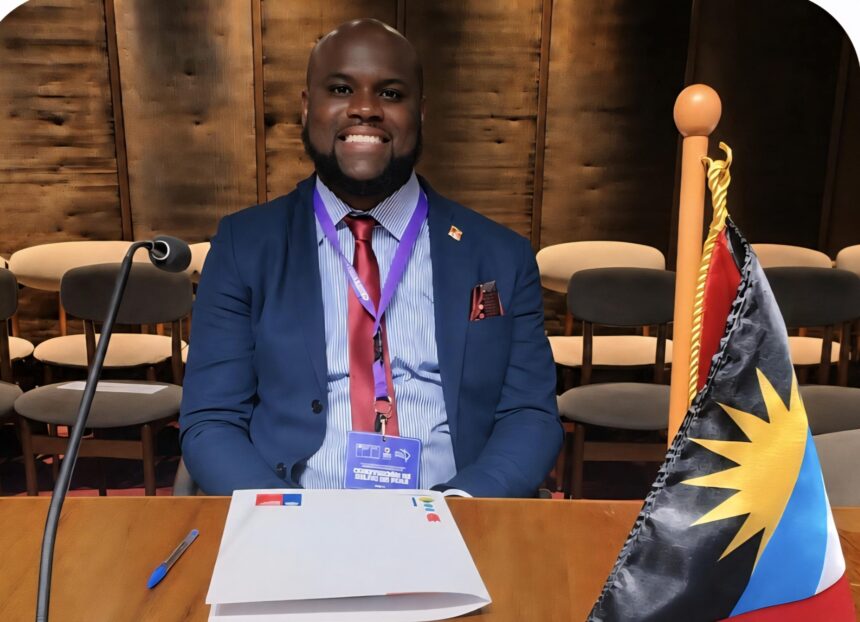
    For Antigua and Barbuda, a low-lying small island developing state on the frontlines of sea level rise and climate change, Joseph’s participation underscores the nation’s unwavering commitment to tackling climate impacts, contributing to global collective action, and advancing shared goals of building global resilience, promoting responsible long-term environmental stewardship, and supporting communities around the world that face growing climate-related challenges.

  • Dejonte Buckley Charged with Larceny, Assault and Weapon Offences

    Dejonte Buckley Charged with Larceny, Assault and Weapon Offences

    On June 18, 2026, the Royal Police Force of Antigua and Barbuda’s Office of Strategic Communications issued an official public statement detailing the arrest and prosecution of a 21-year-old Nut Grove resident on a slate of criminal charges tied to a violent theft incident.

    Authorities confirm that Dejontè Buckley faces four separate offences: larceny, assault and battery, use of threatening language, and possession of an imitation firearm. The charges originate from an incident that unfolded two days prior, on June 16, in the Cashew Hill area of the country.

    According to police investigative accounts, Buckley is alleged to have unlawfully entered an unoccupied vehicle registered to a Cassada Gardens resident. During the incursion, he stole a collection of personal property collectively valued at roughly 3,716 Eastern Caribbean dollars. The stolen items included two separate wallets, a sum of cash, a white AirPods carrying case, multiple forms of personal identification, bank payment cards, and a range of other critical personal documents.

    Following an immediate manhunt launched after the incident was reported, law enforcement officers successfully took Buckley into custody. A search of the suspect’s person and surrounding area recovered multiple pieces of evidence linked to the alleged crime, including a ski mask commonly used to conceal a perpetrator’s identity and the imitation firearm Buckley is accused of possessing during the offence.

    In conjunction with announcing the charges, the Antigua and Barbuda Royal Police Force issued a public safety advisory to all local residents. The advisory stressed the importance of consistently locking and securing personal motor vehicles, and strongly discouraged leaving valuables of any kind stored and unattended inside vehicles, a practice that creates easy targets for opportunistic thieves.

    As the investigative process around the incident remains active, police are calling on any member of the public who holds additional information that could advance the case to come forward immediately. Tips can be submitted to the official Criminal Investigations Department via phone at 462-3913 or 462-3914, to staff at the Grays Farm Police Station in person or via phone, or anonymously through the regional Crimestoppers hotline at 800-TIPS (8477). As of the publication of this media release, no further updates on court scheduling or additional details of the incident have been released to the public.

  • OPINION: Economic Diversification: Antigua and Barbuda Is Already Building the Future

    OPINION: Economic Diversification: Antigua and Barbuda Is Already Building the Future

    For small island developing nations like Antigua and Barbuda, economic diversification has risen to the top of the national policy agenda, and with good reason. For decades, the country’s economy has leaned heavily on the tourism sector, a reliance that has left its financial stability dangerously exposed to outside disruptions that are entirely out of local control. From global economic downturns and international armed conflicts to public health crises such as the COVID-19 pandemic, and the increasing frequency of extreme natural disasters amplified by climate change, the nation has repeatedly faced the fallout of putting all its economic eggs in one basket. Today, however, Antigua and Barbuda is moving beyond vulnerability, rolling out targeted, strategic initiatives to build a more robust, balanced, and diversified economic landscape that can weather future shocks.

    One of the most promising emerging pillars of the country’s new economic framework is its creative industries. Home to a rich, vibrant cultural heritage that draws from centuries of Caribbean history, Antigua and Barbuda’s cultural offerings – from the world-famous annual Carnival celebration to original music, visual art, and literature – already generate meaningful economic activity, while also helping to cement the nation’s unique global identity. Standout events such as the One Nation Music festival draw visitors from across the region and beyond, boosting local hospitality and small business revenue in the process. By doubling down on targeted support for independent artists and cultural entrepreneurs, the country is well positioned to establish itself as the leading cultural hub for the Caribbean region.

    Agriculture also continues to play a foundational role in the country’s push for diversification, serving dual critical purposes: strengthening domestic food security and unlocking new streams of economic growth. Beyond traditional subsistence and export farming, sector leaders are increasingly tapping into the unmet potential of agro-processing and value-added local goods. This includes craft beverages, artisanal condiments, premium packaged local foods, and homegrown consumer brands that are tailored for export to regional markets and global diaspora communities hungry for authentic Antiguan and Barbudan products.

    The education sector is another fast-growing area of economic opportunity that is gaining traction. The ongoing expansion of the University of the West Indies Five Islands Campus represents a key long-term investment in the nation’s most valuable asset: its people. Beyond developing a skilled, competitive domestic workforce, the expanded campus is attracting growing numbers of students from across the Caribbean, bringing in consistent education export revenue while fostering a dynamic environment for homegrown innovation and academic research.

    Antigua and Barbuda is also making notable progress in two other high-potential sectors: renewable energy and the Blue Economy. Targeted investments in clean, sustainable energy infrastructure are cutting the nation’s costly dependence on imported fossil fuels, while new initiatives in marine research, sustainable fisheries, and ocean-based tourism are opening entirely new pathways for private investment and job creation that align with global climate action goals.

    Critically, this nationwide push for diversification is not designed to replace Antigua and Barbuda’s historic core tourism sector. Instead, the strategy focuses on building multiple, mutually reinforcing pillars of economic growth, so that the fate of the nation’s prosperity no longer rises and falls with the performance of a single industry. By pursuing targeted strategic investments across a range of sectors – from tourism and sports to culture, agriculture, education, technology, renewable energy, and other emerging industries – Antigua and Barbuda is already laying the groundwork for a more resilient, environmentally sustainable, and broadly prosperous future for all its citizens.

  • Derde helft WK 2026: Waarom voetbal veel meer zegt over mensen dan over doelpunten

    Derde helft WK 2026: Waarom voetbal veel meer zegt over mensen dan over doelpunten

    The FIFA World Cup is far more than a 90-minute contest of athletic skill and tactical maneuvering. For billions of fans across the globe, this global quadrennial tournament is never experienced through just the lens of on-pitch action. Every individual watches the game filtered through their own personal background: ancestral history, cultural origin, family ties, core beliefs, and even deep-seated political or economic views. One fan may dissect every tactical shift and defensive formation, while another sees a decades-spanning historical confrontation. Some align their support with a national team based on their familial roots, others cheer for the side boasting their favorite star, and many simply tune in for the pure joy of beautiful, fluid soccer. In this way, the World Cup always reveals more about the people watching it than it does about the goals scored on the pitch.

    Professional soccer analysts and coaches approach matches very differently than casual supporters. Where industry insiders focus on high pressing metrics, possession rates, off-ball running lanes, counterattack transitions, and tactical discipline, average fans often fixate on raw tension, emotional highs, and goals. A head coach may leave a 0-0 draw praising a perfectly executed game plan, while a supporter sitting on their couch at home will dismiss the same match as unbearably boring for its lack of scoring. But beyond the narrow framework of professional sports analysis, countless other perspectives shape how fans experience the tournament, and history plays a far larger role than most observers initially recognize.

    Matches between nations with intertwined shared histories almost always carry extra emotional weight, not because current players bear responsibility for past events, but because fans bring their own family memories, intergenerational experiences, and historical traumas or connections to the game. Take for example a group stage matchup between Senegal and France: while some fans see only an exciting clash of talented teams, others cannot separate the contest from the historical relationship between a former colonial power and its one-time colony. The same dynamic plays out for any match between nations whose histories are deeply intertwined, turning the soccer pitch into a temporary meeting ground where the past and present collide.

    Migration and diaspora communities also reshape how fans engage with the World Cup. Today, hundreds of millions of people live in a country different from the one where their parents or grandparents were born, creating often complex dual loyalties. A person may feel fully at home in their country of residence, while still retaining a deep emotional bond with the nation of their ancestry. This reality is visible across every World Cup: Moroccan fans based in the Netherlands, Turkish communities in Germany, Senegalese diaspora members in France, Mexican supporters in the United States, and countless other displaced and migrant communities all experience the tournament through a unique, personal lens shaped by their dual identity.

    This dynamic is particularly visible in Suriname, where attitudes toward the Dutch national team split sharply along lines of history and connection. For many Surinamese fans, supporting the Netherlands feels natural, shaped by close family ties, shared cultural bonds, and the long legacy of Suriname-born players who have defined Dutch soccer for decades. For others, however, attitudes toward the Dutch side are shaped by the shared colonial history between the two nations, and current social and political debates ranging from migration policy to visa restrictions. For these fans, a simple group stage match becomes far more than a sporting contest — it becomes a mirror that reflects broader societal tensions and long-held grievances.

    Beyond identity and history, some fans completely ignore national borders to center their support around individual star players. It matters little to these fans whether their favorite athlete plays for Argentina, Portugal, France or Brazil; what draws their support is the player’s individual skill, style of play, and charisma. For these supporters, the national team jersey becomes secondary to the unique talent of the soccer star they follow.

    Still other fans care most about the entertainment value of the game, prioritizing the aesthetic beauty of skilled soccer over final results. They delight in technical masterclasses, unexpected attacking runs, spectacular goalkeeping saves, and the electric atmosphere of packed stadiums. For them, soccer is first and foremost a global form of entertainment, and how a match is played often matters more than who wins it.

    A growing segment of fans and observers also engage with the World Cup through an economic lens. For this group, the multi-billion dollar industry behind modern soccer — from sponsor deals and broadcast rights to advertising revenue and the global transfer market — is just as much a part of the spectacle as 90 minutes of play on the pitch. For other fans, sports betting and match predictions add an extra layer of personal investment to every contest.

    The World Cup’s unique magic lies in its ability to bring all these wildly different perspectives together. Billions of people tune in to watch the same match footage, but every individual walks away with a completely different story. No other global sport can stir up such a diverse range of emotions, memories and expectations across the entire planet.

    Perhaps the most profound takeaway from every World Cup is this: the ball is round for everyone, the pitch is the same size for every team, the rules of the game never change — but the lens through which each person watches and experiences the tournament varies completely from one individual to the next. It is this diversity of perspective that makes soccer far more than just a game. It tells a story of who we are, where we come from, and the personal and collective histories we carry with us.

  • JOB VACANCY: Brokerage Support Clerk

    JOB VACANCY: Brokerage Support Clerk

    A brokerage firm has announced an open vacancy for a brokerage support clerk position, with a formal application deadline set for June 22, 2026. The role, which supports daily brokerage operations including trade documentation processing, client inquiry coordination and back-office administrative tasks, is now accepting candidate submissions. Interested individuals are instructed to prepare and send their complete application materials and updated professional resumes to the designated contact point for consideration. While the posting confirms the deadline far in advance to allow ample time for candidates to prepare their materials, full submission instructions are noted as part of the application process. This posting indicates ongoing operational staffing needs within the financial brokerage sector, giving job seekers in the financial services space an extended window to put forward their candidacies.