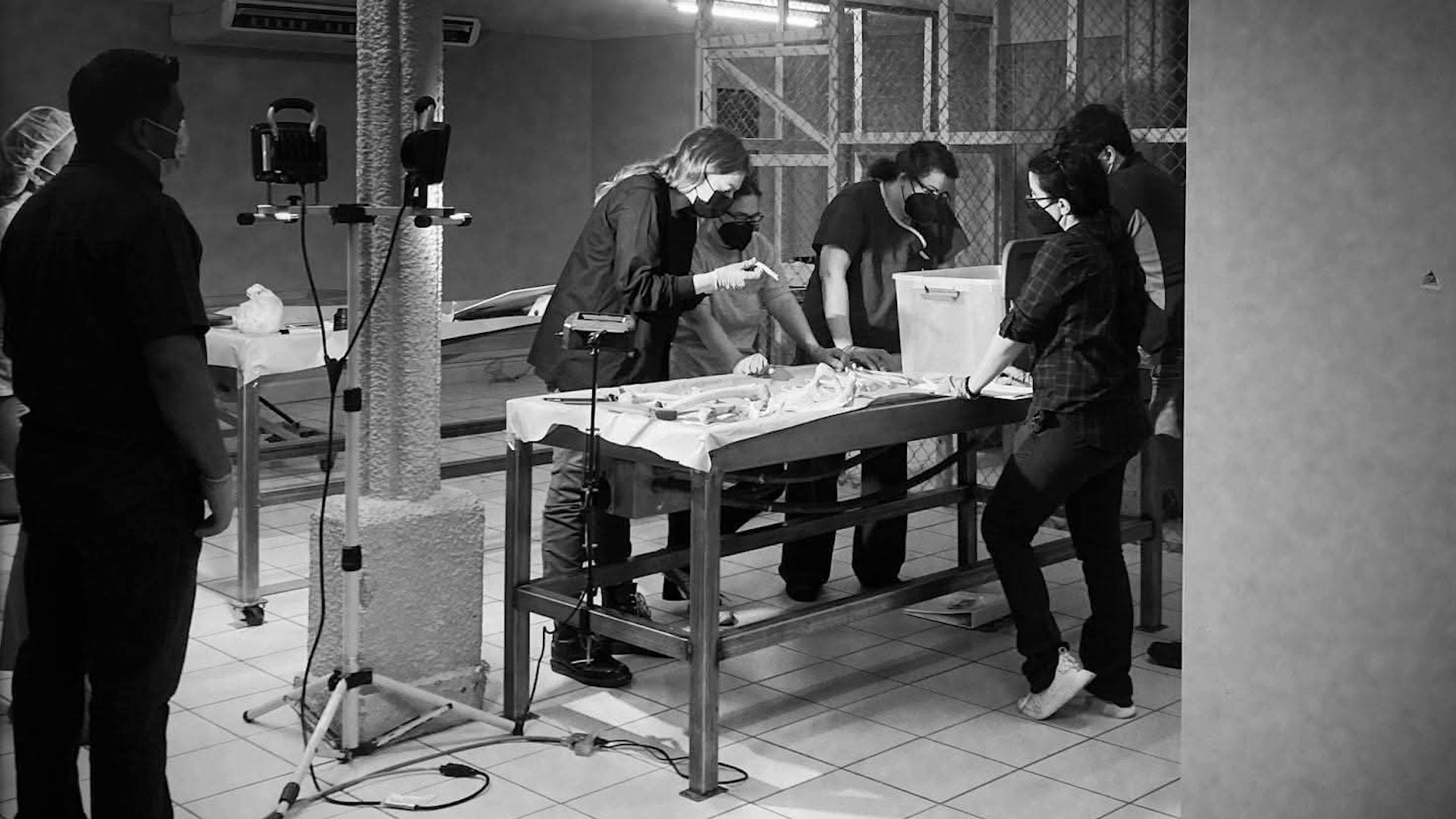
For countless families across Belize, the indefinite uncertainty of waiting for news of a missing loved one has become a persistent, unresolvable form of grief. Decades can pass without answers, leaving relatives unable to mourn properly or lay their family member to rest. Now, a groundbreaking initiative led by Belize’s National Forensic Science Service (NFSS) is changing that narrative, delivering the first successful identification and offering a pathway to closure for dozens of other waiting households.
The project centers on approximately 20 sets of unidentified human remains recovered across Belize since as early as 1998. For years, these remains have gone without a name, held by authorities with no way to connect them to the families searching for their missing relatives. By combining modern DNA testing, cross-referencing with decades-old missing person case files, and targeted public outreach, NFSS forensic experts are working to build genetic matches that will finally return these remains to their loved ones.
Gian Cho, Executive Director of the National Forensic Science Service, explained that the initiative prioritizes resolving the disconnect between recorded missing persons reports and the unidentified remains held by the service. “When you only have a missing person report and no recovered remains, the case can never truly be closed,” Cho noted. “Our work focuses on matching the unknown remains we have to the families that have been waiting for answers, so that their loved one can finally be laid to rest with dignity.”
In the first successful outcome since the project launched, the NFSS has already returned one set of identified remains to the next of kin through the organization’s local representative. Looking ahead, Cho says three more cases have recently been sent to overseas laboratories for DNA analysis, with results expected in the next one to two months. If those tests return positive matches, the NFSS will immediately move to reunite those remains with their respective families.
For the NFSS team, the work is rooted in a core commitment to fundamental human dignity. “Every person has the right to be recognized, and every family has the right to bring their loved one home,” Cho emphasized. That goal remains the ultimate priority of the initiative.
To speed up the identification process, forensic teams are issuing a public call for assistance. Any Belizean family with a missing relative is encouraged to come forward and share key details: the last known location of their loved one, descriptions of clothing they were wearing when last seen, any unique identifying physical marks, full medical history, and current contact information to facilitate DNA sample collection for testing.
This report is a transcript of an evening television news broadcast, with Kriol-language statements transcribed using a standardized spelling system for accuracy.