博客

  • CDB launches regional initiative to explore Caribbean renewable energy grid integration

    CDB launches regional initiative to explore Caribbean renewable energy grid integration

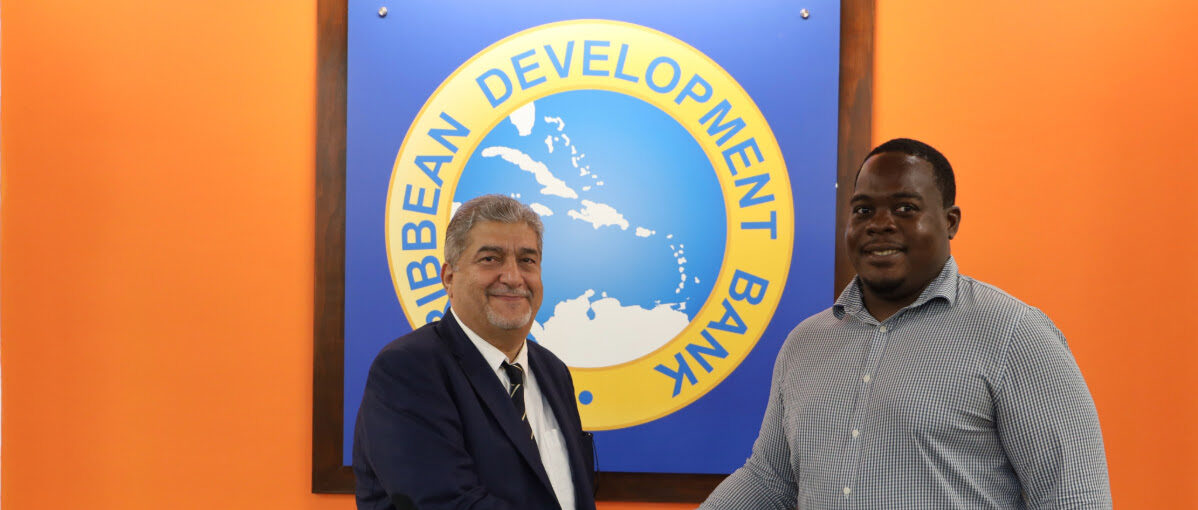
    The Caribbean Development Bank (CDB) has officially launched a groundbreaking regional technical assistance initiative designed to transform the Caribbean’s energy landscape by scaling up renewable energy adoption and integrating national electricity grids across neighboring nations. Dubbed the Caribbean Regional Electricity Grid Interconnection and Renewable Energy Scaling Technical Assistance Project (CREGI-RES), the effort marks a critical turning point in the region’s decades-long fight to break free from costly, carbon-intensive dependence on imported fossil fuels.

    At the project launch ceremony, key stakeholders including Dr. Sherine Ibrahim, Sustainable Energy Specialist at CDB, and Kyle Farnum, Energy Programme Manager for the European Union, gathered to mark the start of what planners hope will become a blueprint for sustainable energy transition across the small island developing states of the Caribbean. L. O’Reilly Lewis, Director of CDB’s Projects Department, emphasized that collective regional action is the only viable path to solving shared energy challenges that no single nation can tackle alone. “Regional cooperation through this Technical Assistance unlocks opportunities individual countries cannot achieve alone. The potential benefits could be significant and now must be tested through rigorous analysis,” Lewis noted at the event.

    For years, Caribbean nations have faced some of the highest retail electricity prices in the world, a burden directly tied to their overwhelming reliance on imported petroleum and coal to meet domestic power demand. Despite the region holding enormous untapped renewable energy potential—including abundant geothermal reserves, strong offshore wind resources, consistent solar irradiation, and viable hydropower sites—clean energy currently makes up only a small fraction of the region’s total installed generation capacity. CREGI-RES was developed specifically to address this gap by laying the groundwork for coordinated regional action.

    Over the course of the project, technical teams will conduct a comprehensive feasibility assessment of a range of integrated energy solutions. Key areas of analysis include the potential for cross-border submarine electricity interconnections, targeted upgrades to aging transmission infrastructure, and strategies to speed up the deployment of utility-scale renewable energy technologies across the region. The assessment will also quantify how integrated regional energy systems could deliver tangible benefits to consumers, including lower monthly electricity bills, more reliable power supply, reduced vulnerability to volatile global fossil fuel price swings, and strengthened resilience to extreme climate events that increasingly threaten small island energy infrastructure.

    To guide the initiative, CDB will appoint a dedicated full-time Grid Interconnection and Renewable Energy Scaling Advisor, who will lead the development of a detailed actionable regional roadmap. The roadmap will address core barriers to progress, including inconsistent regulatory frameworks, gaps in institutional capacity, and challenges in building competitive regional power markets. The project will also establish cross-cutting thematic working groups and host a series of inclusive stakeholder engagement activities, including regional workshops and country-level dialogue sessions, to identify and resolve regulatory and policy barriers that have historically deterred clean energy investment. A central priority of these efforts is to create an enabling policy and market environment that can attract large-scale long-term private sector financing for renewable energy and grid projects.

    Total funding for the $1.5 million technical assistance project comes from multiple global development partners, aligned around shared climate and energy goals for the Caribbean. CDB is contributing core financing through its Special Funds Resources, with additional support coming from the European Union Caribbean Investment Facility (EU-CIF) Geothermal Risk Mitigation Programme, France’s Agence Française de Développement, and the Government of Canada through its Sustainable Renewable Energy Generation (SuRGE) programme. Implementation of the project is scheduled to run through early 2028, with the first draft of the comprehensive regional roadmap expected to be released for public consultation in 2027.

    CDB officials note that the ultimate success of the initiative will depend on the findings of rigorous technical, environmental, financial, and social assessments, as well as subsequent buy-in and investment commitments from participating Caribbean governments and international funding partners. If realized, the project’s recommendations are expected to deliver widespread benefits including expanded renewable generation capacity, reduced regional carbon emissions, more affordable electricity for households and businesses, improved climate resilience, and new job opportunities in the fast-growing clean energy sector.

    CREGI-RES is a flagship initiative under CDB’s Accelerated Sustainable Energy and Resilience Transition 2030 (ASERT-2030) Framework, and aligns directly with the development bank’s core strategic priority of expanding green energy investment across all its Borrowing Member Countries. The project also aligns with the broader energy transition agenda of the Caribbean Community (CARICOM) and supports the region’s collective climate commitments under the Paris Agreement, reinforcing the Caribbean’s ambition to take a leading role in the global transition to low-carbon sustainable energy systems.

  • Panton: “Political Leadership is Not a Licence to Enrich Yourself”

    Panton: “Political Leadership is Not a Licence to Enrich Yourself”

    On June 18, 2026, a major political controversy has erupted in Belize’s Belize District, as Opposition Leader Tracy Panton has publicly called for the immediate resignation of sitting Home Affairs Minister Oscar Mira. The demand comes following explosive allegations that Mira steered lucrative government contracts to business entities and individuals connected to his own immediate family.

    Panton laid out her accusations during an appearance on the popular local morning current affairs program *Open Your Eyes* on Thursday, where she outlined a clear stance on ethical governance for public officials. She emphasized that holding elected political leadership does not grant any official permission to use public office for personal, familial or associated corporate financial gain.

    “Being a political officer or being elected to political leadership is not a licence to enrich yourself, to enrich your family, to enrich companies that are affiliated with your family,” Panton stated during the interview. She added that occupying any public office comes with a sacred responsibility to safeguard public funds, warning that misusing political authority for private gain is a fundamental betrayal of the public trust.

    Panton went on to cite what she says is concrete evidence backing the corruption allegations contained within the Belize government’s own SmartStream financial tracking system. According to her, the system’s records show 44 separate payments were processed to a family member of Mira on a single day. Panton called this clear-cut nepotism, and argued that this kind of activity lies at the core of deep-rooted public corruption in the current administration.

    In addition to calling for Mira’s removal from cabinet, Panton also criticized what she frames as a complete lack of response from senior ruling party officials, including Belize’s Prime Minister, who also holds the portfolio of Minister of Finance. She expressed public outrage over the silence from top government leadership, saying every Belizean citizen has the right to be angered by the lack of accountability.

    “Oscar Mira must go. He must resign. He must be removed from cabinet,” Panton declared, issuing a public call to action for all Belizean citizens and good governance advocates to stand with her in demanding accountability for the alleged malfeasance.

  • Tourism growth should not outpace utility planning, NURC chief warns

    Tourism growth should not outpace utility planning, NURC chief warns

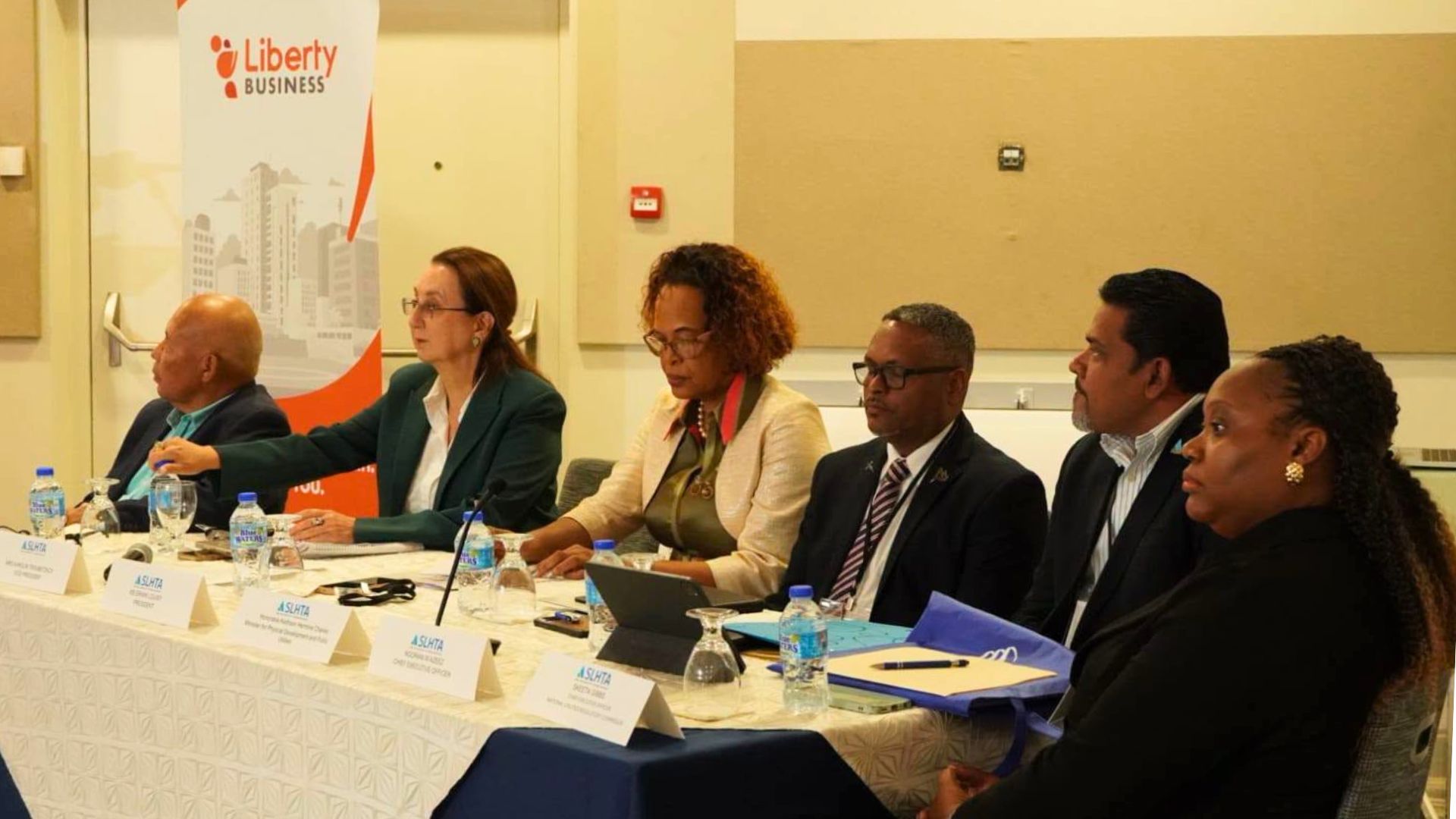
    At the Saint Lucia Hospitality and Tourism Association’s annual general meeting held on Wednesday, June 17, Skeeta Gibbs, Chief Executive Officer of the National Utilities Regulatory Commission (NURC), delivered a critical address calling for a fundamental shift in how the Caribbean island approaches tourism growth. Gibbs issued a clear warning that utility networks cannot be treated as an afterthought in tourism expansion, arguing that robust infrastructure must be embedded at the core of all future development planning.

  • Castle Bruce Police strengthen community ties through district patrols

    Castle Bruce Police strengthen community ties through district patrols

    Law enforcement teams based at the Castle Bruce Police Station are pressing forward with targeted community-focused programs designed to lift public safety standards and build closer, more collaborative bonds with local residents and business operators across the district.

    A public statement released by the Commonwealth of Dominica Police Force (CDPF) confirmed that two serving officers – Corporal Earl George and Constable Valmond – recently conducted a highly visible uniformed mobile patrol throughout the Castle Bruce area. This patrol formed a key part of the station’s long-term proactive strategy, which prioritizes pre-emptive crime reduction and consistent engagement with the communities it serves.

    Over the course of the patrol, the officers stopped at a wide cross-section of local commercial establishments, ranging from retail stores and casual dining spots to local bars and independent street vending operations. They held face-to-face discussions with business owners and on-site managers to address a range of safety concerns, walk proprietors through practical enhanced security protocols, and refresh operators on the mandatory operating hours outlined in their official business licenses.

    In a move to strengthen long-term partnerships between police and local commercial stakeholders, the officers distributed up-to-date emergency contact details to every business they visited. This step ensures that proprietors can reach law enforcement directly and without delay should a critical incident or emergency arise on their premises. Beyond community outreach, the team also provided critical operational support to two bailiffs from the neighboring Roseau District, Bailiff Emmanuel and Bailiff Hector. The assistance included helping to locate individuals named in court documents, serving official legal summonses, and executing a series of outstanding warrants within Castle Bruce’s jurisdictional boundaries.

    The CDPF reported that the proactive outreach effort was met with overwhelmingly positive responses from the local business community. The majority of proprietors who interacted with the officers welcomed the increased visible presence of law enforcement in the area, and openly expressed their gratitude for the ongoing support and consistent engagement from the Castle Bruce Police Station.

    Per the police force’s official statement, initiatives of this kind deliver far-reaching benefits to the entire district. They create a solid foundation for ongoing cooperation between law enforcement agencies and members of the public, help cultivate mutual trust between police and community members, and contribute to measurable improvements in overall public safety for everyone who lives, works, and visits Castle Bruce.

  • Exportverbod op Surinaamse drijfnetvis naar VS opgeheven

    Exportverbod op Surinaamse drijfnetvis naar VS opgeheven

    After months of targeted collaborative reforms to meet international marine conservation standards, Suriname’s coastal driftnet fishing industry has formally regained access to the lucrative United States market. The U.S. National Marine Fisheries Service (NMFS) has issued a positive Comparability Finding for Suriname’s driftnet fishery, officially lifting the export ban that had been placed on Surinamese fish and fish products from this sector.

    Local fishing industry groups including the Visserscollectief (Fishermen’s Collective) and the Suriname Fisherfolk Organization have welcomed the decision, noting that it preserves access to a critically important export market for the South American nation’s fishing sector. Representatives of the groups emphasize that this positive outcome was not achieved without significant coordinated effort. Over the past year, industry stakeholders worked closely with Suriname’s Deputy Directorate of Fisheries to bring operations into full alignment with requirements set by the U.S. Marine Mammal Protection Act.

    The path to reinstatement began after Suriname received a negative compliance finding in 2025, which triggered the imposition of the export ban. In response, government and industry partners developed and rolled out a joint action plan aimed at strengthening marine mammal protection and advancing sustainable development across the fishing sector.

    As core components of this reform plan, multiple evidence-based measures were implemented in partnership with Suriname’s Fisheries Service. One key intervention was the installation of acoustic pingers on all commercial fishing vessels operating in the driftnet fleet. These devices emit warning signals that deter marine mammals from approaching fishing nets, drastically reducing the risk of entanglement, a key concern cited in the original negative finding. Additionally, stakeholders pushed forward the adoption of mandatory Vessel Monitoring Systems, which enable real-time tracking and regulatory oversight of fishing activities to ensure compliance with sustainable fishing rules.

    Mark Lall, spokesperson for the Visserscollectief, underscored that the positive ruling is the direct product of joint commitment across fishermen, fisheries regulators, statistics and research teams, and all other involved stakeholders. “This outcome proves that collaboration between government and the private sector delivers tangible results,” Lall explained. “By taking shared responsibility and implementing concrete, effective measures, we have demonstrated that Suriname’s fishing industry meets all required international standards. This is a victory not just for our sector, but for the entire country of Suriname.”

    Industry groups project that the restoration of U.S. market access will deliver far-reaching benefits for Suriname’s national economy and fishing community. The decision is expected to safeguard thousands of existing jobs in the sector, protect critical export revenue streams, and create a more stable foundation for the long-term sustainable growth of Suriname’s coastal fishing industry.

  • DAA to hold elections for club and school representatives on June 20

    DAA to hold elections for club and school representatives on June 20

    The Dominica Athletics Association (DAA) Inc. has formally launched preparations for a key electoral process to fill critical governance positions, announcing that voting for new Club and School Representatives will take place before the end of this month.

    Per the official scheduling released by the governing body, the election will commence at 10:00 a.m. local time on Saturday, June 20, 2026, hosted in the conference facility of the Dominica Olympic Committee. The association confirmed in a public statement that the nomination period for all open positions formally concluded at 5:00 p.m. on Thursday, June 11, 2026, with a robust slate of qualified candidates successfully securing spots on the ballot for the available roles.

    Four contenders are in the running for the multiple open Club Representative seats, each hailing from one of Dominica’s active local athletic clubs. The candidates include Natasha Jervier-Carbon, representing the Aithons Athletics Club; Smith Telemacque, nominated by the Wesmar Rangers Athletics Club; Caryl Andrew from the Aspirers Athletics Club; and Charles Joseph, put forward by the Striders Athletics Club.

    In contrast, the single open School Representative position has already been finalized without contest. Joel Hamilton, a representative from Dominica Grammar School, will take up the role automatically after no other candidates submitted nominations before the deadline.

    The DAA has issued a call to action for all registered voting members to make an appearance at the venue and cast their ballots, framing the electoral process as a foundational exercise that underpins the ongoing growth and sound administration of track and field across the island nation. Senior DAA officials emphasized that broad, active engagement from association members is non-negotiable for guaranteeing that all stakeholder groups receive robust, responsive representation, and to keep the sport moving forward on its positive development trajectory.

  • Maria Arthurs Sworn In as Contractor General

    Maria Arthurs Sworn In as Contractor General

    BELMOPAN, BELIZE – June 18, 2026 – Against a backdrop of rising national attention to the integrity of government contracting processes, Belize has inaugurated a new leader for its independent public accountability body. On Wednesday, Maria Arthurs took the formal oath of office as the nation’s Contractor General, administered by Governor-General Dame Froyla Tzalam, launching a three-year term leading the office that oversees public sector procurement.

    Arthurs steps into a critical role tasked with upholding the rule of law and fairness in how government contracts are awarded and executed. Her office’s core mandate includes end-to-end monitoring of all public contracting activity, from the initial bidding stage through project implementation, to ensure every government procurement and infrastructure initiative is conducted impartially, awarded based on candidate merit, and fully aligned with national legislation.

    As one of Belize’s central institutional checks on public sector corruption and mismanagement, the Office of the Contractor General plays a foundational role in advancing transparent governance and responsible stewardship of taxpayer funds. Beyond monitoring procedural compliance, the body works to hold public officials and contracting partners accountable to established regulatory standards, reinforcing public trust in how state resources are allocated and used.

    Arthurs assumed all official responsibilities of the position immediately following the swearing-in ceremony, with her tenure set to run through 2029.

  • Two Dominican police officers earn regional CVQ training and development certification

    Two Dominican police officers earn regional CVQ training and development certification

    The Commonwealth of Dominica Police Force (CDPF) has publicly recognized two of its members for a key professional milestone, following their successful graduation from a region-wide specialized training program focused on upgrading law enforcement instructional and training capabilities across the Caribbean.

    Corporal Kerry Shillingford and Acting Corporal Bernard Darroux are the two officers who have recently wrapped up the requirements for the Training and Development Level 4 Caribbean Vocational Qualification (CVQ). The intensive 21-day course was hosted at the Regional Security System (RSS) Training Institute, with funding provided by the RSS and logistical and instructional support delivered by the TVET Council.

    Unlike standard operational law enforcement training, this program was specifically built to cultivate skilled in-house trainers across regional police forces. It gathered law enforcement staff from multiple Caribbean island nations to collaborate and build core competencies needed to design, run, and assess effective professional development courses within their own home agencies. Participants left the program with hands-on practical skills and evidence-based knowledge that they can immediately apply to internal training initiatives.

    In an official statement released after the graduation, leadership of the CDPF extended full congratulations to Shillingford and Darroux, highlighting their consistent dedication to personal improvement and institutional advancement throughout the course. The force emphasized that the new skills and qualifications earned by the two officers will deliver long-term value to the entire organization, by boosting the quality of internal training, strengthening leadership pipelines, and lifting overall operational capacity through structured staff development.
    “This achievement is a clear reflection of the two officers’ commitment to upholding high standards of excellence in policing, and their proactive efforts to lift up both the institution and their fellow officers,” the statement added.

  • Jamaica signs onto Ocean Coordination Mechanism, strengthening Caribbean blue economy partnership

    Jamaica signs onto Ocean Coordination Mechanism, strengthening Caribbean blue economy partnership

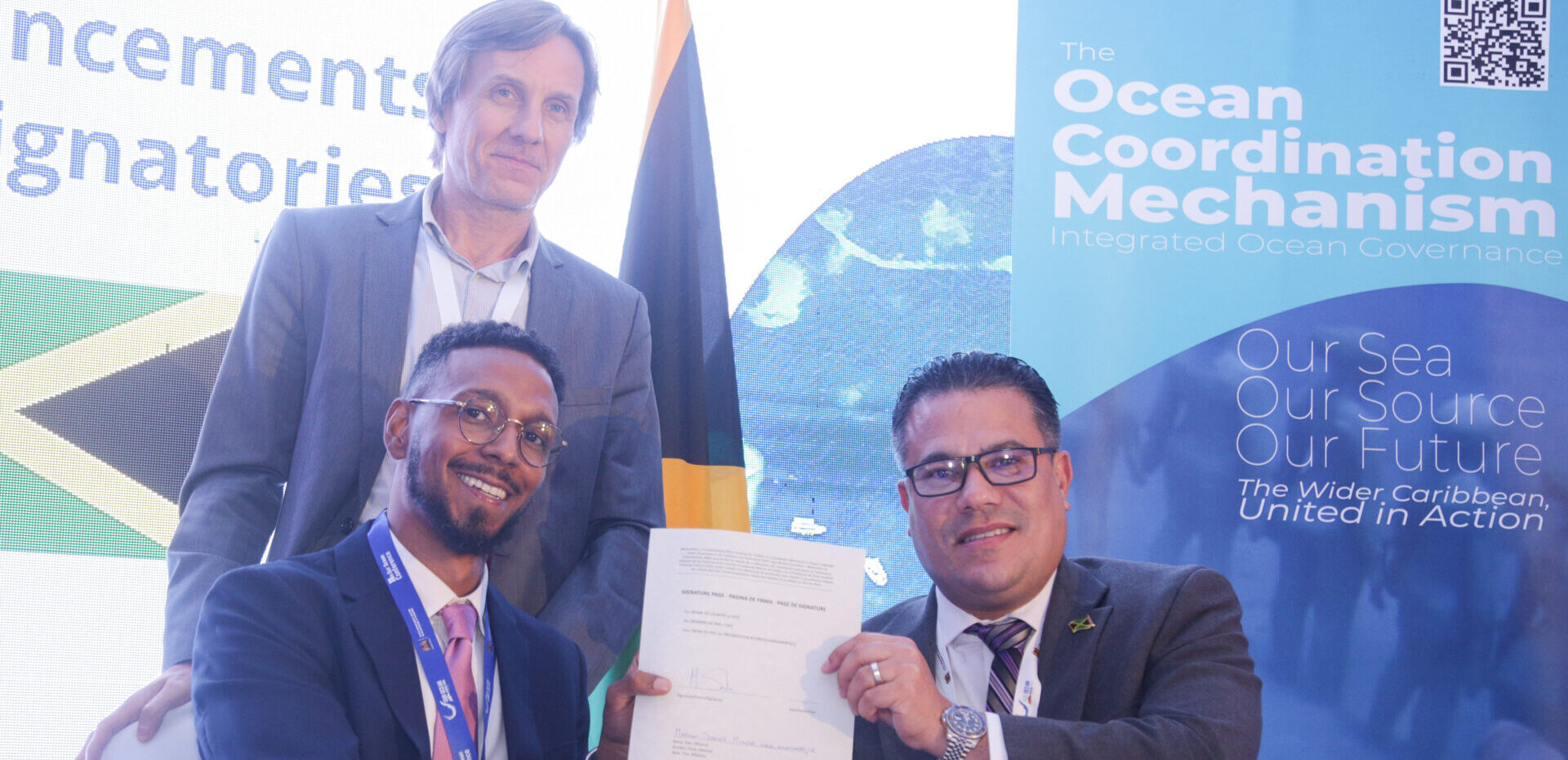
    At an official side gathering of the 2026 Our Ocean Conference, Caribbean ocean governance crossed a major threshold, as Jamaica formalized its membership in the regional Ocean Coordination Mechanism (OCM) through a signed Memorandum of Understanding (MoU) with Barbados. The agreement was signed by Jamaica’s Minister of Water, Environment and Climate Change, the Hon. Mathew Samuda, on behalf of the Jamaican government, while H.E. William Alexander McDonald, Barbados’ High Commissioner to Kenya, signed for the Barbadian government, per a joint official statement released after the ceremony.

    The historic signing ceremony was co-hosted by the Government of Jamaica, the OCM, the Caribbean Biodiversity Fund (CBF), and a wide coalition of regional and international partners focused on ocean sustainability. Organizers of the event frame the accession as a transformative leap forward for cross-border cooperation focused on advancing a regenerative, inclusive blue economy across the entire Wider Caribbean region.

    The OCM was established specifically to confront longstanding systemic challenges facing the Caribbean’s shared marine environments. The region’s ocean ecosystems are inherently interconnected, spanning national boundaries and tying communities together through overlapping environmental, economic and cultural ties to the sea. For decades, however, fragmented national governance frameworks, accelerating marine environmental degradation, and the intensifying impacts of anthropogenic climate change have held back sustainable development efforts, limiting the ability of local communities to access and benefit from marine resources equitably.

    By design, the OCM addresses these gaps by strengthening aligned coordination between national governments, intergovernmental bodies, and the full spectrum of ocean-focused stakeholders, from non-profit conservation groups to local fishing cooperatives. Through enhanced cross-sector collaboration and streamlined institutional efficiency, the mechanism works to tackle pressing marine threats while unlocking the full range of social, economic and ecological benefits that healthy, productive oceans provide to regional populations.

    In an era of growing global conversation around ocean stewardship, the OCM has positioned the Wider Caribbean as a global leader in regional ocean governance. International attention has increasingly centered on the urgent need for stronger cross-organization coordination for marine resource management and ocean protection, and the OCM provides a uniquely tailored framework for regional cooperation that addresses the specific needs of Caribbean nations. This structure is particularly critical at a time of shifting overseas development assistance patterns and disjointed ocean action across national and regional levels, offering a centralized strategic platform to amplify the impact of existing resources and align action across the region.

    Addressing attendees at the signing ceremony, Minister Samuda underscored Jamaica’s longstanding commitment to collaborative ocean stewardship, explaining the country’s decision to join the mechanism. “Jamaica has recognized the OCM as an important regional coordinating mechanism on ocean-related matters, it is for this reason we have decided to become a member of the OCM. Jamaica looks forward to a constructive partnership with the OCM in advancing the global, regional and national ocean agenda,” Samuda said.

    Already, the OCM has advanced multiple high-priority initiatives to advance regional ocean health. Key ongoing projects include the development of a comprehensive regional Ocean Action Programme, the launch of a regular public reporting series on the “State of the Marine Environment and Associated Economies,” and targeted capacity-building efforts to strengthen climate-resilient ocean-based economies across the region.

    These efforts carry disproportionate importance for the Caribbean’s Small Island Developing States (SIDS), which rely almost entirely on healthy marine ecosystems and sustainable ocean industries for livelihoods, food security and economic growth, while bearing the brunt of climate change impacts including sea level rise, ocean acidification and more intense tropical storms.

    Looking ahead, regional stakeholders expect Jamaica’s accession to the OCM to deepen collective collaboration across the Caribbean, strengthening unified action on ocean governance, marine conservation, and inclusive sustainable economic development for all nations in the region.

  • More Inspectors to Crack Down on High Prices Across Belize

    More Inspectors to Crack Down on High Prices Across Belize

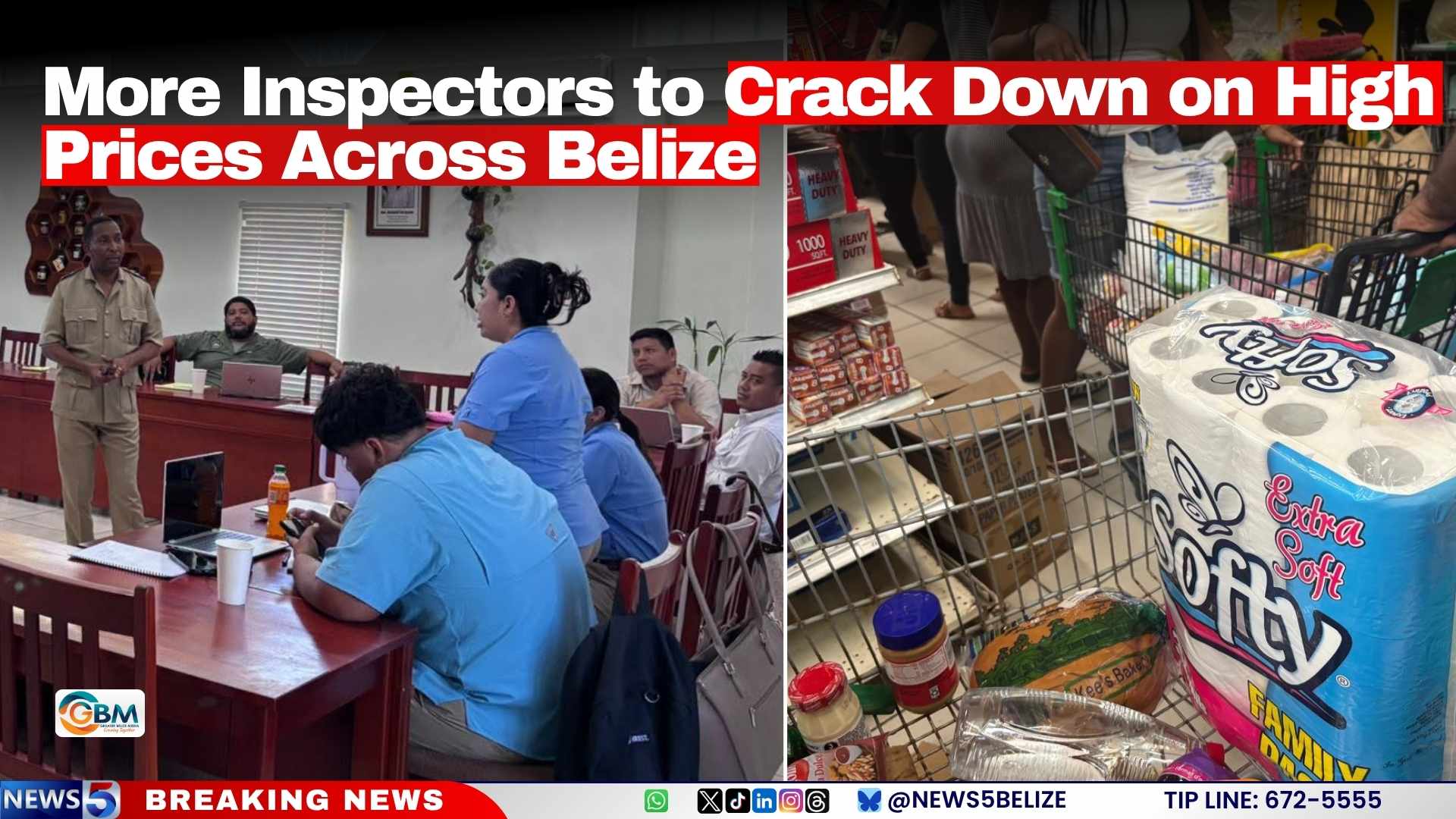
    Facing sustained public outcry over rampant price gouging and an increasingly unaffordable cost of living, the government of Belize is rolling out a sweeping expansion of its price regulatory body to crack down on predatory business practices. In a move designed to boost compliance with existing price control rules, the Supplies Control Unit (SCU) will more than double its workforce and open two new regional outposts, bringing greater enforcement reach to both northern and southern parts of the country.

    Lennox Nicholson, the Controller of Supplies, confirmed that the reformed agency has grown from a team of just 5 officers operating out of two offices to a 11-person force spread across four regional locations. The new branches, based in Orange Walk Town and Independence Village, will directly serve the northern and southern districts that previously lacked consistent on-the-ground oversight from the unit.

    For the expanded agency, maintaining price caps on regulated essential goods remains the top priority, Nicholson told local outlet News 5. He reminded the public that the SCU has a history of holding violators accountable, previously publishing the names of non-compliant businesses and issuing fines for price control breaches. The expansion does not only add more personnel: the agency is also receiving additional vehicles, expanded office space, and increased operational resources that will allow it to dramatically ramp up the frequency of inspections across Belize’s retail sector.

    Before the agency began expanding, all new inspectors completed a three-day specialized training program held from June 9 to 11 at the National Police Training Academy. The curriculum covered core competencies critical to professional enforcement, from constitutional rights for businesses and standard inspection protocols to proper evidence gathering procedures and courtroom testimony guidelines, ensuring the expanded team operates consistently and effectively.

    Nicholson acknowledged that the SCU’s previous small footprint created major limitations for the agency, slowing responses to thousands of public complaints and restricting oversight across the country. Previously, only a limited selection of essential goods fell under price regulation, and the small team could barely keep up with reports of violations. With its expanded size and broader jurisdiction, inspectors will now carry out both routine and random inspections, targeting all types of retail operations: from large high-traffic establishments that serve hundreds of daily customers to small rural shops, where unregulated price hikes are more common and less frequently policed.

    First established as an independent government body in October 2021, the SCU oversees price rules for a basket of essential goods including fuel, liquefied petroleum gas (LPG), and basic grocery items. Current national laws mandate that businesses can only mark up these regulated goods by between 15% and 20%, with caps designed to prevent excessive profiteering at the expense of working households. With its expanded team and resources, the SCU will now work to ensure all businesses stay within these legal markup limits, easing the financial burden that inflated prices have placed on Belizean consumers.